
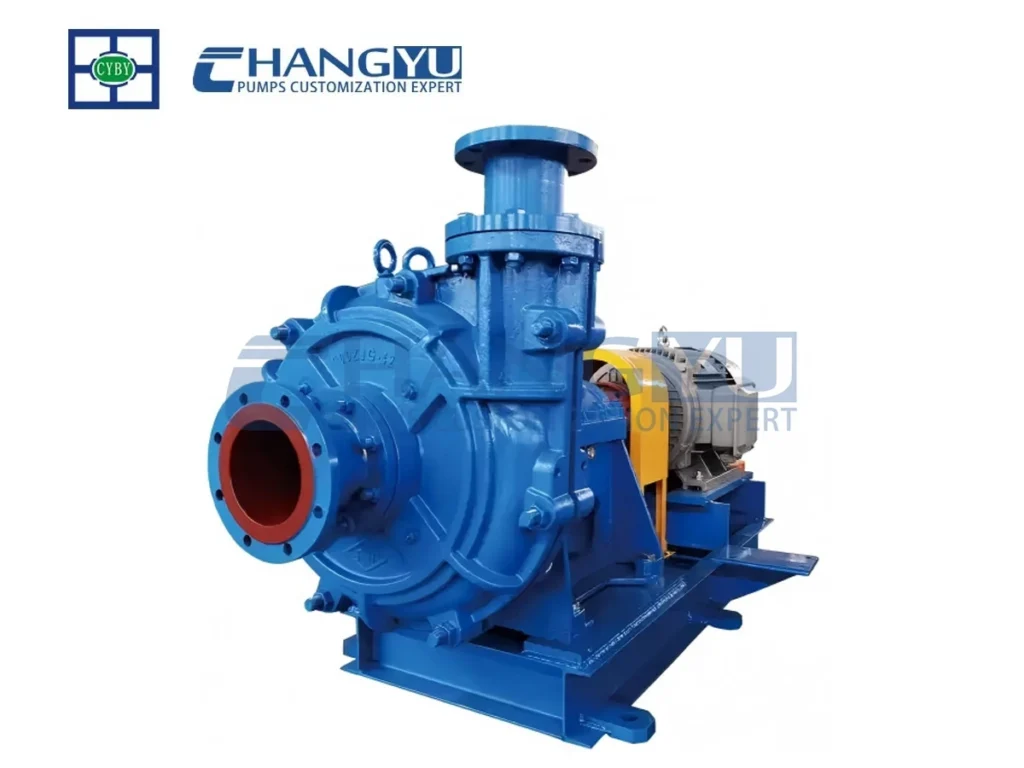
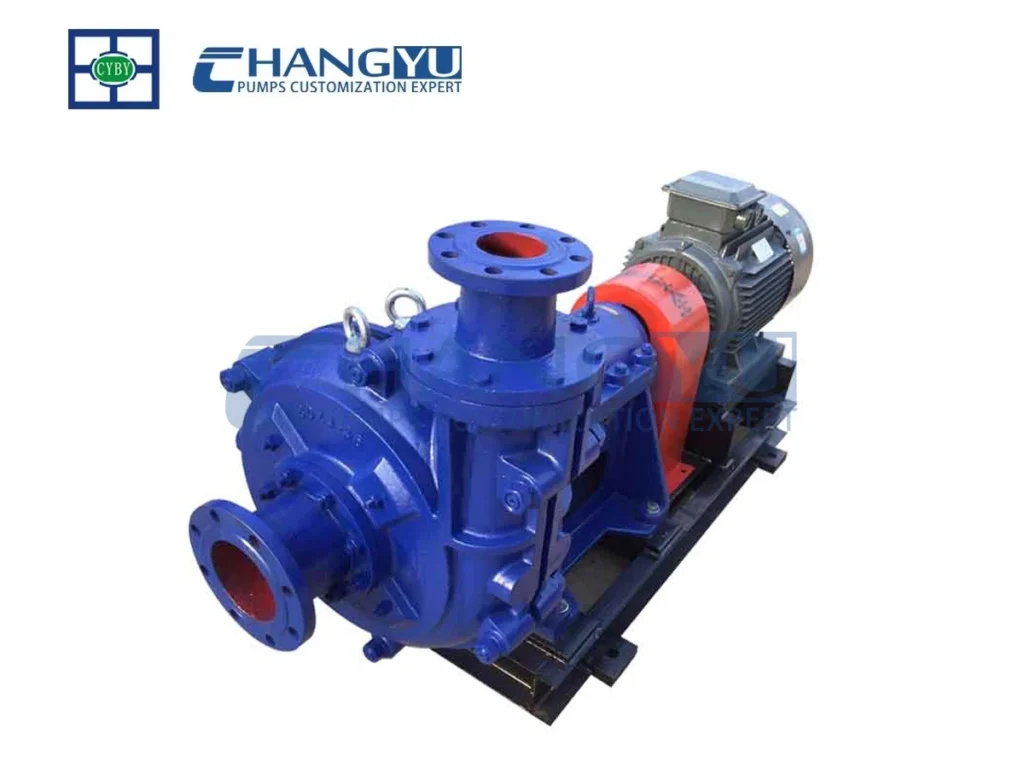
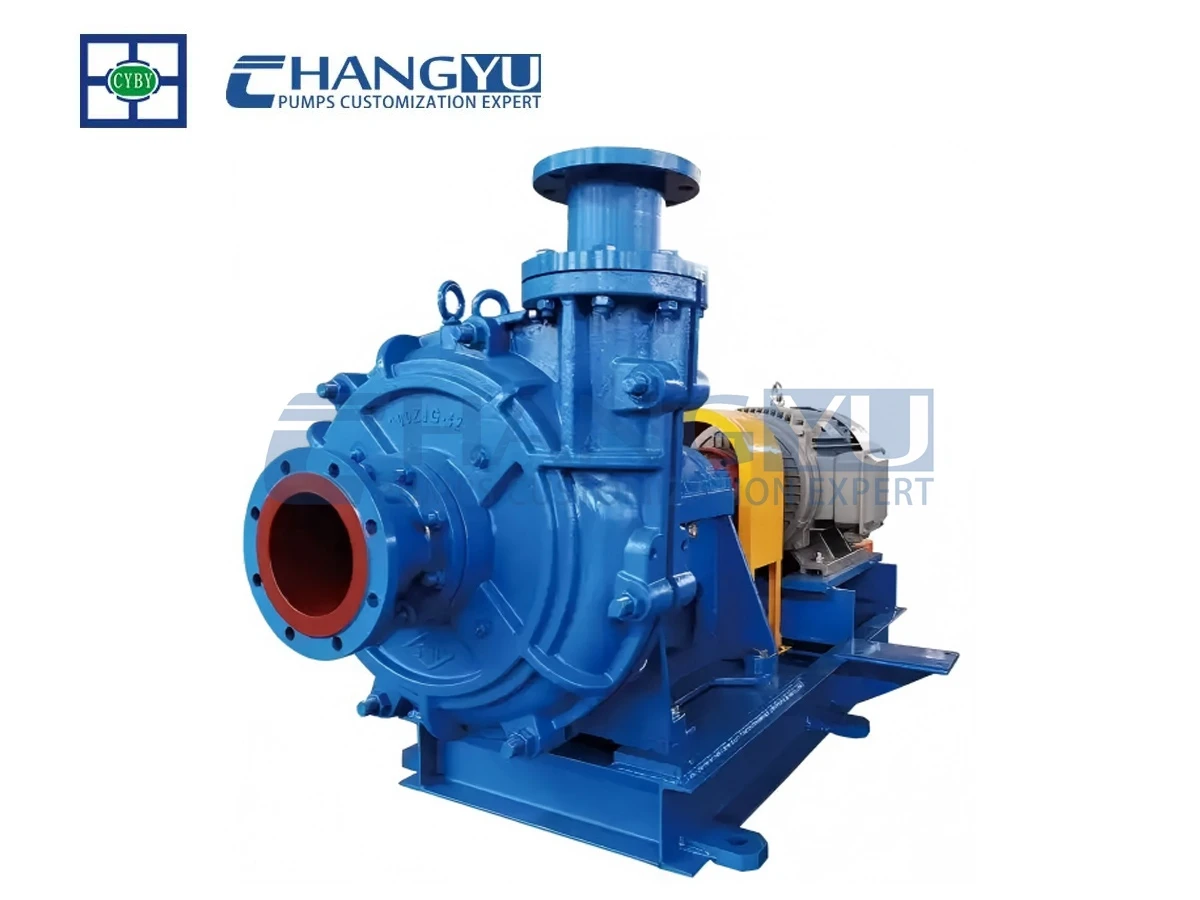
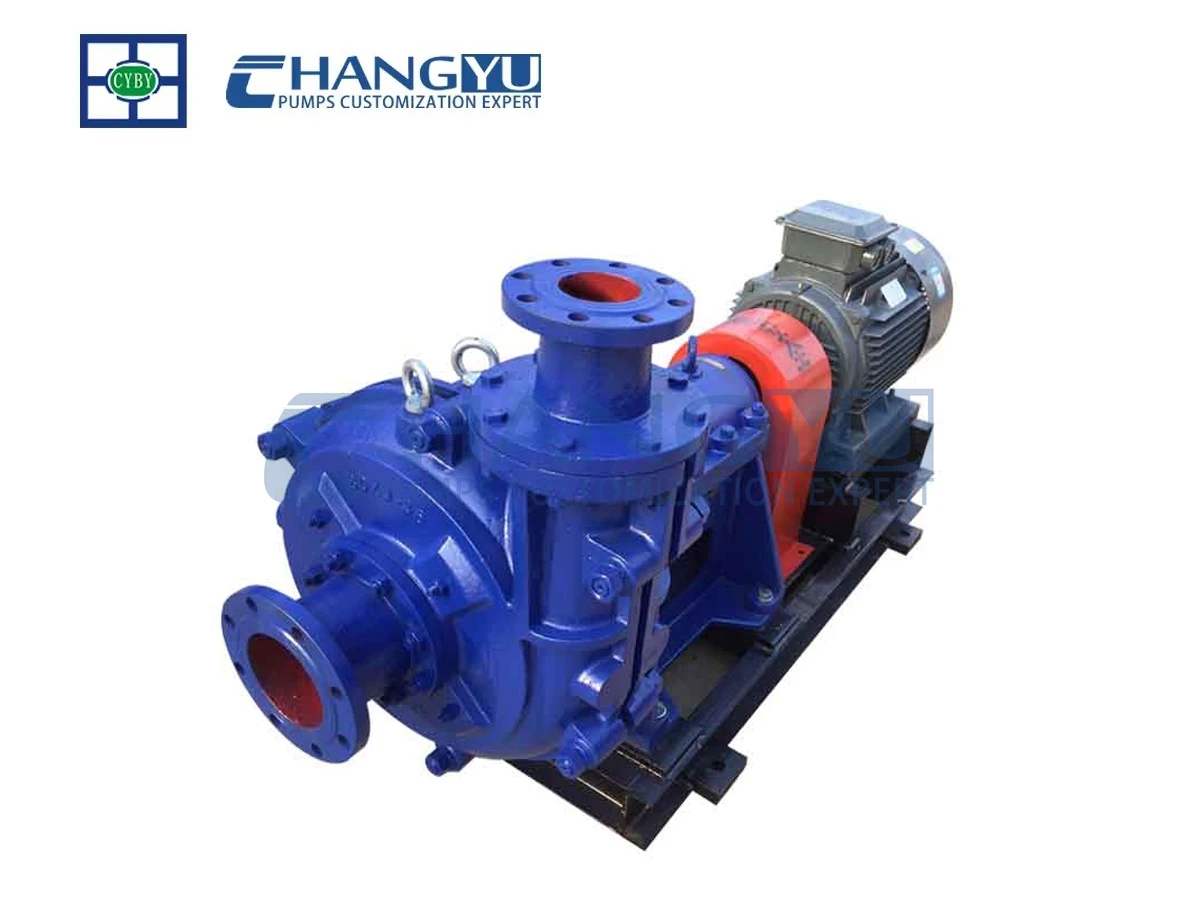
Pompes à boues horizontales de la série PGY | Pompe à haut rendement et à grande hauteur de refoulement
Les pompes à boue horizontales de la série PGY de Changyupump sont conçues pour une hauteur de refoulement élevée et des conditions d'usure sévères. La hauteur de refoulement maximale atteint environ 100 mètres. La construction à double enveloppe permet un remplacement facile des pièces en contact avec le fluide sans démonter la tuyauterie. L'ensemble de roulement lubrifié à l'huile assure une fiabilité à long terme. Diamètres de refoulement de 40 mm à 400 mm. Pièces en contact avec le fluide disponibles en alliages à haute teneur en chrome (BTMCr27, Cr28, Cr33) et en acier inoxydable duplex. Applications courantes : exploitation minière, traitement des minéraux, lavage du charbon, désulfuration des gaz de combustion (FGD) et boues chimiques.
|
Plage de débit: |
117 m³/h ~ 976 m³/h |
|---|---|
|
Gamme de têtes: |
21,1 m ~ 101,6 m |
|
Puissance du moteur: |
22 kW ~ 560 kW |
|
Vitesse: |
730 / 980 / 1480 tr/min |
|
Matériaux personnalisables: |
BTMCr27 / BTMCr28 / BTMCr33 / Acier inoxydable austénitique / Acier inoxydable duplex / Autres alliages résistants à la corrosion |
Qu'est-ce qu'une pompe à boue horizontale ?
Une pompe à boue horizontale est une pompe centrifuge conçue pour transporter des boues abrasives ou corrosives contenant des particules solides. Contrairement aux pompes à eau propre standard, ses composants hydrauliques, ses pièces de passage et son système de roulement sont tous conçus pour des applications intensives.
La série PGY présente une conception centrifuge horizontale à un seul étage et à une seule aspiration. Le corps de pompe utilise une conception à double enveloppe : la couche externe résiste à la pression, tandis que les composants internes de passage du fluide sont remplaçables. Cette conception élimine la nécessité de démonter la tuyauterie d'entrée et de sortie lors de la maintenance, rendant le remplacement sur site des pièces d'usure très pratique.
Le diamètre de la roue détermine directement la hauteur de refoulement. La série PGY peut atteindre une hauteur de refoulement maximale d'environ 100 mètres. Les diamètres de refoulement vont de 40 mm à 400 mm, couvrant les applications courantes allant du transport de particules fines aux résidus.
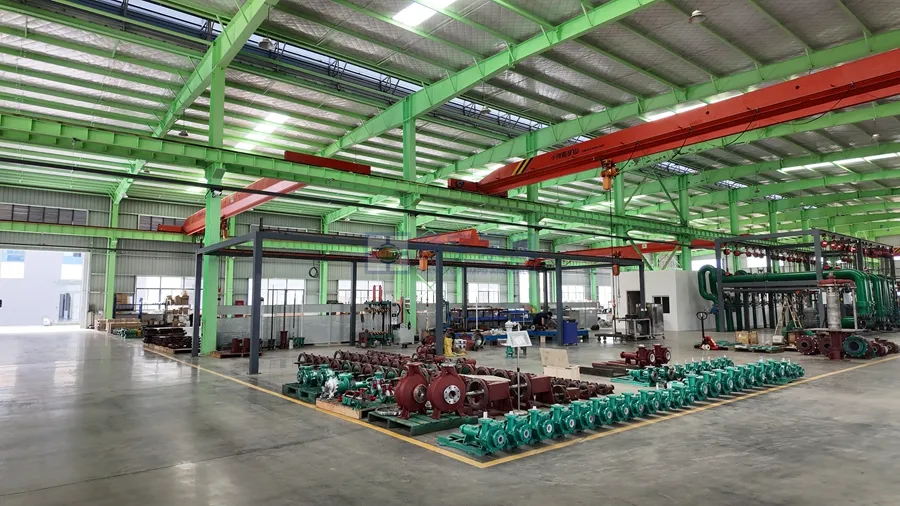
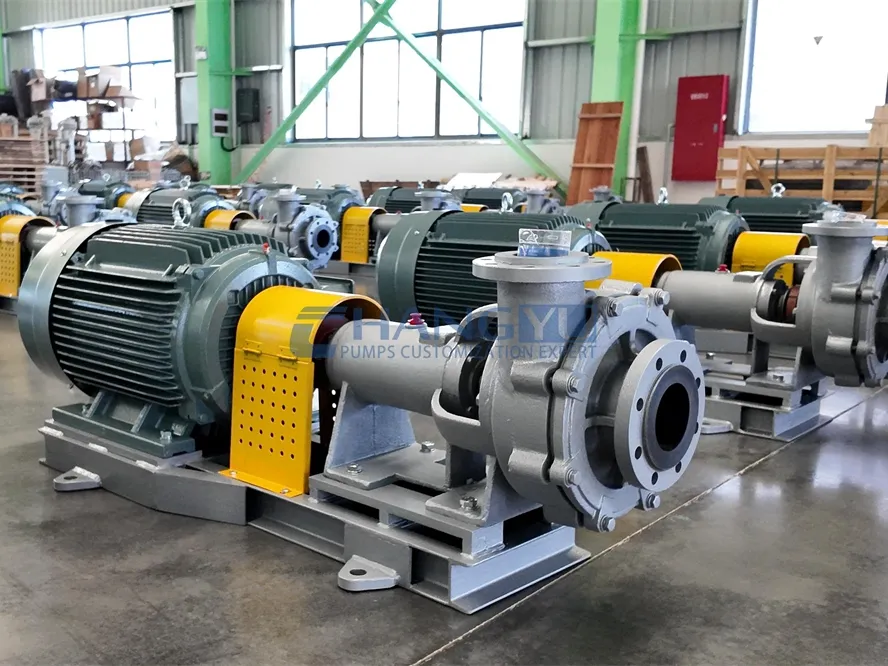
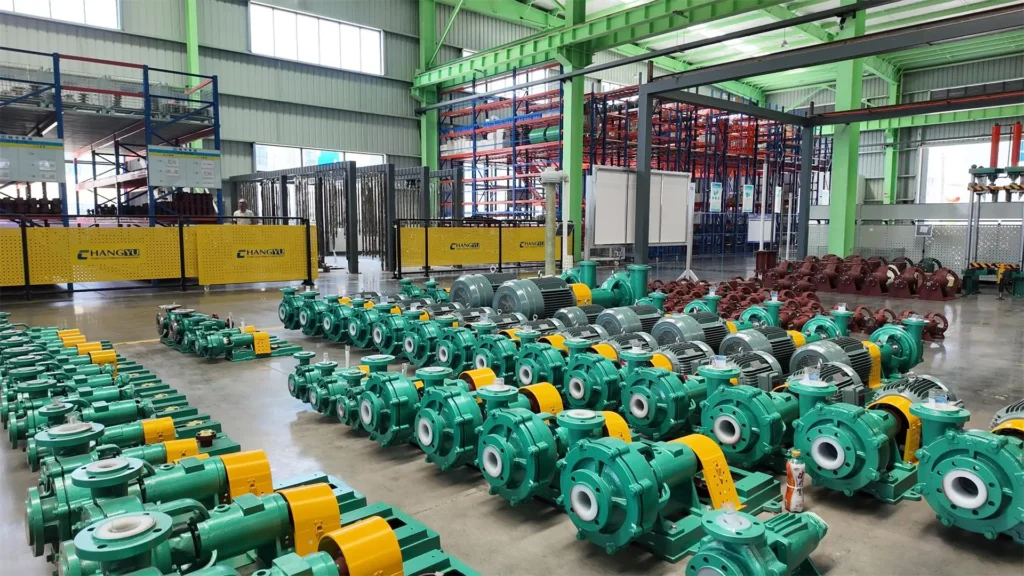
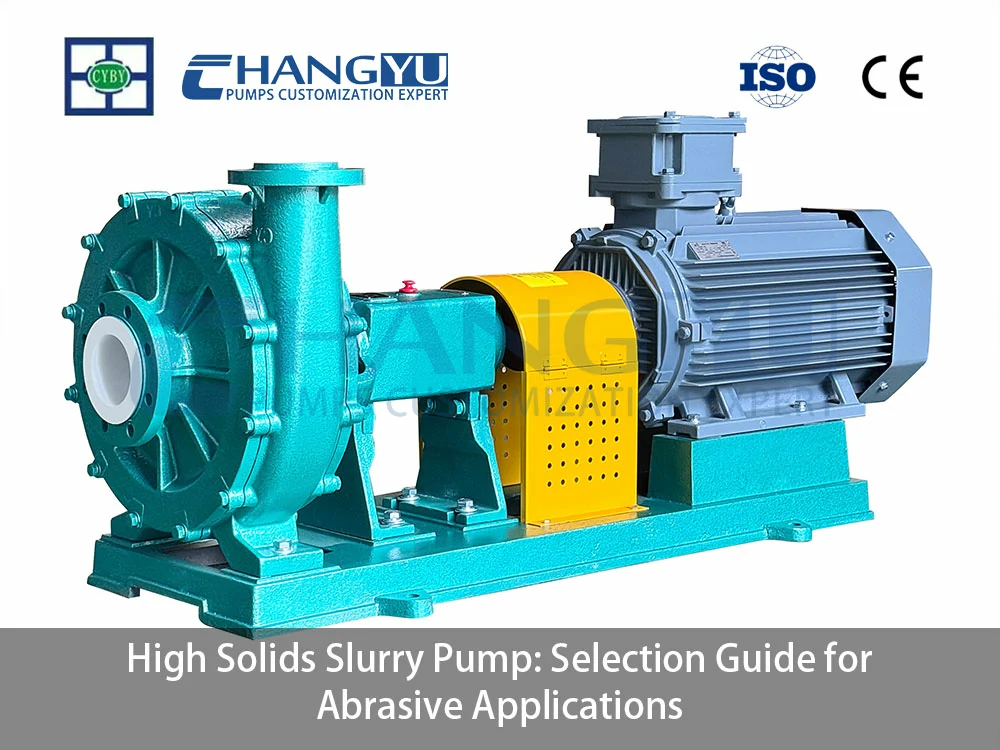
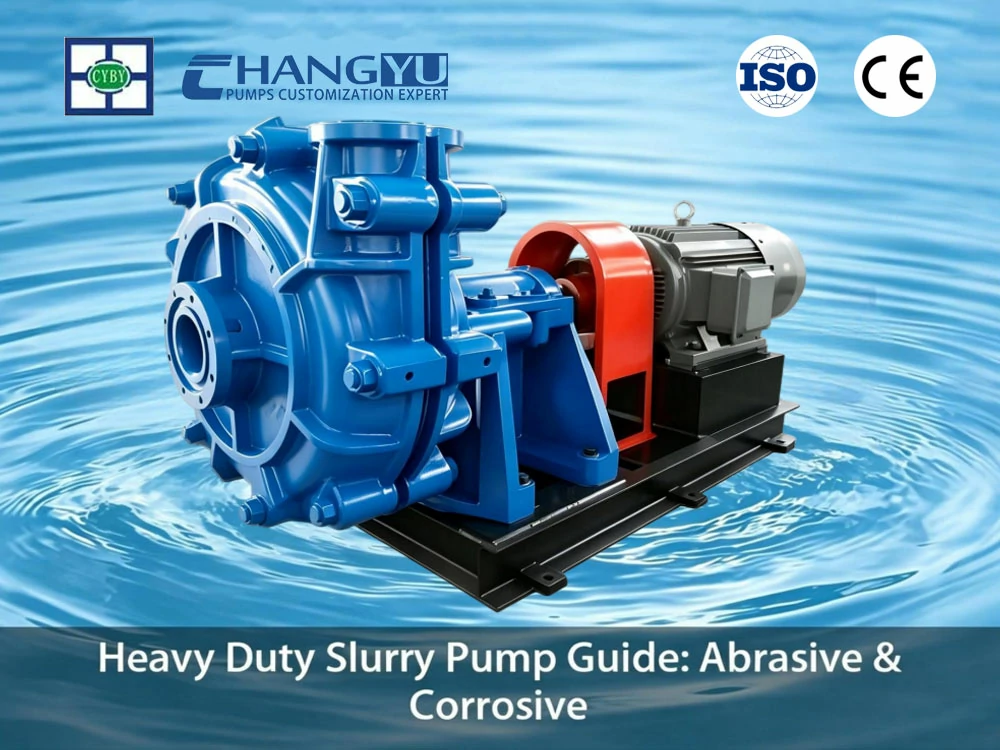
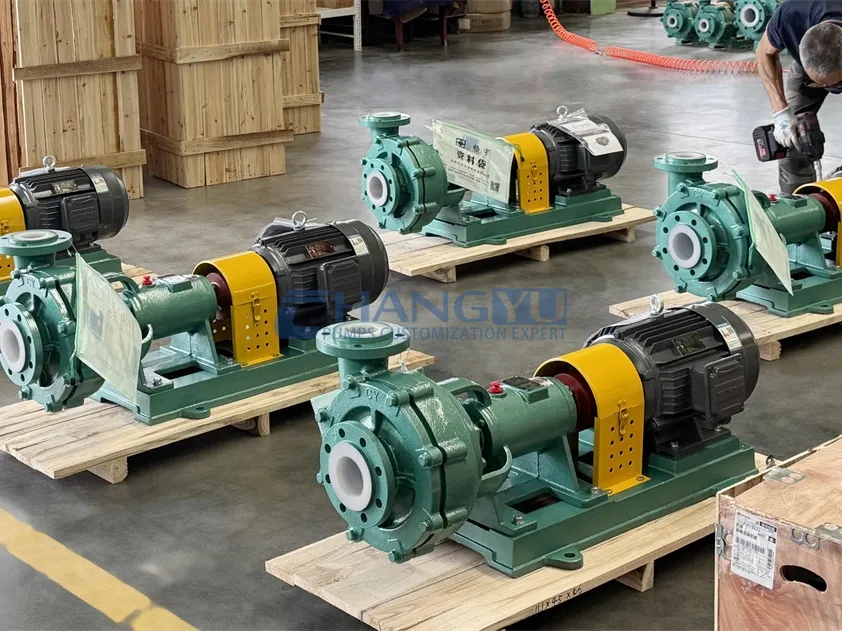
Le pompes à boues fabriquées par Changyu Pump sont véritablement capables d'un fonctionnement continu sur le terrain.
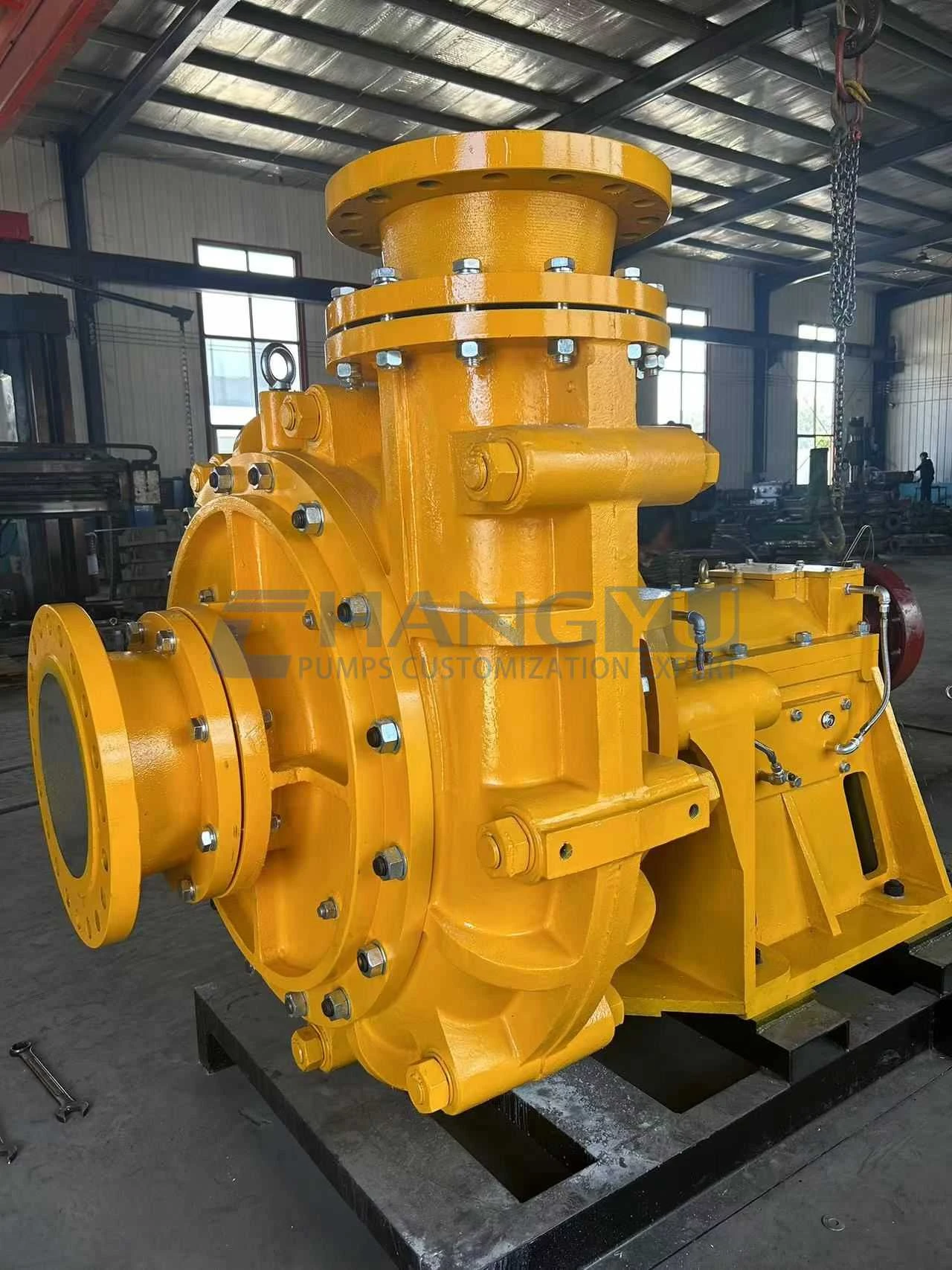
Applications des pompes à boue horizontales
La série PGY est conçue pour les applications industrielles intensives où les solides abrasifs, les boues corrosives et les résidus à haute densité mettent à l'épreuve la durée de vie de la pompe et les intervalles de maintenance. Construite avec une double enveloppe, des roulements lubrifiés à l'huile et des pièces en contact avec le fluide en alliage à haute teneur en chrome.
Supports compatibles :
Résidus de minerai de fer, concentré de cuivre, boue de charbon, suspension dense, boue de phosphate, boue de calcaire, boue de gypse (FGD), boue rouge, boue d'alumine, boue de scories, eau de cendres, boue contenant du sable, boues de procédé à faible pH (pH≥1), boues corrosives contenant de l'oxygène et résidus minéraux à haute concentration
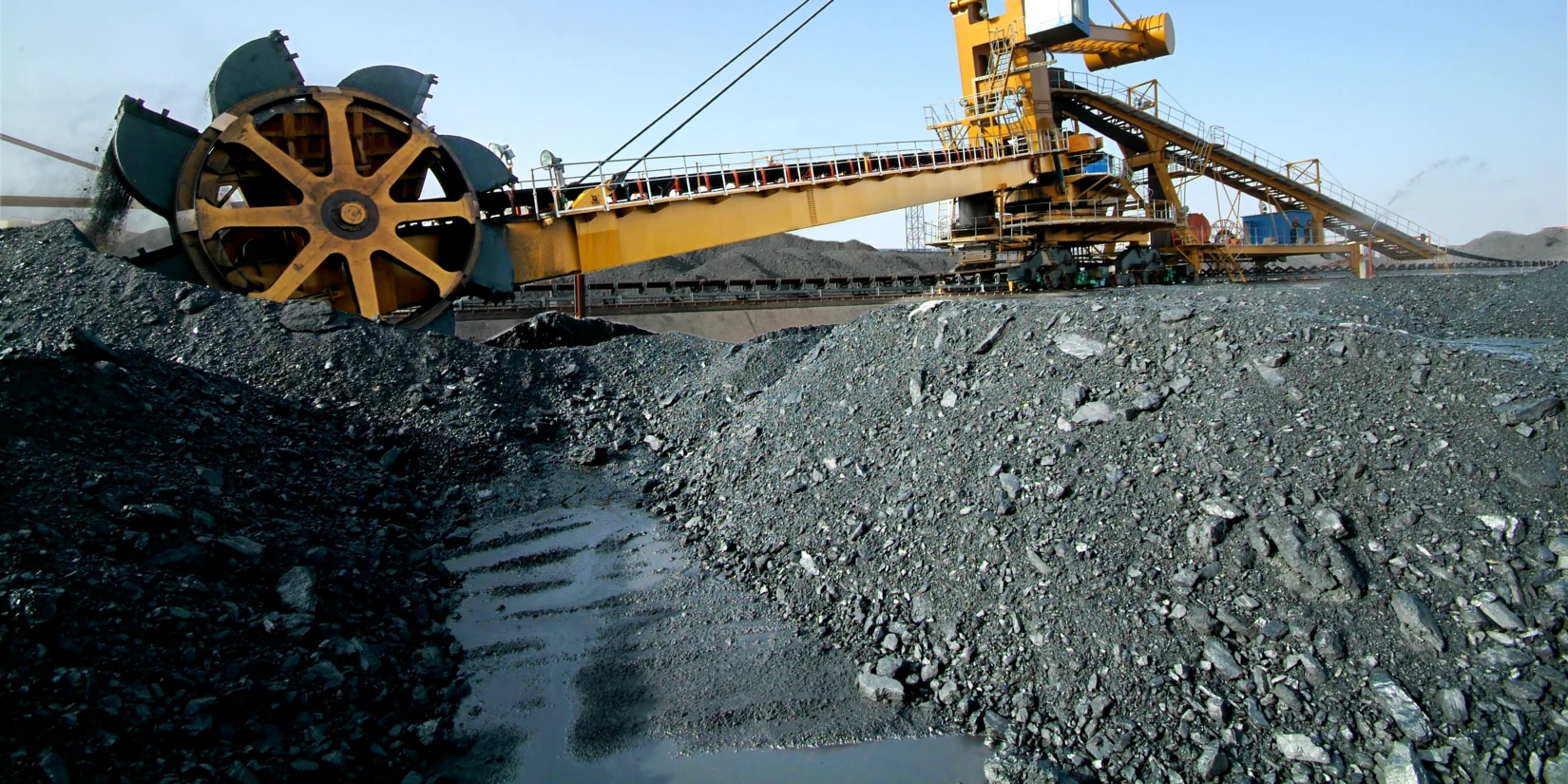
Exploitation minière et traitement des minéraux
Transport de concentré de minerai, élimination des résidus, assèchement des mines, circulation de milieu dense dans les usines de lavage du charbon et décharge du broyeur.
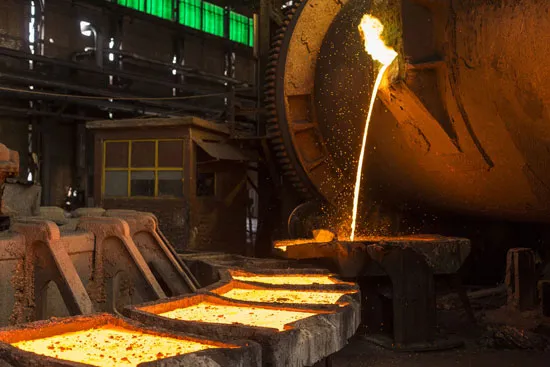
Métallurgie et fonderie
Production d'alumine (boue rouge), boue de calamine d'aciérie, eaux usées de fonderie avec fines particules solides et manutention de scories.
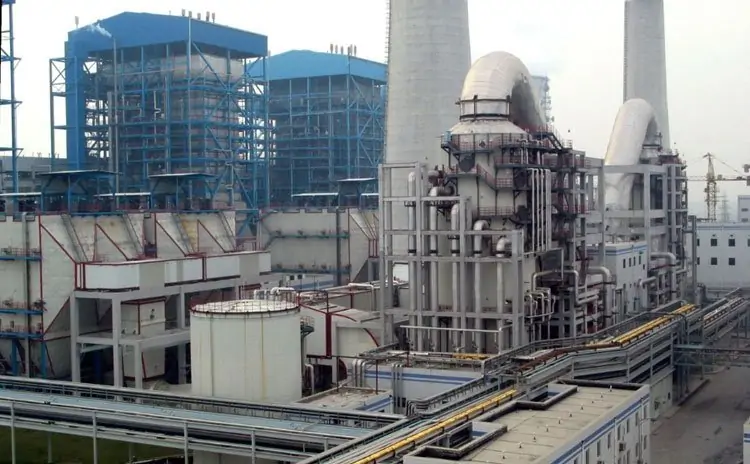
Désulfuration des gaz de combustion (FGD)
Spécifiquement pour les systèmes de FGD par voie humide nécessitant des matériaux en acier inoxydable à haute teneur en chrome ou duplex pour résister aux ions chlorure et au faible pH.

Chimie et engrais
Boue de procédé d'acide phosphorique (pH≥1), production de dioxyde de titane et boues chimiques corrosives avec solides en suspension.
Pour les applications non listées ci-dessus ou nécessitant des conditions de fonctionnement spécifiques :
Nous recommandons de contacter Changyupump pour obtenir une solution adaptée à votre composition réelle de boue, distribution granulométrique, valeur du pH, température, débit, hauteur de refoulement et disponibilité en eau de rinçage sur site.
Nous fournissons une documentation technique complète, des conseils de sélection et une assistance technique pour vous aider à trouver la solution la mieux adaptée à votre application de boue spécifique. Des conceptions personnalisées sont disponibles pour répondre à des exigences particulières en matière de hauteur de chute, de débit ou de corrosion.
Besoin d'une réponse rapide ou d'un devis personnalisé ? Notre équipe répond dans les 24 heures avec un soutien personnalisé.
Courriel : [email protected]
WhatsApp : +86-13651913727
Avantages de la pompe à boue horizontale
Haute hauteur de refoulement
La série PGY présente une conception avec un diamètre de roue plus grand, offrant une hauteur de refoulement maximale d'environ 100 mètres par étage. Pour les applications nécessitant de longues distances ou des différences d'élévation significatives, il n'est pas nécessaire de connecter plusieurs pompes en série, ce qui simplifie le système.
Composants de passage du fluide fabriqués en alliages à haute teneur en chrome
Nous n'utilisons pas un seul matériau de manière uniforme. Le BTMCr27, le BTMCr28 et le BTMCr33 sont sélectionnés pour s'adapter à différents niveaux de corrosion et d'usure. Par exemple, le BTMCr28 est utilisé pour les applications FGD où le pH est inférieur à 4, tandis que le BTMCr33 est utilisé pour les acides forts contenant de l'oxygène. D'autres options incluent l'acier inoxydable austénitique et l'acier inoxydable duplex.
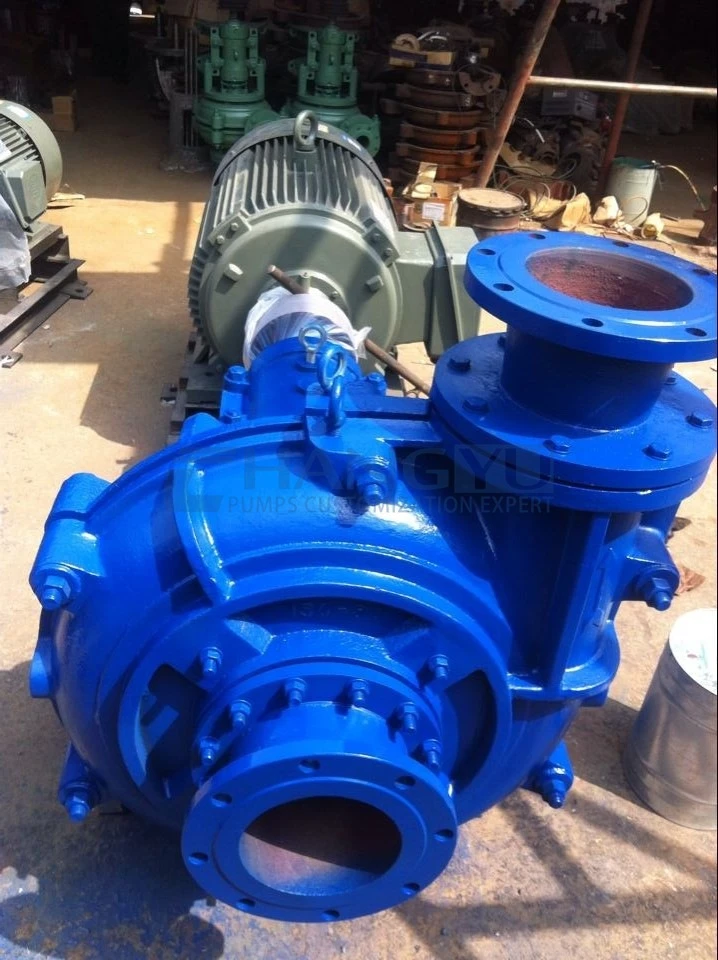
Structure à double enveloppe
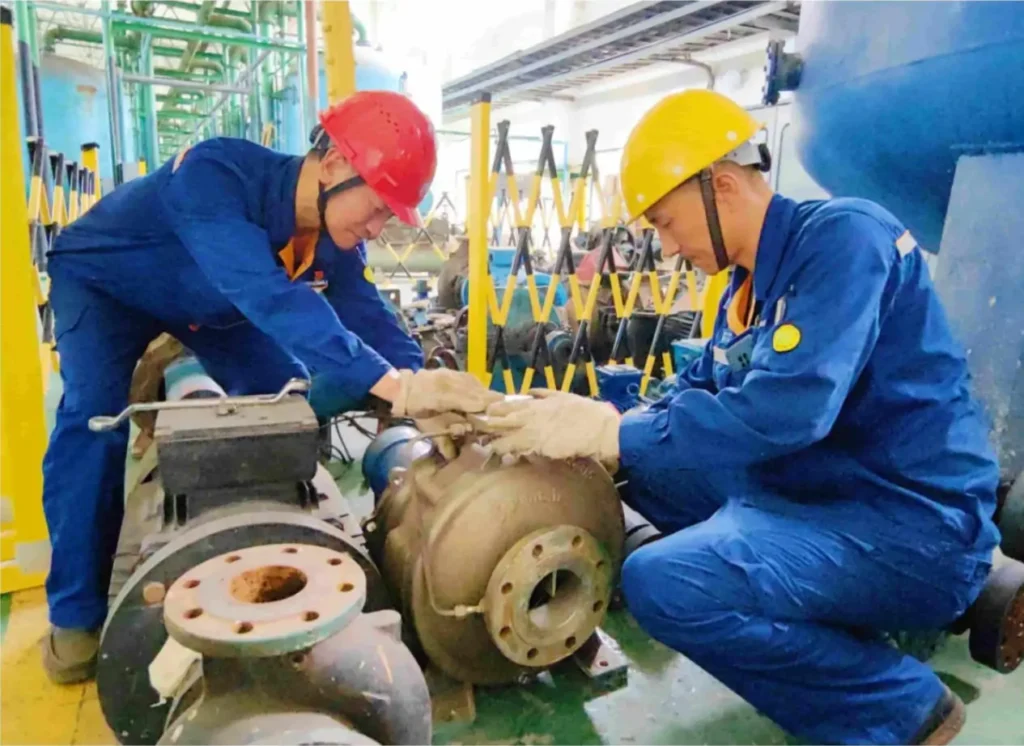
L'enveloppe externe supporte la pression, tandis que les composants internes (roue, manchon et plaques d'usure avant et arrière) peuvent être remplacés individuellement. Lors du remplacement sur site, il n'est pas nécessaire de déconnecter la tuyauterie d'entrée et de sortie, ce qui réduit considérablement le temps de maintenance.
Solutions flexibles d'étanchéité d'arbre
Roue auxiliaire + garniture d'étanchéité : Une eau de rinçage à basse pression est suffisante, avec une maintenance simple
Garniture d'étanchéité uniquement : En l'absence de roue auxiliaire, une eau de rinçage à plus haute pression est requise
Joint mécanique double face : Exigence de fuite nulle
Roue auxiliaire + joint mécanique : Réduit la pression dans la chambre d'étanchéité, nécessitant une pression d'eau de rinçage plus faible
Pompe à boue horizontale série PGY – Vue en coupe, pièces et données techniques
Cette section montre comment la pompe à boue horizontale PGY est construite. Vue éclatée avec composants numérotés. Tableau des matériaux des pièces en contact avec le fluide (BTMCr27 / Cr28 / Cr33 / acier inoxydable duplex). Liste complète des modèles avec débit, hauteur de refoulement, vitesse et puissance moteur. Téléchargez le PDF complet pour la sélection sur le terrain ou la référence de maintenance.
Vue éclatée et liste des composants
La vue éclatée ci-dessous montre la structure de la partie humide de la PGY. Chaque pièce numérotée correspond aux articles de remplacement sur le terrain. Utilisez-la pour la commande de maintenance ou la référence d'assemblage.
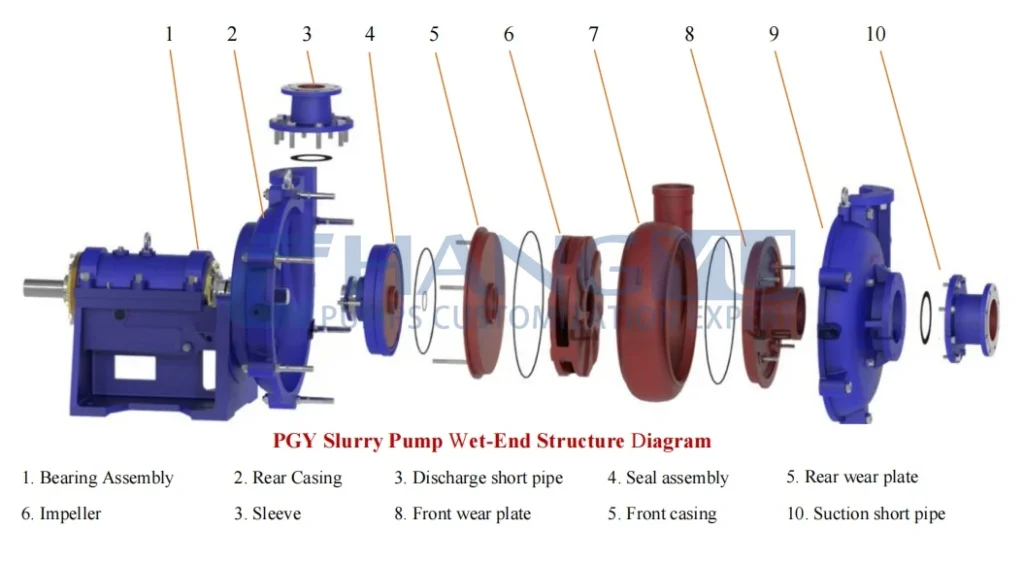
Sélection des matériaux des pièces en contact avec le fluide
La sélection des matériaux détermine la durée de vie de la pompe dans les boues abrasives ou corrosives. La PGY offre des options graduées d'alliages à haute teneur en chrome et d'acier inoxydable. Choisissez en fonction du pH, de la teneur en oxygène et du niveau de chlorure.
Tableau des matériaux:
| Code du matériau | Description | Dureté | Conditions applicables |
|---|---|---|---|
| Bull Terrier miniature à crête | Fonte blanche résistante à la corrosion au chrome à 27 % de chrome | ≥56 HRC | Fonte blanche résistante à l'usure offrant d'excellentes performances dans des conditions corrosives |
| BTMCr28 | Fonte blanche à haute teneur en chrome à faible teneur en carbone à 28 % de chrome | ≥45 HRC | Particulièrement adaptée aux applications FGD et autres applications corrosives où le pH est inférieur à 4 |
| La greffe de moelle osseuse et la recherche sur le cancer | Alliage résistant à l'érosion et à la corrosion à 33 % de chrome, à haute teneur en chrome et faible teneur en carbone | ≥35 HRC | Traite les boues contenant de l'oxygène avec un pH non inférieur à 1, comme les procédés à l'acide phosphorique |
Autres matériaux disponibles
D'autres matériaux pour pièces en contact avec le fluide comprennent des alliages résistants à la corrosion tels que l'acier inoxydable austénitique, l'acier inoxydable et l'acier inoxydable duplex. Si d'autres matériaux sont nécessaires, veuillez nous contacternous contacter.
Notes de l'ingénieur
- Bull Terrier miniature à crête: Choix standard résistant à l'usure pour le minerai de fer, le minerai de cuivre, la boue de charbon et les conditions neutres ou légèrement corrosives.
- BTMCr28: Spécialement conçu pour les applications FGD où le pH de la boue est < 4 et où du chlorure est présent.
- La greffe de moelle osseuse et la recherche sur le cancer: Utilisé pour la corrosion et l'usure combinées sévères, comme la boue d'acide phosphorique (pH ≥ 1) et les milieux contenant de l'oxygène.
- Acier inoxydable duplex: Recommandé lorsque la concentration en chlorure est extrêmement élevée ou que les alliages à haute teneur en chrome ne peuvent pas tolérer l'environnement chimique.
Type de joint d'arbre
Le joint d'arbre est l'un des composants les plus critiques d'une pompe à boue centrifuge. PGY propose quatre options d'étanchéité. Le choix dépend de la pression de l'eau de rinçage, des exigences de fuite et des conditions du site.
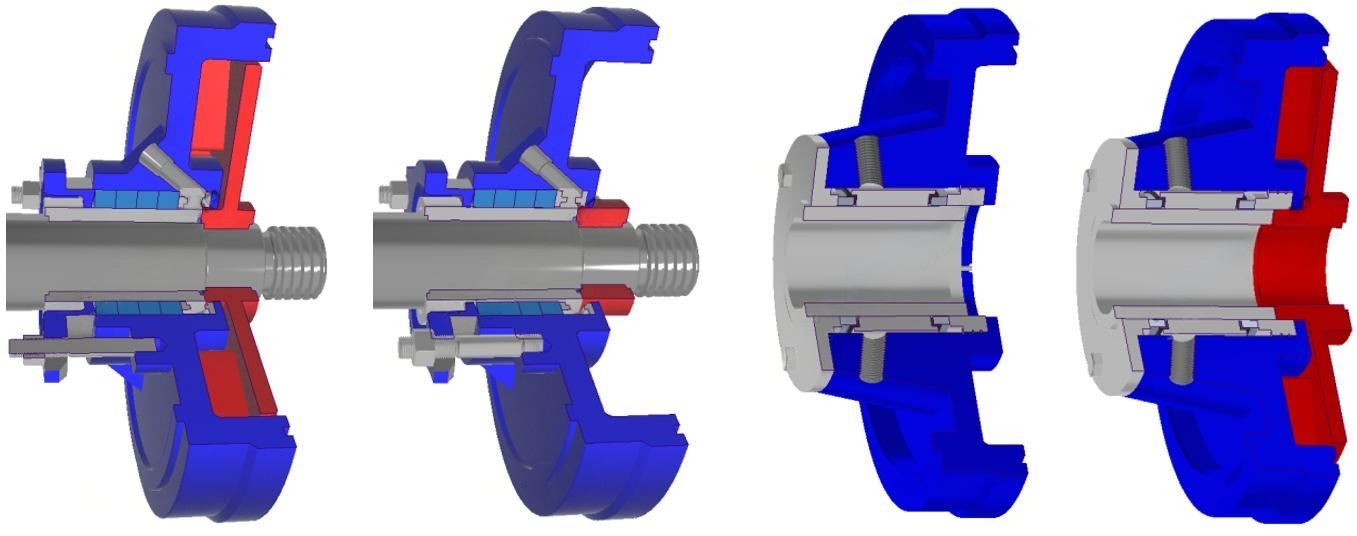
Presse-étoupe avec joint double à roue auxiliaire
La roue auxiliaire agit comme une turbine, réduisant la pression de la boue s'échappant de l'arrière de la roue. Le joint à presse-étoupe sert de joint secondaire, où plusieurs bagues de garniture sont comprimées par le boîtier de presse-étoupe et la bague résistante à l'usure, ne nécessitant qu'une eau de rinçage à basse pression.
C'est le type d'étanchéité standard pour les pompes PGY, offrant une maintenance facile et un faible coût.
Joint d'étanchéité à garniture
Lorsqu'une roue n'est pas applicable, un joint à presse-étoupe souple est utilisé. Plusieurs bagues de garniture souples sont comprimées par le boîtier de presse-étoupe et la bague résistante à l'usure.
Comme il n'y a pas de roue auxiliaire pour réduire la pression par action centrifuge, une eau de rinçage à plus haute pression doit être introduite dans la garniture via une bague d'étanchéité à eau pour refroidir la garniture et empêcher les fuites du carter.
Garniture mécanique
Un joint mécanique se compose d'une face fixe et d'une face rotative, qui sont pressées ensemble sous des forces mécaniques et hydrauliques pour empêcher les fuites.
Il offre la meilleure performance d'étanchéité et est utilisé dans des conditions de fuite nulle.
La pompe PGY adopte un double joint mécanique, nécessitant que la pression de l'eau de rinçage soit supérieure à la pression dans la chambre d'étanchéité.
Joint mécanique avec roue auxiliaire
Une roue auxiliaire est installée entre le joint mécanique et la roue. La roue auxiliaire agit comme une turbine, réduisant la pression dans la chambre d'étanchéité. Par conséquent, cet agencement d'étanchéité nécessite une pression d'eau de rinçage plus faible qu'un joint mécanique conventionnel, tant qu'un bon débit d'eau est maintenu.
Note importante
Les types de joints d'arbre ci-dessus nécessitent une eau de rinçage appropriée. Le débit et la pression de l'eau de rinçage dépendront des paramètres de la pompe. Pour d'autres options spéciales de joint d'arbre, veuillez nous contacter.
Guide de sélection du joint d'arbre
| Type de joint | Exigence de pression de l'eau de rinçage | Niveau de fuite | Utilisation recommandée |
|---|---|---|---|
| Presse-étoupe avec roue auxiliaire | Faible | Légèrement suintant | Configuration standard ; sites avec pression d'eau limitée |
| Presse-étoupe uniquement | Haut | Légèrement suintant | Applications où la roue auxiliaire n'est pas applicable |
| Double garniture mécanique | Supérieure à la pression de la chambre d'étanchéité | Aucune fuite | Exigences environnementales strictes ; aucune goutte autorisée |
| Joint mécanique avec roue auxiliaire | Inférieure à celle d'un joint mécanique conventionnel | Aucune fuite | Fuite nulle requise mais pression d'eau de rinçage limitée |
Note supplémentaire
Le débit et la pression de l'eau de rinçage dépendront des paramètres de la pompe. Pour d'autres options spéciales de joint d'arbre, veuillez nous contacter.
Télécharger le PDF du produit PGY
Besoin de données techniques complètes pour la sélection sur le terrain ou la documentation de projet ? Téléchargez le PDF complet de la série PGY. Inclut tous les tableaux de performance, spécifications des matériaux, options d'étanchéité, dessins dimensionnels et liste des pièces de maintenance.
Pourquoi choisir Changyu Pump ?
Parce que nous comprenons les applications de pompes à boue mieux que quiconque
Validé dans des conditions réelles
Nos configurations de matériaux et d'étanchéité sont basées sur de véritables retours clients et des données expérimentales. Le BTMCr28 a été développé spécifiquement pour les conditions de faible pH dans les systèmes FGD, tandis que le BTMCr33 résiste à la corrosion dans les boues d'acide phosphorique avec un pH de 1 ou plus. Ces améliorations proviennent de retours réels de mines, de centrales électriques et d'usines chimiques.
Sélection des matériaux basée sur le milieu
Bien que tous soient appelés ‘ alliages à haute teneur en chrome ’, le Cr27, le Cr28 et le Cr33 diffèrent à la fois en prix et en performance. Nous poserons des questions spécifiques : Quel est le niveau de pH ? Les particules sont-elles tranchantes ou arrondies ? etc., avant de recommander le matériau approprié. Nous fournissons à chaque client la pompe offrant le meilleur rapport qualité-prix.
Données de performance traçables
Chaque pompe PGY est accompagnée de relevés de test de performance avant de quitter l'usine. Les valeurs mesurées réelles pour le débit, la hauteur manométrique, le rendement et le NPSHr sont disponibles pour vérification ; nous ne fournissons pas simplement un diagramme de courbe théorique.
Réponse rapide pour les pièces de rechange
Nous maintenons un stock de composants de passage couramment utilisés (roues, plaques d'usure, bagues d'arbre) couvrant la plupart des spécifications. En cas d'urgence, nous expédions sous 24 heures.
Solutions d'étanchéité flexibles – Pas besoin de modifications sur site
Nous personnalisons les pompes pour s'adapter à vos conditions de site. Faible pression d'eau ? Optez pour une roue secondaire avec garniture. Besoin de fuite nulle ? Choisissez un joint mécanique double. Besoin à la fois de faible pression d'eau et de fuite nulle ? Combinez une roue secondaire avec un joint mécanique. Un corps de pompe, quatre options d'étanchéité – pas besoin de modifier votre tuyauterie. Nous pouvons répondre à vos exigences.

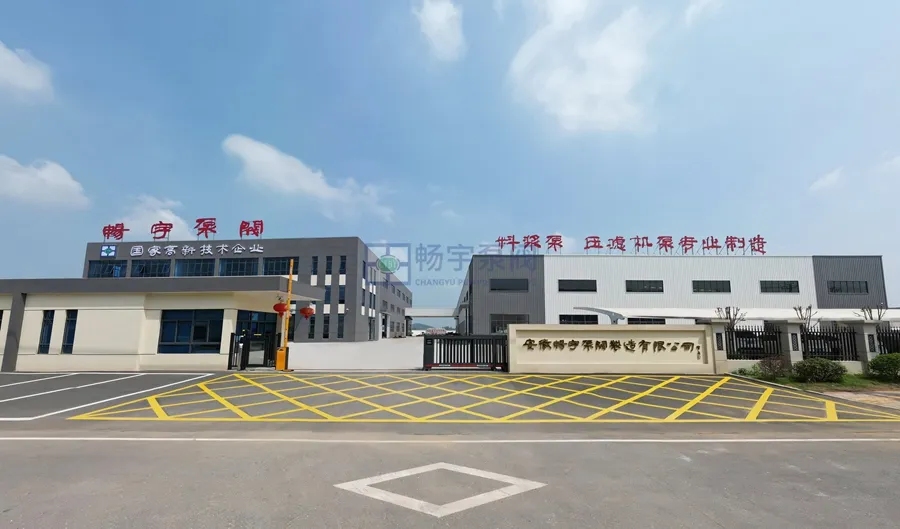



Pour plus de services et de solutions personnalisées, contactez-nous dès aujourd'hui.
Courriel : [email protected]
WhatsApp : +86-13651913727
Comment sélectionner la bonne pompe à boue horizontale
Quatre questions pour filtrer les pompes inadaptées
La sélection ne consiste pas à choisir le débit maximum dans un catalogue. Répondez à ces quatre questions dans l'ordre, et vous réduirez le choix à 2-3 modèles candidats.
Question 1 : Quelle est la composition de la boue ?
- Type de particules solides (tranchantes / arrondies), concentration (% en poids), taille maximale des particules
- Valeur du pH, teneur en chlorure, présence d'oxygène ou non
| État de la boue | Matériau recommandé |
|---|---|
| pH ≥ 6, neutre ou légèrement corrosif | Bull Terrier miniature à crête |
| pH < 4, FGD ou contenant du chlorure | BTMCr28 |
| pH 1~4, contenant de l'oxygène (par exemple, acide phosphorique) | La greffe de moelle osseuse et la recherche sur le cancer |
| Chlorure élevé ou acide fort | Acier inoxydable duplex |
Question 2 : Quels sont les paramètres hydrauliques ?
- Débit de conception (m³/h)
- Hauteur manométrique requise (m)
- Doit vérifier : NPSHa > NPSHr de la pompe
La hauteur de refoulement d'un seul étage de la série PGY atteint environ 100 mètres maximum. Si la hauteur de refoulement requise dépasse 70 mètres, privilégiez les modèles à haute hauteur de refoulement tels que le 150PGY-50 ou le 200PGY-65. Si la hauteur de refoulement est inférieure à 40 mètres, envisagez une réduction de vitesse ou des options de roue plus petite pour éviter un surdimensionnement du moteur.
Question 3 : Quel est l'état de l'eau de rinçage sur site ?
| Pression de l'eau de rinçage | Exigence de fuite | Garniture recommandée |
|---|---|---|
| Basse pression (<2 bar) | Légère fuite autorisée | Presse-étoupe avec roue auxiliaire (standard) |
| Haute pression (≥3 bar) | Légère fuite autorisée | Presse-étoupe uniquement |
| Toute pression | Aucune fuite | Double garniture mécanique |
| Basse pression (<2 bar) | Aucune fuite | Joint mécanique avec roue auxiliaire |
Question 4 : Quelle est la pratique de maintenance sur site ?
- Un réglage périodique du presse-étoupe est-il acceptable ?
- Les pièces de rechange sont-elles remplacées en interne ou externalisées ?
- Y a-t-il un budget pour le stockage des pièces en contact avec le fluide courantes ?
Si la capacité de maintenance sur site est limitée, choisissez le presse-étoupe avec roue auxiliaire – le plus simple à entretenir. Si un fonctionnement sans maintenance est requis, la garniture mécanique est plus adaptée, mais un approvisionnement stable en eau de rinçage doit être garanti.
Résumé de la sélection
| Priorité | Élément de décision | Action |
|---|---|---|
| 1 | pH / teneur en chlorure de la boue | Déterminer le matériau (Cr27/Cr28/Cr33/duplex SS) |
| 2 | Débit + hauteur de refoulement | Déterminer le modèle et la vitesse |
| 3 | Pression de l'eau de rinçage + exigence de fuite | Déterminer le type de garniture |
| 4 | NPSH disponible vs NPSH requis | Vérifier la marge de cavitation |
Si vous avez encore des incertitudes après avoir répondu à ces quatre questions, contactez directement changyupump. Donnez-nous la composition de votre boue, votre débit, votre hauteur de refoulement et la pression d'eau sur site. Nous trouverons la solution adaptée. Vous n'avez pas besoin d'être un expert en pompes. Vous devez simplement décrire clairement vos conditions de fonctionnement.
Nous contacter
Courriel : [email protected]
Tél : +86 13651913727
FAQ
En savoir plus sur le blog des pompes à boue
Pompes à boues industrielles : Types, applications et guide de sélection (2026)
Les pompes à boue industrielles font partie des équipements les plus exigeants mécaniquement dans les installations de traitement chimique, minier et industriel – et parmi les…Guide ultime des pompes à boues horizontales : Solutions industrielles et chimiques
Les pompes à boue horizontales sont des solutions d'ingénierie spécialement conçues pour transférer des mélanges lourds de produits chimiques agressifs et de particules solides sans subir les…Entretien des pompes à boues en cours de fonctionnement
Lubrification : Pendant le fonctionnement d'une pompe à boue, l'intrusion possible du fluide véhiculé, de l'eau et d'autres substances dans le…Pompes de transfert de boues de chaux : Comment choisir la bonne pompe pour un service abrasif à pH élevé
Le transfert de boue de chaux est l'une des tâches les plus exigeantes dans les applications de pompes industrielles. Le milieu est alcalin, souvent abrasif, sujet à…

Demande de devis gratuit
Veuillez indiquer les détails du liquide pompé, notamment le débit, la hauteur de chute, la densité et la température, afin que nous puissions vous recommander la meilleure pompe et vous fournir un devis précis.