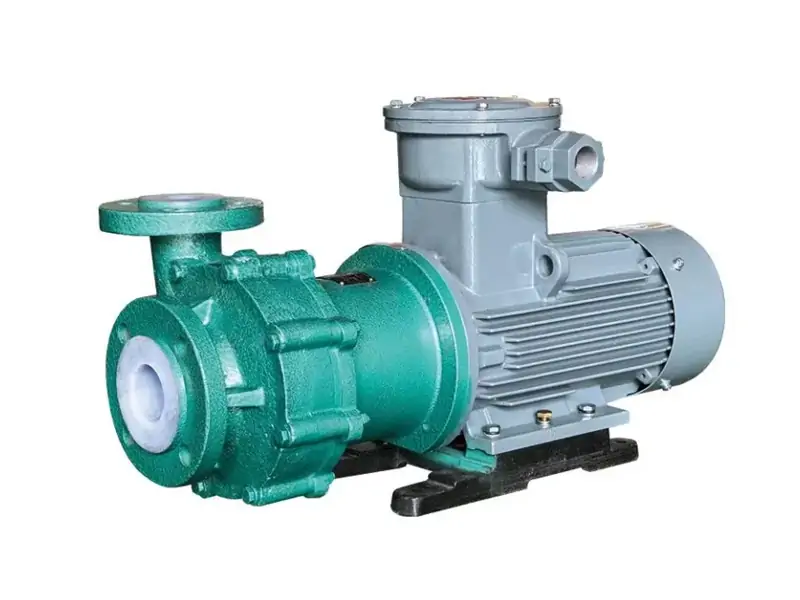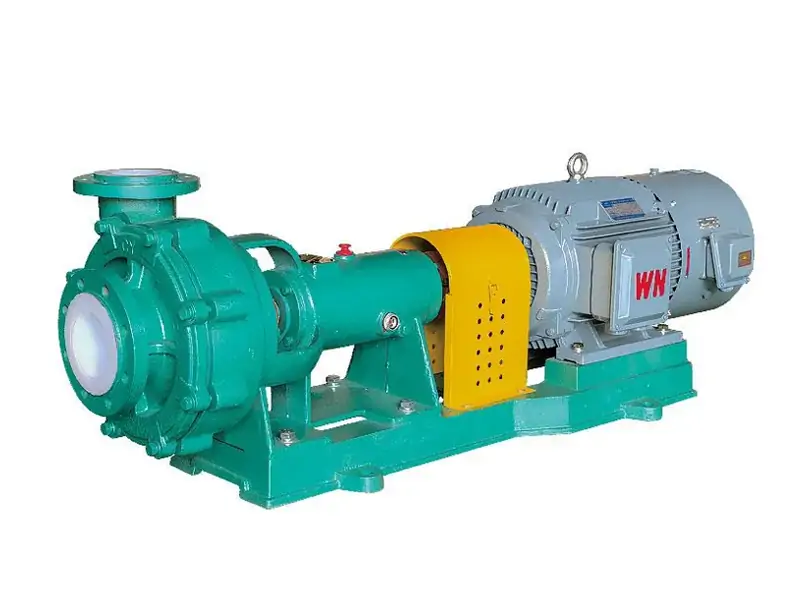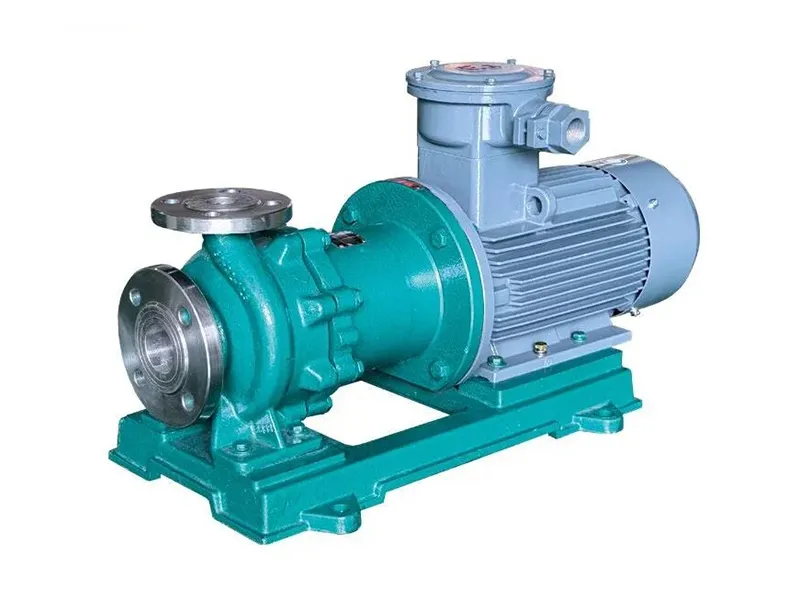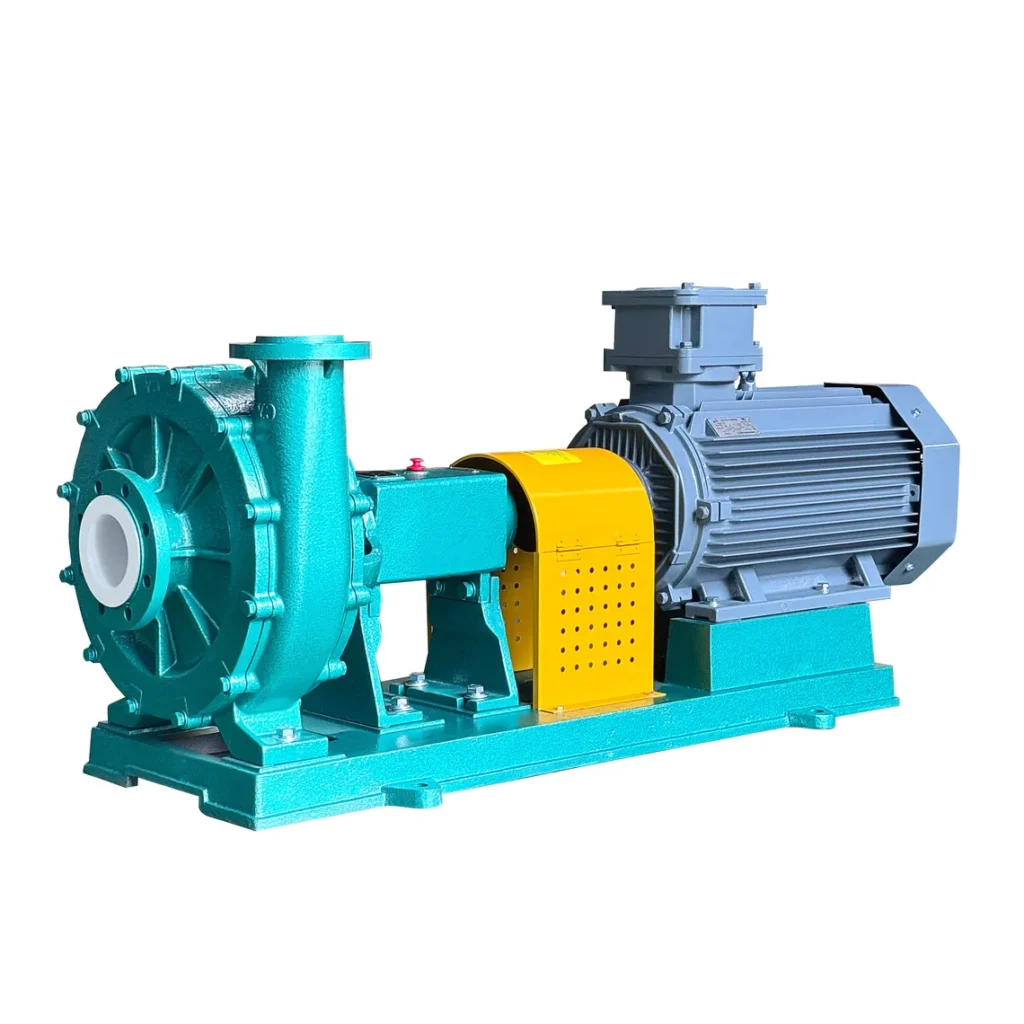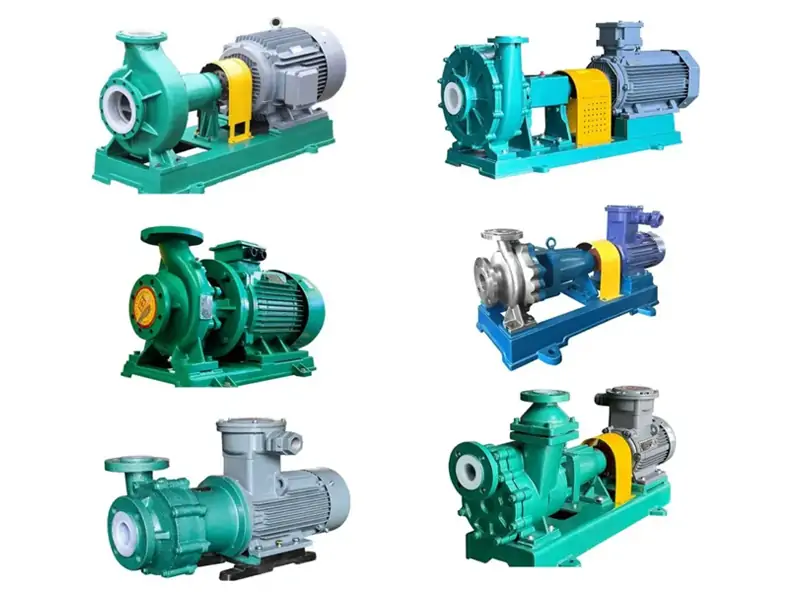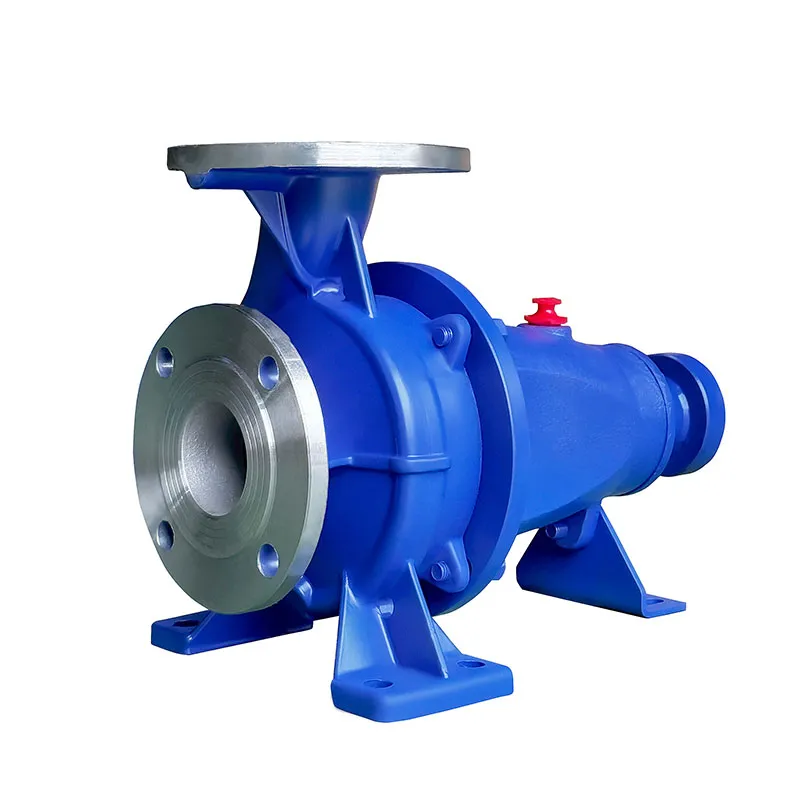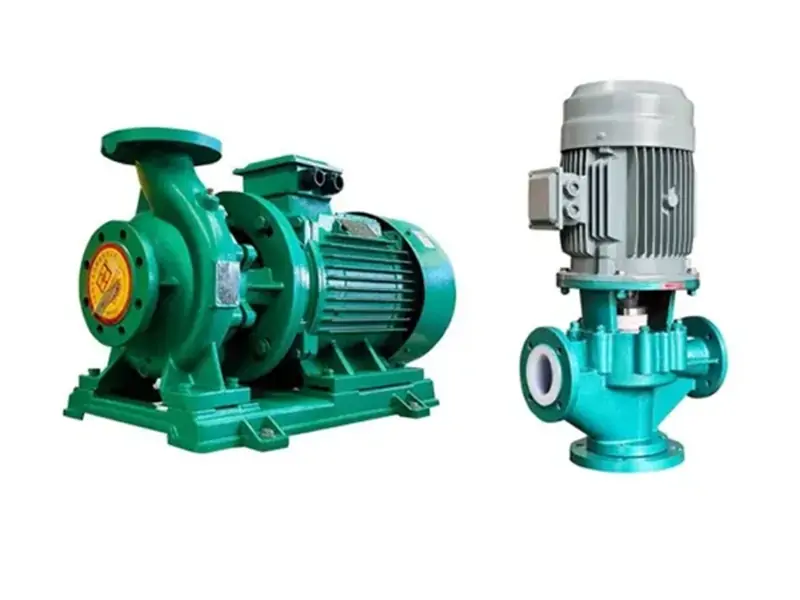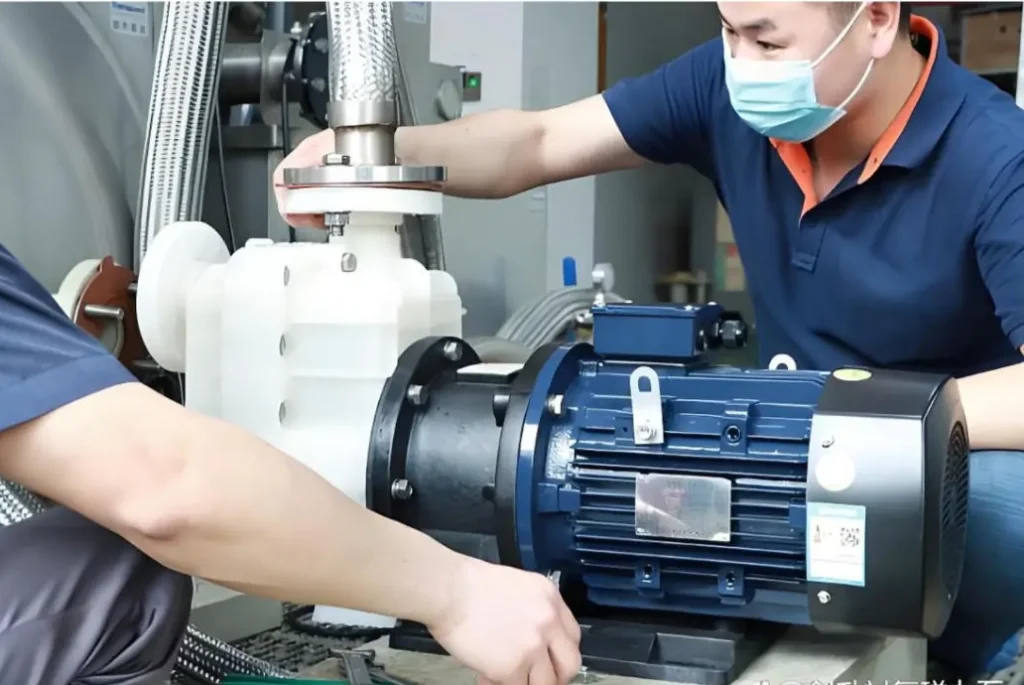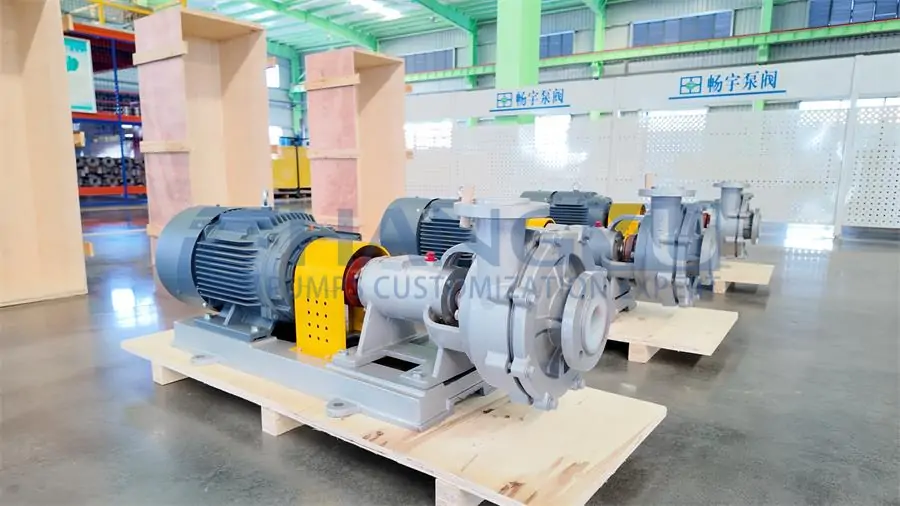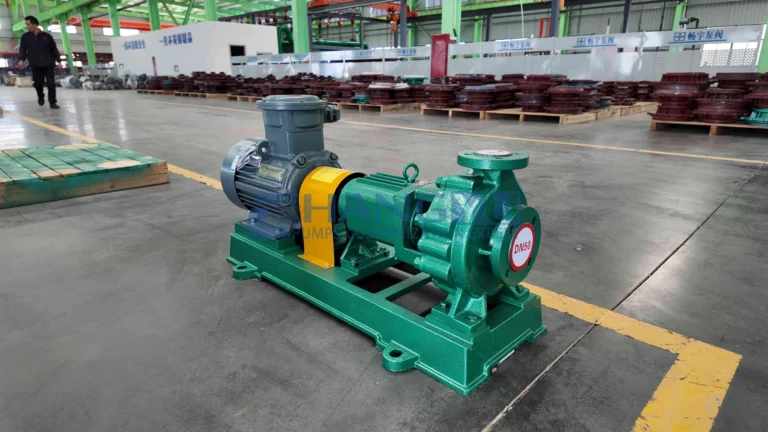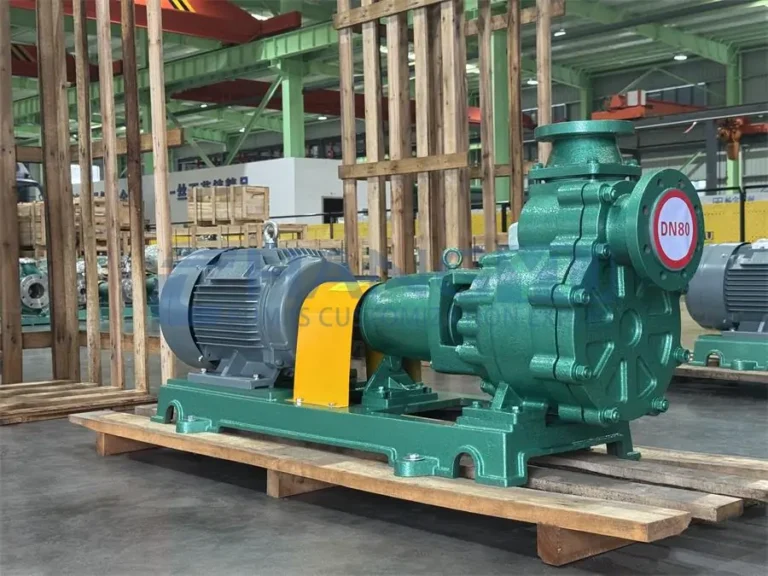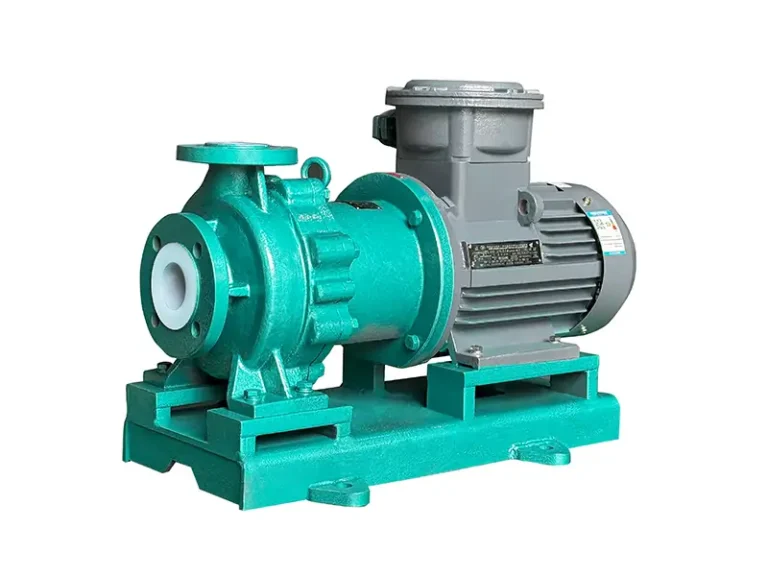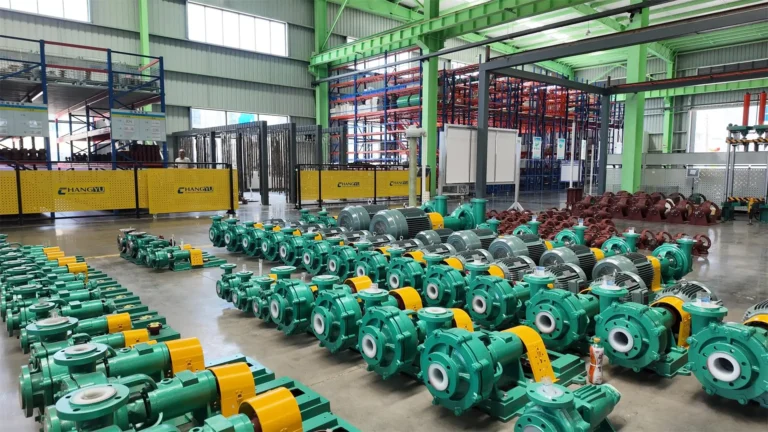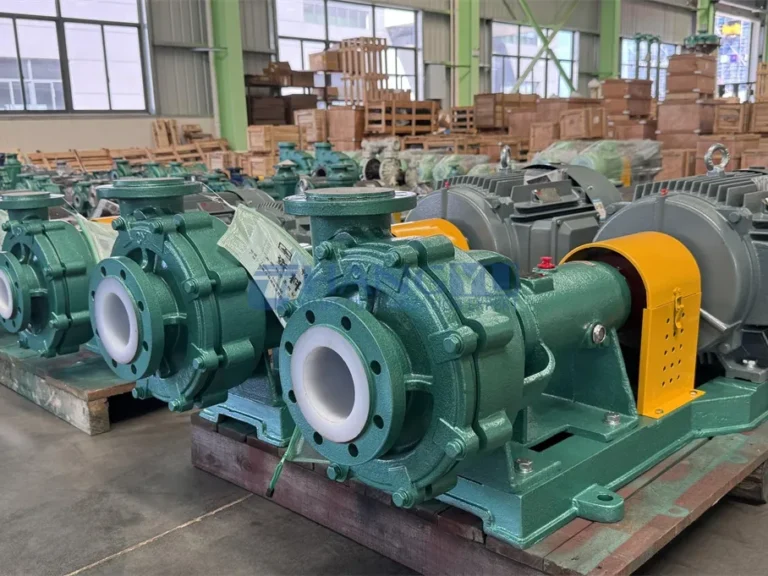
Industrial pumps play a critical role in various chemical processes, where they are responsible for transporting fluids accurately and efficiently. Understanding how to calculate shaft power and how to select a suitable motor is essential for optimizing pump performance and ensuring long-term operational reliability.
Below is a summary of the industrial pump shaft power calculation method, along with key references for selecting an appropriate motor.
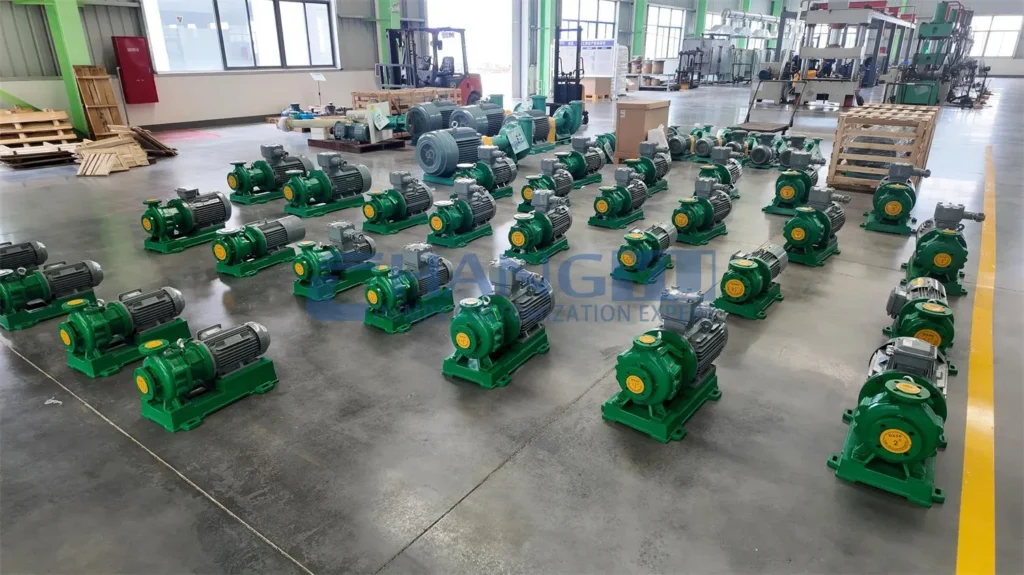
Industrial Pump Shaft Power Calculation Method
Hydraulic Power
Hydraulic power, also known as water horsepower, refers to the useful energy gained by the fluid per unit time as it passes through the pump. It represents the effective work done by the pump on the liquid. The hydraulic power can be calculated using the formula:
Pe = ρgQH
Where Pe is the hydraulic power (W), Q is the flow rate (m³/s), H is the head (m), ρ is the fluid density (kg/m³), and g is the gravitational acceleration (m/s²).
Shaft Power
Shaft power is the power transmitted from the prime mover (motor) to the pump shaft. It includes the hydraulic power plus all internal losses within the pump. Shaft power can be calculated by dividing the hydraulic power by the pump efficiency:
P = Pe / η
Where P is the shaft power (W), Pe is the hydraulic power (W), and η is the pump efficiency(which includes mechanical losses, volumetric losses, and hydraulic losses).
Potência do motor
Motor power refers to the rated power of the motor used to drive the pump. The required motor power should take into account the shaft power, pump efficiency, and motor efficiency. The calculation formula is:
P_motor = P / η_motor × K
Where P_motor is the motor power (W), η_motor is the motor efficiency (typically 0.85–0.95), and K is the safety factor (usually 1.1–1.25, with higher values recommended for small power motors).
Key Parameters in Industrial Pump Shaft Power Calculation
| Parameter | Physical Meaning | Calculation Basis | Unit |
| Hydraulic Power | Useful power gained by the fluid | Flow rate × Head × Fluid density | kW |
| Shaft Power | Total input power to the pump shaft | Hydraulic power ÷ Pump efficiency | kW |
| Potência do motor | Rated output power of the motor | Shaft power ÷ Motor efficiency × Safety factor | kW |
Efficiency Losses Affecting Industrial Pump Shaft Power Calculation
1. Power Transmission Path
Electrical energy → Motor power → Shaft power → Hydraulic power → Fluid energy
2. Efficiency Losses
- Motor efficiency losses (copper loss, iron loss)
- Pump mechanical losses (bearing friction)
- Pump volumetric losses (internal leakage)
- Pump hydraulic losses (flow passage resistance)
3. Key Principles
The motor power must be 1.1–1.25 times the required shaft power, while also considering power grid voltage fluctuations and starting current impact. In practical selection, pump performance curves and motor efficiency curves should be referenced to avoid power mismatch, which may lead to increased energy consumption or equipment damage.
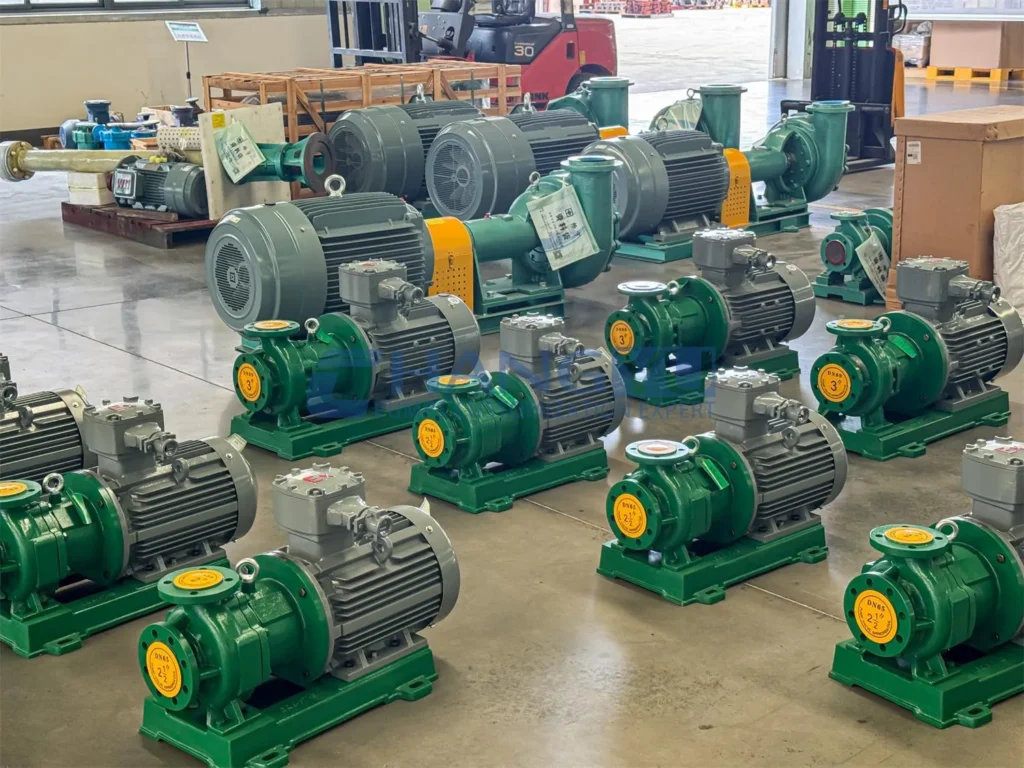
Motor Selection Considerations Based on Industrial Pump Shaft Power Calculation
Compatibility
Ensure that the selected motor matches the pump power requirements and operating conditions. Factors to consider include voltage, frequency, and rated power.
Eficiência
Select high-efficiency motors to minimize energy consumption and operating costs. Motors with certified efficiency ratings are recommended.
Duty Cycle
The pump application duty cycle should be considered when selecting a motor. Choose a motor capable of continuous or intermittent operation according to process requirements.
Environmental Conditions
Evaluate the installation environment, such as temperature, humidity, and potential hazards. Select motors with appropriate protection ratings and materials to withstand these conditions.
Maintenance Requirements
Consider motor maintenance requirements, including lubrication, cooling, and ease of servicing. Selecting a motor designed for convenient maintenance can help extend service life.
Calculating industrial pump shaft power and selecting a suitable motor are critical steps in optimizing chemical process performance and system reliability. By understanding shaft power calculation methods and considering factors such as compatibility, efficiency, duty cycle, environmental conditions, and maintenance requirements, users can ensure stable pump operation and improved process efficiency.
If you’re unsure how to calculate or select the right model, contact us now. Our professional team will guide you through the selection process and resolve any issues you may be facing.
Correio eletrónico: jade@changyupump.com
Phone: +86-13651913727