
تعتبر المضخة الطاردة المركزية ذات السحب الطرفي خياراً عملياً للعديد من مهام نقل وتدوير السوائل النظيفة. بالنسبة لخدمة الفولاذ المقاوم للصدأ، يعتمد الاختيار الصحيح على خمسة عوامل: السائل، ومعدل التدفق المطلوب، والارتفاع الكلي، وظروف السحب، وترتيب الإحكام.
ابدأ بهذه التفاصيل قبل اختيار المحرك أو مقارنة الأسعار. لا يمكن لمحرك أكبر تصحيح مدخل مقيّد. ولا يمكن لسبيكة أغلى جعل دافع السائل النظيف مناسباً للملاط الكاشط.
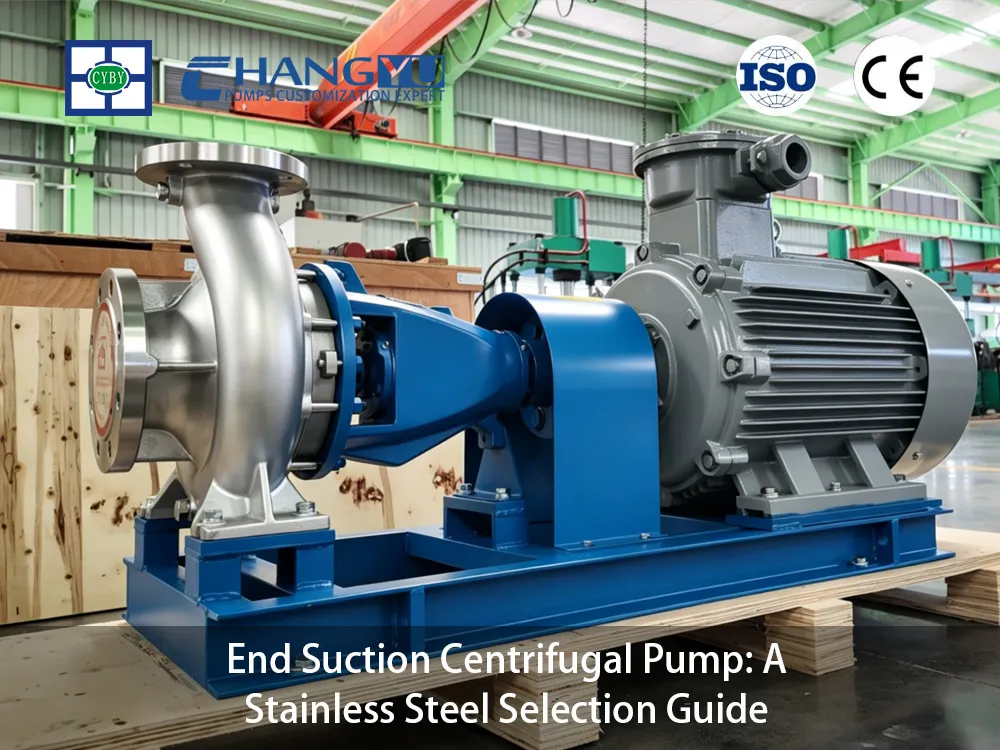
يشرح هذا الدليل التصميمات الرئيسية وطريقة اختيار خطوة بخطوة. ويركز على المضخات الصناعية المصنوعة من الفولاذ المقاوم للصدأ، مع نقاط بداية واضحة من مجموعة منتجات Changyu.
ما هي المضخة الطاردة المركزية ذات السحب الطرفي؟
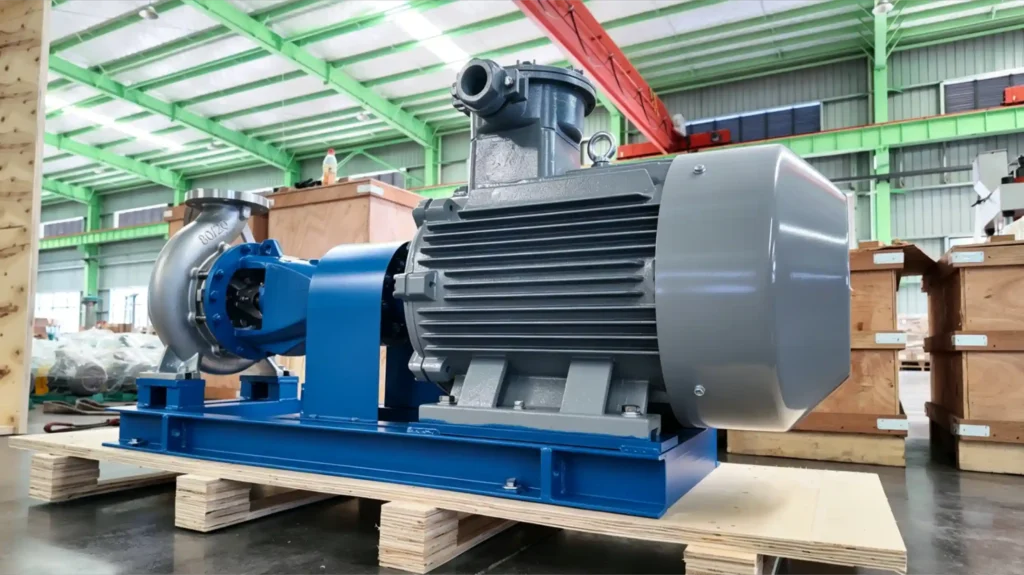
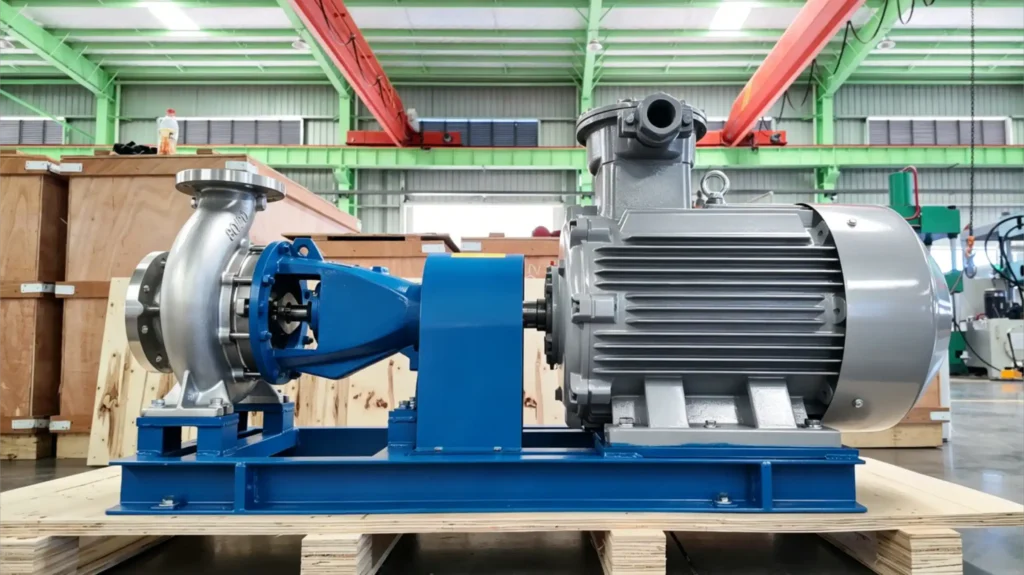
تستقبل المضخة الطاردة المركزية ذات السحب الطرفي السائل إلى الدافع على طول محور العمود. يضيف الدافع طاقة، ويوجّه الغلاف السائل نحو المخرج، عادةً بزاوية قائمة على المدخل.
“يصف مصطلح ”السحب الطرفي“ ترتيب المدخل. ويصف مصطلح ”الطرد المركزي“ مبدأ الضخ. ويحدد مصطلح ”الفولاذ المقاوم للصدأ" اختيار المادة. كل مصطلح يجيب على جزء مختلف من سؤال الاختيار.
يكون هذا التصميم مفيداً عندما يناسب التركيب الأفقي المصنع، ويتوافق السائل مع الدافع والإحكام. مضخة Changyu CYA الأفقية أحادية المرحلة الطاردة المركزية هي تصميم ذو سحب طرفي للسوائل النظيفة، باستخدام دافع مغلق.
لا يعني مصطلح "نظيف" بالضرورة مياه الشرب. بل يعني أن السائل يلبي حدود المضخة المختارة فيما يتعلق بالجسيمات والملوثات الأخرى. يحتاج التوافق الكيميائي إلى فحص منفصل.
قارن بين تكوينات مضخات الفولاذ المقاوم للصدأ الرئيسية
اختر التصميم بناءً على سائلك والمساحة المتاحة واحتياجات الصيانة. الخيارات التالية غير قابلة للتبادل، حتى عندما تتداخل نطاقات التدفق في الكتالوج.
| التكوين | متى يجب النظر فيه | الفحص الرئيسي قبل الاختيار |
|---|---|---|
| سحب طرفي مقترن مباشرة | مهام السوائل النظيفة مع مساحة تركيب محدودة | ترتيب المحرك والوصول لاستبدال الإحكام |
| سحب طرفي مثبّت على إطار | المهام التي تستفيد من محامل مضخة منفصلة وقارنة | المحاذاة، ودعم القاعدة، ومساحة الإزالة |
| مضخة طرد مركزي للعمليات الكيميائية | نقل كيميائي متوافق يتطلب إحكاماً وحزمة مواد مخصصة للمهمة | التركيب الكامل للسائل واحتياجات دعم الإحكام |
| مضخة ملاط من الفولاذ المقاوم للصدأ | السوائل المسببة للتآكل التي تحتوي على جسيمات كاشطة | حجم الجسيمات، والتركيز، وممر الدافع، والتآكل |
| مضخة طرد مركزي مضمّنة في الخط أو منقسمة الغلاف | المشاريع التي يفضّل فيها تخطيط الأنابيب أو متطلبات التدفق الأكبر ترتيباً آخر | منحنى المهمة الفعلي، والبصمة، والوصول للصيانة |
يمكن أن تكون المضخة الطاردة المركزية ذات السحب الطرفي مقترنة مباشرة أو مقترنة بشكل منفصل. قد تستخدم مضخات العمليات الكيميائية أيضاً تصميماً ذا سحب طرفي. تتداخل هذه الأوصاف؛ فهي ليست درجات أداء منفصلة.
ميّز أيضاً بين مقترنة مباشرة من دافع مغلق. يصف مصطلح "مقترنة مباشرة" الاتصال بالمحرك. ويصف مصطلح "دافع مغلق" الدافع نفسه.
لاستفسارات Changyu، ابدأ بـ CYA لنقل السوائل النظيفة،, CYH لمهام العمليات الكيميائية, و HB لتقييم الملاط الكاشط. لا يزال اختيار الطراز النهائي يتبع ظروف التشغيل.
دليلنا إلى أنواع مضخات الطرد المركزي الصناعية المصنوعة من الفولاذ المقاوم للصدأ يوسع هذه المقارنة ليشمل التكوينات المغناطيسية ذاتية التحضير والعمودية المغمورة وخدمة الملاط.
حدّد التدفق والارتفاع الكلي معاً
تحتاج المضخة الطاردة المركزية ذات السحب الطرفي إلى نقطة مهمة: تدفق محدد عند ارتفاع محدد. طلب “مضخة 30 متراً” يترك السعة المطلوبة غير محددة.
للنقل بالدفعات، ابدأ بالحجم والوقت. نقل 12 متراً مكعباً في 30 دقيقة يتطلب معدل تدفق متوسط قدره 24 متراً مكعباً في الساعة. ثم تحقق مما إذا كانت العملية تحتاج هذا المعدل طوال الدفعة أو تسمح بتغيّره.
يشمل الارتفاع الديناميكي الكلي الفرق في مستويات السائل، وفروق ضغط الأوعية، والفاقد عبر مسار التدفق. تساهم الأنابيب والانحناءات والصمامات والمرشحات والمبادلات الحرارية جميعها في ذلك.
خذ هذا المثال المبسّط لخزانين مفتوحين:
- الفرق بين مستويات السائل المعنية: 10 أمتار.
- فاقد الأنابيب والتجهيزات عند التدفق المطلوب: 8 أمتار.
- فاقد المرشح عند الحالة المختارة: 4 أمتار.
- ارتفاع المهمة المحسوب: حوالي 22 متراً، مع فرق ضئيل في ارتفاع السرعة.
هذا توضيح، وليس توصية بطراز معين. إذا كان خزان الاستقبال مضغوطًا، أضف فرق الضغط هذا كضاغط للسائل الفعلي. إذا أصبح الفلتر متسخًا، احسب تلك الحالة أيضًا.
- نصيحة عملية: زوّد المورد بظروف التشغيل العادية والدنيا والقصوى. تجنّب إضافة هوامش أمان عشوائية لكل مدخل؛ فعدة هوامش خفية يمكن أن تنتج مضخة مفرطة في الحجم بشكل سيئ.
تحقق من منحنى مضخة الطرد المركزي ذات الشفط الطرفي
تعمل المضخة حيث يتقاطع منحناها مع منحنى النظام. عادةً ما يكون الحد الأقصى للتدفق والحد الأقصى للضاغط في الكتالوج نقطتين مختلفتين. لا يمكنك افتراض حدوثهما معًا.
اطلب منحنى مُعلَّمًا بظروف التشغيل العادية والنطاق المتوقع. تحقق من موقع تلك النقاط بالنسبة لنقطة الكفاءة المثلى ومنطقة التشغيل المسموح بها من الشركة المصنعة.
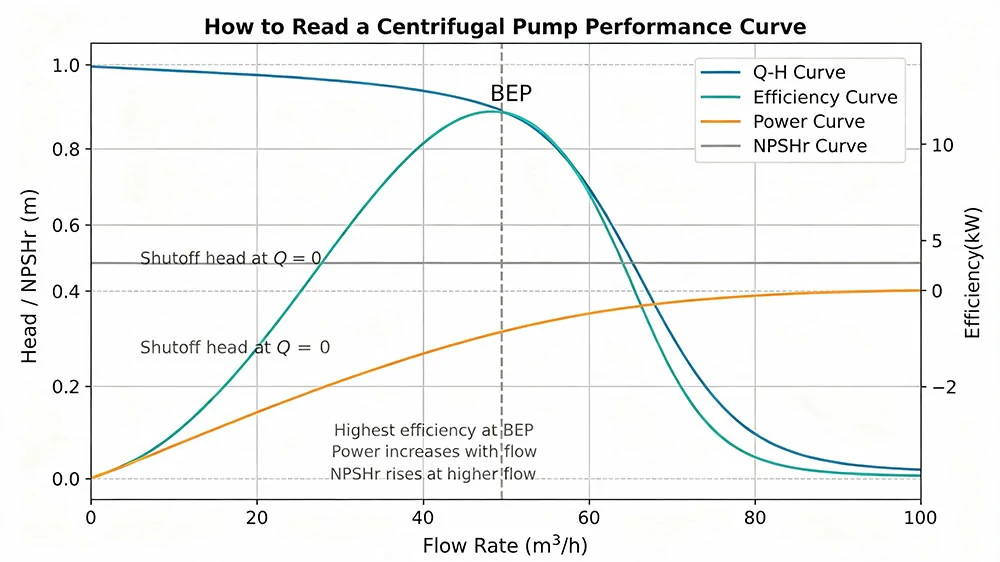
إن الأسئلة الشائعة حول المضخات من معهد الهندسة الهيدروليكية اشرح هذه المفاهيم المتعلقة بالمنحنى ومنطقة التشغيل. فهي تساعد في تحويل مقارنة الكتالوج إلى فحص لكيفية تشغيل المضخة فعليًا.
إذا كانت مضخة الطرد المركزي ذات الشفط الطرفي ستعمل معظم اليوم عند تدفق منخفض، فلا تخترها بناءً على طلب ذروة قصير فقط. ناقش طرازًا أصغر، أو قطر دافع مناسب، أو التحكم في السرعة حسب ما يسمح به التشغيل.
بالنسبة للتشغيل متغير السرعة، تحقق من نطاق السرعة الكامل. لا يزال الحد الأدنى للتدفق، وتبريد المحرك، وظروف السدادة، والضاغط الساكن للنظام مهمة.
يتضمن عرض السعر المفيد المنحنى، وقطر الدافع، والسرعة، والقدرة الممتصة، ومتطلبات الشفط. رقم الطراز وتصنيف المحرك وحدهما لا يكفيان لمقارنة عرضين بشكل عادل.
تأكد من ظروف الشفط قبل زيادة حجم المحرك
يجب أن تستقبل مضخة الطرد المركزي ذات الشفط الطرفي المصنوعة من الفولاذ المقاوم للصدأ كمية كافية من السائل عند مدخلها. يمكن أن يؤدي الشفط الضعيف إلى ضوضاء وتدفق غير مستقر واهتزاز وتلف حتى عندما تبدو مهمة التصريف صحيحة.
الفحص الرئيسي هو الضاغط الصافي الموجب للشفط، أو NPSH. يوفر التركيب NPSH المتاح. وللمضخة متطلب NPSH عند التدفق والسرعة المحددين. هناك حاجة إلى هامش مناسب بينهما.
للمعلومات الأساسية، استخدم أداة بيانات معهد الهيدروليكا إلى جانب بيانات المضخة المختارة. مجرد مطابقة قيمة مطلوبة منشورة لا يثبت وجود هامش مناسب لكل تطبيق.
راجع أكثر الظروف الموثوقة تطلبًا:
- أدنى مستوى لخزان التغذية.
- أعلى درجة حرارة للسائل وضغط بخاره.
- أي فراغ في وعاء التغذية.
- خسائر أنبوب الشفط، بما في ذلك مصفاة متسخة.
- تسربات الهواء، واحتجاز الغاز، وغمر مخرج الخزان.
قد تواجه المضخة التي تعمل بخزان ممتلئ وبارد صعوبة قرب نهاية دفعة دافئة. يمكن أن يساعد خفض المضخة، أو تقليل خسائر المدخل، أو تعديل مهمة التشغيل حيث يدعم الحساب ذلك.
مضخة الطرد المركزي القياسية ذات الشفط الطرفي ليست ذاتية التحضير تلقائيًا. إذا كان مستوى السائل أقل من المدخل، فصِف ارتفاع الشفط وترتيب التحضير قبل الطلب.
اختر الفولاذ المقاوم للصدأ والسدادة الميكانيكية معًا
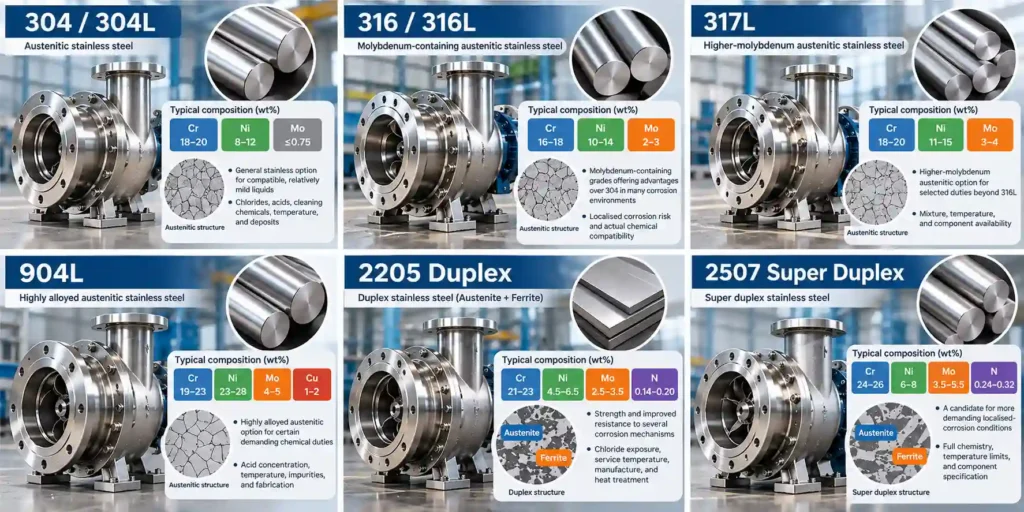
“البناء من الفولاذ المقاوم للصدأ” واسع جدًا بالنسبة لمواصفات الشراء. اذكر مواد الغلاف، والدافع، وجلبة العمود، وأوجه السدادة، وحلقات O، والحشوات المكشوفة للسائل.
تتضمن معلومات منتج CYA من Changyu خيارات 304 و316 و316L. مجموعة مضخات الطرد المركزي المصنوعة من الفولاذ المقاوم للصدأ توفر رؤية أوسع لعائلات المضخات وخيارات المواد. يعتمد التوفر على الطراز والمكوّن.
استخدم التركيب الكامل للسائل، والتركيز، ودرجة الحرارة، وظروف التنظيف لاختيار السبيكة. يمكن أن تغير الكلوريدات والرواسب والملوثات النتيجة. التحول من 304 إلى 316L ليس حلاً عالميًا للتآكل.
بالنسبة للسدادة الميكانيكية، حدد مواد الأوجه والإيلاستومر المتوافقة. تأكد مما إذا كانت مهمة التشغيل تتطلب غسلاً أو تبريدًا أو ترتيب دعم آخر.
تسلط مواد الصيانة من Changyu الضوء على التشغيل الجاف، والتبريد الضعيف، والاهتزاز، والجسيمات، والغسل المسدود كأسباب محتملة لفشل السدادة. إذا فشلت السدادة بشكل متكرر، فحقق في تلك الظروف قبل طلب نفس البديل مرة أخرى.
نصيحة عملية: اطلب جدول مواد مكون واحد مرفقًا بعرض السعر. هذا يسهل اكتشاف غلاف مناسب مقترن بحشوة أو مكوّن سدادة غير مناسب.
اختر المحرك واترك مساحة للصيانة
تتبع قدرة المحرك الاختيار الهيدروليكي وخصائص السائل. تؤثر الكثافة على القدرة المطلوبة لتدفق وضاغط معينين. قد تغير اللزوجة أيضًا الأداء والكفاءة.
للتوضيح، مهمة تشغيل بمعدل 40 مترًا مكعبًا في الساعة عند ضاغط 35 مترًا، مع كثافة 900 كيلوغرام لكل متر مكعب وكفاءة مضخة 60%، تتطلب حوالي 5.7 كيلوواط من قدرة العمود.
يستخدم الحساب الكثافة × الجاذبية × التدفق × الضاغط ÷ الكفاءة، مع التدفق بالمتر المكعب في الثانية. يجب أن يغطي اختيار المحرك النهائي نطاق التشغيل المعتمد، وخسائر الإدارة، ومتطلبات الخدمة المعمول بها. هذا المثال ليس توصية لتحديد حجم CYA.
قبل تركيب مضخة الطرد المركزي ذات الشفط الطرفي، تحقق من رسم الصيانة. يمكن أن يبسط بناء السحب الخلفي الخدمة، ولكن فقط إذا كانت هناك مساحة لإزالة المجموعة الدوارة. تأكد مما إذا كان يجب تحريك المحرك وما إذا كانت وصلة المباعد مضمنة.
ادعم الأنابيب بشكل مستقل. تحقق من المحاذاة، والدوران، والتزييت، والتحضير، وجاهزية دعم السدادة وفقًا للتعليمات المرفقة.
بعد التشغيل التجريبي، سجّل التدفق الطبيعي، والضغوط، والتيار، وحالة السدادة. يساعد هذا الخط الأساسي فريقك على التعرف على مصفاة مسدودة أو تغير في العملية قبل استبدال معدات سليمة.
أعد استفسار اختيار مفيدًا
للحصول على عرض سعر لمضخة الطرد المركزي ذات الشفط الطرفي، أرسل ورقة مهمة تشغيل واحدة يمكن لكل من المشتريات والعمليات الموافقة عليها:
- تركيب السائل، والتركيز، وصحيفة بيانات السلامة المتاحة.
- نطاق درجة الحرارة، والكثافة، واللزوجة، ومعلومات المواد الصلبة.
- التدفق العادي والأقصى، مع الضاغط الكلي المحسوب.
- مستويات الخزان، وضغوط الوعاء، وتفاصيل أنبوب الشفط.
- السبيكة المقترحة، واحتياجات السدادة، ومتطلبات توثيق المواد.
- مصدر الطاقة، وتصنيف الموقع حيثما كان ذلك مناسبًا، وطريقة التحكم.
- أحجام التوصيلات، رسم التركيب، ساعات التشغيل، ومساحة الخدمة.
للاستبدال، أضف طراز المضخة القديمة وقياسات التشغيل الفعلية. اشرح سبب الاستبدال. نسخ لوحة البيانات قد يكرر مشكلة تحديد الحجم إذا تغيرت العملية.
الأسئلة الشائعة
هل المضخة الطاردة المركزية ذات السحب الطرفي مناسبة لخدمة المواد الكيميائية بالفولاذ المقاوم للصدأ؟
نعم، عندما تناسب السائل والسبيكة والختم وظروف التشغيل الطراز المختار. يصف السحب الطرفي تخطيط المدخل؛ ولا يحدد المقاومة الكيميائية. قدم الخليط الكامل ونطاق درجة الحرارة حتى يمكن تقييم مجموعة الأجزاء المبللة بالكامل.
أيهما أفضل: التوصيل المباشر أم التركيب الإطاري؟
اختر البناء بالتوصيل المباشر حيث يناسب الترتيب المدمج وطريقة خدمته المصنع. فكر في البناء بالتركيب الإطاري حيث تكون المحامل المنفصلة أو ترتيبات المحرك أو الوصول للصيانة مفيدة. قارن رسومات التركيب الفعلية وإجراءات الاستبدال قبل اتخاذ القرار.
هل يمكن للمضخة الطاردة المركزية ذات السحب الطرفي التعامل مع الملاط؟
لا ينبغي افتراض أن طراز السائل النظيف مناسب. يمكن للجسيمات أن تسد ممرات المروحة وتتلف المكونات وتضر بالأختام. حدد حجم الجسيمات والتركيز والصلابة وسلوك الترسيب. قد يكون تكوين الملاط المخصص من الفولاذ المقاوم للصدأ نقطة البداية الأفضل.
هل هذه المضخة ذاتية التحضير؟
ليس بشكل افتراضي. تحتاج المضخة الطاردة المركزية ذات السحب الطرفي التقليدية إلى ترتيب تحضير صحيح قبل بدء التشغيل. إذا كان يجب رفع السائل من أسفل مدخلها، قدم تفاصيل الخزان والأنابيب حتى يمكن فحص التحضير وأداء السحب معًا.
لماذا تفقد المضخة التدفق مع تفريغ الخزان؟
ينخفض ضغط المدخل مع مستوى السائل. قد يؤدي دخول الهواء أو التبخر بعد ذلك إلى تقليل الأداء. افحص الحد الأدنى للمستوى والغمر ودرجة الحرارة وقيود السحب ونقطة التشغيل. المحرك الأكبر لا يزيل هذه الأسباب.
ما الأهم عند مقارنة عروض الأسعار؟
قارن نفس نقطة التشغيل والمنحنى وجدول المواد وترتيب الختم وأساس المحرك والوصول للصيانة. افحص الافتراضات وحدود التشغيل في كل عرض. أقل سعر شراء مفيد فقط عندما يناسب التكوين المورد الخدمة.
ناقش مهمة مضخة الفولاذ المقاوم للصدأ الخاصة بك
تحتاج مساعدة في اختيار مضخة طاردة مركزية ذات سحب طرفي؟ شارك السائل والتدفق والرفع ودرجة الحرارة وترتيب الخزان في النموذج أدناه. ابدأ بـ تفاصيل منتج CYA, أو اتصل بـ Changyu لمناقشة تكوين مختلف من الفولاذ المقاوم للصدأ.
البريد الإلكتروني: [email protected]
الهاتف/واتساب: +86-13651913727
عن المؤلف والمصادر
أُعدّ بواسطة Jade، Changyu Pump. يستند هذا الدليل إلى معلومات منتجات Changyu ومواد الصيانة المقدمة، مع مراجع هيدروليكية مستقلة مرتبطة في الأقسام ذات الصلة. الأمثلة الرقمية توضيحية. يعتمد الاختيار النهائي على مهمة المشروع ومواصفات المعدات المؤكدة.
- معلومات منتج Changyu CYA: خيارات البناء والمواد.
- نطاق مضخات الفولاذ المقاوم للصدأ من Changyu: عائلات المنتجات وخيارات المواد.
- الأسئلة الشائعة لمضخات Hydraulic Institute: المنحنيات ومناطق التشغيل وإرشادات السحب.
- أداة بيانات معهد الهيدروليكا: خلفية هندسة المضخات والأنظمة.