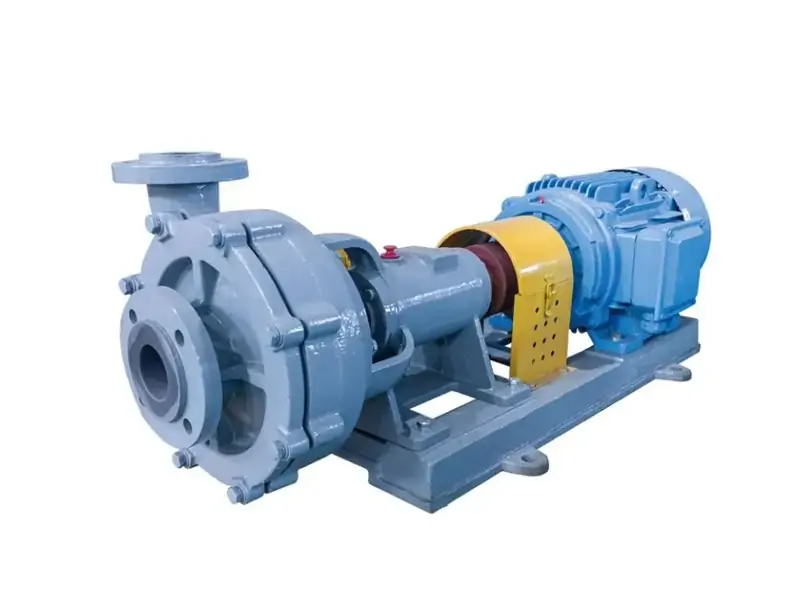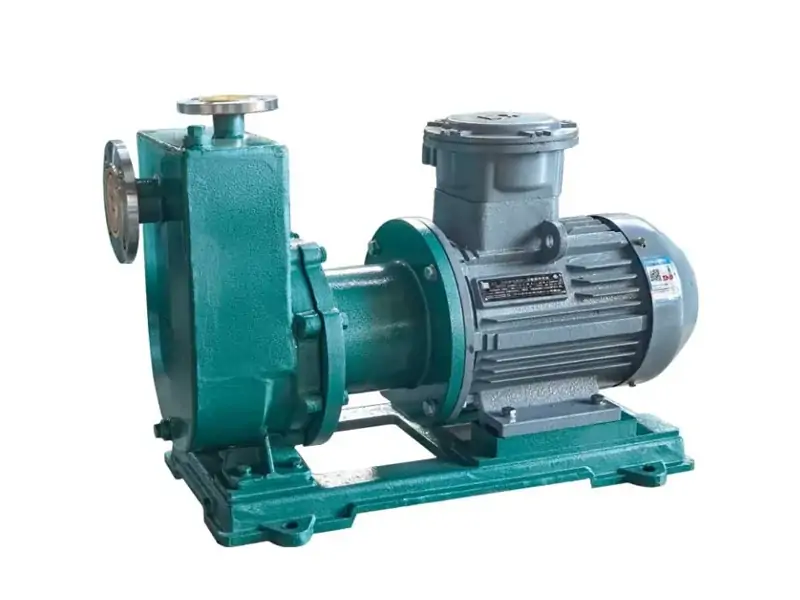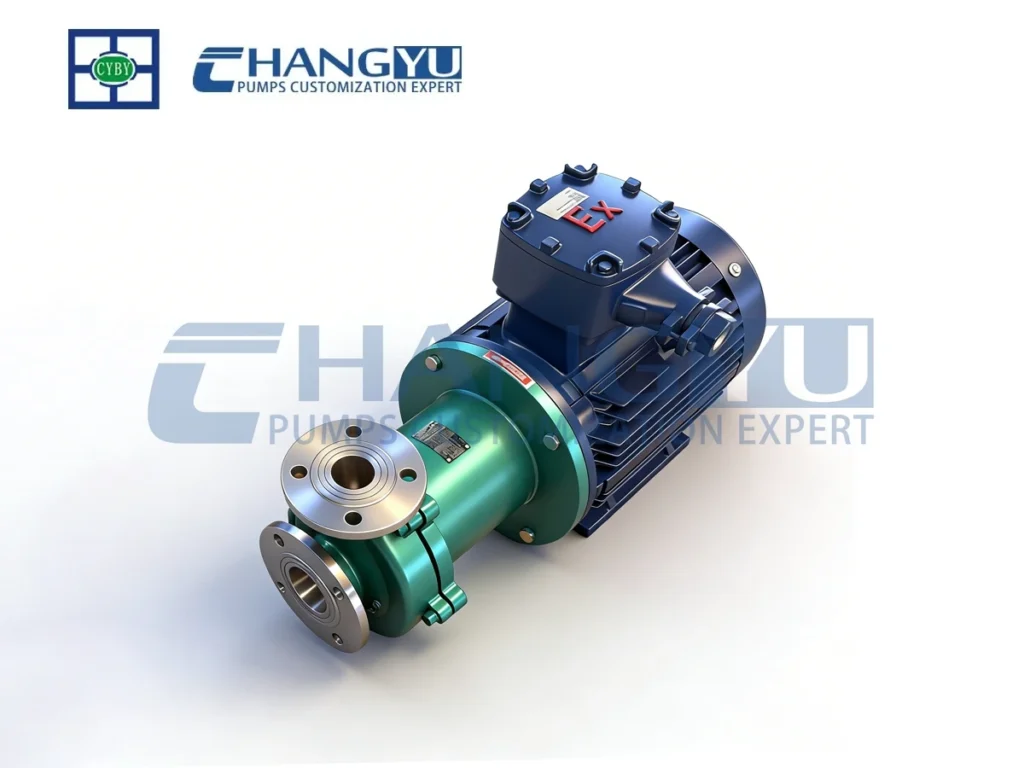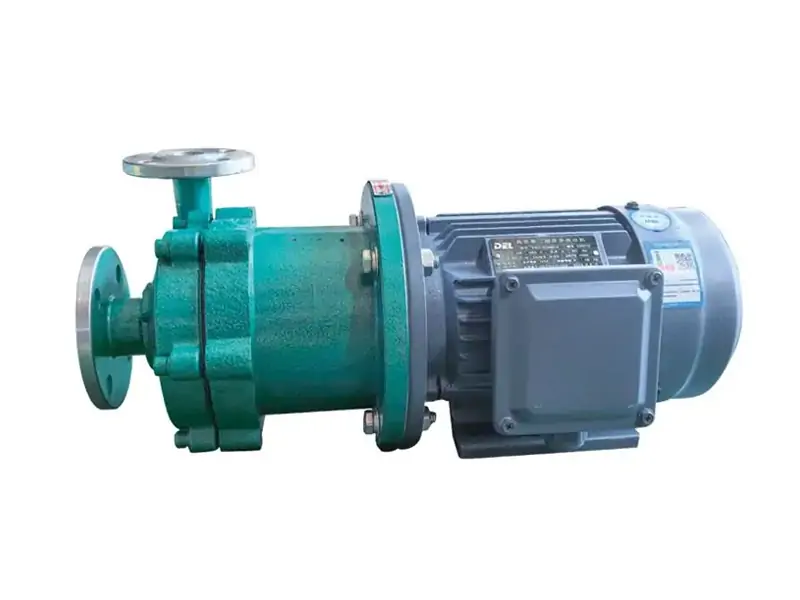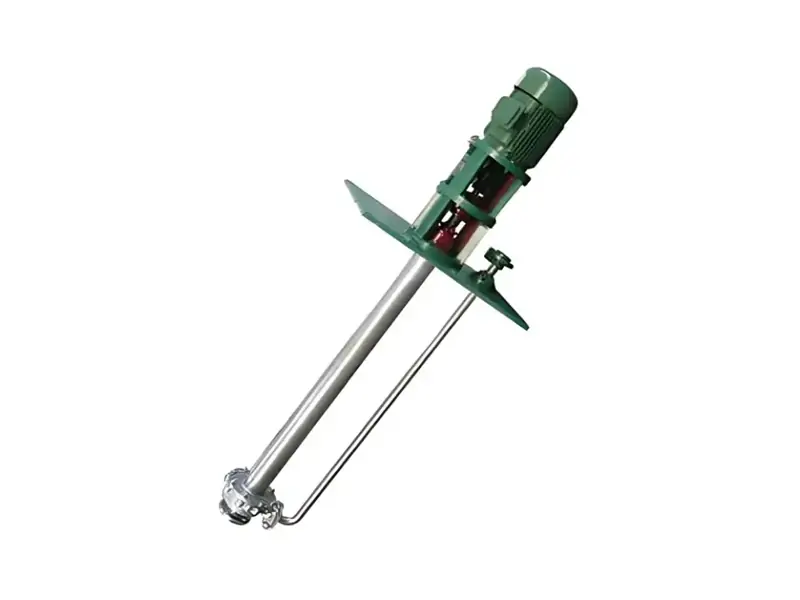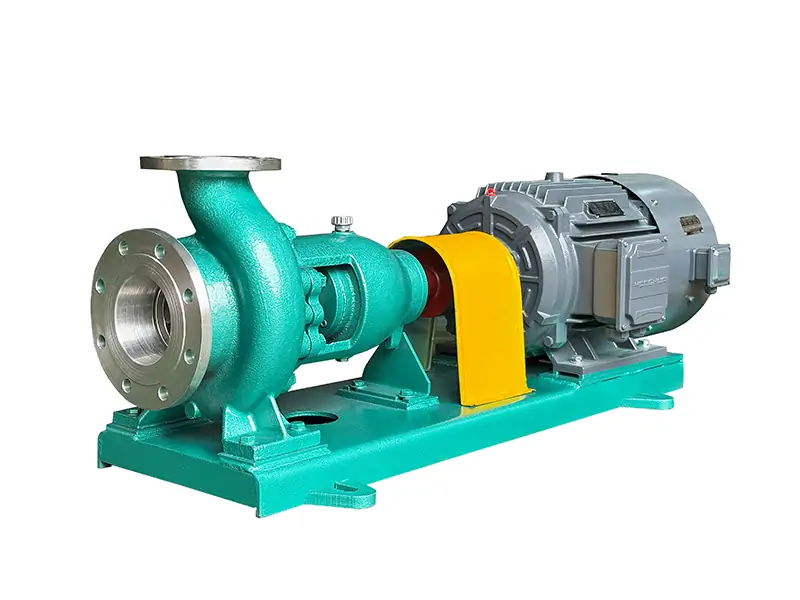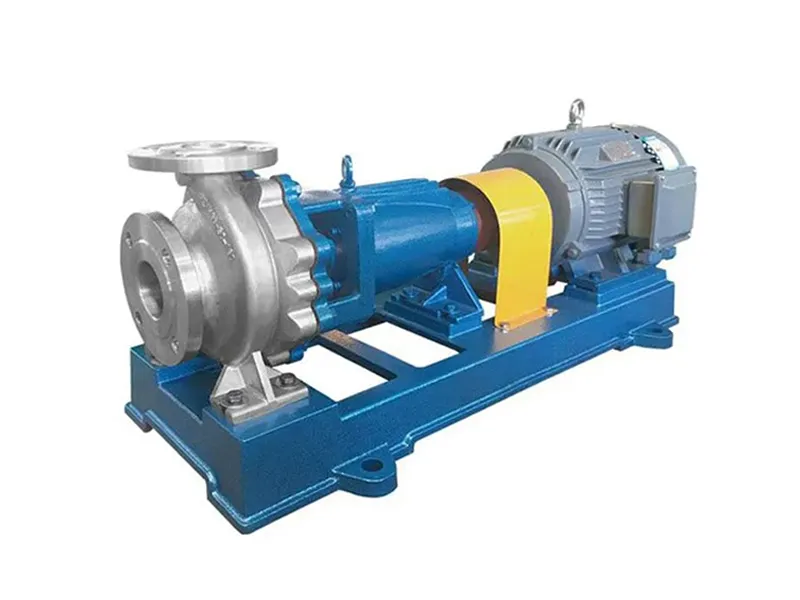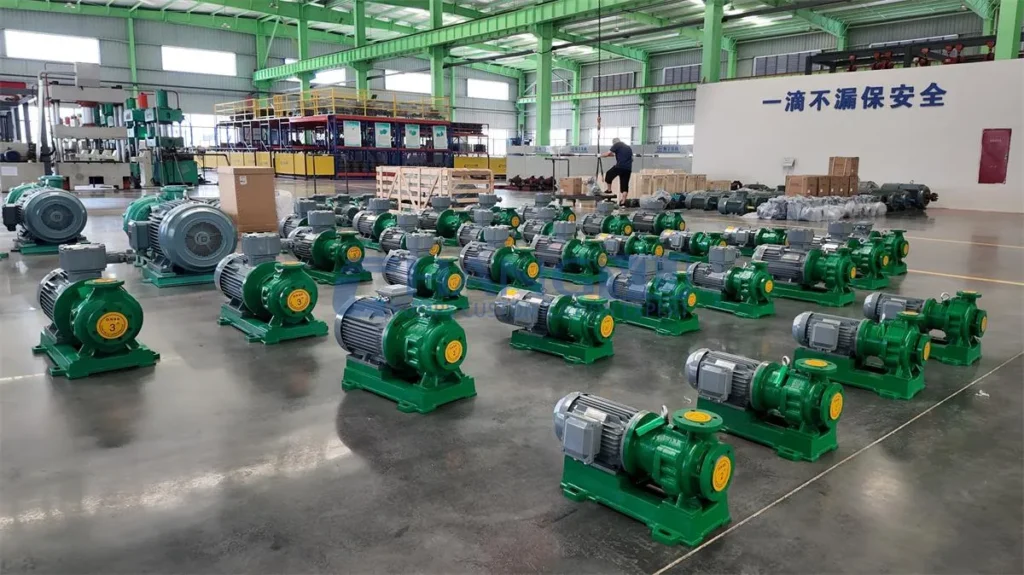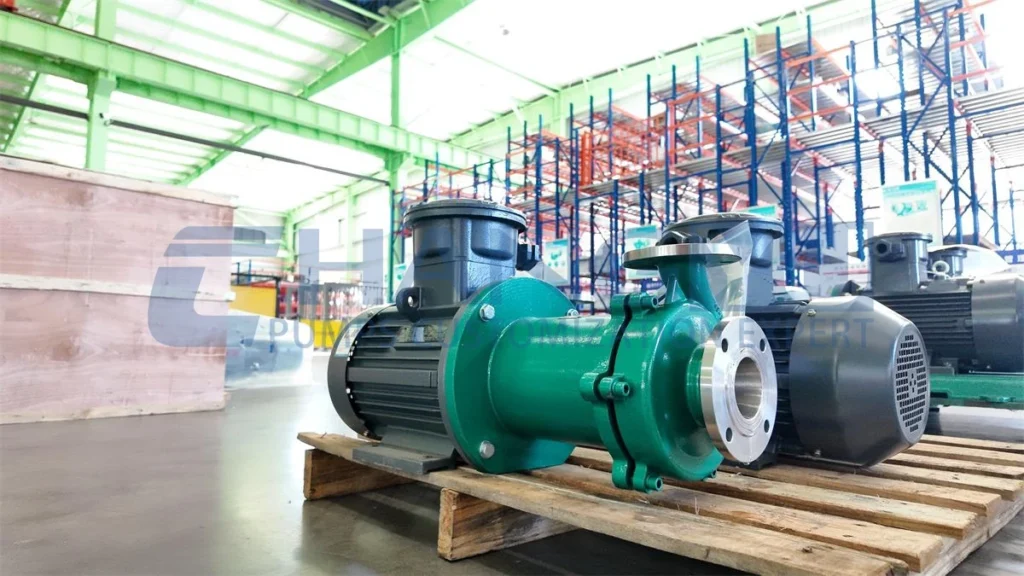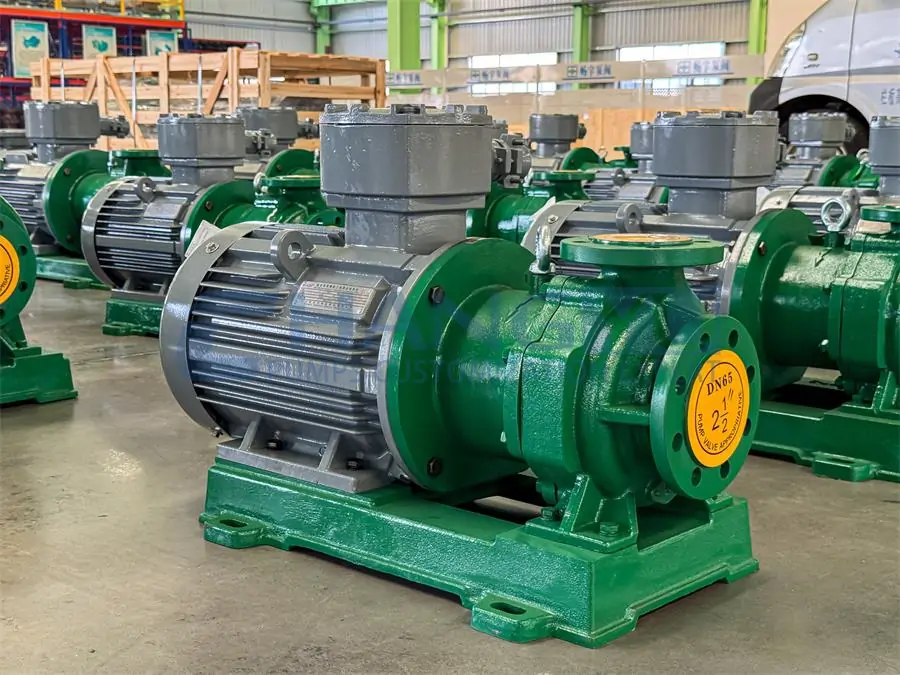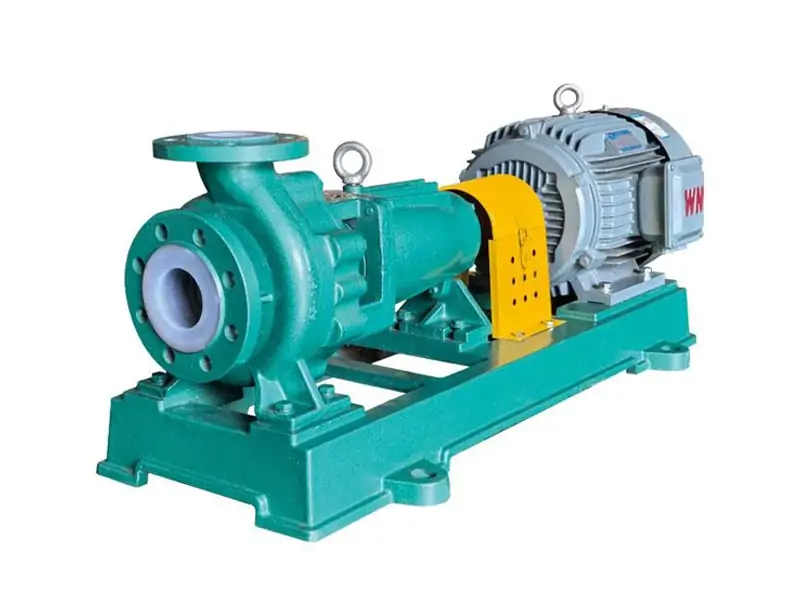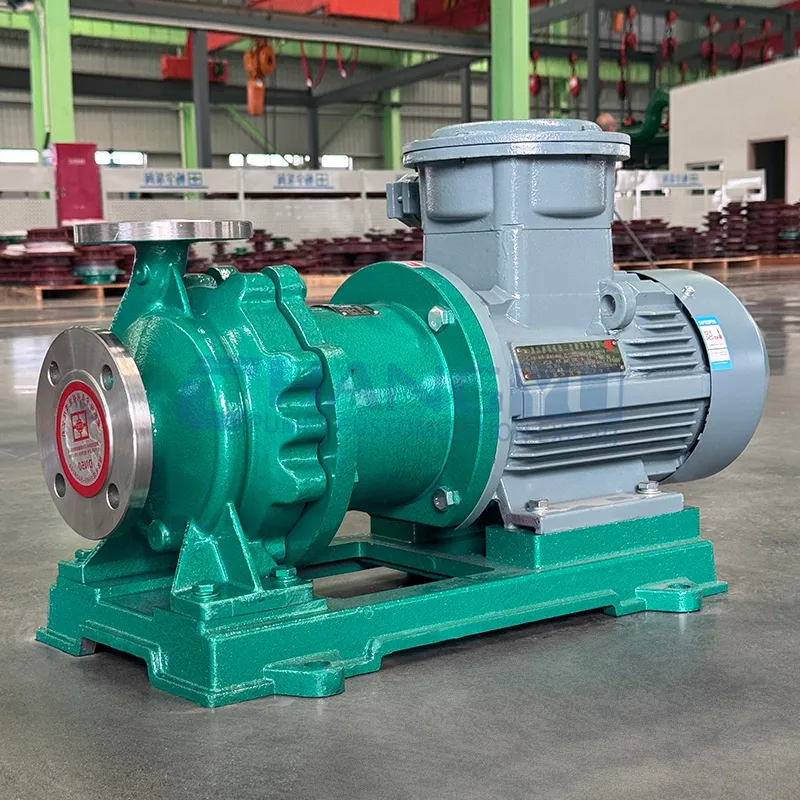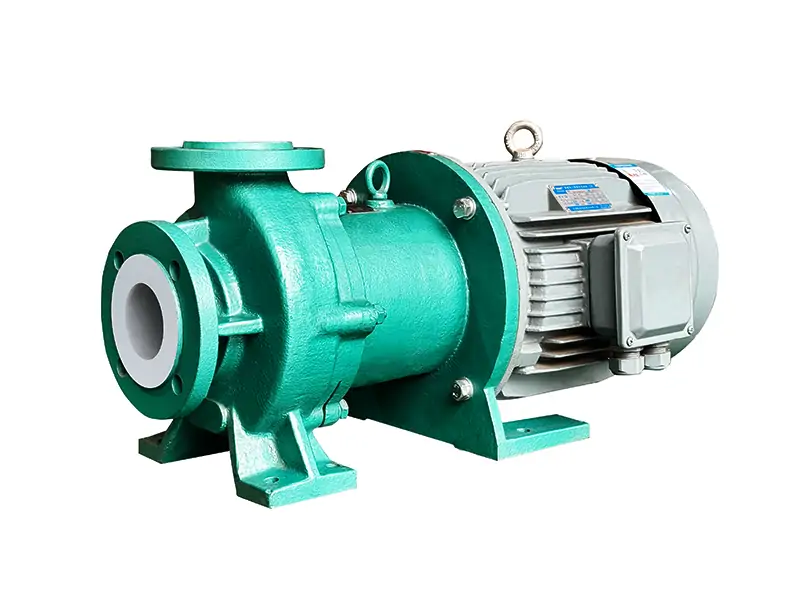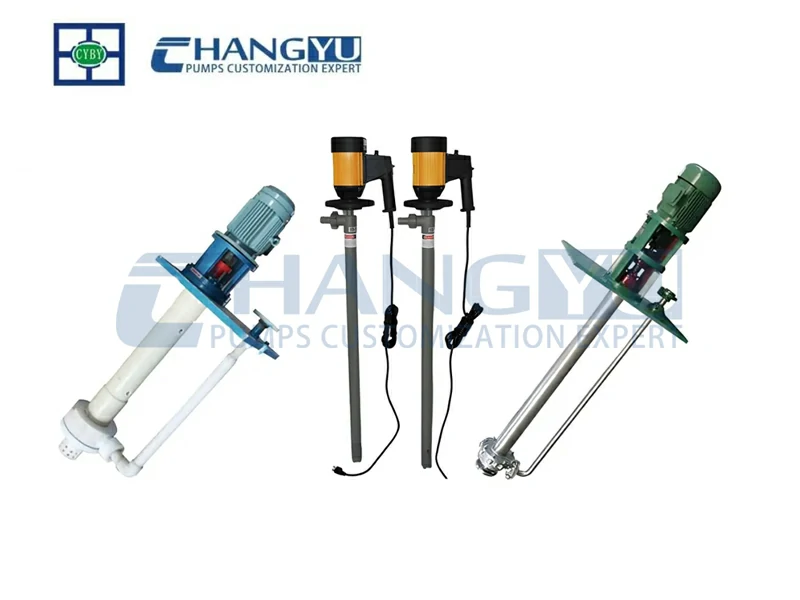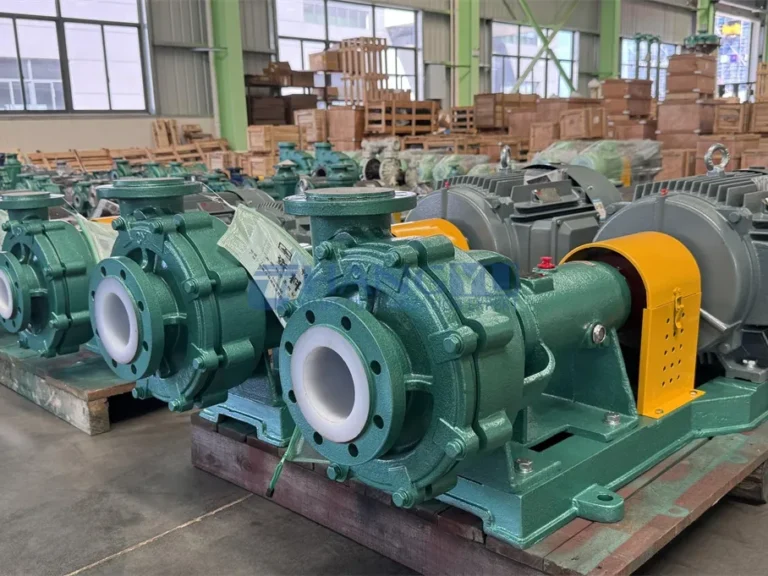
In industrial fluid transfer systems, understanding the difference between PTFE lined pumps and stainless steel pumps is crucial for selecting the right corrosion-resistant pump. For procurement professionals and engineers, each pump type has unique advantages: PTFE lining provides excellent chemical resistance, while stainless steel pumps offer strong structural strength and versatility. Therefore, many users face a dilemma when selecting a pump: should corrosion resistance or mechanical strength be prioritized?
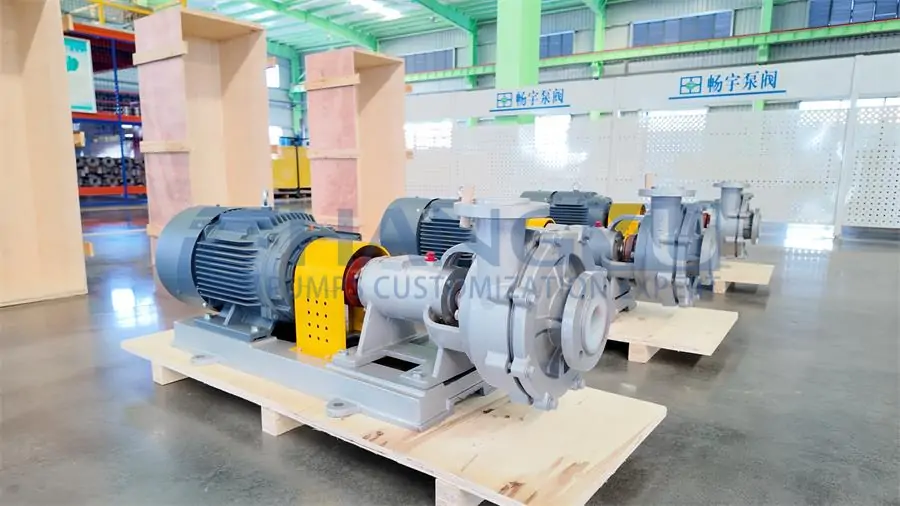

PTFE-lined pumps vs stainless steel pumps, which one is more suitable for your application? Factors such as fluid characteristics, temperature, pressure, and maintenance cost can all affect the final decision. This article compares the two pump types from four key aspects: material properties, application conditions, maintenance costs, and selection recommendations. This will help you identify the differences between the two pump types and choose the most suitable industrial chemical pump for your application.
PTFE Lined Pump vs Stainless Steel Pump: Material Properties
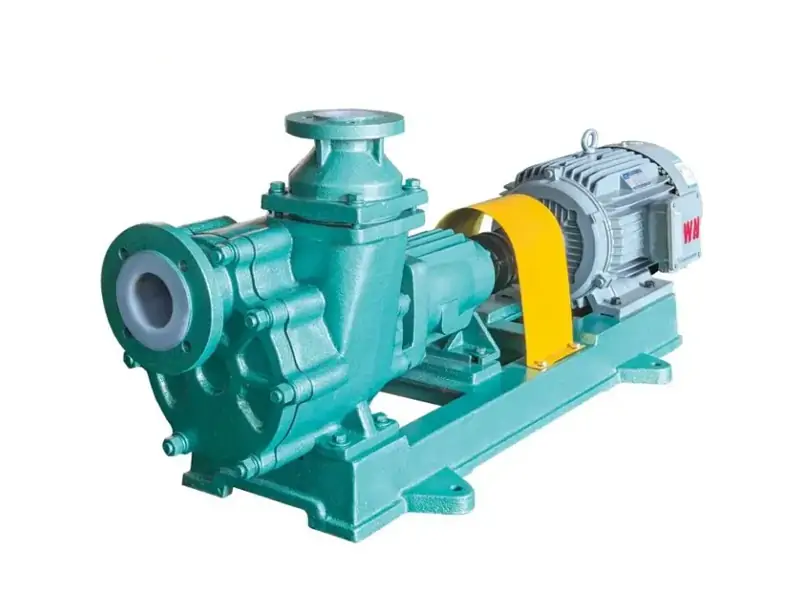
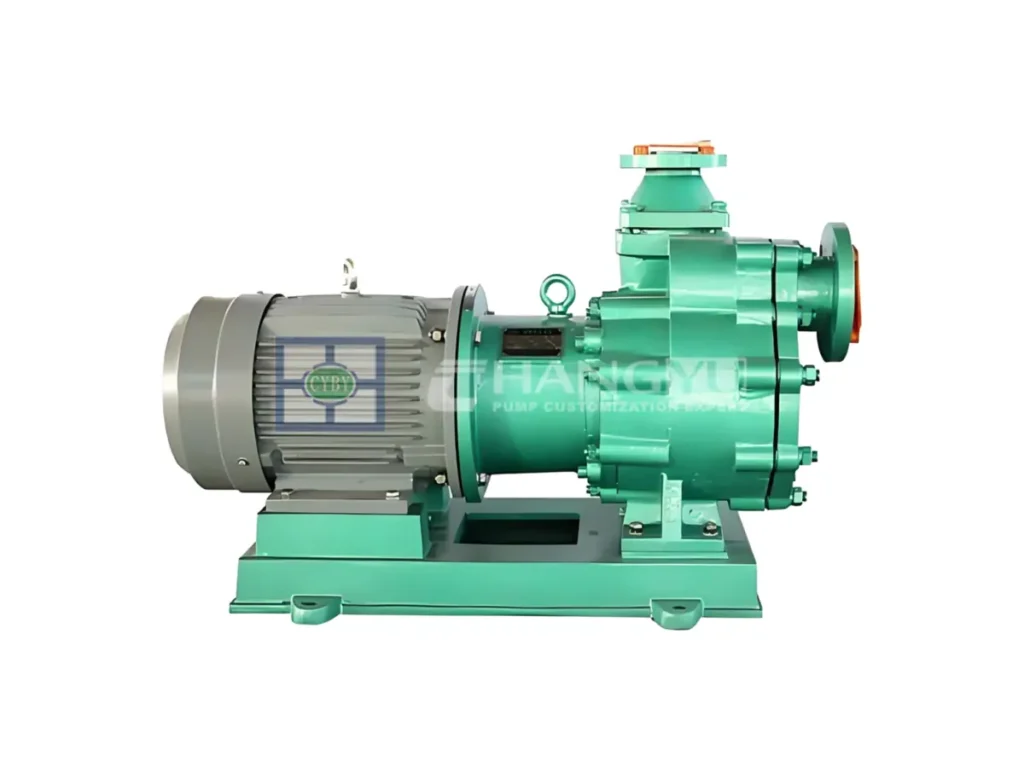
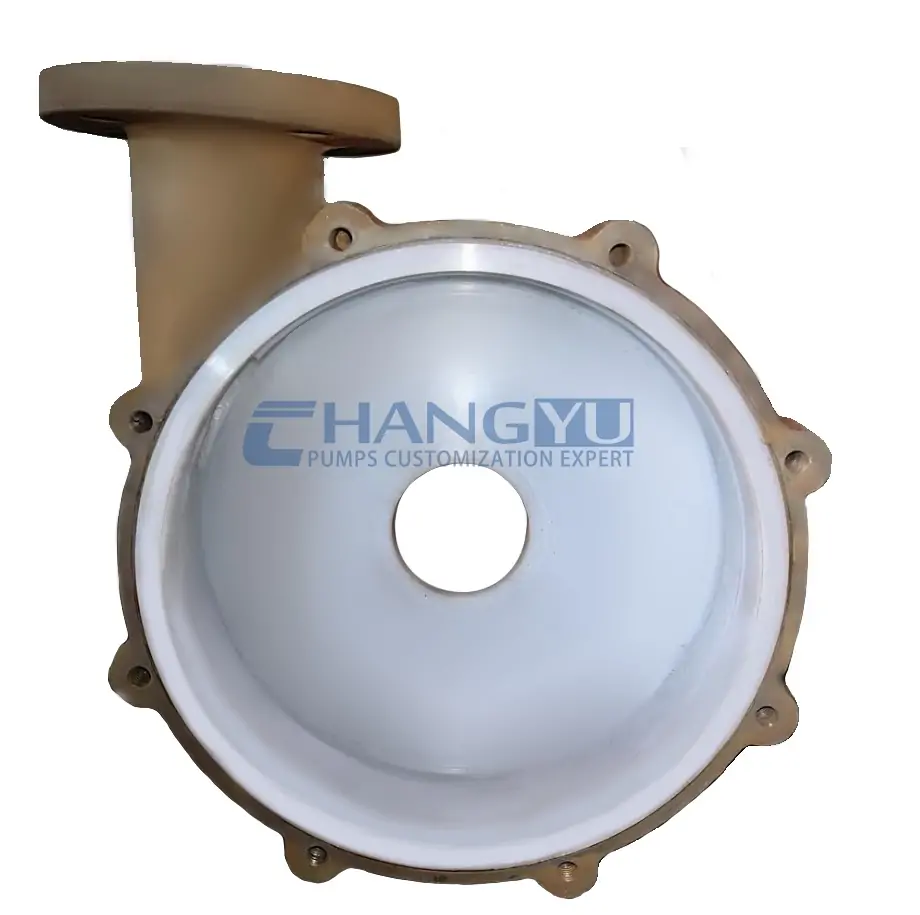
The core components of PTFE lined chemical pumps are made from pure PTFE sintered material, which can withstand long-term corrosion from concentrated sulfuric acid, concentrated nitric acid, aqua regia, and various organic solvents, while remaining stable even at high temperatures. It has the characteristic of “not reacting with almost any substance”, making it the only choice for highly corrosive media such as hydrofluoric acid and chlorosulfonic acid.

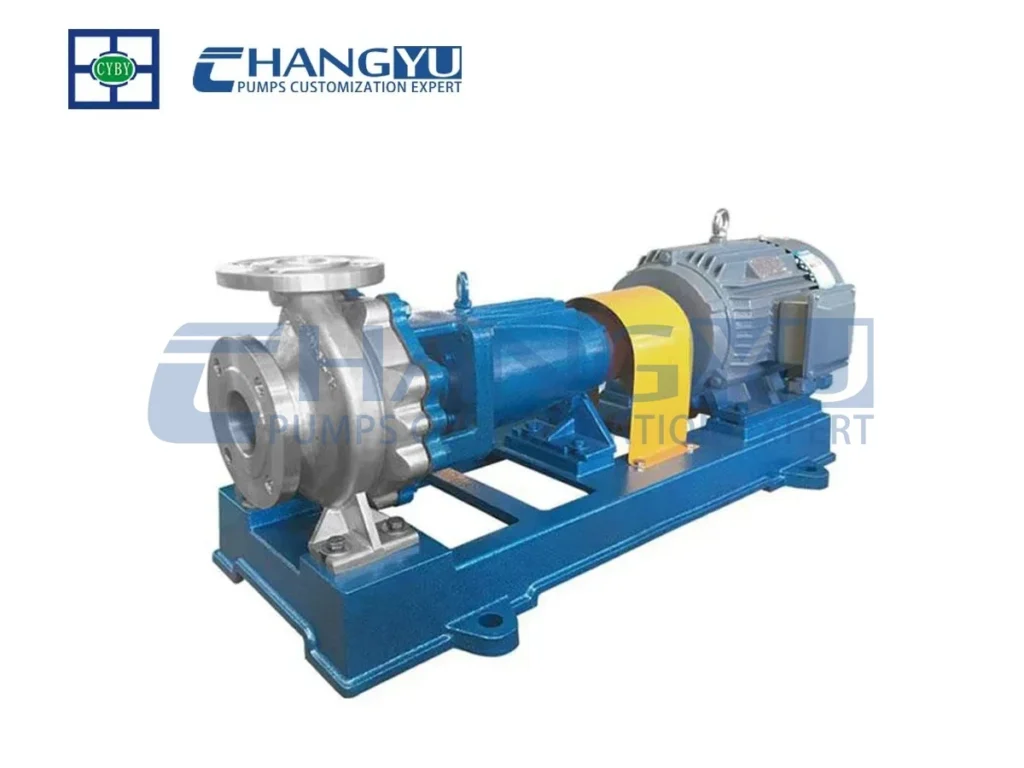
In contrast, stainless steel pumps are only suitable for neutral or mildly corrosive environments. Corrosion may still occur when handling hydrochloric acid with a concentration above 20% or sulfuric acid above 50%.
Material hardness differences: PTFE may undergo plastic deformation when subjected to impact, while stainless steel has higher hardness and can withstand high-strength working pressure.
In an acid pump solution provided by Changyu for a pesticide plant, when transporting glyphosate mother liquor containing 5% solid particles, PTFE impellers developed wear grooves within an average of three months, while stainless steel impellers could operate stably for more than eight months.
Application Scenarios and Product Parameters
The main advantages of PTFE lined chemical pumps are concentrated in high-purity and highly corrosive environments, including:
- Fine chemical industry: transfer of lithium battery electrolyte
- Semiconductor manufacturing: circulation systems for electronic-grade hydrofluoric acid
- Pharmaceutical synthesis: transfer of anhydrous hydrogen fluoride in API production
- The non-stick surface of PTFE can control media residue to below 0.01 mg/cm², far lower than the 0.5 mg/cm² typical for stainless steel.
On the other hand, stainless steel chemical pumps dominate medium-corrosion and high-load conditions, such as:
Electroplating industry: circulation of nickel plating solution containing 5–10% sulfuric acid (temperature 60°C, continuous operation)
Food processing: transfer of acidic juice with pH 3.5
Environmental engineering: sludge return in municipal wastewater treatment systems
In a chemical pump solution provided by Changyu for a chemical industrial park, when continuously transporting NaOH solution containing 3% solid particles, the mean time between failures of a 316L stainless steel pump was 2.3 times that of a PTFE pump, reducing annual maintenance costs by 42%.
Maintenance Cost
In terms of initial procurement cost, PTFE lined pumps are usually more expensive than stainless steel pumps of the same specification. However, under highly corrosive conditions, their life-cycle cost may actually be lower.
Differences in sealing system maintenance: PTFE pumps often use bellows mechanical seals (with PTFE bellows), with a replacement cycle of about 6 months. Stainless steel pumps can be equipped with cartridge mechanical seals, extending the maintenance interval to 12 months.
However, when handling media containing particles, the wear resistance of stainless steel seal faces is more than five times higher than that of PTFE.
PTFE Lined Pump and Stainless Steel Pump: Selection Decision
Evaluation of media corrosiveness:
- Strong acids or strong alkalis → PTFE lined pump
- Neutral or mildly corrosive liquids → Stainless steel pump
- Fluoride ions present → 316L stainless steel or PTFE
Judging solid content:
- Particle size >0.1 mm or concentration >5% → Stainless steel pump
- Pure liquid or colloidal media → PTFE lined pump
Temperature and pressure conditions:
- Temperature >120°C or pressure >1.6 MPa → Stainless steel pump
- Normal temperature and low pressure (<0.6 MPa) → Both are suitable; select according to corrosion level
Cleanliness requirements:
- Pharmaceutical / electronic-grade media → PTFE lined pump
- Industrial circulation systems → Stainless steel pump
| Comparison Dimension | Stainless Steel | Fluoroplastics |
| Initial Purchase Price | Medium | Medium-Low |
| Service Life (Suitable Working Conditions) | Long | Very Long |
| Consequences of Wrong Working Conditions | Corroded and Damaged | Wear/Deformation |
| Maintenance Cost | Low | Medium |
| Comprehensive Cost-Performance Ratio | Very High When Working Conditions Are Matched | Highest Under Strong Corrosion |
| Operating Temperature | Can Be Very High Depending on the Material | Generally ≤ 200°C |
| Media Containing Particles | Acceptable | Not Suitable for Large-Size, Hard Particles |
| High Rotation Speed | Stable | Restricted |


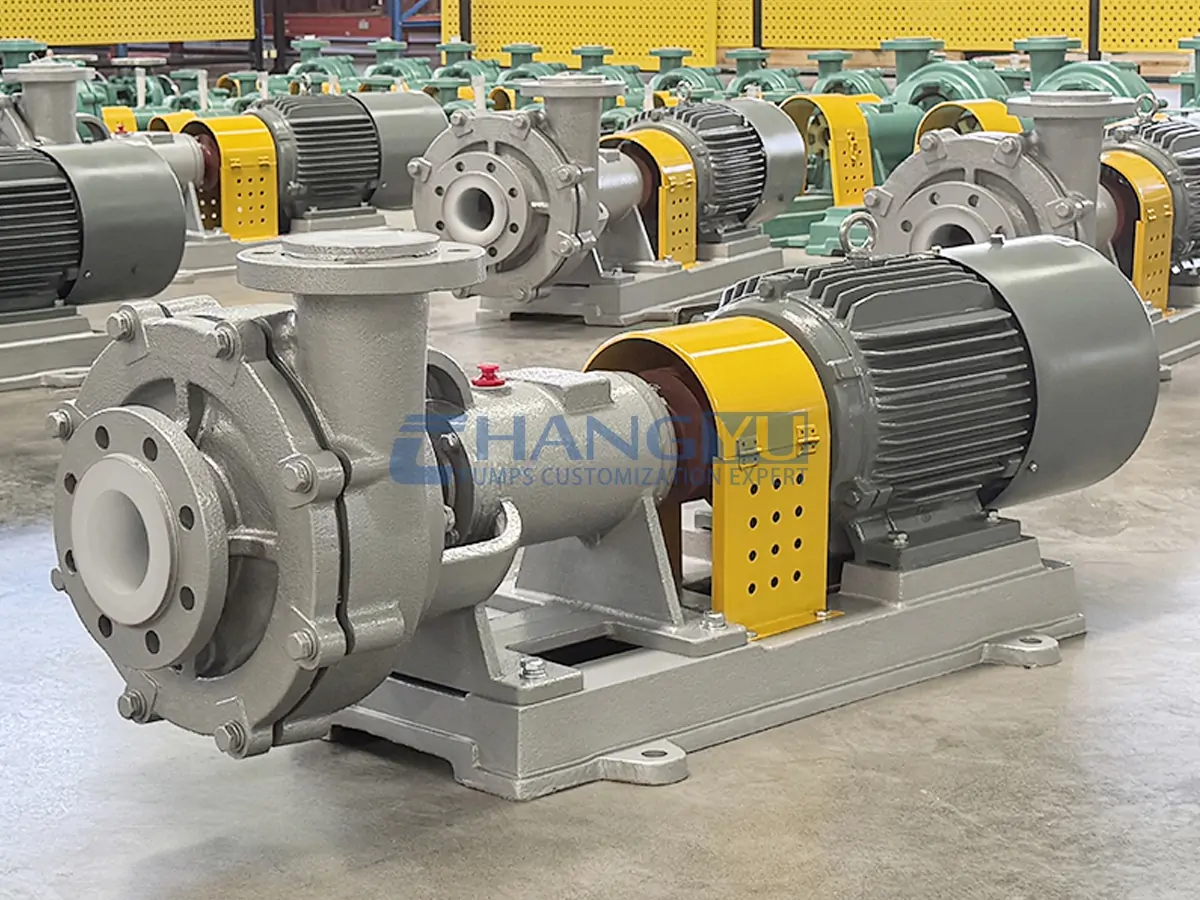
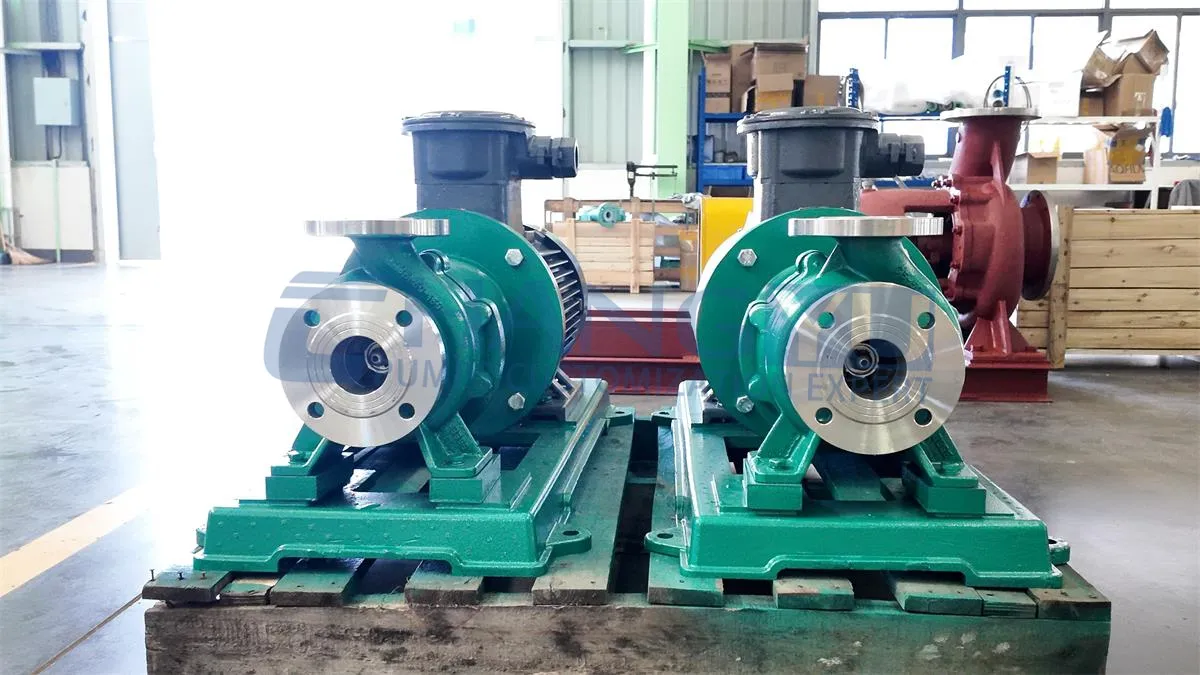


In an acid pump solution provided by Changyu for a fine chemical enterprise, when transporting a dichloroethane solution containing 30% aluminum chloride (pH 1.2, temperature 85°C, containing trace catalyst particles), the company first tried a 316L stainless steel pump (average service life 1.5 months) and then a Hastelloy pump (service life 4 months but too expensive). Finally, a PTFE pump with silicon carbide wear-resistant lining was adopted, achieving stable operation for six months and reducing overall costs by 58%.
Conclusion
By understanding the differences between PTFE lined pumps and stainless steel pumps, industries such as chemical processing, pharmaceuticals, and electronics can make more informed decisions when selecting fluid transfer equipment. Choosing the right pump type directly affects production safety and cost control.

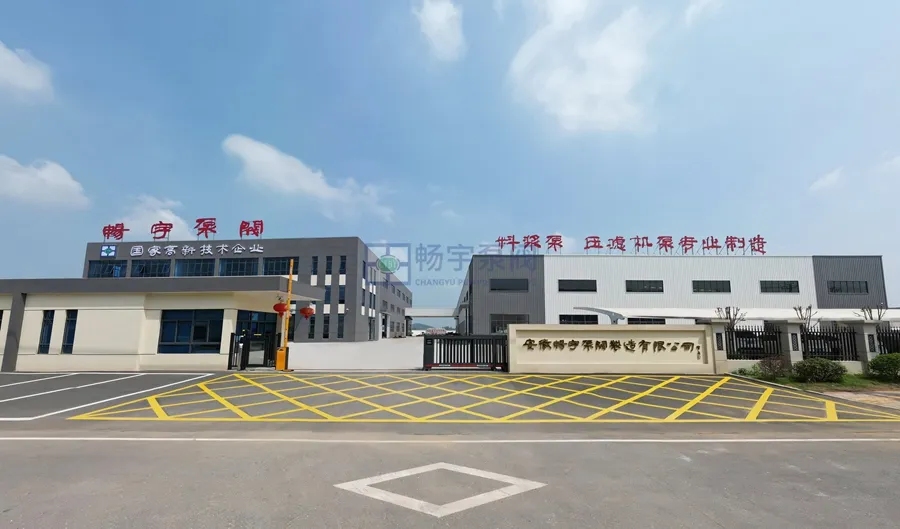
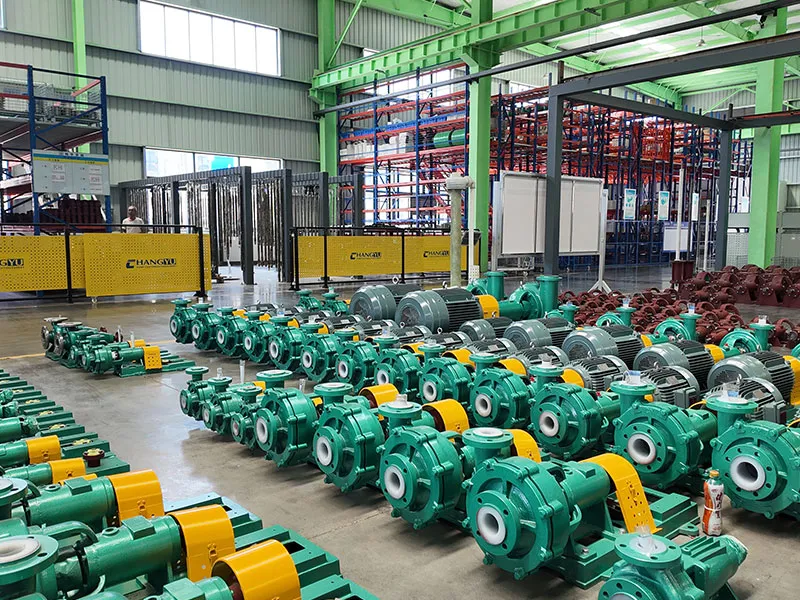


If you need technical support in selecting the right PTFE lined pump or stainless steel pump, please contact us. Changyu Pump has an experienced engineering team that can provide professional pump solutions for industrial applications.
Email: jade@changyupump.com
Phone: +86-13651913727