
Выбор материала насоса начинается с жидкости, а не с номера марки. Для насоса из нержавеющей стали проверьте полный химический состав, температуру, загрязнители и твёрдые частицы. Затем подберите корпус, рабочее колесо, уплотнение и другие смачиваемые детали как один совместимый узел.
Такой подход помогает избежать двух дорогостоящих ошибок: покупки сплава, который не справляется с задачей, или оплаты модернизации, которая не решает фактическую проблему.
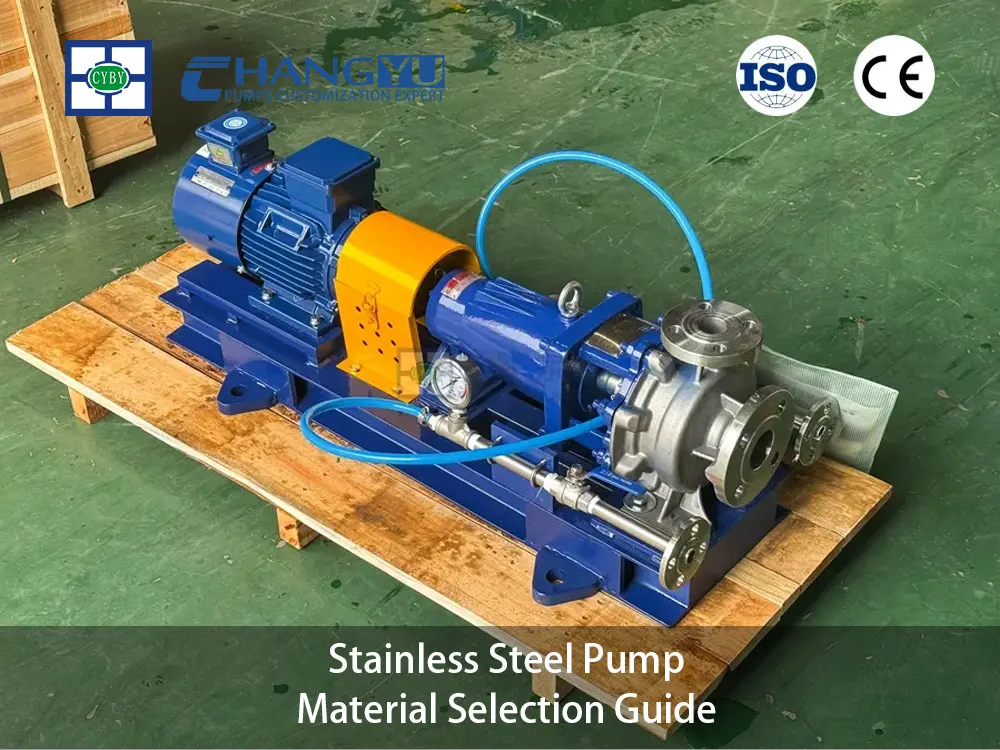
Это руководство охватывает 304/304L, 316/316L, 317L, 904L, 2205 и 2507. Цель — составить полезный шорт-лист для вашего насоса, а затем превратить его в чёткую спецификацию закупки.
Начните выбор материала насоса с полного профиля жидкости
“Кислота”, “сточные воды” и “растворитель” — это лишь отправные описания. Их недостаточно для выбора марки нержавеющей стали.
Например, свежая технологическая вода и оборотная технологическая вода могут иметь одно название, но различаться по содержанию хлоридов и загрязнению. Моющая жидкость может подвергнуть насос условиям более суровым, чем при нормальном производстве.
Подготовьте эти данные перед сравнением материалов:
- Химические названия, концентрации и ожидаемая изменчивость.
- Нормальная и максимальная температуры, включая мойку.
- Содержание хлоридов и другие важные примеси.
- Концентрация твёрдых частиц, размер частиц, твёрдость и склонность к осаждению.
- Время работы, простоя или нахождения под застойной жидкостью.
- Предыдущая коррозия или повреждение уплотнения, с фотографиями при наличии.
SDS помогает идентифицировать ингредиенты и опасности. Он может не дать полной оценки коррозионной стойкости, особенно для рекуперированной или смешанной жидкости. Добавьте репрезентативный анализ там, где состав варьируется. Этот подход «сначала жидкость» согласуется с рекомендациями Pumps & Systems по материалам для коррозионных и опасных химических веществ. Обсуждение оборудования там отличается от рассматриваемых здесь насосов с механическим уплотнением, но необходимость определить воздействие применима к обоим.
Таблица выбора материала насоса из нержавеющей стали
Используйте эту таблицу для сужения вариантов. Она не утверждает марку для неуказанного химического вещества и не гарантирует её наличие во всех моделях насосов.
| Семейство марок | Почему его стоит рассмотреть? | Что необходимо проверить? |
|---|---|---|
| 304 / 304L | Общий вариант из нержавеющей стали для совместимых, относительно мягких жидкостей | Хлориды, кислоты, моющие химикаты, температура и отложения |
| 316 / 316L | Марки, содержащие молибден, предлагающие преимущества перед 304 во многих коррозионных средах | Риск локальной коррозии и фактическая химическая совместимость |
| 317L | Аустенитный вариант с более высоким содержанием молибдена для отдельных задач за пределами 316L | Смесь, температура и доступность компонентов |
| 904L | Высоколегированный аустенитный вариант для некоторых требовательных химических задач | Концентрация кислоты, температура, примеси и изготовление |
| 2205 дуплекс | Прочность и улучшенная стойкость к нескольким механизмам коррозии | Воздействие хлоридов, рабочая температура, изготовление и термообработка |
| 2507 супердуплекс | Кандидат для более требовательных условий локальной коррозии | Полный химический состав, температурные пределы и спецификация компонентов |
Чанъюй коллекция центробежных насосов из нержавеющей стали перечисляет эти семейства материалов по всему своему ассортименту. Специальные марки требуют подтверждения для выбранной модели и смачиваемых компонентов.
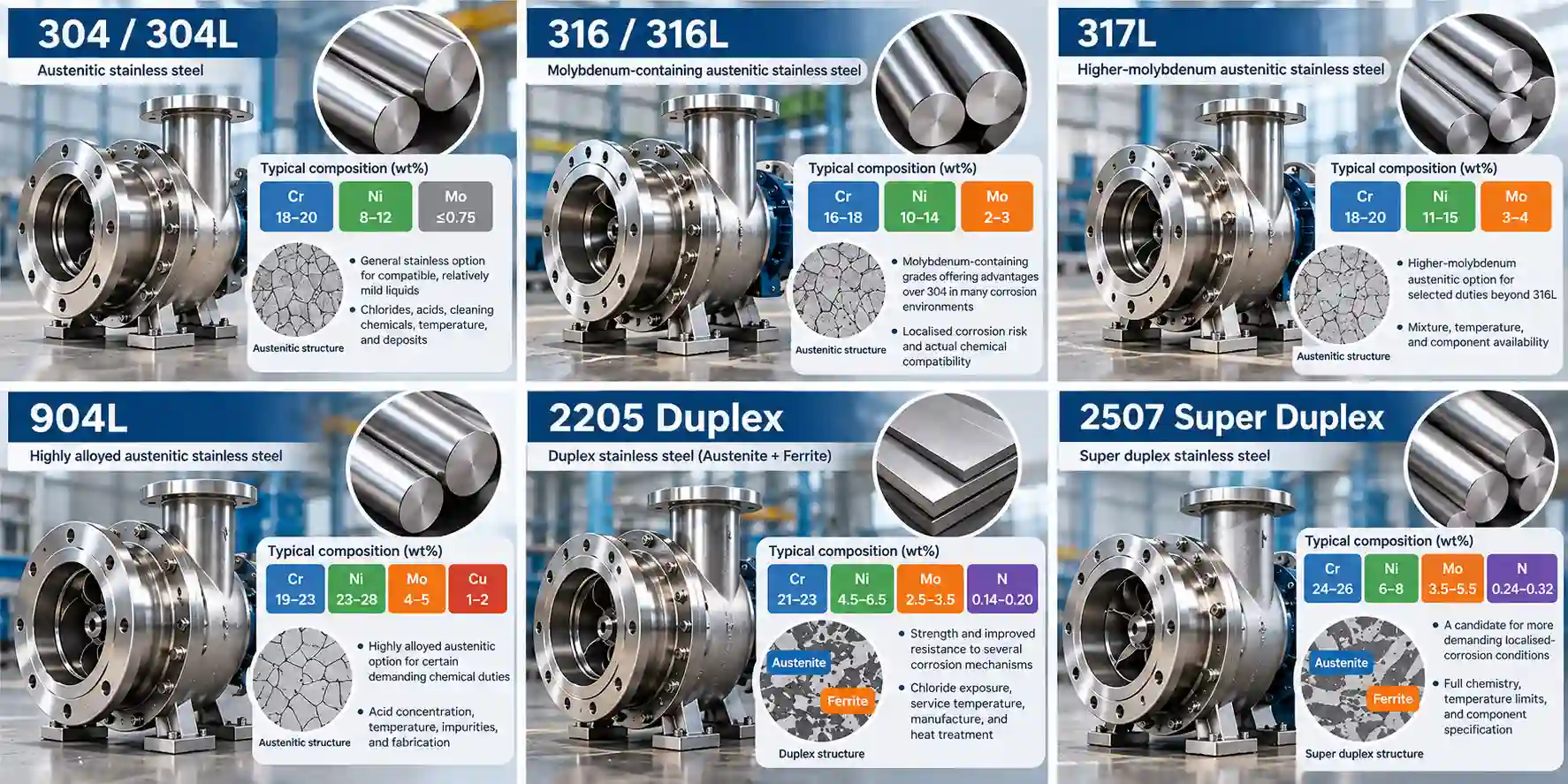
Таблица не является универсальной лестницей от “базового” к “лучшему”. Выбор материала насоса должен определить сплав, который устраняет ваш механизм коррозии при разумной стоимости жизненного цикла.
Когда следует рассматривать 304 или 316?
304 может быть разумной отправной точкой для совместимых мягких сред. Мало смысла модернизировать его, когда анализ жидкости и рабочие условия не показывают необходимости.
316 содержит молибден, который улучшает стойкость во многих средах. Это делает его распространённым кандидатом, когда 304 обеспечивает недостаточную коррозионную стойкость. Это не делает 316 пригодным для любой кислоты, солевого раствора или морской воды. Outokumpu Информация о серии Supra объясняет характеристики марок, содержащих молибден, таких как 316 и 316L. Используйте эту информацию о сплаве вместе с данными для фактической жидкости и компонентов насоса.
Практический совет: спросите, что переход с 304 на 316 предназначен предотвратить. Рекомендация, которая определяет питтинг, связанный с хлоридами, полезнее, чем “316 лучше”. Если отказ вызван абразивным износом или повреждением от сухого хода, смена сплава может упустить причину.
Для задач с чистой жидкостью рассмотрите Горизонтальный одноступенчатый насос CYA. Для химической службы начните с Химический насос из нержавеющей стали CYH и укажите полный материал и комплект уплотнения.
Что означает “L” при выборе материала насоса?
“L” в 304L или 316L означает низкое содержание углерода. Основное преимущество — сниженная склонность к межкристаллитной коррозии, связанной со сваркой и сенсибилизацией.
Это не означает, что 316L автоматически значительно более устойчив к хлоридному питтингу, чем 316. Это также не делает непригодную химическую среду приемлемой.
При выборе материала насоса следует различать привычное обозначение марки и производственную спецификацию. Литый корпус и кованый вал могут поставляться по разным стандартам. В заказе должна быть указана требуемая марка компонента и применимый стандарт, а не просто “вся нержавеющая сталь”.”
Если предусмотрена сварка или ремонт, обсудите процедуру и необходимое послесварочное лечение. Идентичность материала, качество изготовления и условия эксплуатации — всё это влияет на готовый компонент.
Где применяются 317L и 904L?
317L — аустенитная марка с повышенным содержанием молибдена, которая может войти в шорт-лист для отдельных коррозионных сред, выходящих за пределы пригодности 316L. Она всё равно требует оценки применительно к фактической жидкости.
904L — высоколегированная аустенитная марка, используемая в некоторых особо агрессивных химических средах. Это не универсальное одобрение для сильных кислот при любых концентрациях и температурах. Outokumpu Серия Ultra предоставляет независимую информацию о 317L и 904L. Полезный вопрос — какое свойство решает вашу задачу, а не какая марка имеет более высокий номер. Для любого из вариантов проверяйте наличие литья или компонентов на раннем этапе. Марка из шорт-листа полезна только в том случае, если её можно поставить в требуемой конструкции насоса, с подходящим уплотнением и документированной спецификацией.
Если жидкость незнакома или существенно изменяется, согласуйте необходимые доказательства. Это может включать соответствующий опыт эксплуатации, данные по коррозии или представительные испытания до окончательного заказа.
Когда следует рассматривать 2205 или 2507?
Дуплексные нержавеющие стали сочетают аустенитную и ферритную фазы. По сравнению с распространёнными аустенитными марками они могут обеспечивать полезные преимущества по прочности и коррозионной стойкости, включая повышенную стойкость к хлоридному коррозионному растрескиванию под напряжением.
2205 — дуплексный вариант. 2507 — супердуплексный вариант, рассматриваемый для более требовательных условий локальной коррозии. Однако 2507 не является автоматическим ответом всякий раз, когда 2205 кажется неопределённым. При выборе материала насоса также необходимо учитывать температуру, химический состав, технологию изготовления и качество готового компонента.
Практический совет: Если предлагается дуплекс, запросите точный стандарт материала, требования к изготовлению и перечень компонентов. Убедитесь, что предложенная конфигурация включает требуемые детали, контактирующие с жидкостью, а не предполагайте, что дуплексный корпус означает полностью дуплексную проточную часть.
Аналогично, сравнивайте 904L и дуплекс применительно к конкретной проблеме коррозии. Это разные alloy-направления, а не последовательные ступени универсального рейтинга.
Включите уплотнение, прокладки и условия износа
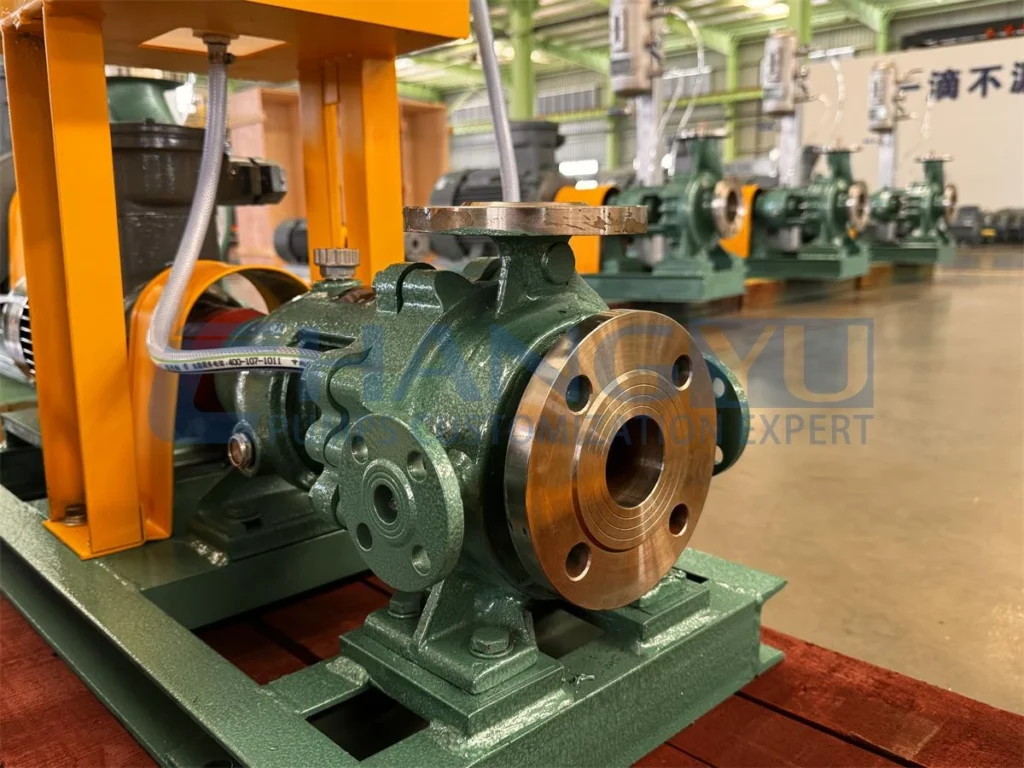
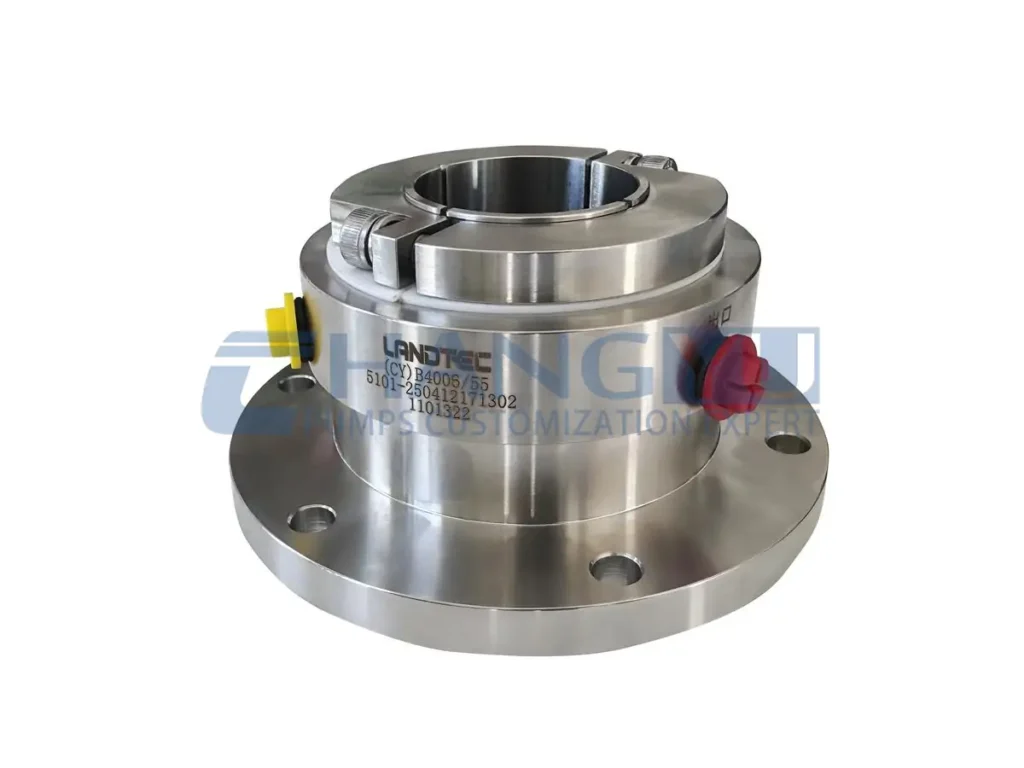
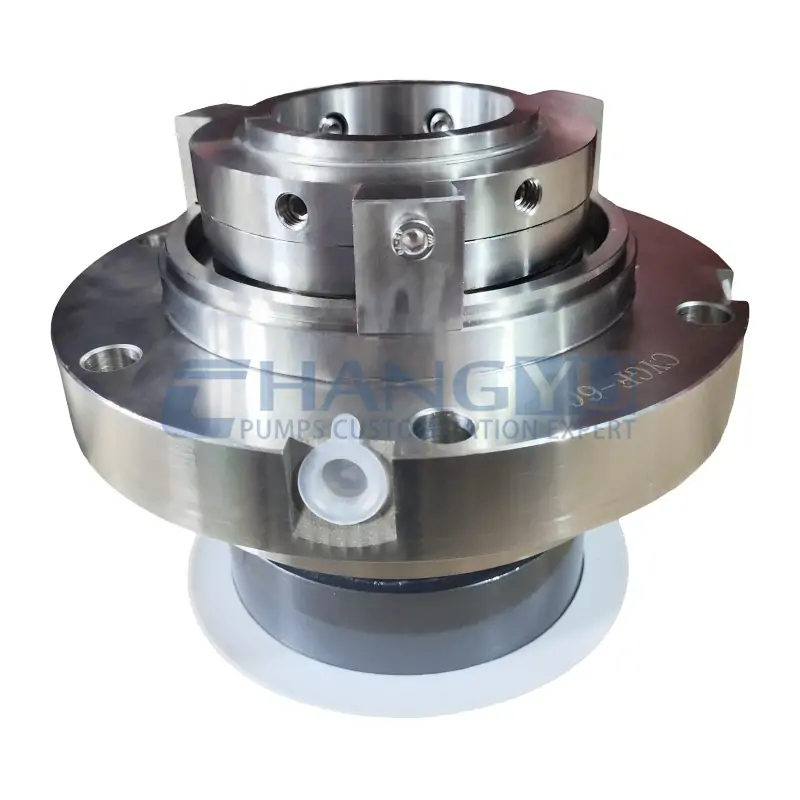
Качественный выбор материала насоса охватывает всё, что контактирует с технологической жидкостью. Подходящий корпус не может предотвратить утечку, вызванную несовместимым O-кольцом.
| Компонент | Информация для включения в спецификацию |
|---|---|
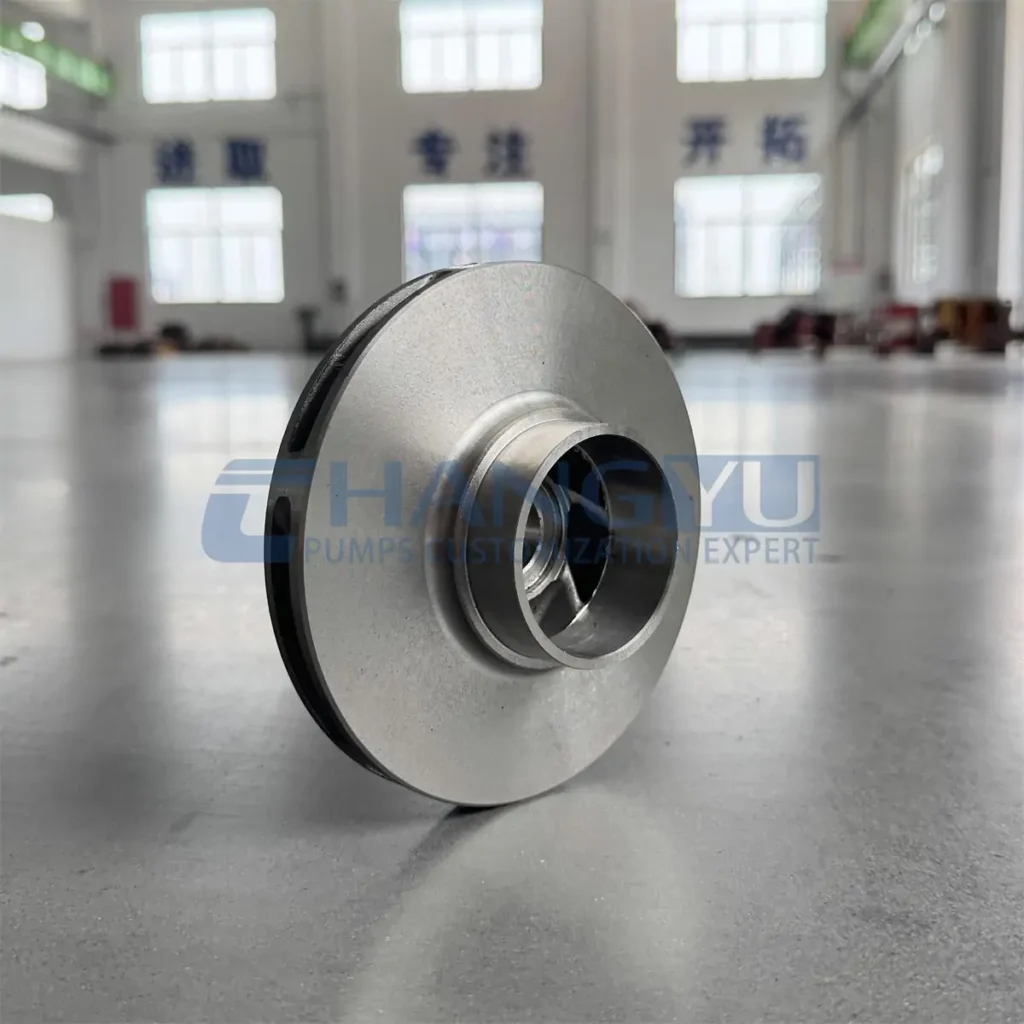
| Корпус и рабочее колесо | Марка, стандарт изготовления и требуемые записи о материале |
| Вал или гильза, контактирующие с жидкостью | Материал и воздействие жидкости |
| Механическое уплотнение | Материалы торцевых поверхностей, вторичные уплотнения и требования к опоре |
| Уплотнительные кольца и прокладки | Точный материал или компаунд и температурные пределы |
| Контур промывки или поддержки | Совместимость с рабочей жидкостью и материалы, контактирующие с ней |
Торцевые уплотнения также требуют подходящих условий эксплуатации. Поставляемое Changyu руководство по техническому обслуживанию указывает сухой ход, недостаточное охлаждение, вибрацию, частицы и заблокированную промывку как возможные причины отказа.
Если жидкость содержит абразивные твёрдые частицы, проверьте конструкцию насоса, а также сплав. Более твёрдый или более коррозионностойкий материал не может расширить заниженный проход рабочего колеса. Шламовый насос HB — это отдельное семейство для оценки в таких условиях.
Там, где нержавеющая сталь непригодна, может потребоваться другое направление по материалу. Changyu Коррозионностойкий насос UHB из UHMWPE остаётся вариантом для совместимых задач с учётом его собственных температурных, химических и механических ограничений.
Превратите оценку в решение о закупке
Рассмотрим иллюстративное предприятие, которое перекачивает технологическую жидкость при комнатной температуре и использует тот же насос для более горячего цикла мойки. Только производственная жидкость выглядит совместимой с первоначальным выбором материала.
Полный обзор выбора материала насоса также проверяет моющее средство, его концентрацию, время воздействия и максимальную температуру. Затем он проверяет уплотнение и прокладки на совместимость с обеими жидкостями. В противном случае насос может быть выбран лишь для части его реальной службы.
Используйте следующую последовательность, чтобы решение оставалось практичным:
- Определите нормальную работу и наиболее требовательное реалистичное воздействие.
- Определите вероятный механизм коррозии или износа.
- Составьте шорт-лист совместимых сплавов и материалов уплотнений.
- Подтвердите наличие модели и компонентов.
- Согласуйте необходимые доказательства и документацию.
- Сравните затраты на закупку, обслуживание, замену и простои.
Не предполагайте, что премиальная марка прослужит вдвое дольше без соответствующих доказательств. Спросите, какая неопределённость остаётся и как она будет устранена.
Сертификаты на материалы могут поддерживать прослеживаемость. Позитивная идентификация материалов может помочь проверить состав сплава в пределах возможностей метода испытаний. Она не заменяет все проверки содержания углерода, термообработки или качества литья.
Результатом должен стать письменный график материалов, привязанный к определённому диапазону эксплуатации. Это полезнее, чем устная рекомендация “использовать нержавеющую сталь”.”
Once the material has been screened, our выбор химических насосов из нержавеющей стали guide helps turn it into a complete specification for flow, head, sealing, suction conditions and installation.
ЧАСТО ЗАДАВАЕМЫЕ ВОПРОСЫ
Каков первый шаг в выборе материала для насоса?
Определите полный состав жидкости и рабочий диапазон. Включите примеси, твёрдые частицы, моющие жидкости и максимальную температуру. Затем оцените каждый компонент, контактирующий с рабочей средой. Начало с предпочтительной марки может скрыть условия, которые фактически определяют совместимость.
Является ли 316L всегда лучшим материалом для нержавеющего насоса?
Нет. Для некоторых задач можно использовать 304, тогда как для других требуется другой сплав или материал. Низкое содержание углерода в 316L полезно для определённых проблем коррозии, связанных с изготовлением, но это не делает марку пригодной для любого хлоридного или кислотного применения.
Можно ли выбрать материал насоса, используя только pH?
Нет. pH не определяет полный химический состав, содержание хлоридов, температуру или твёрдые частицы. Две жидкости с похожим pH могут по-разному воздействовать на материал. Используйте pH как одну из точек данных в анализе жидкости, а не как полную спецификацию совместимости.
Всегда ли 2507 лучше, чем 904L?
Нет. Они принадлежат к разным семействам сплавов и предлагают разные преимущества. Сравнивайте их с учётом конкретной жидкости, температуры, механизма коррозии и требований к компонентам. Выбор только по номеру марки может увеличить стоимость, не решая соответствующую проблему.
Может ли диаграмма коррозии принять окончательное решение?
Диаграмма может помочь отобрать материалы, когда её концентрация, температура и условия испытаний соответствуют вашему режиму. Смеси, загрязнители, отложения и изменения в работе могут изменить результат. Используйте диаграмму вместе с проверкой на уровне компонентов и подходящими доказательствами для неопределённых условий эксплуатации.
Что мне следует отправить для рекомендации по материалу?
Отправьте анализ жидкости, диапазоны концентрации и температуры, условия очистки, хлориды, твёрдые частицы, расход и напор. Для замены приложите фотографии и место повреждения. Укажите, как долго работали старые компоненты и что изменилось перед отказом.
Запросить обзор материала из нержавеющей стали
Для выбора материала насоса отправьте Changyu детали жидкости и условия эксплуатации через форму ниже. Мы можем обсудить подходящее семейство продуктов и информацию, необходимую для рекомендации по материалу и уплотнению. Просмотрите ассортимент насосов из нержавеющей стали или используйте нашу страницу контактов.
Электронная почта: [email protected]
ТЕЛ/WA: +86-13651913727
Об авторе и источниках
Подготовлено Jade, Changyu Pump. Это руководство использует информацию о продукции Changyu и предоставленные документы по материалам и обслуживанию. Независимые справочники по сплавам поддерживают сравнения марок. Оно предоставляет основу для выбора; совместимость и наличие компонентов необходимо подтвердить для конкретного проекта.
- Коллекция насосов Changyu из нержавеющей стали: варианты продукции и материалов.
- Outokumpu Supra: информация о 316/316L.
- Outokumpu Ultra: информация о 317L и 904L.
- Outokumpu Forta: информация о дуплексных и супердуплексных сплавах.
- Статья о выборе материалов Pumps & Systems: факторы оценки жидкости.