
Lựa chọn vật liệu bơm bắt đầu từ chất lỏng, không phải từ số hiệu mác thép. Đối với bơm thép không gỉ, cần kiểm tra thành phần hóa học đầy đủ, nhiệt độ, tạp chất và chất rắn. Sau đó chọn vỏ, cánh bơm, phớt và các chi tiết tiếp xúc với chất lỏng khác như một tổ hợp tương thích.
Cách tiếp cận đó giúp bạn tránh hai sai lầm tốn kém: mua hợp kim không đáp ứng được điều kiện làm việc, hoặc trả tiền cho một nâng cấp không giải quyết được vấn đề thực tế.
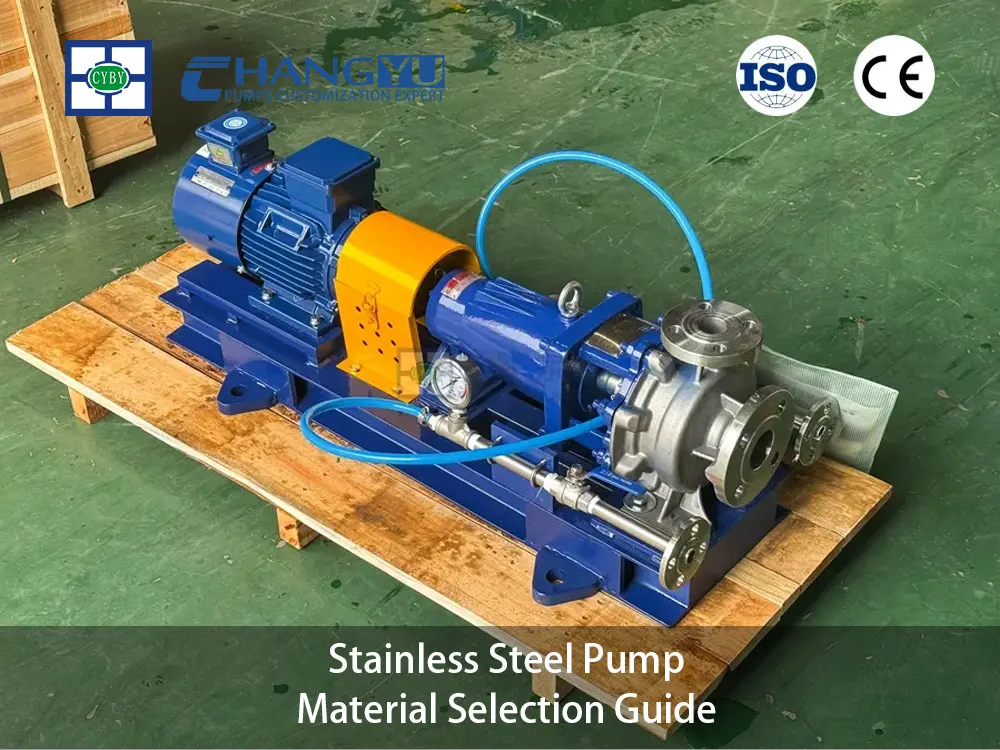
Hướng dẫn này bao gồm 304/304L, 316/316L, 317L, 904L, 2205 và 2507. Mục tiêu là xây dựng danh sách rút gọn hữu ích cho bơm của bạn, sau đó chuyển nó thành đặc tả mua hàng rõ ràng.
Bắt đầu lựa chọn vật liệu bơm với hồ sơ chất lỏng đầy đủ
“Axit,” “nước thải” và “dung môi” là những mô tả ban đầu. Chúng không đủ để chọn mác thép không gỉ.
Ví dụ, nước công nghệ mới và nước công nghệ tái chế có thể cùng tên nhưng khác nhau về hàm lượng clorua và mức độ nhiễm bẩn. Dung dịch tẩy rửa có thể khiến bơm tiếp xúc với điều kiện khắc nghiệt hơn so với sản xuất thông thường.
Chuẩn bị các thông tin sau trước khi so sánh vật liệu:
- Tên hóa học, nồng độ và mức biến đổi dự kiến.
- Nhiệt độ bình thường và tối đa, bao gồm cả khi tẩy rửa.
- Hàm lượng clorua và các tạp chất quan trọng khác.
- Nồng độ chất rắn, kích thước hạt, độ cứng và xu hướng lắng đọng.
- Thời gian chạy, dừng hoặc chứa đầy chất lỏng tù đọng.
- Hư hỏng do ăn mòn hoặc phớt trước đó, kèm ảnh nếu có.
SDS giúp xác định thành phần và mối nguy. Nó có thể không cung cấp đánh giá ăn mòn đầy đủ, đặc biệt đối với chất lỏng thu hồi hoặc hỗn hợp. Bổ sung phân tích đại diện khi thành phần thay đổi. Cách tiếp cận ưu tiên chất lỏng này phù hợp với hướng dẫn của Pumps & Systems về vật liệu cho hóa chất ăn mòn và nguy hiểm. Thảo luận thiết bị của họ khác với bơm phớt cơ khí được xem xét ở đây, nhưng nhu cầu xác định điều kiện tiếp xúc áp dụng cho cả hai.
Bảng lựa chọn vật liệu bơm thép không gỉ
Sử dụng bảng này để thu hẹp các lựa chọn. Nó không phê duyệt một mác thép cho một hóa chất không xác định hoặc đảm bảo tính sẵn có trong mọi model bơm.
| Nhóm mác thép | Tại sao nên xem xét? | Cần kiểm tra gì? |
|---|---|---|
| 304 / 304L | Lựa chọn thép không gỉ phổ thông cho chất lỏng tương thích, tương đối nhẹ | Clorua, axit, hóa chất tẩy rửa, nhiệt độ và cặn lắng |
| 316 / 316L | Mác thép chứa molypden có ưu điểm so với 304 trong nhiều môi trường ăn mòn | Nguy cơ ăn mòn cục bộ và độ tương thích hóa học thực tế |
| 317L | Lựa chọn austenit có hàm lượng molypden cao hơn cho các nhiệm vụ được chọn vượt ngoài 316L | Hỗn hợp, nhiệt độ và tính sẵn có của chi tiết |
| 904L | Lựa chọn austenit hợp kim cao cho một số nhiệm vụ hóa chất khắt khe | Nồng độ axit, nhiệt độ, tạp chất và chế tạo |
| 2205 duplex | Độ bền và khả năng chống chịu cải thiện với một số cơ chế ăn mòn | Tiếp xúc clorua, nhiệt độ làm việc, chế tạo và xử lý nhiệt |
| 2507 siêu duplex | Ứng viên cho điều kiện ăn mòn cục bộ khắt khe hơn | Thành phần hóa học đầy đủ, giới hạn nhiệt độ và đặc tả chi tiết |
Changyu’s bộ sưu tập bơm ly tâm thép không gỉ liệt kê các nhóm vật liệu này trong toàn bộ dải sản phẩm. Các mác đặc biệt cần xác nhận cho model được chọn và các chi tiết tiếp xúc với chất lỏng.
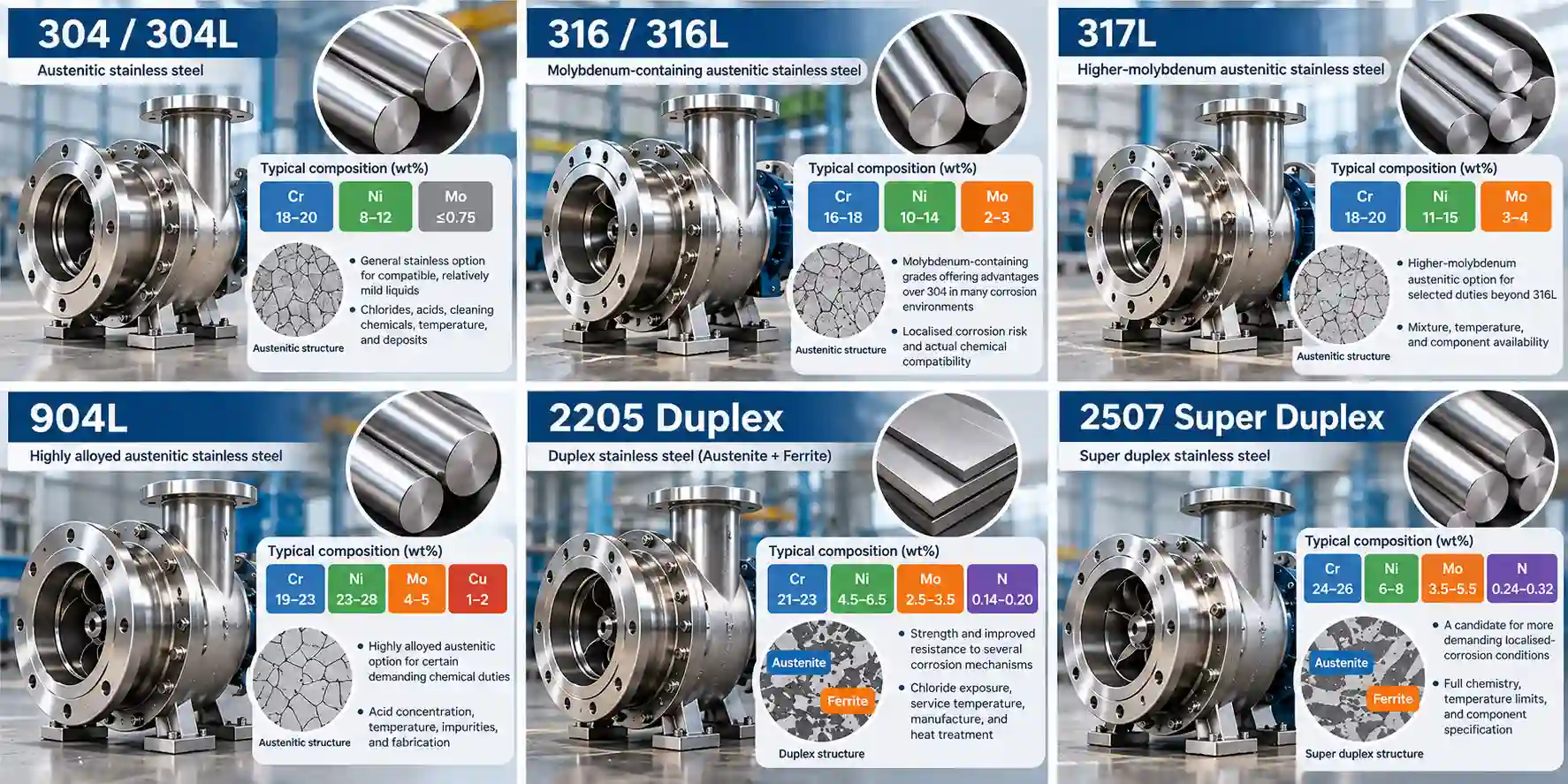
Bảng này không phải là thang bậc phổ quát từ “cơ bản” đến “tốt nhất.” Lựa chọn vật liệu bơm nên xác định hợp kim giải quyết cơ chế ăn mòn của bạn với chi phí vòng đời hợp lý.
Khi nào nên xem xét 304 hoặc 316?
304 có thể là điểm khởi đầu hợp lý cho các dịch vụ nhẹ tương thích. Ít có giá trị trong việc nâng cấp khi phân tích chất lỏng và điều kiện vận hành cho thấy không cần thiết.
316 chứa molypden, giúp cải thiện khả năng chống chịu trong nhiều môi trường. Điều đó khiến nó trở thành ứng viên phổ biến khi 304 không đủ khả năng chống ăn mòn. Nó không làm cho 316 phù hợp với mọi nhiệm vụ axit, dung dịch muối hoặc nước biển. Outokumpu Thông tin dòng Supra giải thích đặc tính của các mác thép chứa molypden như 316 và 316L. Sử dụng nền tảng hợp kim này cùng với dữ liệu cho chất lỏng thực tế và các chi tiết bơm.
Lời khuyên thực tế: hãy hỏi việc thay đổi từ 304 sang 316 nhằm ngăn ngừa điều gì. Một khuyến nghị xác định rõ hiện tượng rỗ do clorua sẽ hữu ích hơn “316 tốt hơn.” Nếu hư hỏng là do mài mòn hoặc chạy khô, việc thay đổi hợp kim có thể bỏ qua nguyên nhân.
Đối với nhiệm vụ chất lỏng sạch, xem xét bơm ngang một cấp CYA. Đối với dịch vụ hóa chất, bắt đầu với Bơm hóa chất thép không gỉ CYH và ghi rõ đầy đủ vật liệu và bộ phớt.
Chữ “L” trong lựa chọn vật liệu bơm có nghĩa là gì?
Chữ “L” trong 304L hoặc 316L có nghĩa là hàm lượng carbon thấp. Lợi ích chính là giảm nguy cơ ăn mòn tinh giới liên quan đến hàn và nhạy cảm hóa.
Điều đó không có nghĩa là 316L tự động chống ăn mòn điểm clorua tốt hơn nhiều so với 316. Cũng không làm cho một nhiệm vụ hóa chất không phù hợp trở nên chấp nhận được.
Đối với lựa chọn vật liệu bơm, cần phân biệt tên mác quen thuộc với thông số kỹ thuật sản xuất. Vỏ đúc và trục rèn có thể được cung cấp theo các tiêu chuẩn khác nhau. Đơn hàng nên xác định mác thành phần yêu cầu và tiêu chuẩn áp dụng, không chỉ nói “toàn bộ thép không gỉ.”
Khi có hàn hoặc sửa chữa, cần thảo luận về quy trình và mọi xử lý cần thiết. Nhận dạng vật liệu, chất lượng chế tạo và điều kiện vận hành đều ảnh hưởng đến thành phần hoàn thiện.
317L và 904L phù hợp ở đâu?
317L là mác austenit có hàm lượng molypden cao hơn, có thể vào danh sách rút gọn cho các nhiệm vụ ăn mòn chọn lọc vượt quá khả năng phù hợp của 316L. Nó vẫn cần được đánh giá dựa trên chất lỏng thực tế.
904L là mác austenit hợp kim cao được sử dụng trong một số môi trường hóa chất khắt khe. Nó không phải là sự phê duyệt toàn diện cho axit mạnh ở mọi nồng độ và nhiệt độ. Outokumpu Dòng Ultra cung cấp thông tin nền độc lập về 317L và 904L. Câu hỏi hữu ích là đặc tính nào giải quyết dịch vụ của bạn, chứ không phải mác số nào cao hơn. Đối với cả hai lựa chọn, hãy kiểm tra khả năng cung cấp vật đúc hoặc thành phần từ sớm. Một hợp kim trong danh sách rút gọn chỉ hữu ích nếu nó có thể được cung cấp theo thiết kế bơm yêu cầu, với phớt phù hợp và thông số kỹ thuật được ghi lại.
Nếu chất lỏng không quen thuộc hoặc thay đổi đáng kể, hãy thống nhất bằng chứng cần thiết. Điều này có thể bao gồm kinh nghiệm vận hành liên quan, dữ liệu ăn mòn hoặc thử nghiệm đại diện trước đơn hàng cuối cùng.
Khi nào nên xem xét 2205 hoặc 2507?
Thép không gỉ duplex kết hợp pha austenit và ferrit. So với các mác austenit phổ biến, chúng có thể mang lại lợi thế hữu ích về độ bền và khả năng chống ăn mòn, bao gồm cải thiện khả năng chống nứt do ăn mòn ứng suất clorua.
2205 là một lựa chọn duplex. 2507 là một lựa chọn super duplex được xem xét cho các điều kiện ăn mòn cục bộ khắt khe hơn. Tuy nhiên, 2507 không tự động là câu trả lời mỗi khi 2205 có vẻ không chắc chắn. Lựa chọn vật liệu bơm cũng phải xem xét nhiệt độ, hóa học, chế tạo và chất lượng của thành phần hoàn thiện.
Lời khuyên thực tế: nếu duplex được đề xuất, hãy yêu cầu tiêu chuẩn vật liệu chính xác, yêu cầu sản xuất và danh sách thành phần. Xác nhận rằng cấu hình được báo giá bao gồm các bộ phận tiếp xúc ướt cần thiết, thay vì giả định vỏ duplex nghĩa là toàn bộ phần ướt đều duplex.
Tương tự, so sánh 904L và duplex dựa trên vấn đề ăn mòn cụ thể. Chúng là các hướng hợp kim khác nhau, không phải các bước liên tiếp trong một bảng xếp hạng phổ quát.
Bao gồm phớt, gioăng và điều kiện mài mòn
Lựa chọn vật liệu bơm tốt bao gồm mọi thứ tiếp xúc với chất lỏng quy trình. Một vỏ phù hợp không thể ngăn rò rỉ do gioăng O không tương thích gây ra.
| Thành phần | Thông tin cần đưa vào thông số kỹ thuật |
|---|---|
| Vỏ và cánh bơm | Mác, tiêu chuẩn sản xuất và hồ sơ vật liệu yêu cầu |
| Trục hoặc ống lót tiếp xúc ướt | Vật liệu và mức tiếp xúc với chất lỏng |
| Phốt cơ khí | Vật liệu mặt làm kín, phớt thứ cấp và yêu cầu hỗ trợ |
| Vòng đệm O-ring và miếng đệm | Vật liệu hoặc hợp chất chính xác và giới hạn nhiệt độ |
| Mạch xả hoặc hỗ trợ | Tương thích chất lỏng và vật liệu tiếp xúc ướt |
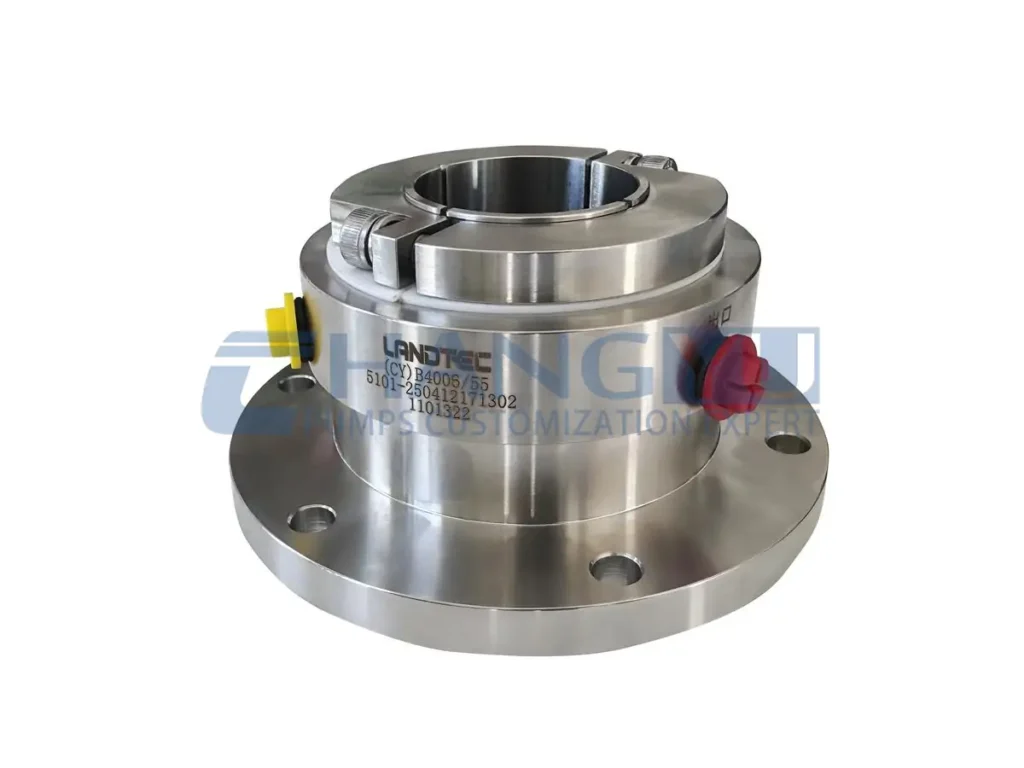
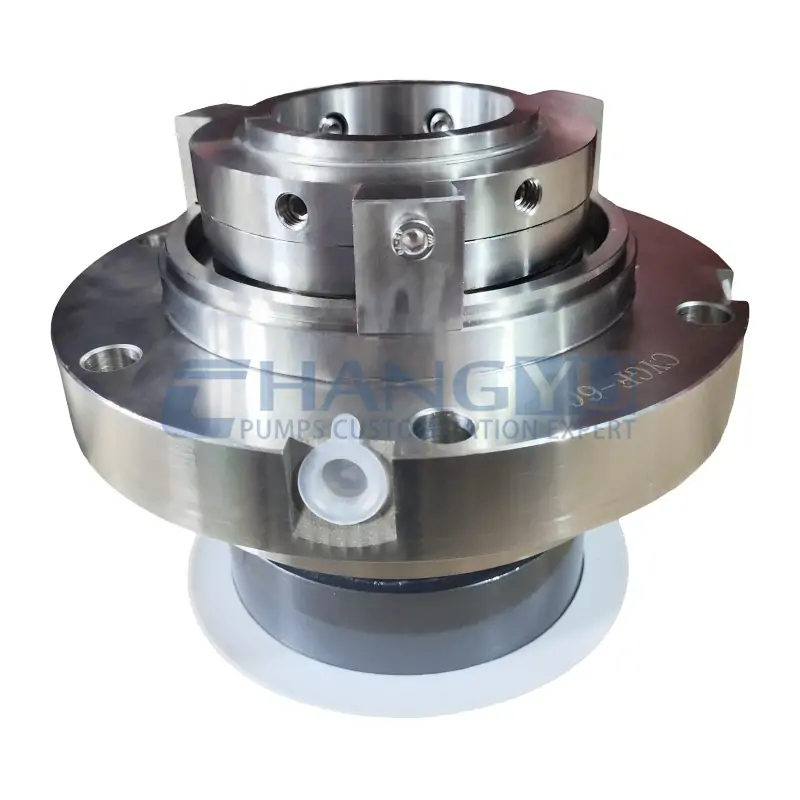
Mặt làm kín cũng cần điều kiện vận hành phù hợp. Hướng dẫn bảo trì do Changyu cung cấp xác định chạy khô, làm mát không đủ, rung động, hạt và tắc xả là những nguyên nhân có thể gây hỏng.
Nếu chất lỏng chứa chất rắn mài mòn, hãy xem xét kết cấu bơm cũng như hợp kim. Vật liệu cứng hơn hoặc chống ăn mòn tốt hơn không thể mở rộng đường dẫn cánh bơm quá nhỏ. Bơm bùn mài mòn HB là một dòng riêng cần đánh giá cho các nhiệm vụ như vậy.
Khi thép không gỉ không phù hợp, có thể cần một hướng vật liệu khác. Bơm chống ăn mòn UHB UHMWPE của Changyu vẫn là một lựa chọn cho các nhiệm vụ tương thích, tùy thuộc vào giới hạn riêng về nhiệt độ, hóa chất và cơ học.
Chuyển đánh giá thành quyết định mua hàng
Hãy xem xét một nhà máy minh họa chuyển chất lỏng quy trình ở nhiệt độ phòng và sử dụng cùng một bơm cho chu trình làm sạch nóng hơn. Chỉ riêng chất lỏng sản xuất có vẻ tương thích với lựa chọn vật liệu ban đầu.
Đánh giá lựa chọn vật liệu bơm đầy đủ cũng kiểm tra chất làm sạch, nồng độ, thời gian tiếp xúc và nhiệt độ tối đa. Sau đó kiểm tra phớt và gioăng với cả hai chất lỏng. Nếu không, bơm có thể chỉ được chọn cho một phần dịch vụ thực tế.
Sử dụng trình tự sau để giữ quyết định thiết thực:
- Xác định vận hành bình thường và mức tiếp xúc khắt khe nhất có thể tin cậy.
- Xác định cơ chế ăn mòn hoặc mài mòn có khả năng xảy ra.
- Lập danh sách rút gọn các hợp kim và vật liệu phớt tương thích.
- Xác nhận khả năng cung cấp model và thành phần.
- Thống nhất bằng chứng và tài liệu cần thiết.
- So sánh chi phí mua, bảo trì, thay thế và ngừng máy.
Không giả định một mác cao cấp sẽ kéo dài gấp đôi mà không có bằng chứng liên quan. Hãy hỏi còn lại sự không chắc chắn nào và sẽ được giải quyết ra sao.
Chứng chỉ vật liệu có thể hỗ trợ truy xuất nguồn gốc. Nhận dạng vật liệu tích cực có thể giúp xác minh thành phần hợp kim trong khả năng của phương pháp thử. Nó không thay thế mọi kiểm tra về hàm lượng carbon, xử lý nhiệt hoặc chất lượng đúc.
Kết quả nên là một bảng vật liệu bằng văn bản gắn với dải vận hành xác định. Điều đó hữu ích hơn một khuyến nghị bằng lời nói là “dùng thép không gỉ.”
Once the material has been screened, our lựa chọn bơm hóa chất thép không gỉ guide helps turn it into a complete specification for flow, head, sealing, suction conditions and installation.
Câu hỏi thường gặp
Bước đầu tiên trong việc lựa chọn vật liệu bơm là gì?
Xác định thành phần chất lỏng đầy đủ và phạm vi vận hành. Bao gồm tạp chất, chất rắn, dung dịch làm sạch và nhiệt độ tối đa. Sau đó đánh giá từng bộ phận tiếp xúc với chất lỏng. Bắt đầu với một mác vật liệu ưu tiên có thể che giấu các điều kiện thực sự quyết định khả năng tương thích.
316L có phải lúc nào cũng là vật liệu bơm thép không gỉ tốt nhất không?
Không. Một số nhiệm vụ có thể sử dụng 304, trong khi những nhiệm vụ khác cần hợp kim hoặc hướng vật liệu khác. Hàm lượng carbon thấp của 316L hữu ích cho một số vấn đề ăn mòn liên quan đến chế tạo nhất định, nhưng nó không làm cho mác vật liệu này phù hợp với mọi dịch vụ clorua hoặc axit.
Tôi có thể chọn vật liệu bơm chỉ dựa trên pH không?
Không. pH không xác định đầy đủ thành phần hóa học, hàm lượng clorua, nhiệt độ hoặc chất rắn. Hai chất lỏng có pH tương tự có thể tấn công vật liệu theo cách khác nhau. Sử dụng pH như một điểm dữ liệu trong phân tích chất lỏng, không phải là thông số kỹ thuật tương thích đầy đủ.
2507 có phải lúc nào cũng tốt hơn 904L không?
Không. Chúng thuộc các họ hợp kim khác nhau và mang lại những lợi thế khác nhau. So sánh chúng dựa trên chất lỏng cụ thể, nhiệt độ, cơ chế ăn mòn và yêu cầu về bộ phận. Chọn chỉ theo số mác vật liệu có thể làm tăng chi phí mà không giải quyết được vấn đề liên quan.
Biểu đồ ăn mòn có thể đưa ra quyết định cuối cùng không?
Biểu đồ có thể giúp sàng lọc vật liệu khi nồng độ, nhiệt độ và điều kiện thử nghiệm của nó phù hợp với nhiệm vụ của bạn. Hỗn hợp, chất gây ô nhiễm, cặn lắng và thay đổi vận hành có thể làm thay đổi kết quả. Sử dụng biểu đồ cùng với đánh giá ở cấp độ bộ phận và bằng chứng phù hợp cho các dịch vụ không chắc chắn.
Tôi nên gửi gì để được khuyến nghị vật liệu?
Gửi phân tích chất lỏng, phạm vi nồng độ và nhiệt độ, điều kiện làm sạch, clorua, chất rắn, lưu lượng và cột áp. Đối với trường hợp thay thế, bao gồm ảnh chụp và vị trí hư hỏng. Nêu rõ thời gian các bộ phận cũ hoạt động và những gì đã thay đổi trước khi hỏng.
Yêu cầu đánh giá vật liệu thép không gỉ
Để lựa chọn vật liệu bơm, hãy gửi cho Changyu thông tin chi tiết về chất lỏng và vận hành qua biểu mẫu bên dưới. Chúng tôi có thể thảo luận về dòng sản phẩm phù hợp và thông tin cần thiết cho khuyến nghị về vật liệu và phớt. Duyệt qua dải bơm thép không gỉ hoặc sử dụng trang liên hệ.
Email: [email protected]
TEL/WA: +86-13651913727
Về tác giả và nguồn
Được chuẩn bị bởi Jade, Changyu Pump. của chúng tôi.
- Bộ sưu tập bơm thép không gỉ ChangyuHướng dẫn này sử dụng thông tin sản phẩm của Changyu và các tài liệu về vật liệu và bảo trì được cung cấp. Các tài liệu tham khảo hợp kim độc lập hỗ trợ so sánh mác vật liệu. Nó cung cấp một khung lựa chọn; khả năng tương thích và tính sẵn có của bộ phận cần được xác nhận cho dự án cụ thể.
- Outokumpu Supra: các lựa chọn sản phẩm và vật liệu.
- : thông tin cơ bản về 316/316L.Outokumpu Ultra.
- : thông tin cơ bản về 317L và 904L.Outokumpu Forta.
- : thông tin cơ bản về duplex và super duplex.Bài viết về lựa chọn vật liệu của Pumps & Systems.