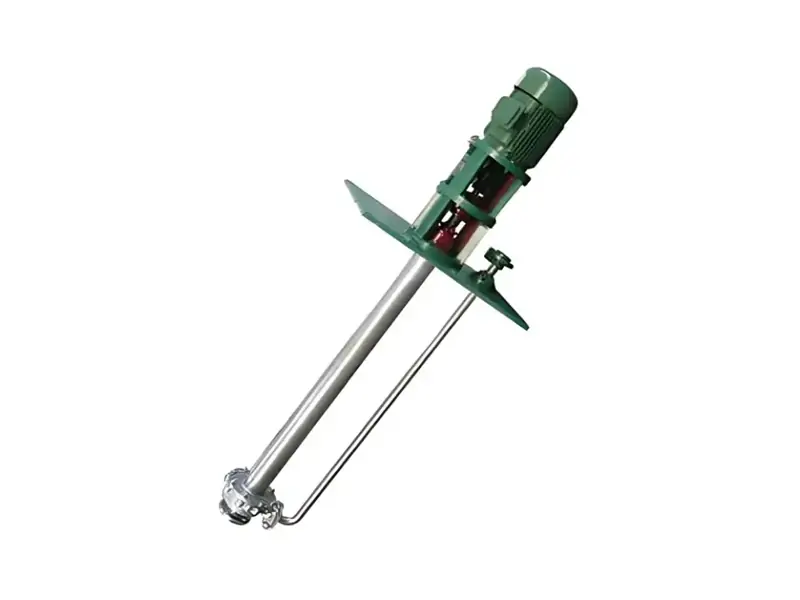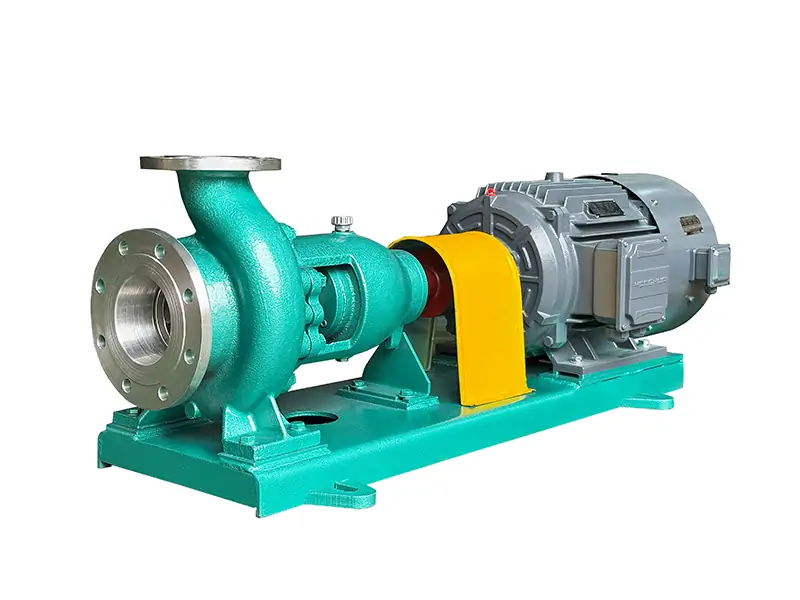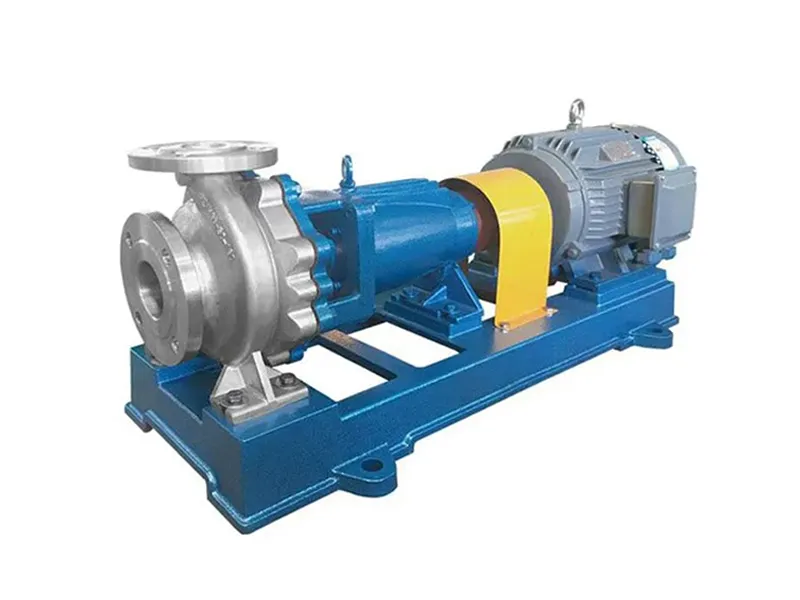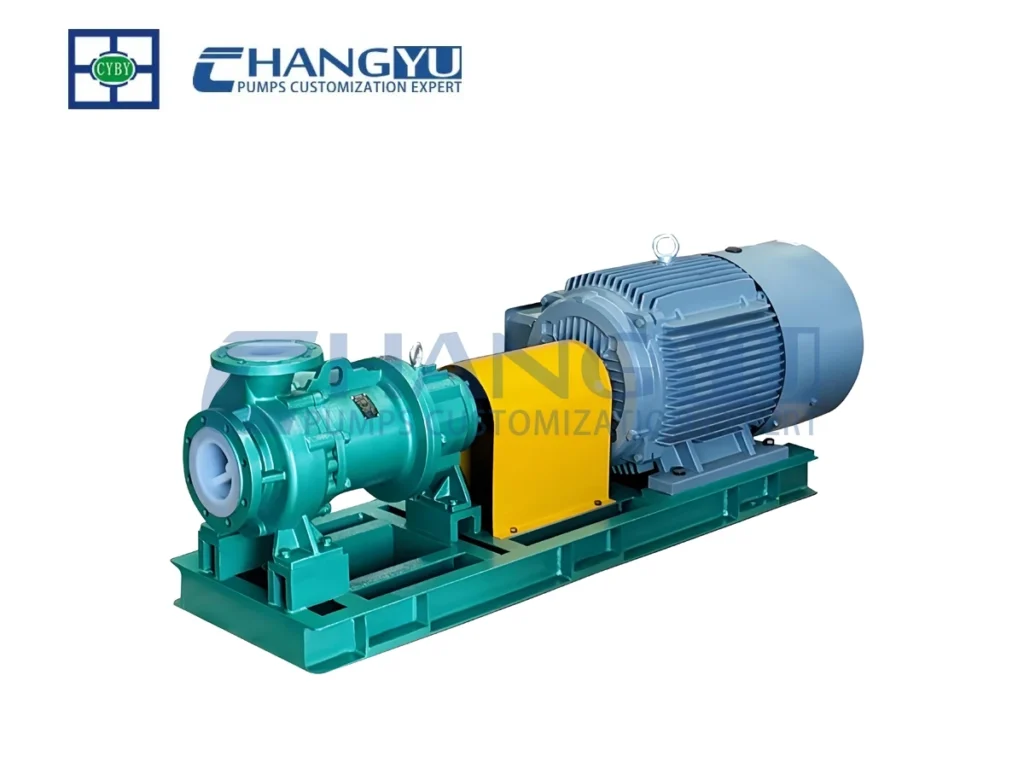
In industries such as chemical processing, pharmaceuticals, mining, and wastewater treatment, corrosive liquids are often generated or used during production. If these liquids are transported using ordinary industrial pumps, the equipment will be quickly damaged and may cause leakage. Choosing an industrial pump suitable for transporting corrosive liquids is crucial for production safety and equipment lifespan.
This article will analyze different pump types and pump selection to help you choose a pump solution suitable for your working conditions.
What is a Corrosive Liquid Pump?
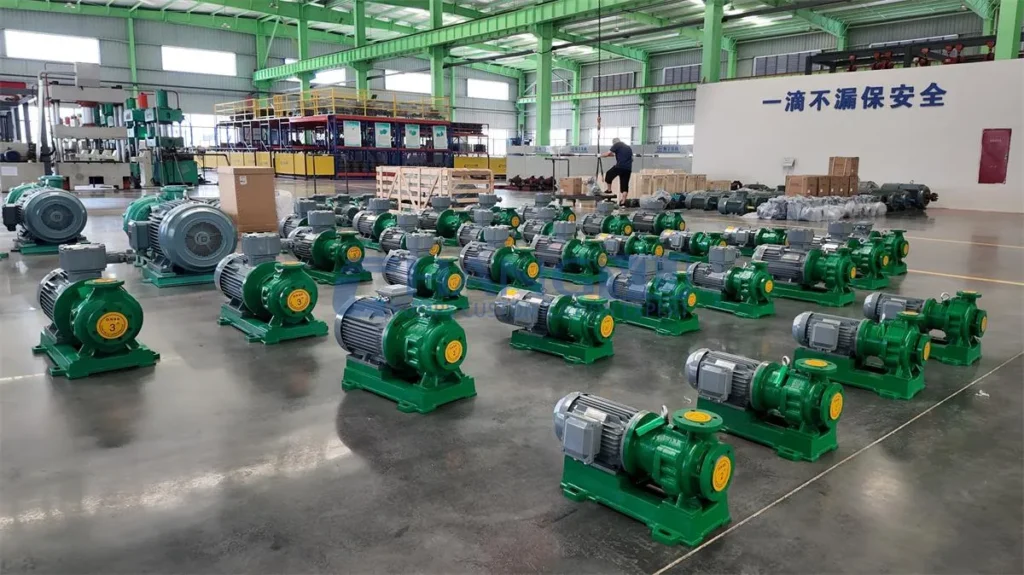
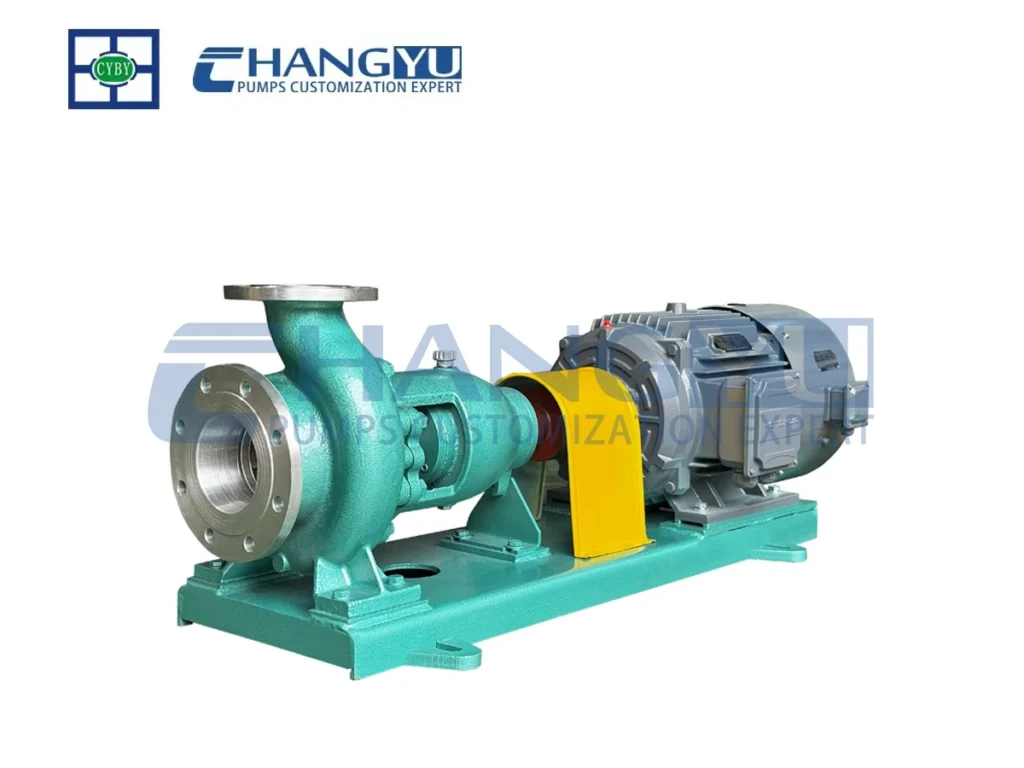
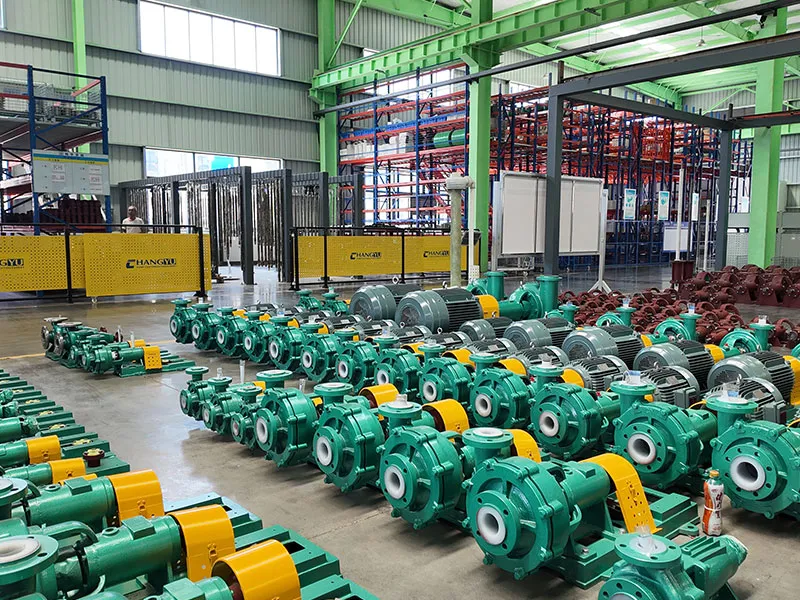
This is an industrial pump equipment specially used to transport corrosive chemical liquids. Corrosive-liquid pumps are designed and manufactured using chemically corrosion-resistant materials. Common materials include polytetrafluoroethylene (PTFE), polyvinylidene fluoride (PVDF), and 316L stainless steel, to prevent the pump body, impeller, and sealing components from corrosion, leakage, or damage when in long-term contact with corrosive media.
This pump must not only possess excellent corrosion resistance but also be optimized in terms of sealing structure, safety, and material compatibility, so that the equipment can operate stably for a long time in complex chemical environments. These pump types are suitable for industries such as mine acid washing, metal smelting, new biotechnology, heavy metal smelting, the chemical industry, acid and alkali liquids, and industries containing less than 35% solids.
Main media transported :
Strong acids: sulfuric acid (H₂SO₄), hydrochloric acid (HCl), nitric acid (HNO₃), hydrofluoric acid (HF)
Strong alkalis: sodium hydroxide (NaOH), potassium hydroxide (KOH), ammonia solution
Chemical solvents: organic solvents, chlorinated chemicals, acidic electrolytes
Industrial waste liquids: electroplating liquids, chemical wastewater, acidic sludge
Common Pump Types and Applications for Transporting Corrosive Liquids
Corrosion-resistant chemical industry pumps are commonly used to transport corrosive fluids. The most common include the following types.
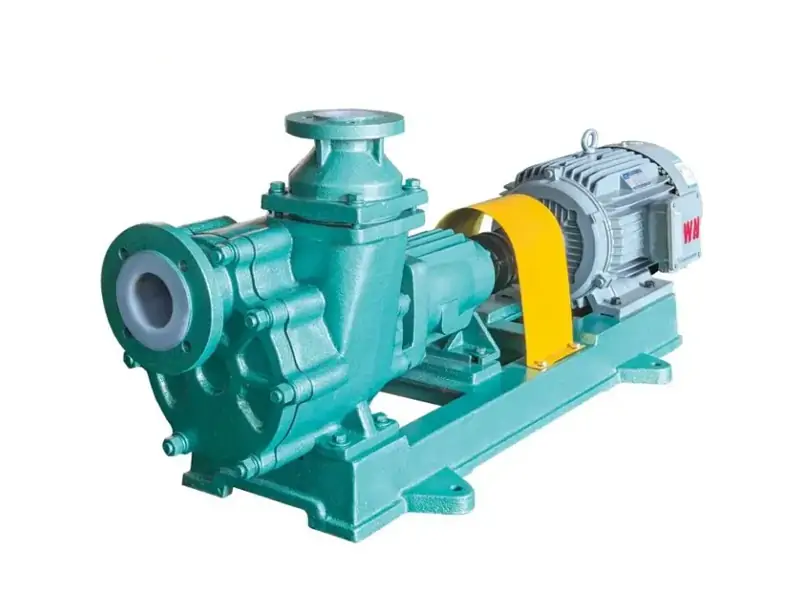
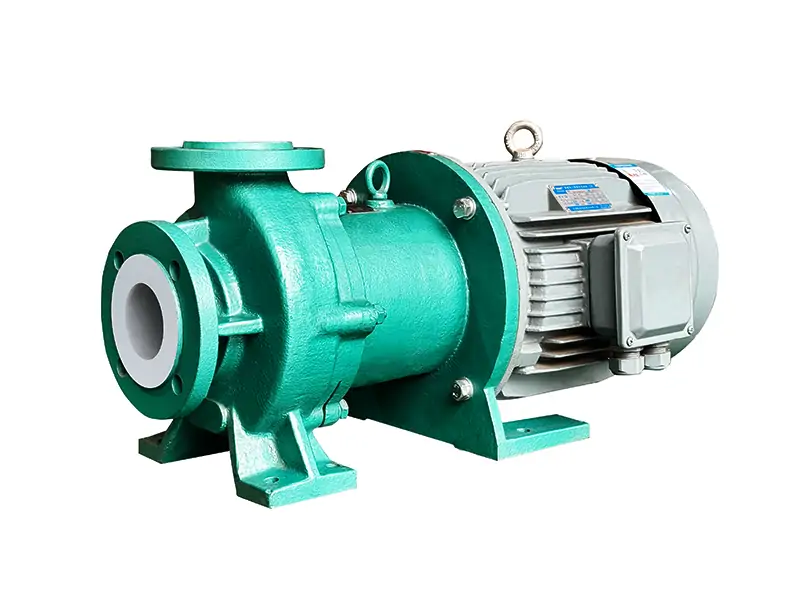
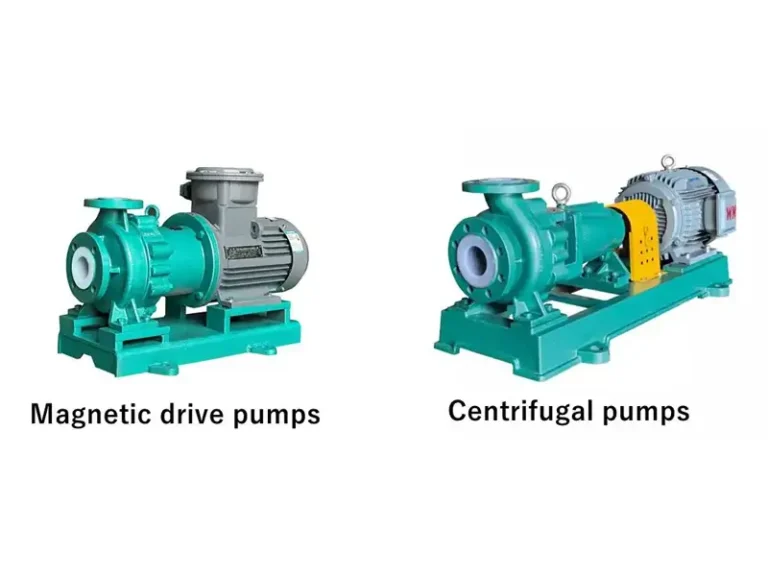
Fluoroplastic Pump
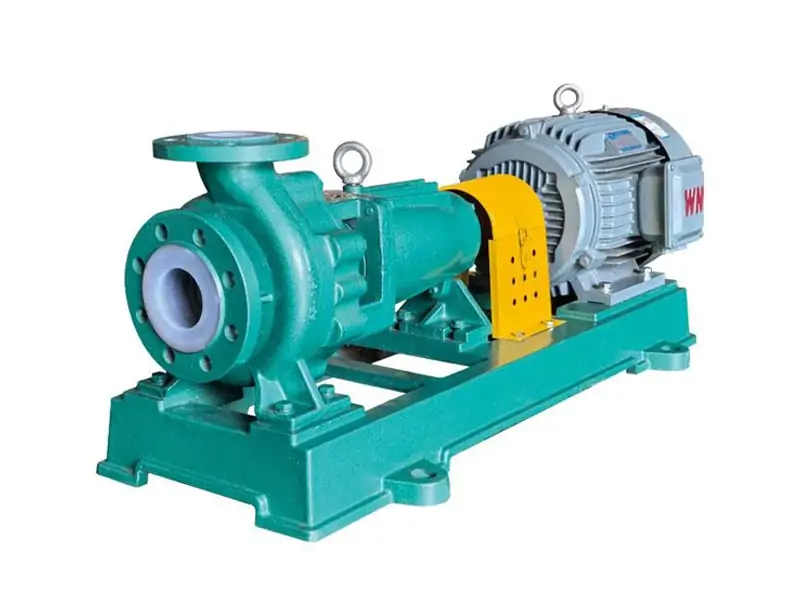
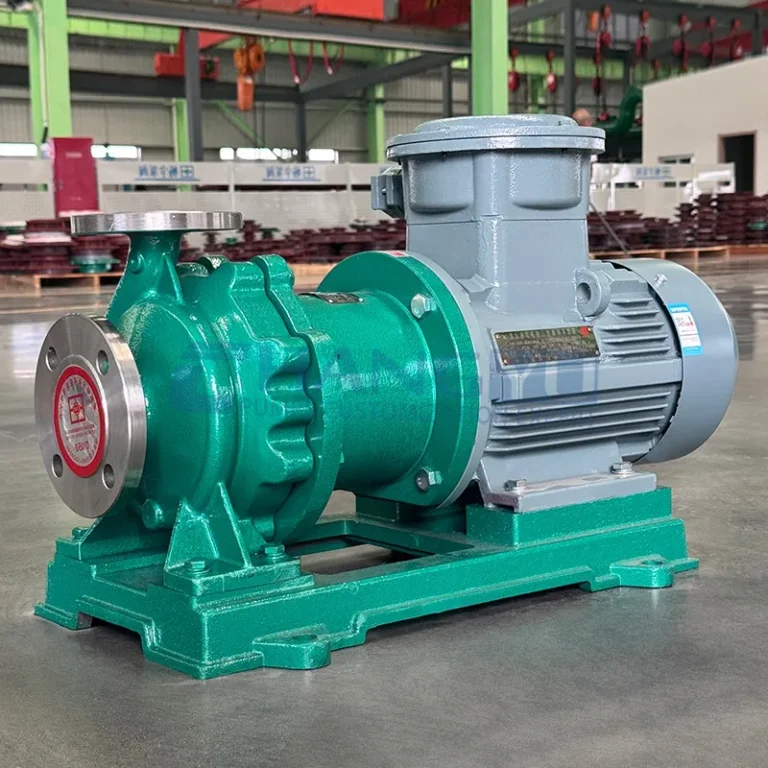
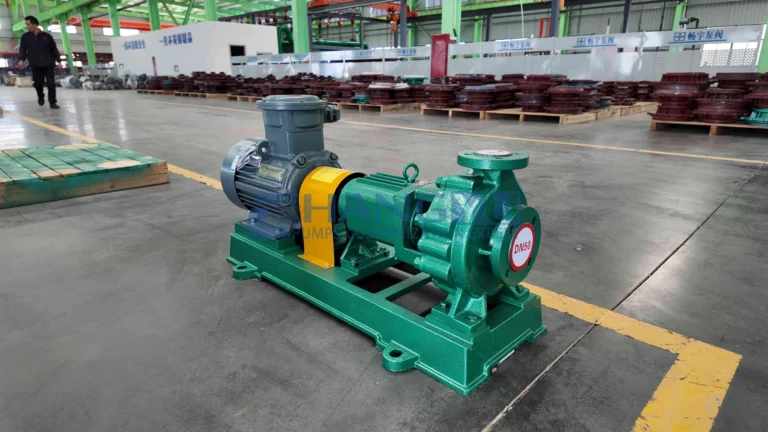
A fluoroplastic pump is a corrosion-resistant chemical pump specially used to transport corrosive liquids. It uses a steel pump body with internal linings made of PTFE (polytetrafluoroethylene), FEP (fluorinated ethylene propylene), PFA (perfluoroalkoxy), and PVDF (polyvinylidene fluoride), which provide excellent resistance to strong acids and corrosive chemicals.
- Advantages: excellent chemical corrosion resistance.
- Typical applications: chemical processing, acid circulation, and pharmaceutical production.
PTFE-lined pumps are generally considered one of the best pumps for transporting highly corrosive liquids.
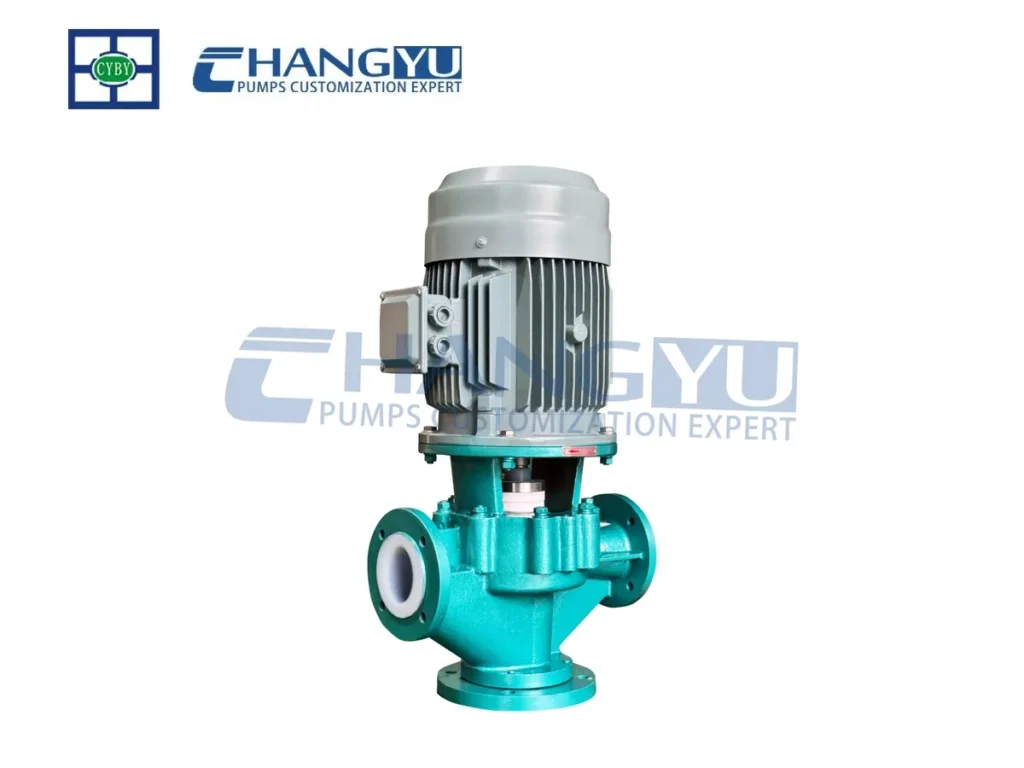
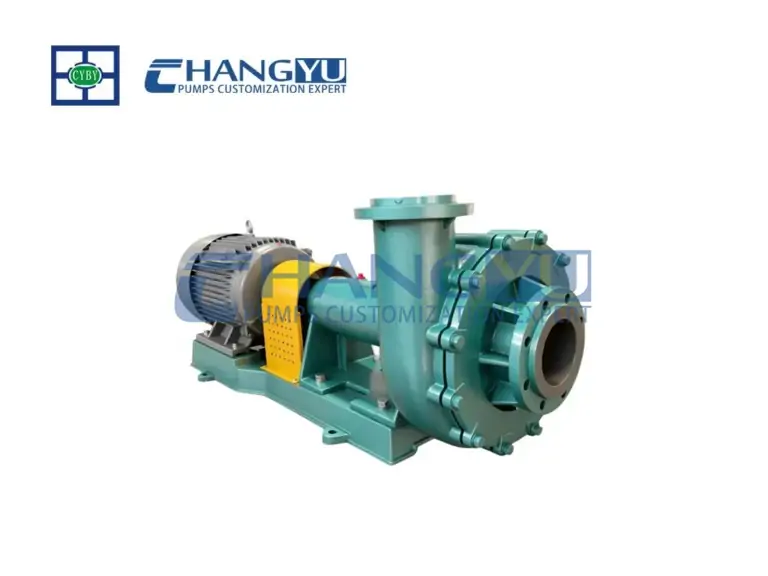
UHMWPE Corrosion Resistant Pump
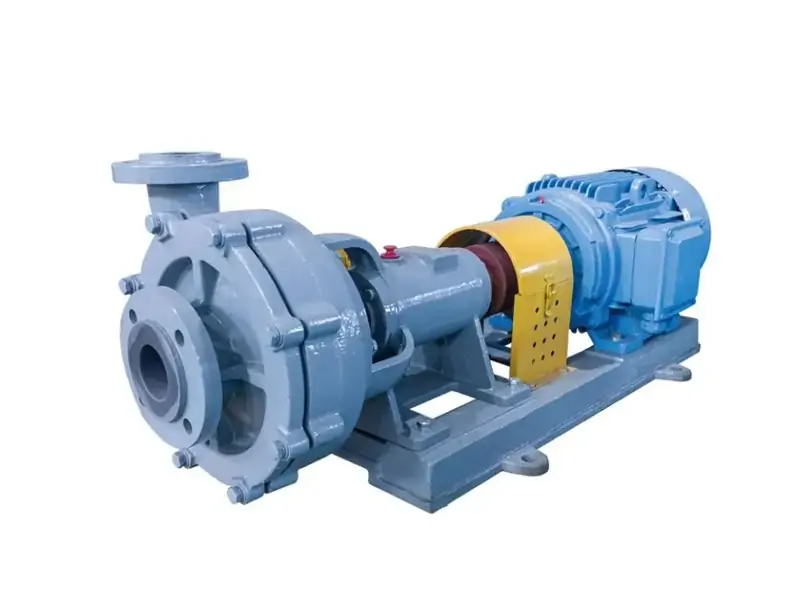
The UHMWPE Corrosion-resistant Pump is suitable for corrosive liquid transportation systems containing particles. Ultra-high molecular weight polyethylene (UHMW-PE) has excellent wear resistance and corrosion resistance. Its wear resistance is about 6 times that of ordinary engineering plastics (such as PA66) and 4 times that of polytetrafluoroethylene (PTFE), and can even reach 7–10 times that of carbon steel and stainless steel. The UHMW-PE material also has extremely high impact strength, about 5 times that of ABS material.
Advantages: good corrosion resistance, excellent wear resistance, extremely high impact strength, and reduced noise.
- Typical applications: chemical processing, environmental protection, water treatment, mining transportation, food processing.
UHMWPE corrosion resistant pumps are suitable for transporting corrosive liquids containing particles, acid and alkali solutions, salt media, and various chemical raw materials. They have obvious advantages in industrial fluid transportation systems that require wear resistance, corrosion resistance, and low-noise operation.
Typical Cases
Different materials and pump types perform differently in corrosive environments. Below we use a real project case to illustrate the application effect of corrosion-resistant materials in chemical working conditions.
Changyu provided a solution for an Australian pyrite sulfuric acid production project. Our company customized and provided the UHB-ZKD series slurry pump. The core flow components of this pump continue to use the steel-lined UHMW-PE lining technology. With the excellent acid and alkali corrosion resistance and super wear resistance of the material itself, the replacement cycle of vulnerable parts of the equipment was extended from 10 days to 14 months, reducing the number of unplanned shutdowns. The operational stability of the sulfuric acid workshop production system increased by more than 85%.
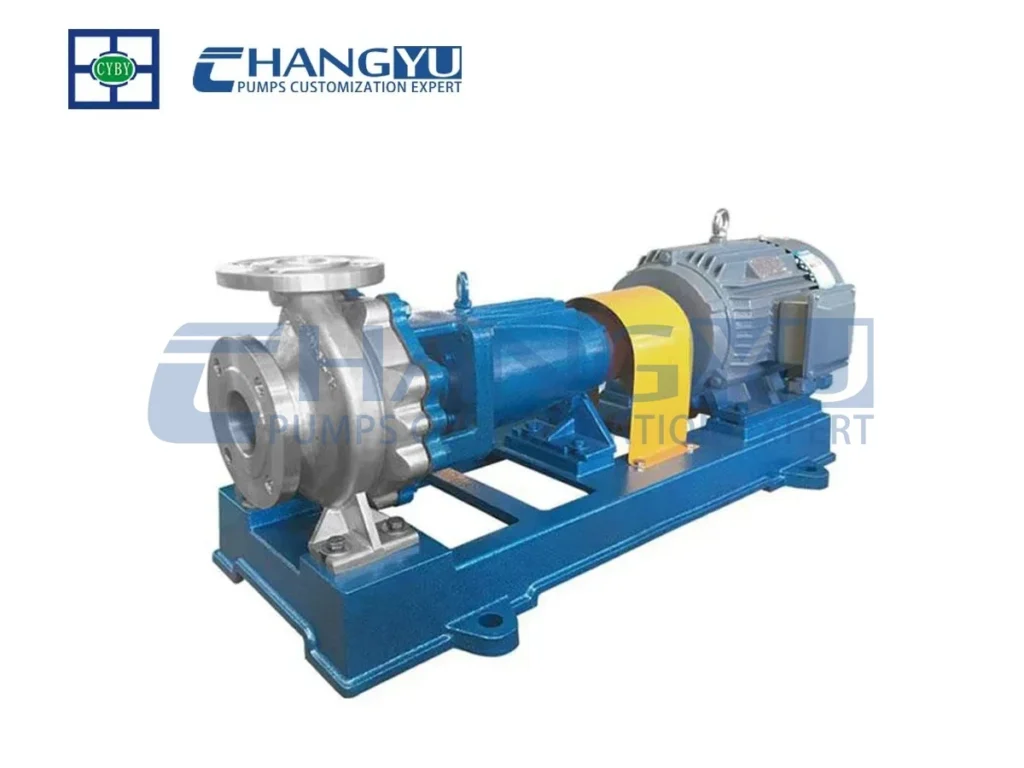
Stainless Steel Pump
Stainless steel pumps are suitable for transporting moderately corrosive liquids or weakly corrosive fluids and are widely used in industries that require certain corrosion resistance and mechanical strength.
Common materials include 304 stainless steel and 316L stainless steel.
- Advantages: high structural strength, good corrosion resistance, suitable for high-pressure systems.
- Typical applications: food processing, water treatment, electroplating systems.
However, stainless steel pumps may not be suitable for high-concentration acids or extremely corrosive chemicals.
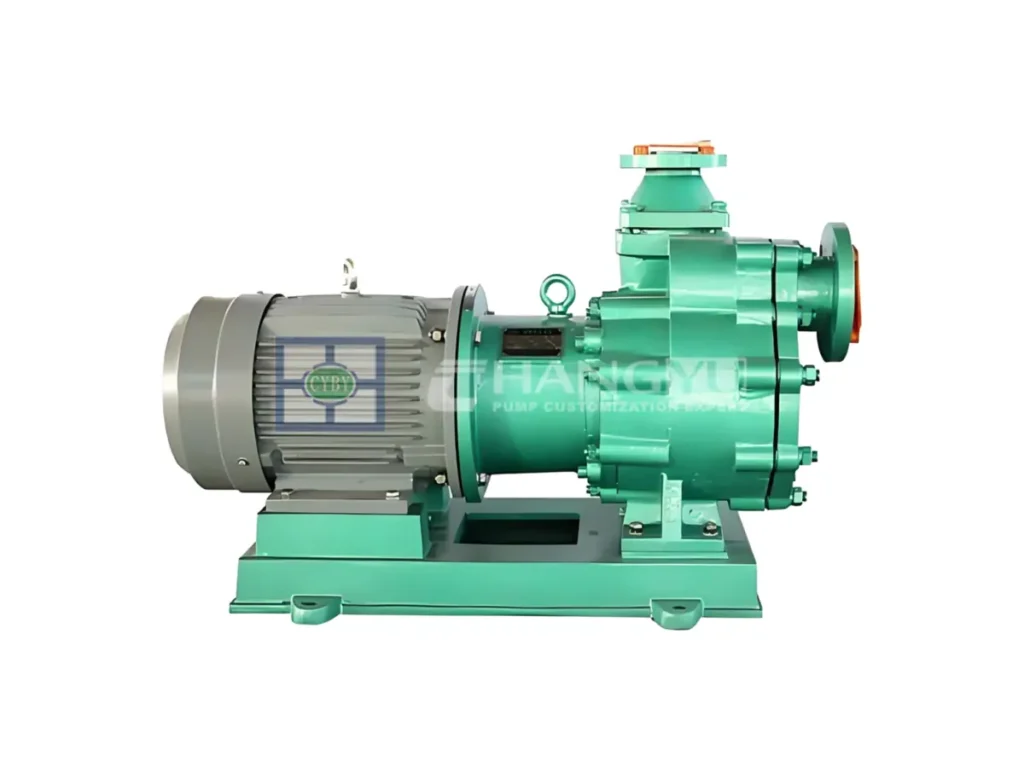
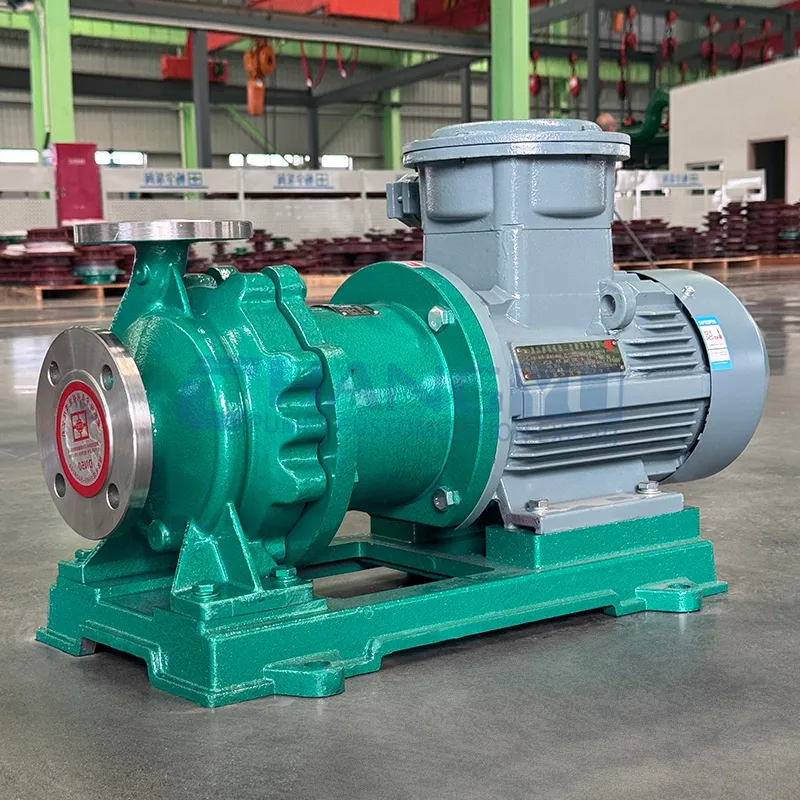
Magnetic Drive Pump
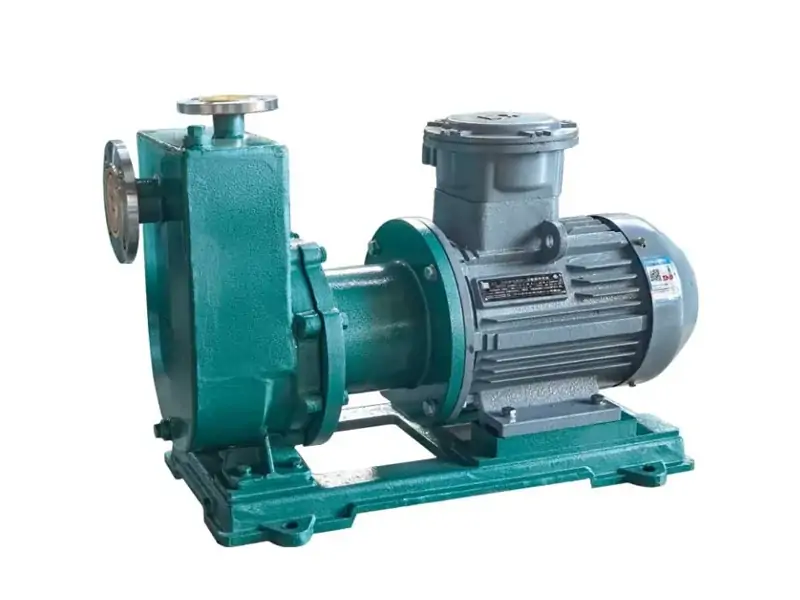
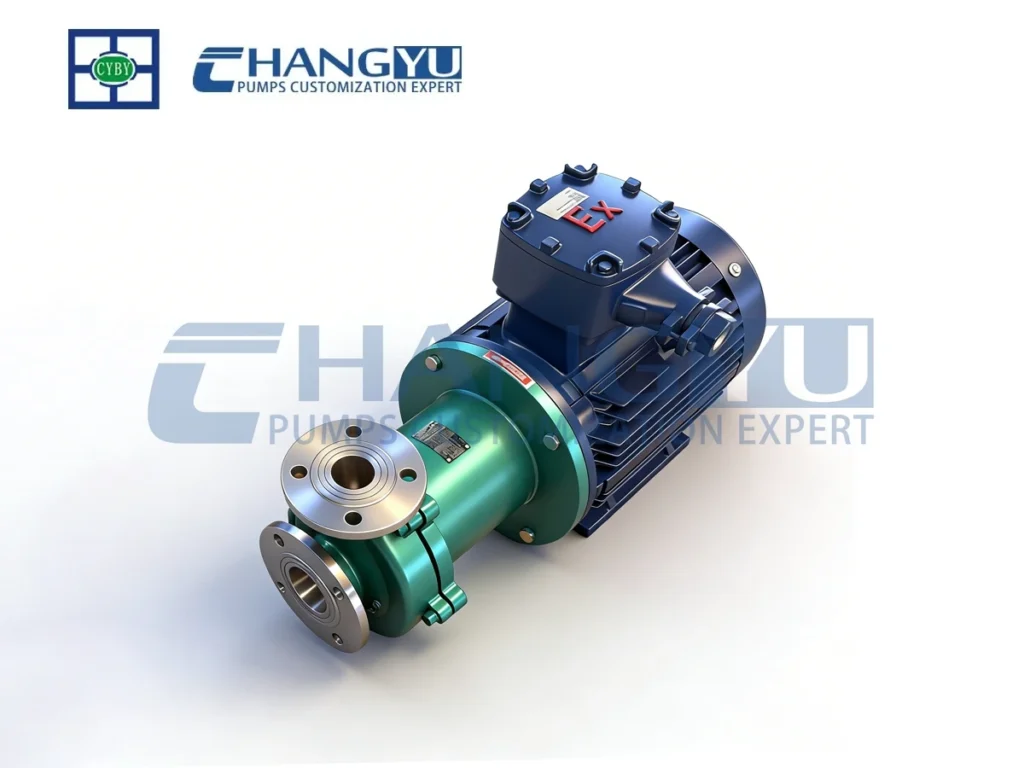
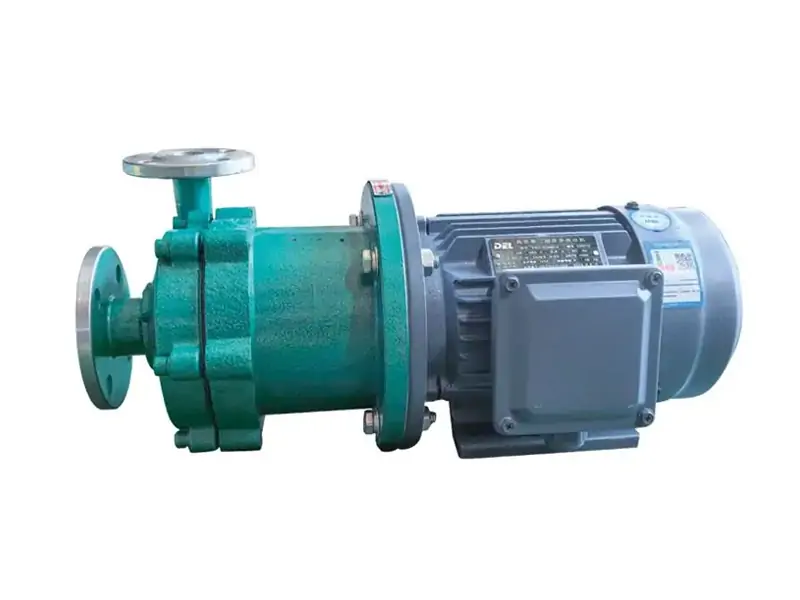
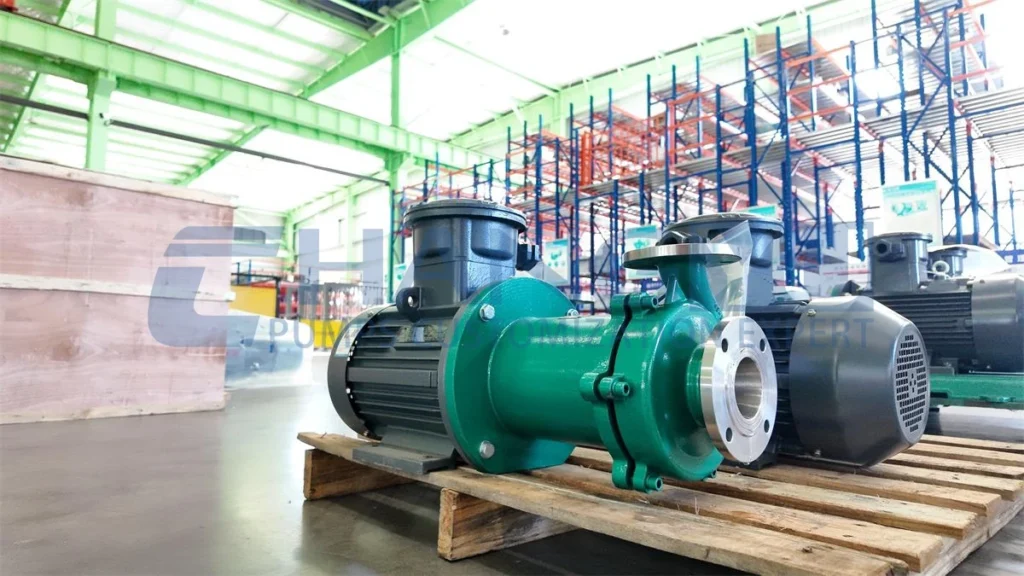
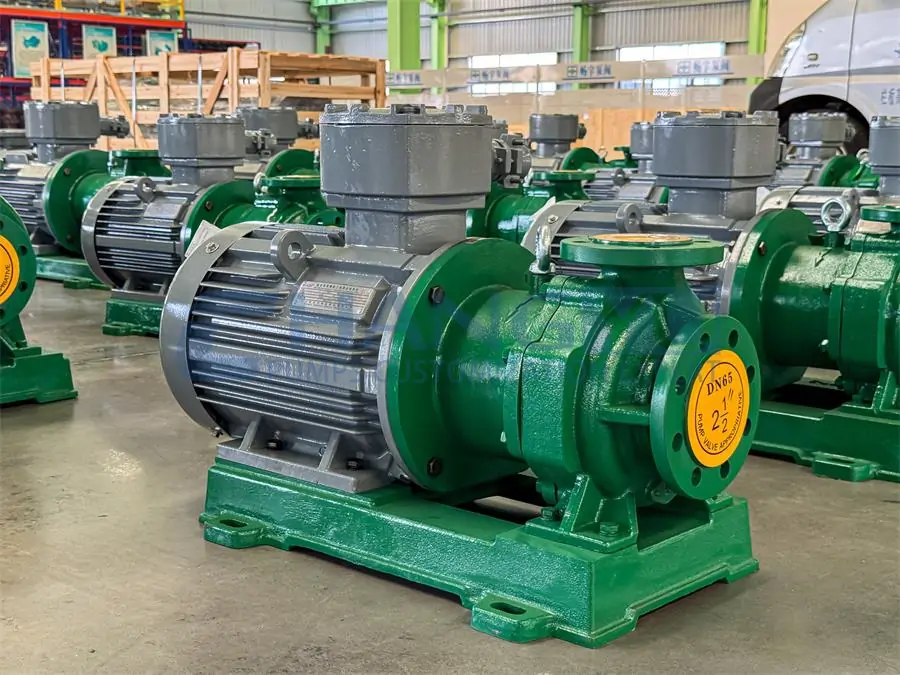
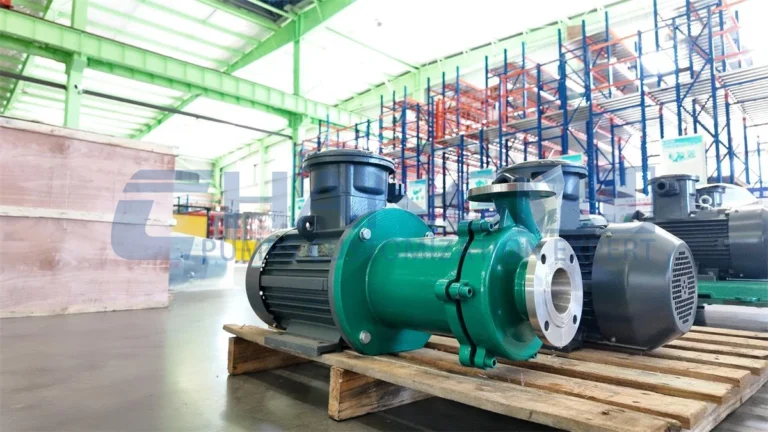
Magnetic drive pumps adopt a seal-less design and do not require mechanical seals, which reduces the risk of leakage.
Advantages: leak-free operation, suitable for hazardous or corrosive chemicals, lower maintenance requirements.
Typical applications: chemical processing plants, pharmaceutical production, toxic chemical transfer.
How to Select an Industrial Pump for Corrosive Liquids?
For how to select a corrosion-resistant liquid pump suitable for your working conditions, we can compare and analyze it from four aspects through the following table.
| Key Evaluation Factors | Analysis Content |
| 1. Identify the chemical properties of the medium | Understand the corrosiveness of the liquid and the material compatibility of the pump. |
| 2. Determine the operating temperature and pressure of the system | Ensure the pump can operate stably under corresponding working conditions. |
| 3. Solid particle content in the liquid | Particles will aggravate the wear of the pump body and seals. |
| 4. System safety and long-term maintenance cost | Select a pump type with low leakage risk and high durability. |
Based on the content in the table, enterprises can more accurately choose an industrial pump suitable for transporting corrosive liquids under their working conditions, improving system reliability and reducing operating costs.



Conclusion
Choosing a corrosion-resistant liquid pump should comprehensively consider chemical properties, temperature, particle content, and system safety. If you are not sure how to select a pump suitable for your working conditions, you can contact us. Changyu Pump has an experienced engineering team that can provide customized solutions for you.
Email: jade@changyupump.com
Phone: +86-13651913727