Bombas para la Industria de Cloro Álcali
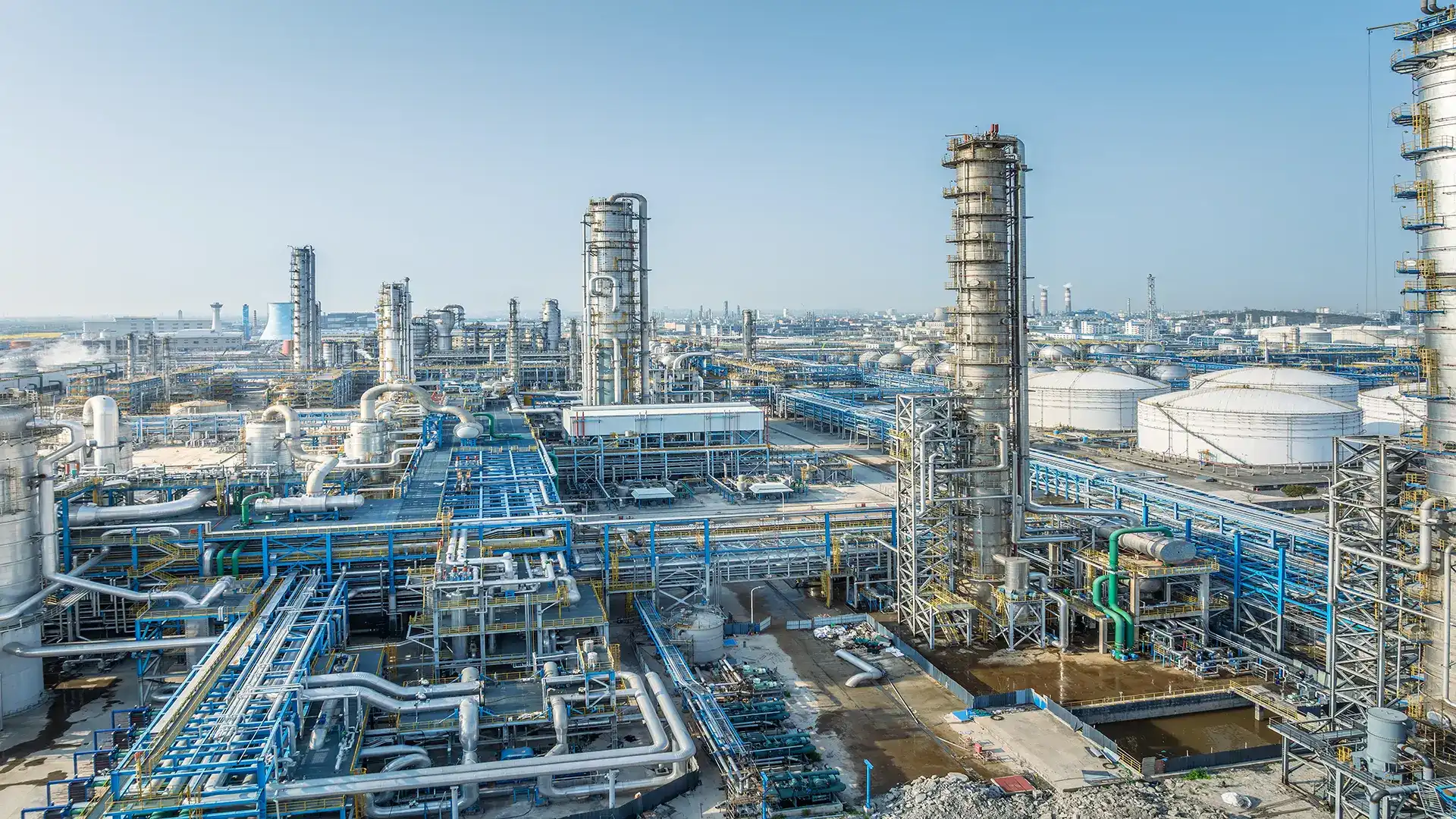
El industria cloro-álcali utiliza electrólisis para producir cloro, soda cáustica e hidrógeno a partir de salmuera purificada. Los sistemas de bombeo intervienen en toda la preparación de salmuera, el tratamiento químico, el procesamiento de productos y el manejo de aguas residuales. Según el proceso, las bombas pueden manejar salmuera rica en cloruros, ácido clorhídrico, soda cáustica, hipoclorito de sodio, líquidos clorados y aguas residuales corrosivas.
Estas aplicaciones requieren una consideración cuidadosa de la compatibilidad química, la temperatura, la concentración, el contenido de sólidos, el control de fugas, el caudal y la altura. Changyu proporciona soluciones de bombas resistentes a la corrosión para diferentes servicios del proceso cloro-álcali, con la configuración de la bomba y los materiales en contacto con el fluido seleccionados de acuerdo con las condiciones reales de operación.
Aplicaciones de Bombeo en la Industria Cloro-Álcali
Diferentes secciones de una planta cloro-álcali manejan fluidos muy distintos. La salmuera saturada que contiene lodo salino, el electrolito circulante, la soda cáustica a alta temperatura con cristales de sal, el hipoclorito de sodio y el ácido clorhídrico imponen exigencias diferentes a la bomba.
Por esta razón, Changyu selecciona las bombas según el servicio real del proceso, no simplemente según el nombre químico. El contenido de sólidos, la temperatura, la concentración de cloruros, la cristalización, los requisitos de fugas y la posición de instalación de la bomba afectan la selección final.
Las soluciones de bombas para cloro-álcali de Changyu cubren secciones clave del proceso que incluyen:
Purificación de Salmuera / Electrólisis / Evaporación y Concentración de Soda Cáustica / Manejo de Cloro Gaseoso e Hipoclorito / Síntesis de Ácido Clorhídrico
Purificación de Salmuera
Aplicación:
La purificación de salmuera es una de las primeras etapas de bombeo en la producción de cloro-álcali. La salmuera saturada puede contener cierta cantidad de lodo salino y otras impurezas suspendidas antes y durante la purificación. Por lo tanto, la bomba debe hacer frente tanto a la corrosión como al desgaste por partículas, en lugar de tratar el líquido como una solución química limpia.
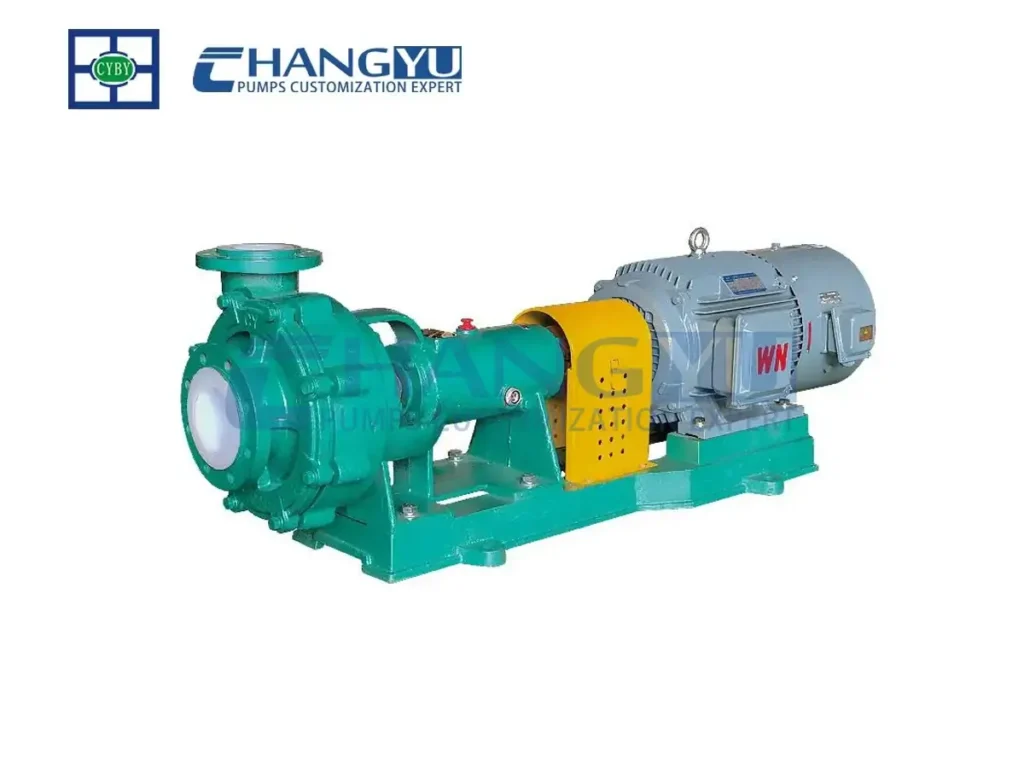
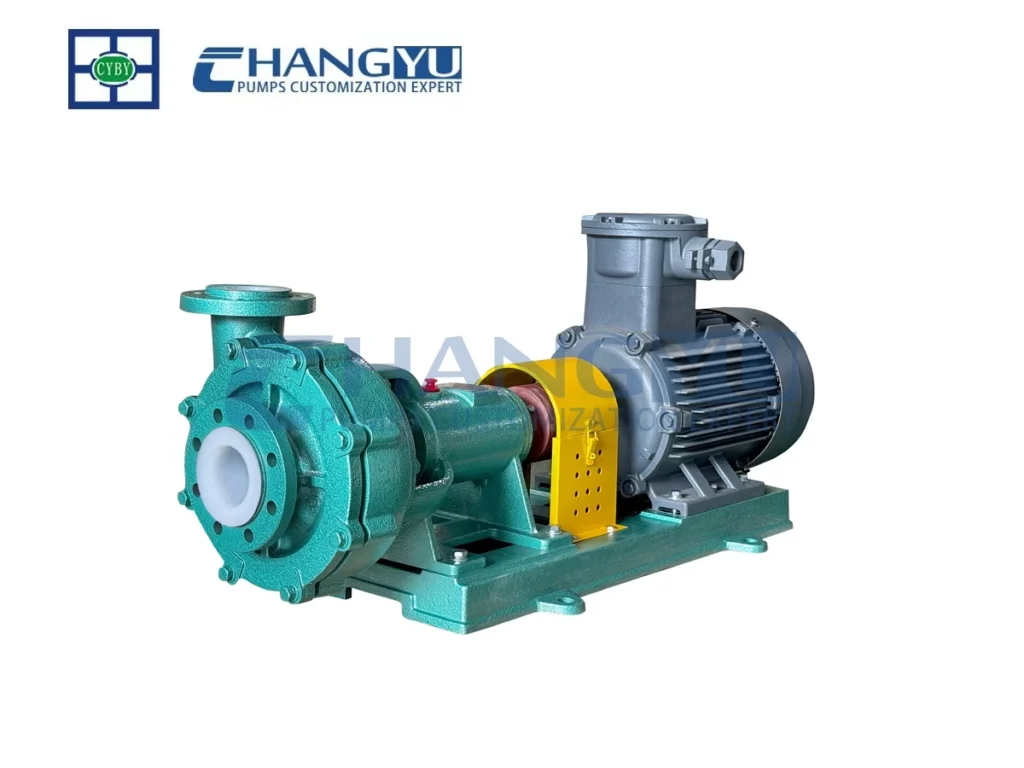
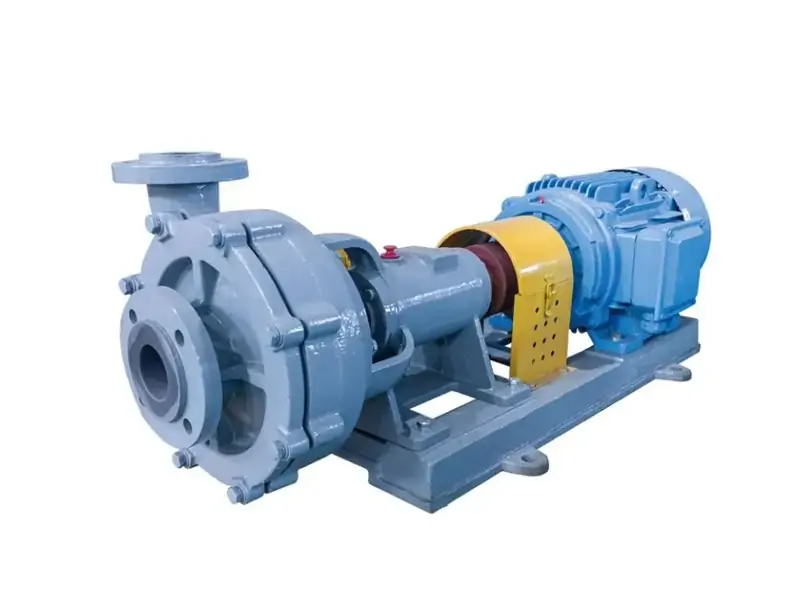
Para salmuera que contiene lodo salino en suspensión, la bomba de lodos resistente a la corrosión de la Serie UHB es una opción adecuada. La serie UHB puede manejar lodos corrosivos con un contenido de sólidos inferior al 45%, lo que la hace más apropiada para este tipo de servicio mixto líquido-sólido que una bomba química convencional para líquidos limpios.
Bombas Recomendadas
Factores principales de selección:
- Resistencia al desgaste
- Concentración de salmuera saturada
- Lodo salino y sólidos en suspensión
- Contenido en sólidos
- Caudal y altura
- Corrosión por cloruros
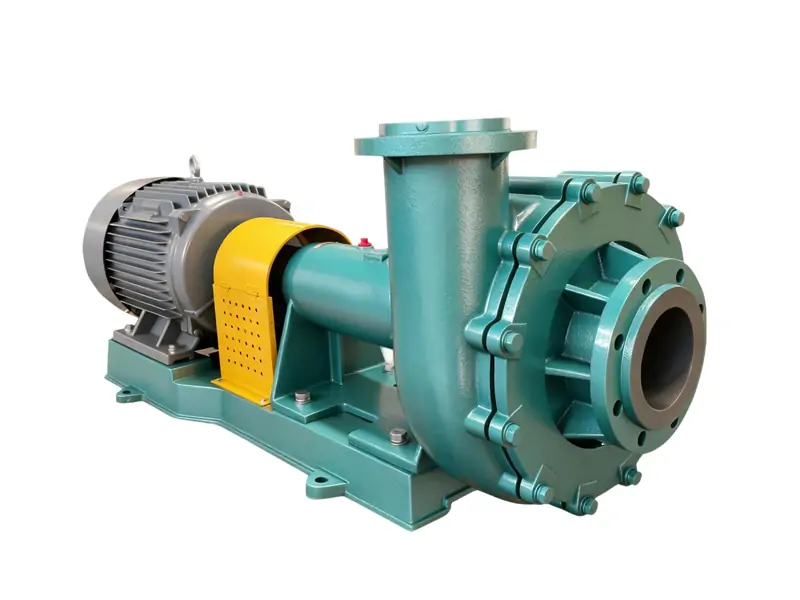
Bombas industriales para lodos de la serie UHB
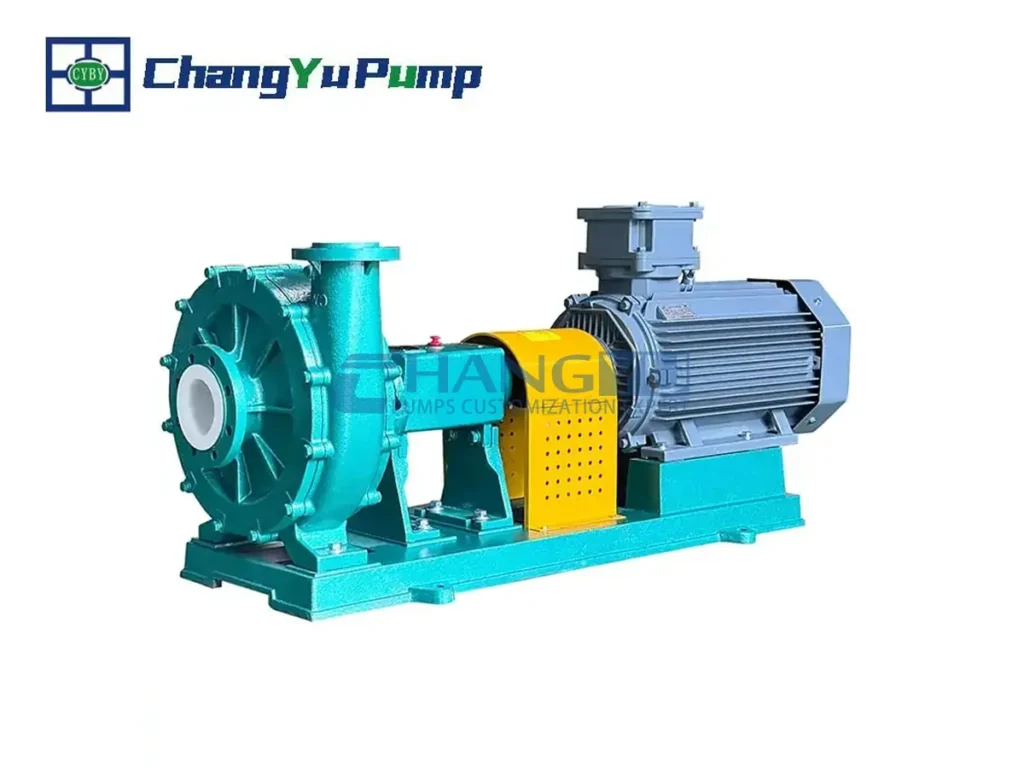
Bomba resistente a la corrosión de polietileno de peso molecular ultra alto (UHMWPE) serie UHB
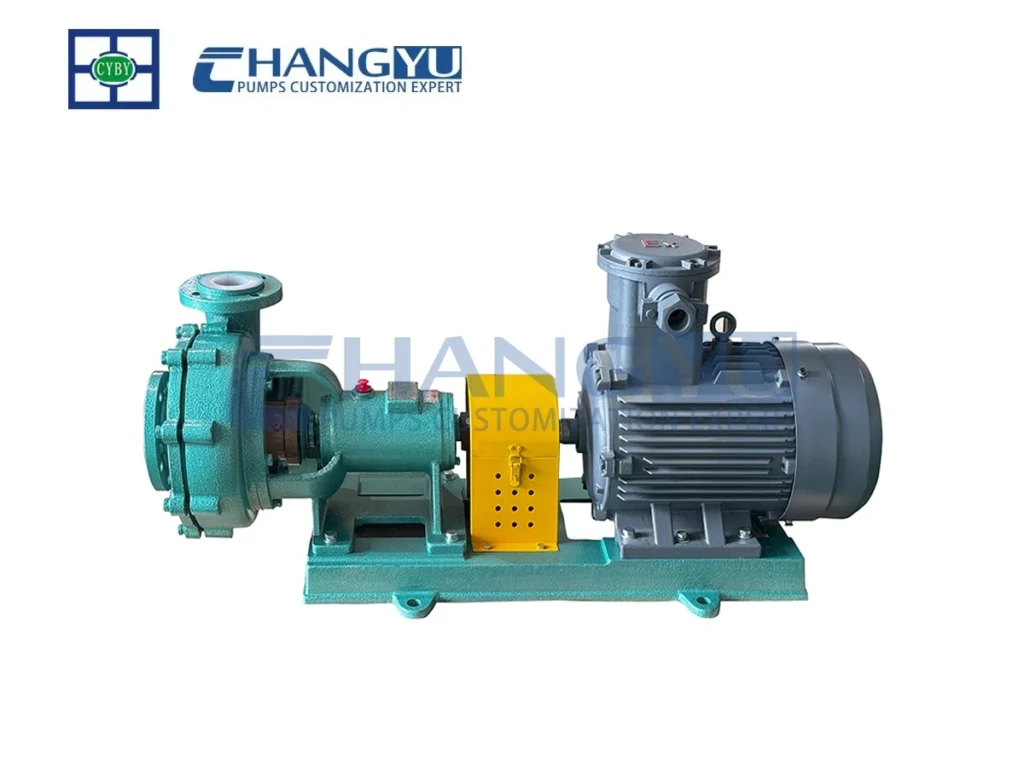
Bomba para lodos abrasivos de la serie UHB
Electrólisis
Aplicación:
La sección de electrólisis maneja anolito y catolito que contienen iones cloruro y, según la ubicación del proceso, cloro libre. El control de fugas se vuelve particularmente importante al transferir electrolito agresivo.
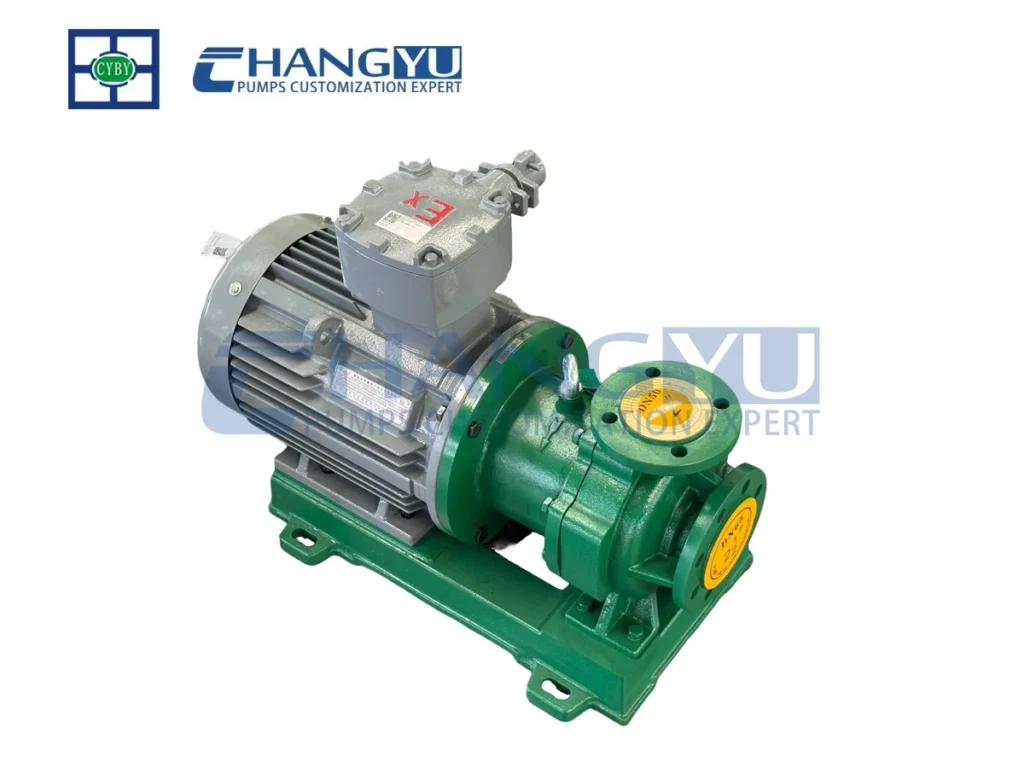
Para estos servicios, se puede considerar una bomba de accionamiento magnético donde se requiera cero fugas o fugas reducidas. La selección final de la bomba debe basarse en la composición del electrolito, la temperatura, el caudal, la altura y la compatibilidad de materiales.
Bombas Recomendadas:
Factores principales de selección:
- Concentración de cloruros
- Contenido de cloro libre
- Temperatura
- Requisitos de fugas
- Caudal y altura
- Compatibilidad de materiales en contacto con el fluido
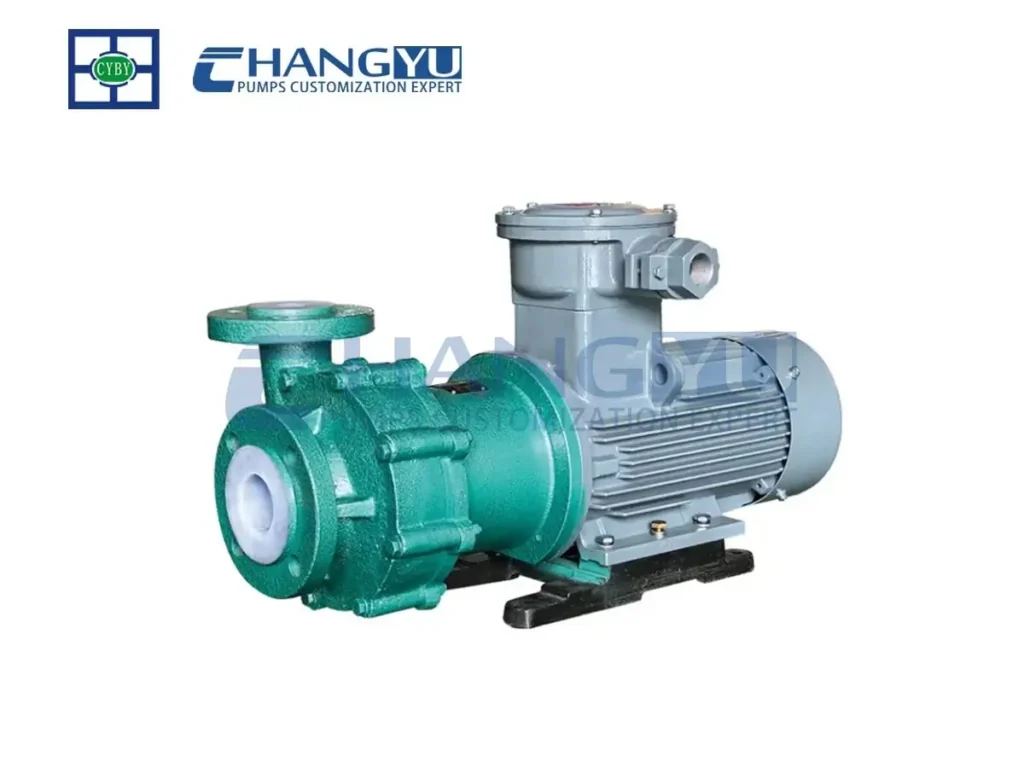
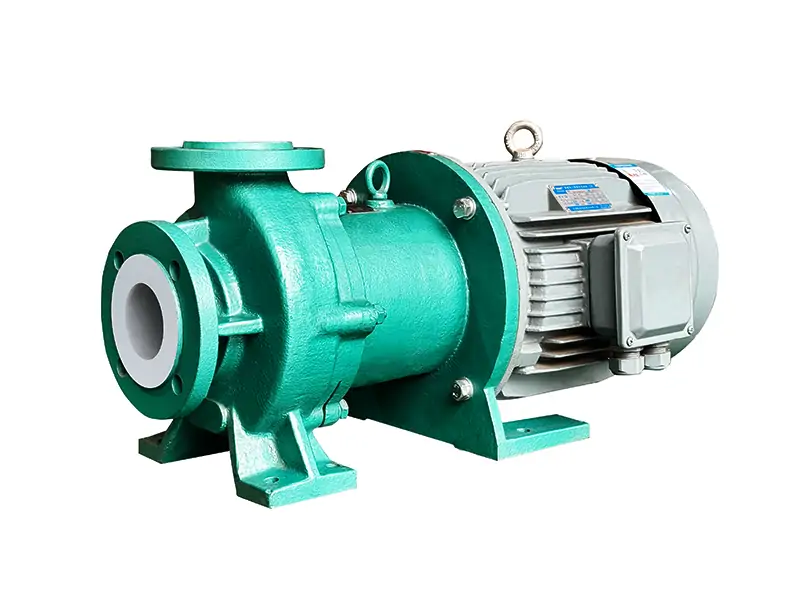
Bomba de transferencia de ácido sulfúrico de la serie CYQ
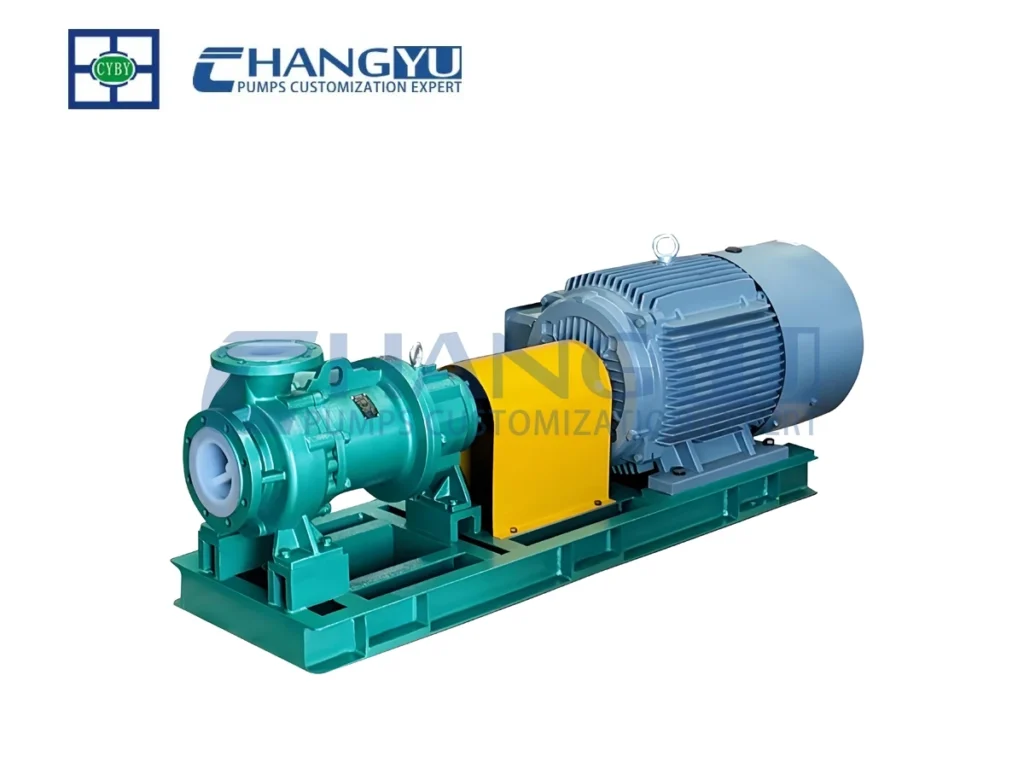
Bomba química de accionamiento magnético | Bomba de transferencia de ácidos con revestimiento de PTFE CYQ
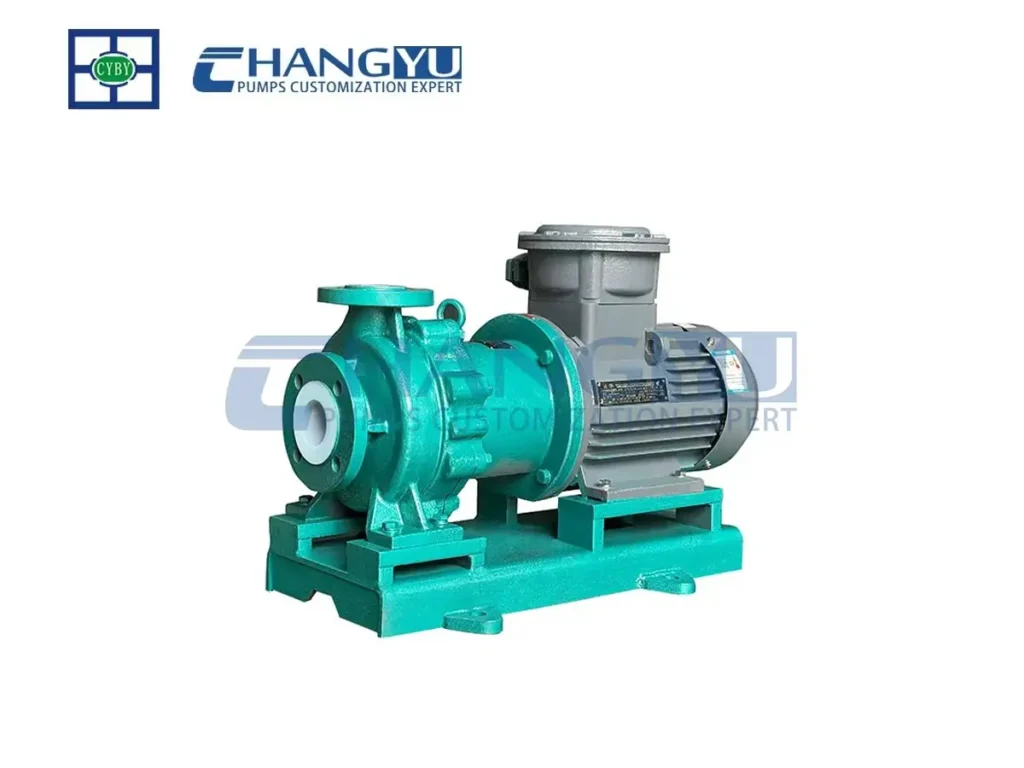
Bomba centrífuga de accionamiento magnético – Serie CYQ
Evaporación y Concentración de Soda Cáustica
Aplicación:
La sección de concentración de soda cáustica presenta un desafío de bombeo diferente. El líquido puede estar caliente y puede contener cristales de NaCl, por lo que la bomba debe soportar tanto la temperatura elevada como la posible cristalización o el desgaste relacionado con sólidos.
Para la circulación de soda cáustica a alta temperatura, Changyu recomienda la Bomba Química de Alta Temperatura de la Serie CYG, con una temperatura de trabajo de hasta 150°C según la configuración de la bomba.
Esta aplicación es diferente de la transferencia ordinaria de soda cáustica. La bomba se selecciona no solo por la compatibilidad con NaOH, sino también por las condiciones de temperatura y cristales de sal en el sistema de circulación.
Bombas Recomendadas:
Factores principales de selección:
- Concentración de NaOH
- Temperatura de funcionamiento
- Contenido de cristales de NaCl
- Caudal de circulación
- Altura requerida
- Compatibilidad de materiales
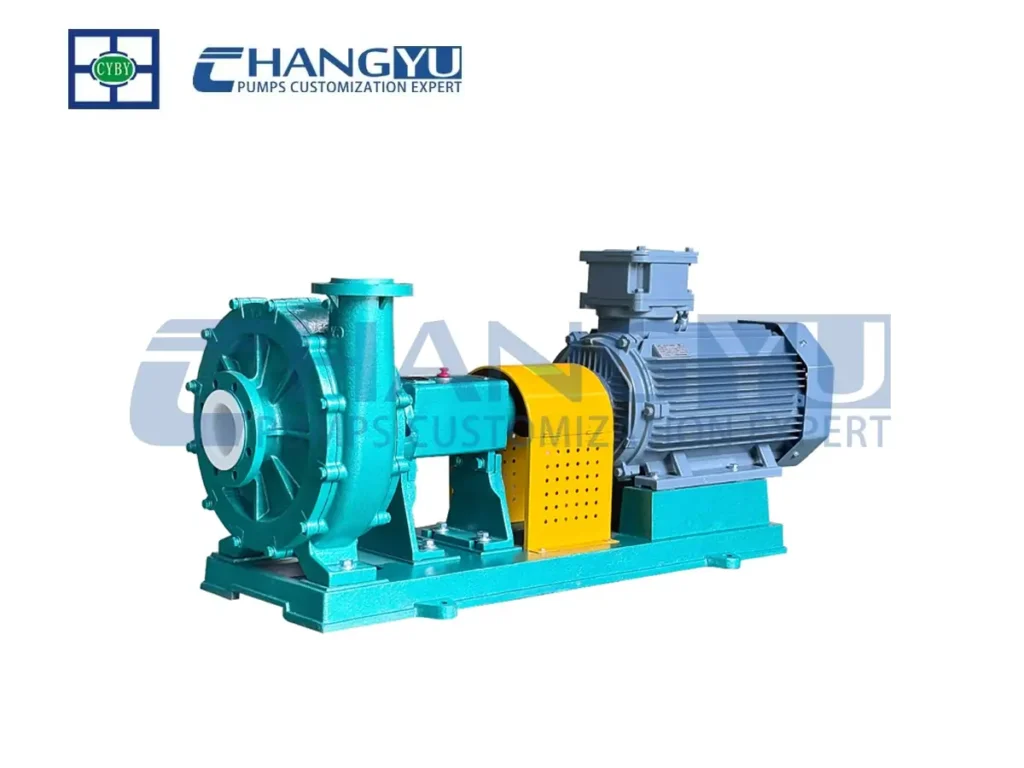
Bomba química para altas temperaturas de la serie CYG
Manejo de Cloro Gaseoso e Hipoclorito
Aplicación:
El manejo de cloro implica condiciones que difieren de la transferencia ordinaria de productos químicos líquidos. El cloro húmedo y el hipoclorito de sodio requieren materiales con buena resistencia a medios oxidantes y que contienen cloro.
Para el manejo de líquido de hipoclorito de sodio, se puede considerar la Bomba Sumergible de Fluoroplástico de la Serie FYH.
Bombas Recomendadas:
Factores principales de selección:
- Concentración de cloro húmedo o hipoclorito
- Condiciones oxidantes
- Temperatura
- Profundidad de instalación
- Resistencia a la corrosión
- Condiciones gas-líquido
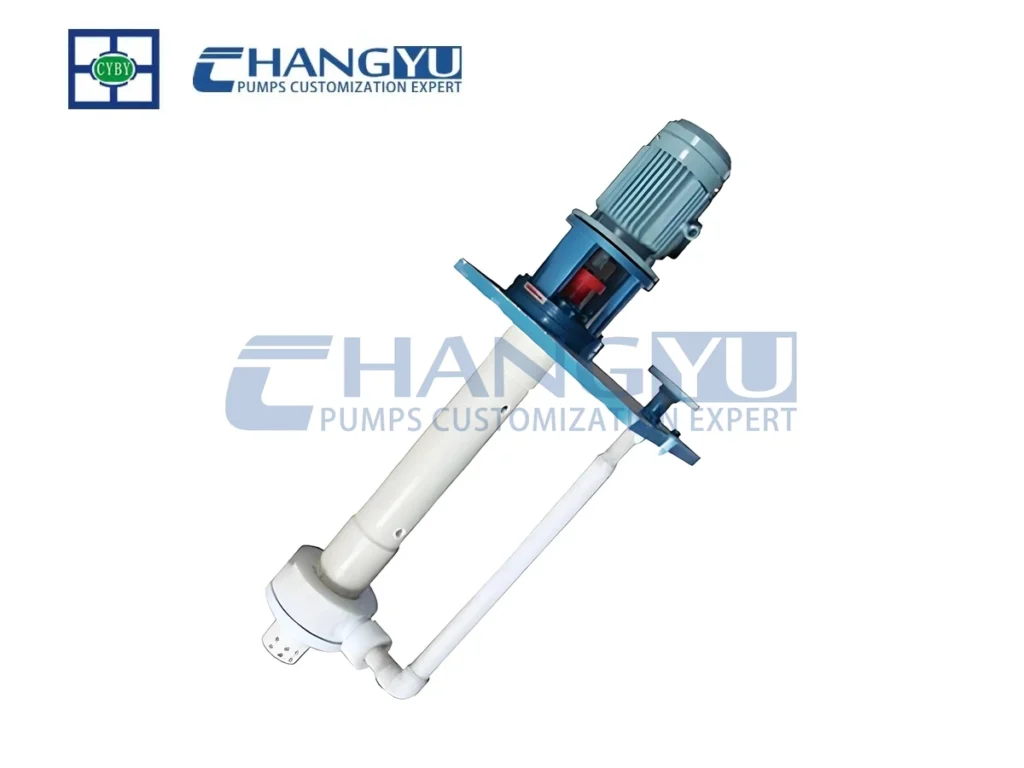
Bomba semisumergible de fluoroplástico de la serie FYH: bomba química de alta eficiencia y resistente a la corrosión
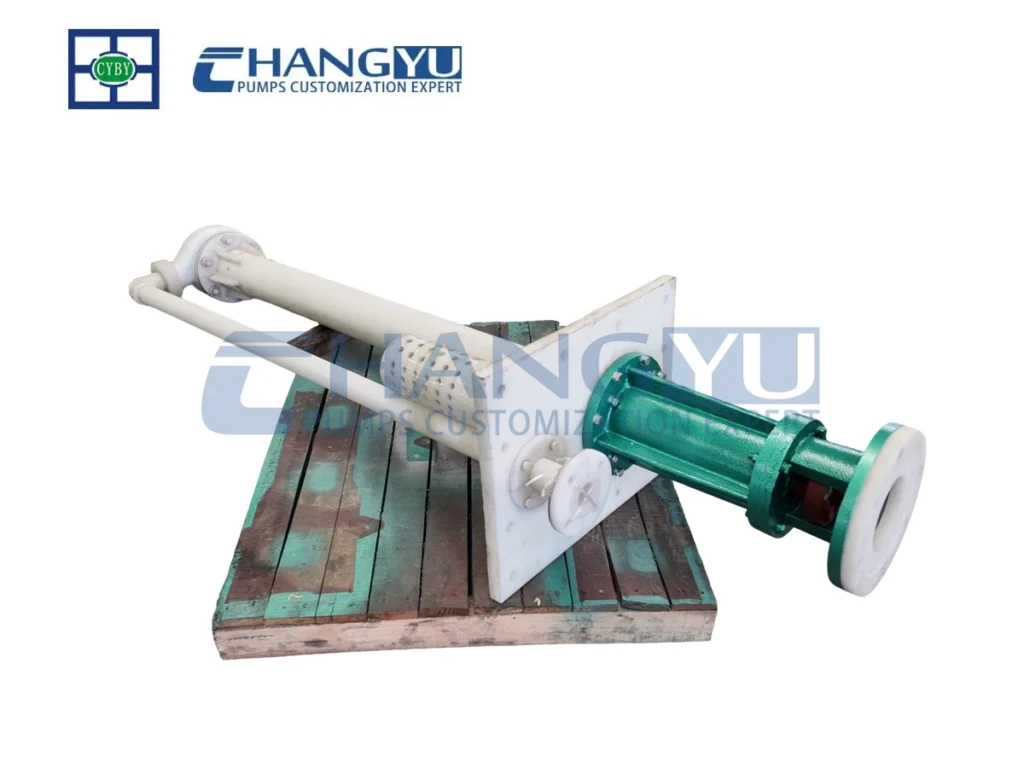
Bomba sumergible resistente a productos químicos de la serie FYH
Síntesis de Ácido Clorhídrico
Aplicación:
La síntesis y el manejo de ácido clorhídrico requieren bombas que puedan soportar ácido clorhídrico y las condiciones asociadas ricas en cloruros. Los materiales convencionales de bombas metálicas pueden no proporcionar suficiente resistencia a la corrosión para estos servicios.
Para la transferencia de ácido clorhídrico, una bomba centrífuga revestida de fluoroplástico es una configuración adecuada donde el proceso requiere alta resistencia a la corrosión.
Bombas Recomendadas:
Factores principales de selección:
- Concentración de ácido clorhídrico
- Temperatura
- Caudal
- Cabeza
- Resistencia a la corrosión
- Compatibilidad del revestimiento y los sellos
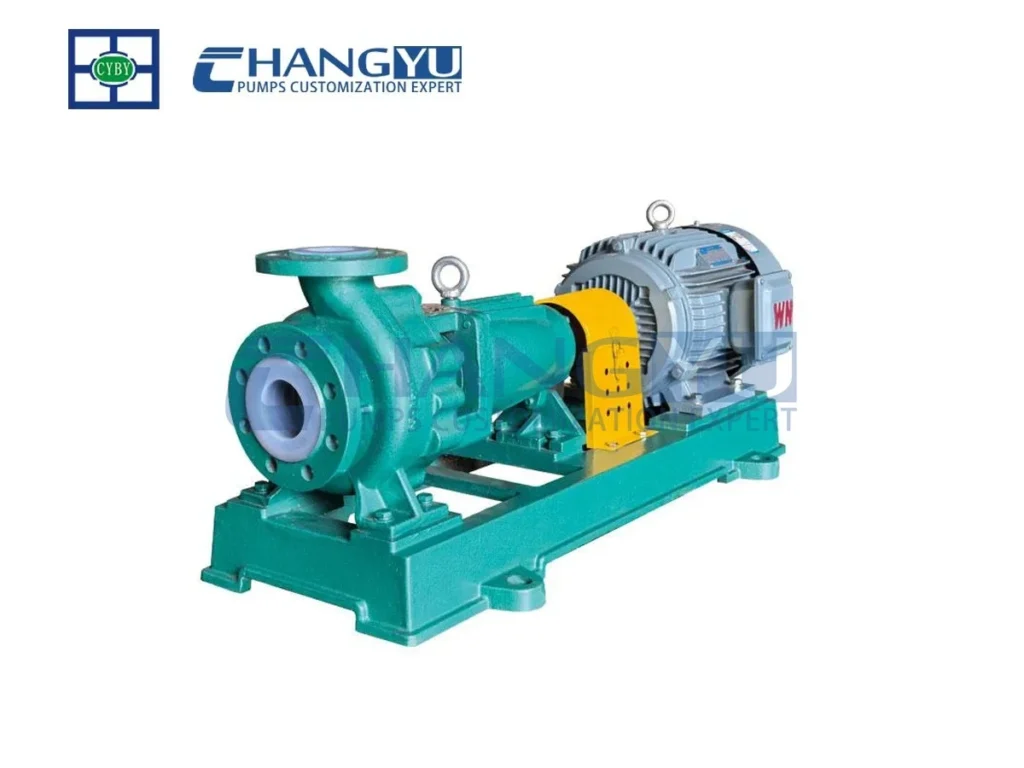
Bomba centrífuga de fluoroplástico serie CYF
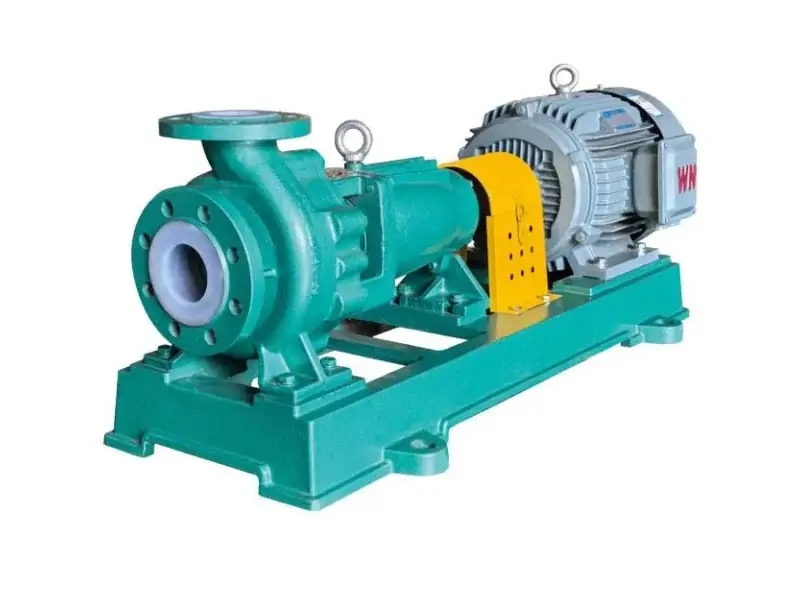
Bomba centrífuga de transferencia de ácido clorhídrico serie CYF

Bomba centrífuga química para transferencia de ácidos serie CYF
Cómo Seleccionar una Bomba para la Industria Cloro-Álcali
El nombre químico por sí solo no es suficiente para determinar la bomba correcta. Dos bombas que manejan el mismo producto químico pueden tener requisitos completamente diferentes cuando cambian la concentración, la temperatura, el contenido de sólidos o las condiciones de instalación.
- La concentración de salmuera, NaOH, HCl o hipoclorito de sodio afecta la compatibilidad de materiales y debe confirmarse antes de seleccionar la bomba.
- La temperatura es particularmente importante para la soda cáustica concentrada y los procesos de evaporación. Las temperaturas de operación más altas pueden cambiar el rendimiento de los materiales y las condiciones de operación de la bomba.
- El lodo salino y los cristales de NaCl introducen un componente de desgaste que no existe en la transferencia de líquidos químicos limpios. Por lo tanto, la construcción de la bomba y el diseño hidráulico deben considerarse junto con la resistencia a la corrosión. Para electrolitos agresivos y otros líquidos químicos peligrosos, el control de fugas puede influir en la configuración de la bomba. Las bombas de accionamiento magnético pueden considerarse donde este requisito es significativo.
- Algunas aplicaciones requieren una bomba sumergible en lugar de una configuración centrífuga horizontal convencional. El manejo de hipoclorito de sodio es un ejemplo donde las condiciones de instalación pueden afectar el diseño apropiado de la bomba.
- El caudal y la altura requeridos determinan el rendimiento hidráulico necesario de la bomba.
Estos parámetros deben confirmarse junto con las condiciones químicas y de temperatura antes de la selección final.
Selección de Bomba por Proceso Cloro-Álcali
| Proceso Cloro-Álcali | Medio Bombeado | Principal desafío de bombeo | Bomba recomendada |
|---|---|---|---|
| Purificación de Salmuera | Salmuera saturada + lodo salino | Corrosión + sólidos en suspensión + desgaste | Serie UHB |
| Electrólisis | Anolito/catolito | Cloruro + cloro libre + control de fugas | Bomba de accionamiento magnético / Serie CYQ |
| Evaporación de soda cáustica | NaOH concentrado caliente + cristales de NaCl | Alta temperatura + cristalización | Serie CYG |
| Manejo de cloro e hipoclorito | Cloro húmedo/hipoclorito de sodio | Oxidación + corrosión por cloruro | Serie FYH |
| Síntesis de Ácido Clorhídrico | Ácido clorhídrico / HCl | Fuerte corrosión química | Bomba revestida de fluoroplástico / Serie CYF |
Nota: La bomba debe seleccionarse de acuerdo con las condiciones reales del proceso en lugar de asignar el mismo tipo de bomba a cada aplicación de cloro álcali.
Si no está seguro de cómo elegir, por favor póngase en contacto con nuestro equipo, y le responderemos dentro de las 24 horas.
Preguntas frecuentes
Contáctenos
Soluciones de bombeo flexibles, eficientes y totalmente personalizadas.
¿Busca la solución de bombeo perfecta para sus necesidades específicas? Nuestro equipo de expertos ofrece soluciones personalizadas de bombas centrífugas adaptadas a sus fluidos, condiciones de funcionamiento y requisitos del proyecto. ¡Solicite hoy mismo una consulta personalizada y un presupuesto!
Envíe su consulta ahora
Bombas recomendadas para la industria de cloro álcali
A continuación se presentan modelos de bombas seleccionados para la producción de cloro álcali y servicios relacionados de transferencia química. Cada bomba es adecuada para diferentes condiciones de proceso, como salmuera corrosiva que contiene sólidos, soda cáustica a alta temperatura, hipoclorito de sodio, electrolito y ácido clorhídrico. La selección final de la bomba depende del medio, la concentración, la temperatura, el contenido de sólidos, el caudal, la altura manométrica, las condiciones de instalación y los requisitos de fuga. Si no está seguro de qué bomba es adecuada para su proceso, contáctenos ahora.