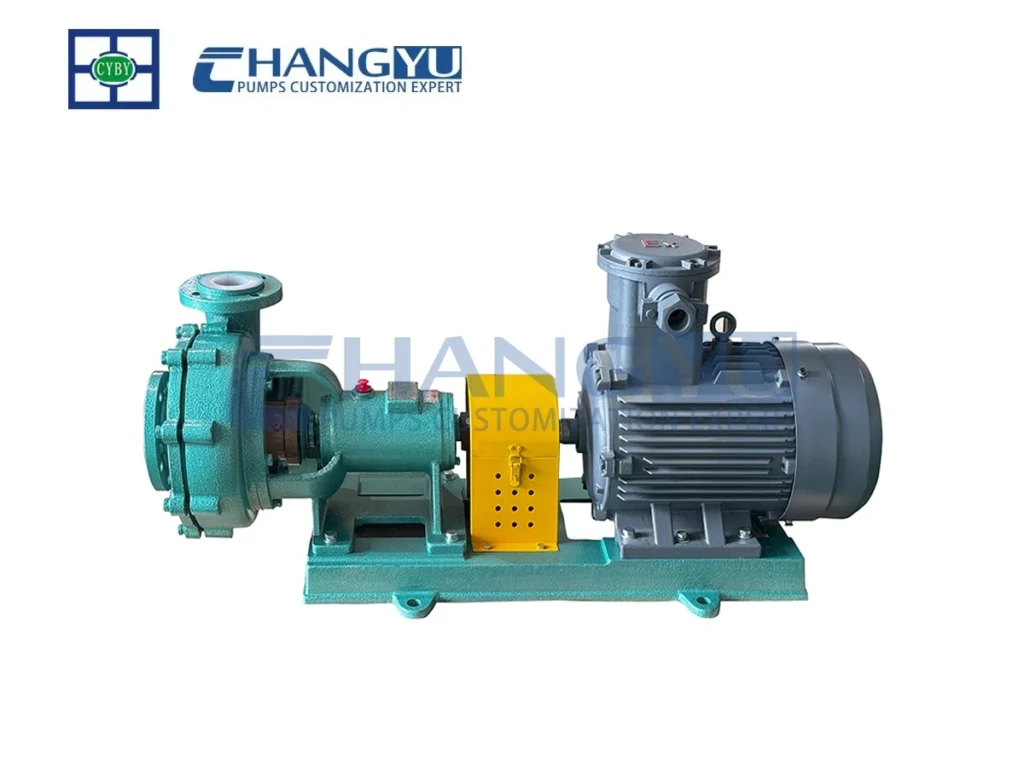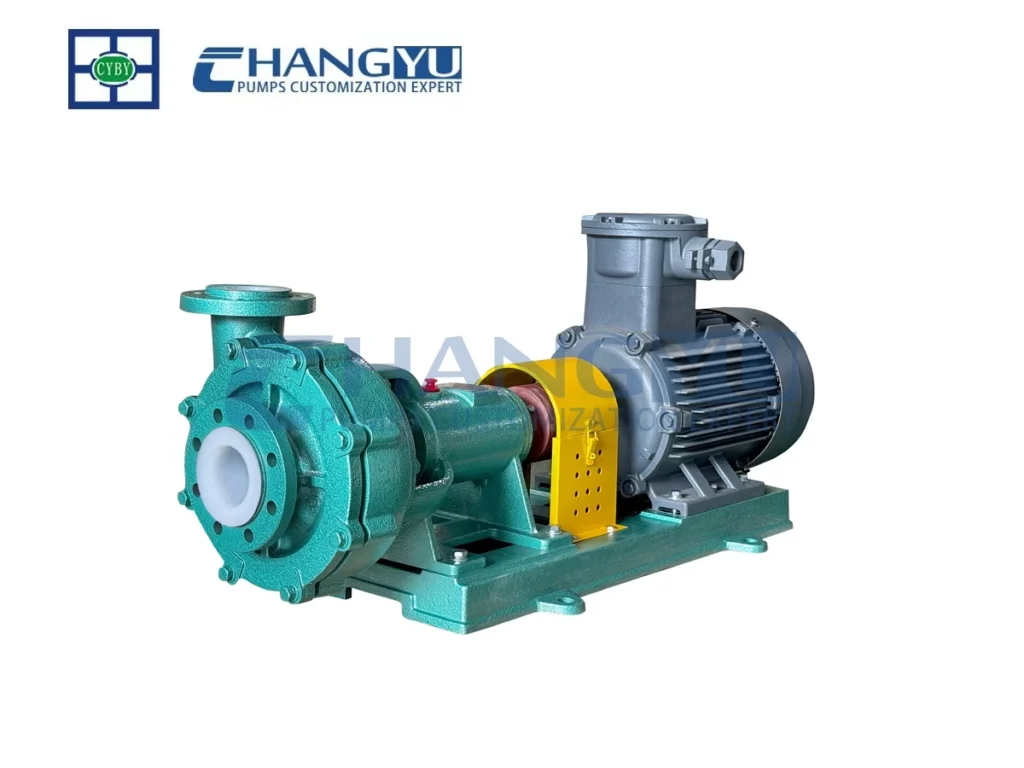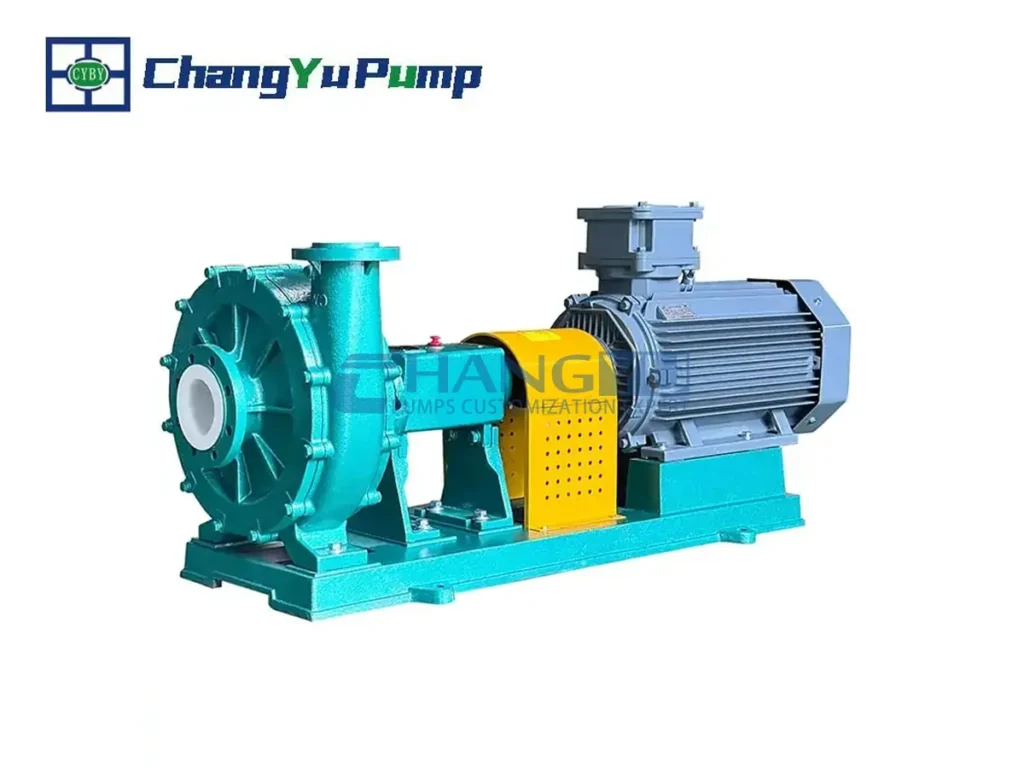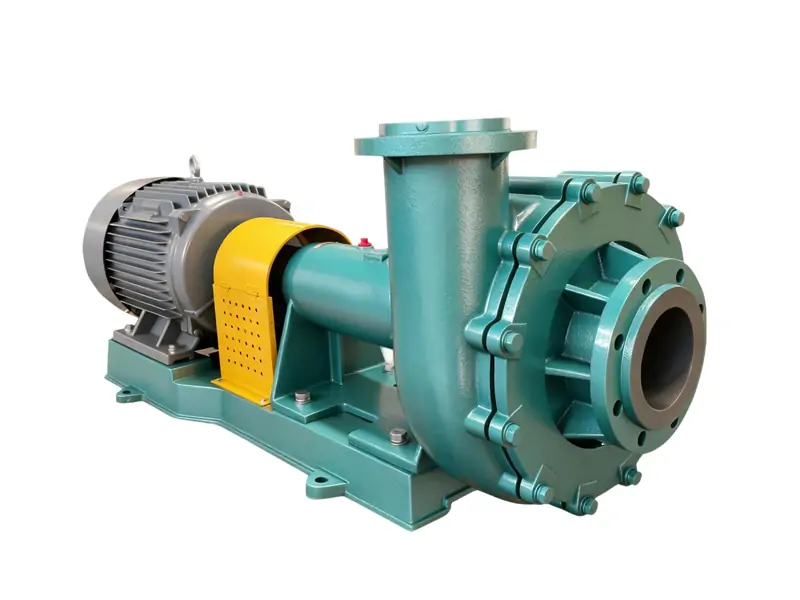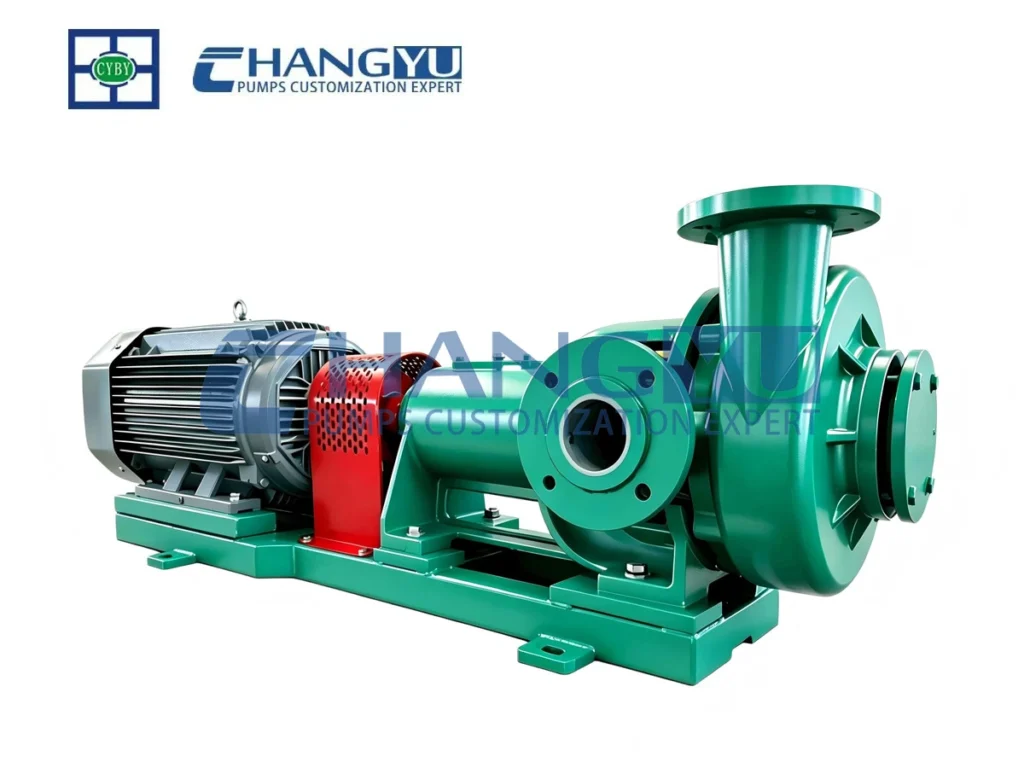
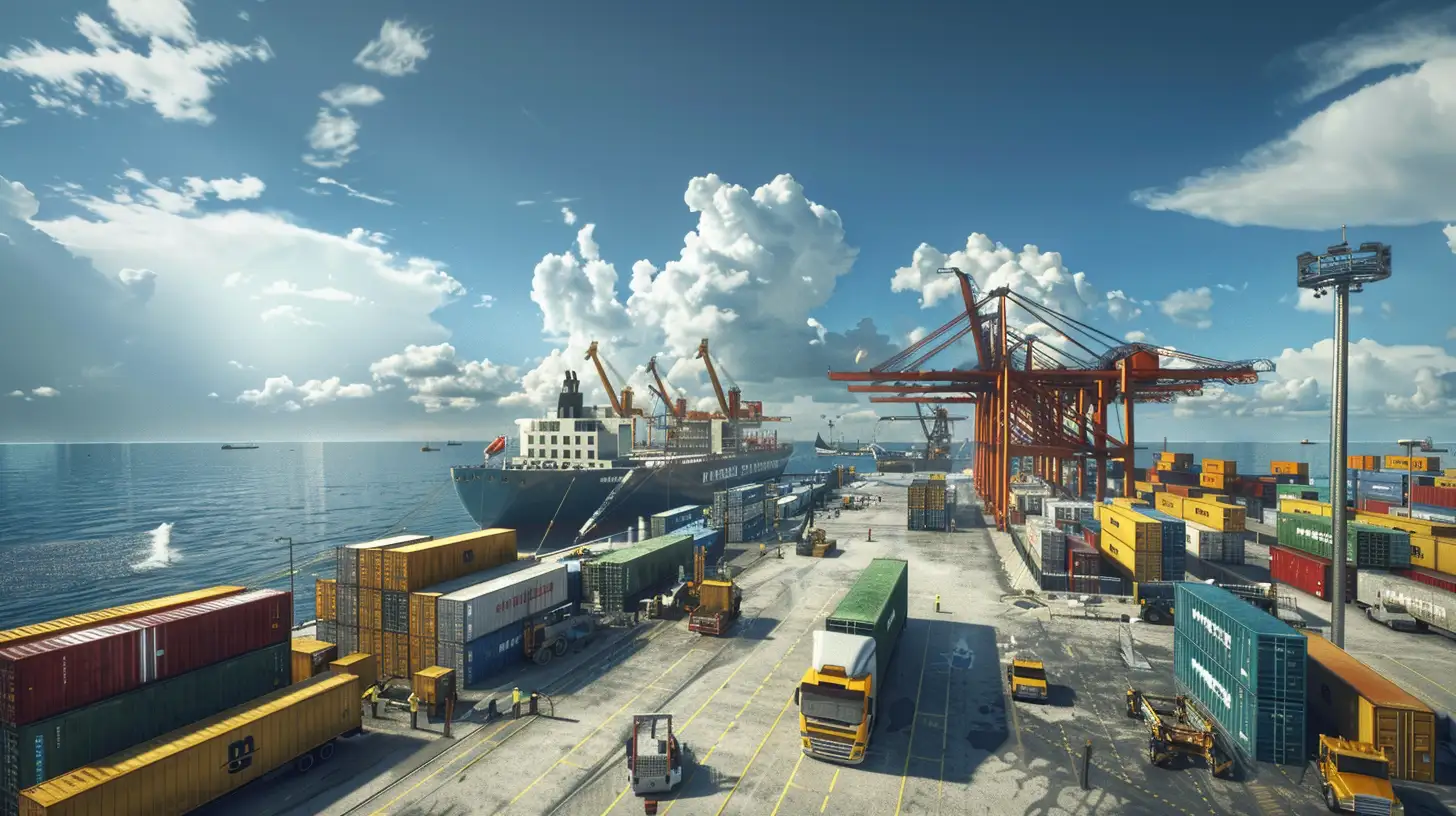
Solutions de pompes marines et pour eau de mer
Les services des pompes pour l'ingénierie maritime peuvent impliquer de l'eau de mer continuellement aérée, des variations du niveau de marée, du sable en suspension, de l'eau de refroidissement chaude, de la saumure concentrée et un accès de maintenance restreint. Ces conditions affectent la corrosion, la cavitation, l'usure, l'étanchéité et la durée de vie.
Changyu Pump examine la chimie de l'eau de mer, le niveau de chlorure, la température, les solides en suspension, la taille des particules, le débit, la hauteur totale, le niveau de marée ou de réservoir, le NPSHa, la position d'installation, les heures de fonctionnement et les exigences matérielles avant de recommander une série de pompes.
Applications de pompage maritime et d'eau de mer
Un projet maritime ou côtier comporte plusieurs services de pompage différents. L'eau de mer filtrée, la circulation de refroidissement, l'eau de construction avec du sable, les fosses et les puisards, la saumure concentrée et le transfert auxiliaire ne peuvent pas être assignés à la même pompe ou au même matériau par défaut.
Changyu Pump sépare les services hydrauliques d'eau propre des services abrasifs et chargés en solides, puis vérifie l'alliage, l'étanchéité, la configuration d'aspiration et l'accès de maintenance en fonction des conditions réelles du projet.
Prise d'eau de mer propre / Refroidissement et circulation / Construction portuaire et maritime / Fosses, réservoirs et puisards / Saumure et boue saline / Transfert auxiliaire
Prise, élévation et transfert d'eau de mer propre
Utilisation :
Ce service couvre l'eau de mer filtrée sans sable déposé, coquillages ou gros solides. La pompe doit fournir un débit stable tout en résistant à l'attaque des chlorures et en maintenant une marge NPSH adéquate lorsque le niveau de marée ou de prise d'eau change.
CYH est la première série Changyu à évaluer pour l'eau de mer propre, l'eau saumâtre et le transfert d'eau salée compatible. L'alliage final de la partie mouillée et les faces d'étanchéité sont sélectionnés en fonction du niveau de chlorure, de la température, de l'oxygène, des dépôts et de la durée de vie requise.
Pompes recommandées
Principaux facteurs de sélection
- Débit de conception, normal et minimum
- Hauteur dynamique totale et amplitude de marée
- NPSHa et géométrie d'aspiration
- Salinité, chlorure et température
- État des tamis et solides en suspension
- Alliage de la partie mouillée et faces d'étanchéité
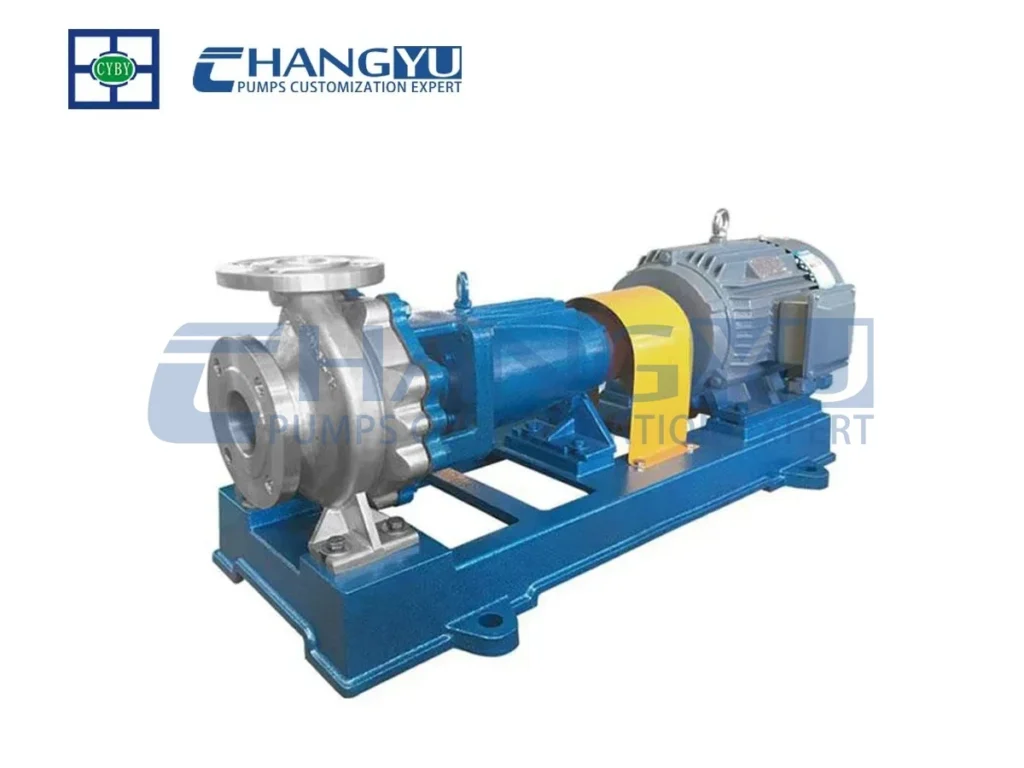
Pompe centrifuge en acier inoxydable de la série CYH pour la soude caustique
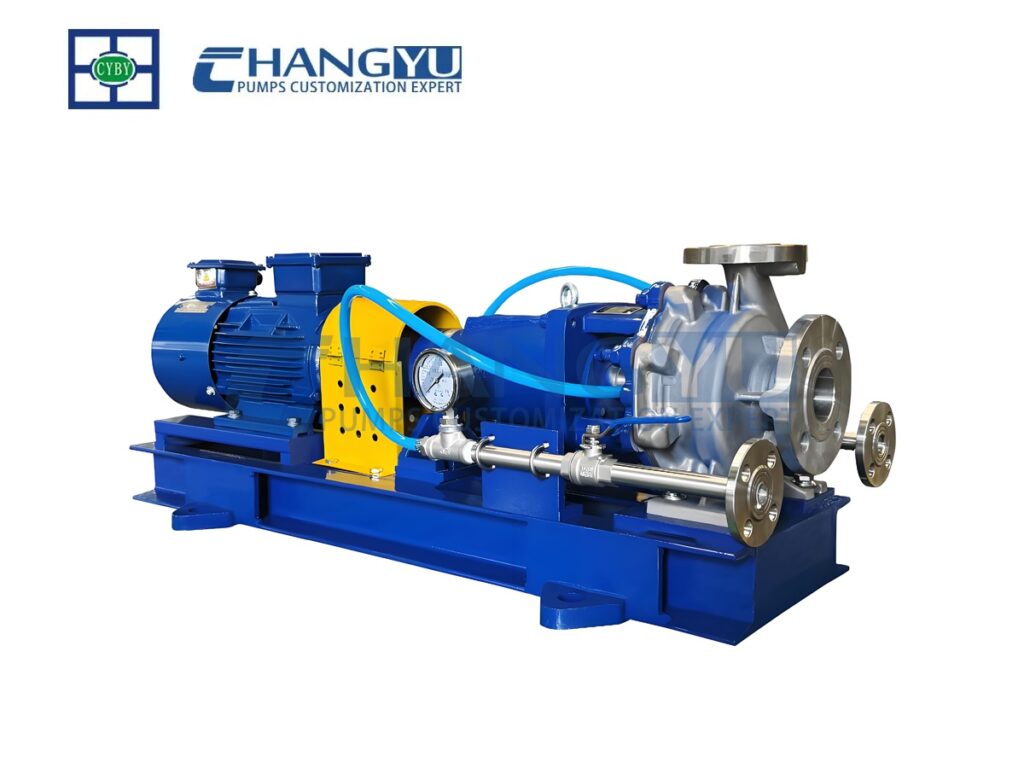
Pompe centrifuge d'eau de mer de la série CYH pour les applications marines corrosives
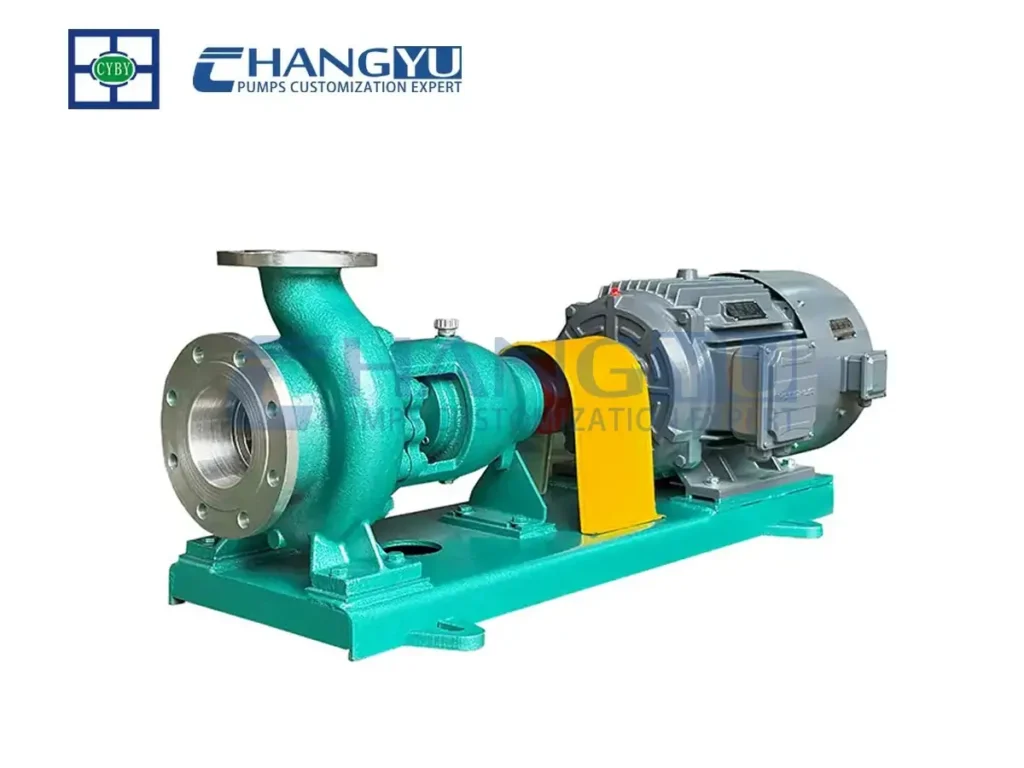
Pompe centrifuge en acier inoxydable pour produits chimiques de la série CYH
Circulation d'eau de refroidissement
Utilisation :
Les moteurs marins, les échangeurs de chaleur, les installations côtières et les modules offshore peuvent nécessiter une circulation continue d'eau de refroidissement. L'eau de mer chaude, l'oxygène, le biofouling et les dépôts peuvent réduire les performances hydrauliques et accélérer la corrosion.
CYH est évaluée pour la circulation d'eau de mer filtrée lorsque le service hydraulique et le matériau sont compatibles. CYE peut être envisagée lorsqu'une pompe au-dessus du niveau doit élever de l'eau filtrée par auto-amorçage. Les très grands débits d'eau de refroidissement nécessitent un examen hydraulique individuel.
Pompes recommandées
- CYH / Année civile Série
Principaux facteurs de sélection
- Débit continu et de secours
- Résistance du système et perte de charge des équipements
- Niveau d'aspiration minimum et NPSHa
- Température de l'eau de mer et chloration
- Biofouling et méthode de nettoyage
- Marge moteur et cycle de service
Pompe centrifuge en acier inoxydable de la série CYH pour la soude caustique
Pompe centrifuge en acier inoxydable pour produits chimiques de la série CYH
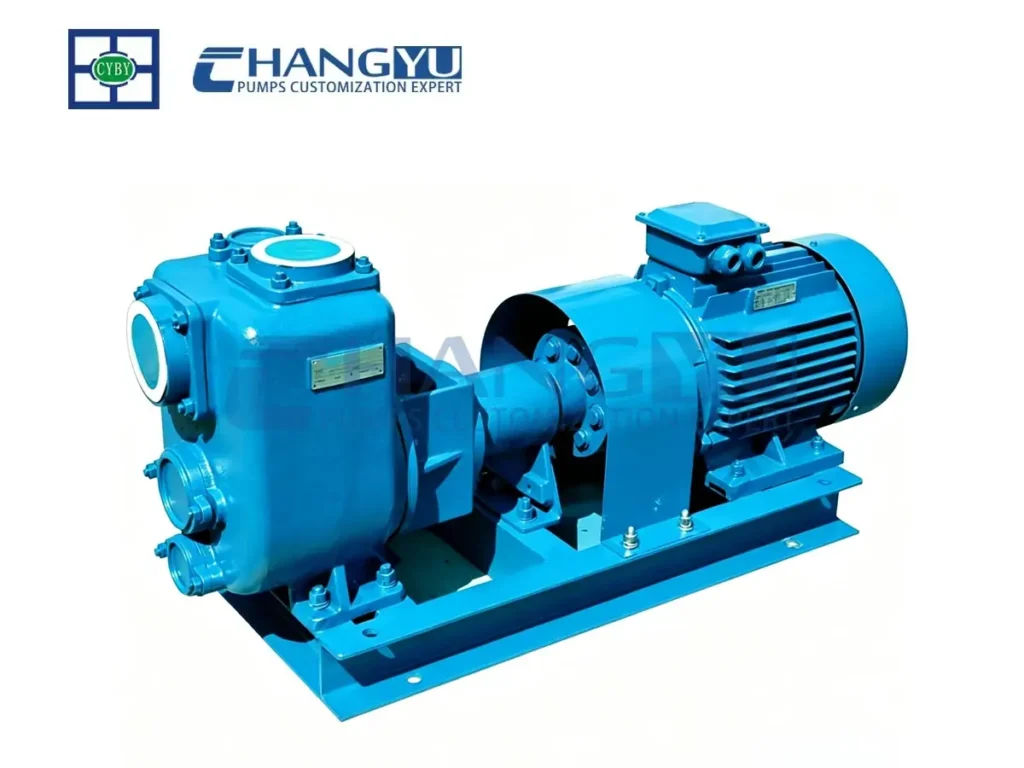
Pompe de transfert auto-amorçante pour eaux usées et boues | Série CYE
Eau de construction portuaire, dock et maritime
Utilisation :
L'assèchement, les travaux de caisson, le soutien au dragage et la construction maritime temporaire peuvent introduire du sable, du limon, des écailles de rouille ou des solides variables. Une pompe à eau de mer pour eau propre ne doit pas être utilisée par défaut lorsque les particules abrasives sont normales.
PGY est évaluée pour le transfert de sable ou de limon abrasif de moyen à grand calibre. PHH convient lorsque le service abrasif nécessite également une hauteur plus élevée ou une conduite de refoulement plus longue. CYE est envisagée pour le transfert auto-amorçant depuis une fosse ou une excavation après confirmation de la taille et de la concentration des solides.
Pompes recommandées
- PGY / PHH / Année civile Série
Principaux facteurs de sélection
- Concentration en solides et taille des particules
- Densité de la boue et tendance à la décantation
- Débit, hauteur manométrique et longueur de conduite
- Hauteur d'aspiration et exigence d'amorçage
- Fonctionnement intermittent ou continu
- Plan des pièces d'usure et de rinçage
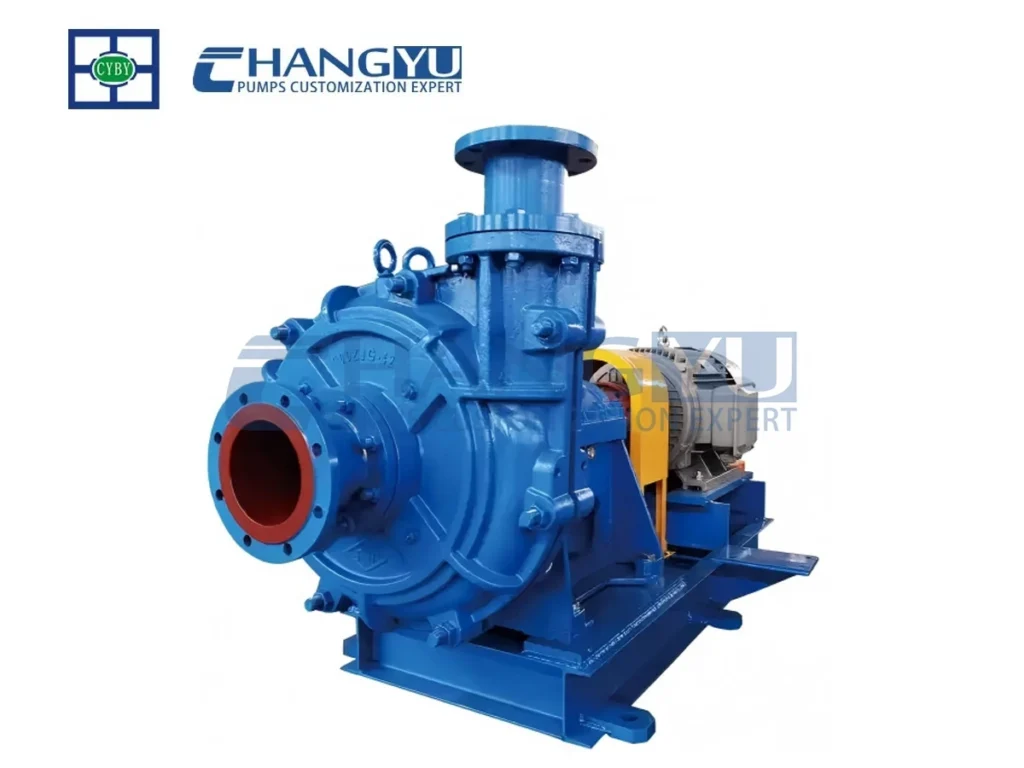
Pompes à boues horizontales de la série PGY | Pompe à haut rendement et à grande hauteur de refoulement
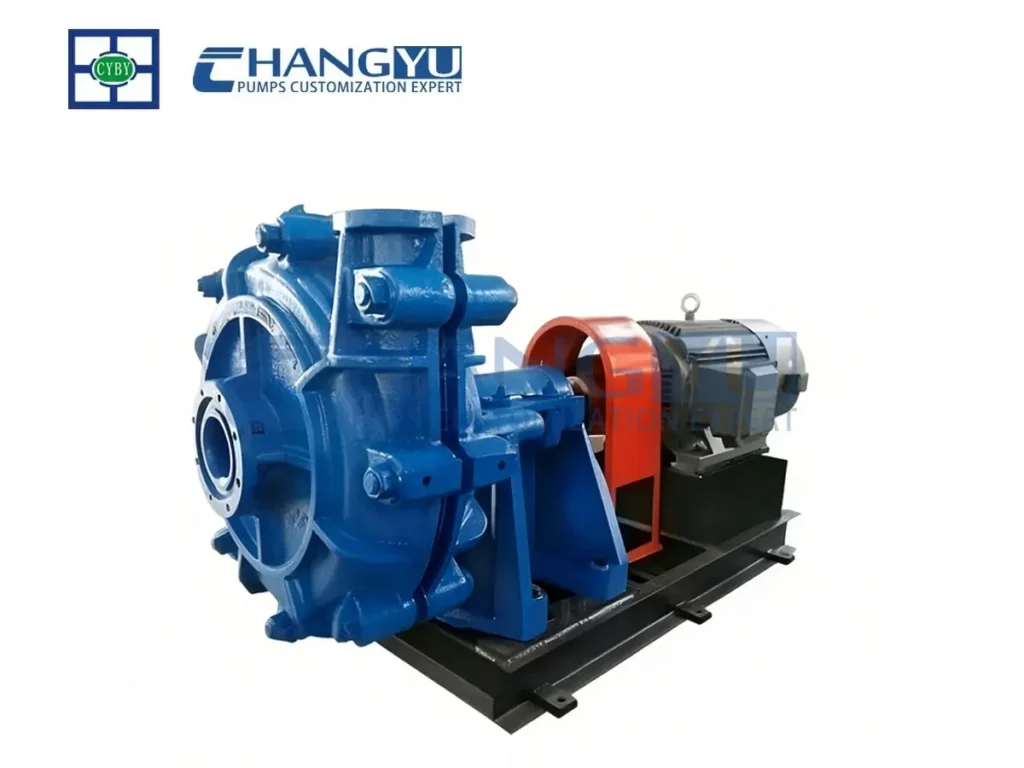
Pompe centrifuge à boues de la série PHH pour les mines et les centrales électriques
Pompe de transfert auto-amorçante pour eaux usées et boues | Série CYE
Fosses, réservoirs, cales et puisards
Utilisation :
Les fosses marines, les réservoirs liés au ballast, les drains de pont et les puisards peuvent contenir de l'eau de mer, de la rouille, des sédiments, une contamination huileuse ou des produits chimiques de traitement. La configuration de la pompe dépend du niveau de liquide, de l'accès, des solides et du fait que la pompe soit au-dessus ou à l'intérieur du réservoir.
CYE est évaluée pour l'aspiration auto-amorçante depuis des fosses en dessous du niveau. FY convient aux services compatibles montés sur réservoir ou immergés avec aspiration noyée. Les pompes à diaphragme BFQ ou BFD peuvent être envisagées pour les liquides sales intermittents, le débit variable ou l'air entraîné après vérification de la compatibilité du diaphragme et des clapets.
Pompes recommandées
- Année civile / Exercice / BFQ / BFD Série
Principaux facteurs de sélection
- Composition du liquide et teneur en huile
- Taille et concentration des solides
- Niveau de liquide minimum et maximum
- Hauteur d'aspiration ou profondeur d'immersion
- Service intermittent ou continu
- Compatibilité des matériaux et du diaphragme
Pompe de transfert auto-amorçante pour eaux usées et boues | Série CYE
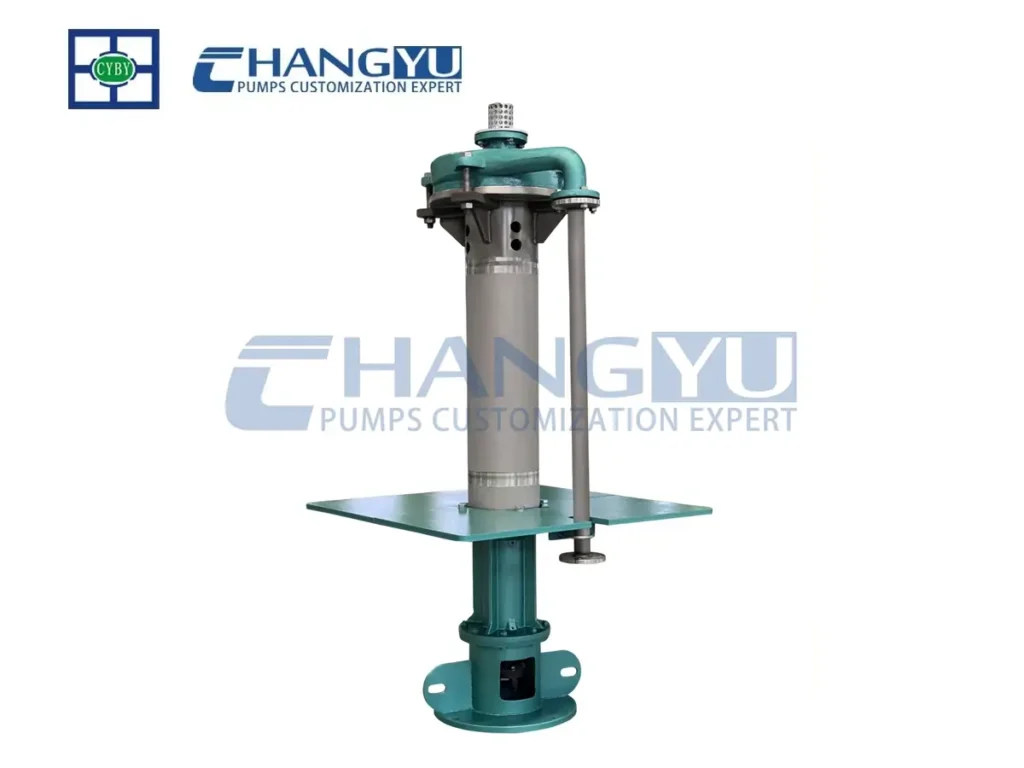
Pompe verticale submersible - Série FY en acier inoxydable

Pompe pneumatique à double membrane de la série BFQ

Pompe électrique à membrane série BFD
Saumure concentrée et boue saline
Utilisation :
Les rejets de dessalement, les salines et les systèmes de traitement côtiers peuvent traiter de la saumure concentrée, des cristaux ou des solides de sel déposés. La corrosion et l'abrasion doivent être évaluées ensemble, et la saumure propre doit être séparée de la boue saline.
UHB est évalué pour la saumure corrosive à basse température avec des solides abrasifs fins. PGY ou PHH est envisagé pour une boue saline plus dense, des solides plus gros, un débit plus élevé ou une hauteur manométrique plus importante. Les pompes à tuyau ZJP-Z peuvent convenir à une boue de saumure concentrée à faible débit, à des cristaux de sel ou à une liqueur mère visqueuse lorsque la compatibilité du tuyau est confirmée. La saumure propre sans solides nécessite une étude hydraulique et d'alliage distincte.
Principaux facteurs de sélection
- Salinité et concentration en chlorure
- Taille des cristaux et solides en poids
- Densité et viscosité
- Température de fonctionnement
- Débit, hauteur et vitesse dans la conduite
- Matériau, étanchéité et configuration de rinçage
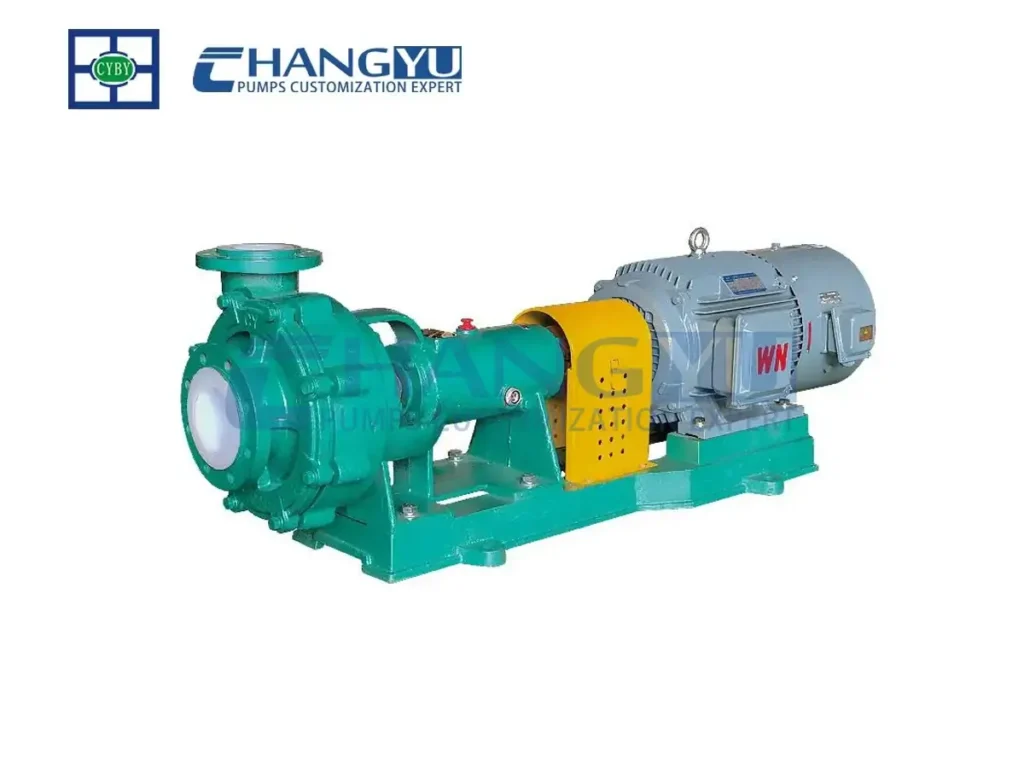
Pompe à acide phosphorique Série UHB
Pompes à boues horizontales de la série PGY | Pompe à haut rendement et à grande hauteur de refoulement
Pompe centrifuge à boues de la série PHH pour les mines et les centrales électriques
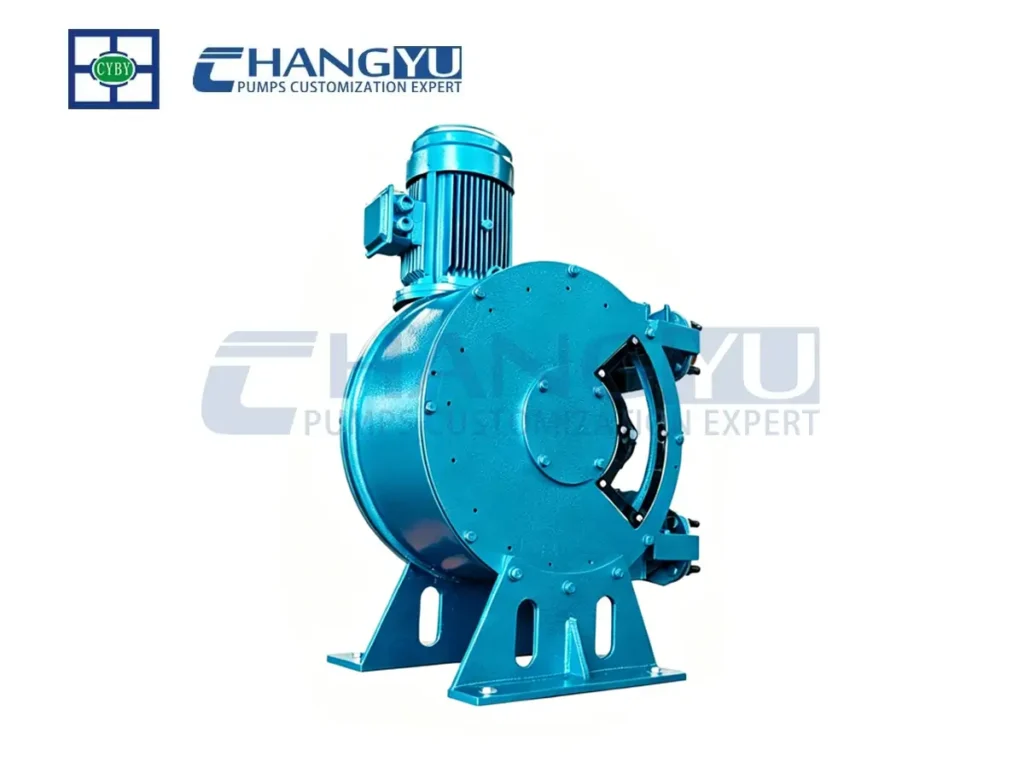
Pompe à tuyau industriel série ZJP-Z
Transfert et nettoyage auxiliaires marins
Utilisation :
Les fonctions auxiliaires comprennent le lavage de pont, le transfert temporaire, l'eau de service, le nettoyage de citernes et le drainage d'urgence. Le liquide peut être de l'eau de mer propre, des eaux de drainage sales ou une solution de nettoyage chimique, de sorte que la pompe doit être sélectionnée en fonction du milieu réel plutôt que du mot auxiliaire.
Le CYH est évalué pour l'eau de mer filtrée compatible. Le CYE convient au transfert auto-amorçant au-dessus du niveau. Le FY est envisagé pour une installation immergée compatible, tandis que le BFQ ou le BFD peut convenir aux liquides sales ou chargés d'air de manière intermittente après confirmation de la compatibilité des matériaux.
Pompes recommandées
- CYH / Année civile / Exercice / BFQ / BFD Série
Principaux facteurs de sélection
- Composition réelle du liquide
- Débit requis et pression de refoulement
- Installation auto-amorçante ou immergée
- Solides, air et fonctionnement intermittent
- Agencement portable ou fixe
- Compatibilité des matériaux, des joints ou des membranes
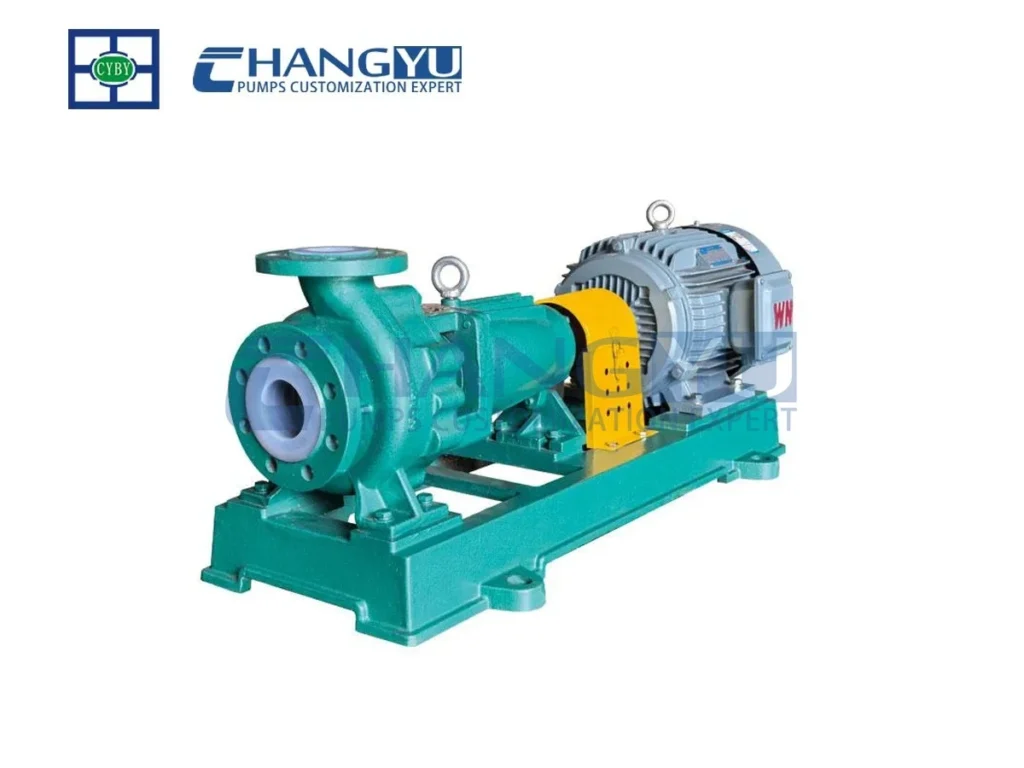
Pompe centrifuge en plastique fluoré de la série CYF
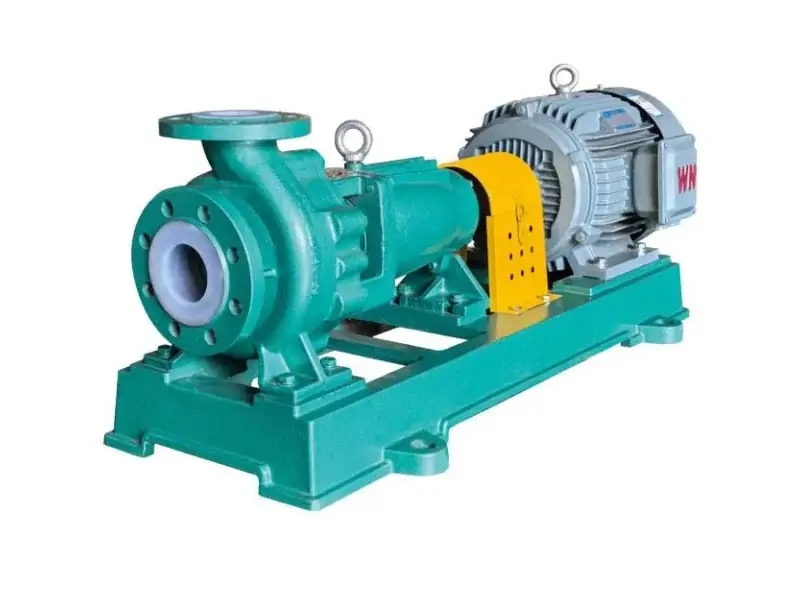
Pompe centrifuge de transfert d'acide chlorhydrique de la série CYF
Pompe de transfert auto-amorçante pour eaux usées et boues | Série CYE
Pompe verticale submersible - Série FY en acier inoxydable
Pompe pneumatique à double membrane de la série BFQ
Pompe électrique à membrane série BFD
Comment sélectionner une pompe pour le service d'ingénierie maritime
Le mot eau de mer ne suffit pas pour sélectionner une pompe. Les projets marins doivent être vérifiés par rapport à la chimie réelle de l'eau, aux solides, au système hydraulique, à l'installation et aux contraintes de maintenance.
- Composition en eau de mer, eau saumâtre, saumure concentrée ou boue saline
- Chlorures, température, oxygène, chloration et autres produits chimiques
- Solides en suspension, taille des particules, coquillages, sable et tendance à la sédimentation
- Débit de conception, nominal et minimal, plus hauteur manométrique totale
- Marée ou niveau de citerne, hauteur d'aspiration, NPSHa et exigence d'amorçage
- Service continu ou intermittent, certification et accès de maintenance
Frontière de sélection : L'alimentation en osmose inverse haute pression, l'injection d'eau de mer, la très grande prise verticale, la lutte contre l'incendie et le service maritime critique de classe nécessitent un examen d'ingénierie et de certification distinct.
Tableau de sélection rapide pour les fonctions d'ingénierie maritime
| Service marin ou en eau de mer | Défi principal | Première pompe à évaluer | Alternative | Ne pas finaliser avant vérification |
|---|---|---|---|---|
| Prise ou transfert d'eau de mer filtrée | Chlorures, cavitation, service continu | CYH | Configuration spécifique au projet pour très grande prise | Débit, hauteur, NPSHa, salinité, température, matériau |
| Circulation de refroidissement à l'eau de mer | Fonctionnement continu, corrosion, encrassement | CYH | Aucun sans examen hydraulique | Courbe complète du système, perte de l'échangeur de chaleur, NPSH, plage de fonctionnement |
| Transfert au-dessus du niveau du port ou du quai | Hauteur d'aspiration, niveau variable, sable en suspension | Année civile | CYH pour aspiration noyée propre | Hauteur d'aspiration, solides, temps d'amorçage, matériau |
| Eau de construction marine avec sable abrasif | Érosion et solides sédimentables | PGY ou PHH | Année civile pour solides modérés et hauteur plus faible | Solides wt%, taille maximale des particules, densité relative, longueur de canalisation |
| Fosse ou citerne d'eau de mer | Immersion, niveau de liquide variable | Exercice | Année civile pour installation auto-amorçante externe | Profondeur d'immersion, niveau de liquide, solides, alliage |
| Saumure concentrée sans cristaux | Chlorure élevé et attaque des matériaux | CYH après examen des matériaux | UHB en dessous de 90°C lorsque la chimie est compatible | Analyse complète des ions, température, oxygène, dépôts |
| Saumure ou boue saline avec cristaux fins | Corrosion, abrasion, entartrage | UHB | PGY; ZJP-Z pour faible débit | Espèces salines, solides, taille des cristaux, pH, plan de nettoyage |
| Fluide auxiliaire ou de nettoyage intermittent | Composition variable, air entraîné | BFQ | BFD | Chimie complète, compatibilité des membranes et des vannes |
| Système haute pression d'osmose inverse, d'injection d'eau de mer ou de navire à classe critique | Confinement de pression, certification, sécurité | Étude d'ingénierie individuelle uniquement | Pompe spécifique au projet | Spécifications complètes, code applicable et certification |
Vous ne savez pas quelle pompe choisir ? Envoyer Pompe Changyu la composition du fluide, la salinité, la température, les solides, la taille des particules, le débit, la hauteur totale, le NPSHa, le niveau de marée ou de réservoir, l'installation et les heures de fonctionnement.
Pourquoi choisir Changyu Pump pour l'ingénierie maritime
Sélection basée sur l'application
Nous distinguons l'eau de mer propre, l'eau de construction abrasive, les puisards sales et la boue saline concentrée, puis adaptons la conception hydraulique et la construction de la pompe à chaque application.
Examen des matériaux et de l'étanchéité
L'alliage du corps de pompe, le joint d'arbre, les faces d'étanchéité et les élastomères sont vérifiés en fonction des chlorures, de la température, de l'oxygène, des solides, des produits chimiques de traitement et de la durée de vie requise.
Vérification hydraulique
Le débit, la hauteur dynamique totale, le NPSHa, l'amplitude de marée, la hauteur d'aspiration, les pertes de charge et la marge moteur sont examinés avant la confirmation d'un modèle de pompe.
Limites d'ingénierie claires
Nous identifions quand une série Changyu standard est applicable et quand les conditions de classe marine, de service incendie, de haute pression ou de très grande prise d'eau nécessitent une ingénierie et une certification spécifiques au projet.
Nous contacter
Des solutions de pompage flexibles, efficaces et entièrement personnalisées.
Vous recherchez la solution de pompage idéale pour vos besoins spécifiques ? Notre équipe d'experts propose des solutions de pompes centrifuges personnalisées, adaptées à vos fluides, à vos conditions d'exploitation et aux exigences de votre projet. Obtenez une consultation personnalisée et un devis dès aujourd'hui !
Envoyez votre demande maintenant
FAQ
Pompes recommandées pour l'ingénierie maritime
Ces séries de Changyu Pump couvrent l'eau de mer propre, le transfert auto-amorçant, l'installation immergée, l'eau de construction abrasive, les puisards sales et la boue de sel concentrée. La sélection finale dépend de la chimie de l'eau, des solides, du débit, de la hauteur, des conditions d'aspiration, de l'installation, du cycle de service et de la certification.
Pompe centrifuge en plastique fluoré de la série CYF
La pompe centrifuge en fluoroplastique CYF est conçue pour le traitement de produits chimiques hautement corrosifs tels que les acides, les alcalis, les solvants et les eaux usées. Avec le FEP,…Pompe centrifuge de transfert d'acide chlorhydrique de la série CYF
Pompe de transfert centrifuge pour acide chlorhydrique série CYF Changyu Pump La pompe de transfert centrifuge pour acide chlorhydrique série CYF de Changyu Pump est dotée d'un fluoroplastique à simple étage…Pompe de transfert auto-amorçante pour eaux usées et boues | Série CYE
Pompe de transfert auto-amorçante Changyu CYE pour boues abrasives, eaux usées et solides. Aspiration 3-7 m, 468 m³/h, -10 °C à 150 °C. ISO/CE/ATEX.Pompe verticale submersible - Série FY en acier inoxydable
Pompe submersible verticale série FY pour liquides corrosifs et boues. Conception en acier inoxydable sans joint, sans cavitation, fonctionnement stable monté sur réservoir pour…