
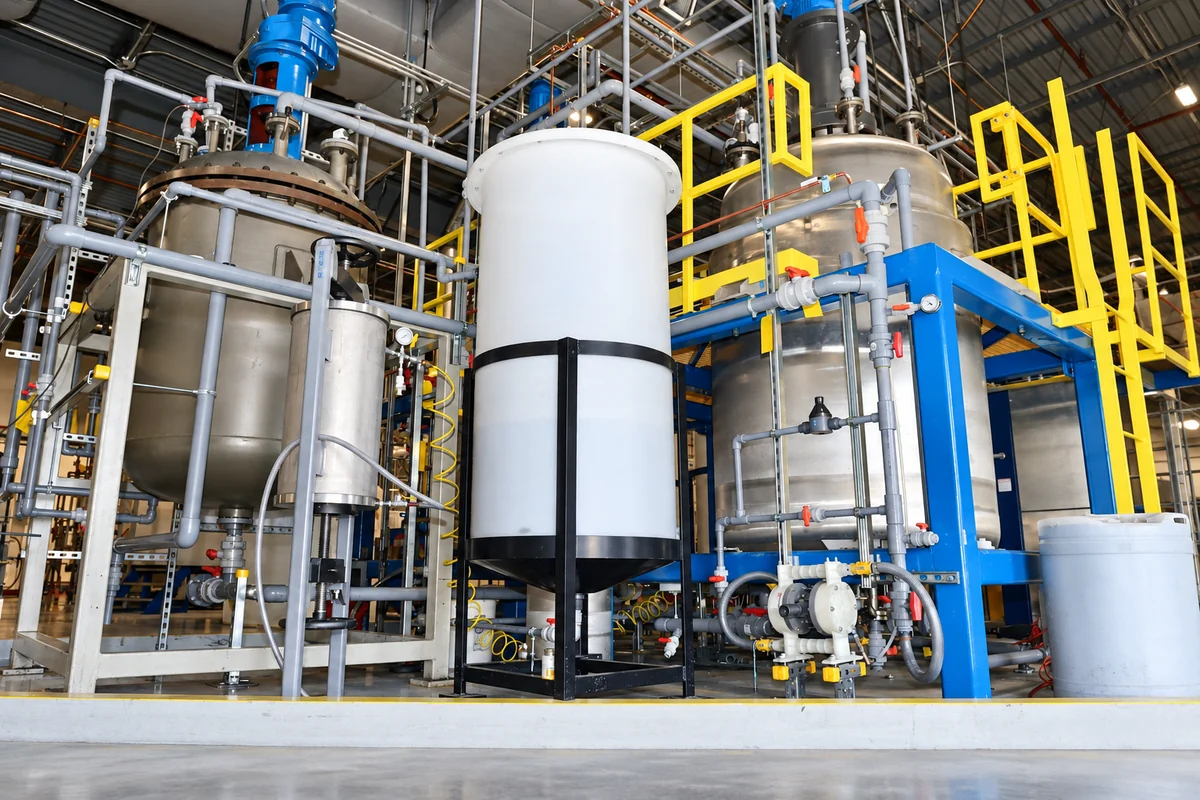
Lithium Battery Recycling Slurry Pump Solutions
This lithium battery recycling slurry pump guide covers the main wet-process stages: black mass transfer, acid leaching, washing, solid-liquid separation, filter-press feeding, precipitation and wastewater handling. It does not cover battery discharge, shredding, dry-powder conveying or solvent-rich electrolyte transfer.
Most wet recycling streams are both corrosive and abrasive. The UHB Series is our main starting point for continuous transfer of compatible aqueous slurry because its steel-lined UHMW-PE construction resists chemical attack while handling fine particles. For intermittent, high-viscosity, or changing-pressure duties, the BFQ Series air-operated double diaphragm pump can be a better alternative because it self-primes, tolerates dry running, and handles particle-containing liquid without an electric drive at the pump.
Published standard UHB boundary used on this page: −20°C to 90°C. Up to 40% fine solids is the normal reference; If you have other requirements regarding temperature or solids content, please contact our engineers; we will customize our products based on your specific operating conditions.
Pump Applications in Hydrometallurgical Lithium Battery Recycling
Hydrometallurgical recycling turns black mass into liquid and slurry streams so lithium, nickel, cobalt, manganese or other materials can be separated and recovered. Each pump position sees a different combination of acid, fine particles, concentration and pressure, so the pump must be selected for that specific stage.
If your operating conditions are not listed below, please contact our engineers, and we will provide recommendations based on your specific conditions.
Black mass slurry / Acid leaching slurry / Washing and separation / Filter-press feed / Precipitation and wastewater
Black Mass Slurry Transfer
Handling Media:
Fine cathode material / Graphite / Metal-bearing fines / Aqueous process liquid
Operating Challenges and Why We Recommend This Pump:
What problems occur: Wet black mass contains fine graphite, cathode material and metal particles. These solids wear ordinary pumps, settle when flow is too low and may block narrow passages. The liquid chemistry can also change from batch to batch.
Why we recommend UHB: The UHB chemical slurry pump uses a steel-lined UHMW-PE flow path, giving one pump both corrosion resistance and resistance to fine-particle wear. Its slurry-oriented design is a practical fit for compatible aqueous black mass below 90°C.
Suggested starting point:
- UHB Series Horizontal Chemical Slurry Pump — primary direction for compatible aqueous black mass slurry with fine solids
- UHB Series UHMW-PE Corrosion-Resistant Pump
- HB Series Stainless Steel Slurry Pump
Data needed for black-mass review:
- Complete liquid composition and all reagent concentrations
- Normal, start-up and maximum temperature
- Normal and maximum solids percentage; state weight or volume basis
- Maximum particle size, hardness, metallic fragments and settling tendency
- Density, viscosity, required flow and total dynamic head
- Tank level, suction piping, available NPSH and flushing procedure
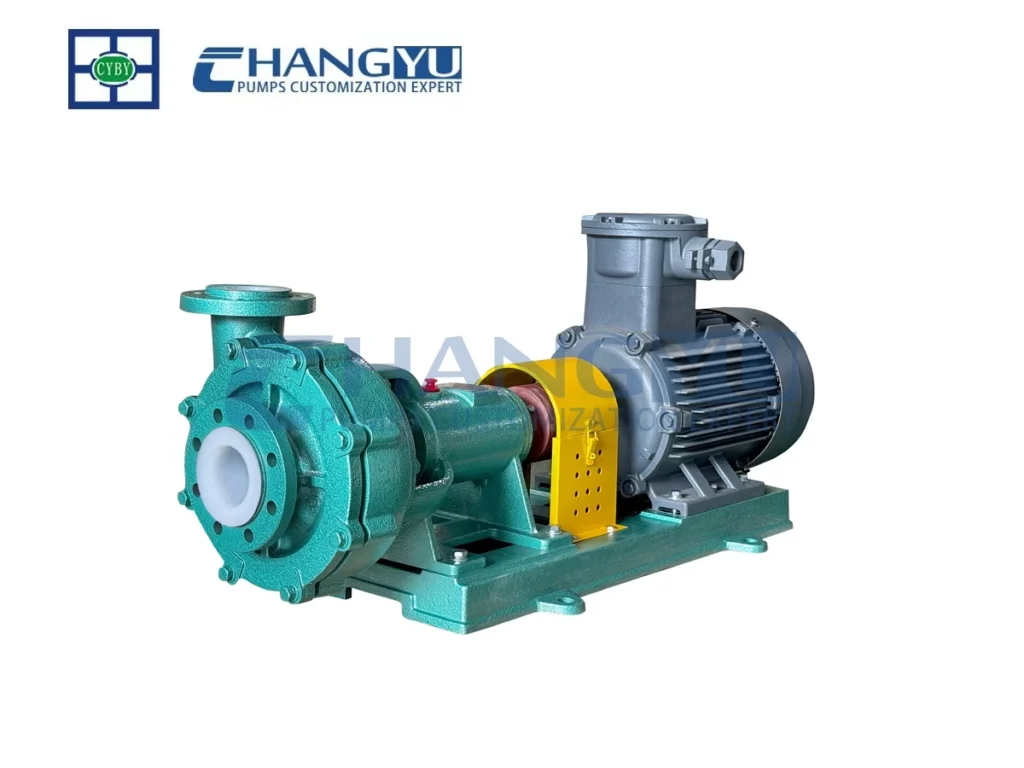
UHB Series Horizontal Chemical Slurry Pump
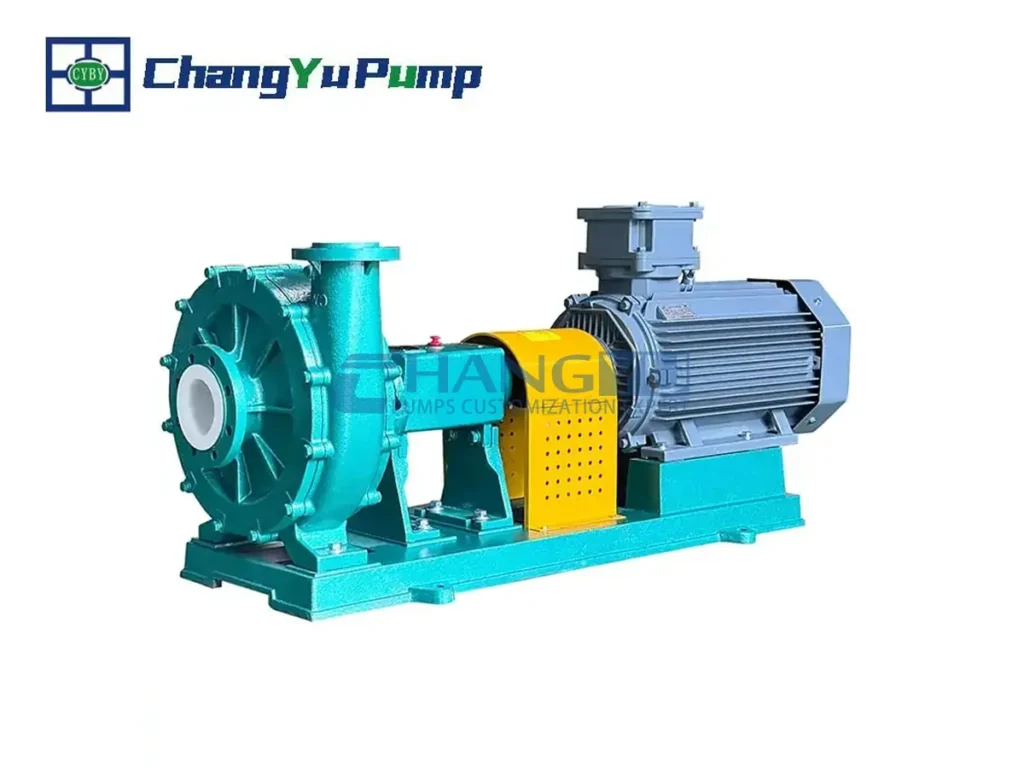
UHB Series UHMWPE Corrosion Resistant Pump
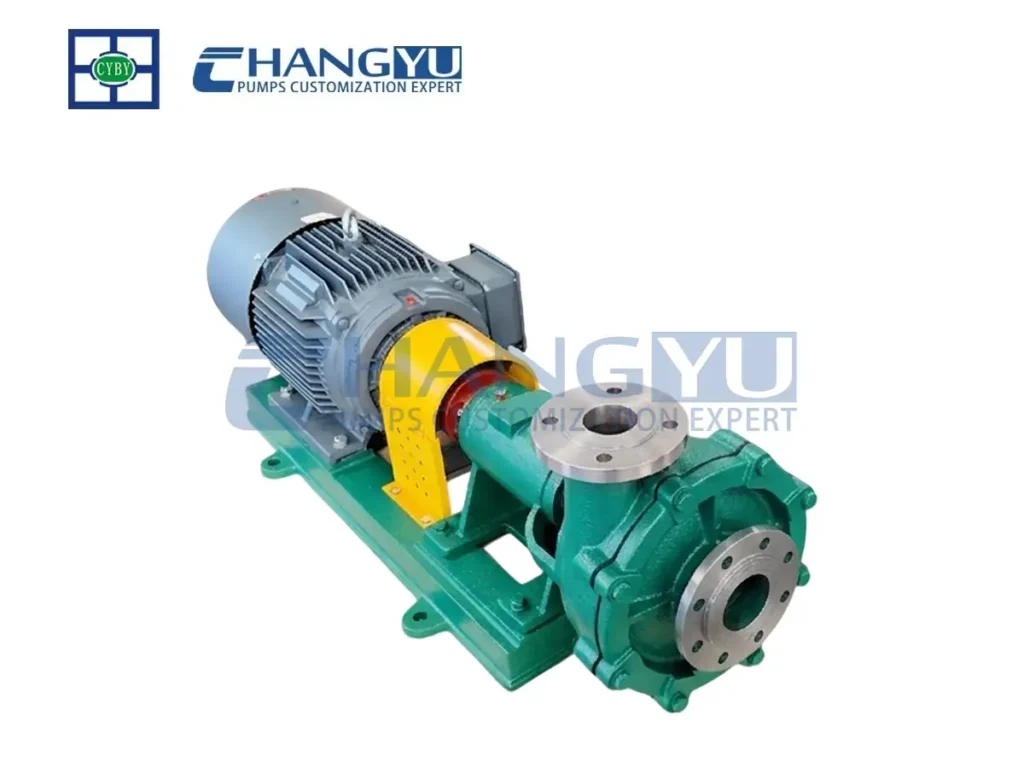
Abrasive Slurry Pump | HB Series Stainless Steel Slurry Pump Manufacturer
Acid Leaching Slurry Transfer
Handling Media:
Sulfuric-acid leach slurry / Dissolved metal salts / Fine black mass residue
Operating Challenges and Why We Recommend This Pump:
What problems occur: Acid leaching slurry combines sulfuric acid and dissolved metal salts with fine black mass residue. The liquid attacks unsuitable metals while the remaining particles wear the impeller and casing.
Why we recommend UHB: UHMW-PE is suitable for many compatible acid solutions, and the UHB slurry design can handle fine particles at the same time. This makes it a stronger starting choice than a clean-liquid pump for compatible leaching slurry up to 90°C.
What we need to check: Please provide the full acid concentration, additives, chlorides, solids and maximum temperature. pH alone is not enough to select a material, and any duty above 90°C needs a separate review.
Material-selection direction:
- UHB Series UHMW-PE Corrosion-Resistant Pump — for chemically compatible aqueous leaching slurry containing fine particles
- UHB Series Horizontal Chemical Slurry Pump — for leach slurry requiring corrosion and fine-particle wear resistance
Questions that change the selection:
- Complete chemistry and concentration of each reagent
- Oxidizers, chlorides and other process additives
- Solids, density and viscosity at operating temperature
- Required flow and total dynamic head
- Suction level, available NPSH and settling risk
- Seal materials, leakage control and flushing or cooling utilities
UHB Series UHMWPE Corrosion Resistant Pump
UHB Series Horizontal Chemical Slurry Pump
Washing and Solid-Liquid Separation
Handling Media:
Leaching residue slurry / Wash slurry / Filtrate / Metal-bearing mother liquor
Operating Challenges and Why We Recommend This Pump:
What problems occur: Slurry concentration changes during washing and separation. Fine residue can settle or block the pump, while clear filtrate and particle-containing slurry need different hydraulic designs.
Why we recommend UHB: For compatible wash slurry with fine solids, UHB provides corrosion and wear resistance in one pump. If the liquid is truly clear and free of solids, a CYF chemical centrifugal pump may be more efficient and easier to select.
For reliable operation: Tell us whether the stream is slurry or clear liquid, and give the highest concentration and viscosity. Add a drain or flushing connection where solids can settle, and never run the pump dry.
Choose by the stream leaving the separator:
- UHB Series — primary choice for compatible washing slurry containing fine solids
- CYF chemical centrifugal pump — conditional option for genuinely clear, chemically compatible liquid
Operating details that prevent settling:
- Minimum and maximum slurry concentration
- Viscosity through the washing and separation cycle
- Circulation and transfer flow range
- Static head and pipe losses
- Shutdown frequency, crystallization risk and flushing sequence
- Any entrained air, gas or unstable tank level
UHB Series UHMWPE Corrosion Resistant Pump
UHB Series Horizontal Chemical Slurry Pump

CYF Series Acid Transfer Chemical Centrifugal Pump
Filter Press Feed for Battery Recycling Slurry
Handling Media:
Black mass residue / Leaching residue / Precipitation slurry / Fine-solids filter feed
Operating Challenges and Why We Recommend This Pump:
What problems occur: A filter press starts with high flow and low pressure. As the filter cake builds, flow drops and pressure rises. A pump selected for only one point may overload, leak or fail to reach the final pressure.
Why we may recommend UHB or BFQ: UHB is considered for continuous transfer of compatible abrasive, corrosive filter-feed slurry when the whole press cycle remains inside its pump curve and pressure rating. BFQ is often the better option for intermittent feed, thicker slurry, changing flow and rising pressure because an air-operated double diaphragm pump is self-priming, can run dry and can be controlled through its air supply.
BFQ selection limits: The published BFQ Series range reaches up to 0.84 MPa working pressure and passes solids up to 9.4 mm, but these are series maximums—not a promise for every model or material. Changyu must confirm the selected pump size, pump-body material, diaphragm, valve ball and seat, particle passage, air pressure and air consumption against the actual slurry and final filter pressure.
What we need to check: Send the starting flow, final pressure, slurry density, viscosity, largest particle, cycle time and control method. For BFQ, also provide the available compressed-air pressure and capacity. We verify every wetted material and all equipment pressure ratings before recommending a model.
Pump options for the complete filter cycle:
- UHB Series — only when the full feed cycle remains within the selected pump curve and pressure rating
- BFQ Series Air-Operated Double Diaphragm Pump — alternative for intermittent, high-viscosity or changing-pressure filter feed after material, air-supply and pressure review
Data required for the whole filter cycle:
- Filter type, plate size, chamber volume and chamber quantity
- Initial feed flow and minimum end-of-cycle flow
- Normal and maximum feed pressure
- Solids, particle size, density and viscosity
- Cycle duration and cycles per day
- VFD, valve, bypass, pressure-feedback or compressed-air control
- For BFQ: available air pressure and capacity, pump-body and diaphragm materials, valve-ball and seat materials
- Suction level, pipe sizes and cleaning sequence
UHB Series UHMWPE Corrosion Resistant Pump
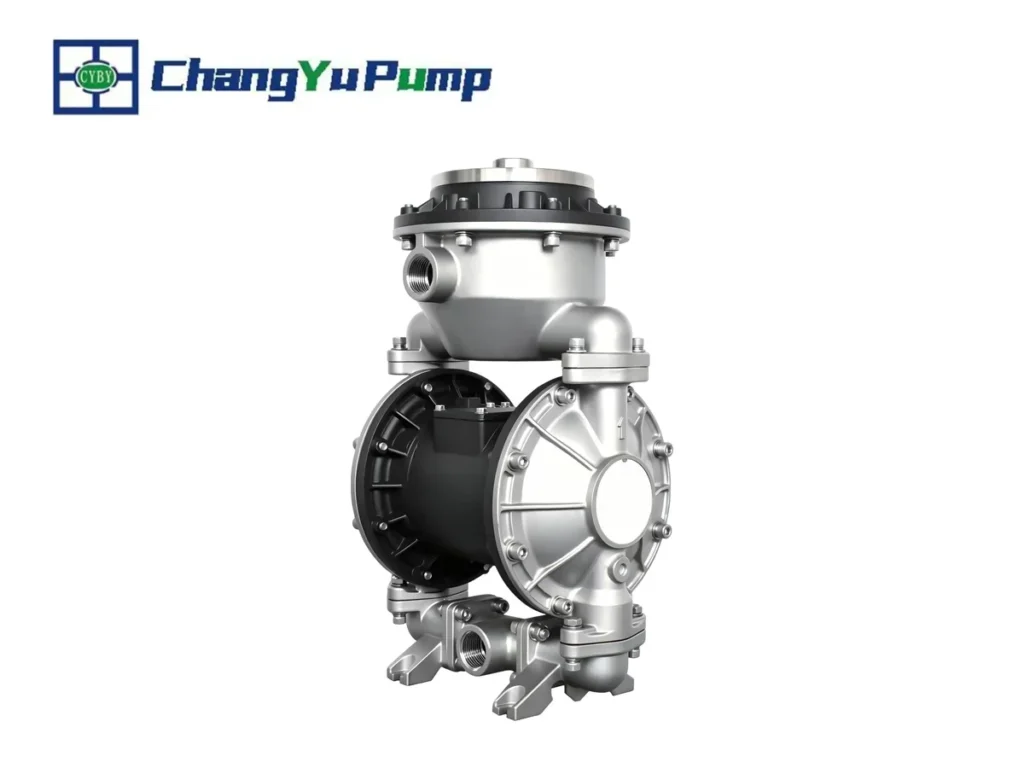
BFQ Series Air Operated Double Diaphragm Pump
Purification, Precipitation and Wastewater
Handling Media:
Metal-bearing mother liquor / Precipitation slurry / Neutralized wastewater / Clean utility water
Operating Challenges and Why We Recommend This Pump:
What problems occur: Purification and precipitation create fine crystals and metal-bearing solids. They can settle at low flow, build up around the impeller or seal and make the slurry thicker as the reaction continues. Wastewater chemistry also changes before and after neutralization.
Why we recommend different pumps: UHB is the main choice for compatible corrosive liquid with fine solids. HB is considered for neutralized abrasive slurry after the stainless-steel grade is checked. FY fits compatible sump service, while CYE is useful when near-neutral wastewater must be self-primed.
Keep clean-water duties separate: CYW is for clean cooling or wash water, and CDL is for higher-pressure clean-water boosting. Neither should handle black mass or precipitation slurry. Solvent-containing electrolyte needs a separate safety and material review.
Keep these duties separate:
Precipitation and wastewater review:
- Reaction stage and complete stream analysis
- Maximum temperature, oxidizers and contamination upset cases
- Solids content, crystal size and settling tendency
- Sump level and required suction lift
- Neutralization chemistry, crystallization and scaling risk
- Required flow, head and maximum pressure
- Selected lining, seal and stainless-grade compatibility
UHB Series UHMWPE Corrosion Resistant Pump
Abrasive Slurry Pump | HB Series Stainless Steel Slurry Pump Manufacturer
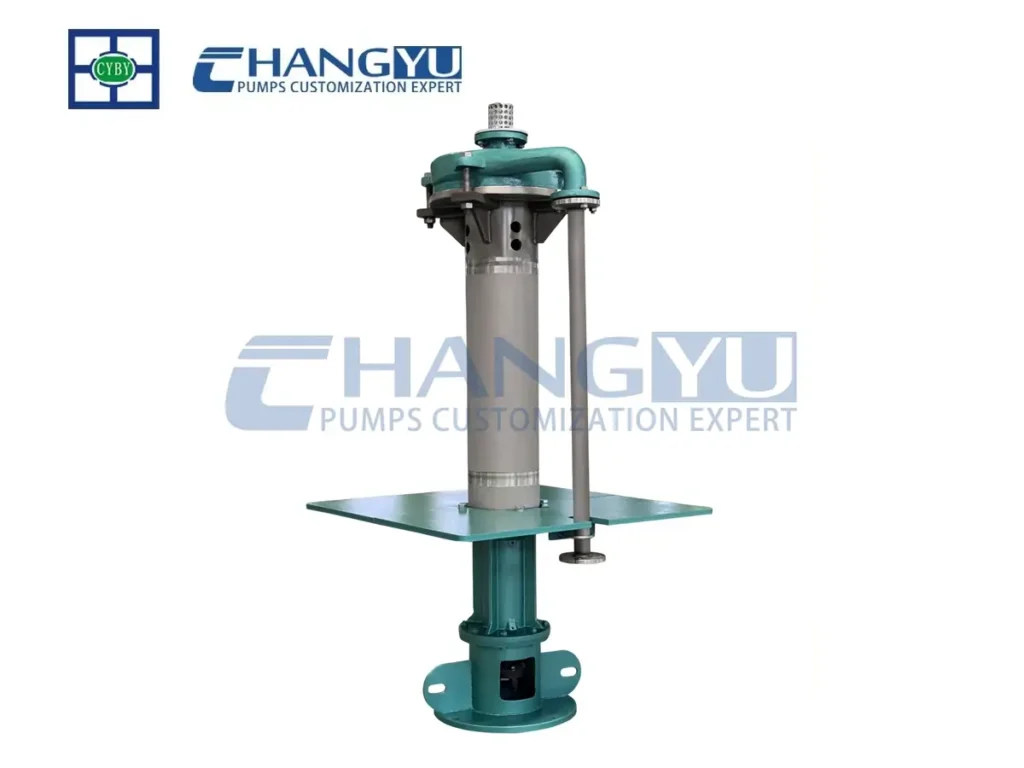
Vertical Submersible Pump – FY Series Stainless Steel
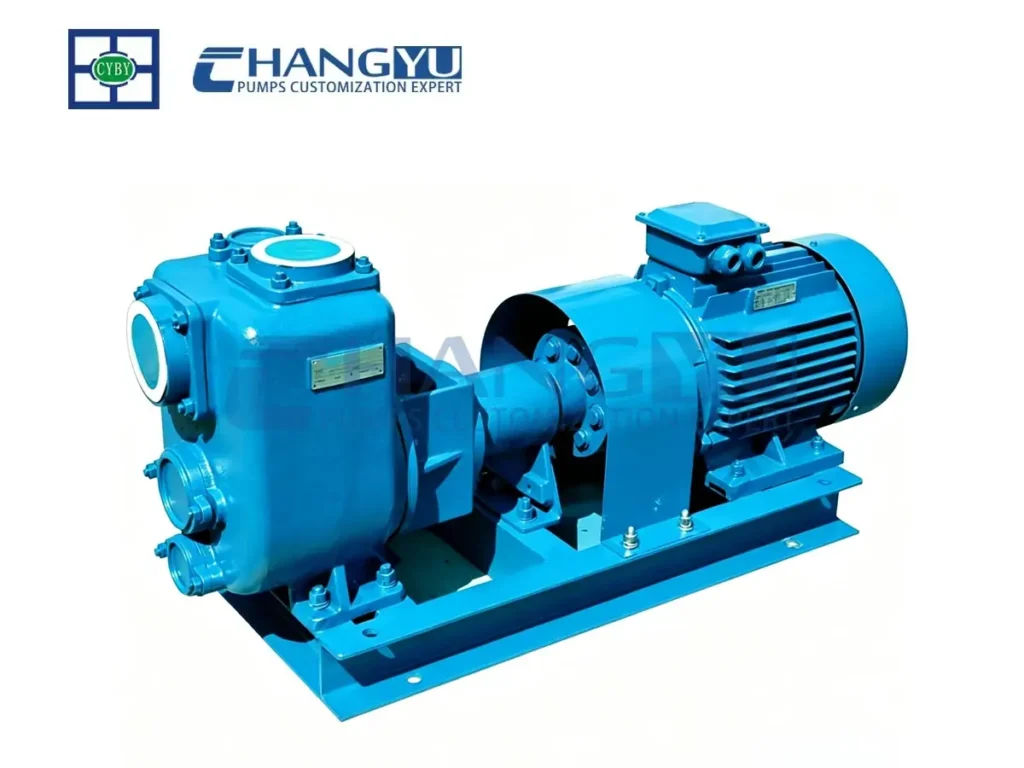
Self Priming Transfer Pump for Wastewater & Slurry | CYE Series
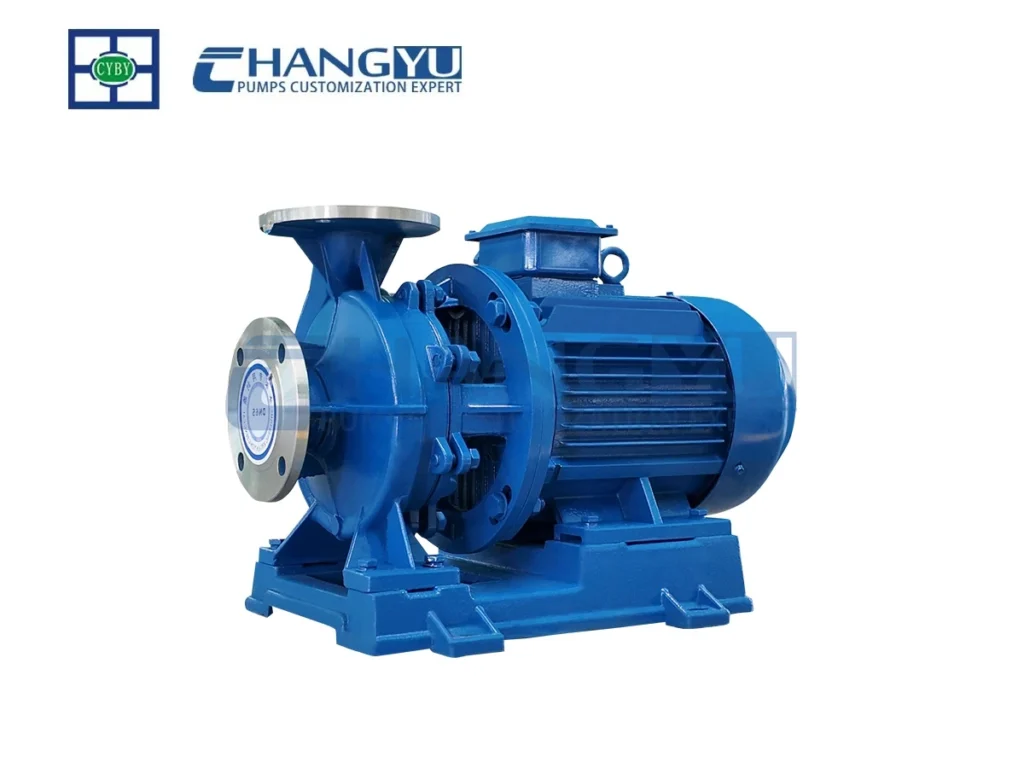
Horizontal Centrifugal Water Pump | CYW Series
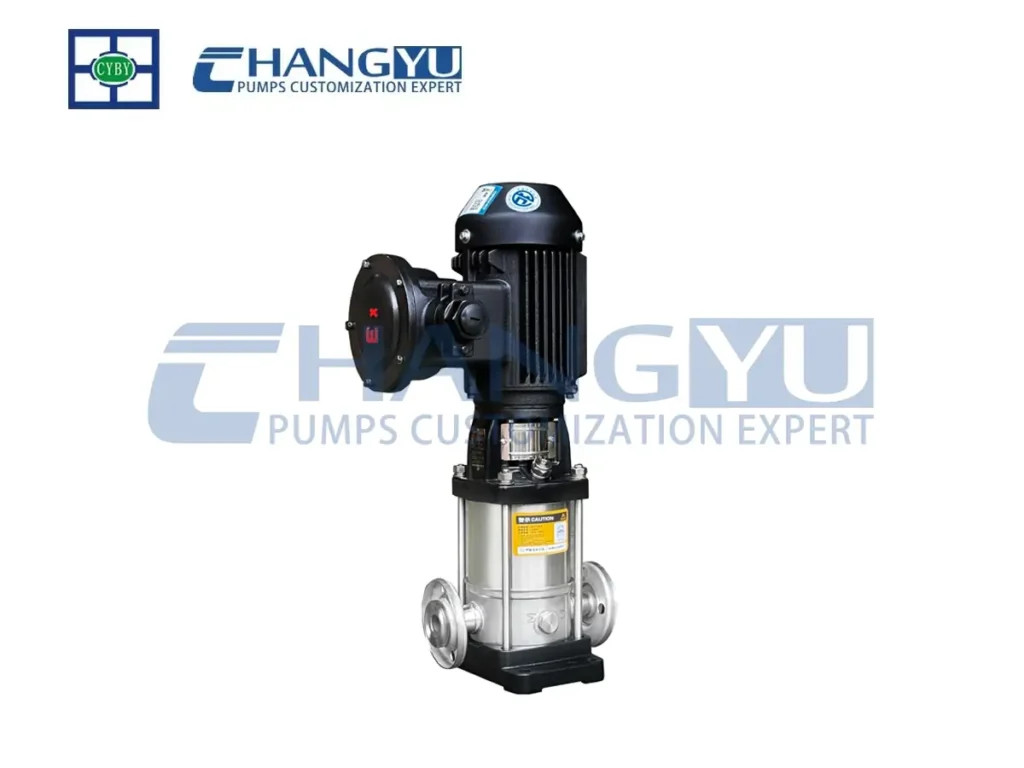
CDL Series Vertical Multistage Centrifugal Pump
Pump Selection by Recycling Process
| Process Application | Typical Medium and Risk | Recommended Changyu Pump |
|---|---|---|
| Black mass slurry | Fine graphite and metal-bearing particles; wear and settling | UHB within confirmed aqueous fine-particle slurry limits |
| Acid leaching slurry | Acid, dissolved metal salts and fine residue | UHB within confirmed chemistry and temperature limits; above 90°C requires reassessment |
| Washing and separation | Changing concentration, slurry or clear-liquid duty | UHB for compatible slurry; CYF only for confirmed clear corrosive liquid |
| Precipitation slurry | Fine precipitates or crystals; settling and blockage risk | UHB or another confirmed slurry construction after particle review |
| Filter-press feed | Falling flow, rising pressure, intermittent or high-viscosity slurry | BFQ for suitable intermittent or changing-pressure duty; UHB when the complete cycle fits its curve and pressure limits |
| Neutralized abrasive wastewater | Treatment solids, scaling and alloy-corrosion risk | HB only after chemistry and stainless-grade review |
| Sump or near-neutral wastewater | Variable liquid level and limited suspended solids | FY or stainless-steel CYE when compatible |
| Clean utility water | Solids-free water service | CYW; CDL when higher clean-water pressure is needed |
Process references: The recycling-route descriptions on this page are consistent with the US EPA overview of lithium-ion battery recycling and the European Commission JRC review of industrial recycling unit operations. These sources explain the process; they do not replace a Changyu material or hydraulic review for a specific plant.
PRODUCT
Recommended Pumps for Lithium Battery Recycling
Battery recycling uses different pumps at different wet-process stages. UHB is the main choice for continuous transfer of compatible corrosive slurry with fine solids. BFQ adds a seal-less, air-operated option for intermittent, viscous, particle-containing or changing-pressure duties such as selected filter-press feed. HB, FY, CYE and CYW remain conditional choices for neutralized slurry, sump transfer, self-priming wastewater or clean utility water.
UHB Series
Primary option for compatible black mass slurry, acid leaching, washing slurry, precipitation, conditional filter feed, and wastewater with fine solids.
HB Stainless-Steel Slurry Pump
Conditional option for neutralized abrasive residue after alloy compatibility is confirmed. Not the default for acid-leaching slurry.
BFQ Air-Operated Double Diaphragm Pump
For selected intermittent, high-viscosity, self-priming or changing-pressure slurry duties. Pump size, material, diaphragm, particle passage, and compressed-air supply must match the actual process.
FY Stainless-Steel Vertical Pump
For chemically compatible sumps and tanks where the hydraulic end should remain below liquid level.
CYE Self-Priming Pump
For near-neutral wastewater or dirty utility water requiring self-priming, with stainless steel specified where appropriate.
CYW Horizontal Water Pump
For clean cooling water and clean wash-water transfer only; not for black mass or precipitation slurry.
Why Choose Changyu for Lithium Battery Recycling?
Anhui Changyu Pump and Valve Manufacturing Co., Ltd. was established in 2006 and focuses on industrial pumps for corrosive, abrasive, and other demanding media. Changyu operates a 20,000 m² manufacturing facility and provides application-based selection for chemical processing and industrial water systems.
Changyu selects pumps based on the real operating problem—not the industry name alone. We match the medium, solids, flow, head, and suction conditions to the pump material, impeller, seal and motor, then record the design basis in the quotation for easy checking.
What to send with an enquiry
- Complete medium composition at normal and upset conditions
- Maximum concentration and temperature
- Solids percentage, particle size, hardness, density and viscosity
- Required flow, static lift, pipe losses and total dynamic head
- Suction-tank level, line arrangement and available NPSH
- Continuous or intermittent operation and starts per hour
- Seal materials, flushing or cooling plan
- Voltage, frequency, hazardous-area requirements and connection standards
FAQ
What type of pump is used for lithium battery recycling?
Hydrometallurgical recycling commonly requires corrosion-resistant slurry pumps for black mass, acid leaching, precipitation and filter-press feed, together with chemical pumps for solids-free corrosive liquids. Final selection depends on complete chemistry, temperature, particles, solids, viscosity, flow, head and suction data.
Can a UHB pump transfer black mass slurry?
A UHB pump can be considered for compatible aqueous black mass slurry containing fine particles when temperature, solids, particle size, density, viscosity and duty remain inside the selected model’s confirmed range.
Can UHB handle sulfuric-acid leaching slurry?
It can be evaluated only after sulfuric-acid concentration, complete solution chemistry, temperature, solids, oxidizers and chlorides are reviewed. The standard UHMW-PE UHB range is −20°C to 90°C; above 90°C a new material and pump assessment is required.
What is the UHB solids concentration boundary?
Up to 40% fine-particle solids is the normal reference. Applications from 40% to 45% need a separate review of particle size, density, viscosity, speed, suction conditions and duty point. Above 45%, do not specify a standard UHB without a new technical evaluation.
Can a UHB centrifugal pump feed a filter press?
Only when the complete filter cycle falls within the selected pump curve and pressure rating. Initial flow, final pressure, shut-off head, motor load, slurry density, casing pressure and control method must all be checked.
When is a BFQ diaphragm pump useful in lithium battery recycling?
A BFQ air-operated double diaphragm pump can suit intermittent transfer, high-viscosity slurry, self-priming service and selected filter-press feed. It can run dry and its output can be adjusted through the air supply. Final selection still requires liquid chemistry, temperature, solids, largest particle, required flow and pressure, pump-body and diaphragm materials, plus available compressed-air pressure and capacity.
Ready to optimize your Industry?