
Проблемы коррозии и кристаллизации в насосах для сульфата аммония
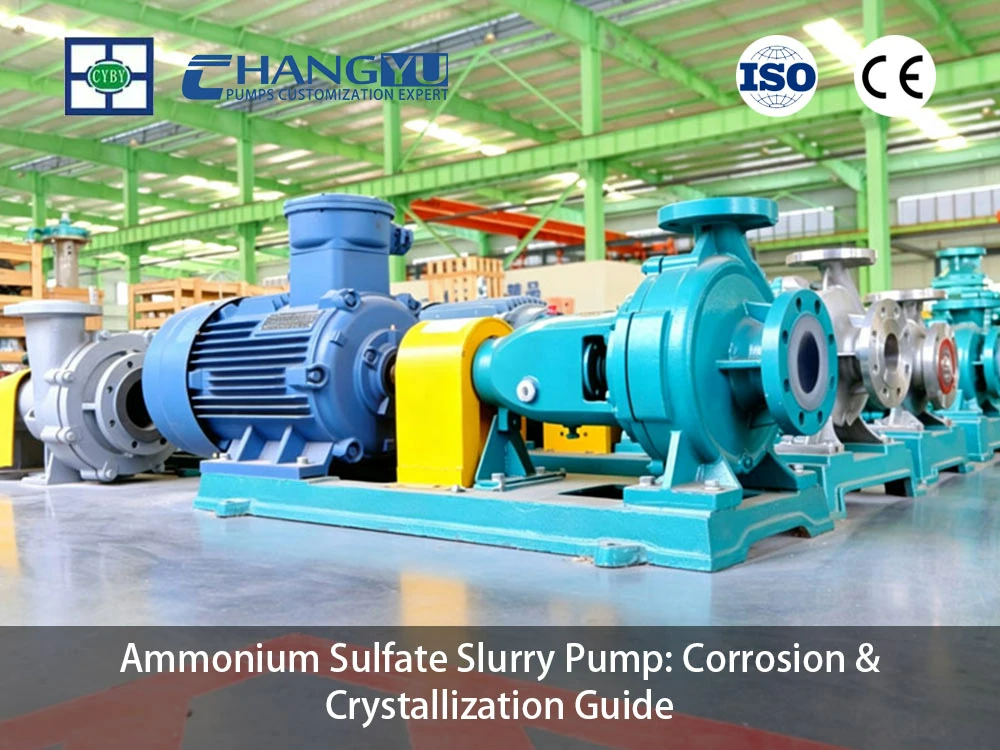
Суспензия сульфата аммония создает две различные, но взаимосвязанные проблемы для промышленного насосного оборудования: коррозия из кислой жидкой фазы, и кристаллизация из растворенных твердых частиц. Эти механизмы отказа часто действуют совместно — локальная коррозия может создавать шероховатые участки поверхности, которые ускоряют зарождение кристаллов, в то время как накопление кристаллов может удерживать коррозионную среду на поверхностях насоса, ускоряя деградацию материала.
Жидкая фаза суспензии сульфата аммония коррозионно-активна по двум причинам. Раствор сульфата аммония сам по себе имеет pH 5,0–6,0 при концентрации 1 М, что является умеренно кислой средой. Более значимым фактором является то, что процесс производства сульфата аммония обычно включает реакцию между аммиаком и серной кислотой, и остаточная серная кислота часто остается в суспензии. Эта остаточная кислота может значительно снижать pH, особенно в процессах, где соотношение кислоты и аммиака не контролируется идеально.
Твердая фаза создает риск кристаллизации. Сульфат аммония имеет кривую растворимости, которая значительно изменяется с температурой. Когда почти насыщенный раствор испытывает падение температуры внутри насоса, растворенная соль может быстро выпадать в осадок в виде кристаллов, что приводит к:
- Нарушение герметичности: Накоплению вокруг торцевых уплотнений, вызывающему утечку уплотнений
- Дисбалансу рабочего колеса: Отложению кристаллов на рабочем колесе, создающему вибрацию и ускоренный износ подшипников
- Ограничению потока: Накоплению в спиральном корпусе, ограничивающему поток и повышающему давление нагнетания
- Заклиниванию вращающегося узла: В тяжелых случаях — полной блокировке вращающегося узла
Отказы уплотнений, связанные с кристаллизацией, являются основной причиной внепланового технического обслуживания на предприятиях по переработке сульфата аммония, что делает надежность уплотнений ключевым фактором при выборе насоса для данного применения.
Механизмы коррозии в среде сульфата аммония
1 Коррозия под воздействием остаточной серной кислоты
Основной риск коррозии в насосах для суспензии сульфата аммония исходит от остаточной серной кислоты (H₂SO₄), которая остается непрореагировавшей в технологическом потоке. Коррозионная агрессивность зависит от концентрации кислоты и температуры:
- Разбавленная серная кислота (ниже 80%): Высококоррозионно-активна для большинства металлов. При повышенных температурах разбавленная H₂SO₄ воздействует на углеродистую сталь, нержавеющую сталь и даже некоторые никелевые сплавы. Это наиболее распространенный сценарий коррозии в процессах с сульфатом аммония.
- Концентрированная серная кислота (выше 80%): Менее коррозионно-активна для некоторых металлов, но более агрессивна для органических материалов. Требует тщательного выбора материалов.
- Промежуточные концентрации (20–80%): Наиболее агрессивный диапазон для коррозии серной кислотой, требующий полностью футерованной или неметаллической конструкции насоса.
2 Влияние pH и температуры
Скорость коррозии в среде сульфата аммония увеличивается с температурой. При технологических температурах выше 60°C даже слабокислые растворы могут вызывать измеримую коррозию металлических компонентов насоса. Именно поэтому футерованные насосы — где смачиваемые поверхности изолированы от металлической конструкции коррозионностойкой футеровкой — являются стандартным выбором для перекачивания суспензии сульфата аммония.
3 Характеристики материалов в коррозионных условиях
В насосах для суспензии сульфата аммония обычно используются три футеровочных материала, каждый с различным профилем коррозионной стойкости:
| Материал | Стойкость к серной кислоте | Диапазон температур | Устойчивость к истиранию |
|---|---|---|---|
| UHMWPE (серия UHB) | ≤80°C, 3% H₂SO₄ | -20°C до 90°C (стандарт), до 100–120°C (модифицированный) | >9x углеродистой стали |
| FEP (серия CYB-ZKJ) | ≤80°C, 3% H₂SO₄ | от -20°C до 120°C | Умеренный |
| PFA/PTFE (серия CYQ) | Все концентрации, включая 98% H₂SO₄ и олеум | от -20°C до 180°C | Умеренный |
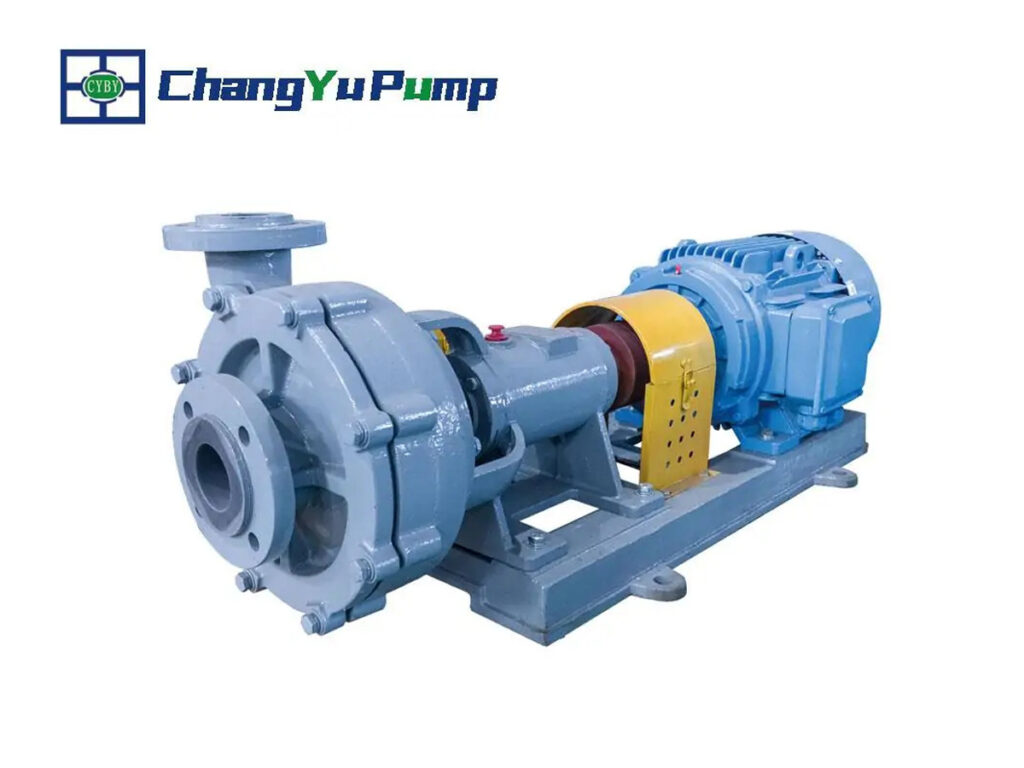
UHMWPE обеспечивает самую высокую стойкость к абразивному износу — более чем в девять раз выше износостойкости углеродистой стали в стандартных условиях испытаний — что делает его предпочтительным выбором, когда суспензия содержит высокие концентрации кристаллических твердых частиц. Серия UHB имеет стальную футерованную конструкцию с футеровкой из UHMW-PE толщиной 8–20 мм, обеспечивающую надежный барьер как против коррозионного воздействия, так и против абразивного износа.
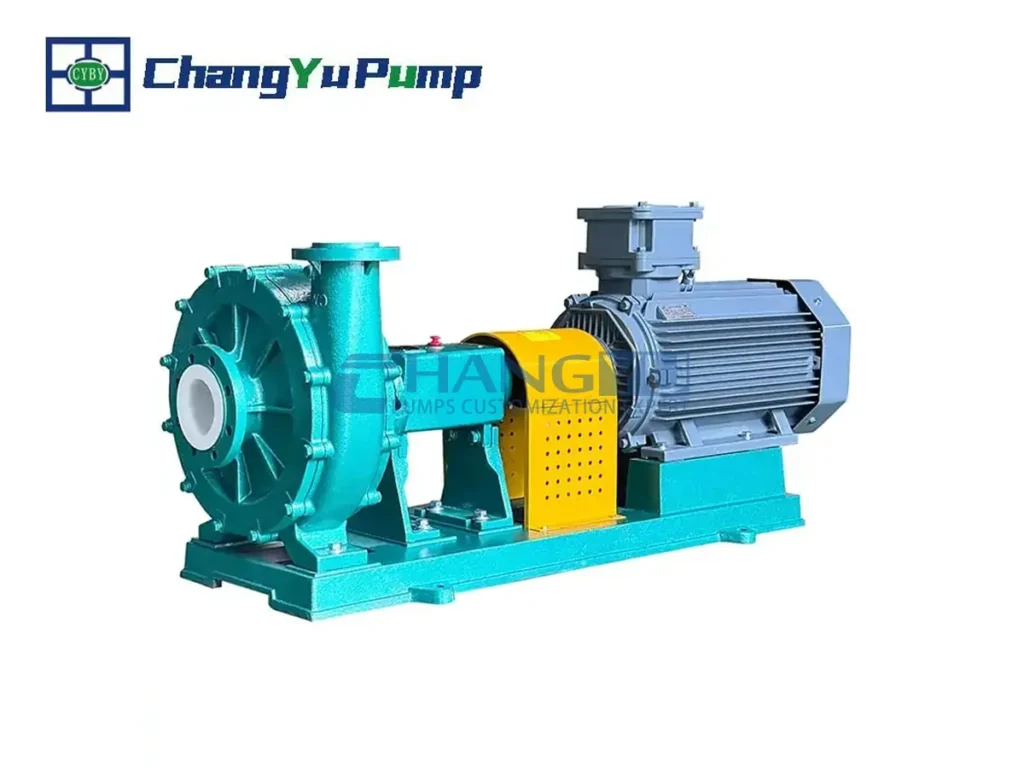
Фторопластовые футеровки (FEP, PFA, PTFE) обеспечивают более широкую химическую стойкость и более высокий температурный диапазон. Серия CYB-ZKJ использует футеровку из FEP с температурным диапазоном от -20°C до 120°C и выдерживает концентрации серной кислоты до 80%, в то время как серия CYQ с футеровкой из PFA/PTFE выдерживает полный диапазон концентраций, включая 98% концентрированной кислоты при температурах до 180°C.
Корневые причины образования кристаллов в уплотнениях и рабочих колесах насосов
1 Характеристики растворимости сульфата аммония
Сульфат аммония демонстрирует кривую растворимости, которая значительно изменяется с температурой. Согласно стандартным данным по растворимости (Справочник химика Перри), растворимость (NH₄)₂SO₄ в воде составляет приблизительно:
| Температура (°C) | Растворимость (г/100 г H₂O) | Изменение от 20°C |
|---|---|---|
| 20°C | 75.4 | — |
| 30°C 30°C | 78.0 | +3.4% |
| 40°C | 81.8 | +8.5% |
| 50 °C | 84.8 | +12.5% |
| 60°C | 88.0 | +16.7% |
| 70°C | 91.7 | +21.6% |
| 80°C | 95.3 | +26.4% |
| 90°C | 99.2 | +31.6% |
| 100°C | 103.3 | +37.0% |
Разница в растворимости между 30°C и 80°C составляет приблизительно 17,3 г/100 г H₂O — изменение примерно на 22%. Когда насыщенный или почти насыщенный раствор сульфата аммония испытывает падение температуры на 15–20°C через насос, раствор может перейти в пересыщенное состояние, вызывая быстрое зарождение кристаллов на внутренних поверхностях насоса.
2 Температурные градиенты в камере уплотнения
Камера уплотнения требует особого внимания. Механическое уплотнение генерирует локальное тепло на скользящих поверхностях, но область корпуса уплотнения — особенно вблизи атмосферной стороны — может испытывать локальное охлаждение из-за рассеивания тепла через корпус и окружающие трубопроводы. Этот тепловой градиент создает условия, при которых кристаллы сульфата аммония преимущественно зарождаются и растут вокруг поверхностей уплотнения, в конечном итоге раздвигая поверхности и вызывая утечку.
3 Шероховатость поверхности и центры зарождения кристаллов
Зарождение кристаллов термодинамически благоприятно на шероховатых поверхностях. Внутренние поверхности насоса, которые были огрублены коррозией или механическим износом, предоставляют преимущественные центры зарождения для кристаллов сульфата аммония. Это создает самоподдерживающийся цикл: коррозия создает шероховатость, шероховатость способствует зарождению кристаллов, а рост кристаллов удерживает коррозионную среду на поверхности, ускоряя дальнейшую коррозию.
Инженерные решения для контроля коррозии и кристаллизации
1 Контроль температуры в камере уплотнения для предотвращения кристаллизации
Поддержание температуры выше точки насыщения по всей длине насоса является основной стратегией предотвращения кристаллизации.
Внешняя промывка (план API 32): Чистая внешняя промывка подает небольшой поток чистой жидкости — обычно воды или разбавленного раствора сульфата аммония — в камеру уплотнения. Это разбавляет локальную концентрацию и повышает температуру, снижая риск зарождения кристаллов на торцах уплотнения. Серия CYB-ZKJ разработана для установки механических уплотнений с протоколами промывки по API 682, обеспечивая стандартизированный интерфейс для реализации планов промывки. API 682 является отраслевым стандартом для систем механических уплотнений в центробежных и роторных насосах, а план 32 — одна из признанных конфигураций для применений, склонных к кристаллизации.
Паровой или водяной обогрев рубашки: Для процессов, где разбавление недопустимо, корпус уплотнения может быть оснащен паровой или водяной рубашкой. Это поддерживает внутреннюю температуру выше точки насыщения без изменения химического состава процесса. Для насосов с футеровкой из FEP, таких как серия CYB-ZKJ, диапазон температур от -20°C до 120°C обеспечивает достаточный запас для работы рубашки.
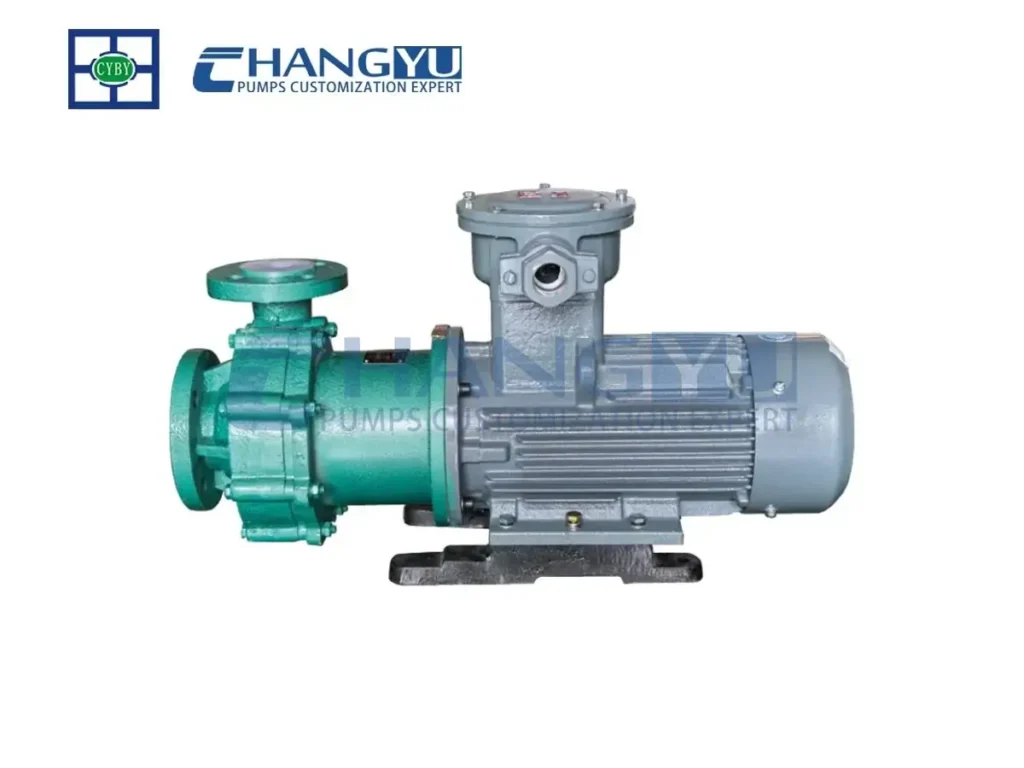
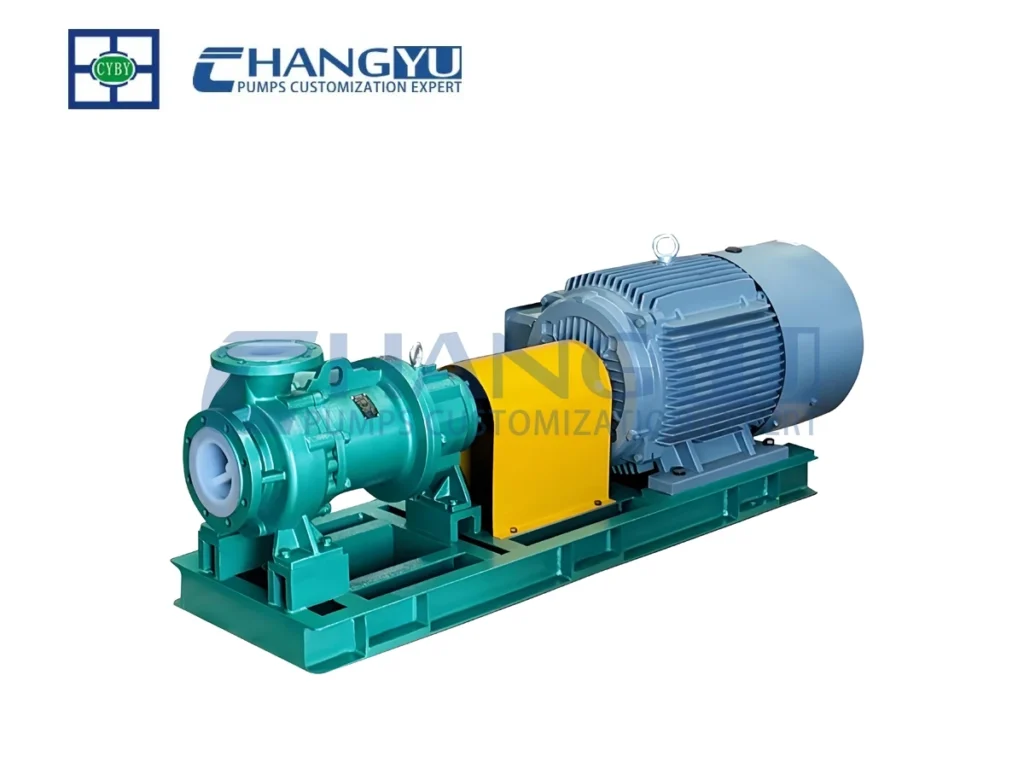
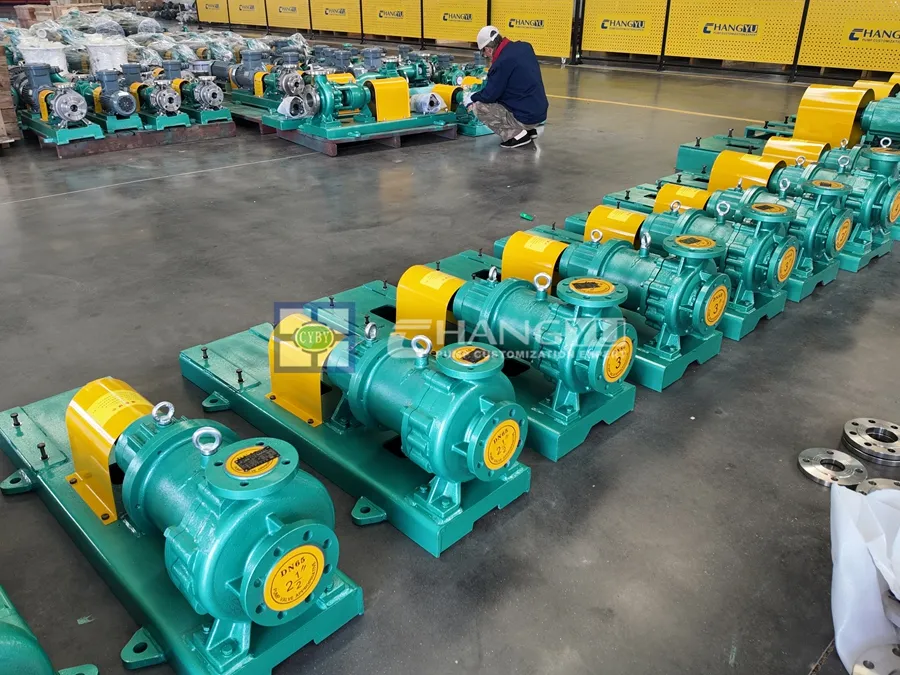
Альтернатива с магнитной муфтой: Для применений, где техническое обслуживание механического уплотнения является регулярной статьей расходов, бессальниковый насос с магнитной муфтой полностью исключает динамическое уплотнение. Насос с магнитной муфтой серии CYQ использует герметичный кожух и магнитную муфту для передачи крутящего момента без прохода вала, устраняя основную точку отказа при кристаллизации. Серия CYQ работает при температурах от -20°C до 180°C с футеровкой из FEP, PFA или PTFE и спроектирована в соответствии со стандартами бессальниковых насосов ASME B73.3. Данная конфигурация подходит для процессов с сульфатом аммония, где температура раствора превышает 100°C или присутствует концентрированная серная кислота (до 98%).
2 Конструкция рабочего колеса для сред с кристаллическими включениями
Геометрия рабочего колеса напрямую влияет на то, как накапливаются кристаллы и могут ли они быть вымыты во время работы.
Полуоткрытое рабочее колесо: Серия UHB использует полуоткрытое рабочее колесо с увеличенным проходным сечением (без переднего диска), которое расширяет путь потока и повышает способность насоса работать со средами, содержащими твердые частицы. Конструкция включает задние лопатки, снижающие давление в камере уплотнения, что продлевает срок службы насоса. Открытые каналы потока уменьшают площадь поверхности, на которой кристаллы могут закрепляться, и позволяют легче вымывать любые отложения.
Закрытое рабочее колесо: Для более высоких требований по напору закрытое рабочее колесо обеспечивает лучшую гидравлическую эффективность. Серия CYQ использует закрытое рабочее колесо, все проточные части которого изготовлены из фторопласта, что подходит для агрессивных химических сред. Внутренние каналы могут быть выполнены с более гладкой поверхностью для уменьшения мест адгезии кристаллов.
Управление зазорами: Поддержание достаточного зазора между рабочим колесом и корпусом является стандартным требованием в процессе инженерного выбора коррозионностойких насосов для работы с кристаллизующимися средами. Более широкий зазор позволяет кристаллическим отложениям проходить без заклинивания вращающегося узла. Инженерная группа Changyu Pump оценивает распределение размеров кристаллов и ожидаемую скорость накопления для определения соответствующего зазора для каждого применения.
3 Выбор коррозионностойких материалов
Материал футеровки проточных частей насоса является основной защитой от коррозии, а также влияет на адгезию кристаллов.
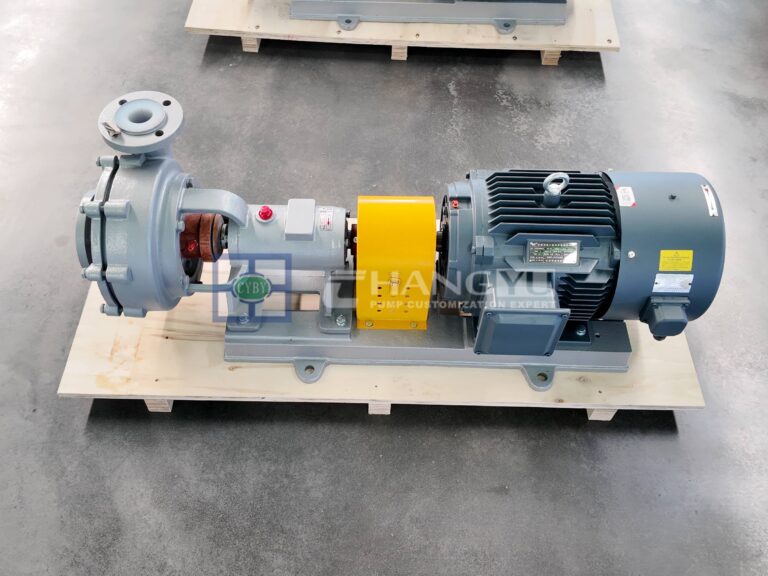
UHMWPE (серия UHB): Сверхвысокомолекулярный полиэтилен (UHMW-PE) обладает низким коэффициентом трения, высокой стойкостью к истиранию — более чем в девять раз превышающей износостойкость углеродистой стали в стандартных условиях испытаний — и устойчивостью к серной кислоте концентрацией до 80%. Серия UHB имеет стальную конструкцию с футеровкой из UHMW-PE толщиной 8–20 мм, обеспечивающую надежный барьер против коррозионного воздействия. Стандартный диапазон температур составляет от -20°C до 90°C, а модифицированные материалы расширяют диапазон до 100–120°C для конкретных применений. Данная серия обеспечивает подачу от 3 до 2600 м³/ч с напором до 100 м.
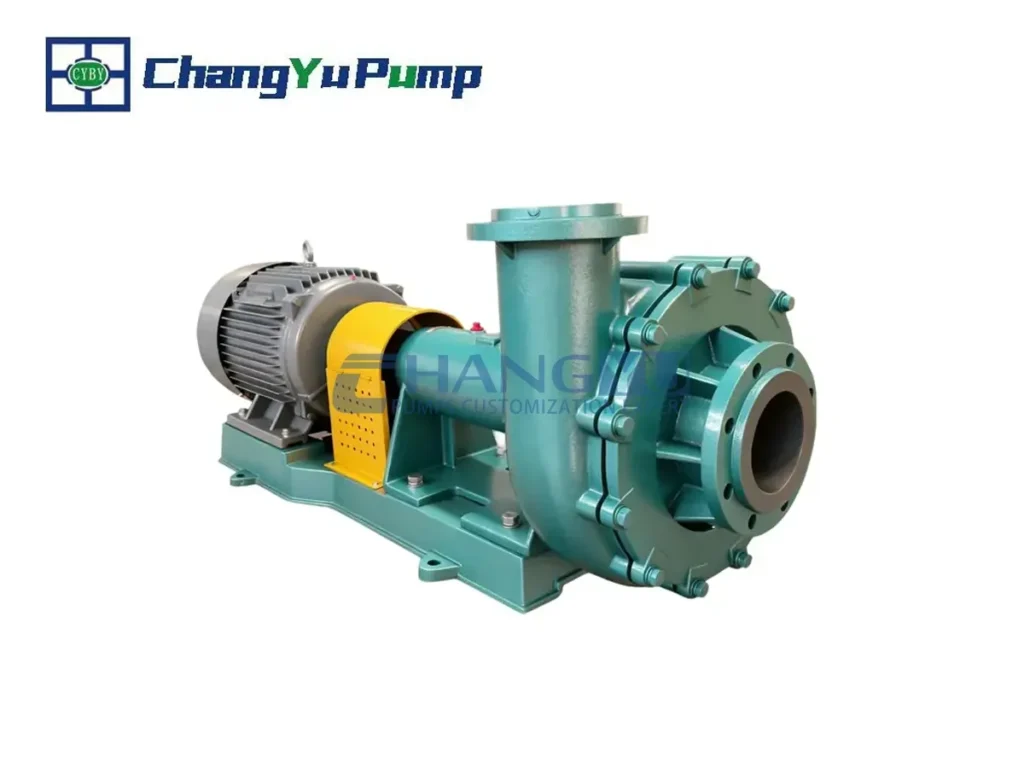
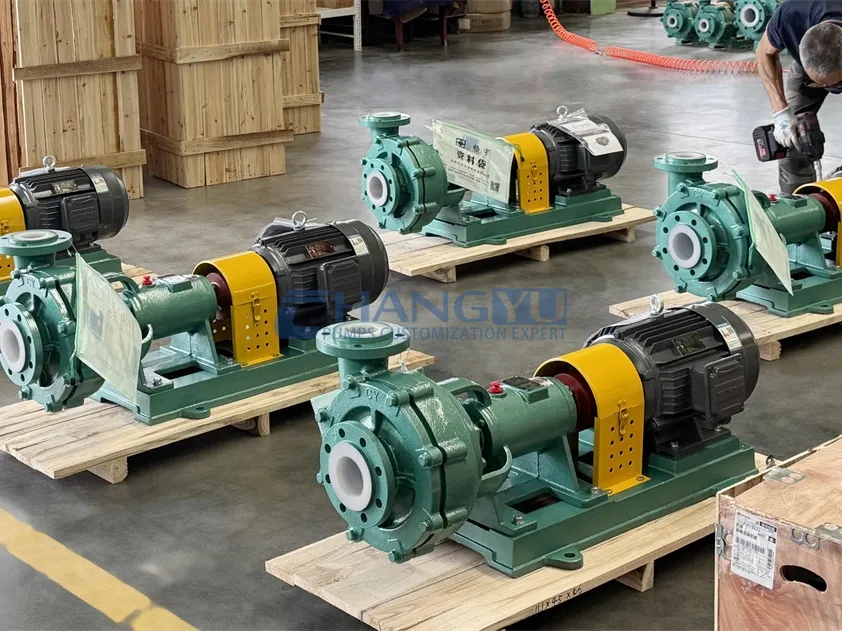
Футеровка из FEP (серия CYB-ZKJ): FEP (фторированный этилен-пропилен) обеспечивает гладкую непористую поверхность, устойчивую как к химическому воздействию, так и к адгезии кристаллов. Серия CYB-ZKJ использует футеровку из FEP спеченной конструкции толщиной 8–20 мм, диапазон температур от -20°C до 120°C и выдерживает концентрацию серной кислоты до 80%. Для более высоких температур доступна футеровка из PFA. Двухторцевое механическое уплотнение поддерживает промывку по API 682, а полуоткрытое рабочее колесо обрабатывает суспензии с содержанием гибких твердых частиц до 20%.
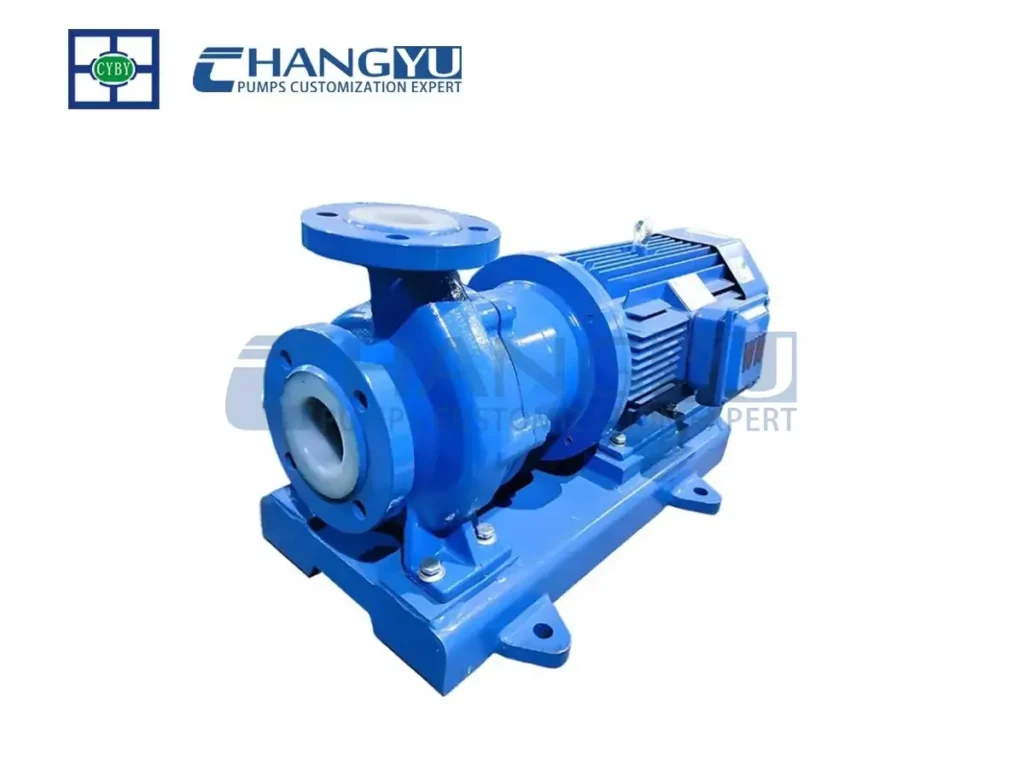
Футеровка из PFA/PTFE (серия CYQ): Для применений, требующих максимальной химической стойкости и наиболее высоких температур, серия CYQ с магнитной муфтой использует футеровку из FEP, PFA или PTFE (8–15 мм) с диапазоном температур от -20°C до 180°C. Данная серия совместима с полным диапазоном концентраций серной кислоты, включая концентрированную кислоту 98% и олеум, что делает ее пригодной для процессов с высокой или переменной остаточной концентрацией кислоты.
Рекомендации по монтажу для предотвращения кристаллизации
1 Компоновка трубопроводов
Правильная компоновка трубопроводов имеет решающее значение для предотвращения накопления кристаллов:
- Всасывающий трубопровод: Держите всасывающие линии как можно более короткими и прямыми. Исключите верхние точки, где могут образовываться паровые карманы, так как паровые карманы вызывают локальное охлаждение и способствуют кристаллизации.
- Вертикальный всасывающий подъем: Избегайте конфигураций с вертикальным всасывающим подъемом. Всегда проектируйте с заливным всасыванием (положительным подпором на всасывании) для поддержания стабильного потока и температуры.
- Дренажные клапаны: Устанавливайте дренажные клапаны в нижних точках трубопроводной системы для обеспечения полной промывки между циклами работы.
2 Настройка системы промывки
При использовании внешней промывки по плану API 32:
- Температура промывочной жидкости: Промывочная жидкость должна быть как минимум на 10–15°C выше температуры насыщения раствора сульфата аммония при давлении в камере уплотнения.
- Скорость потока: Типичные расходы промывочной жидкости составляют 2–5 л/мин в зависимости от размера уплотнения и условий эксплуатации. Для получения конкретных рекомендаций обратитесь к производителю насоса.
- Непрерывная работа: Система промывки должна работать непрерывно во время работы насоса. Прерывистая промывка может вызвать термический удар и ускорить износ торцевых поверхностей уплотнения.
3 Процедуры запуска и остановки
- Предварительная промывка перед запуском: Перед запуском насоса промойте уплотнительную камеру теплой водой или разбавленным раствором сульфата аммония в течение 2–3 минут для удаления накопившихся кристаллов.
- Период прогрева: Для насосов с паровой рубашкой активируйте рубашку за 15–20 минут до запуска, чтобы поднять температуру уплотнительной камеры выше точки насыщения.
- Промывка при остановке: После остановки насоса продолжайте промывку в течение 3–5 минут для удаления остатков сульфата аммония из уплотнительной камеры.
- Резервные насосы: Для резервных насосов, работающих в среде с кристаллизацией, рассмотрите возможность установки небольшой рециркуляционной линии для поддержания слабого потока и предотвращения оседания кристаллов.
Руководство по техническому обслуживанию и устранению неисправностей
6.1 Общие виды отказов
| Симптом | Вероятная причина | Рекомендуемое действие |
|---|---|---|
| Увеличение утечки через уплотнение | Отложение кристаллов на торцевых поверхностях уплотнения | Промыть уплотнительную камеру теплой водой; проверить параметры плана промывки |
| Вибрация при работе | Кристаллические отложения на рабочем колесе, вызывающие дисбаланс | Разобрать и очистить рабочее колесо; проверить на эрозионные повреждения |
| Колебания тока двигателя | Частичная закупорка спирального корпуса | Промывочная система; проверить на наличие кристаллических отложений в корпусе |
| Внезапное заклинивание вала | Быстрая кристаллизация в уплотнительной камере | Подать пар или горячую воду на корпус уплотнения; при необходимости разобрать |
| Чрезмерный износ торцевых поверхностей уплотнения | Частицы кристаллов, внедренные в торцевые поверхности уплотнения | Перейти на более твердые материалы торцевых поверхностей (SiC вместо углерода); проверить размер ячеек фильтра промывочной системы |
2 Рекомендуемые интервалы осмотра
| Объект осмотра | Частота | Ключевые контрольные точки |
|---|---|---|
| Температура уплотнительной камеры | Ежедневно | Сравнить с температурой насыщения раствора |
| Расход промывочной системы | Ежедневно | Проверить показания расходомера; проверить на закупорки |
| Мониторинг вибрации | Еженедельник | Отслеживать базовые значения и динамику; расследовать изменения >20% |
| Наблюдение за утечками уплотнения | Еженедельник | Фиксировать частоту капель; расследовать любое увеличение |
| Визуальный осмотр рабочего колеса | Ежеквартально | Проверить на кристаллические отложения, эрозию и коррозию |
| Измерение толщины футеровки | Ежегодно | Проверить целостность футеровки; заменить при толщине <50% от исходной |
3 Поиск неисправностей: Контрольный список по кристаллизации
При подозрении на кристаллизацию следуйте этому контрольному списку по порядку:
- Проверить температурный профиль: Измерить температуру на всасывании, нагнетании и в уплотнительной камере. Сравнить с температурой насыщения при соответствующем давлении.
- Проверить промывочную систему: Подтвердить расход, температуру и состав промывочной жидкости. Проверить на закупорки в промывочной линии.
- Осмотреть охлаждающую рубашку: При наличии проверить подачу пара или горячей воды в рубашку.
- Проанализировать рабочий цикл: Был ли насос в простое более 30 минут без промывки? Были ли недавние изменения температуры или концентрации процесса?
- Осмотреть трубопровод: Есть ли неизолированные участки трубопровода вблизи насоса, которые могут вызвать локальное охлаждение?
Руководство по выбору насоса для сульфата аммония по условиям эксплуатации
| Рабочее состояние | Риск коррозии | Риск кристаллизации | Рекомендуемые серии насосов | Ключевые параметры |
|---|---|---|---|---|
| Периодическая работа партиями, температура ниже 50°C | Низкий–умеренный | Высокий | CYB-ZKJ | Расход 3–2600 м³/ч, напор ≤80 м, футеровка FEP, уплотнение по API 682, внешний план промывки |
| Непрерывная работа, температура >60°C, высокая кристаллическая нагрузка | Умеренный | Высокий | Серия UHB | Расход 3–2600 м³/ч, напор 5–100 м, температура от -20°C до 90°C, футеровка UHMWPE, износостойкость >9x по сравнению с углеродистой сталью |
| Повторяющиеся отказы уплотнения, требуется нулевая утечка | Умеренный–высокий | Высокий | Серия CYQ | Расход 3–800 м³/ч, напор 15–125 м, температура от -20°C до 180°C, герметичный магнитный привод, ASME B73.3 |
| Высокая температура (>100°C) с остаточной H₂SO₄ | Высокий | Умеренный | Серия CYQ | Футеровка PFA/PTFE, выдерживает 98% H₂SO₄ и олеум |
| Высокий расход (>800 м³/ч) с кристаллическими частицами | Умеренный | Высокий | CYB-ZKJ | Расход до 2600 м³/ч, футеровка FEP, ≤80% H₂SO₄, полуоткрытое рабочее колесо |
| Абразивная пульпа с высоким содержанием твердых частиц | Низкий–умеренный | Умеренный | Серия UHB | Футеровка UHMWPE 8–20 мм, K-образное динамическое уплотнение с охлаждающей рубашкой |
Часто задаваемые вопросы
Вопрос 1: Что вызывает кристаллизацию сульфата аммония в шламовых насосах?
Ответ: Основная причина — перепад температуры на 15–20°C или более по насосу, который переводит почти насыщенный раствор сульфата аммония в состояние пересыщения. Камера уплотнения особенно уязвима, поскольку в ней может возникать локальное охлаждение из-за рассеивания тепла через корпус.
Вопрос 2: Какой материал лучше всего подходит для коррозионной стойкости в среде сульфата аммония?
Ответ: Для остаточной серной кислоты до 80% подходят UHMWPE (серия UHB) и FEP (серия CYB-ZKJ). Для процессов с концентрированной кислотой выше 80% или температурами выше 120°C рекомендуется футеровка PFA или PTFE (серия CYQ). Выбор зависит от конкретной концентрации кислоты, температуры и уровня абразивного износа.
Вопрос 3: Может ли насос с магнитным приводом работать с пульпой сульфата аммония, содержащей кристаллы?
Ответ: Да. Насос с магнитным приводом серии CYQ с фторопластовой футеровкой и герметичным защитным кожухом подходит для пульпы сульфата аммония. Отсутствие динамического механического уплотнения устраняет основную точку отказа при утечках, вызванных кристаллизацией. Диапазон температур от -20°C до 180°C охватывает большинство технологических условий.
Вопрос 4: Какая схема промывки уплотнения рекомендуется для среды сульфата аммония?
Ответ: План API 32 (чистая внешняя промывка) является распространенным выбором. Он подает небольшой поток чистой жидкости в камеру уплотнения для разбавления локальной концентрации и повышения температуры. Серия CYB-ZKJ поддерживает протоколы промывки API 682, которые обеспечивают стандартизированные интерфейсы для реализации планов промывки.
Вопрос 5: Как UHMWPE сравнивается с футеровкой FEP при работе с сульфатом аммония?
Ответ: UHMWPE (серия UHB) обеспечивает более высокую абразивную стойкость — более чем в девять раз выше, чем у углеродистой стали — и более низкий коэффициент трения, что делает его оптимальным выбором для пульп с высоким содержанием кристаллов. FEP (серия CYB-ZKJ) обеспечивает более широкий диапазон температур (от -20°C до 120°C) и устойчивость к более высоким концентрациям серной кислоты (до 80%). Выбор зависит от того, что является основным фактором: абразивный износ или температура/концентрация кислоты.
Вопрос 6: Какая информация необходима для выбора правильного насоса для пульпы сульфата аммония?
Ответ: Инженерной команде требуются следующие параметры: расход, напор, удельный вес, температурный профиль (на входе, на выходе и в камере уплотнения), размер и концентрация кристаллов, содержание и концентрация остаточной кислоты, а также режим работы (непрерывный или периодический).
Вопрос 7: Как часто следует проверять насос на наличие кристаллических отложений?
Ответ: Температуру камеры уплотнения и расход системы промывки следует проверять ежедневно. Контроль вибрации и наблюдение за утечками уплотнения следует проводить еженедельно. Визуальный осмотр рабочего колеса рекомендуется проводить ежеквартально.
Вопрос 8: В чем разница между насосами серий UHB, CYB-ZKJ и CYQ?
Ответ: Серия UHB использует футеровку UHMWPE для максимальной абразивной стойкости; серия CYB-ZKJ использует футеровку FEP для более высокой термостойкости и оснащена двухторцевыми механическими уплотнениями API 682; серия CYQ — это герметичный насос с магнитным приводом для применений с нулевой утечкой, с футеровкой PFA/PTFE для максимальной химической стойкости.
Экспертная инженерная поддержка для применений насосов для сульфата аммония
Выбор правильной конфигурации насоса для пульпы сульфата аммония требует оценки множества технологических параметров, которые взаимодействуют друг с другом. Ключевые переменные включают:
- Температурный профиль по насосу (на входе, на выходе и в камере уплотнения)
- Размер и концентрация кристаллов в пульпе
- Содержание остаточной кислоты и его влияние на совместимость материалов
- Режим работы (непрерывный или периодический, с резервом или без)
- Расход и требования по напору для процесса
О компании Changyu Pump: Anhui Changyu Pump and Valve Manufacturing Co., Ltd. производит коррозионностойкие и абразивостойкие насосы с 2006 года, располагая производственным объектом площадью 20 000 м² и годовым объемом выпуска более 20 000 единиц, поставляемых на рынки Европы, Африки и Центральной Азии. Компания имеет сертификаты ISO 9001, CE и ATEX, а также более 30 технических патентов в области технологии стальной футеровки UHMW-PE.
Инженерная команда предоставляет индивидуальные технические консультации и может подготовить индивидуальное насосное решение с коммерческим предложением в течение 24 часов. Для детальной оценки вашего применения пульпы сульфата аммония свяжитесь с инженерной командой, предоставив следующую информацию:
- Электронная почта: [email protected]
- WhatsApp / Тел / WeChat: +86-13651913727
- Требуемая информация: расход, напор, удельный вес, температура, содержание кристаллов и концентрация кислоты