
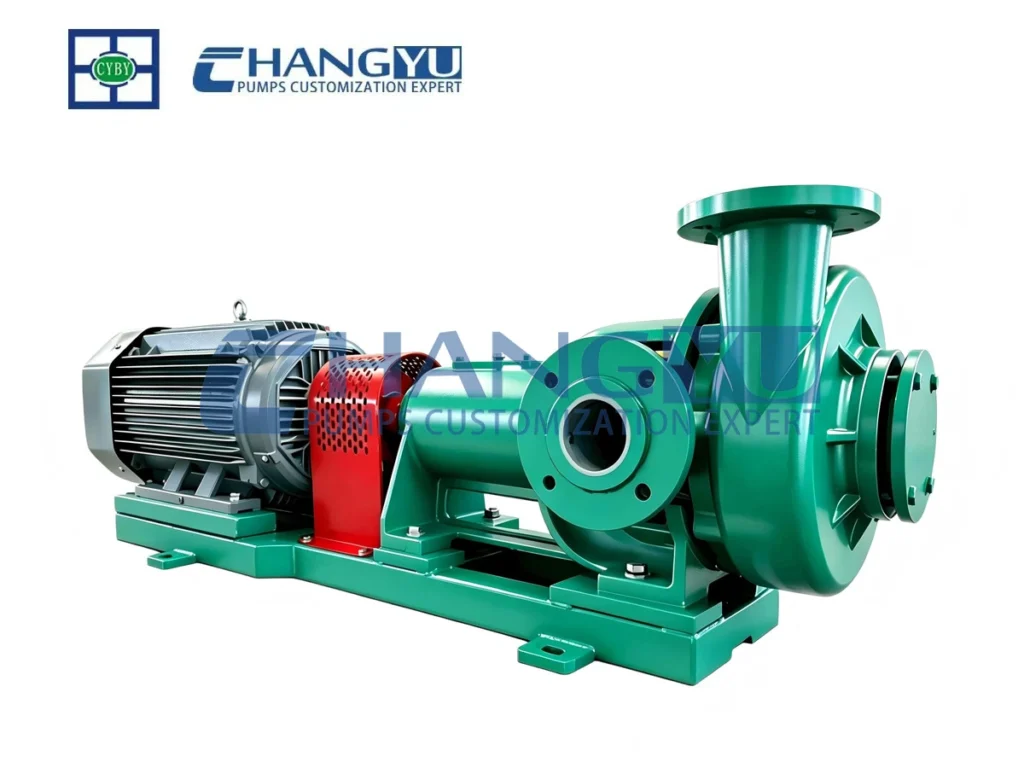
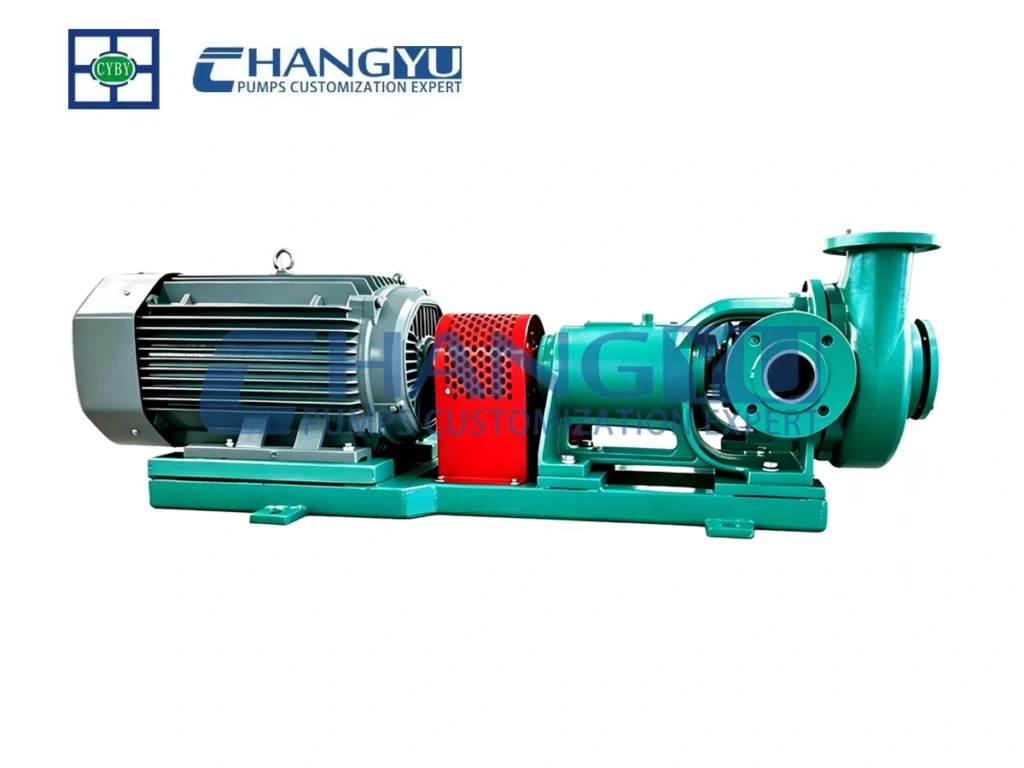
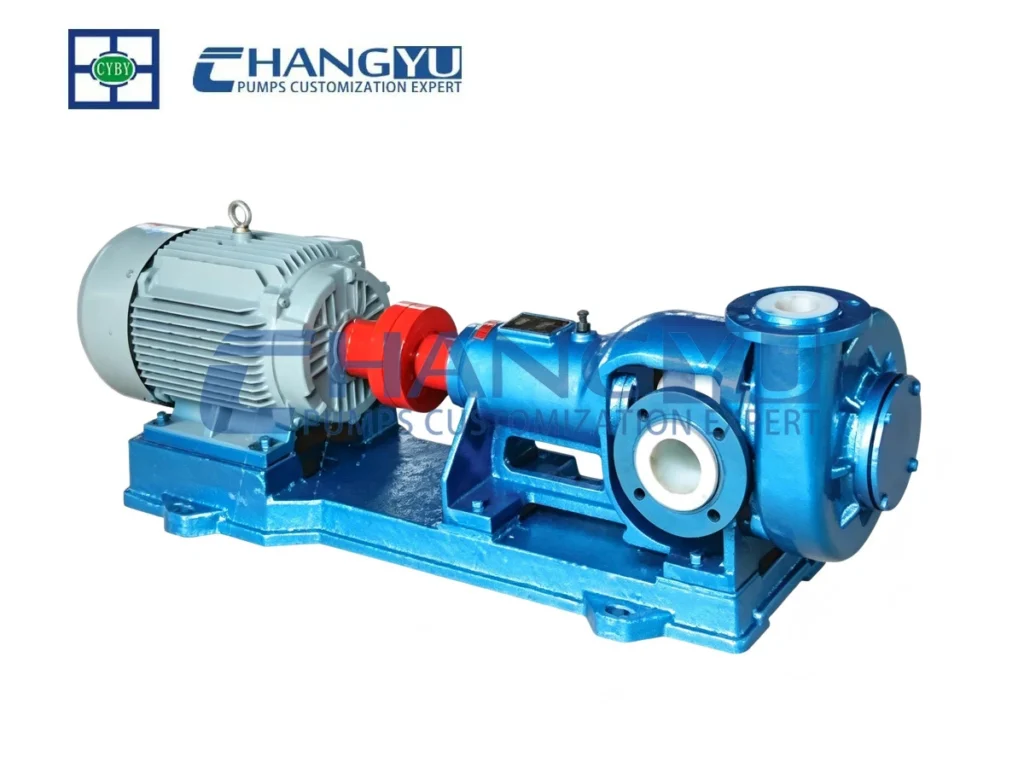
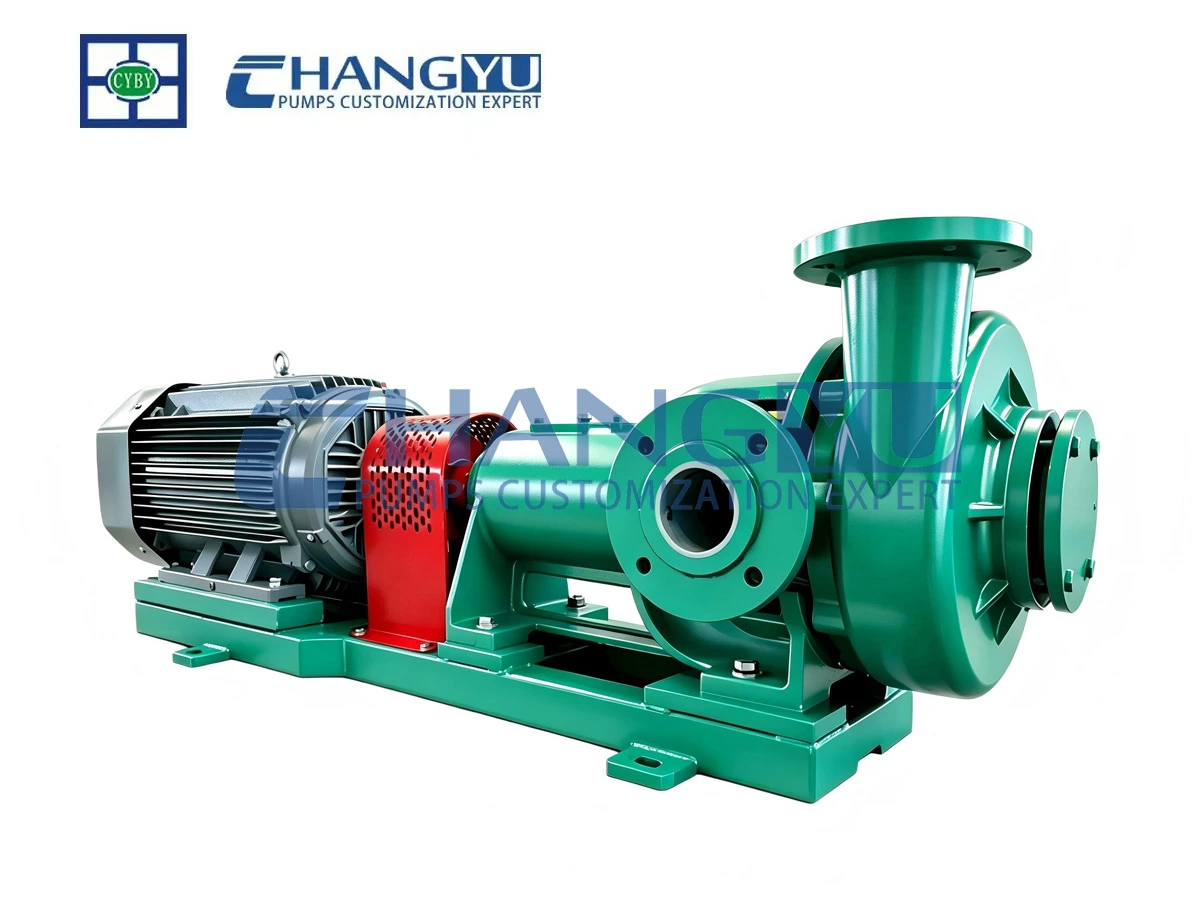
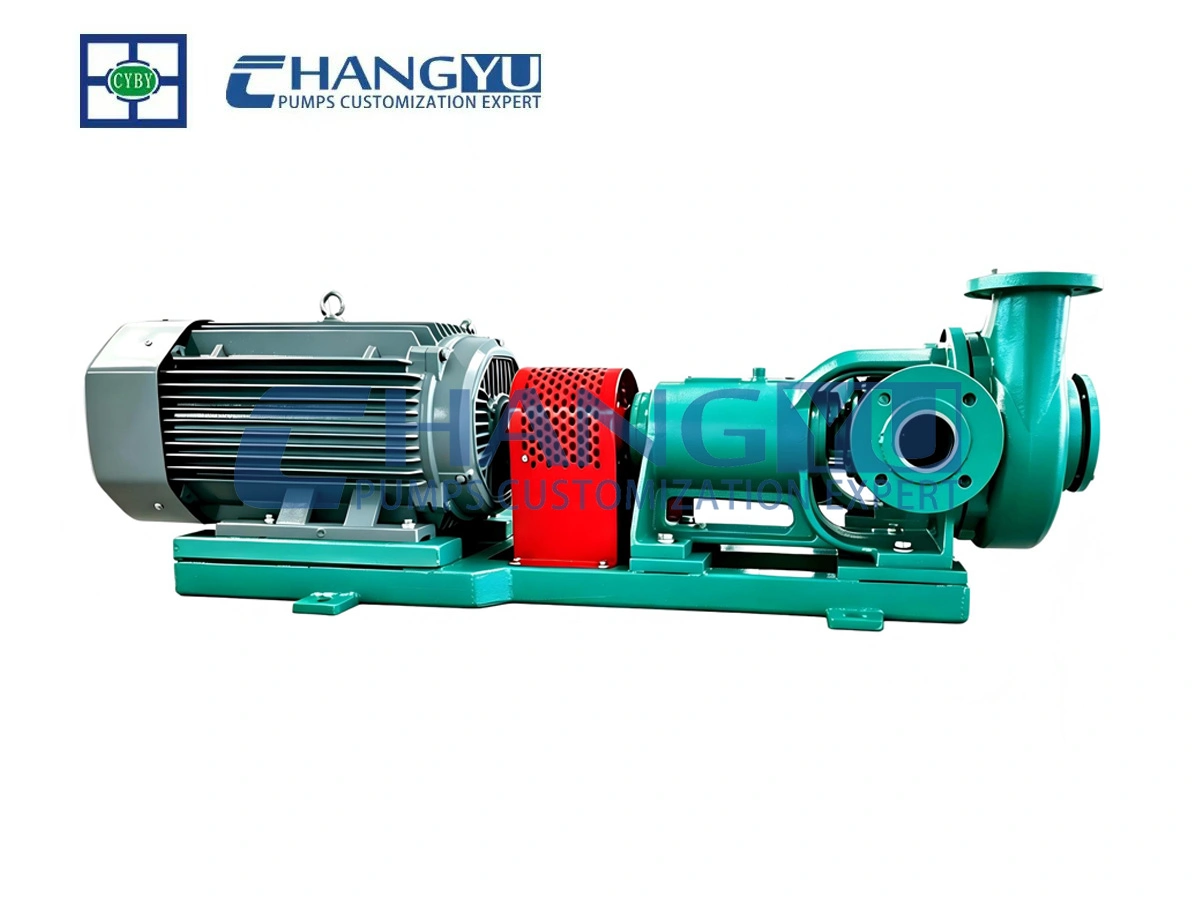
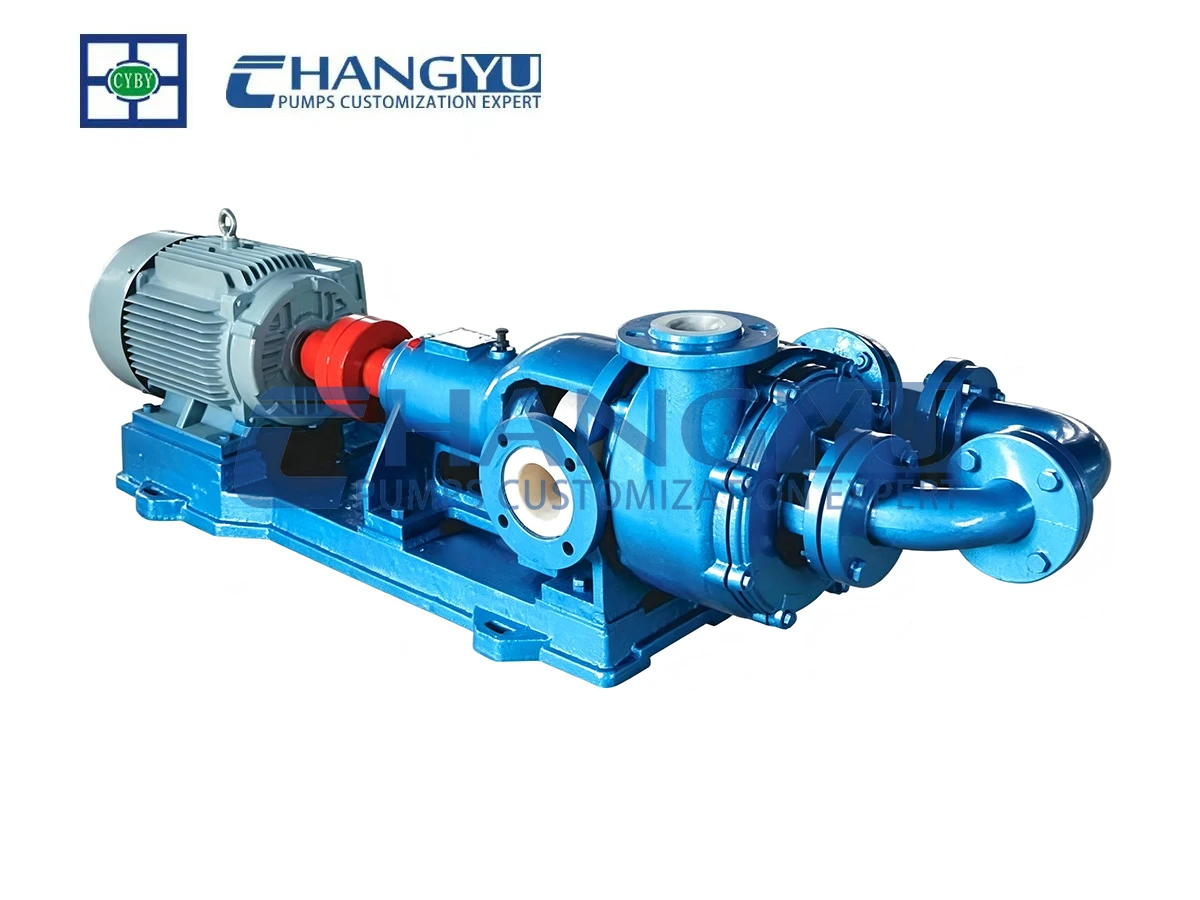
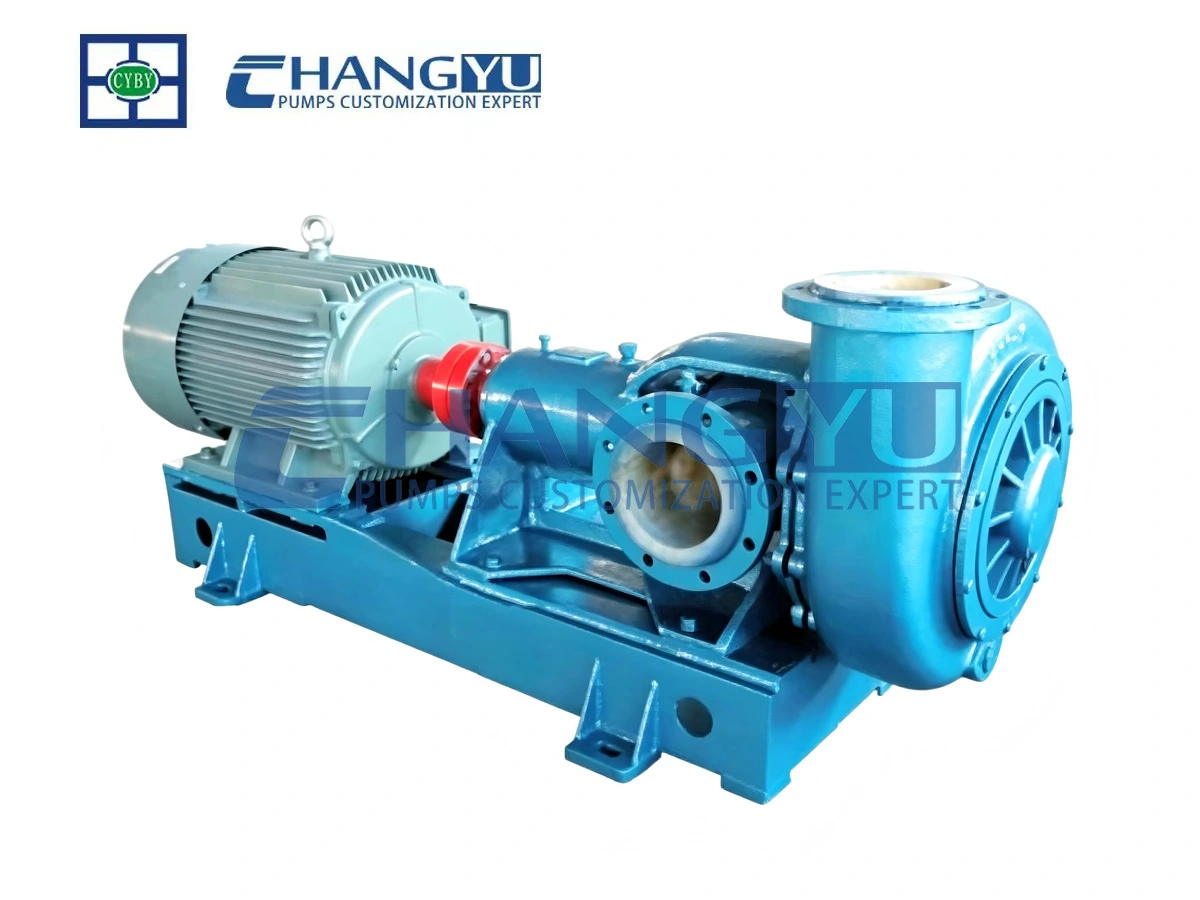
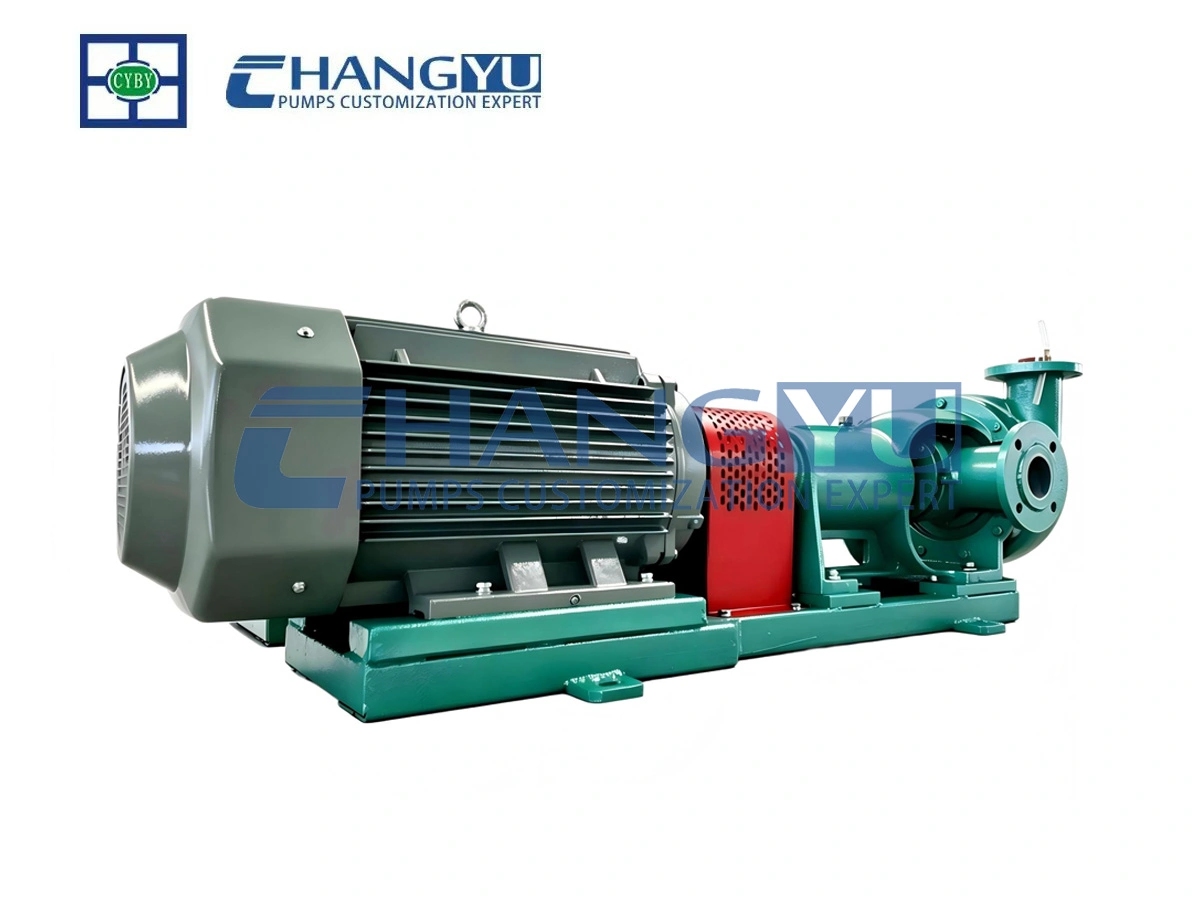
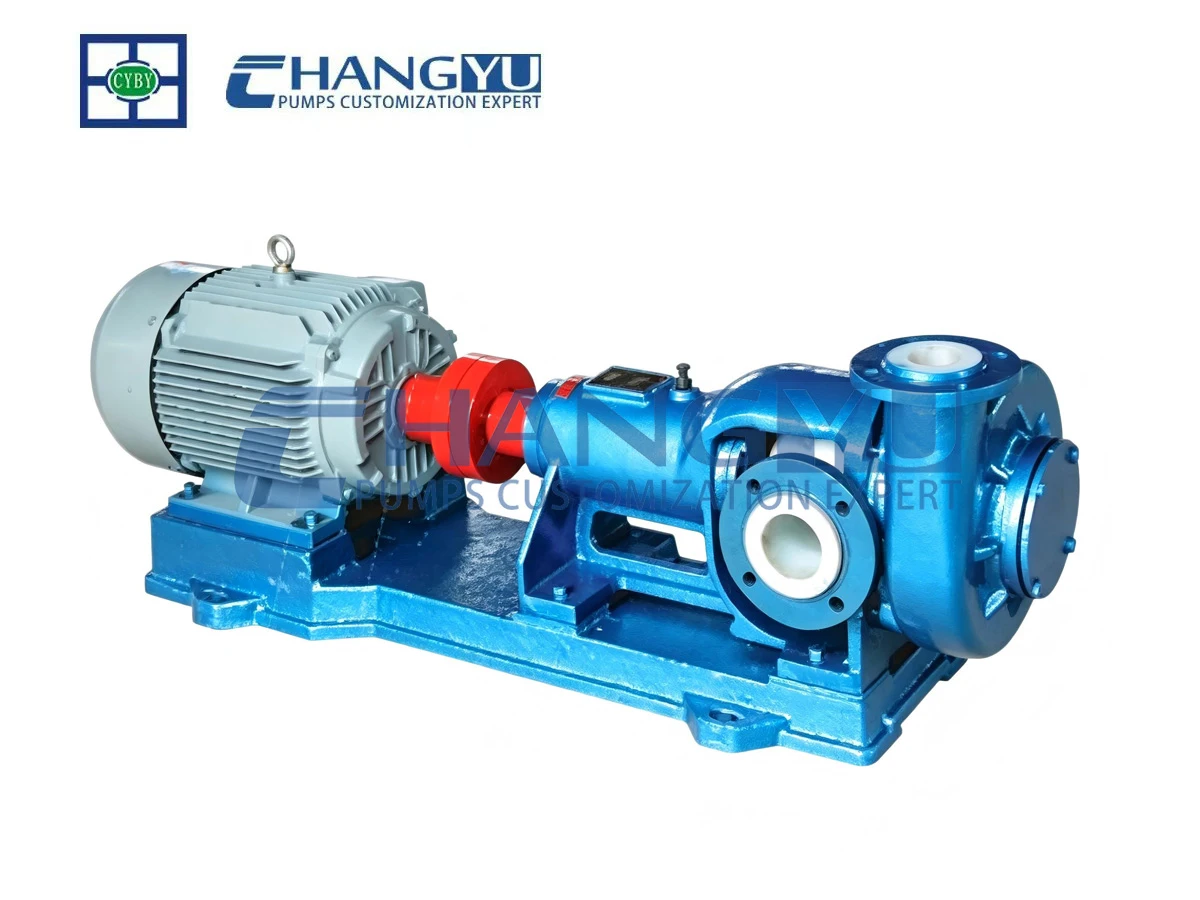
Насос подачи на фильтр-пресс для коррозионных и абразивных шламов
Насос подачи на фильтр-пресс подаёт шлам в пластинчато-рамный или камерный фильтр-пресс и автоматически следует изменяющемуся рабочему циклу: высокий расход при низком давлении в начале заполнения камер, затем снижение расхода при растущем давлении по мере накопления кека. ChangYu поставляет одноступенчатые и двухступенчатые центробежные конфигурации для коррозионных, абразивных и содержащих твёрдые частицы технологических шламов.
Также описывается как насос фильтр-пресса, насос подачи фильтр-пресса, шламовый насос для фильтр-пресса или шламовый насос фильтр-пресса; данное оборудование подбирается исходя из полного цикла фильтрации, а не только по одной точке расхода и напора.
|
Диапазон скорости потока : |
3 м³/ч – 600 м³/ч |
|---|---|
|
Диапазон голов: |
10–120 м |
|
Мощность двигателя : |
0,75–220 кВт |
|
Скорость: |
1450 / 2900 об/мин |
|
Средний диапазон температур: |
-20°C до 90°C |
|
Настраиваемые материалы: |
Конфигурации с футеровкой из СВМПЭ или полностью пластиковые; варианты уплотнений из фторопласта, карбида кремния, 316L и дуплексной стали 2205 |
Обзор насоса подачи на фильтр-пресс
Серия UHFM коррозионностойких и износостойких насосов подачи на фильтр-пресс представляет собой специализированный центробежный насос, разработанный для фильтр-прессов, фильтрационного оборудования и систем перекачки шламов под высоким давлением. Данная серия в основном применяется для работы с коррозионными, абразивными и содержащими твёрдые частицы средами и особенно подходит для фильтр-прессов, требующих повышенного давления подачи и стабильной работы на протяжении всего цикла фильтрации.
Серия UHFM имеет конструкцию с задним всасыванием. Для решения типичных проблем обычных коррозионностойких и износостойких насосов, таких как износ компонентов и утечка среды при эксплуатации, мы внесли целенаправленные улучшения в корпус насоса, проточные компоненты и быстроизнашивающиеся детали. Конструкция с задним всасыванием обеспечивает рациональное расположение между входным патрубком насоса и задней зоной обслуживания, а также делает более удобными осмотр насоса и замену быстроизнашивающихся деталей.
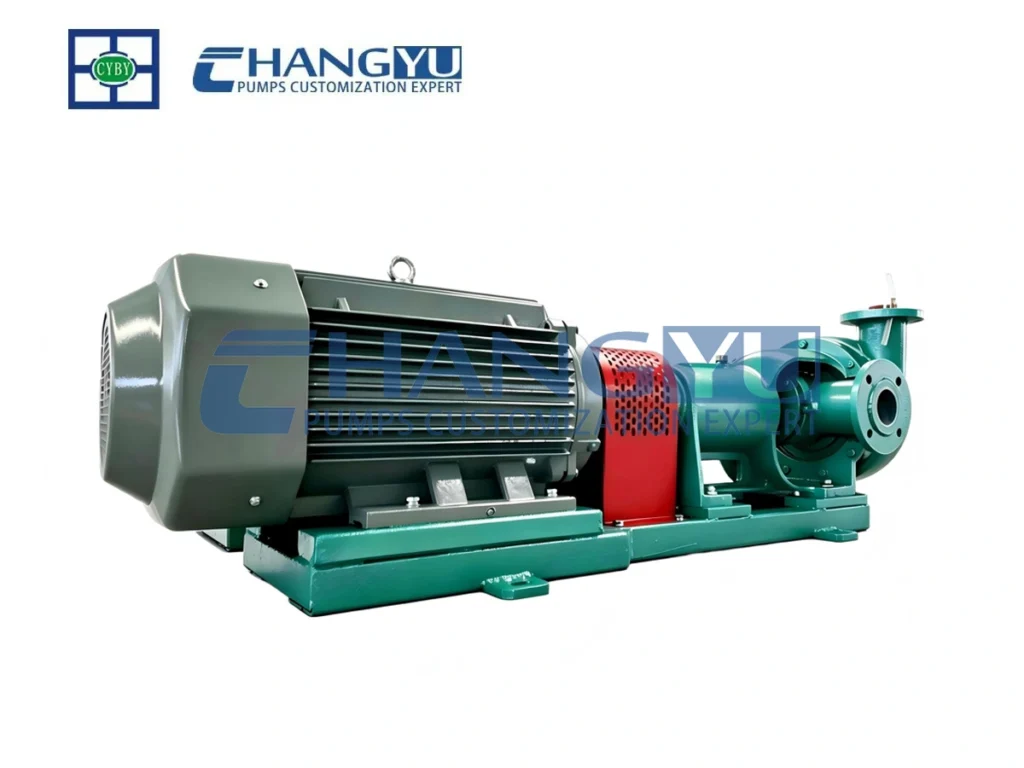
В зависимости от требований технологического процесса насос подачи на фильтр-пресс серии UHFM доступен как в одноступенчатой, так и в двухступенчатой конфигурации. Одноступенчатый насос подходит для перекачки при обычном давлении и применений, требующих относительно высокого расхода. Двухступенчатый насос повышает давление последовательно через два рабочих колеса, что делает его более подходящим для фильтрации под высоким давлением и перекачки шламов под высоким давлением.
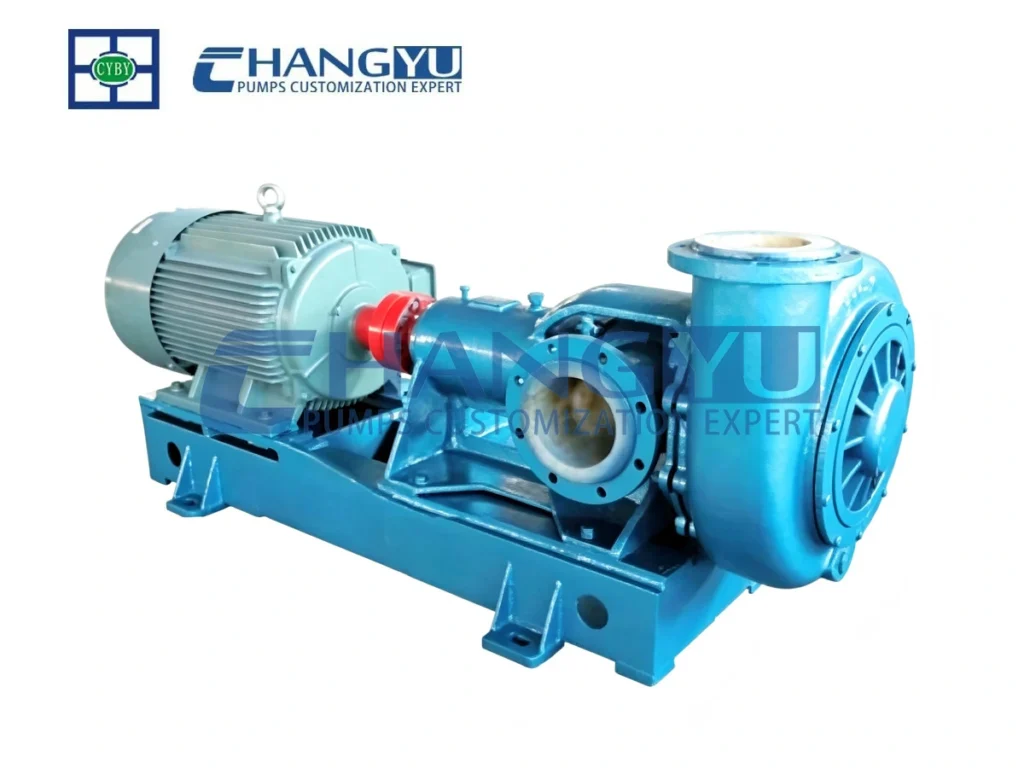
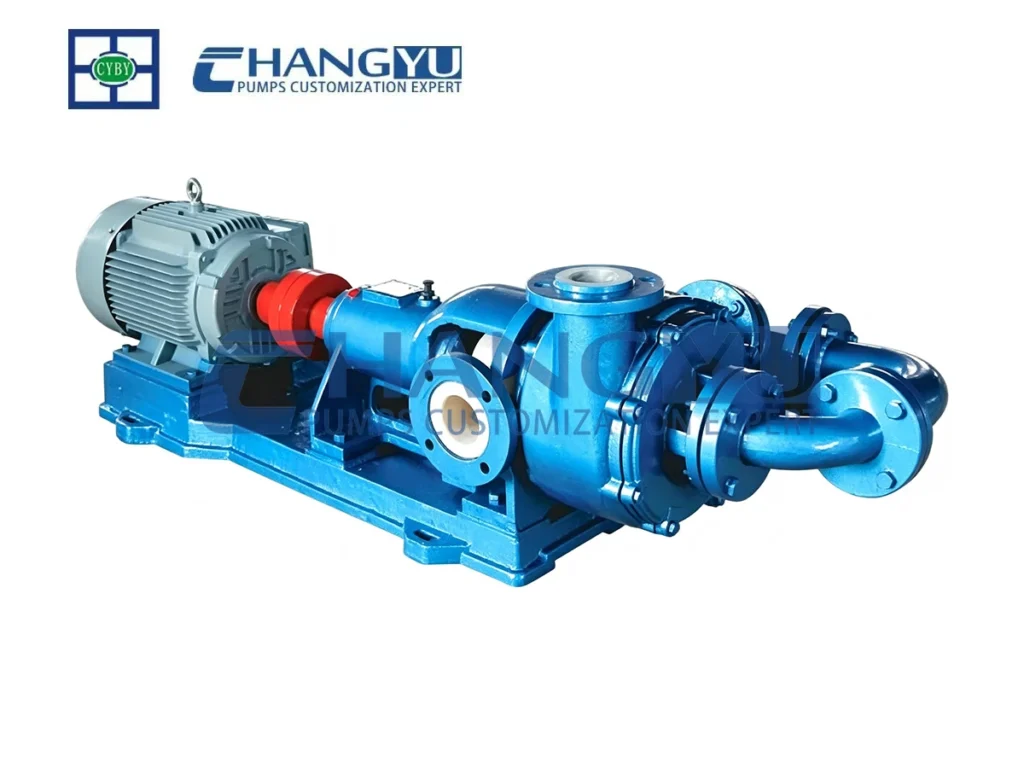 Насос подачи фильтр-пресса
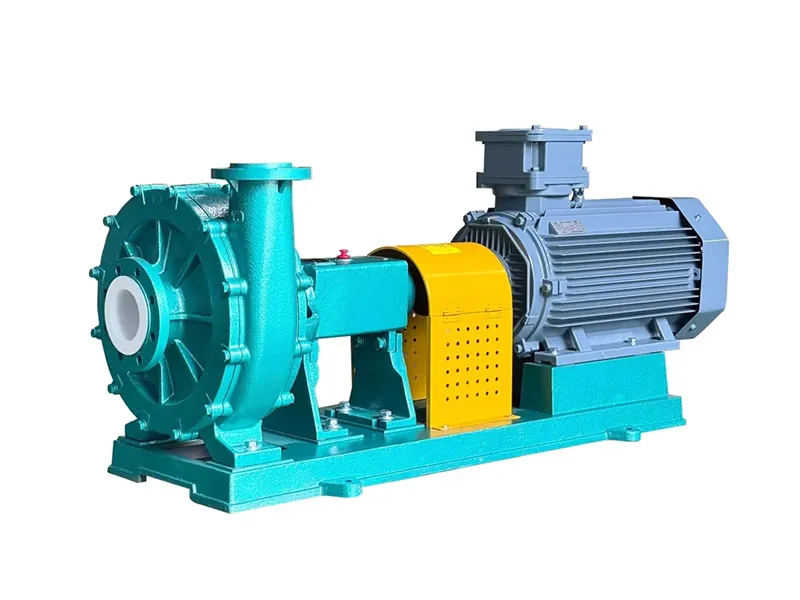 Коррозионно-стойкий насос UHB типа UHMWPE
Материалы и конструктивная конфигурация серии UHFM могут подбираться в соответствии с коррозионной активностью, абразивностью, содержанием твёрдых частиц, температурой и рабочим давлением среды. Это позволяет насосу удовлетворять требованиям непрерывной перекачки в различных промышленных условиях эксплуатации. Как специализированный насос подачи фильтр-пресса, он также может быть сконфигурирован как шламовый насос для систем фильтр-пресса, работающих с коррозионными или абразивными технологическими шламами.
Changyu Серия UHB также представляет собой коррозионностойкий и износостойкий центробежный насос, предназначенный для перекачки коррозионных, абразивных и содержащих твёрдые частицы сред. Он широко применяется в химической переработке, обогащении полезных ископаемых, очистке сточных вод, перекачке кислот и щелочей, циркуляции шлама и других промышленных областях, требующих надёжной коррозионной и износостойкости. В зависимости от характеристик среды и фактических условий эксплуатации могут выбираться различные конфигурации материалов и конструкции.
По сравнению с серией UHB серия UHFM разработана более целенаправленно как шламовый насос для фильтр-пресса. Серия UHB обычно выбирается для непрерывной технологической перекачки, циркуляции и стандартных задач по работе со шламом, тогда как серия UHFM уделяет больше внимания изменяющимся требованиям по давлению, условиям подачи под высоким давлением и потребностям обслуживания систем фильтр-прессов. Для обычной перекачки коррозионных или абразивных шламов серия UHB представляет собой практичное и универсальное решение. Для подачи на фильтр-пресс или других применений, требующих более высокого давления нагнетания, более специализированной конструкции или одноступенчатых и двухступенчатых вариантов давления, серия UHFM, как правило, является более подходящим выбором. Окончательный выбор насоса должен подтверждаться в соответствии с требуемым расходом, давлением нагнетания, свойствами шлама, содержанием твёрдых частиц, температурой и химическим составом.
Подача на фильтр-пресс представляет собой процесс с переменной нагрузкой. В начале цикла пустые камеры быстро принимают шлам, и сопротивление системы невелико. По мере накопления твёрдых частиц на фильтровальной ткани сопротивление возрастает, требуемое давление нагнетания повышается, а расход естественно снижается. Выбранный насос должен стабильно работать на обоих концах этой кривой, ограничивая утечки, чрезмерный износ, кавитацию и потери энергии.
Ниже приведены общие параметры для насосов фильтр-прессов.
| Конфигурация | Одноступенчатая конструкция UHFM-I или двухступенчатая центробежная UHFM-II |
|---|---|
| Типовой размер входного патрубка | DN50–DN250 |
| Типовой диапазон расхода | Приблизительно 3–600 м³/ч |
| Типовой диапазон напора | Приблизительно 10–120 м |
| Типовая частота вращения | 1450 / 2900 об/мин, с альтернативами в зависимости от модели |
| Смачиваемые материалы | СВМПЭ, фторопласт, полиуретан, коррозионностойкая нержавеющая сталь или специальные сплавы по выбору |
| Перекачиваемые среды | Коррозионный шлам, абразивная суспензия, химический осадок и технологический шлам с мелкодисперсными твёрдыми частицами |
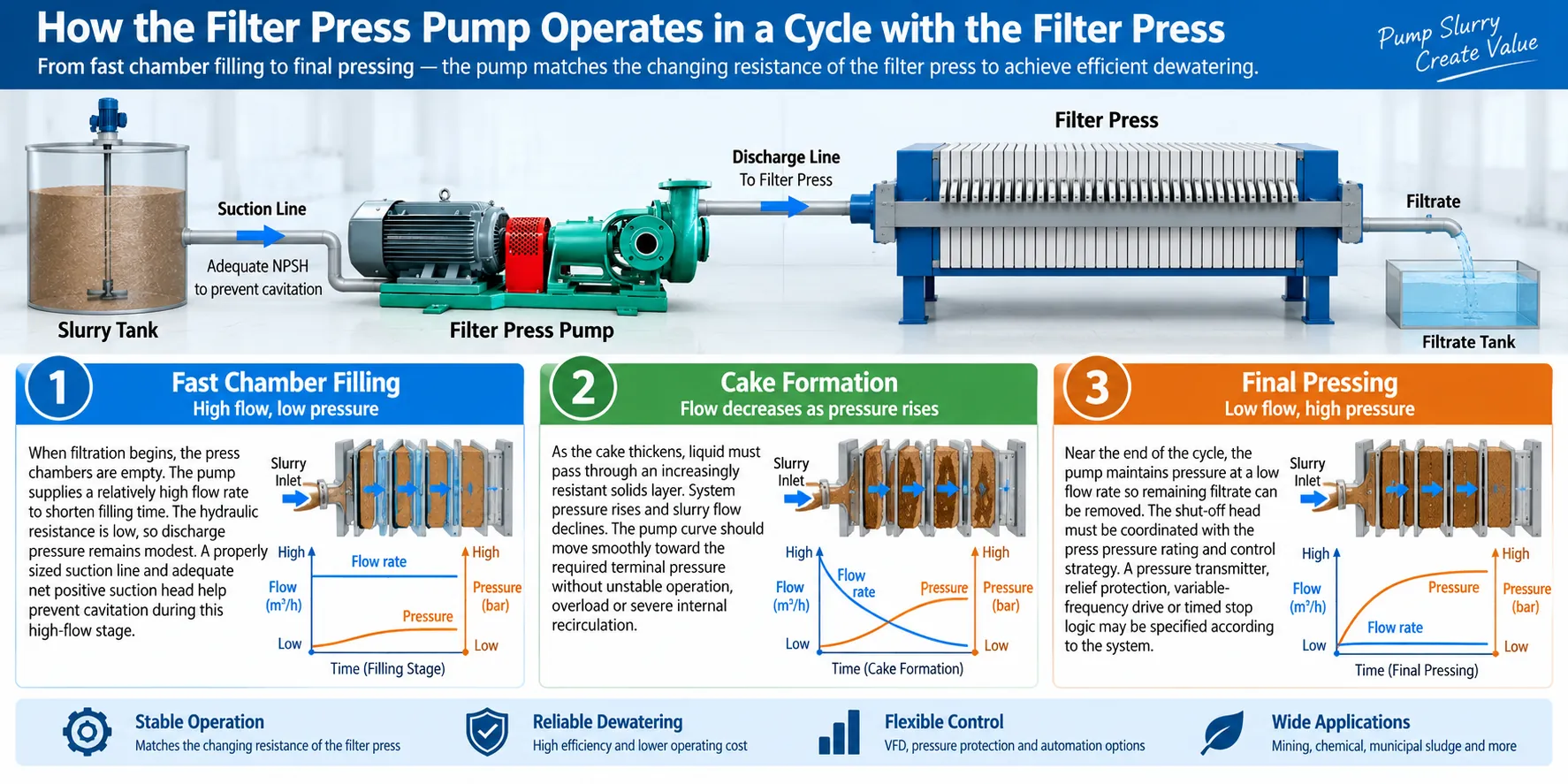
Как насос фильтр-пресса работает в цикле с фильтр-прессом
Шаг 1. Быстрое заполнение камер: высокий расход, низкое давление
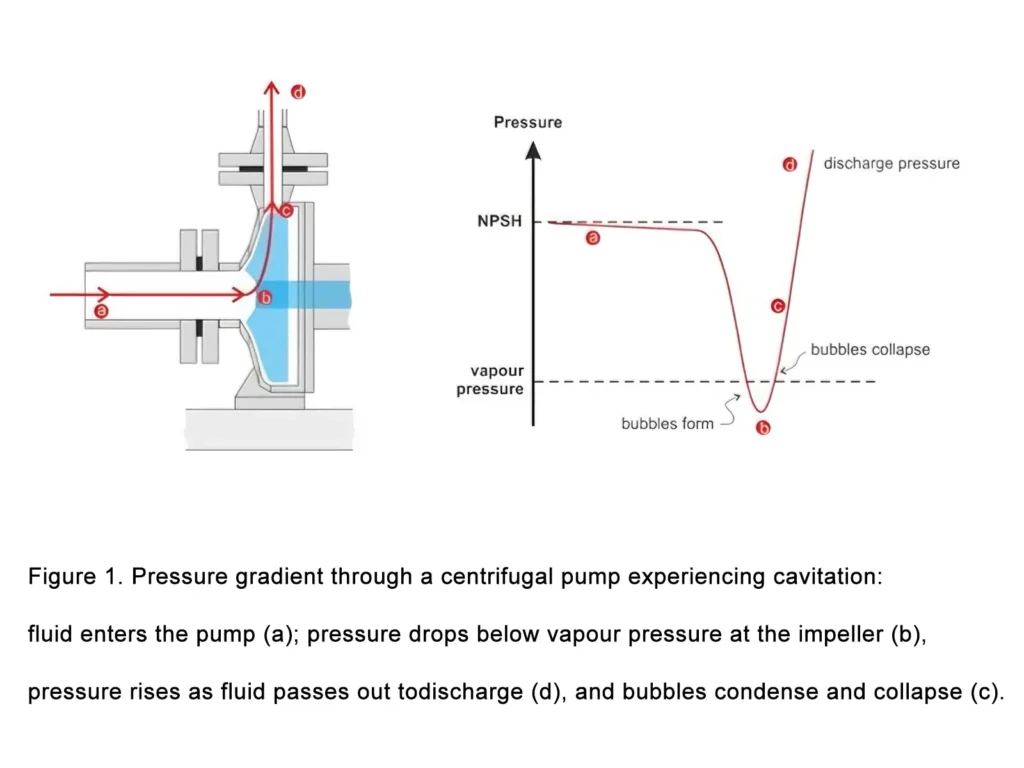
Когда фильтрация начинается, камеры пресса пусты. Насос обеспечивает относительно высокий расход для сокращения времени заполнения. Гидравлическое сопротивление невелико, поэтому давление нагнетания остаётся умеренным. Правильно подобранная всасывающая линия и достаточный кавитационный запас помогают предотвратить кавитацию на этой стадии высокого расхода.
Шаг 2. Формирование кека: расход снижается по мере роста давления
По мере утолщения кека жидкость должна проходить через всё более сопротивляющийся слой твёрдых частиц. Давление в системе растёт, а расход шлама снижается. Кривая насоса должна плавно смещаться к требуемому конечному давлению без нестабильной работы, перегрузки или сильной внутренней рециркуляции.
Шаг 3. Финальное прессование: низкий расход, высокое давление
Ближе к концу цикла насос поддерживает давление при низком расходе, чтобы можно было удалить оставшийся фильтрат. Напор при закрытой задвижке должен быть согласован с номинальным давлением пресса и стратегией управления. В зависимости от системы могут быть предусмотрены датчик давления, предохранительная защита, частотно-регулируемый привод или логика остановки по таймеру.
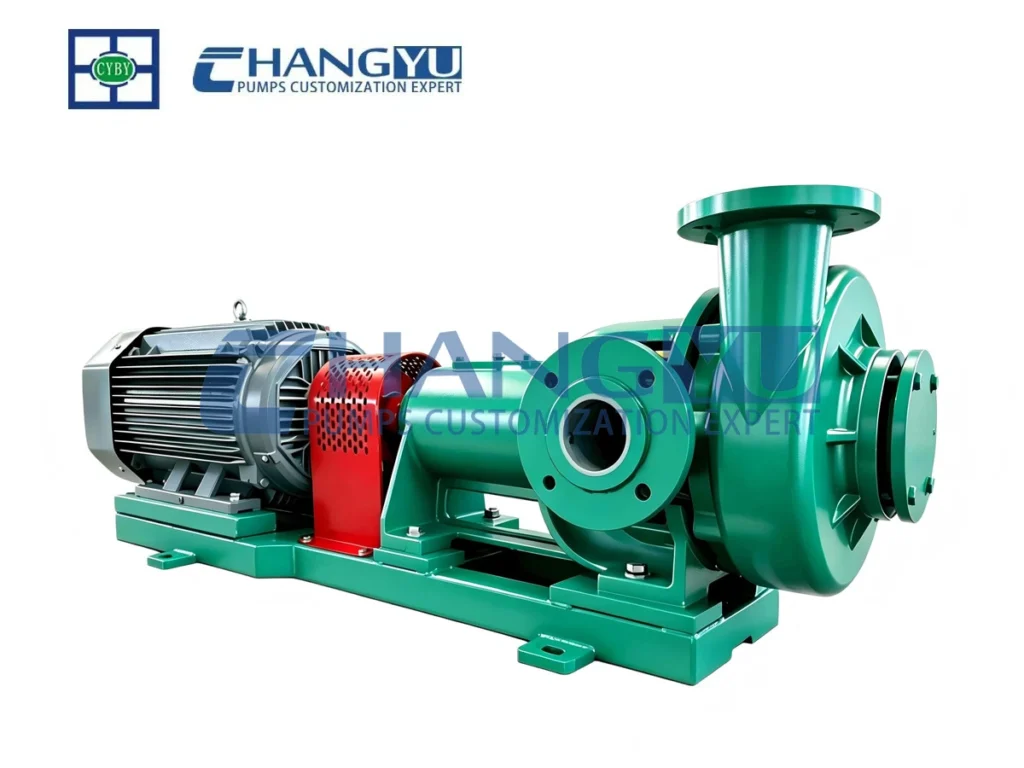 UHFM-I одноступенчатый
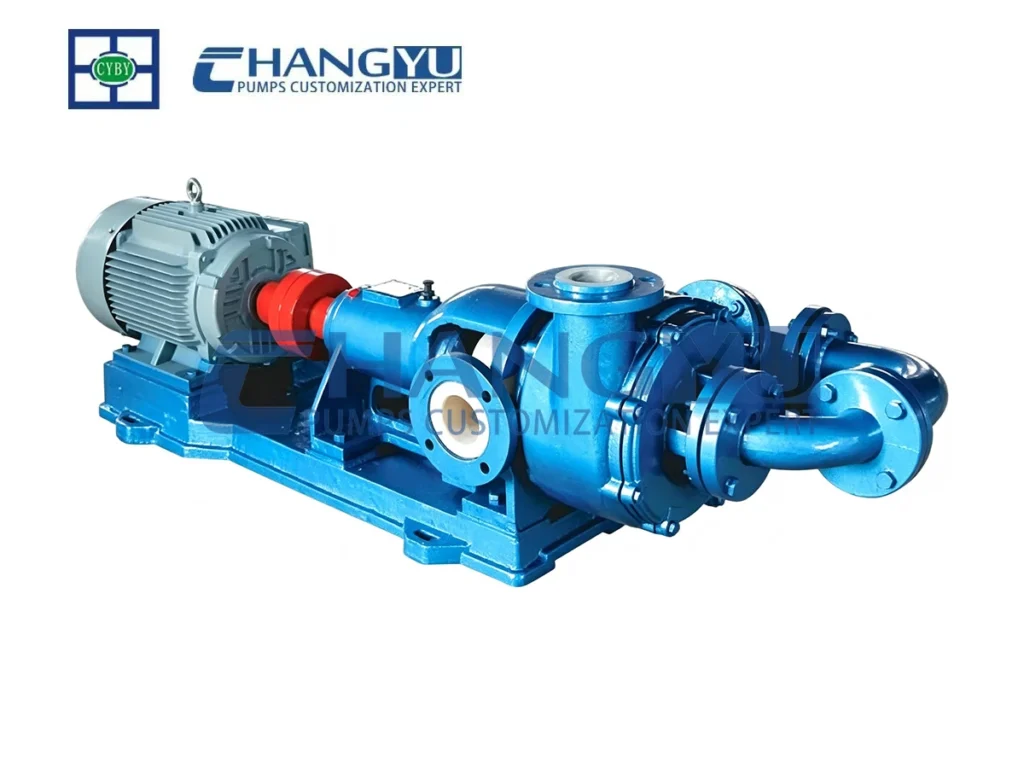 UHFM-II двухступенчатый
Одноступенчатые и двухступенчатые варианты
| Опция | Наилучшее применение | Примечания по выбору |
|---|---|---|
| UHFM-I одноступенчатый | Умеренное конечное давление, короткие трубопроводы и общая подача на фильтр-пресс | Более простая гидравлическая схема и обслуживание; выбирается, когда одно рабочее колесо обеспечивает расход заполнения и конечное давление. |
| UHFM-II двухступенчатый | Повышенные требования по давлению, плотные кеки, длинные трубопроводы или контуры с повышенным сопротивлением | Двухступенчатая компоновка по давлению помогает поддерживать стабильную подачу на поздней стадии цикла без выбора одноступенчатого насоса завышенного типоразмера. |
Для существующего пресса ChangYu анализирует объём камеры, время фильтрации, максимально допустимое давление и фактические потери в трубопроводах, прежде чем рекомендовать конфигурацию. Для новой системы насос и алгоритм управления могут быть согласованы с кривой заполнения поставщика пресса.
Электронная почта: [email protected]
ТЕЛ/WA: +86-13651913727
Составные части насоса подачи на фильтр-пресс
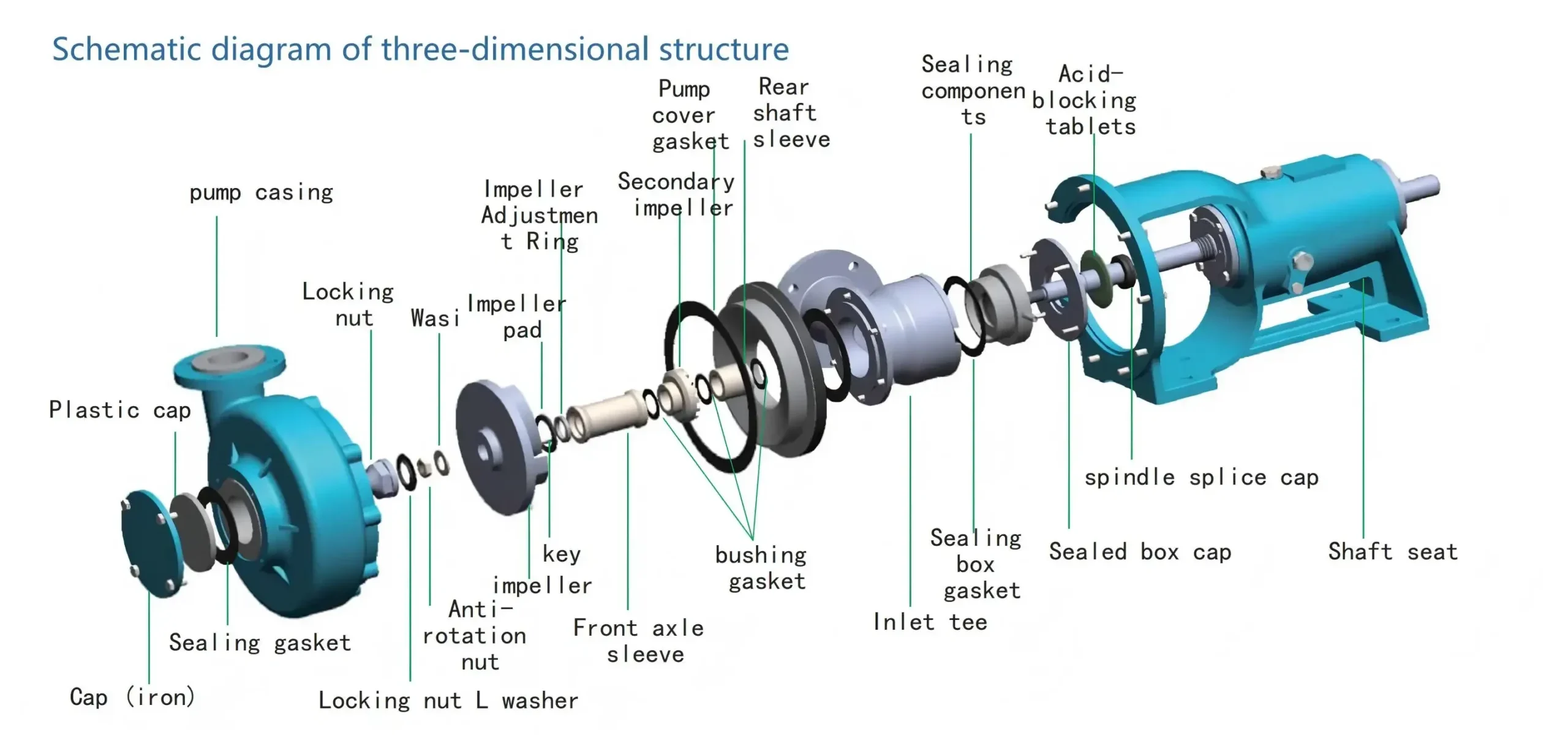
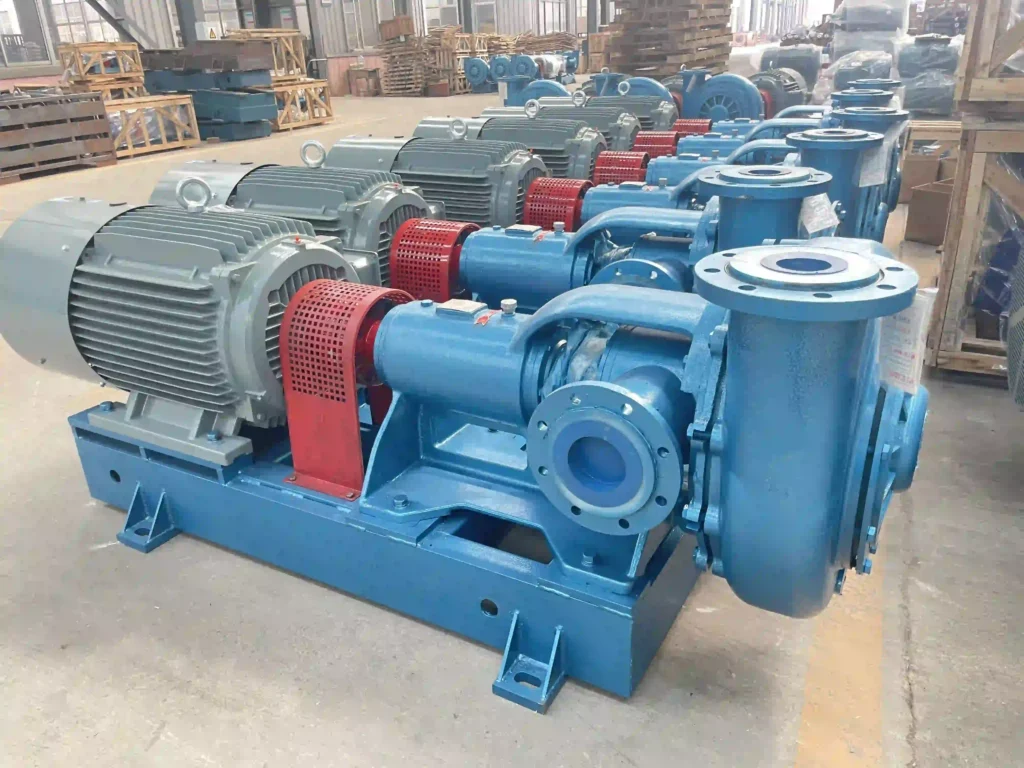
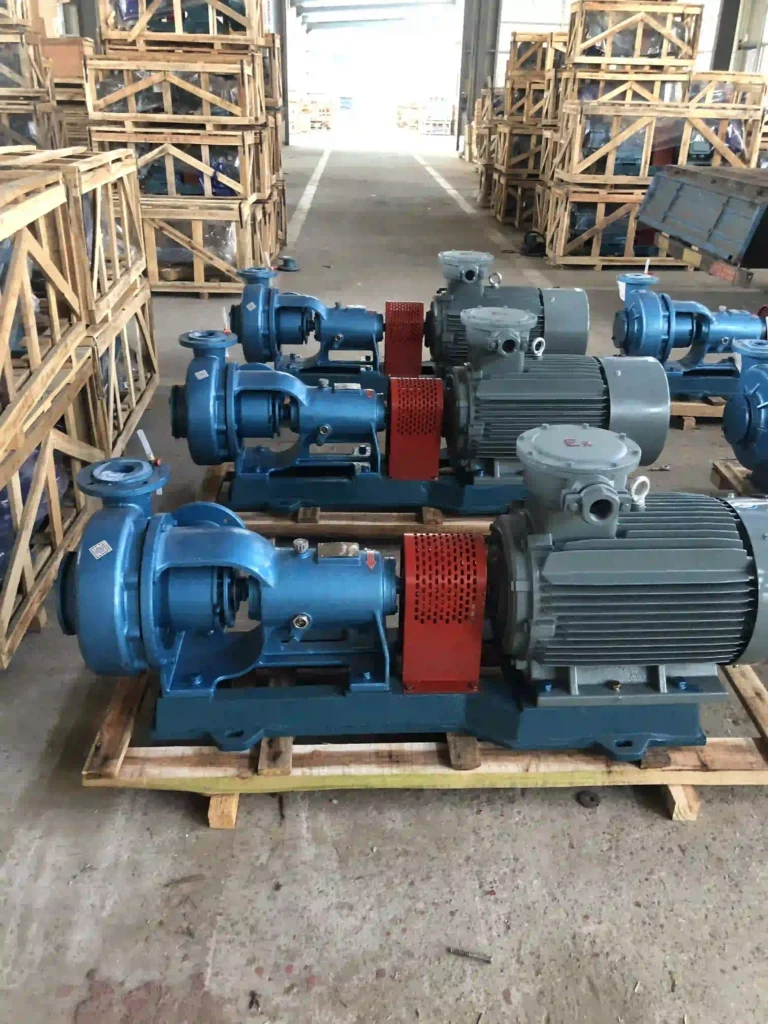
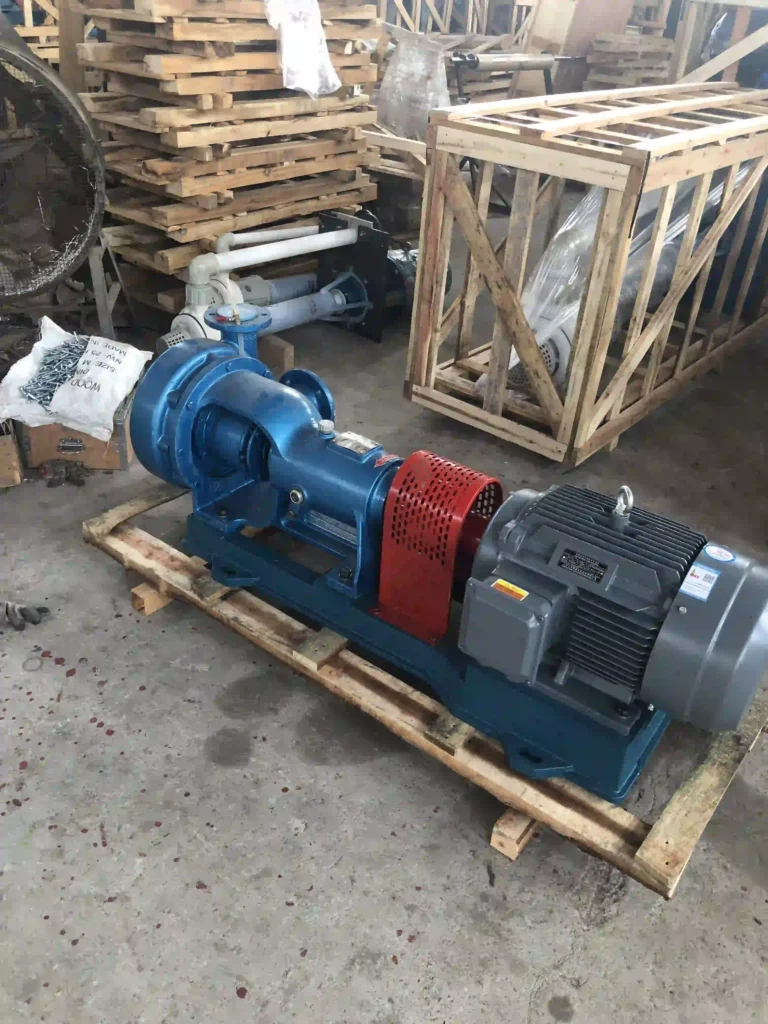
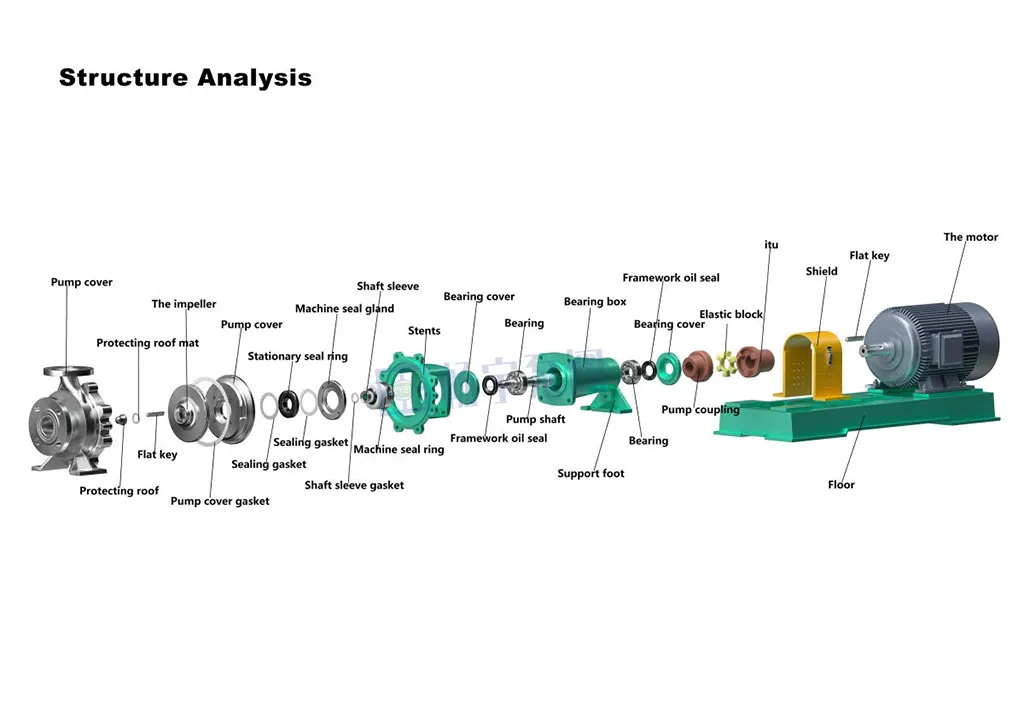
Насос подачи на фильтр-пресс состоит из гидравлических, уплотнительных, передаточных и опорных компонентов, рассчитанных на работу с коррозионными, абразивными и содержащими твёрдые частицы суспензиями.
- Корпус насоса: Forms the main flow passage and directs the slurry toward the outlet.
- Pump Cover and Gaskets: Close the casing, prevent leakage, and provide access to internal wearing parts.
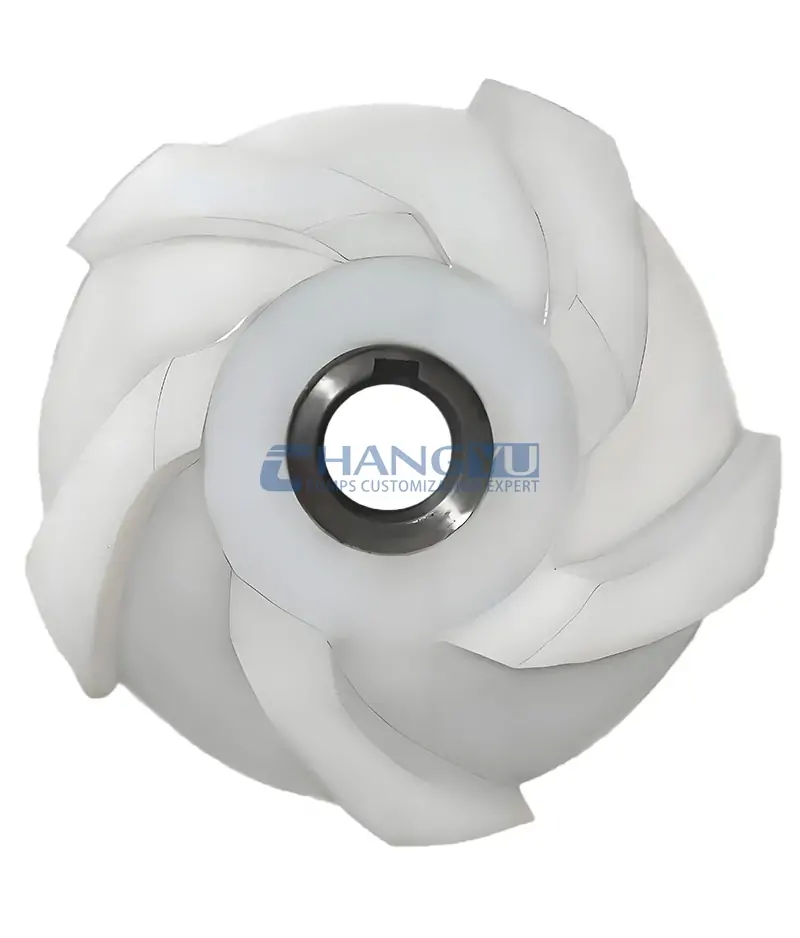
- Primary Impeller: Generates the flow and pressure required to feed slurry into the filter press.
- Secondary Impeller: Used in two-stage models to increase pressure progressively for high-pressure filtration.
- Impeller Adjustment Components: Rings, pads, nuts, washers, and keys maintain the correct impeller position and internal clearance.
- Вал насоса: Transfers power from the motor to the impeller assembly.
- Front and Rear Shaft Sleeves: Protect the shaft from slurry contact and reduce wear on the main shaft.
- Intermediate Flow Passage: Guides slurry through the pump or between the two impeller stages.
- Sealing Assembly: Includes the seal chamber, sealing elements, bushings, cover, and gaskets to control shaft leakage.
- Acid Deflector: Prevents leaked or splashed corrosive liquid from reaching the drive-side components.
- Корпус подшипника: Supports the shaft, maintains alignment, and ensures stable operation under changing pressure.
- Fasteners and Protective Components: Secure the internal parts and make inspection and replacement of wearing parts easier.
Materials and single-stage or two-stage configurations can be selected according to the required flow, pressure, corrosion resistance, abrasion resistance, solids content, and operating temperature.
Materials for Corrosive and Abrasive Slurry
A reliable Slurry Pump for Filter Press requires both chemical compatibility and resistance to particle wear. Material selection depends on chemical composition, concentration, temperature, solids percentage, particle size and shape, density, viscosity and the possibility of crystallization.
| Материал | Typical use | Important considerations |
|---|---|---|
| UHMWPE | Acidic or alkaline chemical slurries with abrasive fine solids | Combines corrosion resistance with strong abrasion resistance; temperature and chemical concentration must be checked. |
| Фторопласт | Highly corrosive chemicals requiring broad chemical compatibility | Exact resin and allowable temperature depend on the medium and pump design. |
| Полиуретан | Abrasive duties where chemical compatibility is suitable | Often selected for wear performance; verify solvent, temperature and hydrolysis resistance. |
| Нержавеющая сталь | Compatible process slurries requiring metal construction | Grade selection must account for chlorides, acids, pitting and crevice corrosion. |
| Special alloy | Severe combinations of corrosion, temperature and pressure | Specified case by case after a detailed media analysis. |
See our Руководство по выбору материалов для химических насосов for the factors that should be verified before choosing wetted parts. A material name alone is not a performance guarantee; compatibility must be confirmed at the actual concentration and temperature.
Features of a Filter Press Feed Pump
Wide slurry passages
Hydraulic passages are selected to reduce local blockage and excessive velocity when handling fine solids.
Pressure-capable construction
Pump stages and casing design are selected for the increasing late-cycle resistance of a filter press.
Maintainable layout
Accessible wear parts and practical disassembly help reduce downtime between filtration campaigns.
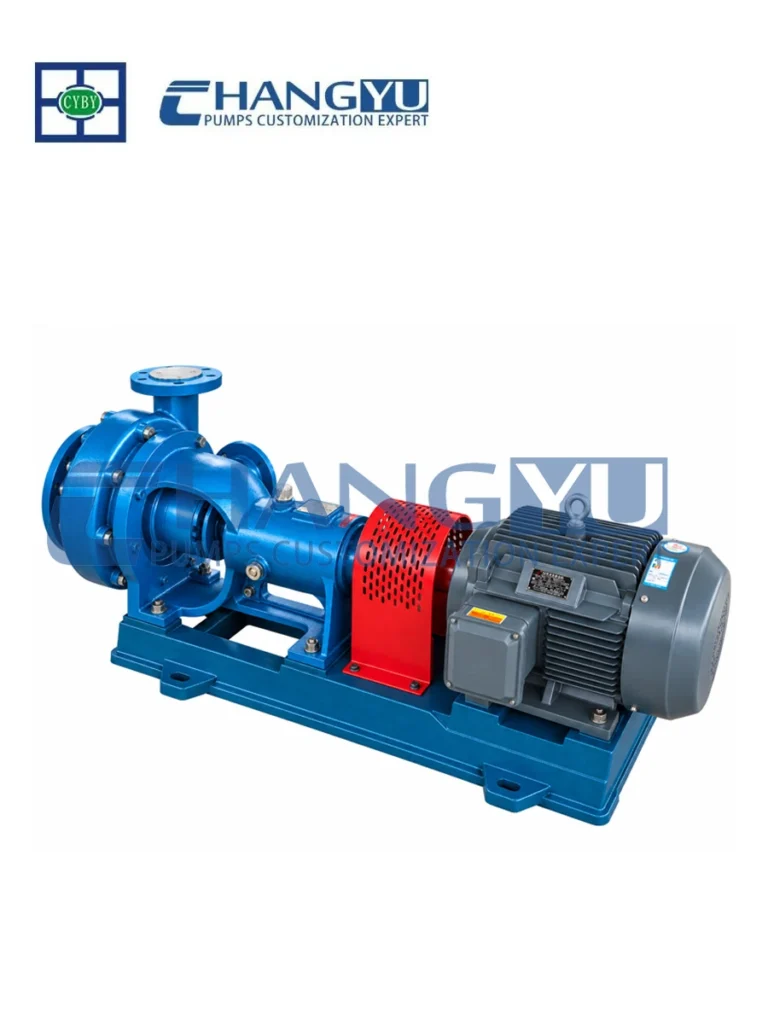
Wear- and corrosion-resistant wet end
Casing, impeller and replaceable wearing components are matched to the slurry chemistry and abrasiveness.
Seal options
HJ cartridge mechanical seal, K-type dynamic seal, or other confirmed seal configurations can be selected according to slurry properties and operating conditions.
System controls
Variable-frequency control, pressure feedback and protection logic can be integrated to support repeatable filtration cycles.
Filter Press Feed Pump Applications
Как опытный производитель промышленных насосов, Насос Чанъюй provides customized Filter Press Feed Pump solutions for solid-liquid separation and high-pressure slurry feeding applications.
- A filter press does not operate at one fixed duty point. During initial chamber filling, the pump normally delivers a higher flow at lower pressure. As the filter cake develops, flow decreases while the required feeding pressure increases. The pump must therefore be selected for the complete filtration cycle.
- Filter press slurry may combine abrasive particles, corrosive chemicals, suspended solids, and relatively high specific gravity. An incorrectly selected pump can suffer from rapid wear, leakage, insufficient final pressure, or unstable feeding.
- Based on UHFM product development experience dating back to 2004, Changyu Pump offers single-stage and two-stage Filter Press Feeding Pump configurations. Single-stage pumps are used for conventional-pressure duties, while two-stage models progressively increase pressure for more demanding filtration conditions.
- Pump selection is based on the actual slurry composition, solids concentration, particle size, specific gravity, pH, temperature, required flow, final feeding pressure, pipeline resistance, and filter press capacity. Wetted materials and sealing arrangements are selected according to the combined corrosion and abrasion conditions.
Filter Press Feed Pump Applications by Industry
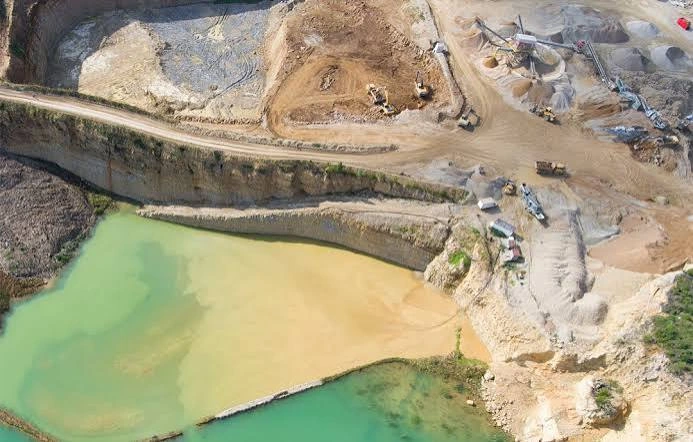 Mine tailings
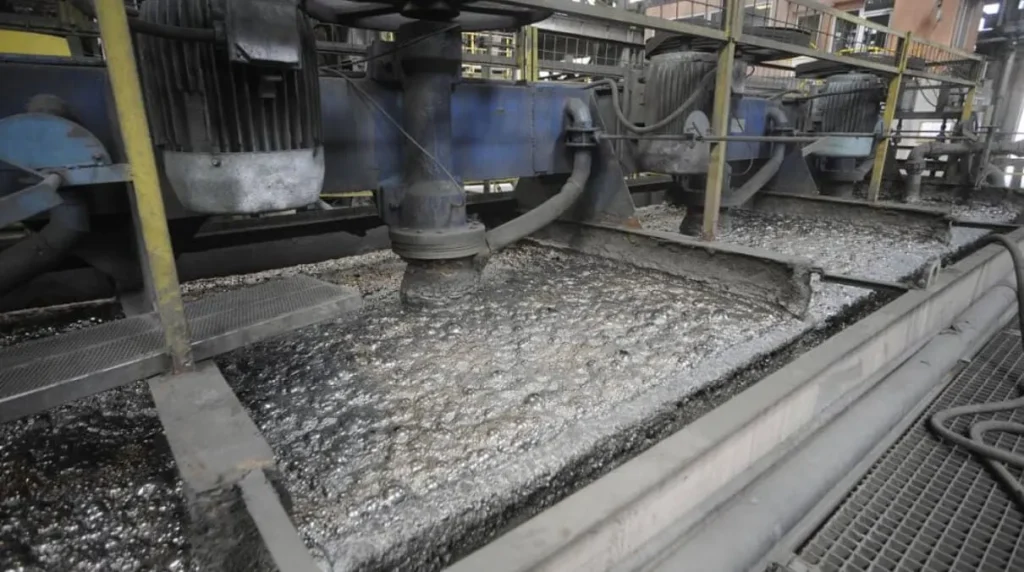 Lead-zinc-slurry
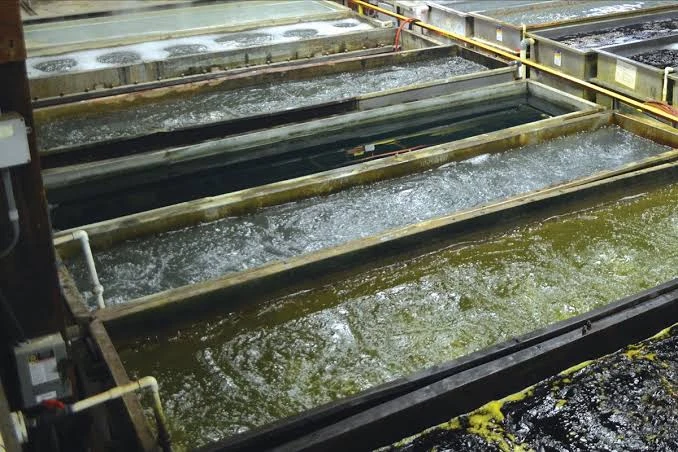 Electroplating sludge
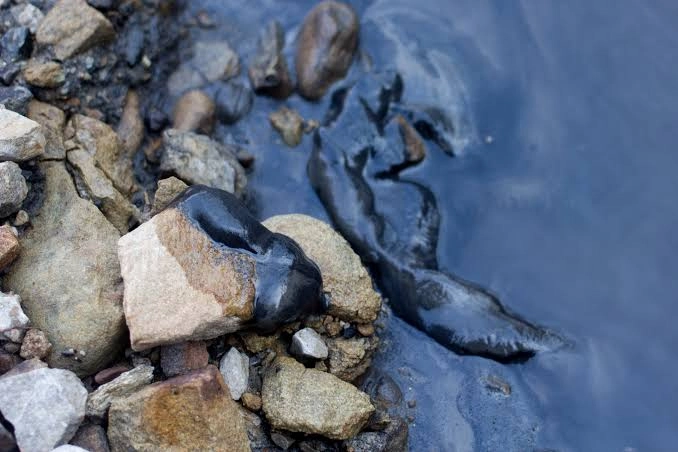 Coal slurry
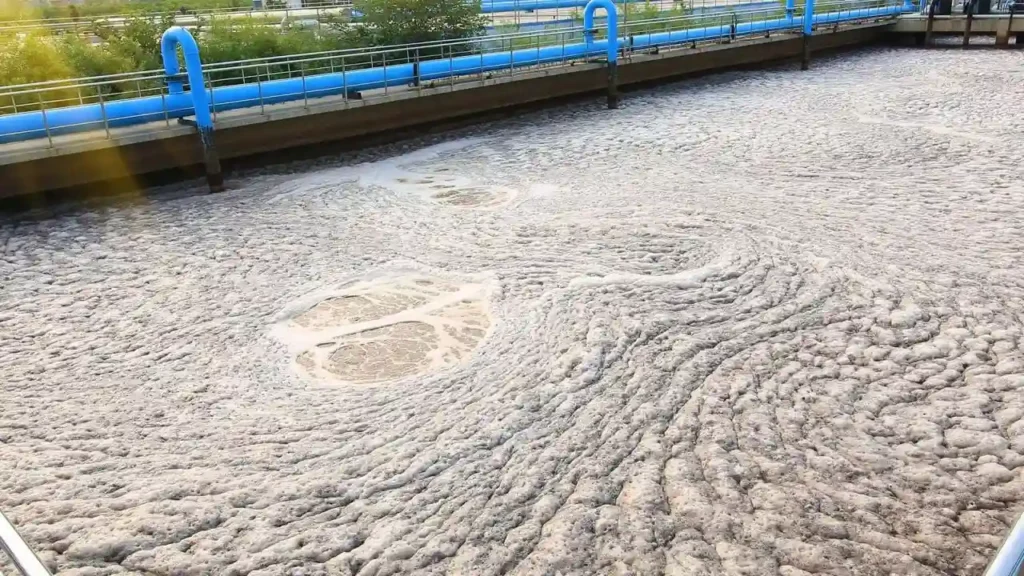 Химический осадок
 Black mass slurry
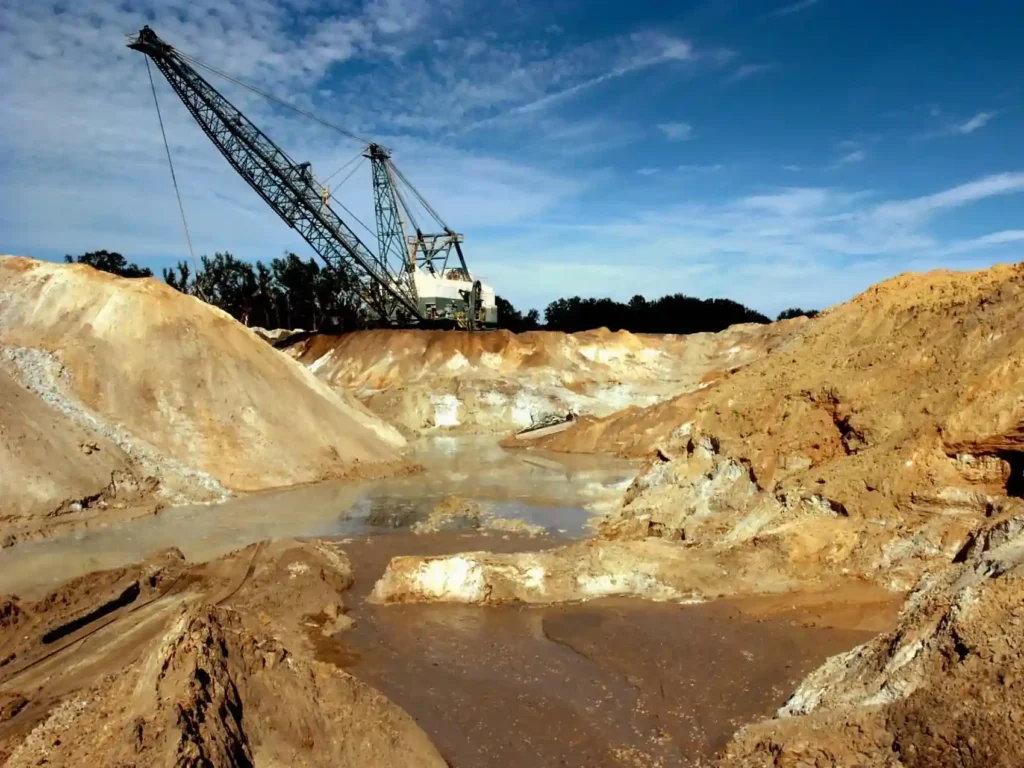 Фосфатный шлам
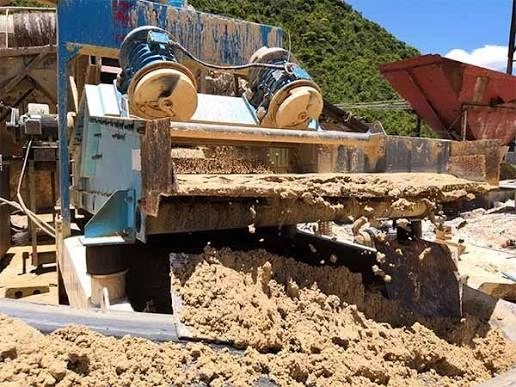 washing slurry
| Промышленность | Typical Filter Press Challenges | Changyu Pump Approach | Типичные носители |
|---|---|---|---|
| Горнодобывающая промышленность и обогащение полезных ископаемых | Severe abrasion, mineral particles, high specific gravity, and increasing filtration resistance | Wear-resistant Filter Press Slurry Pump configuration selected according to particle size, solids concentration, and required final pressure | Mine tailings, flotation tailings, mineral concentrate slurry |
| Подготовка угля | Abrasive coal particles, settling solids, and changing flow and pressure during cake formation | UHMWPE-lined slurry pump configuration for coal slurry feeding, subject to actual particle size and slurry concentration | Coal slurry, flotation tailings, coal-washing sludge |
| Химическая обработка | Corrosion and abrasion occurring at the same time, with material compatibility dependent on concentration and temperature | UHMWPE, fluoroplastic, stainless steel, or other suitable wetted materials selected from the actual chemical composition | Acidic slurry, alkaline slurry, salt-containing slurry, chemical process residues |
| Hydrometallurgy & Metal Processing | Acidic liquid combined with abrasive ore or metal-containing solids | Corrosion- and wear-resistant Slurry Pump for Filter Press systems, with single-stage or two-stage configuration selected by pressure | Lead-zinc slurry, leaching residue, metal-containing slurry |
| Phosphate & Fertilizer Processing | Corrosive process liquid, suspended mineral solids, and possible crystal abrasion | Material and seal configuration selected according to acid concentration, temperature, solids, and crystallization conditions | Phosphate slurry, phosphoric acid slurry, gypsum-containing slurry |
| Очистка промышленных сточных вод | Variable solids content, corrosive contaminants, and unstable sludge characteristics | Filter press pump selected after confirming solids, fibers, viscosity, particle size, and required dewatering pressure | Chemical sludge, treatment sludge, lime slurry, process wastewater |
| Гальваника и обработка поверхности | Acidic or alkaline wastewater containing heavy-metal solids | Corrosion-resistant wetted components selected according to pH, chemical composition, and sludge concentration | Electroplating sludge, metal-containing wastewater, neutralization sludge |
| Titanium Dioxide Processing | Acidic slurry, abrasive titanium-bearing particles, and filtration-stage pressure changes | Corrosion- and wear-resistant pump configuration for washing, filtration feeding, and related slurry transfer | Titanium-bearing slurry, metatitanic acid slurry, acidic process sludge |
| Переработка литиевых батарей | Acid leaching liquids combined with fine, abrasive battery-material particles | Pump materials and sealing system selected according to acid type, temperature, particle characteristics, and feed pressure | Black mass slurry, leaching residue, washing slurry, metal-recovery sludge |
Read the lead-zinc filter press pump case study for a practical application of a UHMWPE slurry pump in a smelting filtration system. You can also explore ChangYu’s broader range of центробежные шламовые насосы.
If your industry is not listed above, contact us with your slurry composition, solids concentration, particle size, specific gravity, temperature, required flow, and final feeding pressure. Changyu Pump will evaluate whether the UHFM Filter Press Feed Pump is suitable for your operating conditions.
Need a quick answer or a tailored quotation? Please also provide the filter press model, chamber volume, filtration cycle, pipeline length, and installation height for more accurate pump selection.
Электронная почта: [email protected]
ТЕЛ/WA: +86-13651913727
Filter Press Feed Pump Specifications
The following parameters cover the standard performance range of the Changyu UHFM Filter Press Feed Pump. Actual performance depends on the selected model, slurry properties, operating pressure, and material configuration.
| Key Parameter | Standard Range |
|---|---|
| Скорость потока | 3–600 m³/h |
| Глава | 10–120 м |
| Рабочее давление | Up to 1.4 MPa |
| Мощность двигателя | 0,75–220 кВт |
| Pump Speed | 1450 / 2900 rpm |
| Средняя температура | -20°C до 90°C |
| Recommended Solids Content | Below 30% |
| Диаметр входного отверстия | 50–250 mm |
| Standard Wetted Material | Сталь с футеровкой из СВМПЭ |
| Available Configurations | Plastic-lined and all-plastic options |
UHFM Filter Press Pump Model Overview
| Серия | Структура | Диапазон давления | Рекомендуемое применение |
|---|---|---|---|
| UHFM-I Low-Pressure Series | Одноступенчатый | Below 0.5 MPa | Conventional filter press feeding and larger-flow applications |
| UHFM-I High-Pressure Series | Одноступенчатый | 0.5–0.8 MPa | Medium-pressure filtration and corrosive or abrasive slurry feeding |
| UHFM-II Low-Pressure Series | Two-stage | 0.8–1.0 MPa | Filter presses requiring progressively increased feeding pressure |
| UHFM-II High-Pressure Series | Two-stage | 1.0–1.4 MPa | High-pressure filtration and demanding slurry transfer conditions |
The tables above show only the main performance range and series differences. Individual UHFM Filter Press Feeding Pump models have different flow, head, motor power, inlet size, and operating limits.
Download the Complete Pump Catalogue
For detailed model specifications, performance curves, dimensions, structural drawings, material options, and installation information, please download the complete UHFM Filter Press Feed Pump catalogue.
Information Needed for Pump Selection
- Filter press data: press type, chamber volume, plate size, number of chambers and maximum allowable feed pressure.
- Cycle requirements: target filling time, total filtration time, starting flow and required terminal pressure.
- Slurry chemistry: components, concentration, pH and possible changes between batches.
- Solids data: weight or volume percentage, particle-size distribution, hardness, shape and settling tendency.
- Physical properties: operating temperature, density and viscosity.
- Installation data: suction level, pipe diameter and length, fittings, elevation, tank conditions and available power supply.
- Operating preferences: seal standard, speed control, instrumentation, flushing plan, motor protection and required materials or certificates.
ChangYu uses this information to calculate the system curve, check suction conditions and recommend a pump that can cover the complete press cycle. This avoids choosing a Filter Press Feeding Pump from a single nominal duty point that may not represent actual operation.
Связаться с компанией Changyu Pump for model selection and a customized quotation. Our engineers will help you match the pump, motor, wetted materials, and sealing configuration to your actual filter press operating cycle.
Is This the Right Pump for Your Filter Press?
If your current pump fills the press quickly but cannot build enough pressure, or reaches pressure but takes too long to fill the chambers, the problem is usually not simply “insufficient power.” A filter press asks the pump to do two very different jobs in one cycle. The right pump must deliver volume first and pressure later, while the slurry is becoming harder to move.
- This pump is a strong fit when the liquid contains fine solids and the pressure rises gradually during filtration.
- It is especially useful when the slurry is corrosive, abrasive or both, so ordinary cast-iron water pumps wear or corrode too quickly.
- It can be selected for new filter presses or used to replace a pump that suffers from slow feeding, frequent seal leakage, unstable pressure or short wet-end life.
- It is not selected by motor power alone. The filter area, chamber volume, slurry properties, pipe losses and final pressure all matter.
A practical rule: tell us what happens throughout the whole filtration cycle, not only the pressure shown on the gauge at the end. That information is far more useful for choosing a reliable Filter Press Pump.
What ChangYu Looks at Before Recommending a Pump
ChangYu has spent 21 years working with corrosive fluid and slurry transfer. In filter press projects, our engineers do not start by matching a model number. We first ask how the slurry behaves, how the press fills and where the existing system is losing time or wearing out parts. This experience matters because two slurries with the same pH can have completely different wear, settling and sealing behavior.
- We check the real filtration curve. Empty-chamber flow, pressure-rise time, final pressure and total cycle time reveal whether the system needs a single-stage pump, a two-stage pump or speed control.
- We separate corrosion from abrasion. Chemical compatibility protects the material from attack; wear resistance protects it from particles. A material must handle both.
- We ask what the solids actually look like. Fine crystals, soft sludge, sharp mineral particles and fibrous material do not move through a pump in the same way.
- We review the suction side. A pump cannot feed a press reliably if slurry settles in an undersized suction pipe or if the available suction head is too low.
- We match the seal to the slurry. The best seal arrangement depends on particle size, crystallization, allowable leakage, available flush water and maintenance habits.
- We check the press limit. Pump shut-off pressure, control setpoint and relief protection must stay within the filter press and piping pressure ratings.
This engineering approach is also used in ChangYu’s UHMWPE slurry pump project for a lead-zinc smelting filter press system. The case gives buyers a real ChangYu reference instead of a generic product claim.
Filter Press Feed Pump vs Other Pump Types
There is no single pump technology that is best for every filter press. The useful question is: which design gives the required cycle time, pressure, material life and maintenance cost for your slurry?
| Тип насоса | Where it works well | What to watch |
|---|---|---|
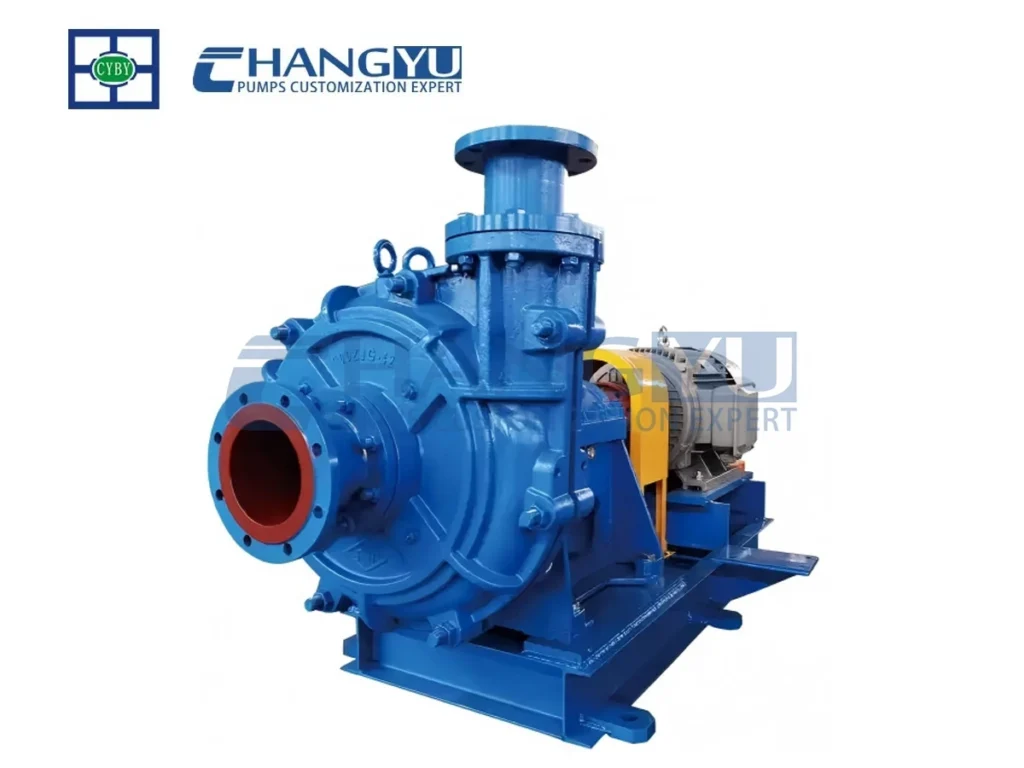
| ChangYu UHFM centrifugal Filter Press Feed Pump | Medium to high flow, progressively rising pressure, corrosive or abrasive fine-particle slurry; single-stage and two-stage options | Must be selected across the full cycle; avoid prolonged operation at an unsuitable very-low-flow point. |
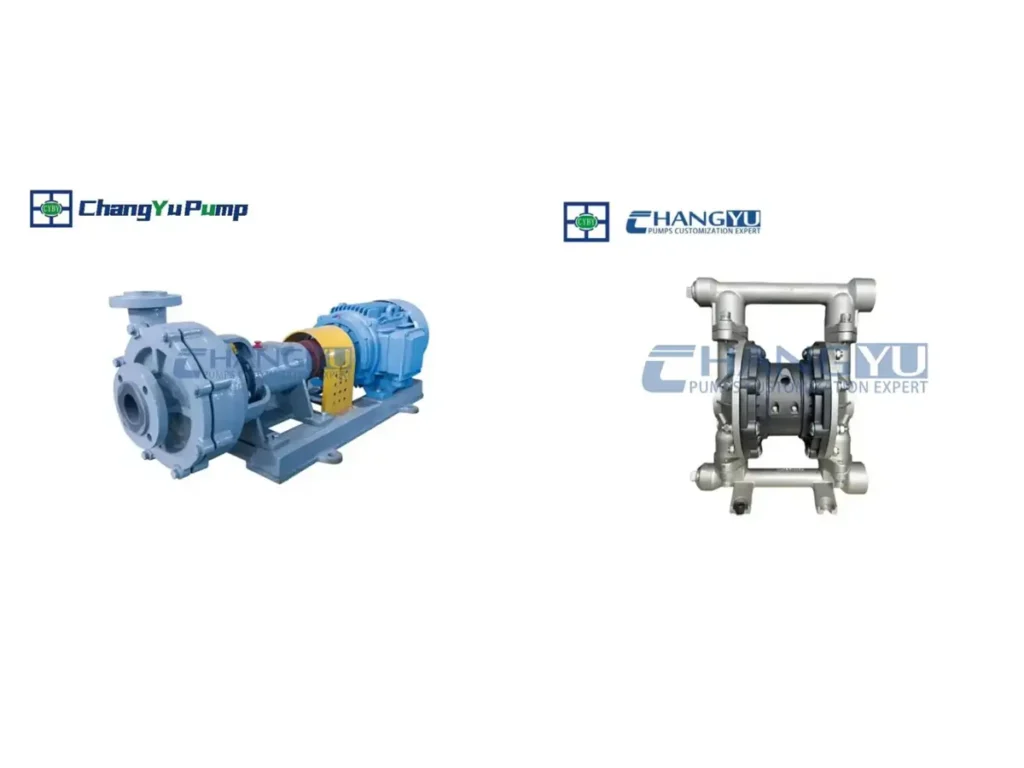
| Мембранный насос с пневматическим приводом | Lower flow, simple pressure limiting, intermittent operation and some difficult slurries | Compressed-air consumption, pulsation, noise and membrane maintenance can increase operating cost. |
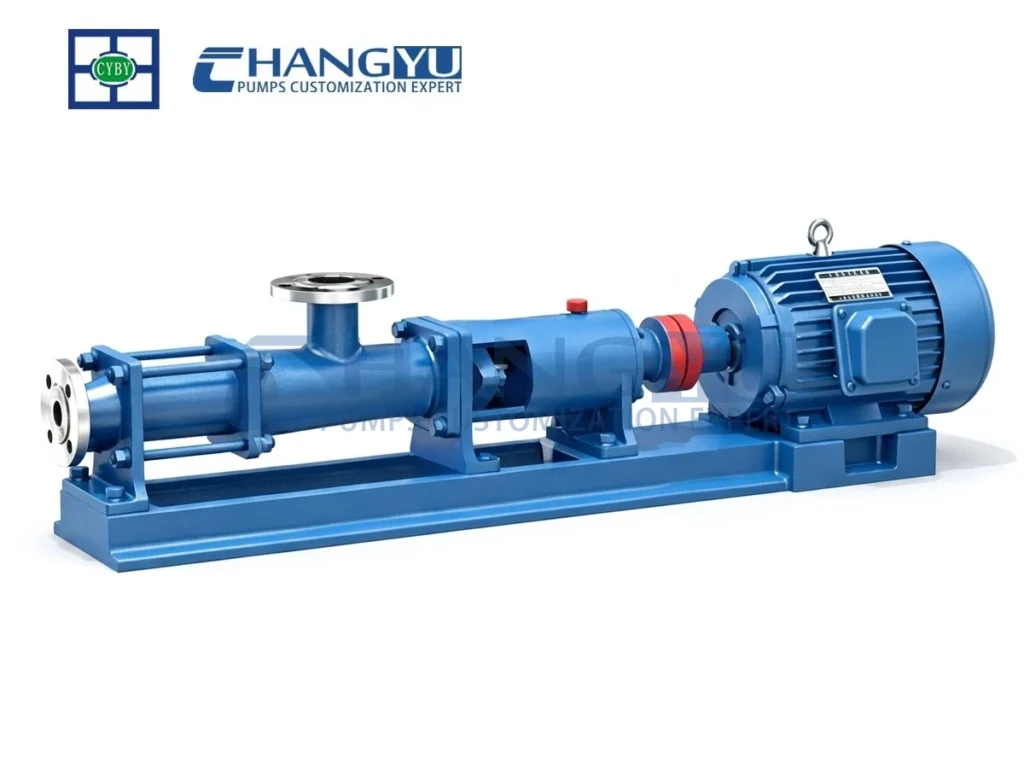
| Винтовой насос | Viscous and shear-sensitive feed requiring smooth positive displacement | Stator wear, dry-running sensitivity and abrasive solids can raise spare-parts cost. |
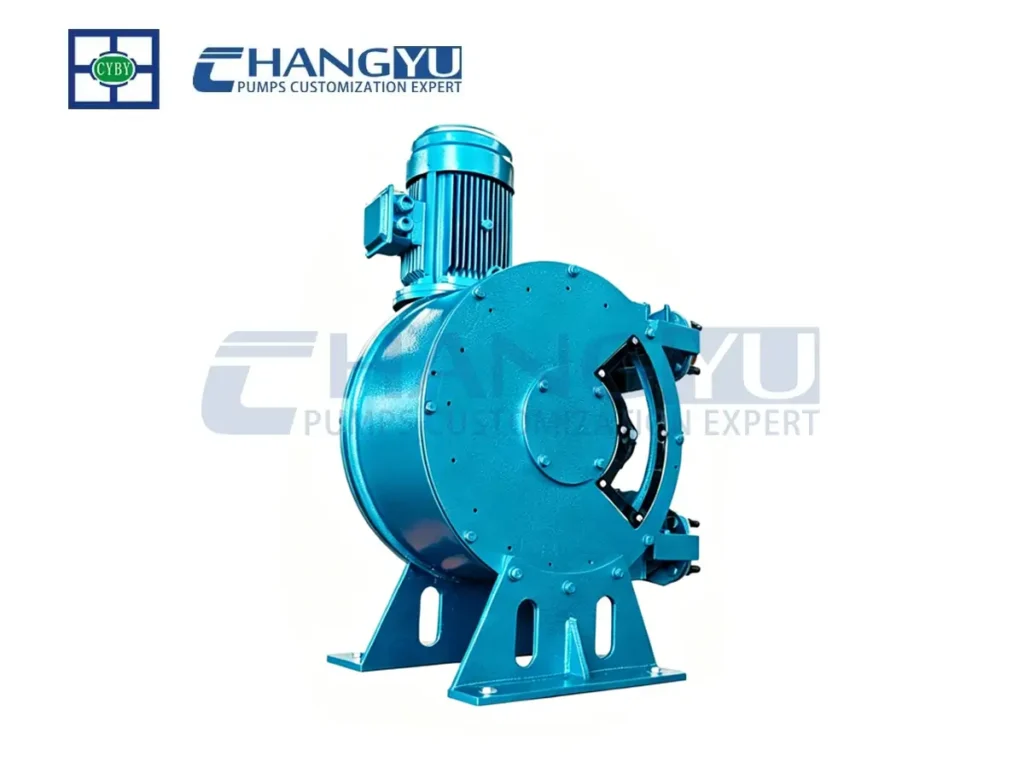
| Hose or peristaltic pump | Very abrasive or difficult slurry at controlled flow, with the medium contained inside the hose | Hose life, pulsation, heat generation and capacity limits must be considered. |
| Standard water centrifugal pump | Clean, low-viscosity liquid at a stable operating point | Usually a poor match for corrosive abrasive slurry and a rapidly changing filter press system curve. |
If your process needs higher solids tolerance or a different pumping principle, ChangYu can compare alternatives instead of forcing one model into every project. The goal is a stable filtration cycle, not simply selling the largest motor.
Operation and Maintenance Tips
Most premature failures are connected to the system, not a mysterious defect inside the pump. A few practical habits can greatly extend service life.
- Do not run the pump dry. Loss of liquid can damage seal faces and overheat non-metallic wet-end materials.
- Do not leave settling or crystallizing slurry inside the pump after shutdown. Flush with a compatible liquid when the process requires it.
- Track motor current and cycle time. A gradual increase may indicate cake behavior changes, pipe blockage, higher slurry density or internal wear.
- Inspect seals for small leaks before they become large leaks. Correct flush pressure and clean seal support lines are important.
- Listen for gravel-like noise or sudden vibration, which can indicate cavitation, air entry, blockage or a damaged impeller.
- Keep a record of slurry composition and replacement-part life. ChangYu can use this history to improve the next material or hydraulic selection.
Common Problems and What They Usually Mean
| Симптом | Likely causes to check | Practical next step |
|---|---|---|
| Press fills too slowly | Low pump speed, blocked suction, excessive pipe loss, worn impeller or pump selected only for final pressure | Measure actual start-of-cycle flow and motor current; inspect suction and compare with the selected curve. |
| Final pressure cannot be reached | Insufficient head, bypass leakage, worn wet end, air entry or press leakage | Check pump shut-off capability, valve positions and whether the pressure loss is in the pump, pipe or press. |
| Seal leaks repeatedly | Dry running, solids at seal faces, crystallization, shaft movement, pipe strain or unsuitable seal arrangement | Review the failure surface and operating sequence before simply installing the same seal again. |
| High vibration or noise | Cavitation, air entrainment, solids buildup, misalignment, bearing damage or operation far from the suitable range | Check suction conditions, alignment and operating point immediately. |
| Wet-end life is short | Wrong material, sharp particles, excessive speed, local blockage or operation at very low flow | Provide worn-part photos and slurry data so corrosion and abrasion patterns can be separated. |
| Motor overloads during filling | Starting flow is higher than expected, slurry density increased or impeller diameter/speed is too high | Record current against pressure and verify the complete pump curve and motor margin. |
What You Receive from ChangYu
A useful quotation should help you make a decision, not just show a price. After receiving enough operating data, ChangYu can provide a recommended model and configuration, expected duty range, wetted material proposal, seal option, motor information and the operating points that should be checked during commissioning. Custom documentation and inspection requirements can be discussed before order confirmation.
- Application review based on the complete filter press cycle
- Single-stage or two-stage hydraulic recommendation
- Material selection for both corrosion and particle wear
- Seal and auxiliary-system suggestions
- Motor and variable-frequency-drive coordination
- Installation, startup and maintenance guidance
- Spare-parts recommendation based on the expected wear pattern
When contacting us, you do not need to have every answer ready. Start with the press model, required pressure, slurry name and approximate solids content. Our team can guide you through the remaining questions in plain language.
Электронная почта: [email protected]
ТЕЛ/WA: +86-13651913727
ЧАСТО ЗАДАВАЕМЫЕ ВОПРОСЫ
Что такое питательный насос фильтр-пресса?
Питательный насос фильтр-пресса перемещает шлам из питающего резервуара в фильтр-пресс. Он должен обеспечивать высокий начальный расход для быстрого заполнения и постепенно повышающееся давление при снижении расхода по мере формирования кека.
Почему я не могу выбрать насос, используя только максимальное давление?
Насос работает в рамках цикла, а не в одной фиксированной точке. Выбор только по максимальному давлению может привести к медленному заполнению, низкой эффективности или нестабильной работе. Начальный расход, давление в конце цикла, потери в трубопроводе и свойства шлама необходимо оценивать в совокупности.
Когда следует использовать двухступенчатый насос?
Двухступенчатая конструкция рассматривается, когда фильтр-прессу требуется более высокое конечное давление, чем может обеспечить подходящий одноступенчатый насос, особенно при плотных кеках, длинных линиях разгрузки или фильтрационных контурах с высоким сопротивлением.
Может ли насос перекачивать коррозионную пульпу?
Да, при условии, что смачиваемый материал, уплотнение и гидравлическая конструкция совместимы с фактическим химическим составом, температурой, размером частиц и содержанием твёрдых веществ. Для различных условий доступны UHMWPE, фторопласт, полиуретан, нержавеющая сталь и специальные сплавы.
Can a variable-frequency drive improve operation?
A variable-frequency drive can regulate filling flow, reduce hydraulic shock and coordinate pump output with pressure feedback. The final control logic should include the filter press rating, motor limits and minimum stable pump speed.
What data should I send for a quotation?
Send the slurry composition, pH, temperature, density, viscosity, solids content and particle size, plus press chamber volume, target filling time, terminal pressure, suction conditions, piping layout, power supply and preferred materials.
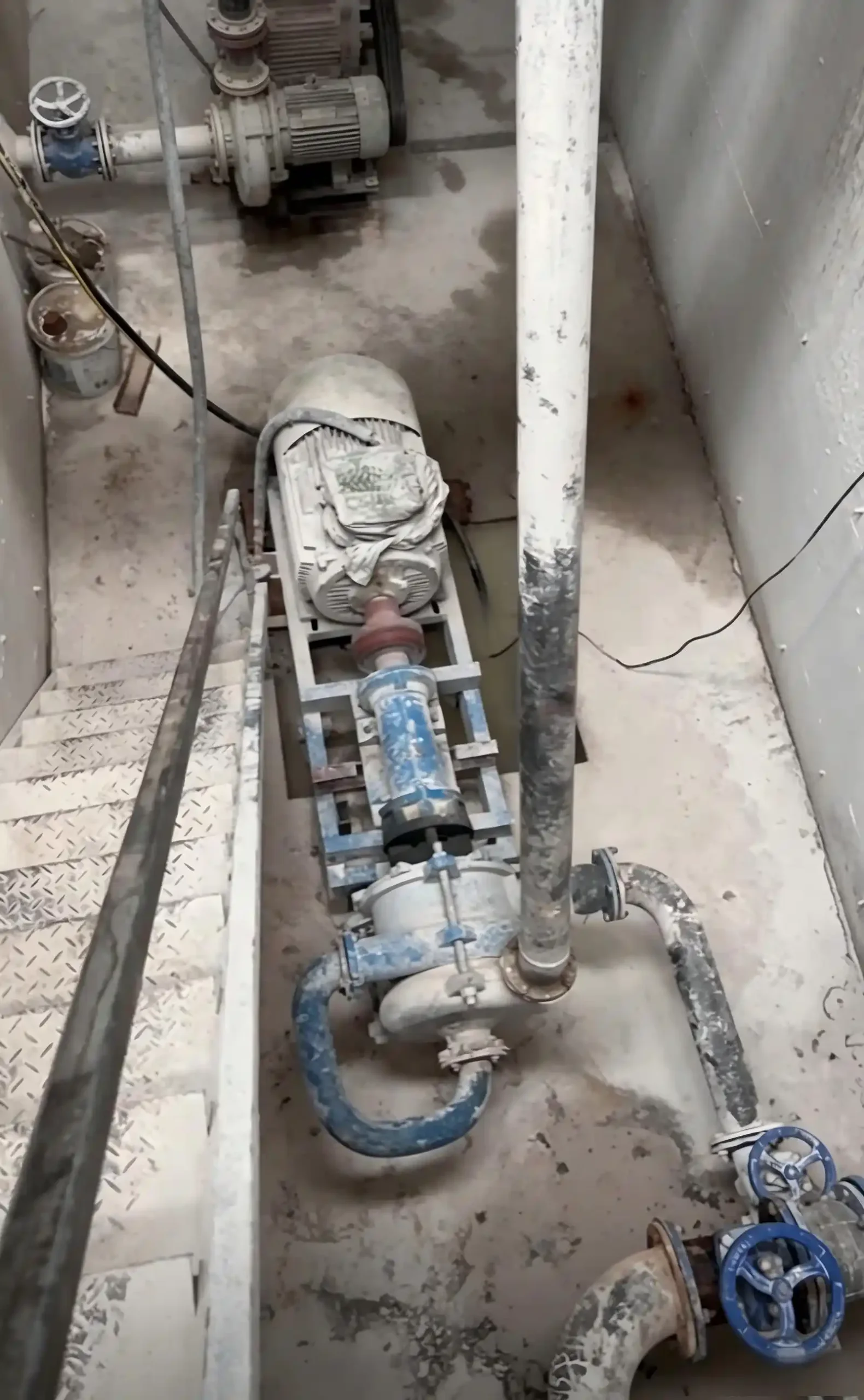
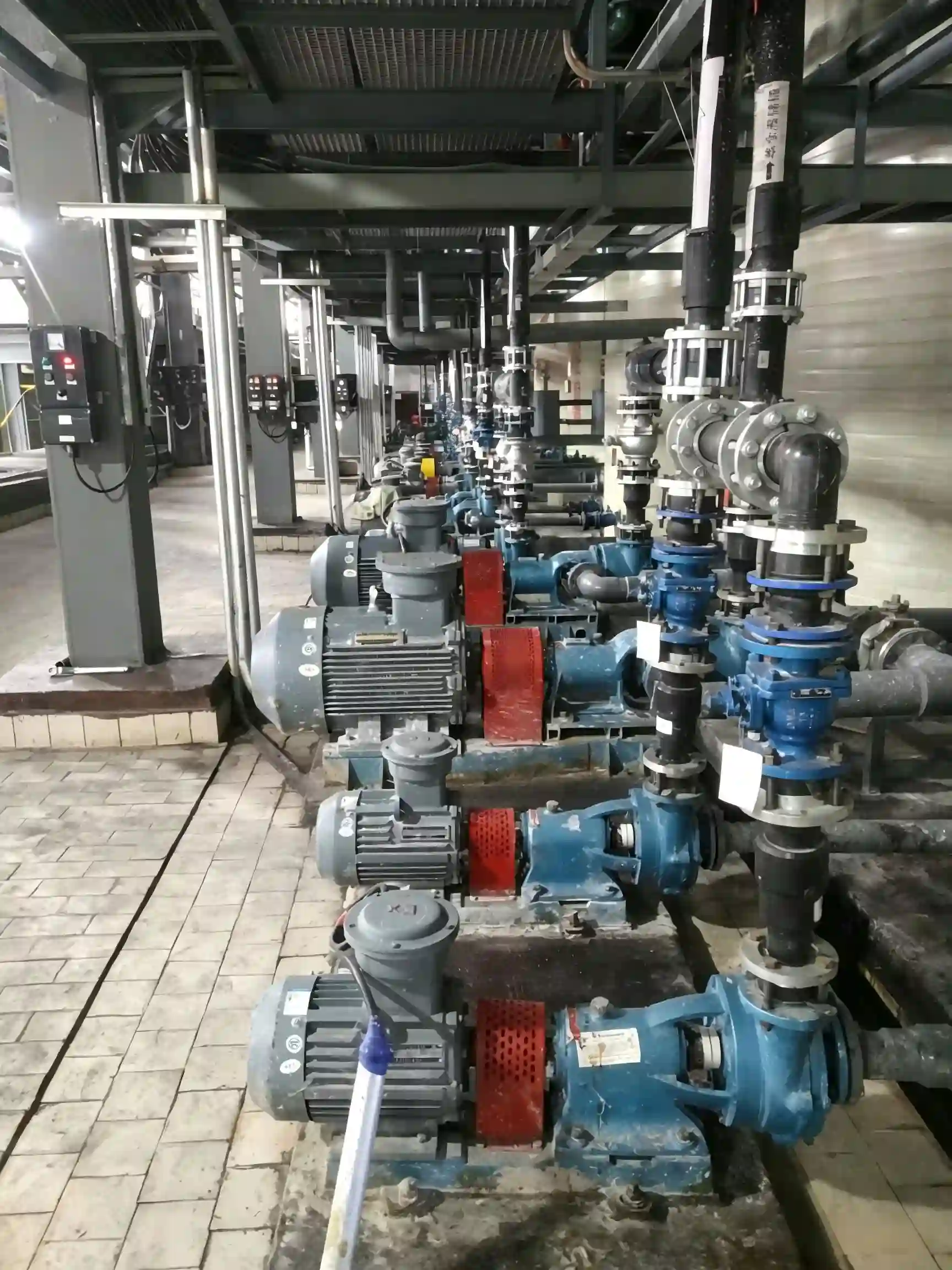
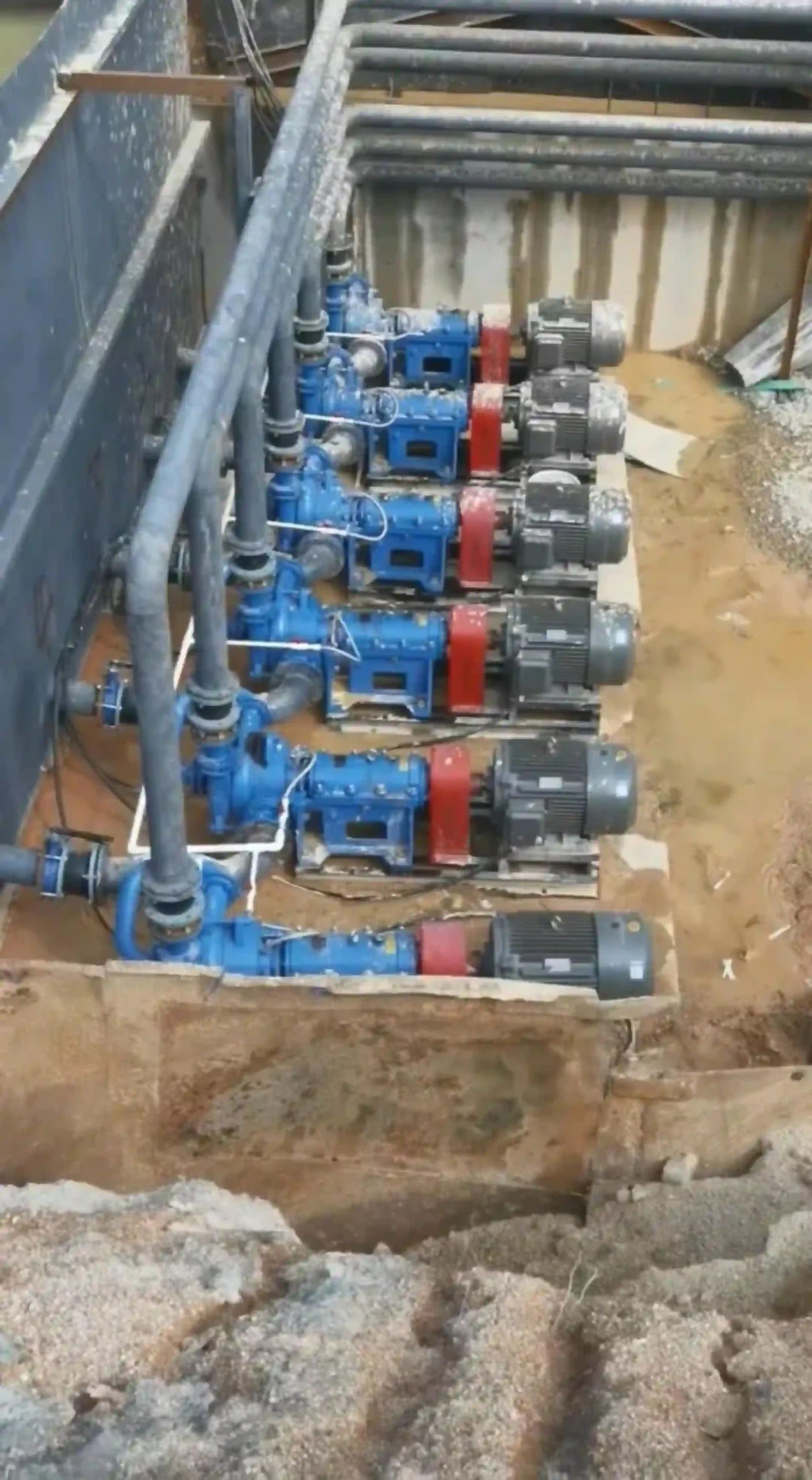
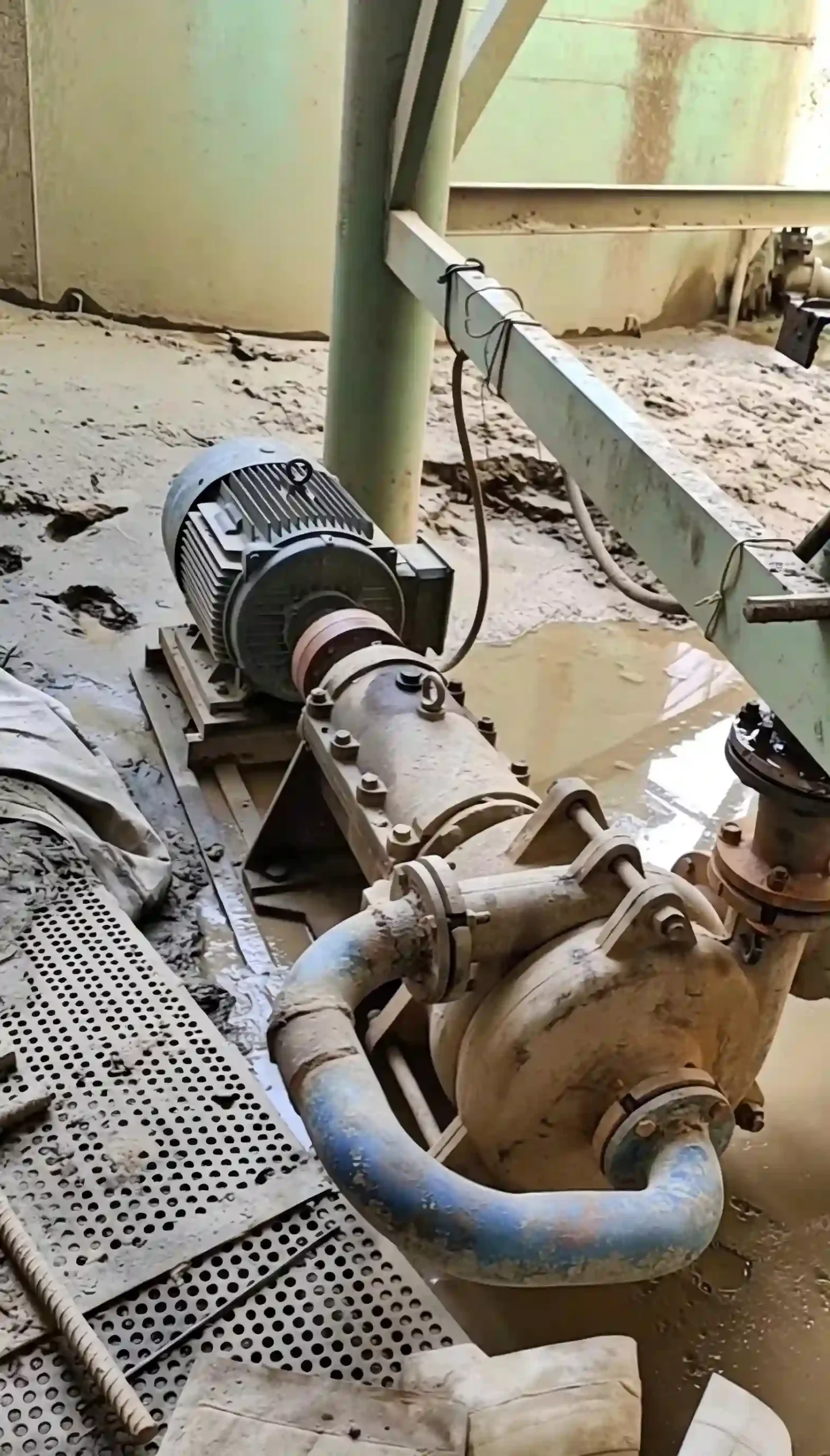
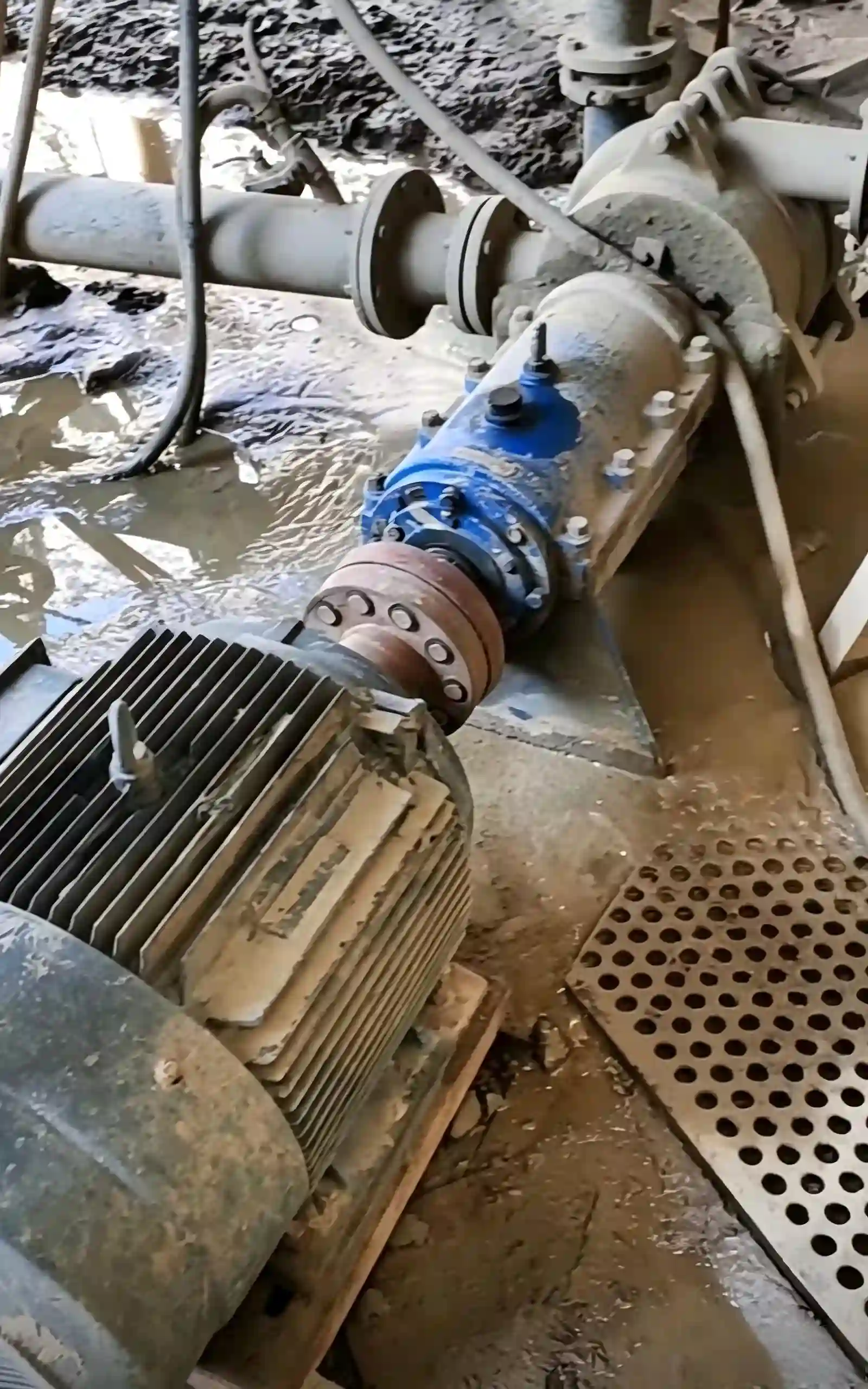
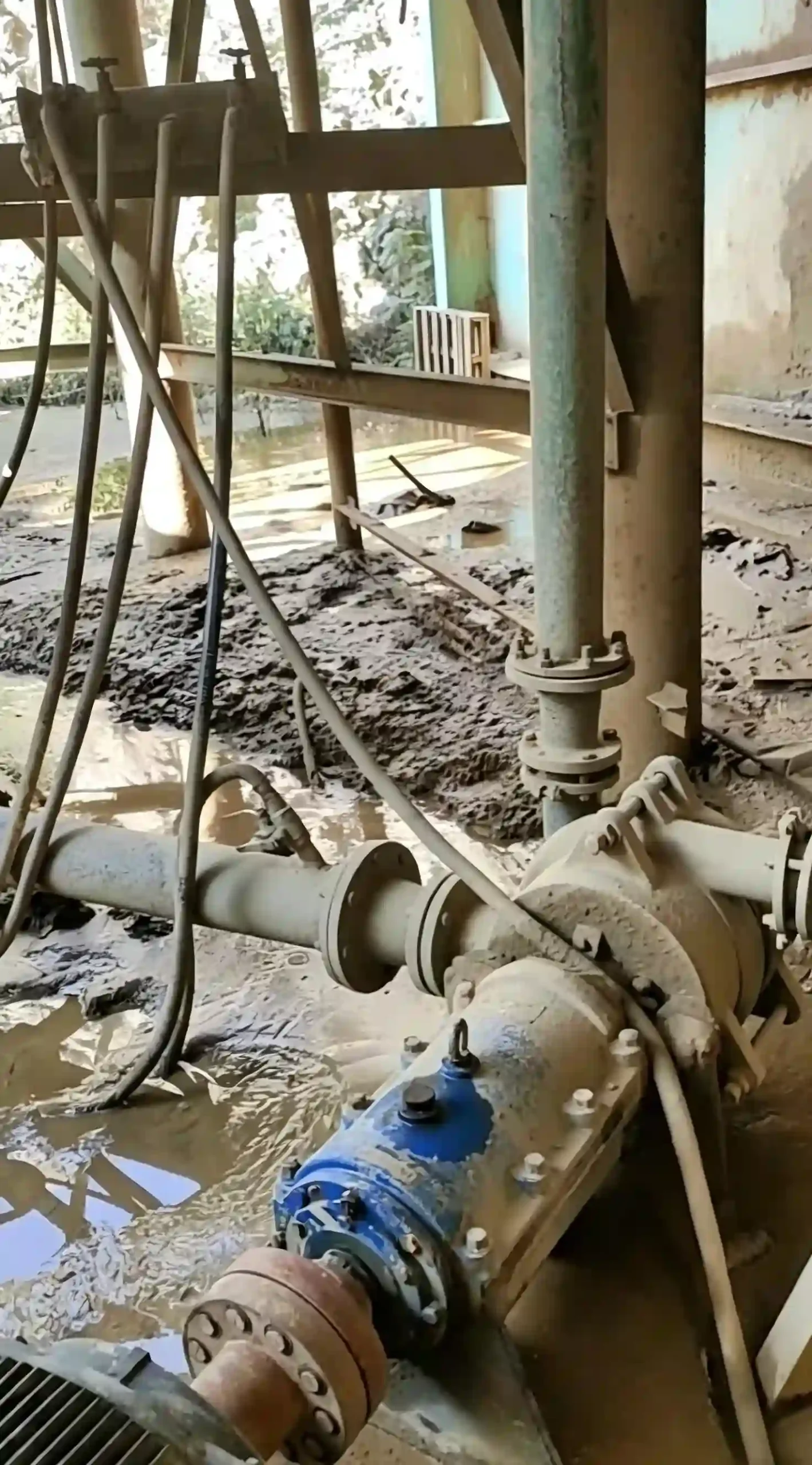
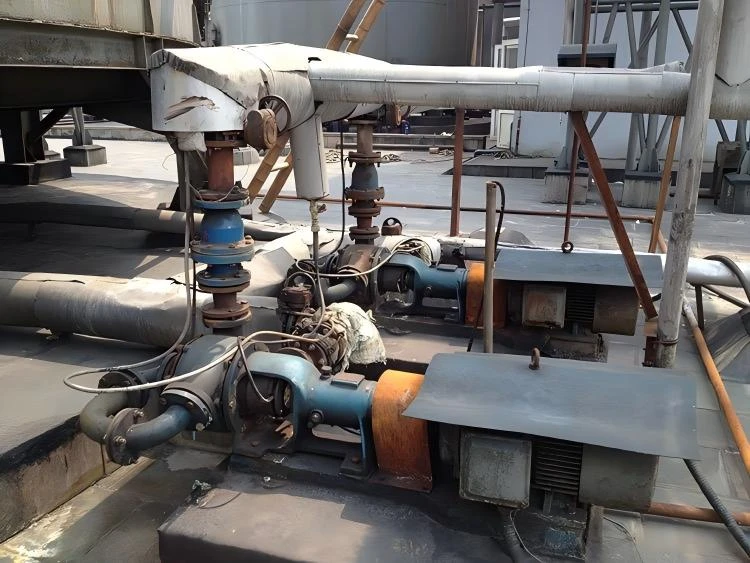
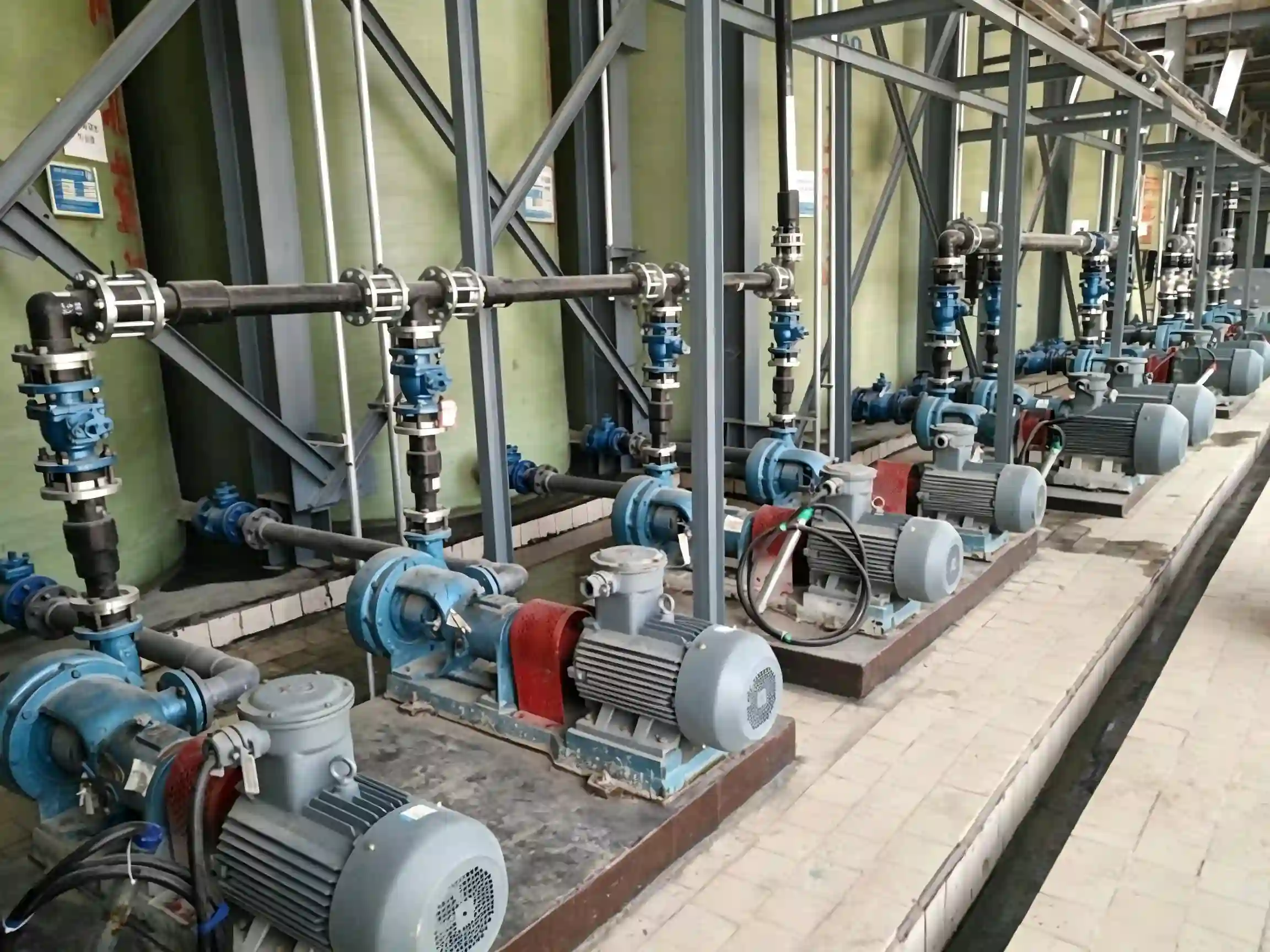
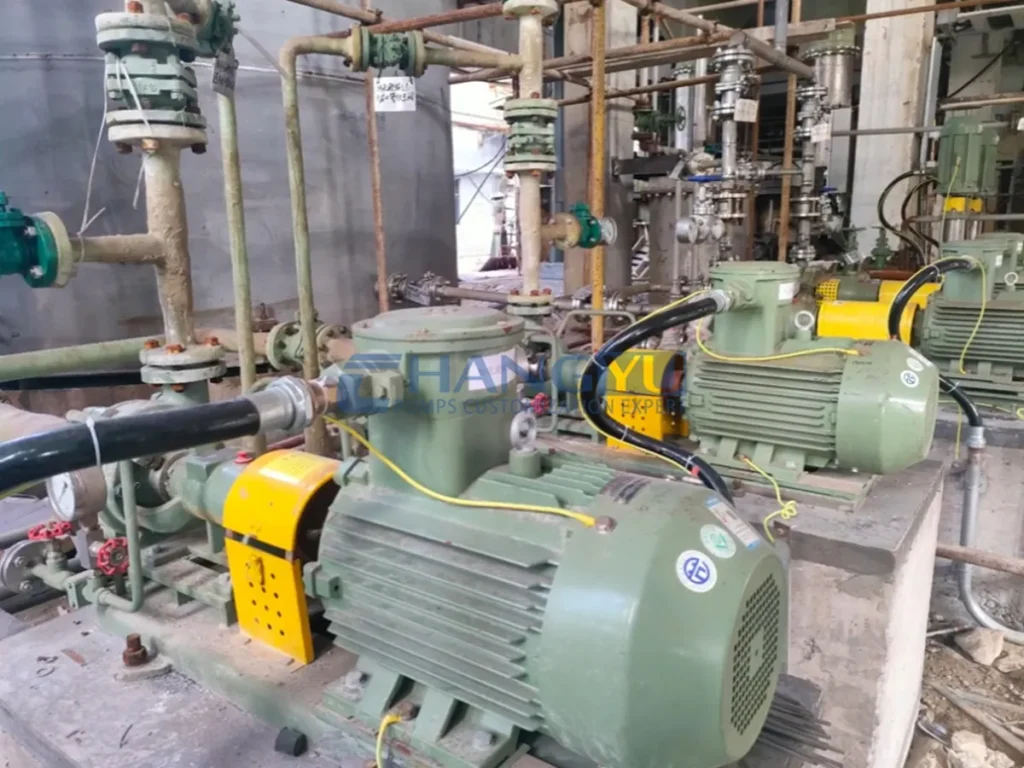
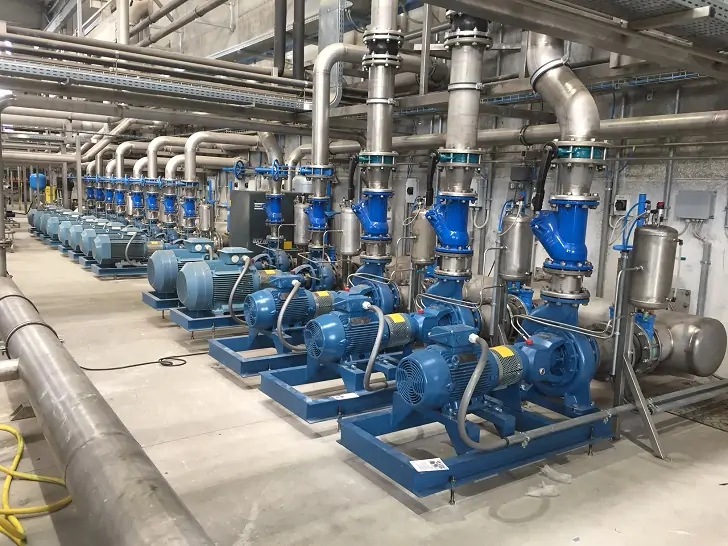
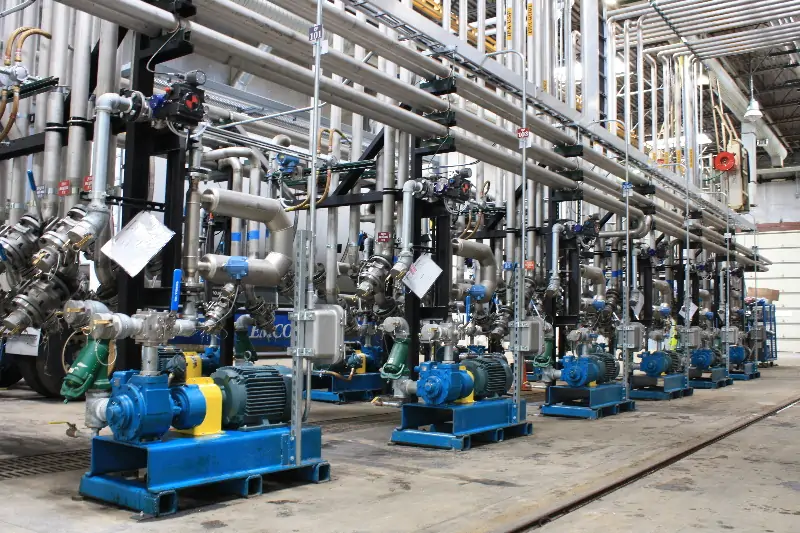
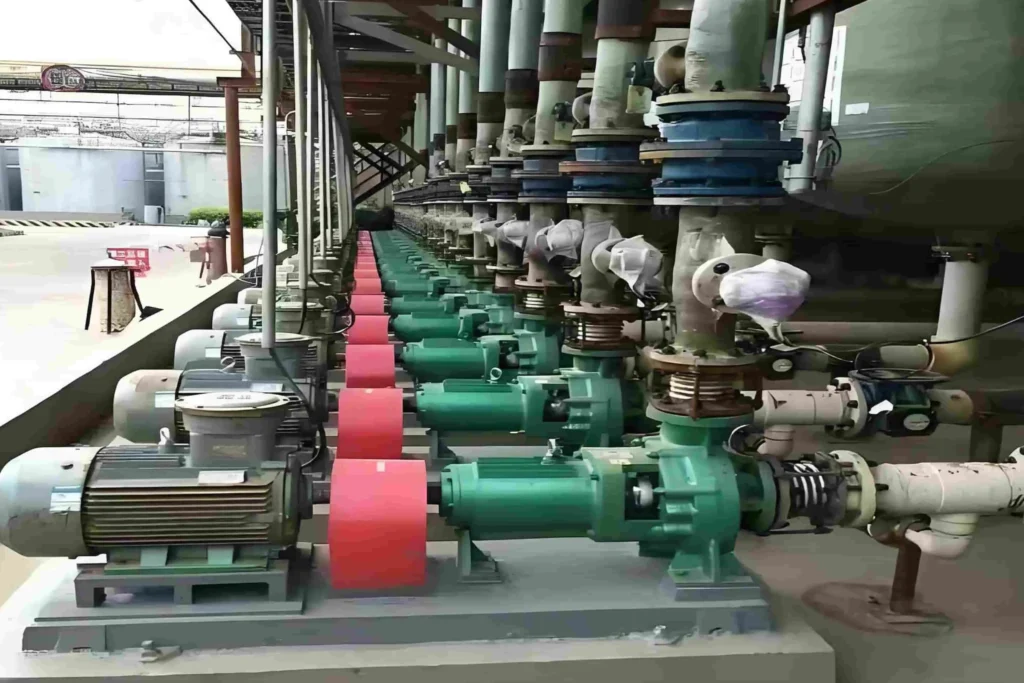
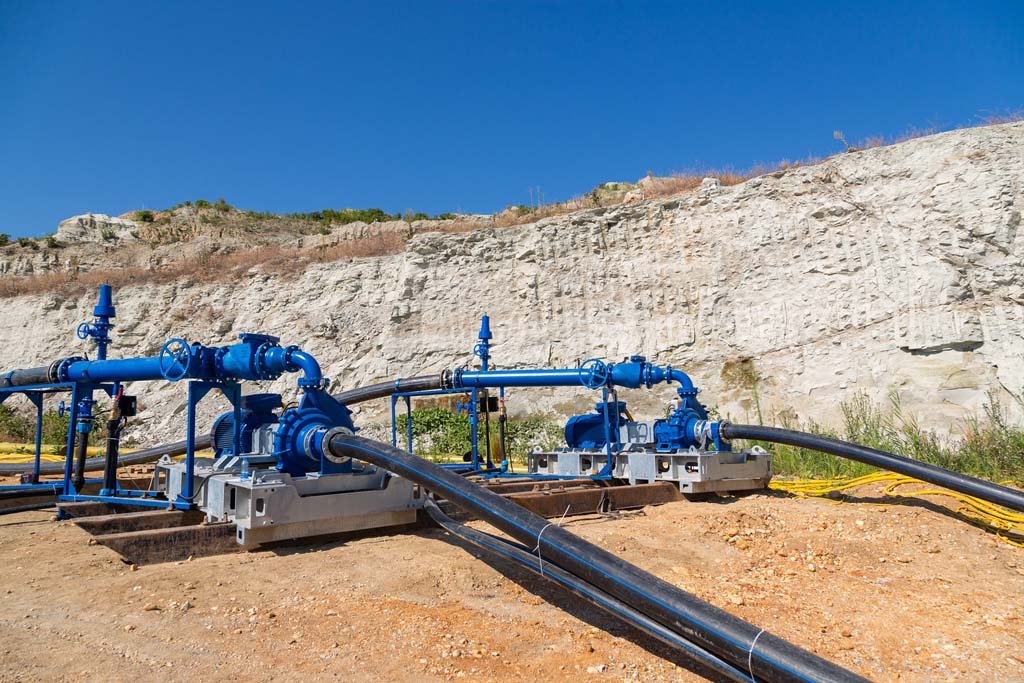
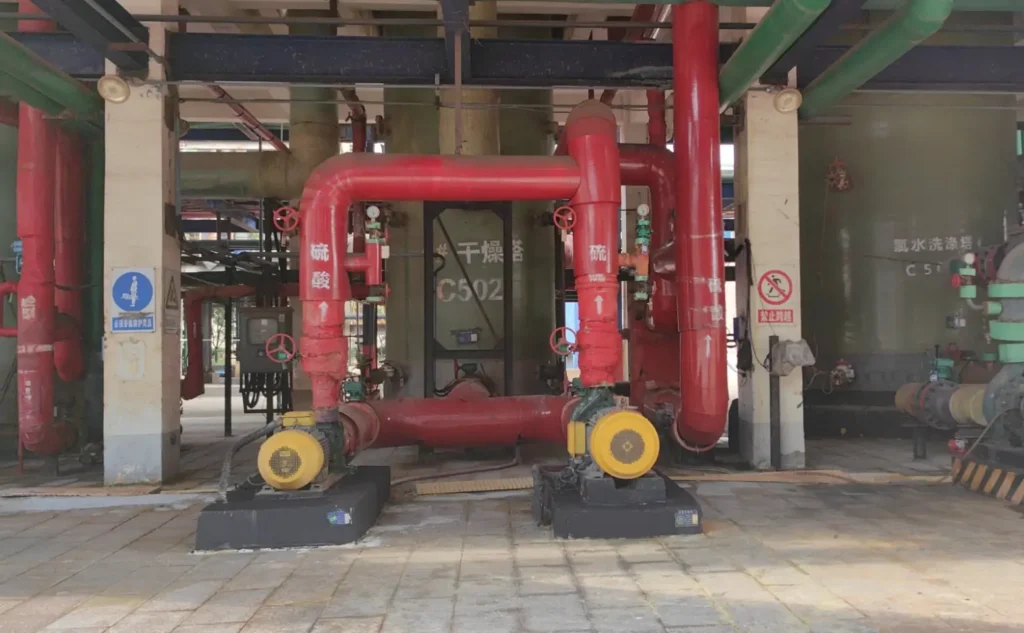
Filter Press Feed Pump in Operation
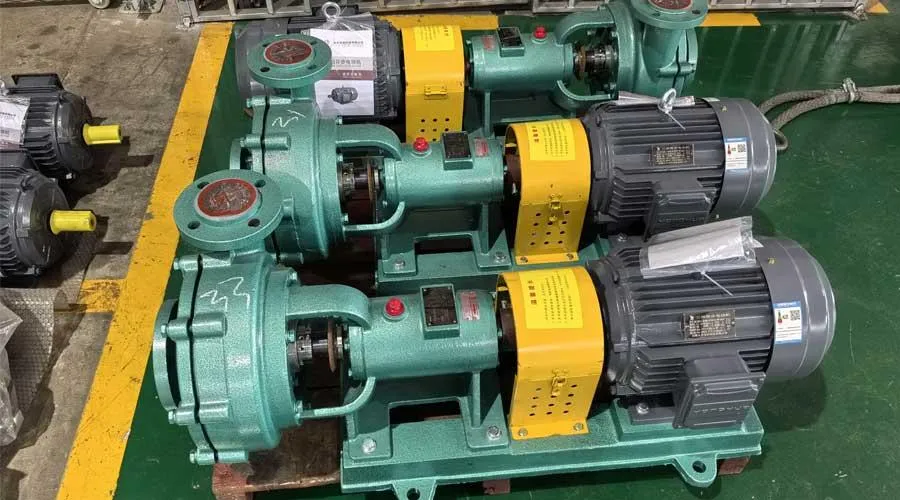
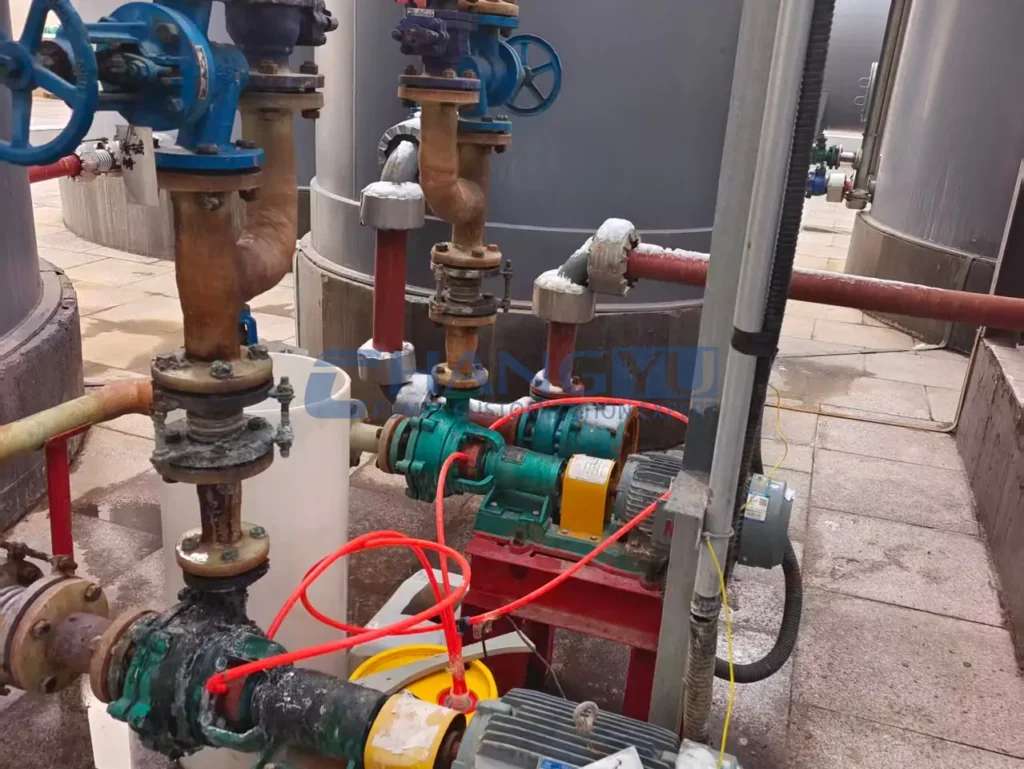
This section is reserved for nine on-site operating photos showing ChangYu filter press feed pumps in actual filtration and slurry-handling systems. Final pump configurations vary according to slurry composition, solids concentration, required feed pressure, filter press capacity, and site layout.
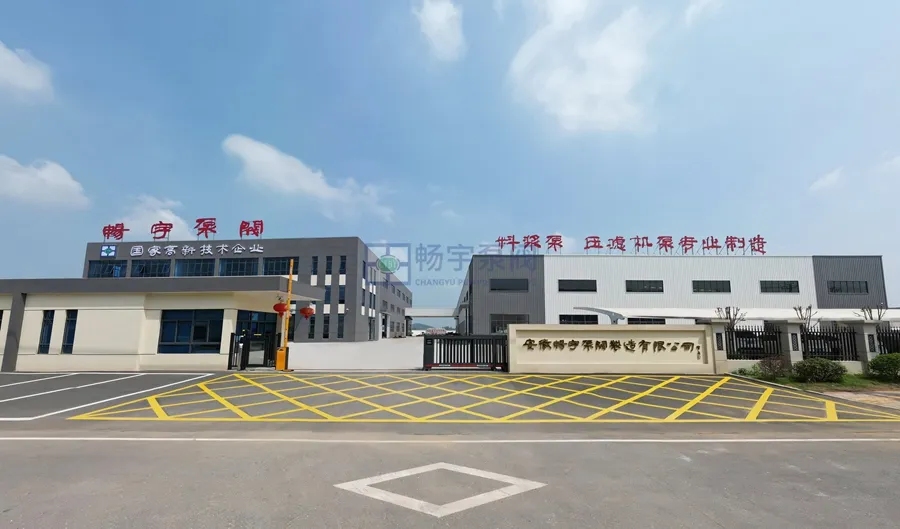
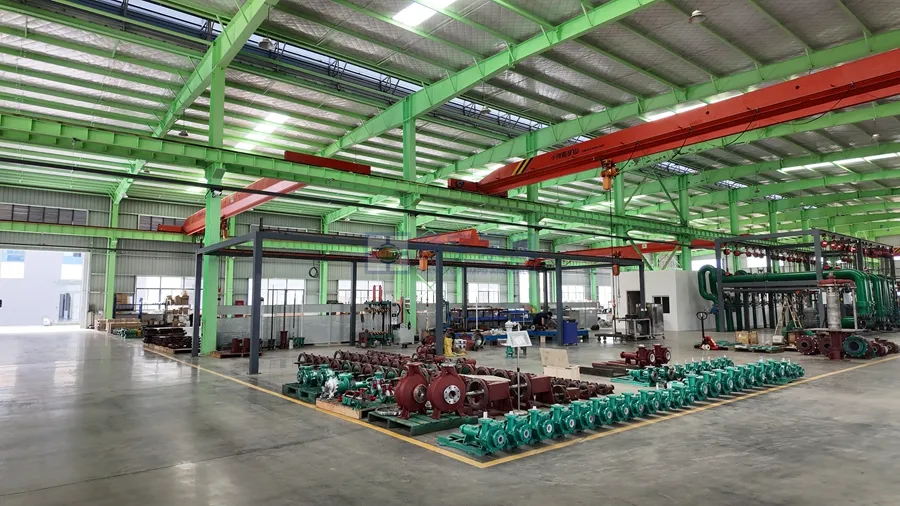
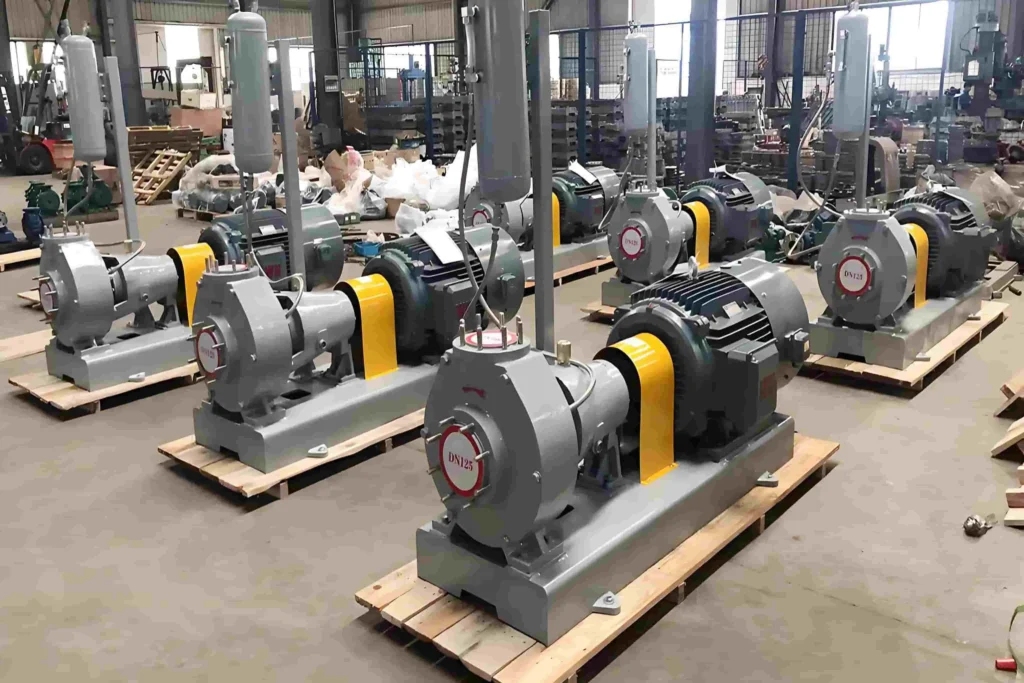
Фабричная выставка




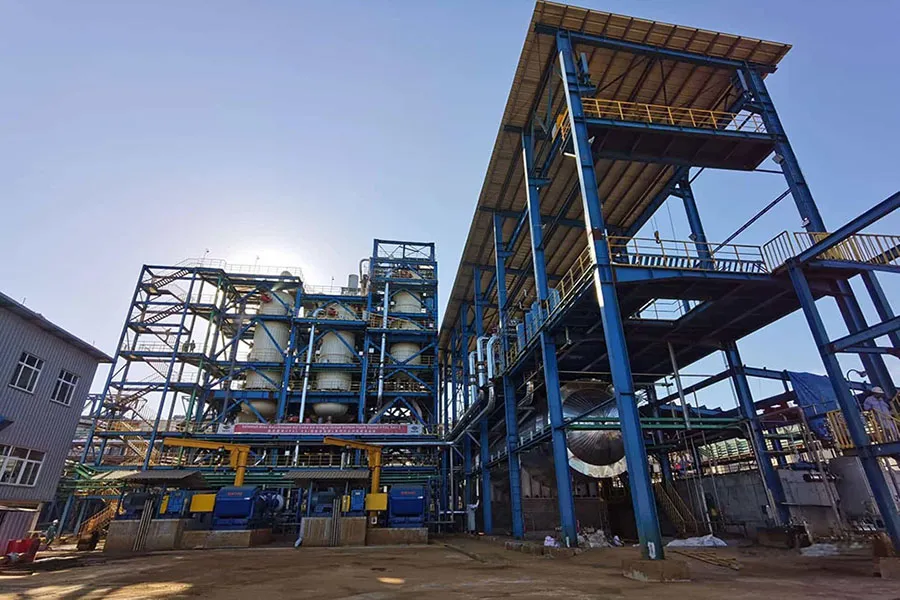
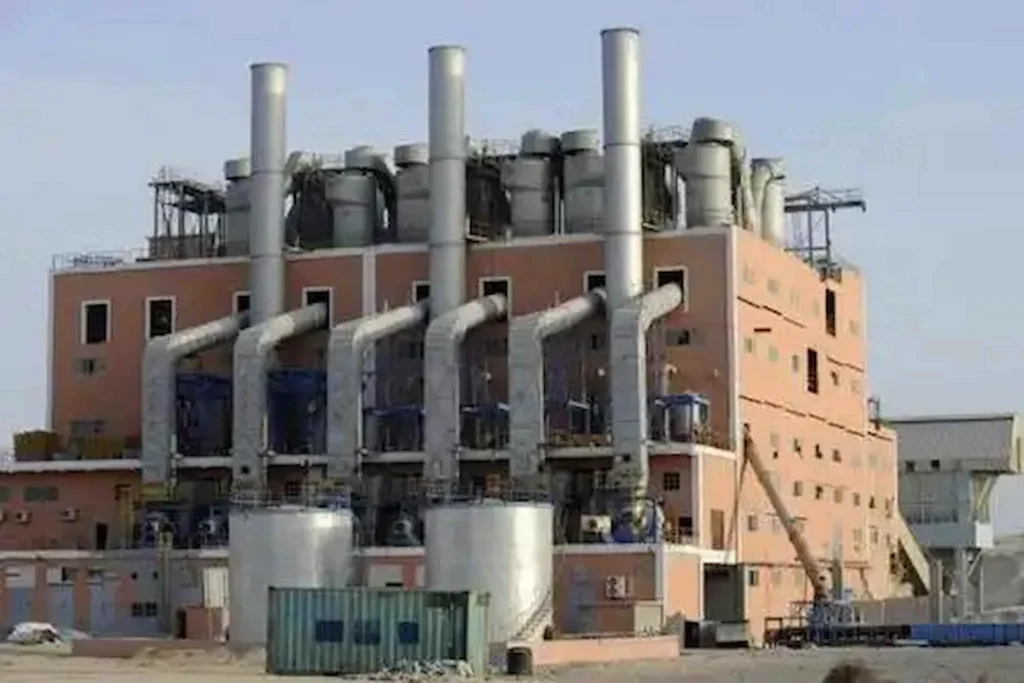
Проекты

Запрос бесплатной сметы
Пожалуйста, укажите подробную информацию о перекачиваемой жидкости, включая расход, напор, удельный вес и температуру, чтобы мы могли порекомендовать оптимальный насос и предоставить точное предложение.