
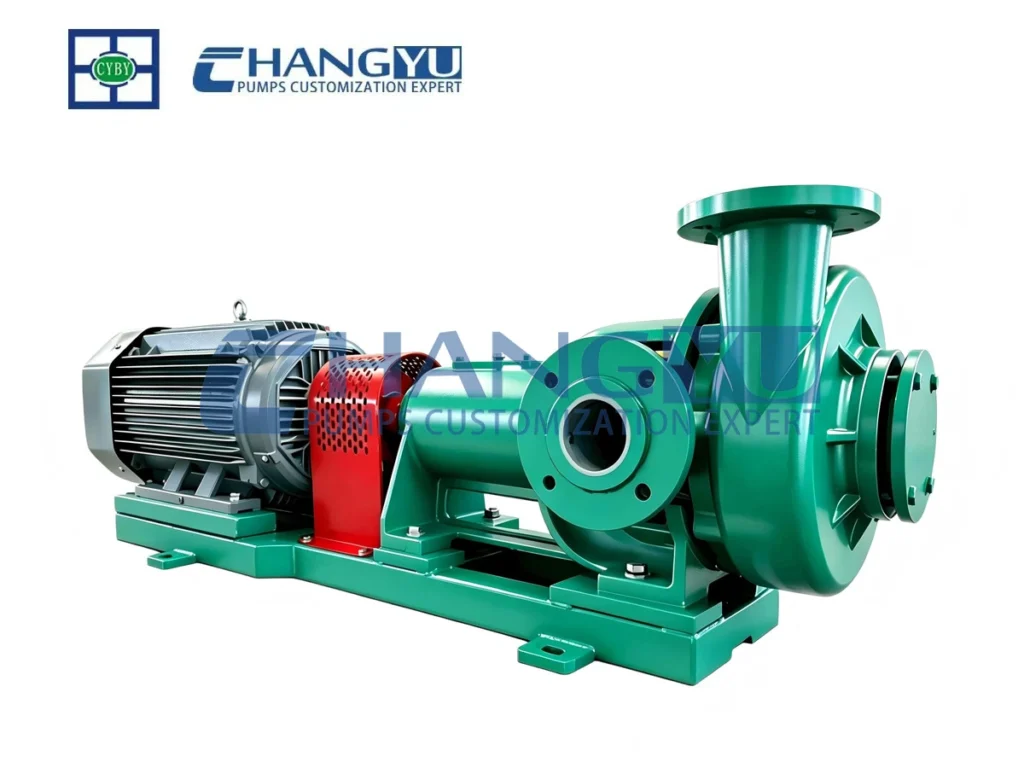
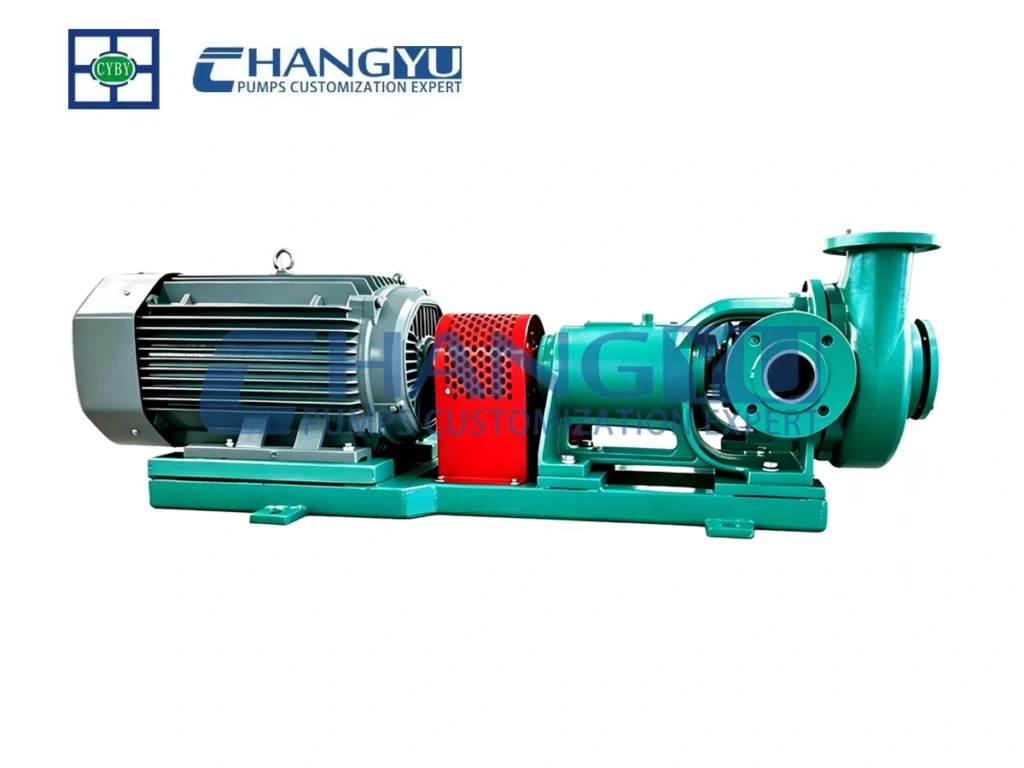
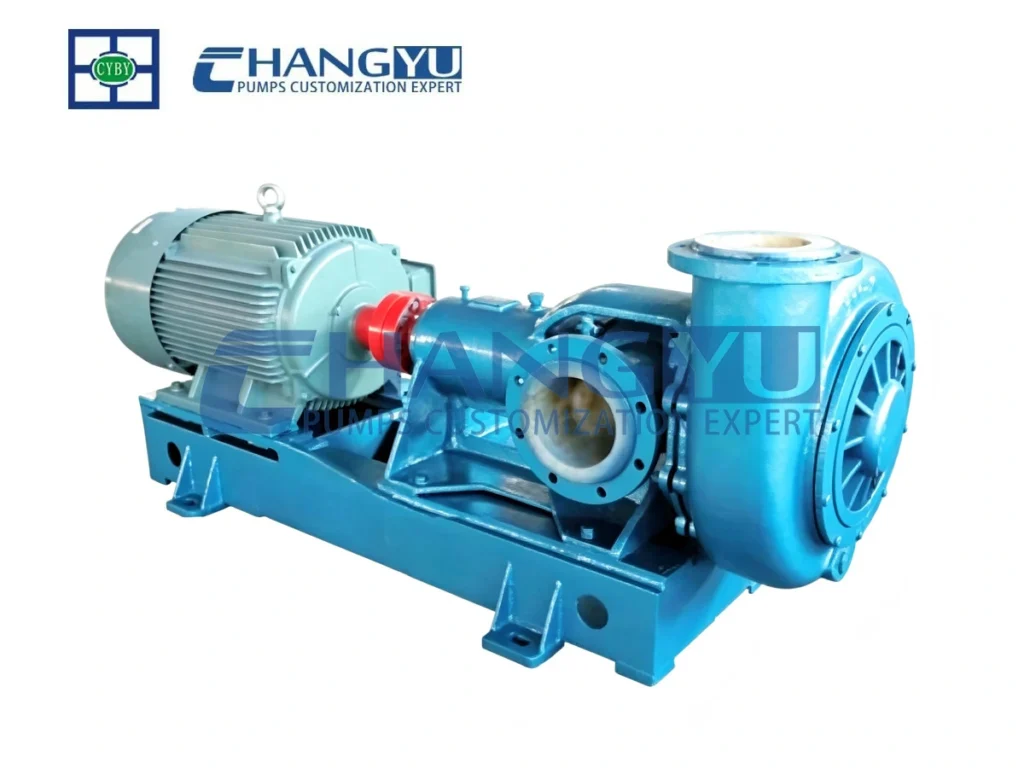
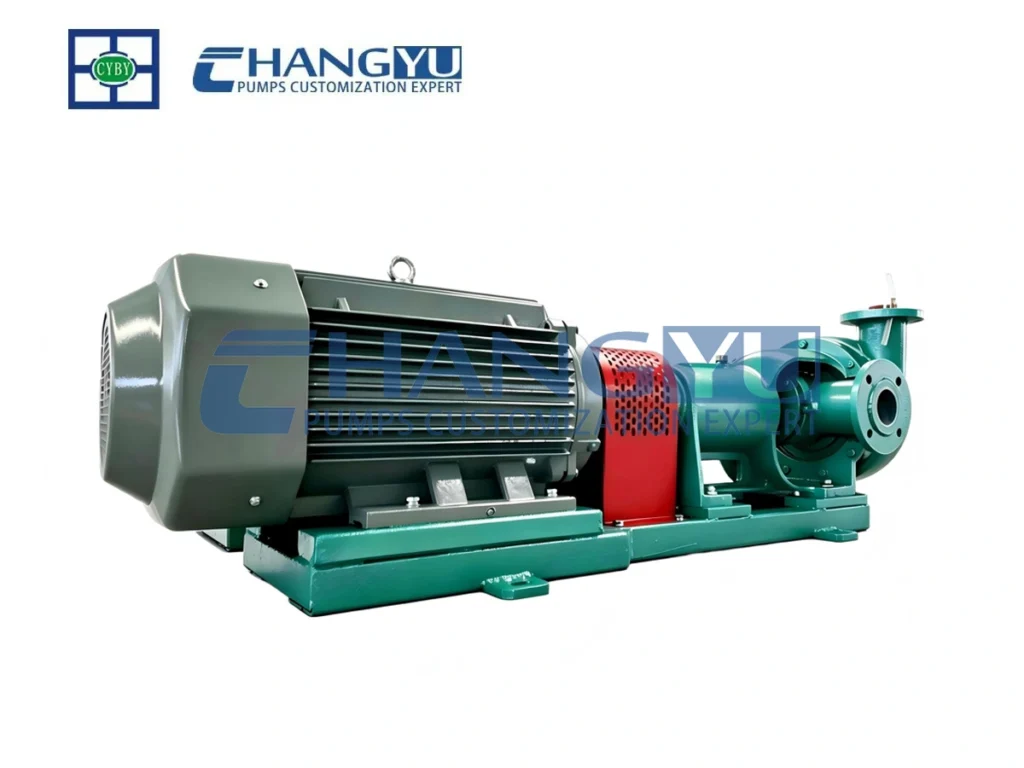
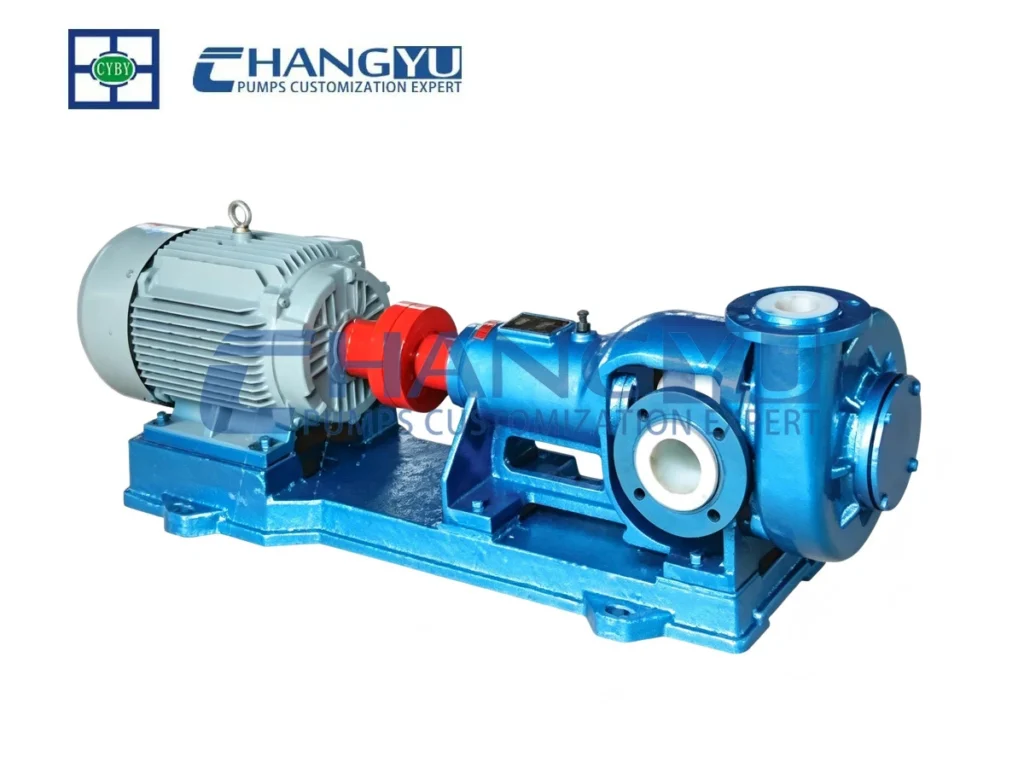
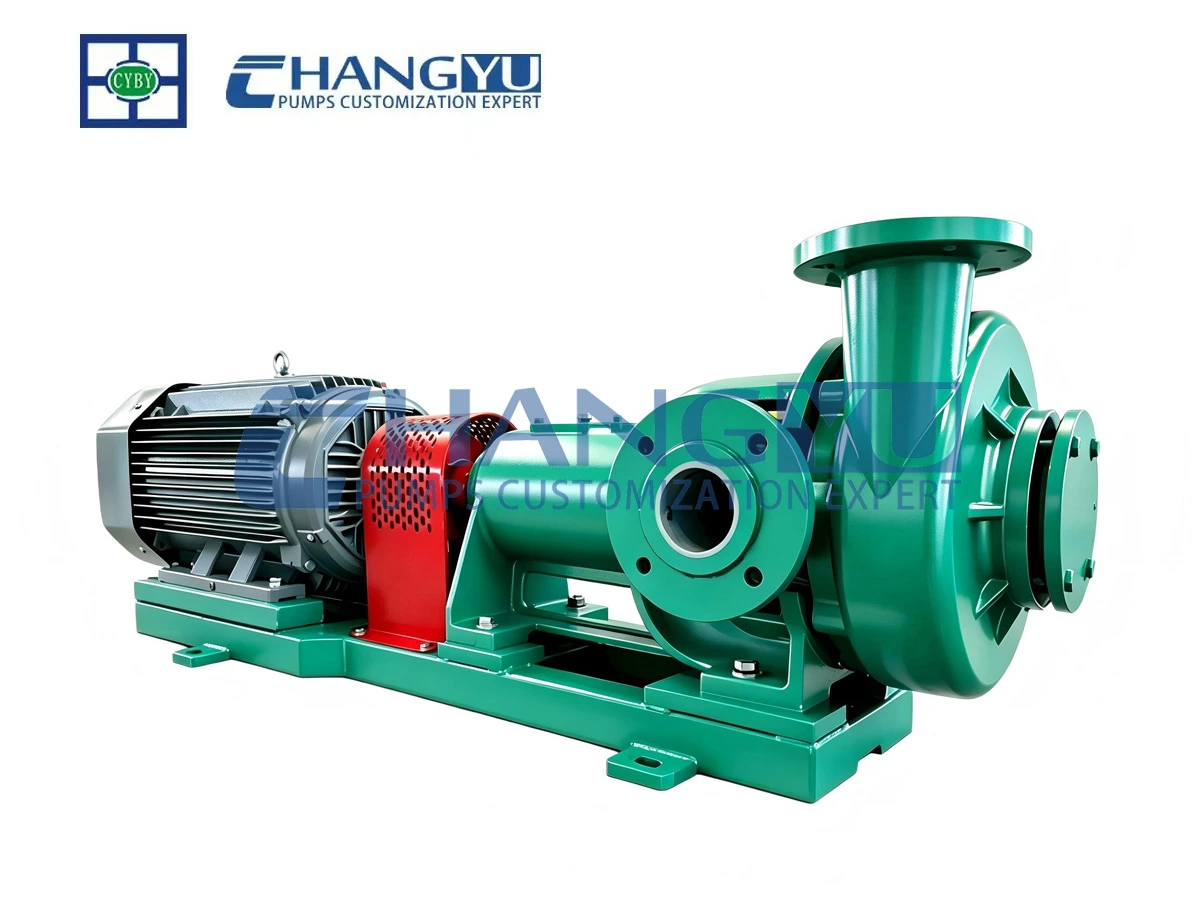
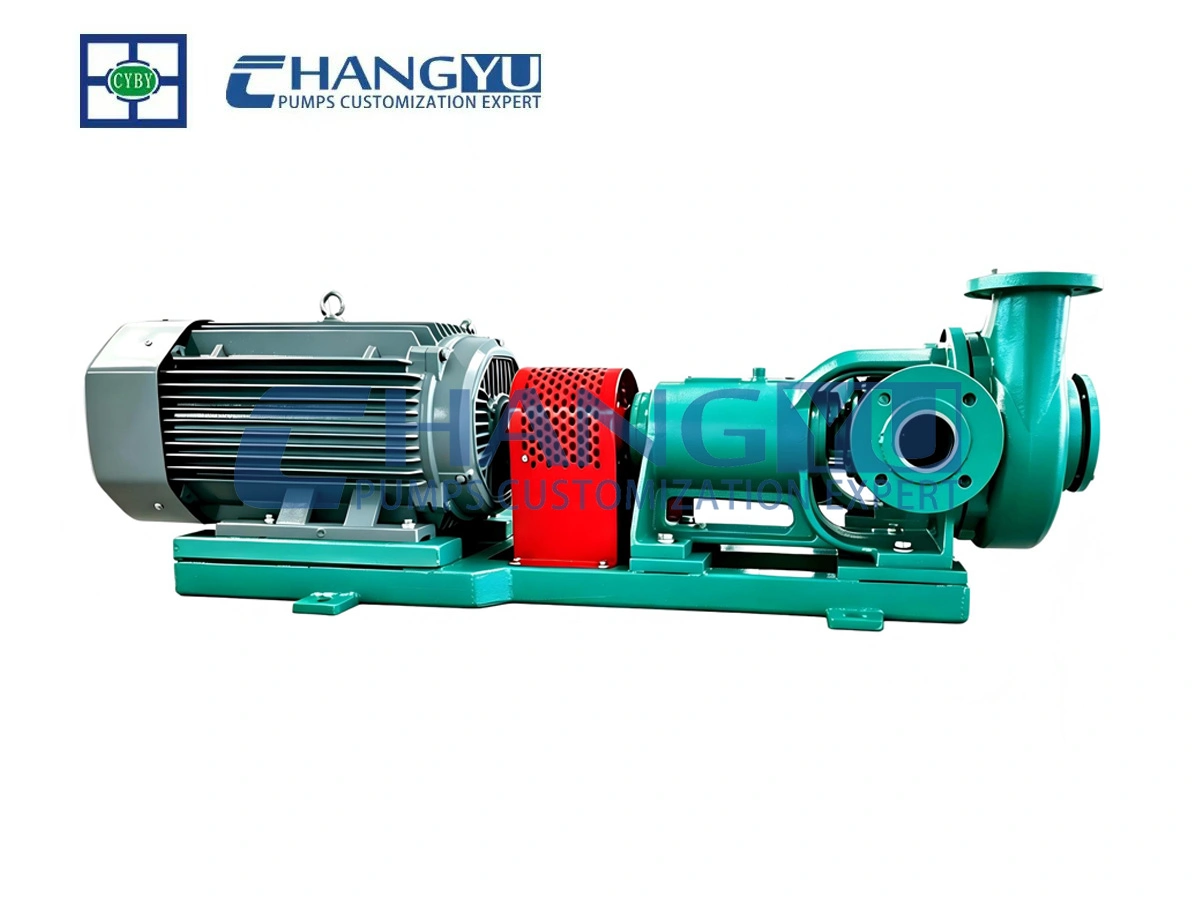
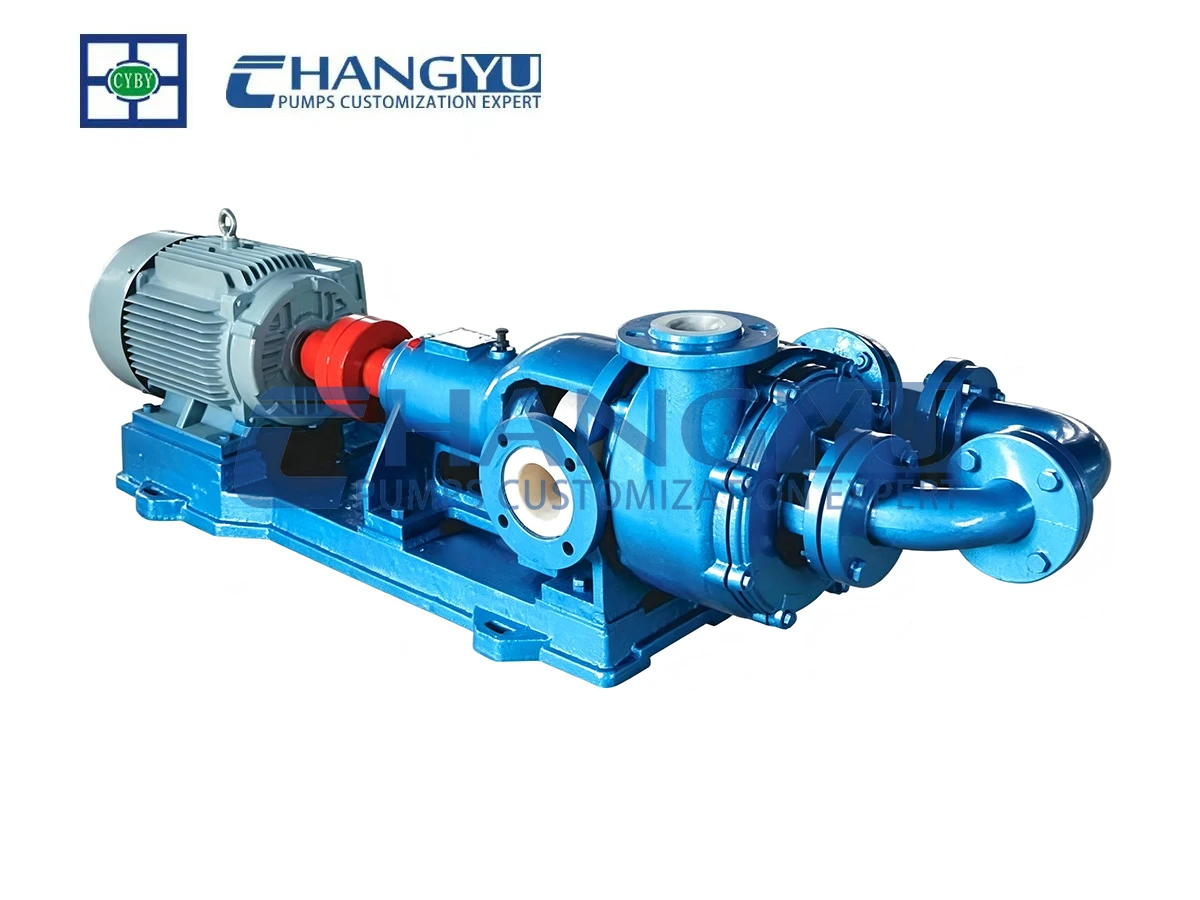
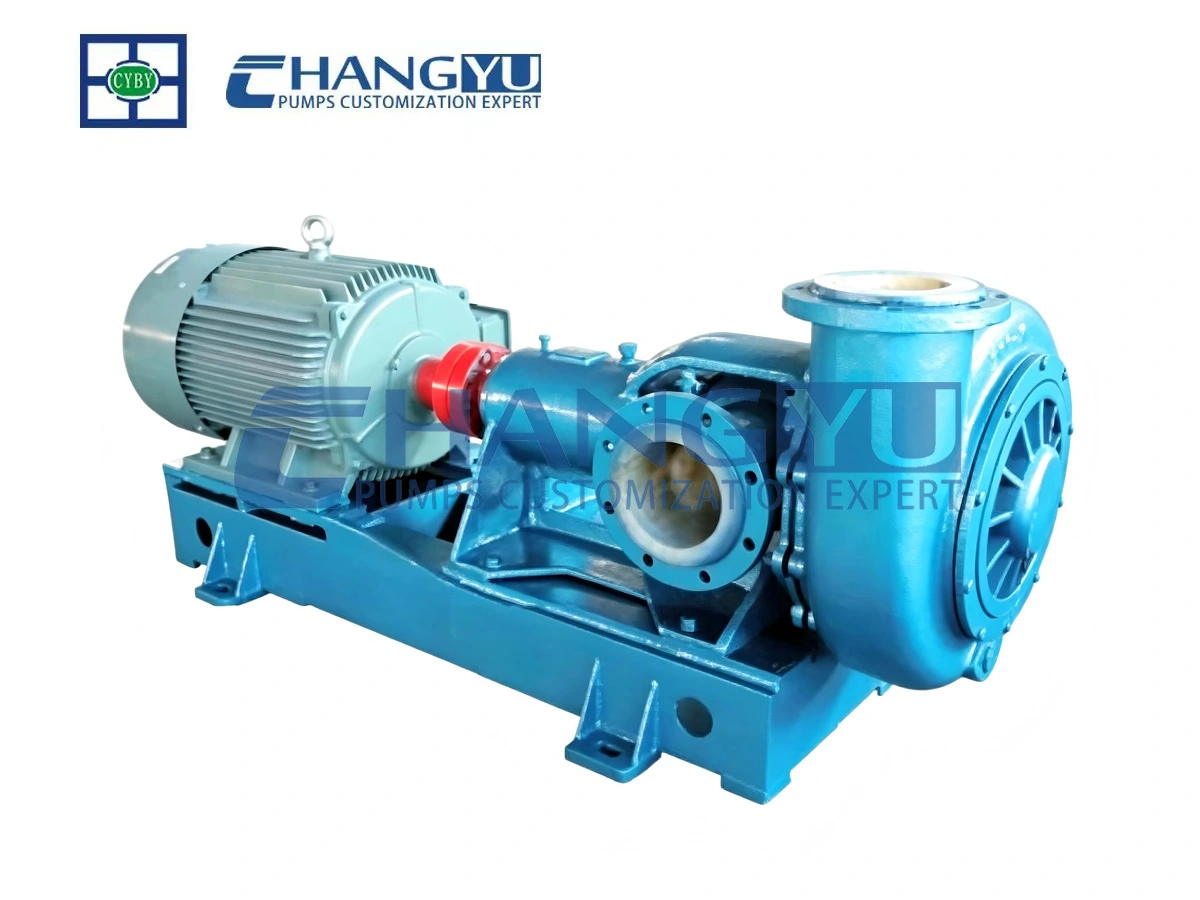
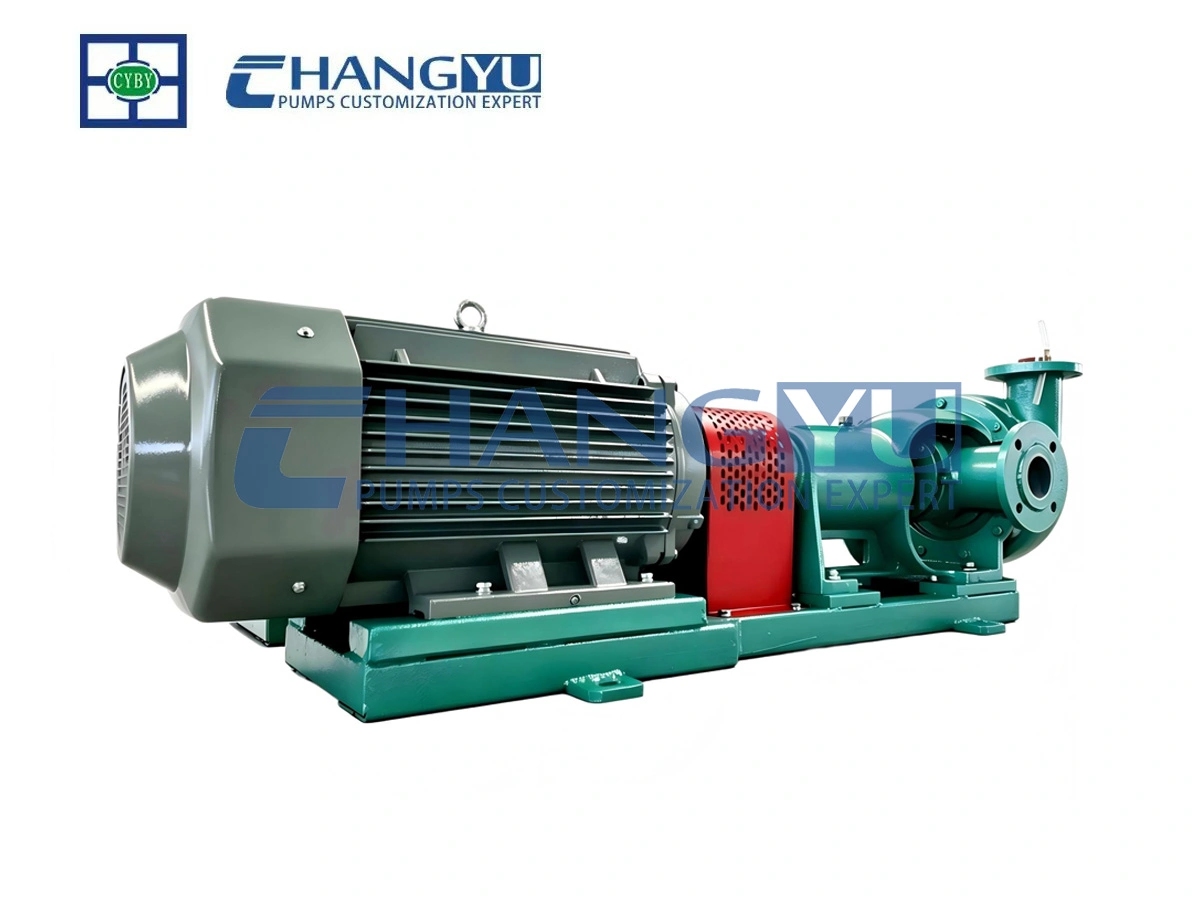
Bơm cấp liệu máy ép khung bản cho bùn ăn mòn và mài mòn
Bơm cấp liệu máy ép khung bản vận chuyển bùn vào máy ép khung bản hoặc máy ép buồng và tự động tuân theo chu trình làm việc thay đổi: lưu lượng cao ở áp suất thấp trong giai đoạn làm đầy buồng ban đầu, sau đó lưu lượng giảm khi áp suất tăng khi bánh lọc tích tụ. ChangYu cung cấp cấu hình ly tâm một cấp và hai cấp cho bùn công nghệ ăn mòn, mài mòn và chứa nhiều chất rắn.
Còn được gọi là Bơm máy ép khung bản, Bơm cấp liệu máy ép khung bản, Bơm bùn cho máy ép khung bản, hoặc Bơm bùn máy ép khung bản, thiết bị này được lựa chọn dựa trên toàn bộ chu trình lọc—không chỉ một điểm lưu lượng và cột áp.
|
Phạm vi lưu lượng: |
3 m³/h – 600 m³/h |
|---|---|
|
Phạm vi đầu: |
10–120 m |
|
Công suất động cơ: |
0,75–220 kW |
|
Tốc độ: |
1450 / 2900 vòng/phút |
|
Phạm vi nhiệt độ trung bình: |
-20°C đến 90°C |
|
Vật liệu có thể tùy chỉnh: |
Cấu hình lót thép UHMWPE hoặc toàn nhựa; tùy chọn phớt bằng nhựa fluoroplastic, silicon carbide, 316L và duplex 2205 |
Tổng quan về Bơm cấp liệu máy ép khung bản
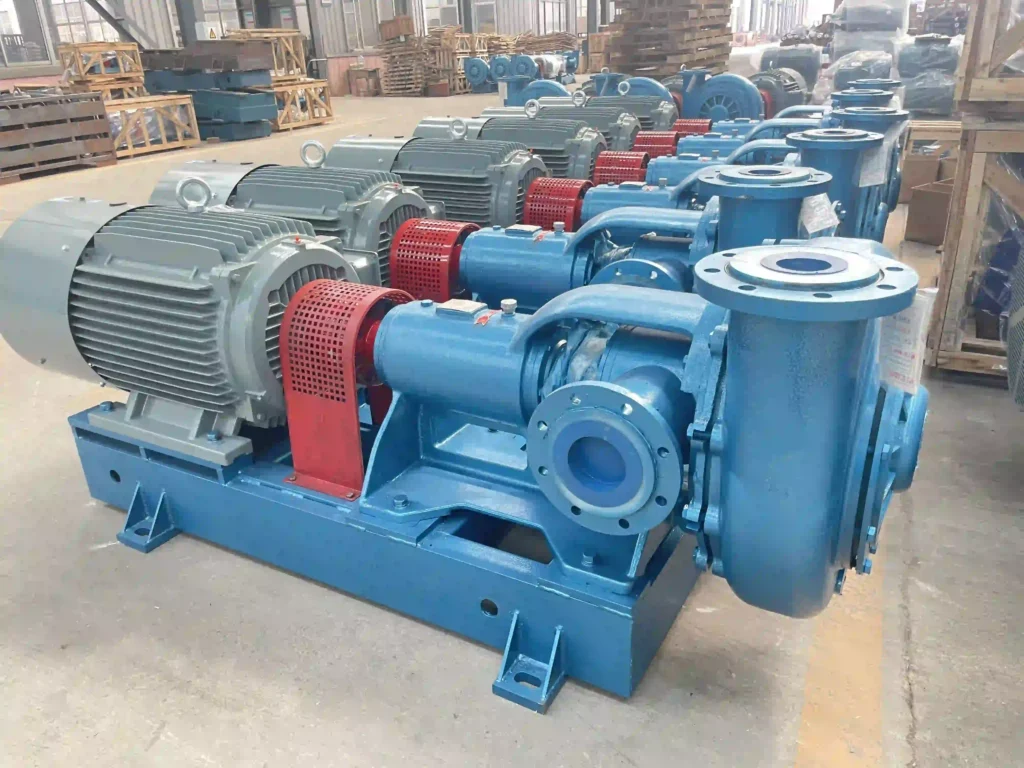
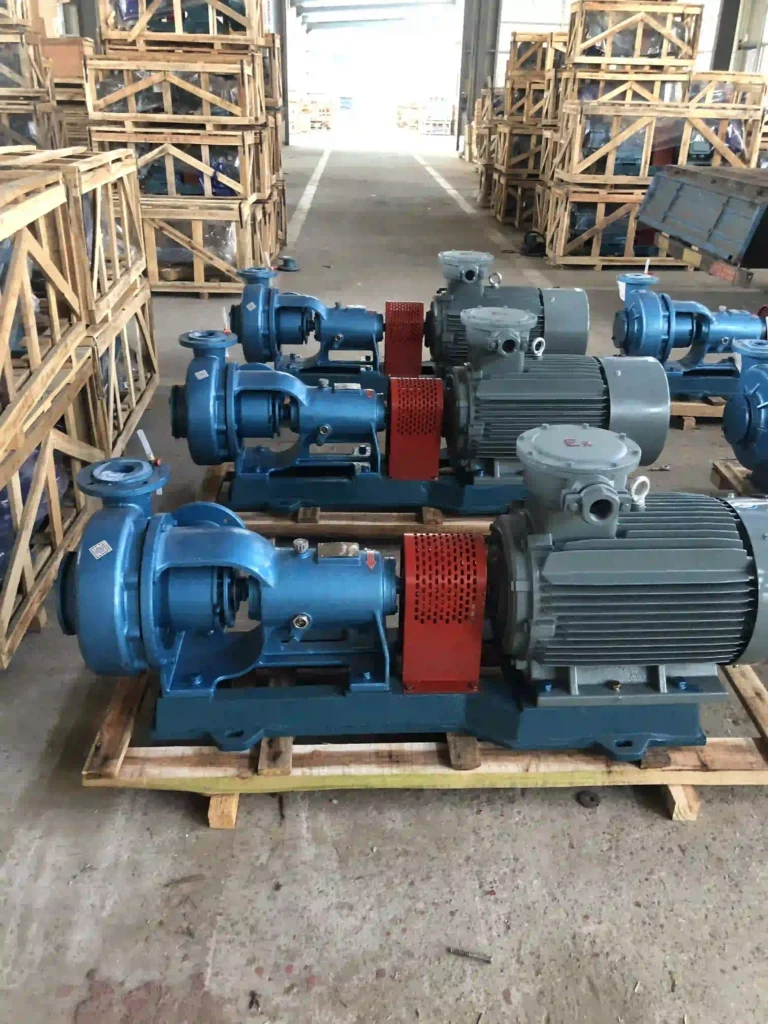
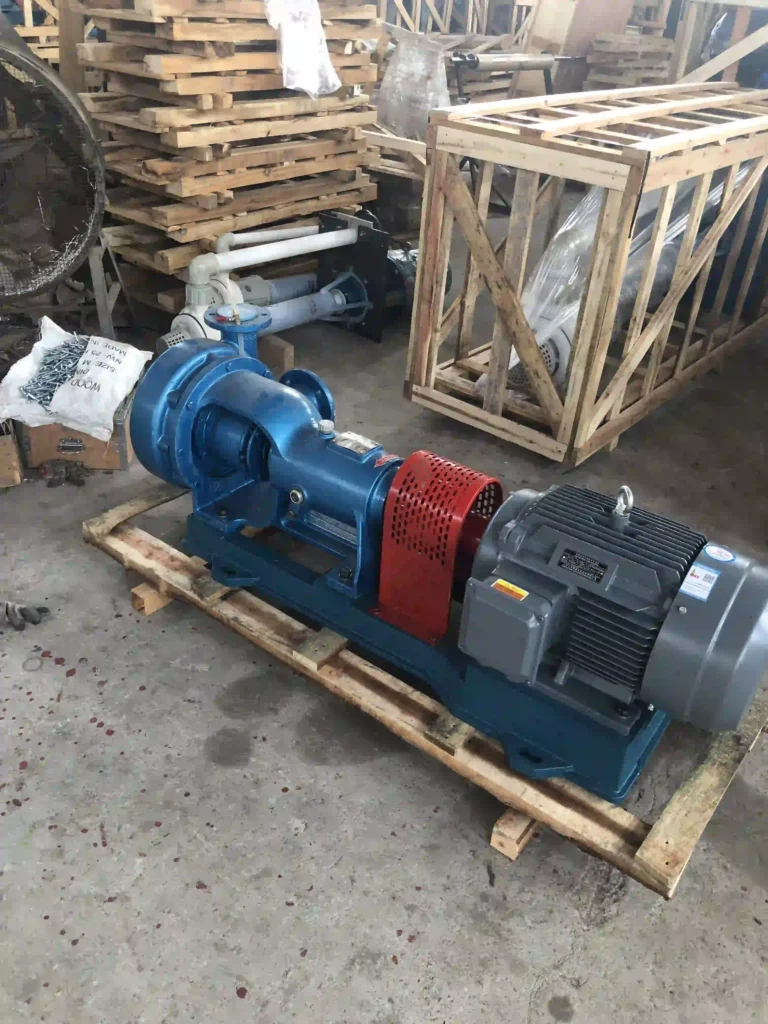
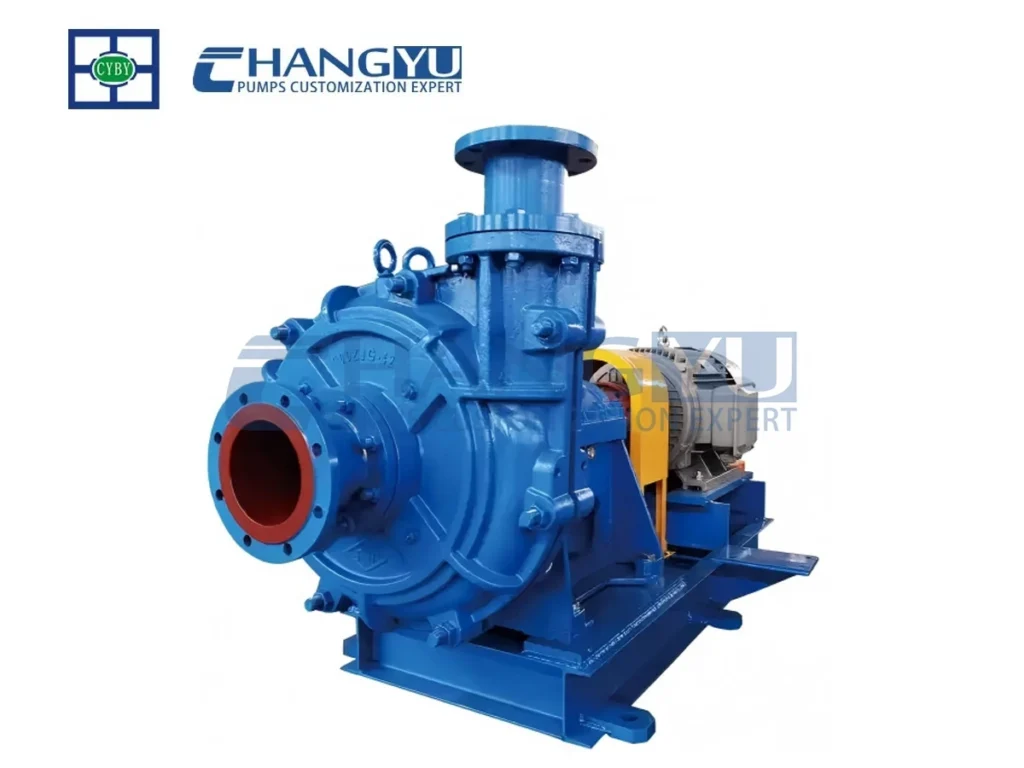
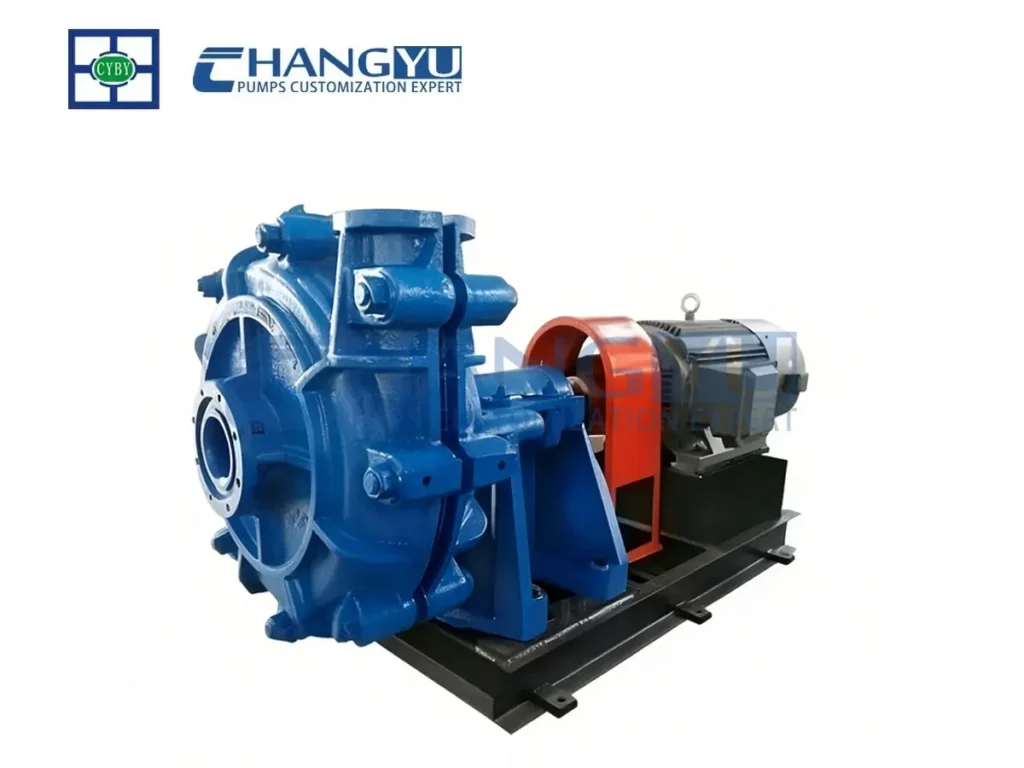
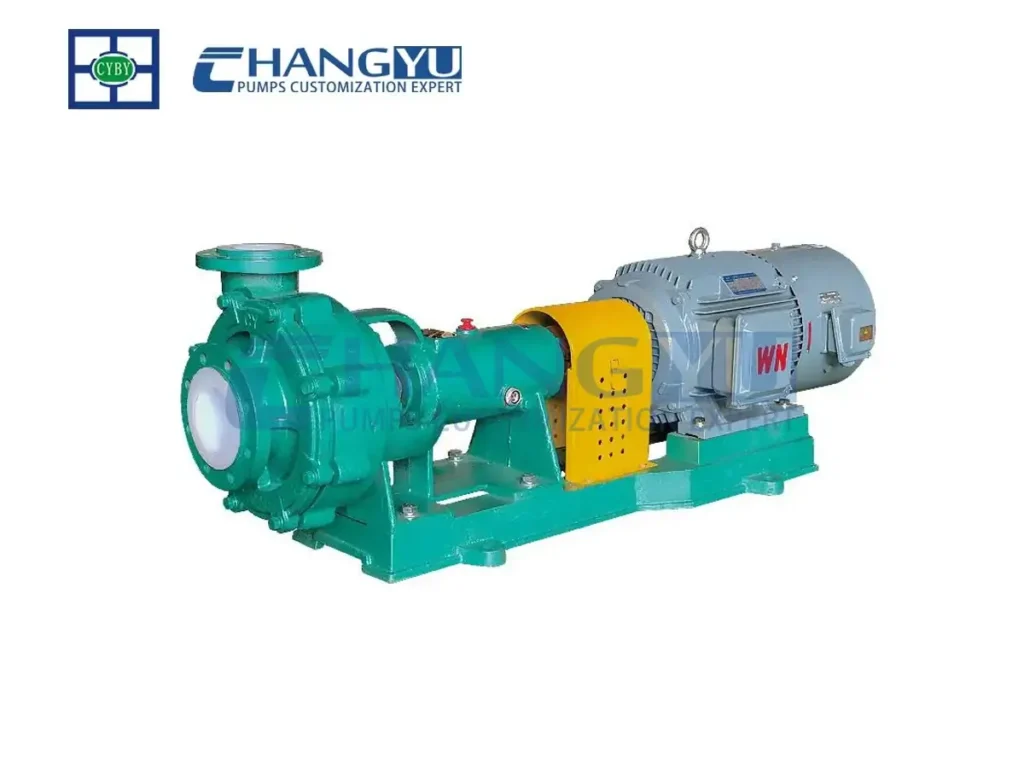
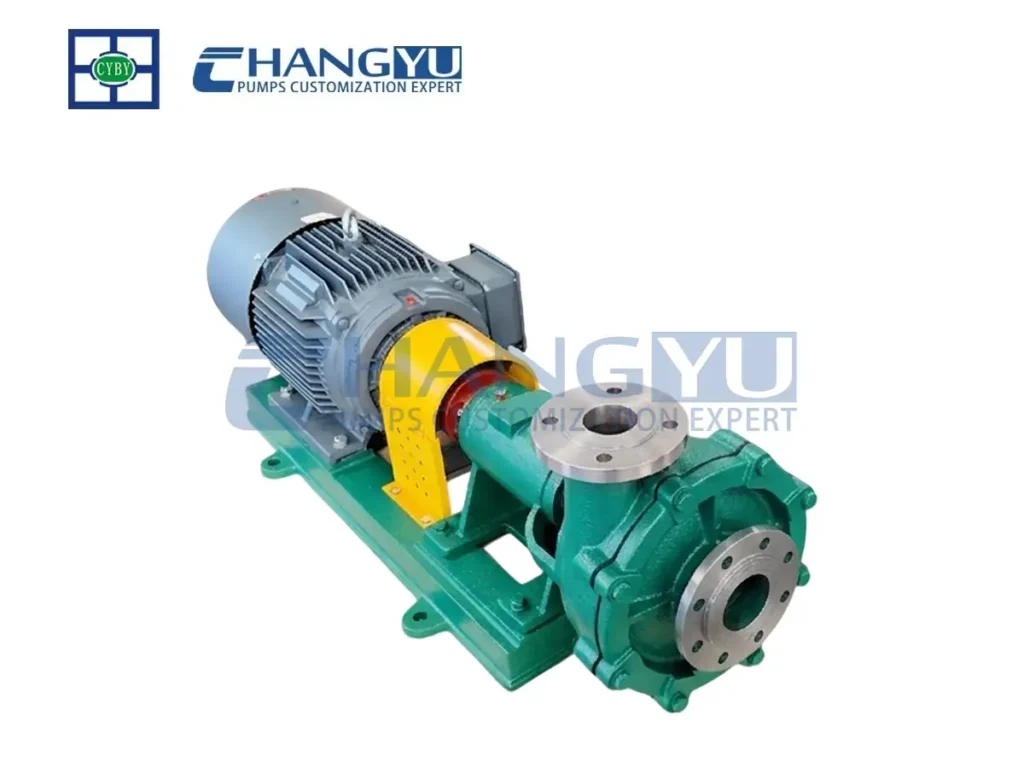
Dòng UHFM - Bơm cấp liệu máy ép khung bản chống ăn mòn và chống mài mòn là loại bơm ly tâm chuyên dụng được phát triển cho máy ép khung bản, thiết bị lọc và các ứng dụng vận chuyển bùn áp suất cao. Dòng sản phẩm này chủ yếu được sử dụng để xử lý môi chất ăn mòn, mài mòn và chứa chất rắn, đặc biệt phù hợp với các ứng dụng máy ép khung bản yêu cầu áp suất cấp liệu cao hơn và vận hành ổn định trong suốt chu trình lọc.
Dòng UHFM có thiết kế kết cấu hút phía sau. Để giải quyết các vấn đề thường gặp của bơm chống ăn mòn và chống mài mòn thông thường, như mài mòn linh kiện và rò rỉ môi chất trong quá trình vận hành, chúng tôi đã thực hiện các cải tiến có mục tiêu đối với vỏ bơm, các bộ phận tiếp xúc với môi chất và các chi tiết hao mòn. Thiết kế hút phía sau cung cấp sự bố trí hợp lý giữa cửa hút bơm và khu vực bảo trì phía sau, đồng thời giúp việc kiểm tra bơm và thay thế chi tiết hao mòn trở nên thuận tiện hơn.
Tùy theo yêu cầu công nghệ, Bơm máy ép khung bản dòng UHFM có sẵn cả cấu hình một cấp và hai cấp. Bơm một cấp phù hợp cho vận chuyển áp suất thông thường và các ứng dụng yêu cầu lưu lượng tương đối cao. Bơm hai cấp tăng áp suất dần dần qua hai bánh công tác, phù hợp hơn cho lọc áp suất cao và vận chuyển bùn áp suất cao.
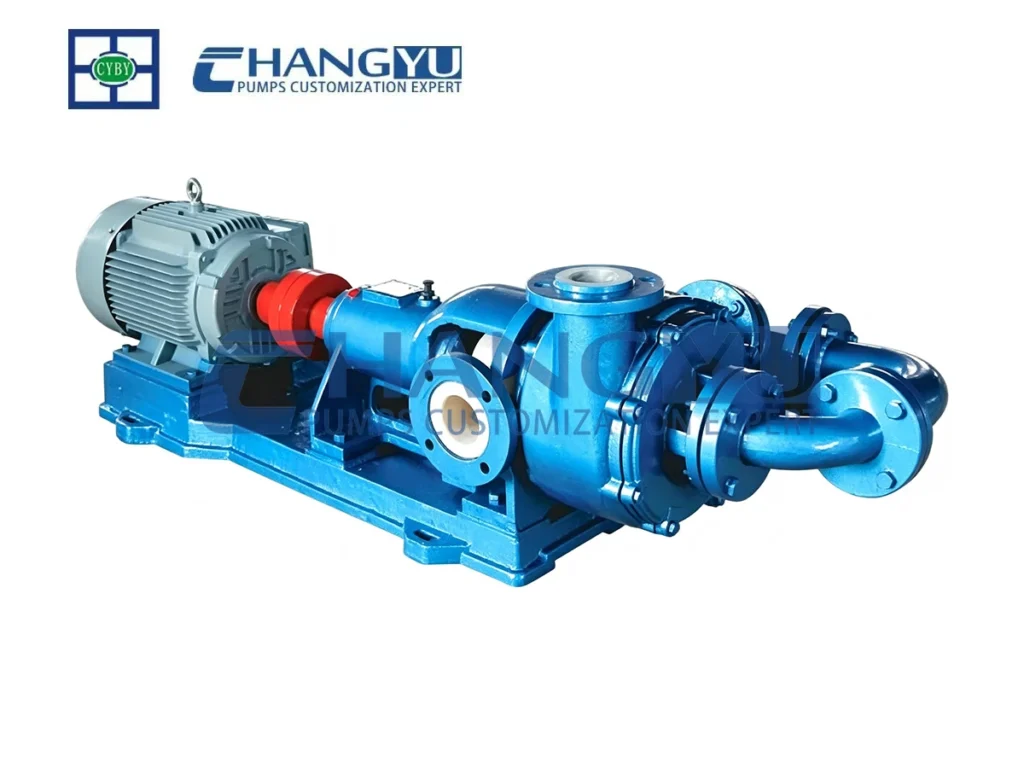 Bơm Cấp Liệu Máy Ép Lọc
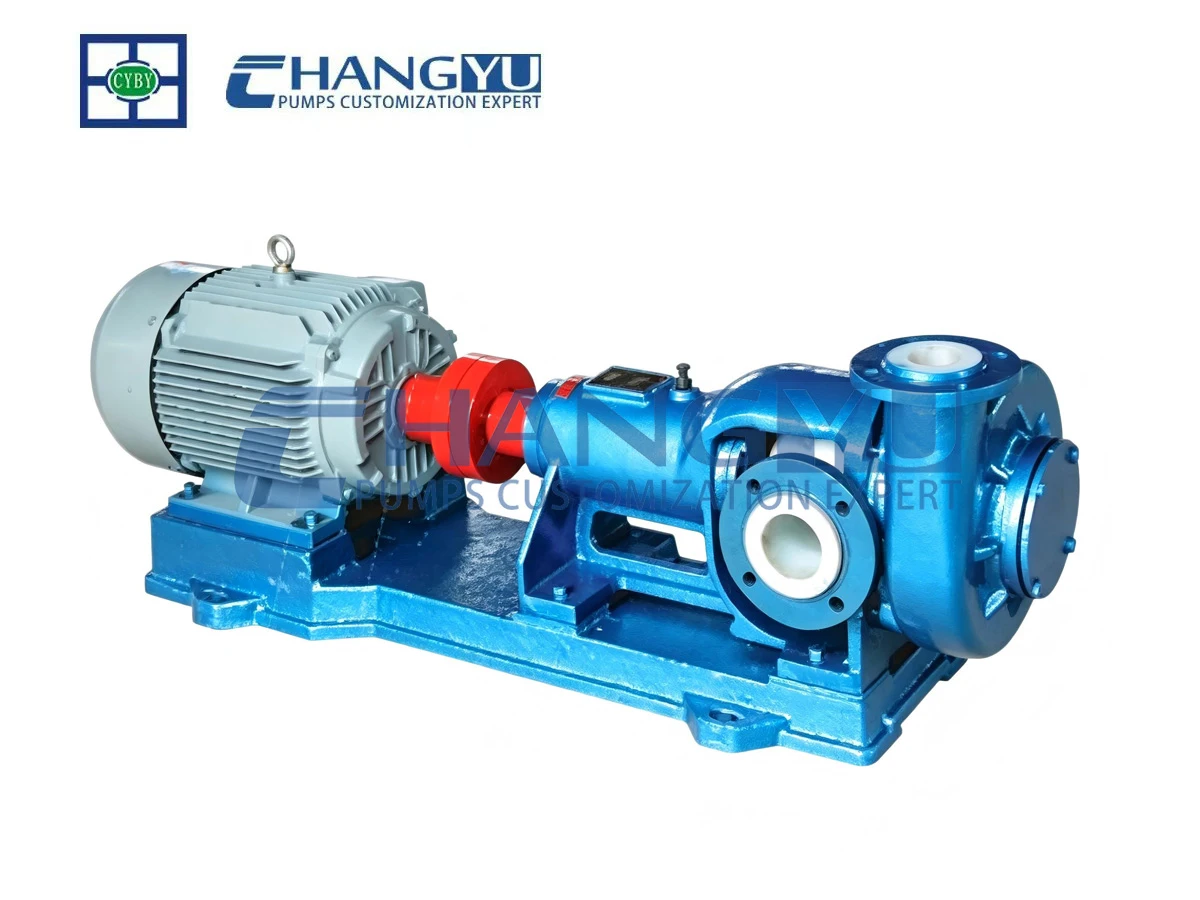
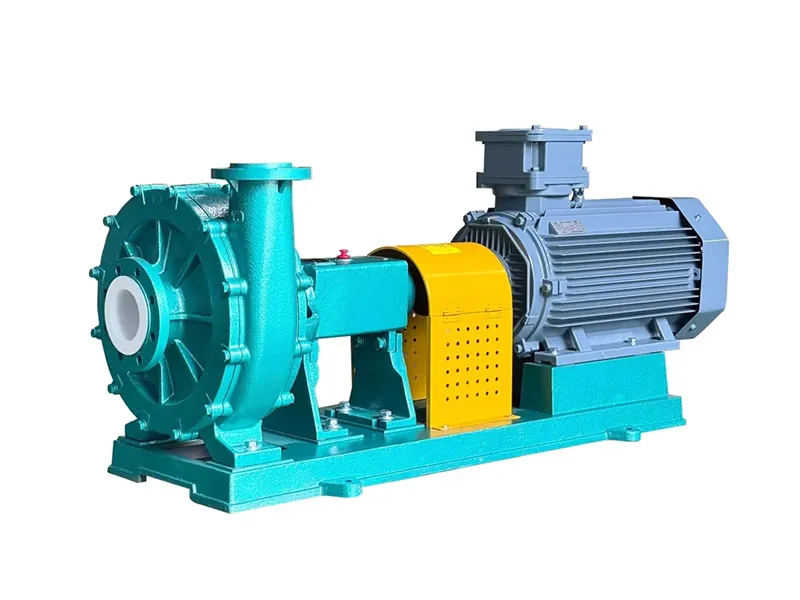 Bơm chống ăn mòn loại UHB bằng nhựa polyethylene mật độ cực cao (UHMWPE)
Vật liệu và cấu hình kết cấu của dòng UHFM có thể được lựa chọn theo tính ăn mòn, tính mài mòn, hàm lượng chất rắn, nhiệt độ và áp suất vận hành của môi chất. Điều này cho phép bơm đáp ứng yêu cầu vận chuyển liên tục trong các điều kiện vận hành công nghiệp khác nhau. Là Bơm cấp liệu máy ép khung bản chuyên dụng, bơm cũng có thể được cấu hình như Bơm bùn cho hệ thống máy ép khung bản xử lý bùn công nghệ ăn mòn hoặc mài mòn.
ChangYu Dòng UHB cũng là bơm ly tâm chống ăn mòn và chống mài mòn được thiết kế để vận chuyển môi chất ăn mòn, mài mòn và chứa chất rắn. Sản phẩm được ứng dụng rộng rãi trong chế biến hóa chất, chế biến khoáng sản, xử lý nước thải, vận chuyển axit và kiềm, tuần hoàn bùn và các ứng dụng công nghiệp khác yêu cầu khả năng chống ăn mòn và chống mài mòn đáng tin cậy. Có thể lựa chọn các cấu hình vật liệu và kết cấu khác nhau tùy theo đặc tính của môi chất và điều kiện vận hành thực tế.
So với dòng UHB, dòng UHFM được phát triển chuyên biệt hơn như Bơm bùn máy ép khung bản. Dòng UHB thường được lựa chọn cho vận chuyển công nghệ liên tục, tuần hoàn và các nhiệm vụ xử lý bùn thông thường, trong khi dòng UHFM tập trung nhiều hơn vào yêu cầu áp suất thay đổi, điều kiện cấp liệu áp suất cao và nhu cầu bảo trì của hệ thống máy ép khung bản. Đối với vận chuyển bùn ăn mòn hoặc mài mòn thông thường, dòng UHB cung cấp giải pháp thực tế và linh hoạt. Đối với cấp liệu máy ép khung bản hoặc các ứng dụng khác yêu cầu áp suất xả cao hơn, kết cấu chuyên dụng hơn, hoặc tùy chọn áp suất một cấp và hai cấp, dòng UHFM thường là lựa chọn phù hợp hơn. Việc chọn bơm cuối cùng nên được xác nhận theo lưu lượng yêu cầu, áp suất xả, đặc tính bùn, hàm lượng chất rắn, nhiệt độ và thành phần hóa học.
Cấp liệu máy ép khung bản là quá trình tải thay đổi. Vào đầu chu trình, các buồng trống tiếp nhận bùn nhanh chóng và sức cản hệ thống thấp. Khi chất rắn tích tụ trên vải lọc, sức cản tăng, áp suất xả yêu cầu tăng và lưu lượng giảm tự nhiên. Bơm được chọn phải vận hành ổn định ở cả hai đầu của đường cong này trong khi hạn chế rò rỉ, mài mòn quá mức, xâm thực và lãng phí năng lượng.
Sau đây là các thông số phổ biến cho bơm máy ép khung bản.
| Cấu hình | Thiết kế ly tâm một cấp UHFM-I hoặc hai cấp UHFM-II |
|---|---|
| Kích thước cửa hút điển hình | DN50–DN250 |
| Dải lưu lượng điển hình | Khoảng 3–600 m³/h |
| Dải cột áp điển hình | Khoảng 10–120 m |
| Tốc độ điển hình | 1450 / 2900 vòng/phút, với các phương án thay thế theo từng model |
| Vật liệu tiếp xúc với chất lỏng | UHMWPE, nhựa fluoroplastic, polyurethane, thép không gỉ chống ăn mòn hoặc hợp kim đặc biệt được chọn lọc |
| Môi chất xử lý | Bùn ăn mòn, huyền phù mài mòn, bùn hóa chất và bùn công nghệ có chất rắn mịn |
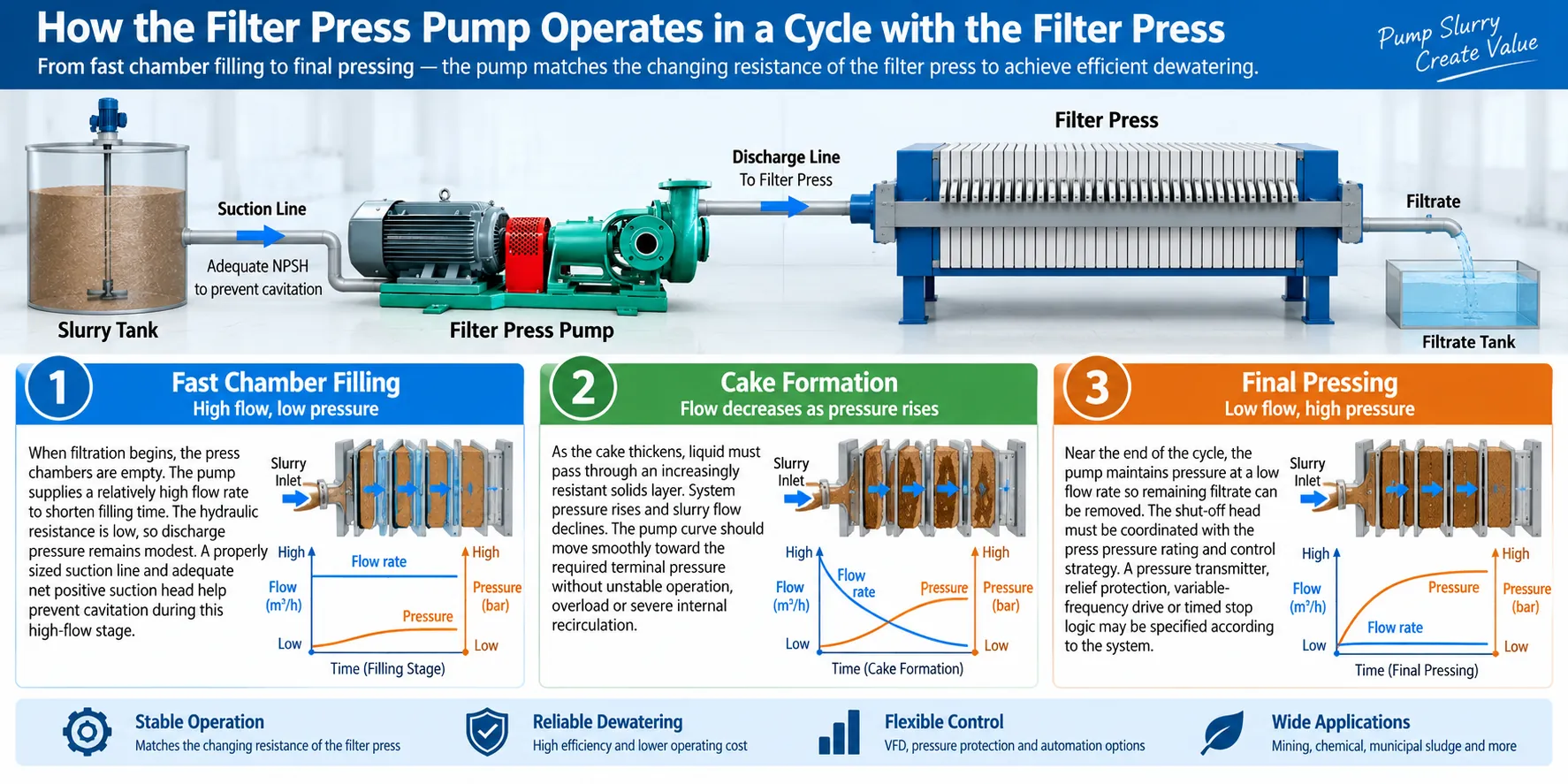
Cách bơm máy ép khung bản hoạt động trong một chu trình với máy ép khung bản
Bước 1. Làm đầy buồng nhanh: lưu lượng cao, áp suất thấp
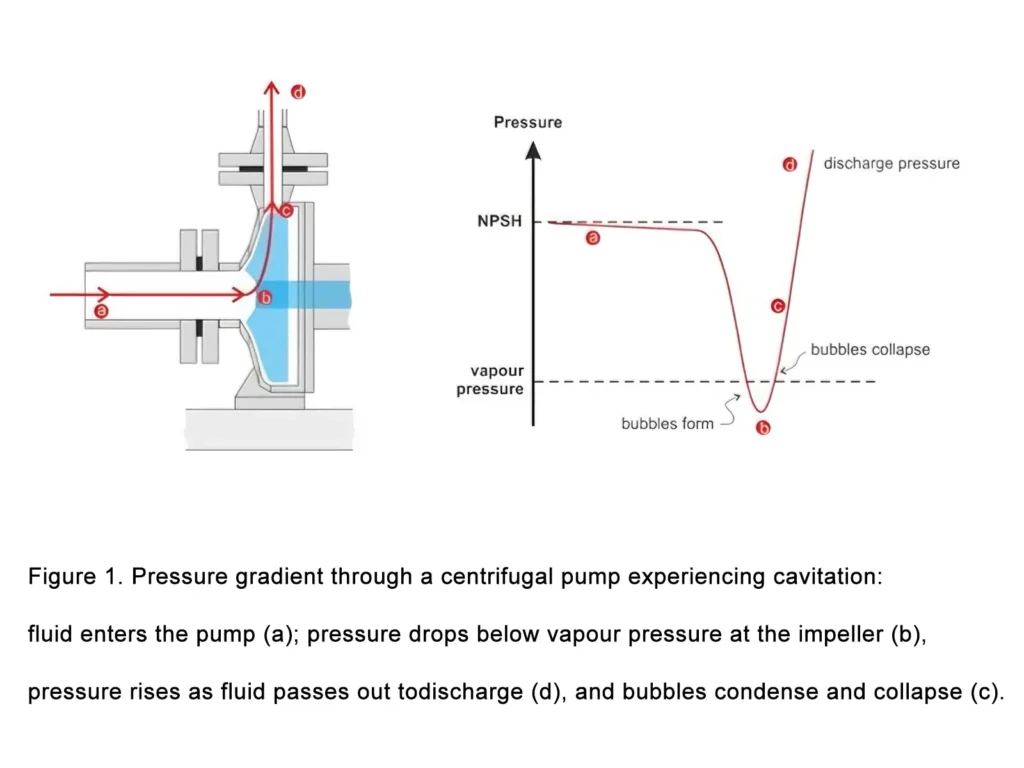
Khi quá trình lọc bắt đầu, các buồng ép trống. Bơm cung cấp lưu lượng tương đối cao để rút ngắn thời gian làm đầy. Sức cản thủy lực thấp, do đó áp suất xả vẫn ở mức vừa phải. Đường ống hút được chọn kích thước phù hợp và cột áp hút dương ròng đầy đủ giúp ngăn ngừa xâm thực trong giai đoạn lưu lượng cao này.
Bước 2. Hình thành bánh lọc: lưu lượng giảm khi áp suất tăng
Khi bánh lọc dày lên, chất lỏng phải đi qua lớp chất rắn có sức cản ngày càng tăng. Áp suất hệ thống tăng và lưu lượng bùn giảm. Đường cong bơm phải di chuyển mượt mà về phía áp suất cuối yêu cầu mà không có vận hành không ổn định, quá tải hoặc tuần hoàn nội bộ nghiêm trọng.
Bước 3. Ép cuối: lưu lượng thấp, áp suất cao
Gần cuối chu kỳ, bơm duy trì áp suất ở lưu lượng thấp để loại bỏ phần dịch lọc còn lại. Cột áp ngắt phải được phối hợp với cấp áp suất của máy ép và chiến lược điều khiển. Có thể chỉ định bộ truyền áp suất, bảo vệ xả áp, biến tần hoặc logic dừng theo thời gian tùy theo hệ thống.
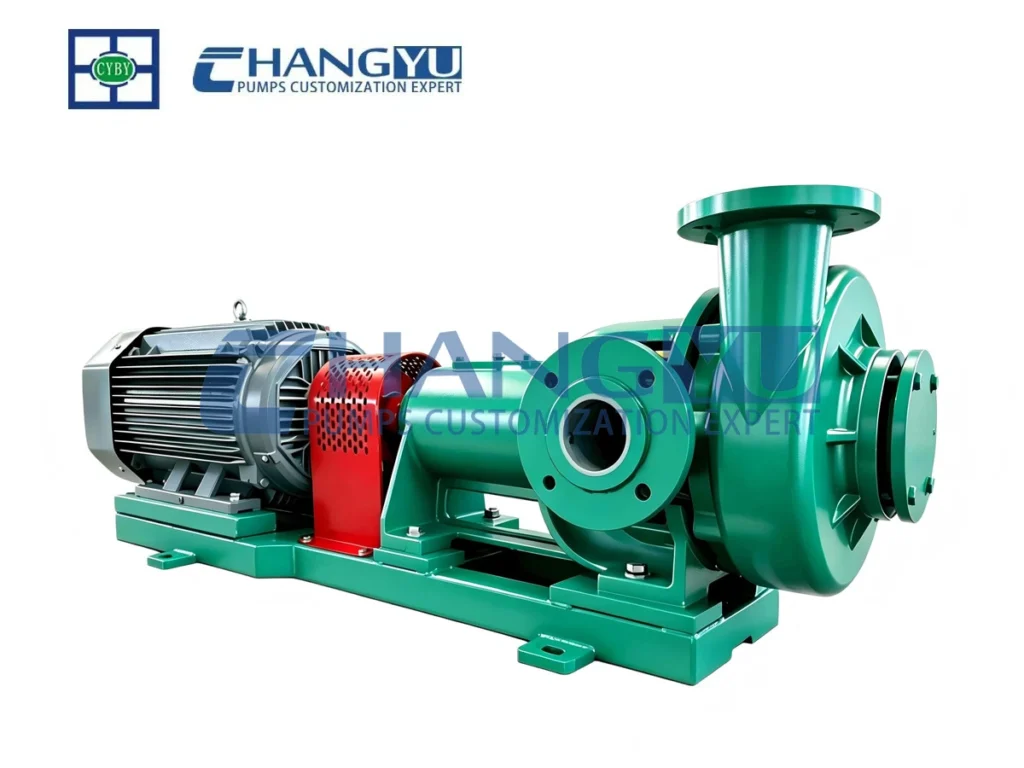 UHFM-I một cấp
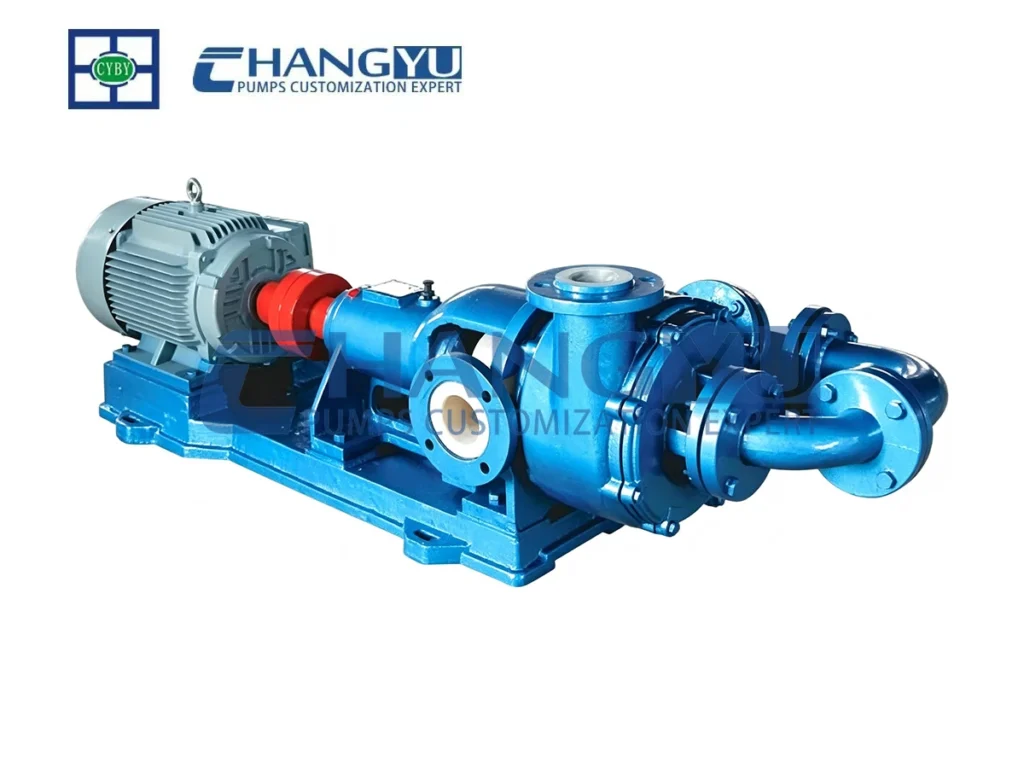 UHFM-II hai cấp
Tùy chọn một cấp và hai cấp
| Tùy chọn | Phù hợp nhất với | Ghi chú lựa chọn |
|---|---|---|
| UHFM-I một cấp | Áp suất cuối trung bình, đường ống ngắn hơn và cấp liệu máy ép lọc thông dụng | Đường thủy lực và bảo trì đơn giản hơn; được chọn khi một cánh bơm có thể đáp ứng lưu lượng làm đầy và áp suất cuối. |
| UHFM-II hai cấp | Yêu cầu áp suất cao hơn, bánh lọc dày đặc, đường ống dài hoặc mạch có sức cản cao hơn | Khả năng áp suất hai cấp giúp duy trì cấp liệu ổn định vào cuối chu kỳ mà không cần chọn bơm một cấp quá lớn. |
Đối với máy ép hiện có, ChangYu xem xét thể tích buồng, thời gian lọc, áp suất tối đa cho phép và tổn thất đường ống thực tế trước khi đề xuất cấu hình. Đối với hệ thống mới, bơm và phương pháp điều khiển có thể được khớp với đường cong cấp liệu của nhà cung cấp máy ép.
Email: [email protected]
TEL/WA: +86-13651913727
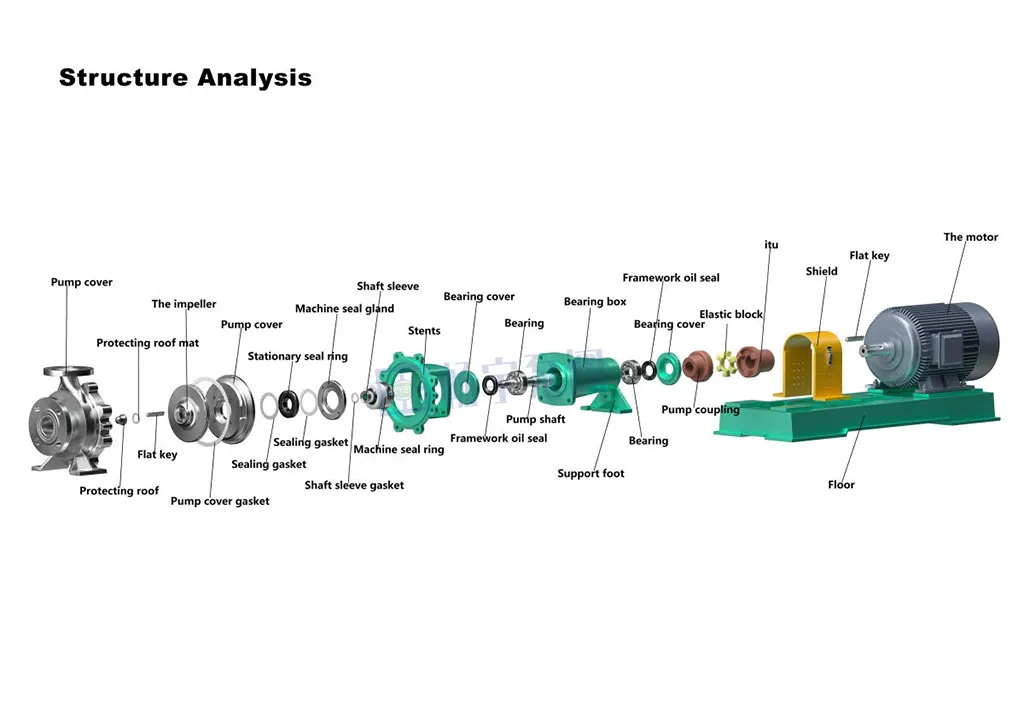
Các bộ phận của bơm cấp liệu máy ép lọc
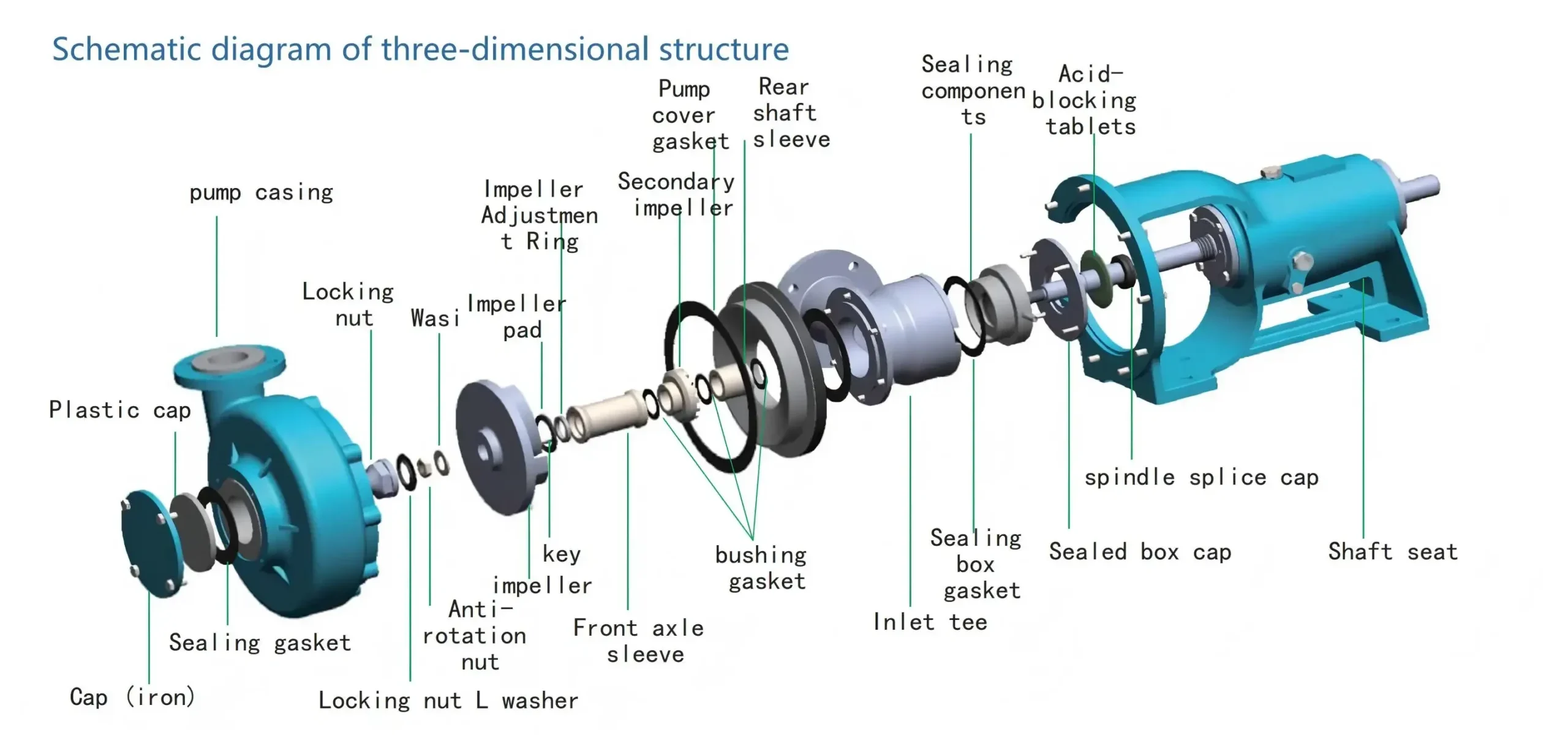
Bơm cấp liệu máy ép lọc bao gồm các bộ phận thủy lực, làm kín, truyền động và kết cấu hỗ trợ được thiết kế cho bùn chứa chất ăn mòn, mài mòn và chất rắn.
- Vỏ bơm: Forms the main flow passage and directs the slurry toward the outlet.
- Pump Cover and Gaskets: Close the casing, prevent leakage, and provide access to internal wearing parts.
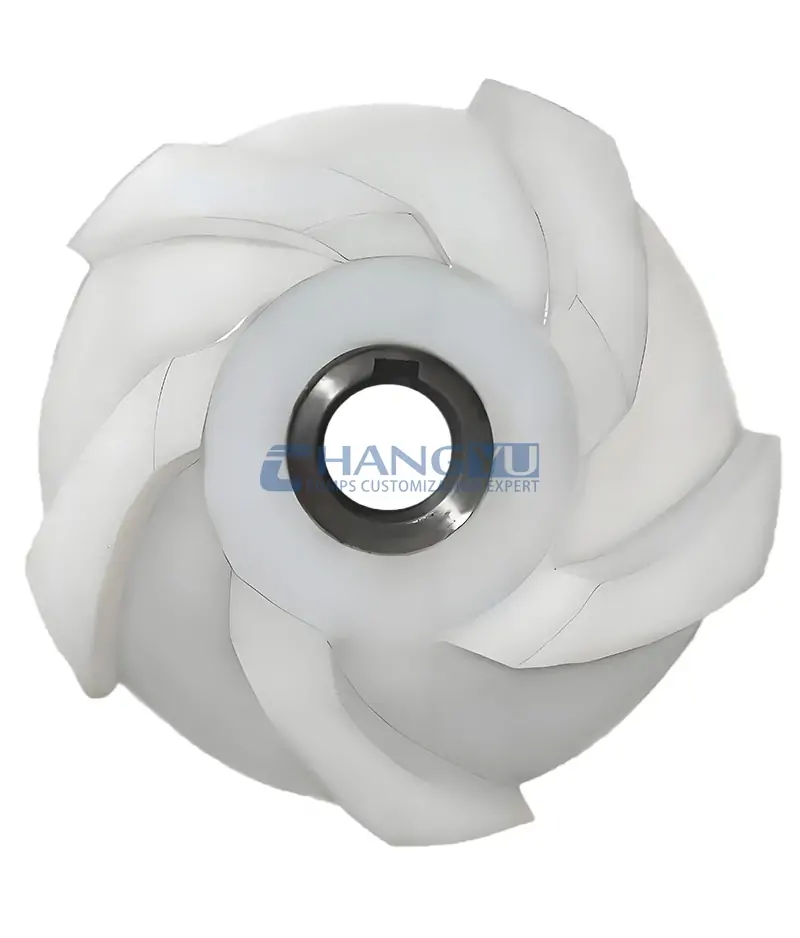
- Primary Impeller: Generates the flow and pressure required to feed slurry into the filter press.
- Secondary Impeller: Used in two-stage models to increase pressure progressively for high-pressure filtration.
- Impeller Adjustment Components: Rings, pads, nuts, washers, and keys maintain the correct impeller position and internal clearance.
- Trục bơm: Transfers power from the motor to the impeller assembly.
- Front and Rear Shaft Sleeves: Protect the shaft from slurry contact and reduce wear on the main shaft.
- Intermediate Flow Passage: Guides slurry through the pump or between the two impeller stages.
- Sealing Assembly: Includes the seal chamber, sealing elements, bushings, cover, and gaskets to control shaft leakage.
- Acid Deflector: Prevents leaked or splashed corrosive liquid from reaching the drive-side components.
- Vỏ ổ trục: Supports the shaft, maintains alignment, and ensures stable operation under changing pressure.
- Fasteners and Protective Components: Secure the internal parts and make inspection and replacement of wearing parts easier.
Materials and single-stage or two-stage configurations can be selected according to the required flow, pressure, corrosion resistance, abrasion resistance, solids content, and operating temperature.
Materials for Corrosive and Abrasive Slurry
A reliable Slurry Pump for Filter Press requires both chemical compatibility and resistance to particle wear. Material selection depends on chemical composition, concentration, temperature, solids percentage, particle size and shape, density, viscosity and the possibility of crystallization.
| Chất liệu | Sử dụng điển hình | Important considerations |
|---|---|---|
| UHMWPE | Acidic or alkaline chemical slurries with abrasive fine solids | Combines corrosion resistance with strong abrasion resistance; temperature and chemical concentration must be checked. |
| Nhựa fluorocarbon | Highly corrosive chemicals requiring broad chemical compatibility | Exact resin and allowable temperature depend on the medium and pump design. |
| Polyurethane | Abrasive duties where chemical compatibility is suitable | Often selected for wear performance; verify solvent, temperature and hydrolysis resistance. |
| Thép không gỉ | Compatible process slurries requiring metal construction | Grade selection must account for chlorides, acids, pitting and crevice corrosion. |
| Special alloy | Severe combinations of corrosion, temperature and pressure | Specified case by case after a detailed media analysis. |
See our hướng dẫn lựa chọn vật liệu bơm hóa chất for the factors that should be verified before choosing wetted parts. A material name alone is not a performance guarantee; compatibility must be confirmed at the actual concentration and temperature.
Features of a Filter Press Feed Pump
Wide slurry passages
Hydraulic passages are selected to reduce local blockage and excessive velocity when handling fine solids.
Pressure-capable construction
Pump stages and casing design are selected for the increasing late-cycle resistance of a filter press.
Maintainable layout
Accessible wear parts and practical disassembly help reduce downtime between filtration campaigns.
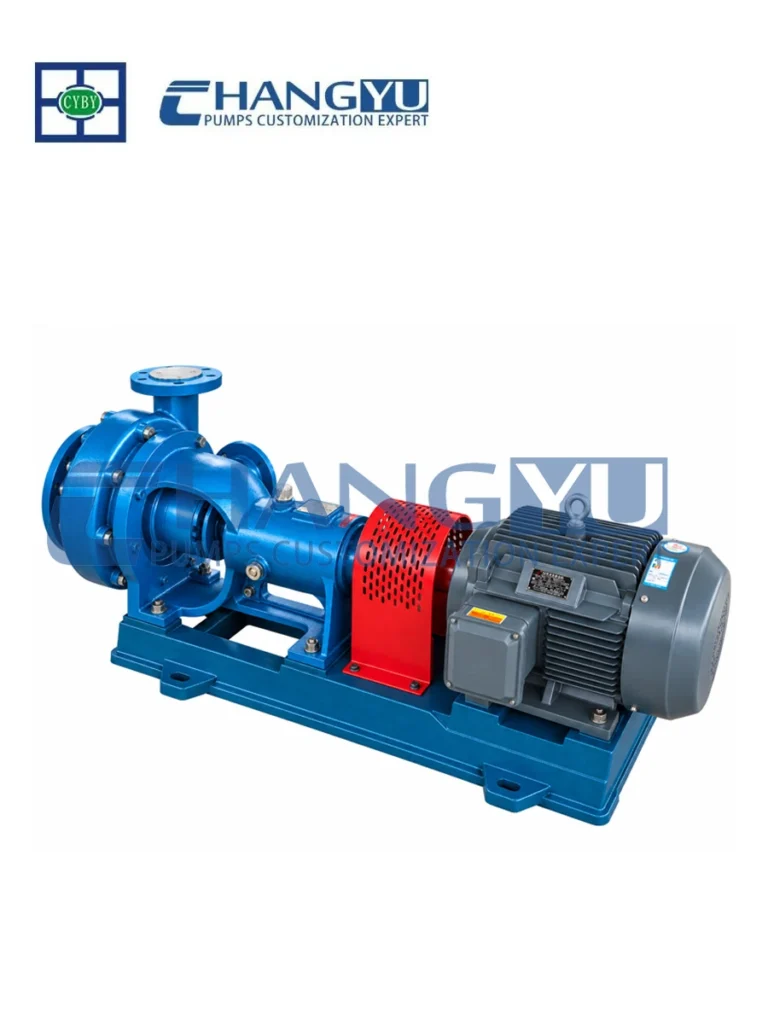
Wear- and corrosion-resistant wet end
Casing, impeller and replaceable wearing components are matched to the slurry chemistry and abrasiveness.
Seal options
HJ cartridge mechanical seal, K-type dynamic seal, or other confirmed seal configurations can be selected according to slurry properties and operating conditions.
System controls
Variable-frequency control, pressure feedback and protection logic can be integrated to support repeatable filtration cycles.
Filter Press Feed Pump Applications
Là một nhà sản xuất bơm công nghiệp giàu kinh nghiệm, Bơm Changyu provides customized Filter Press Feed Pump solutions for solid-liquid separation and high-pressure slurry feeding applications.
- A filter press does not operate at one fixed duty point. During initial chamber filling, the pump normally delivers a higher flow at lower pressure. As the filter cake develops, flow decreases while the required feeding pressure increases. The pump must therefore be selected for the complete filtration cycle.
- Filter press slurry may combine abrasive particles, corrosive chemicals, suspended solids, and relatively high specific gravity. An incorrectly selected pump can suffer from rapid wear, leakage, insufficient final pressure, or unstable feeding.
- Based on UHFM product development experience dating back to 2004, Changyu Pump offers single-stage and two-stage Filter Press Feeding Pump configurations. Single-stage pumps are used for conventional-pressure duties, while two-stage models progressively increase pressure for more demanding filtration conditions.
- Pump selection is based on the actual slurry composition, solids concentration, particle size, specific gravity, pH, temperature, required flow, final feeding pressure, pipeline resistance, and filter press capacity. Wetted materials and sealing arrangements are selected according to the combined corrosion and abrasion conditions.
Filter Press Feed Pump Applications by Industry
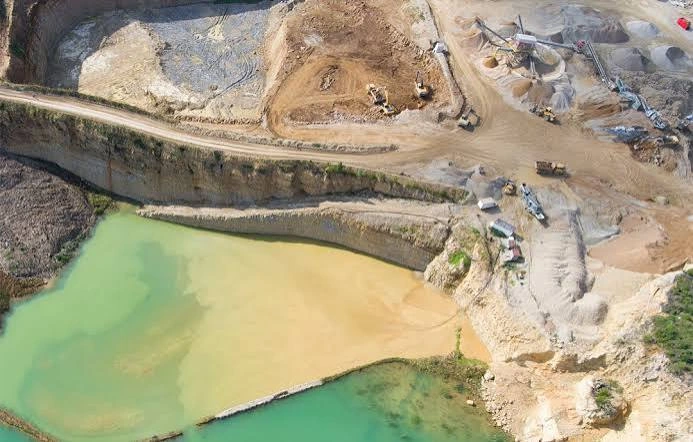 Mine tailings
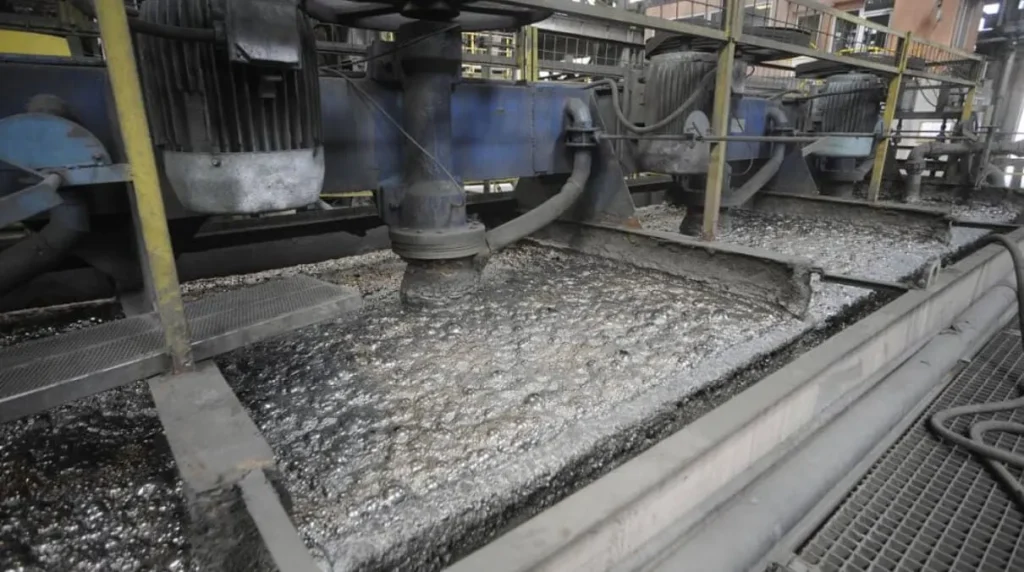 Lead-zinc-slurry
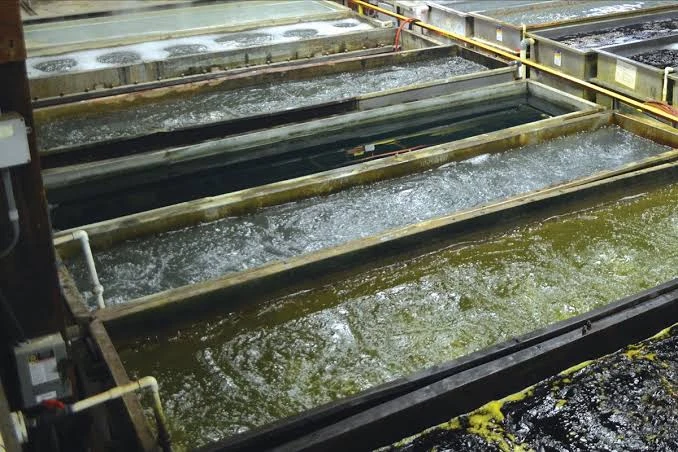 Electroplating sludge
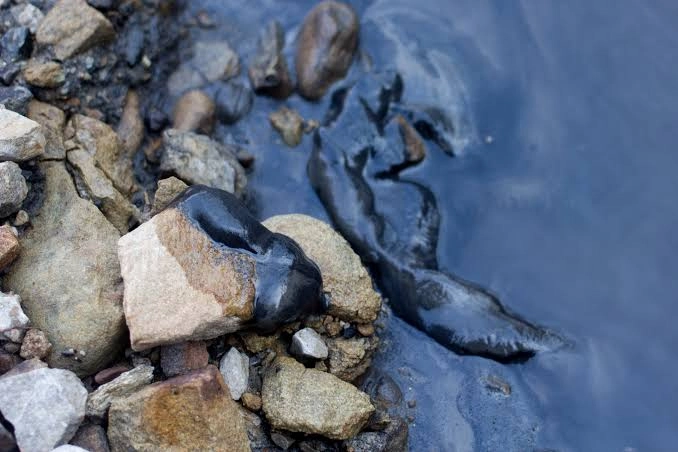 Coal slurry
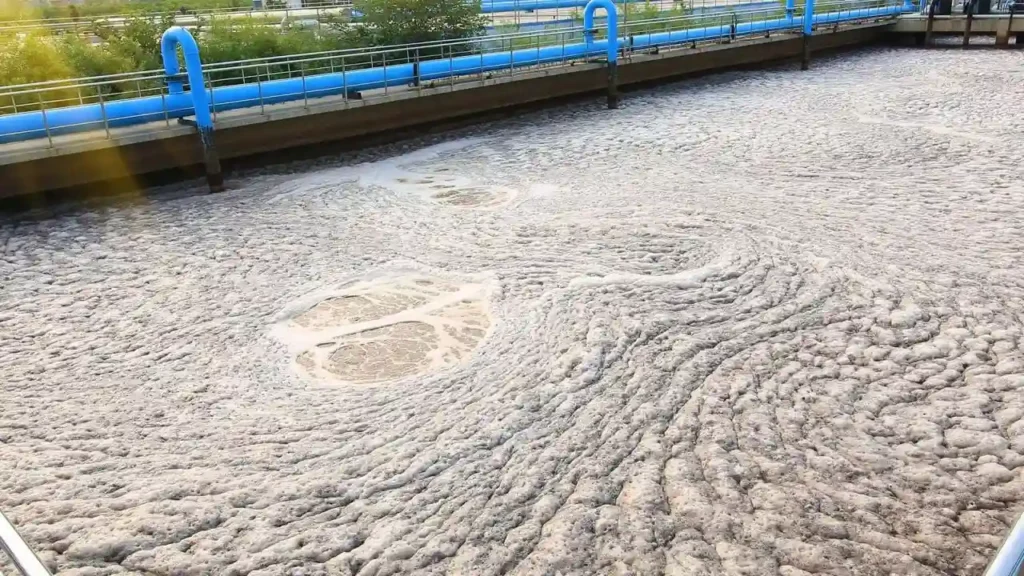 Bùn hóa chất
 Bùn đen
 Bùn phosphate
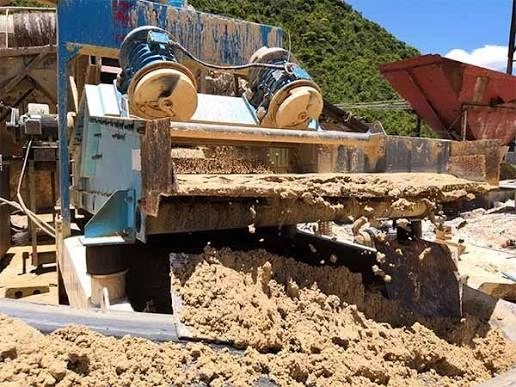 washing slurry
| Ngành công nghiệp | Typical Filter Press Challenges | Changyu Pump Approach | Các phương tiện truyền thông phổ biến |
|---|---|---|---|
| Khai thác và chế biến khoáng sản | Severe abrasion, mineral particles, high specific gravity, and increasing filtration resistance | Wear-resistant Filter Press Slurry Pump configuration selected according to particle size, solids concentration, and required final pressure | Mine tailings, flotation tailings, mineral concentrate slurry |
| Chế biến than | Abrasive coal particles, settling solids, and changing flow and pressure during cake formation | UHMWPE-lined slurry pump configuration for coal slurry feeding, subject to actual particle size and slurry concentration | Coal slurry, flotation tailings, coal-washing sludge |
| Chế biến hóa học | Corrosion and abrasion occurring at the same time, with material compatibility dependent on concentration and temperature | UHMWPE, fluoroplastic, stainless steel, or other suitable wetted materials selected from the actual chemical composition | Acidic slurry, alkaline slurry, salt-containing slurry, chemical process residues |
| Hydrometallurgy & Metal Processing | Acidic liquid combined with abrasive ore or metal-containing solids | Corrosion- and wear-resistant Slurry Pump for Filter Press systems, with single-stage or two-stage configuration selected by pressure | Lead-zinc slurry, leaching residue, metal-containing slurry |
| Phosphate & Fertilizer Processing | Corrosive process liquid, suspended mineral solids, and possible crystal abrasion | Material and seal configuration selected according to acid concentration, temperature, solids, and crystallization conditions | Phosphate slurry, phosphoric acid slurry, gypsum-containing slurry |
| Xử lý nước thải công nghiệp | Variable solids content, corrosive contaminants, and unstable sludge characteristics | Filter press pump selected after confirming solids, fibers, viscosity, particle size, and required dewatering pressure | Chemical sludge, treatment sludge, lime slurry, process wastewater |
| Mạ điện & Xử lý bề mặt | Acidic or alkaline wastewater containing heavy-metal solids | Corrosion-resistant wetted components selected according to pH, chemical composition, and sludge concentration | Electroplating sludge, metal-containing wastewater, neutralization sludge |
| Titanium Dioxide Processing | Acidic slurry, abrasive titanium-bearing particles, and filtration-stage pressure changes | Corrosion- and wear-resistant pump configuration for washing, filtration feeding, and related slurry transfer | Titanium-bearing slurry, metatitanic acid slurry, acidic process sludge |
| Tái chế Pin Lithium | Acid leaching liquids combined with fine, abrasive battery-material particles | Pump materials and sealing system selected according to acid type, temperature, particle characteristics, and feed pressure | Black mass slurry, leaching residue, washing slurry, metal-recovery sludge |
Read the lead-zinc filter press pump case study for a practical application of a UHMWPE slurry pump in a smelting filtration system. You can also explore ChangYu’s broader range of máy bơm bùn ly tâm.
If your industry is not listed above, contact us with your slurry composition, solids concentration, particle size, specific gravity, temperature, required flow, and final feeding pressure. Changyu Pump will evaluate whether the UHFM Filter Press Feed Pump is suitable for your operating conditions.
Need a quick answer or a tailored quotation? Please also provide the filter press model, chamber volume, filtration cycle, pipeline length, and installation height for more accurate pump selection.
Email: [email protected]
TEL/WA: +86-13651913727
Filter Press Feed Pump Specifications
The following parameters cover the standard performance range of the Changyu UHFM Filter Press Feed Pump. Actual performance depends on the selected model, slurry properties, operating pressure, and material configuration.
| Key Parameter | Standard Range |
|---|---|
| Lưu lượng | 3–600 m³/h |
| Trưởng phòng | 10–120 m |
| Áp suất làm việc | Up to 1.4 MPa |
| Công suất động cơ | 0,75–220 kW |
| Pump Speed | 1450 / 2900 rpm |
| Nhiệt độ trung bình | -20°C đến 90°C |
| Recommended Solids Content | Below 30% |
| Đường kính đầu vào | 50–250 mm |
| Standard Wetted Material | UHMWPE lót thép |
| Available Configurations | Plastic-lined and all-plastic options |
UHFM Filter Press Pump Model Overview
| Loạt phim | Cấu trúc | Phạm vi áp suất | Ứng dụng được khuyến nghị |
|---|---|---|---|
| UHFM-I Low-Pressure Series | Một cấp | Below 0.5 MPa | Conventional filter press feeding and larger-flow applications |
| UHFM-I High-Pressure Series | Một cấp | 0.5–0.8 MPa | Medium-pressure filtration and corrosive or abrasive slurry feeding |
| UHFM-II Low-Pressure Series | Two-stage | 0.8–1.0 MPa | Filter presses requiring progressively increased feeding pressure |
| UHFM-II High-Pressure Series | Two-stage | 1.0–1.4 MPa | High-pressure filtration and demanding slurry transfer conditions |
The tables above show only the main performance range and series differences. Individual UHFM Filter Press Feeding Pump models have different flow, head, motor power, inlet size, and operating limits.
Download the Complete Pump Catalogue
For detailed model specifications, performance curves, dimensions, structural drawings, material options, and installation information, please download the complete UHFM Filter Press Feed Pump catalogue.
Information Needed for Pump Selection
- Filter press data: press type, chamber volume, plate size, number of chambers and maximum allowable feed pressure.
- Cycle requirements: target filling time, total filtration time, starting flow and required terminal pressure.
- Slurry chemistry: components, concentration, pH and possible changes between batches.
- Solids data: weight or volume percentage, particle-size distribution, hardness, shape and settling tendency.
- Physical properties: operating temperature, density and viscosity.
- Installation data: suction level, pipe diameter and length, fittings, elevation, tank conditions and available power supply.
- Operating preferences: seal standard, speed control, instrumentation, flushing plan, motor protection and required materials or certificates.
ChangYu uses this information to calculate the system curve, check suction conditions and recommend a pump that can cover the complete press cycle. This avoids choosing a Filter Press Feeding Pump from a single nominal duty point that may not represent actual operation.
Liên hệ với Changyu Pump for model selection and a customized quotation. Our engineers will help you match the pump, motor, wetted materials, and sealing configuration to your actual filter press operating cycle.
Is This the Right Pump for Your Filter Press?
If your current pump fills the press quickly but cannot build enough pressure, or reaches pressure but takes too long to fill the chambers, the problem is usually not simply “insufficient power.” A filter press asks the pump to do two very different jobs in one cycle. The right pump must deliver volume first and pressure later, while the slurry is becoming harder to move.
- This pump is a strong fit when the liquid contains fine solids and the pressure rises gradually during filtration.
- It is especially useful when the slurry is corrosive, abrasive or both, so ordinary cast-iron water pumps wear or corrode too quickly.
- It can be selected for new filter presses or used to replace a pump that suffers from slow feeding, frequent seal leakage, unstable pressure or short wet-end life.
- It is not selected by motor power alone. The filter area, chamber volume, slurry properties, pipe losses and final pressure all matter.
A practical rule: tell us what happens throughout the whole filtration cycle, not only the pressure shown on the gauge at the end. That information is far more useful for choosing a reliable Filter Press Pump.
What ChangYu Looks at Before Recommending a Pump
ChangYu has spent 21 years working with corrosive fluid and slurry transfer. In filter press projects, our engineers do not start by matching a model number. We first ask how the slurry behaves, how the press fills and where the existing system is losing time or wearing out parts. This experience matters because two slurries with the same pH can have completely different wear, settling and sealing behavior.
- We check the real filtration curve. Empty-chamber flow, pressure-rise time, final pressure and total cycle time reveal whether the system needs a single-stage pump, a two-stage pump or speed control.
- We separate corrosion from abrasion. Chemical compatibility protects the material from attack; wear resistance protects it from particles. A material must handle both.
- We ask what the solids actually look like. Fine crystals, soft sludge, sharp mineral particles and fibrous material do not move through a pump in the same way.
- We review the suction side. A pump cannot feed a press reliably if slurry settles in an undersized suction pipe or if the available suction head is too low.
- We match the seal to the slurry. The best seal arrangement depends on particle size, crystallization, allowable leakage, available flush water and maintenance habits.
- We check the press limit. Pump shut-off pressure, control setpoint and relief protection must stay within the filter press and piping pressure ratings.
This engineering approach is also used in ChangYu’s UHMWPE slurry pump project for a lead-zinc smelting filter press system. The case gives buyers a real ChangYu reference instead of a generic product claim.
Filter Press Feed Pump vs Other Pump Types
There is no single pump technology that is best for every filter press. The useful question is: which design gives the required cycle time, pressure, material life and maintenance cost for your slurry?
| Loại bơm | Where it works well | What to watch |
|---|---|---|
| ChangYu UHFM centrifugal Filter Press Feed Pump | Medium to high flow, progressively rising pressure, corrosive or abrasive fine-particle slurry; single-stage and two-stage options | Must be selected across the full cycle; avoid prolonged operation at an unsuitable very-low-flow point. |
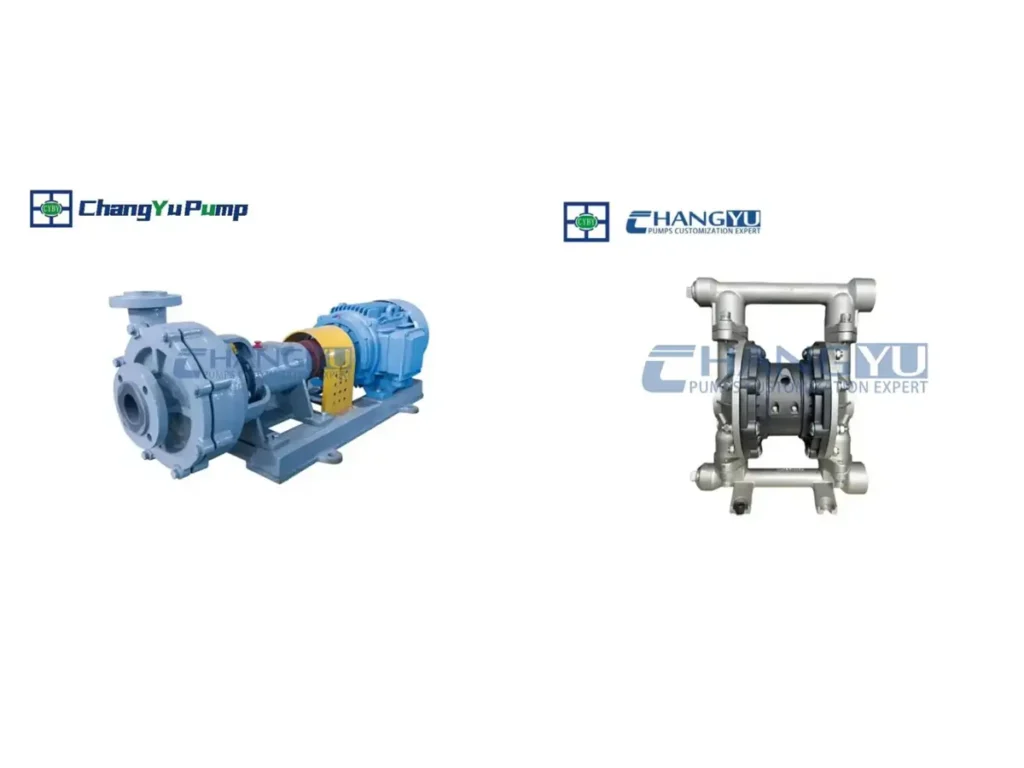
| Bơm màng khí nén | Lower flow, simple pressure limiting, intermittent operation and some difficult slurries | Compressed-air consumption, pulsation, noise and membrane maintenance can increase operating cost. |
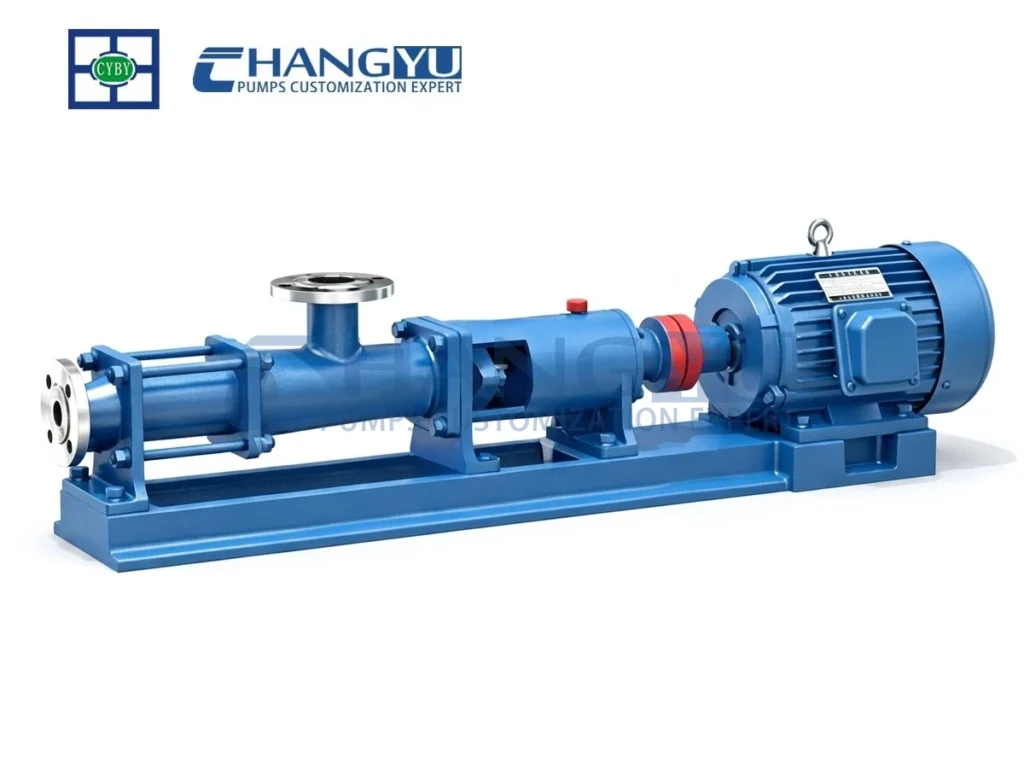
| Bơm trục vít | Viscous and shear-sensitive feed requiring smooth positive displacement | Stator wear, dry-running sensitivity and abrasive solids can raise spare-parts cost. |
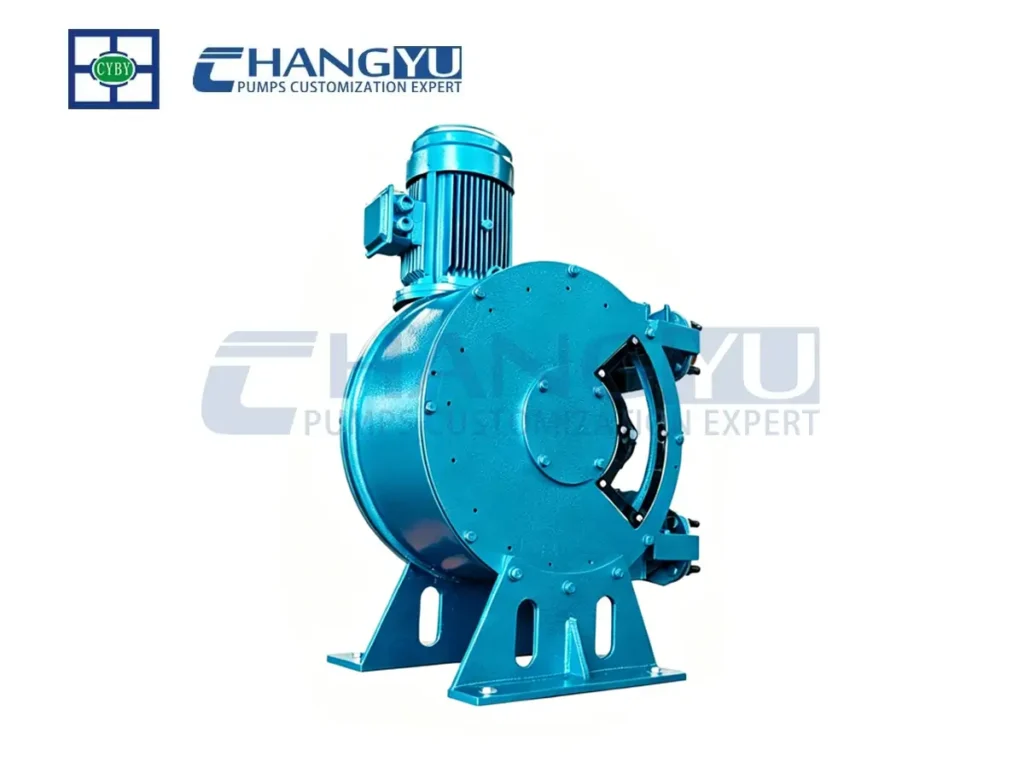
| Hose or peristaltic pump | Very abrasive or difficult slurry at controlled flow, with the medium contained inside the hose | Hose life, pulsation, heat generation and capacity limits must be considered. |
| Standard water centrifugal pump | Clean, low-viscosity liquid at a stable operating point | Usually a poor match for corrosive abrasive slurry and a rapidly changing filter press system curve. |
If your process needs higher solids tolerance or a different pumping principle, ChangYu can compare alternatives instead of forcing one model into every project. The goal is a stable filtration cycle, not simply selling the largest motor.
Operation and Maintenance Tips
Most premature failures are connected to the system, not a mysterious defect inside the pump. A few practical habits can greatly extend service life.
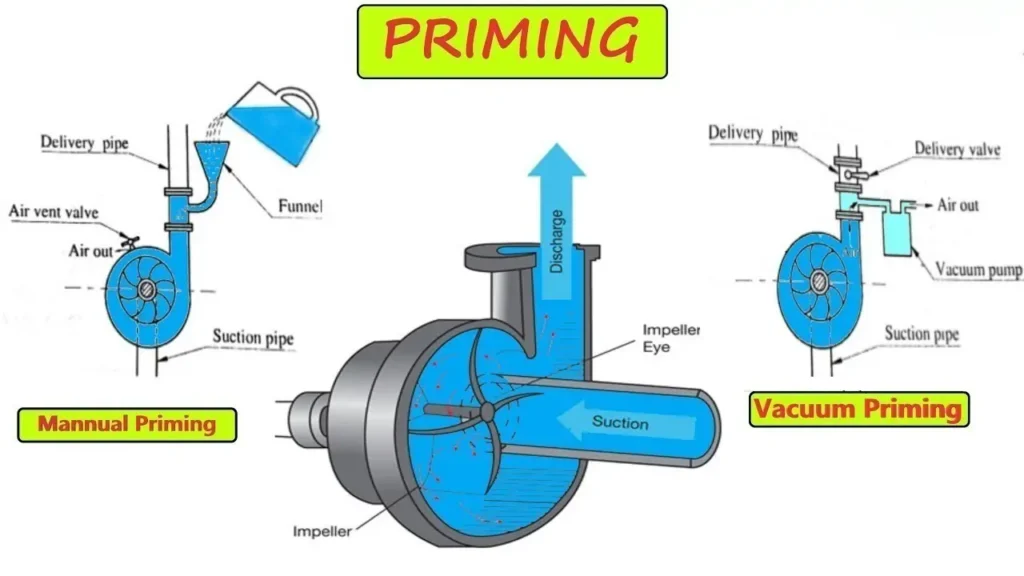
- Do not run the pump dry. Loss of liquid can damage seal faces and overheat non-metallic wet-end materials.
- Do not leave settling or crystallizing slurry inside the pump after shutdown. Flush with a compatible liquid when the process requires it.
- Track motor current and cycle time. A gradual increase may indicate cake behavior changes, pipe blockage, higher slurry density or internal wear.
- Inspect seals for small leaks before they become large leaks. Correct flush pressure and clean seal support lines are important.
- Listen for gravel-like noise or sudden vibration, which can indicate cavitation, air entry, blockage or a damaged impeller.
- Keep a record of slurry composition and replacement-part life. ChangYu can use this history to improve the next material or hydraulic selection.
Common Problems and What They Usually Mean
| Triệu chứng | Likely causes to check | Practical next step |
|---|---|---|
| Press fills too slowly | Low pump speed, blocked suction, excessive pipe loss, worn impeller or pump selected only for final pressure | Measure actual start-of-cycle flow and motor current; inspect suction and compare with the selected curve. |
| Final pressure cannot be reached | Insufficient head, bypass leakage, worn wet end, air entry or press leakage | Check pump shut-off capability, valve positions and whether the pressure loss is in the pump, pipe or press. |
| Seal leaks repeatedly | Dry running, solids at seal faces, crystallization, shaft movement, pipe strain or unsuitable seal arrangement | Review the failure surface and operating sequence before simply installing the same seal again. |
| High vibration or noise | Cavitation, air entrainment, solids buildup, misalignment, bearing damage or operation far from the suitable range | Check suction conditions, alignment and operating point immediately. |
| Wet-end life is short | Wrong material, sharp particles, excessive speed, local blockage or operation at very low flow | Provide worn-part photos and slurry data so corrosion and abrasion patterns can be separated. |
| Motor overloads during filling | Starting flow is higher than expected, slurry density increased or impeller diameter/speed is too high | Record current against pressure and verify the complete pump curve and motor margin. |
What You Receive from ChangYu
A useful quotation should help you make a decision, not just show a price. After receiving enough operating data, ChangYu can provide a recommended model and configuration, expected duty range, wetted material proposal, seal option, motor information and the operating points that should be checked during commissioning. Custom documentation and inspection requirements can be discussed before order confirmation.
- Application review based on the complete filter press cycle
- Single-stage or two-stage hydraulic recommendation
- Material selection for both corrosion and particle wear
- Seal and auxiliary-system suggestions
- Motor and variable-frequency-drive coordination
- Installation, startup and maintenance guidance
- Spare-parts recommendation based on the expected wear pattern
When contacting us, you do not need to have every answer ready. Start with the press model, required pressure, slurry name and approximate solids content. Our team can guide you through the remaining questions in plain language.
Email: [email protected]
TEL/WA: +86-13651913727
Câu hỏi thường gặp
Bơm cấp liệu máy ép khung bản là gì?
Máy bơm cấp liệu cho máy ép khung bản di chuyển bùn từ bể cấp liệu vào máy ép khung bản. Máy bơm phải cung cấp lưu lượng ban đầu cao để làm đầy nhanh chóng và áp suất tăng dần ở lưu lượng thấp hơn khi bánh lọc hình thành.
Tại sao tôi không thể chỉ sử dụng áp suất tối đa để chọn bơm?
Máy bơm hoạt động theo một chu trình, không phải tại một điểm cố định. Chỉ lựa chọn theo áp suất tối đa có thể gây ra việc làm đầy chậm, hiệu suất kém hoặc vận hành không ổn định. Lưu lượng khởi động, áp suất cuối chu trình, tổn thất đường ống và tính chất bùn phải được đánh giá cùng nhau.
Khi nào nên sử dụng máy bơm hai cấp?
Thiết kế hai cấp được xem xét khi máy ép lọc cần áp suất cuối cao hơn mức mà một máy bơm một cấp phù hợp có thể cung cấp, đặc biệt là với bánh lọc dày đặc, đường xả dài hoặc mạch lọc có điện trở cao.
Máy bơm có thể xử lý bùn ăn mòn không?
Yes, provided the wetted material, seal and hydraulic design are compatible with the actual chemical composition, temperature, particle size and solids content. UHMWPE, fluoroplastic, polyurethane, stainless steel and selected alloys are available for different conditions.
Can a variable-frequency drive improve operation?
A variable-frequency drive can regulate filling flow, reduce hydraulic shock and coordinate pump output with pressure feedback. The final control logic should include the filter press rating, motor limits and minimum stable pump speed.
What data should I send for a quotation?
Send the slurry composition, pH, temperature, density, viscosity, solids content and particle size, plus press chamber volume, target filling time, terminal pressure, suction conditions, piping layout, power supply and preferred materials.
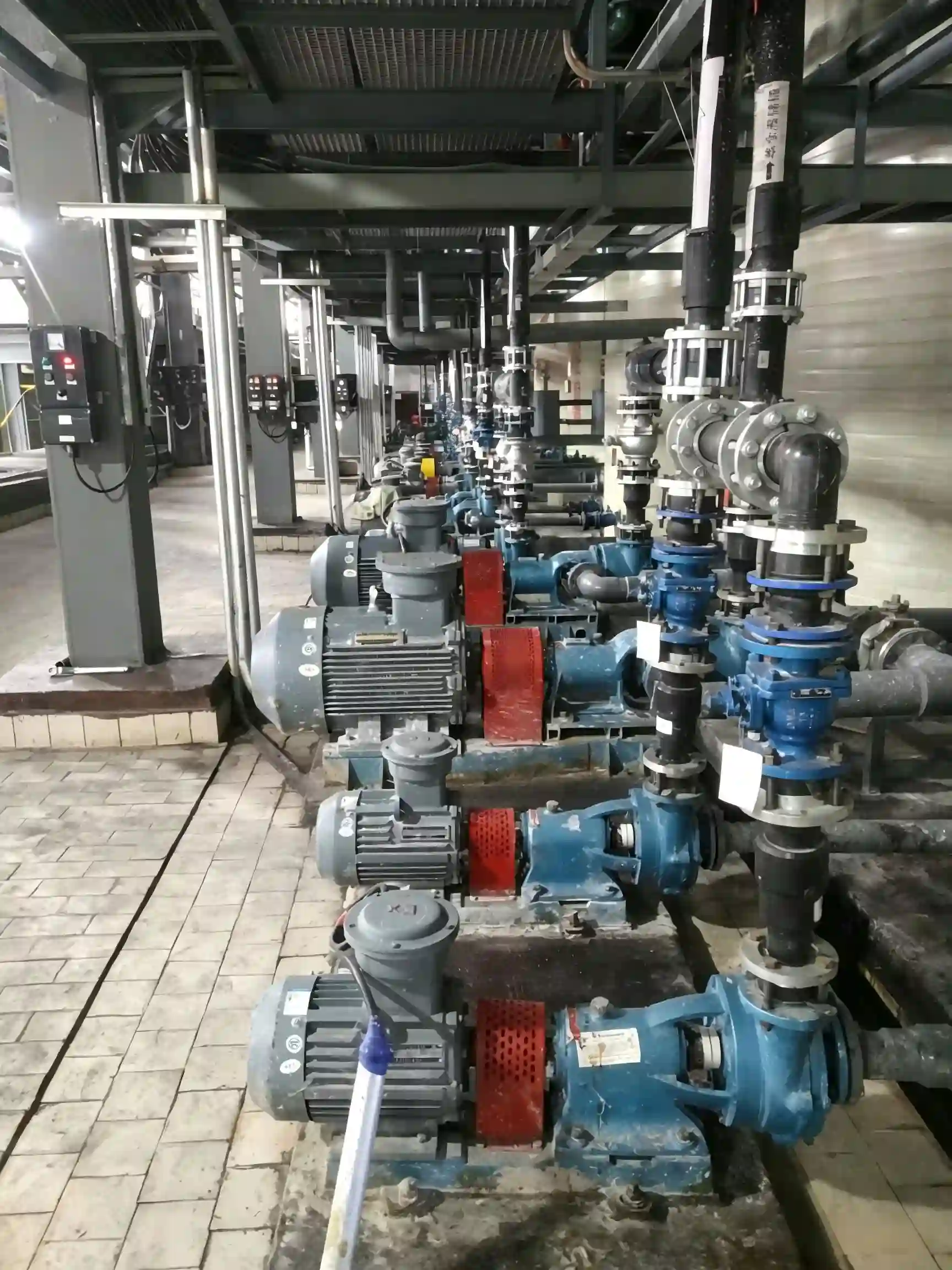
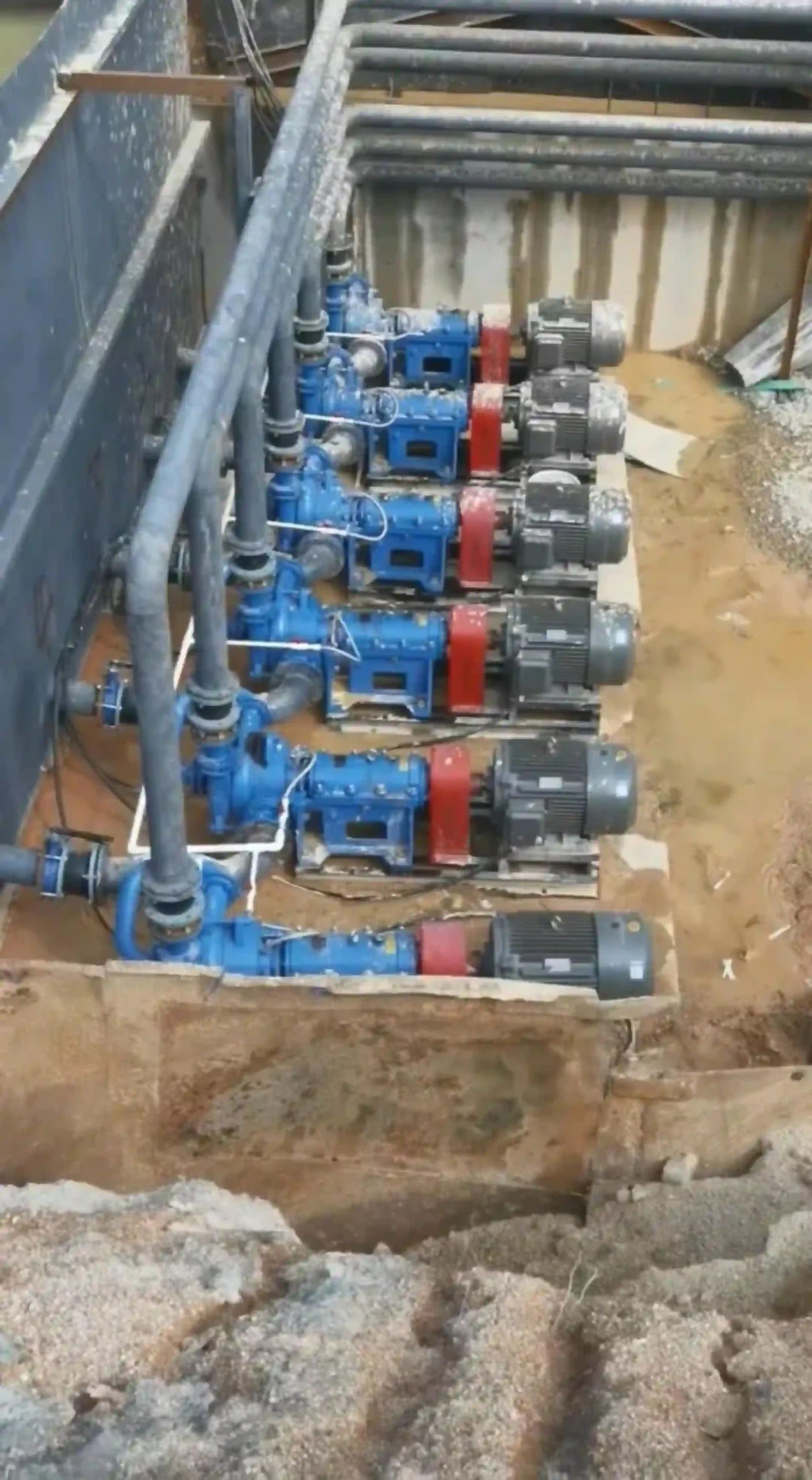
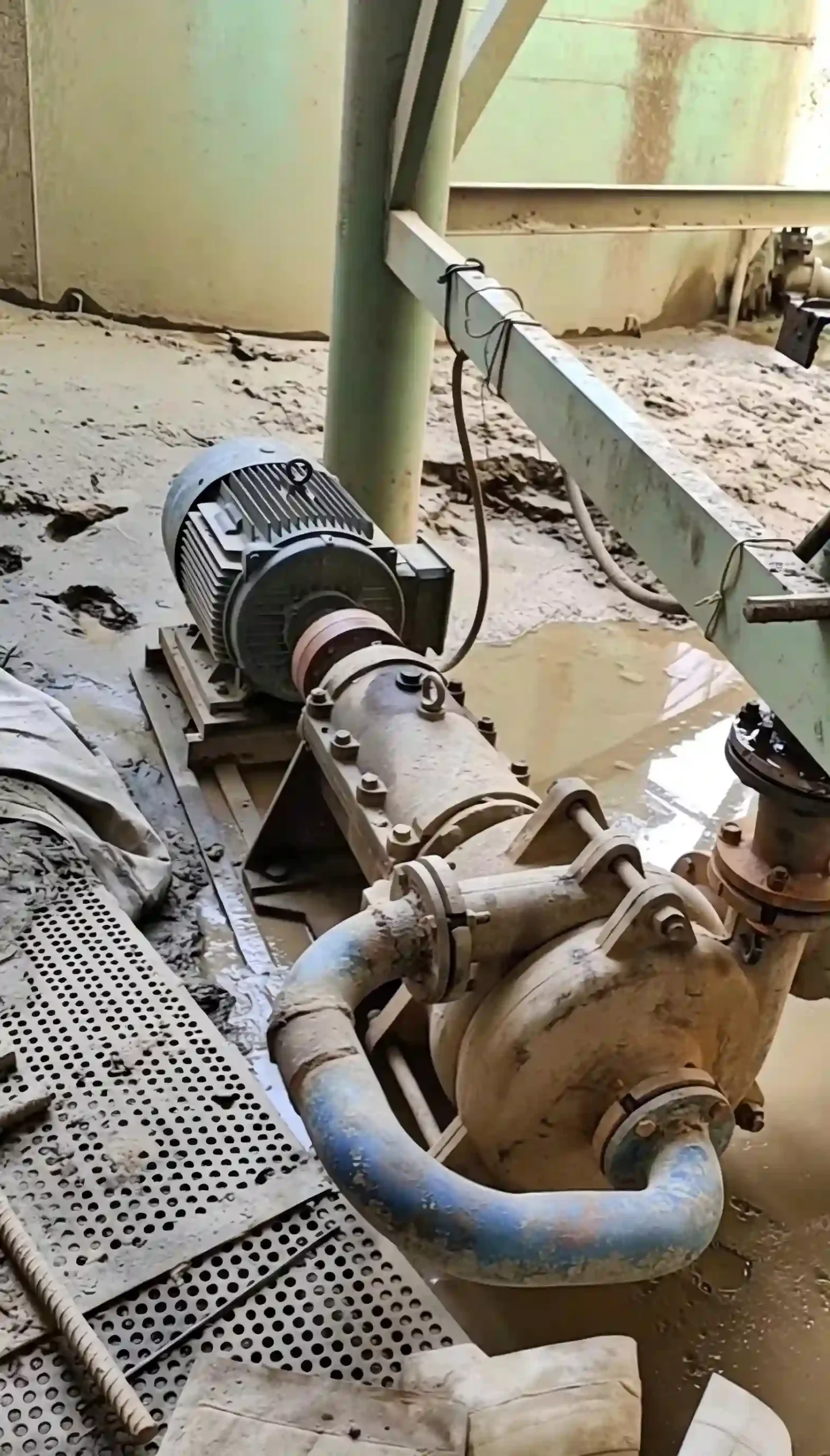
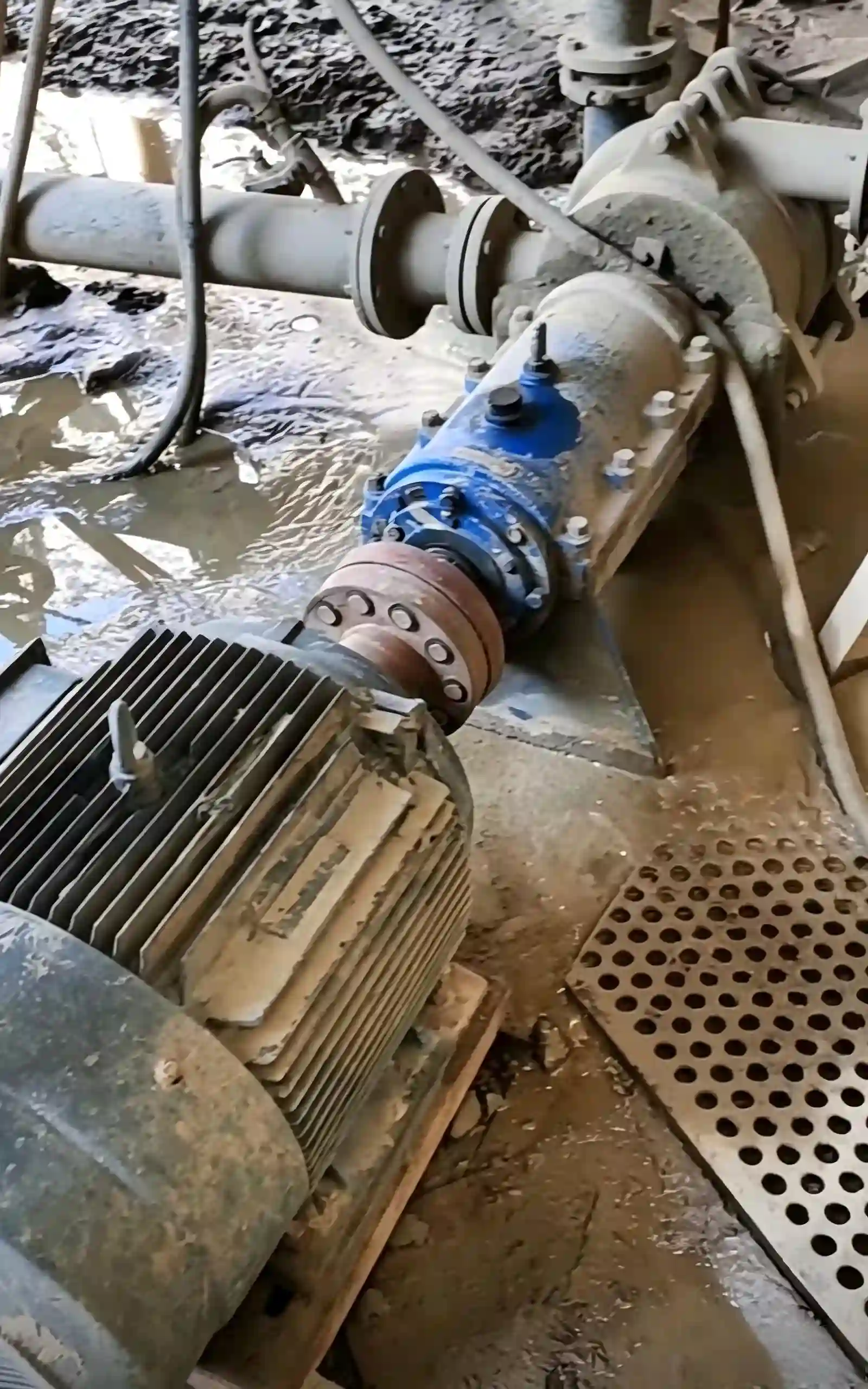
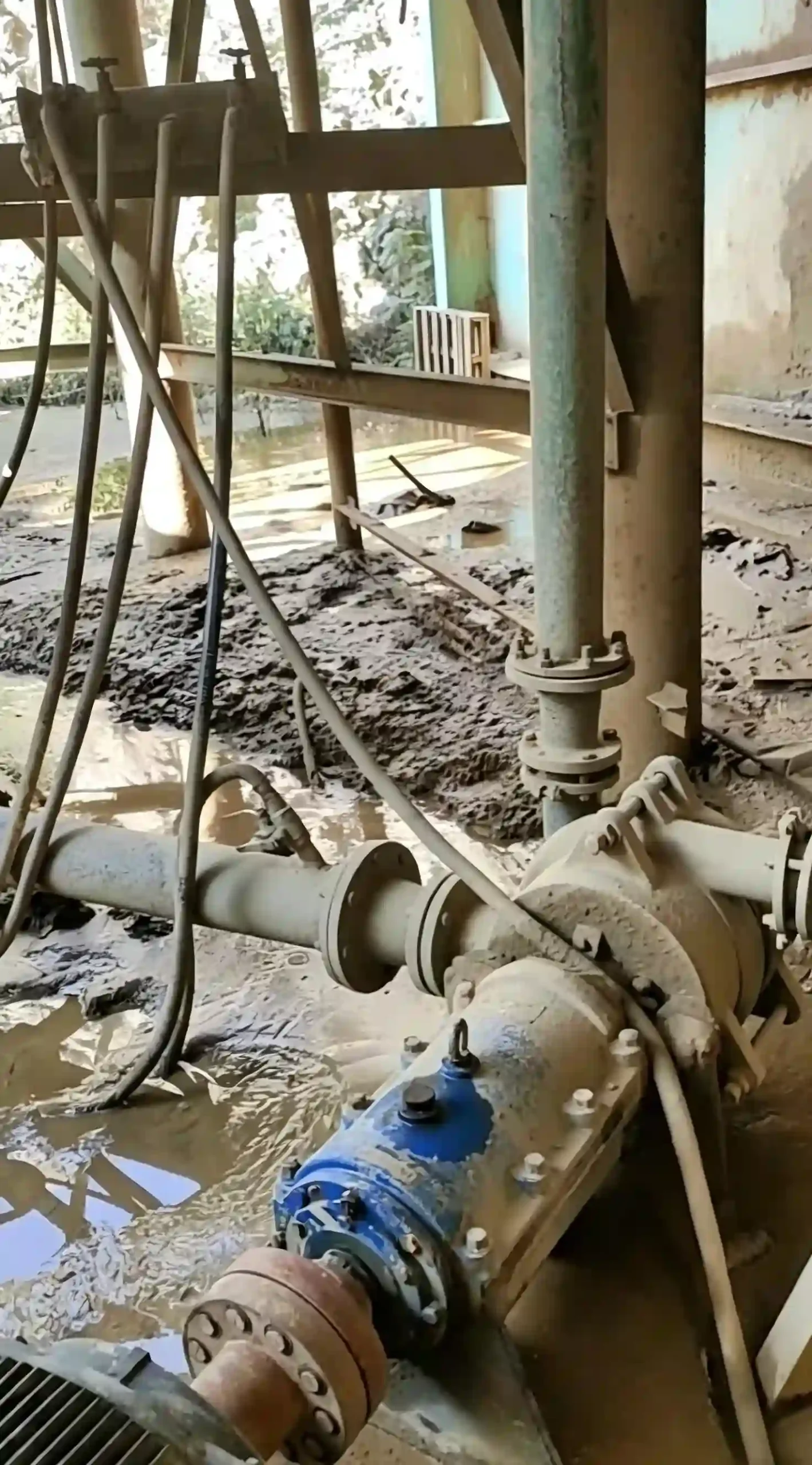
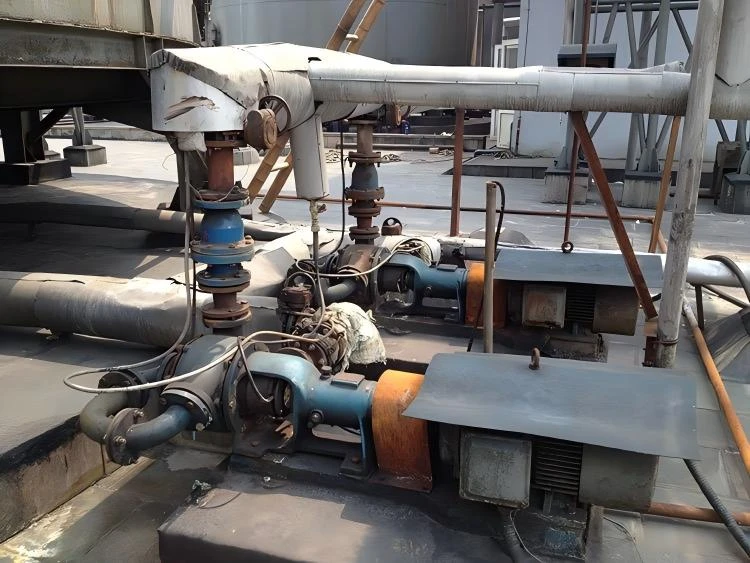
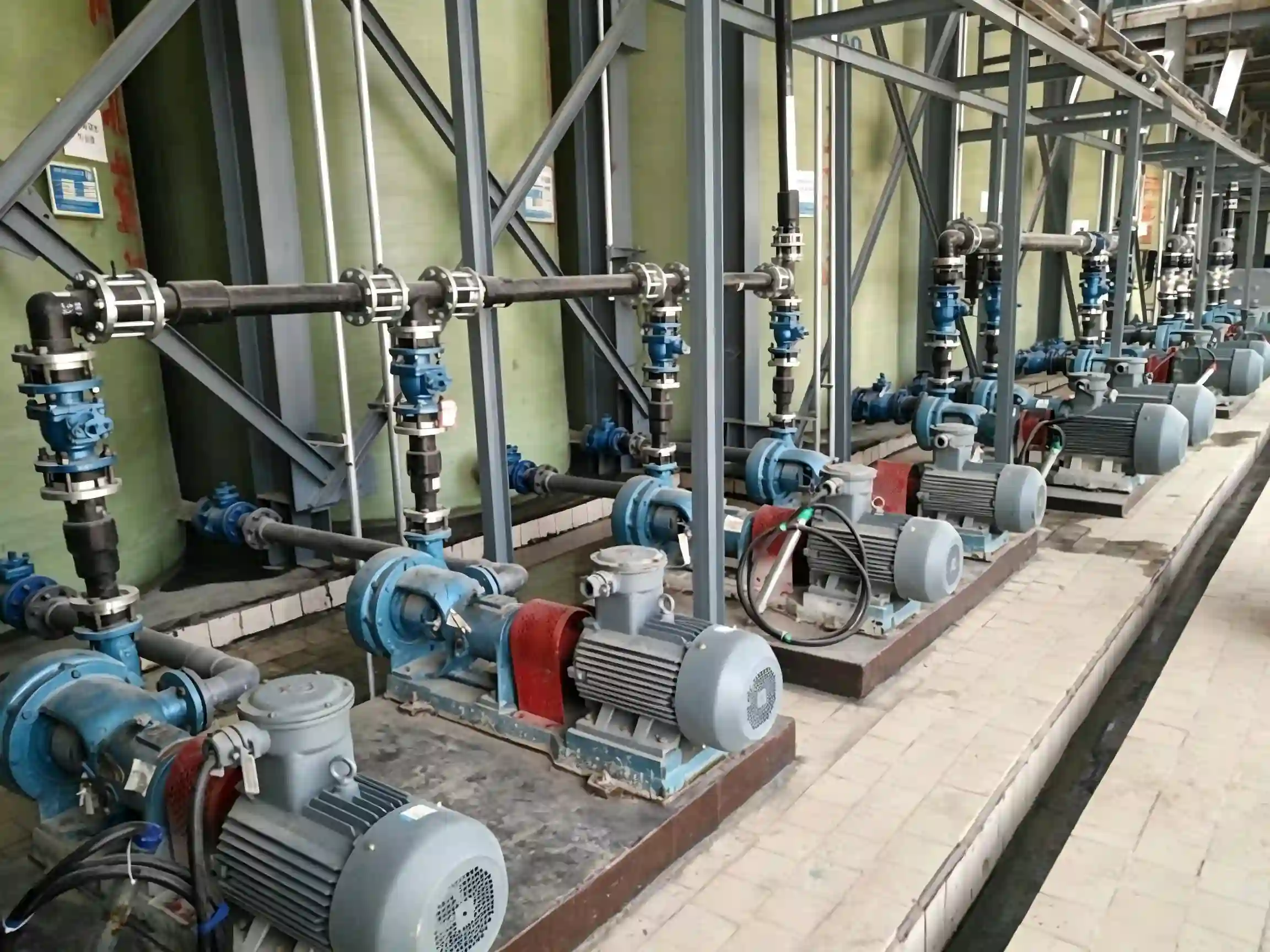
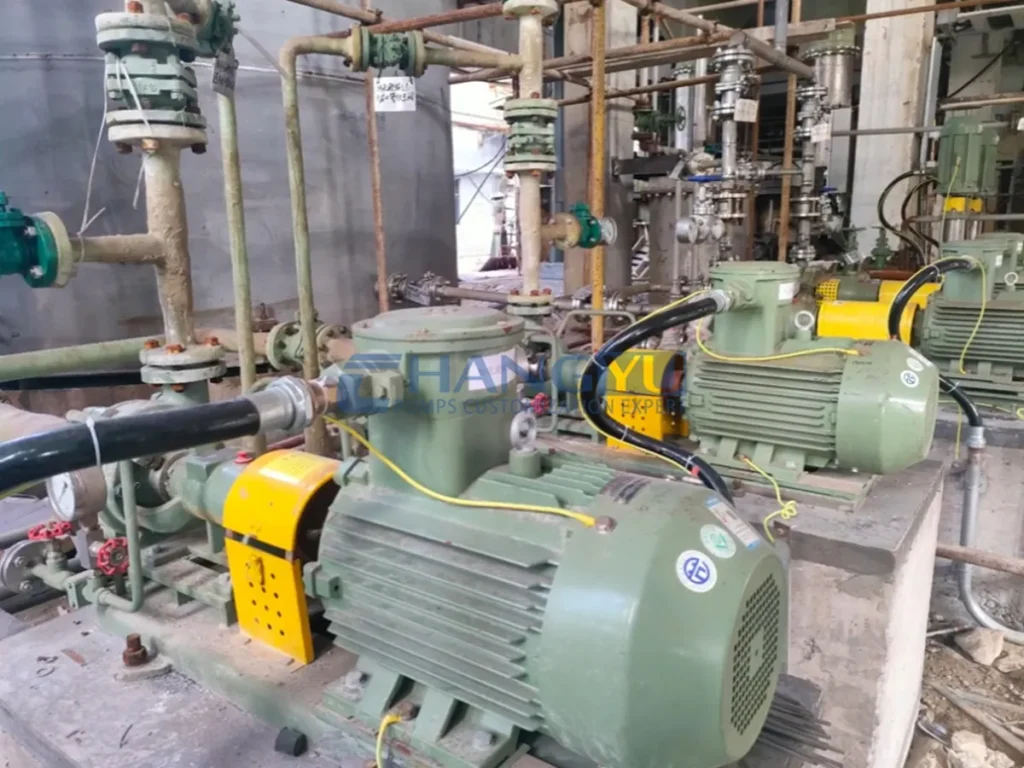
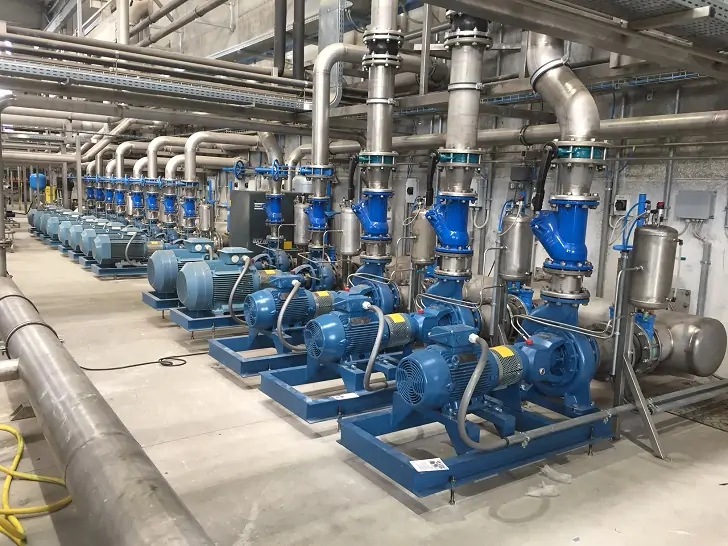
Filter Press Feed Pump in Operation
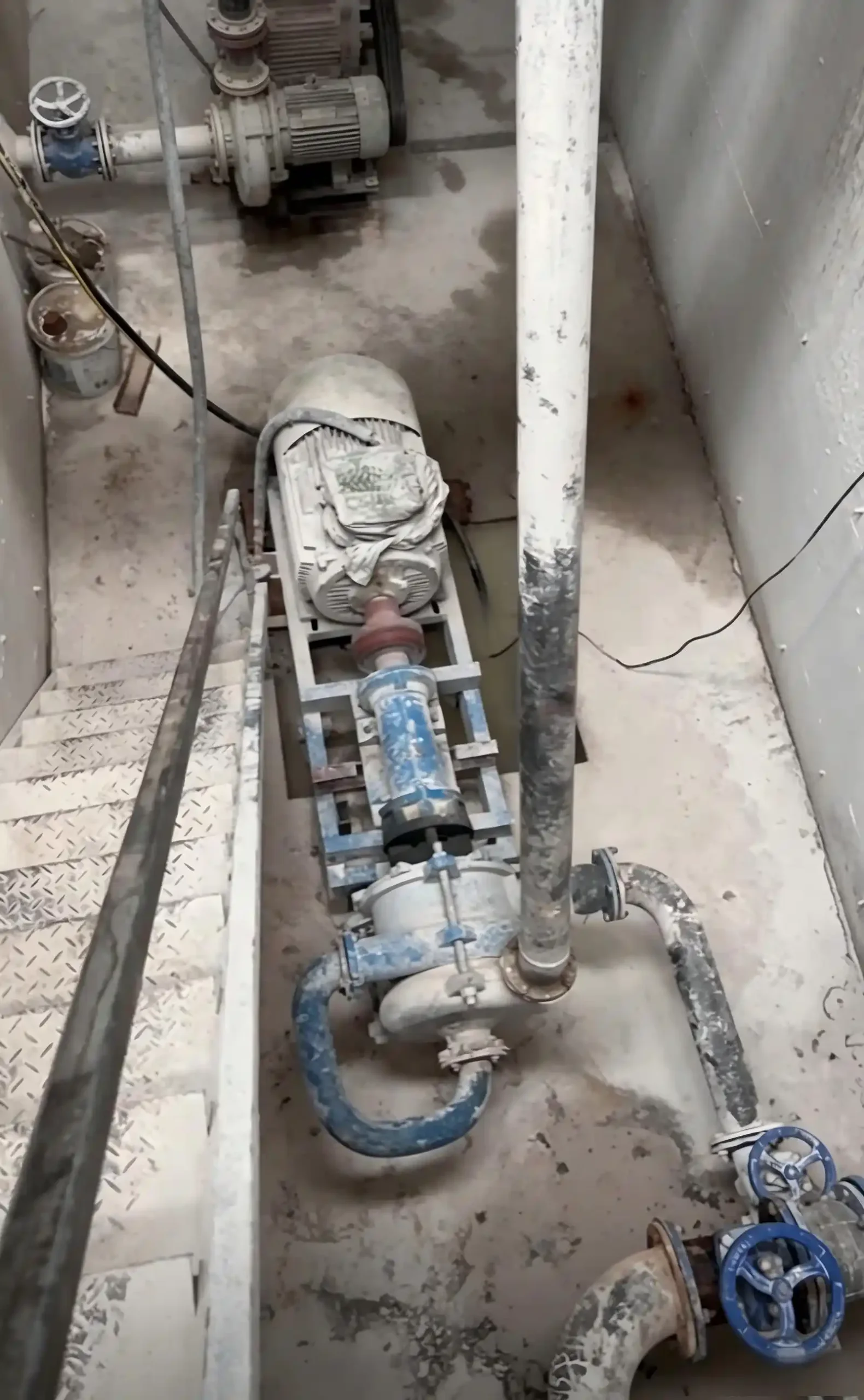
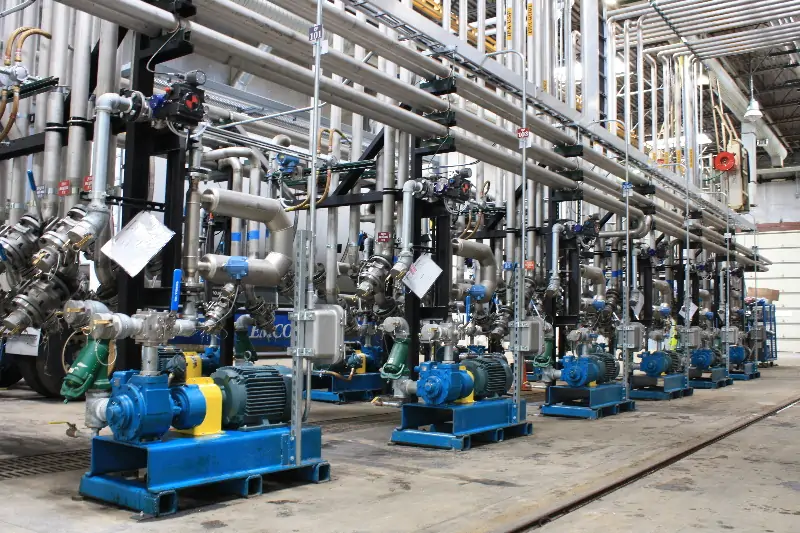
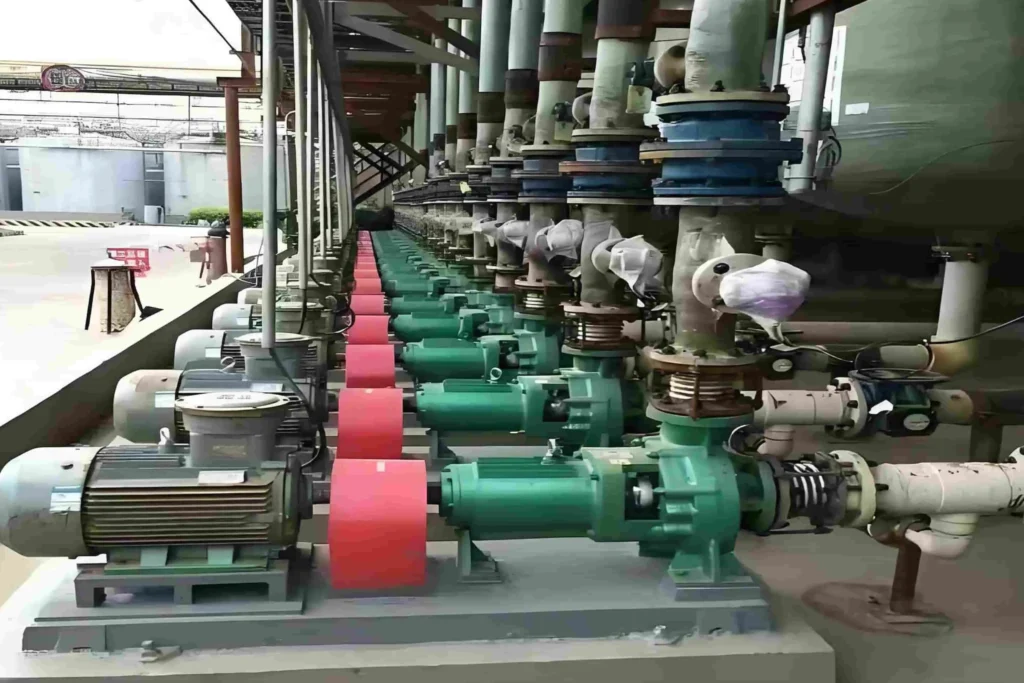
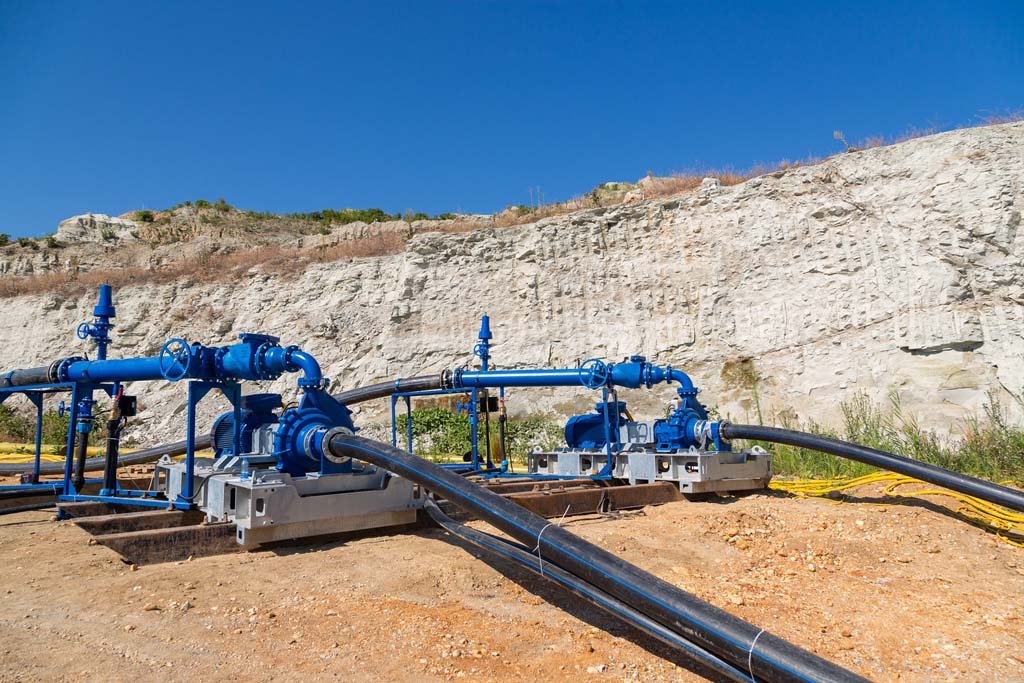
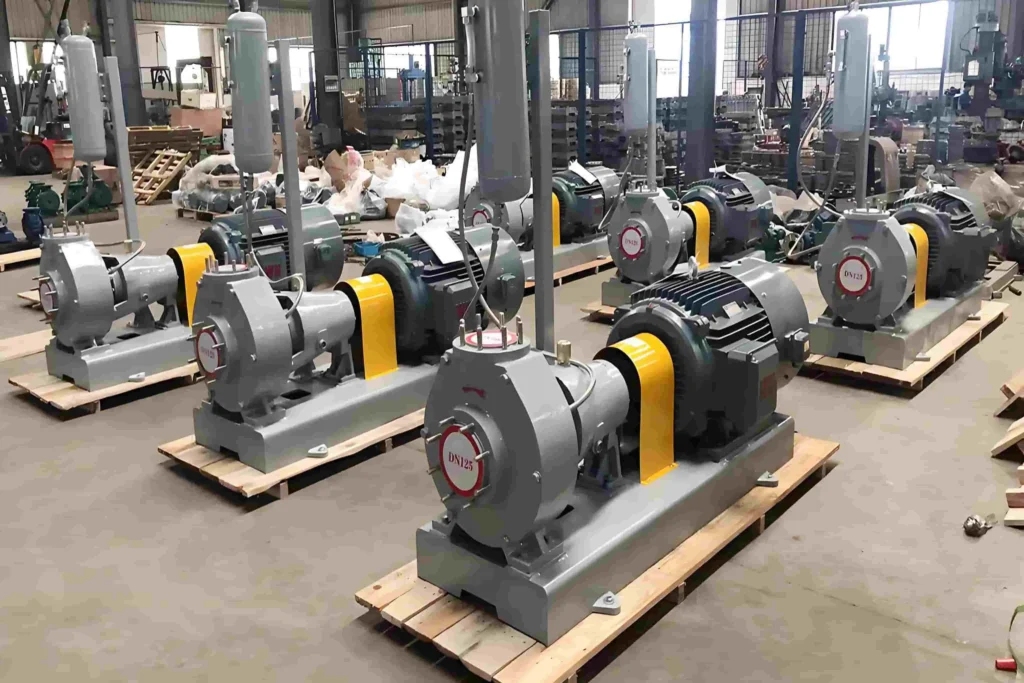
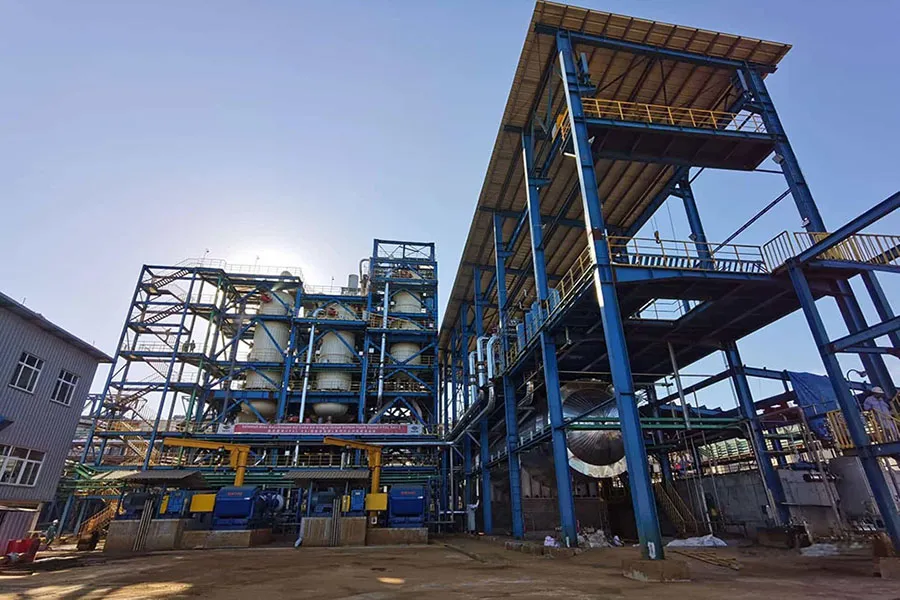
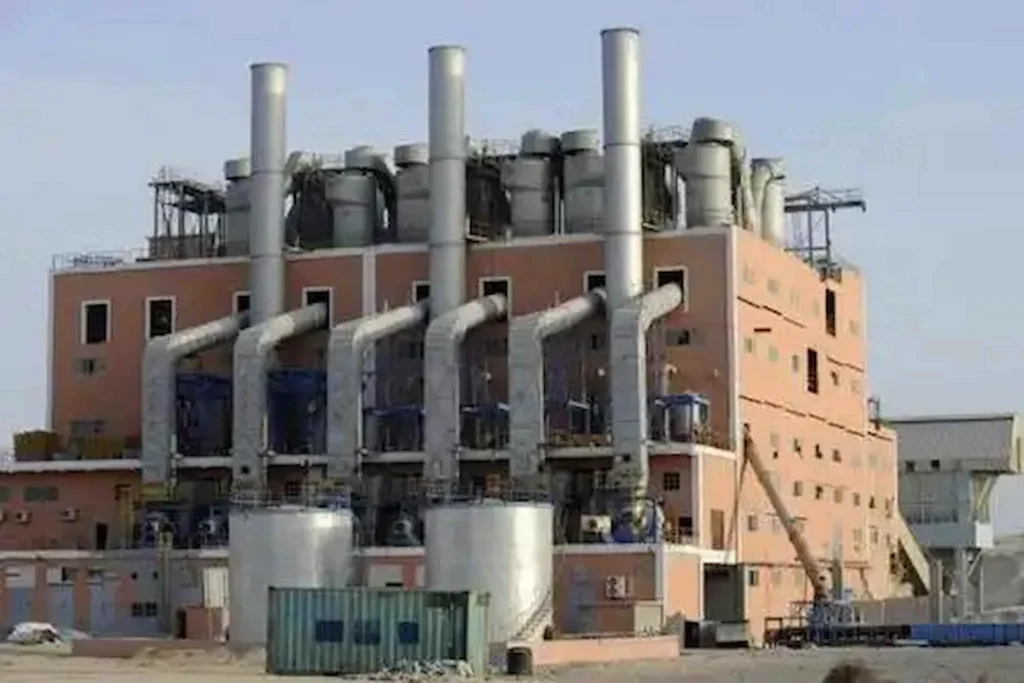
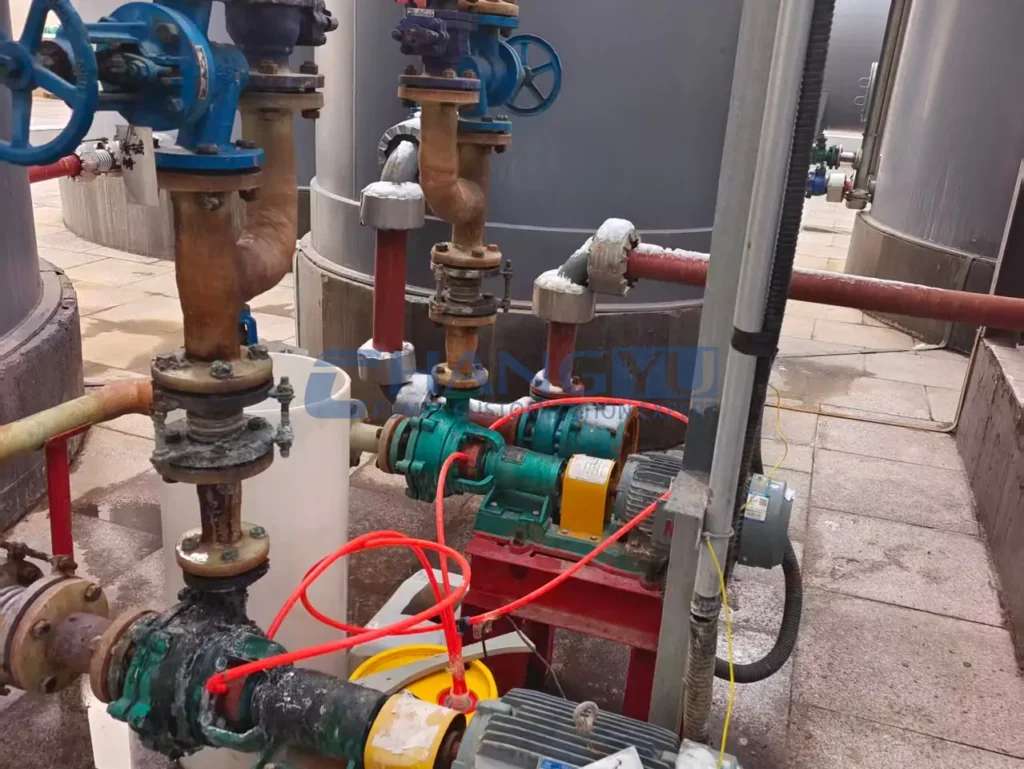
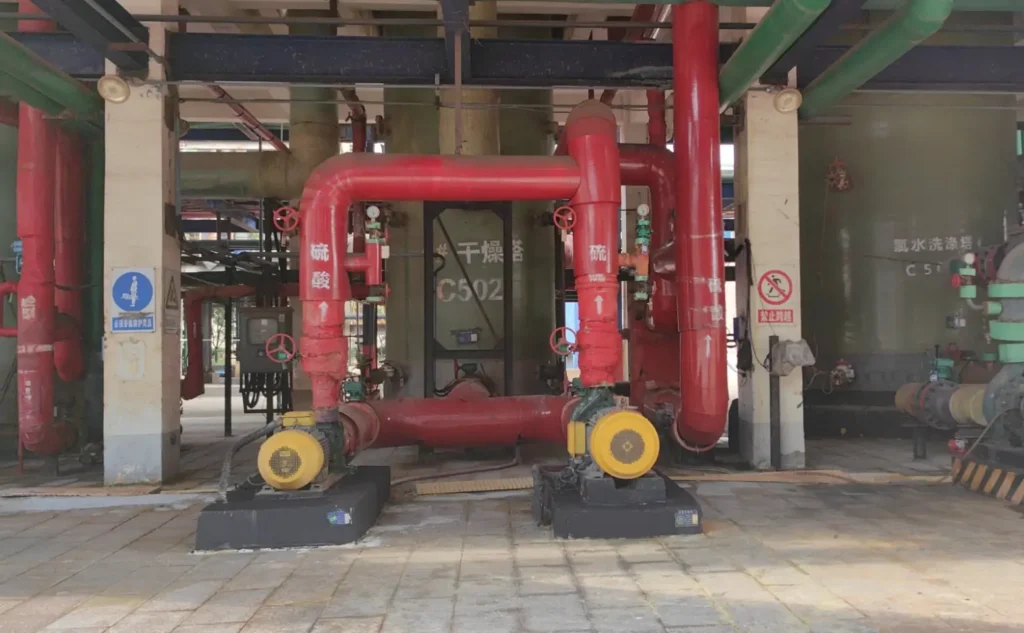
This section is reserved for nine on-site operating photos showing ChangYu filter press feed pumps in actual filtration and slurry-handling systems. Final pump configurations vary according to slurry composition, solids concentration, required feed pressure, filter press capacity, and site layout.
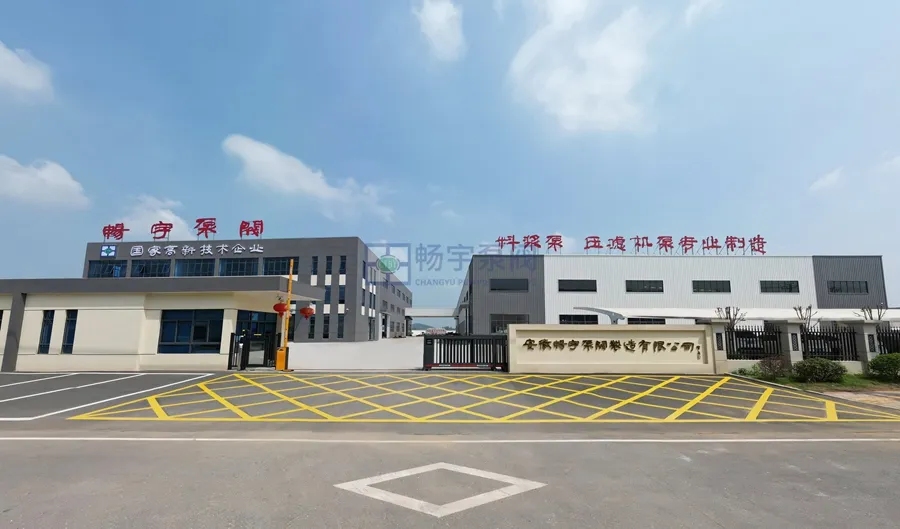
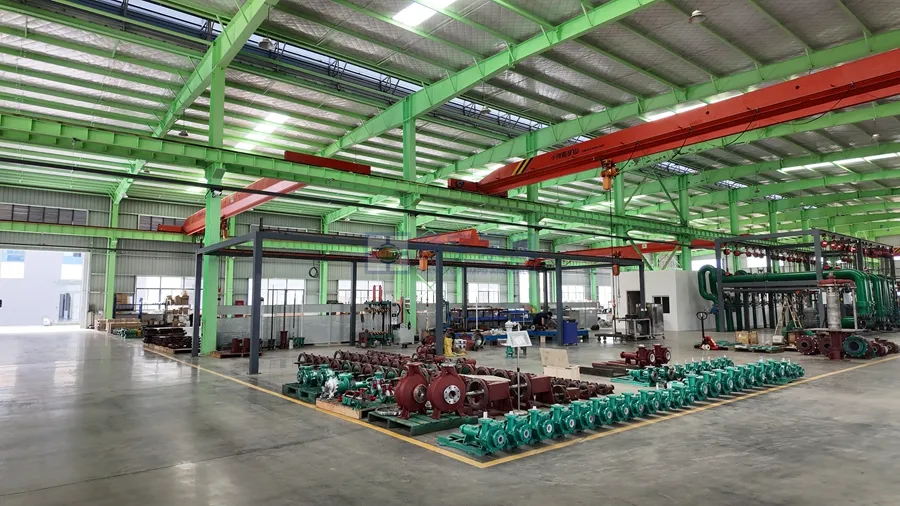
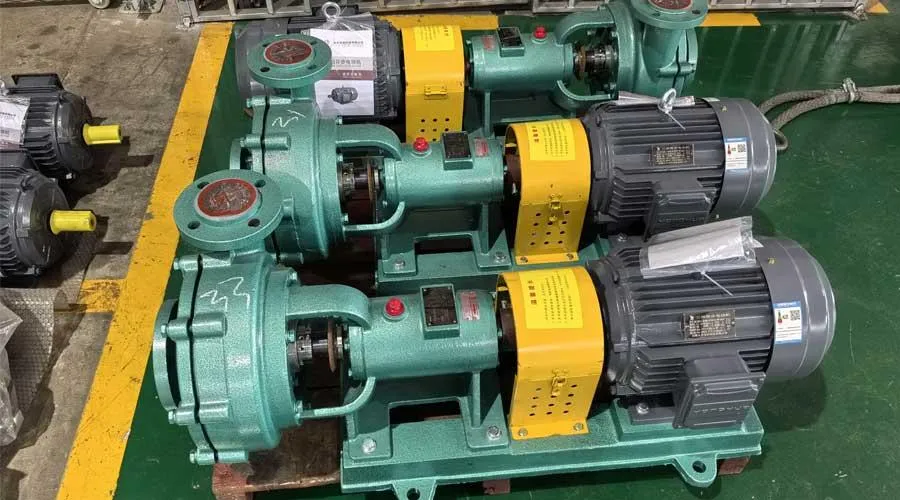
Triển lãm tại nhà máy




Dự án

Yêu cầu báo giá miễn phí
Vui lòng cung cấp chi tiết về chất lỏng được bơm, bao gồm lưu lượng, cột áp, tỷ trọng và nhiệt độ, để chúng tôi có thể đề xuất loại bơm phù hợp nhất và cung cấp báo giá chính xác.