
Cần chọn máy bơm chuyển dung môi cho toàn bộ nhiệm vụ chuyển: hỗn hợp lỏng, lưu lượng, cột áp, điều kiện hút, phớt và yêu cầu tại chỗ. Thép không gỉ là một lựa chọn vật liệu hữu ích, nhưng toàn bộ cụm lắp ráp phải phù hợp với dịch vụ.
Đối với một lắp đặt công nghiệp cố định, máy bơm ly tâm bằng thép không gỉ có thể là một ứng viên tốt cho các chất lỏng tương thích và điều kiện vận hành. Phân phối từ thùng nhỏ, dung môi thu hồi đặc và định lượng lưu lượng thấp chính xác có thể cần một cấu hình khác.
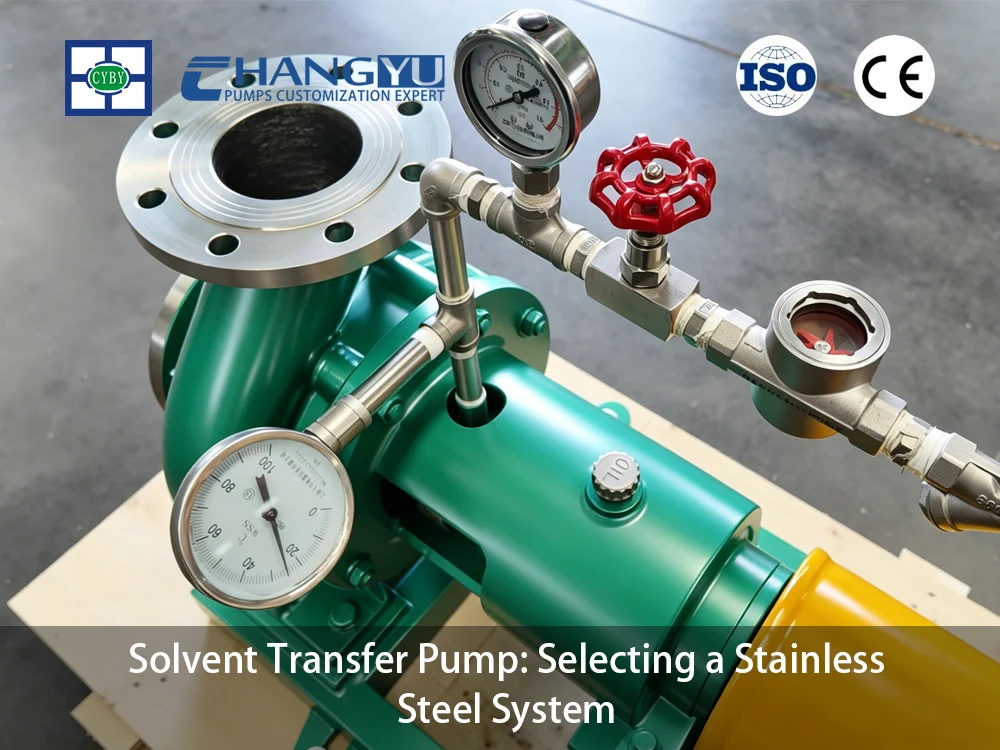
Hướng dẫn này tập trung vào máy bơm thép không gỉ với phớt cơ khí. Nó giải thích những gì cần kiểm tra trước khi mua và cách tránh các vấn đề khi mức bồn, nhiệt độ hoặc hỗn hợp dung môi thay đổi.
Phù hợp máy bơm chuyển dung môi với công việc
Bắt đầu với cách chất lỏng di chuyển qua nhà máy của bạn. Xả một thùng phuy không thường xuyên khác với cấp liệu cho một dây chuyền sản xuất trong nhiều giờ.
| Nhiệm vụ chuyển | Ưu tiên lựa chọn chính | Thông tin cần cung cấp |
|---|---|---|
| Phân phối từ thùng phuy hoặc thùng nhỏ | Truy cập thùng chứa, tính di động và phân phối có kiểm soát | Kích thước thùng chứa, tần suất chuyển và lưu lượng yêu cầu |
| Chuyển cố định từ bồn sang bồn | Lưu lượng, tổng cột áp và điều kiện đầu vào | Mức bồn, áp suất bình chứa, tuyến đường ống và thời gian chuyển |
| Cấp liệu quy trình liên tục | Nhiệm vụ ổn định và phương pháp điều khiển phù hợp | Lưu lượng bình thường, phạm vi vận hành và giờ chạy hàng ngày |
| Chuyển dung môi thu hồi | Thành phần thay đổi, nhiễm bẩn và chất rắn | Phân tích đại diện và biến động lô dự kiến |
Đối với các nhiệm vụ hóa chất công nghiệp tương thích, Changyu Máy bơm hóa chất ly tâm bằng thép không gỉ CYH là một dòng sản phẩm cần đánh giá. Nó sử dụng bố trí công xôn một tầng, một hút với các tùy chọn phớt cơ khí.
Chọn model sau khi xem xét nhiệm vụ. Mô tả dòng sản phẩm không xác nhận rằng mọi model đều phù hợp với mọi dung môi.
Xác định hỗn hợp dung môi hoàn chỉnh
Máy bơm chuyển dung môi có thể gặp nhiều hơn tên hóa chất được ghi trên bồn. Nước, muối hòa tan, cặn quy trình và chất lỏng làm sạch có thể thay đổi việc lựa chọn.
Changyu’s bộ sưu tập máy bơm thép không gỉ xác định các nhóm ứng dụng liên quan đến dung môi, bao gồm rượu, xeton, dung môi thơm và este. Hãy coi đây là điểm khởi đầu cho việc xem xét tương thích.
Để có một yêu cầu hữu ích, hãy bao gồm:
- Tên dung môi, hỗn hợp đầy đủ và phạm vi nồng độ.
- Bảng dữ liệu an toàn hiện tại, hay SDS.
- Nhiệt độ chất lỏng bình thường và tối đa.
- Khối lượng riêng, độ nhớt và áp suất hơi ở nhiệt độ vận hành.
- Hàm lượng nước, chất rắn và các chất nhiễm bẩn có khả năng.
- Bất kỳ chất lỏng xả hoặc làm sạch nào được sử dụng trong cùng máy bơm.
Ví dụ, acetone thu hồi có thể chứa cặn không có trong acetone mới. Dòng rượu có thể chứa nước và muối. Dữ liệu của dung môi gốc có thể không mô tả chất lỏng đến máy bơm.
Lời khuyên thực tế: nêu rõ thành phần là cố định hay thay đổi giữa các lô. Đối với chất lỏng thu hồi, sử dụng phân tích đại diện và xác định giới hạn chấp nhận được trước khi chọn cấu hình cuối cùng.
Chọn thép không gỉ và phớt như một gói
Đối với máy bơm chuyển dung môi bằng thép không gỉ, hãy đánh giá mọi thành phần tiếp xúc ướt. Vỏ và cánh bơm chỉ là một phần của gói đó.
304, 316 và 316L có thể vào danh sách rút gọn cho các nhiệm vụ tương thích khác nhau. Việc lựa chọn phụ thuộc vào hỗn hợp, nhiệt độ, tạp chất và tiếp xúc làm sạch. Các điều kiện khắt khe hơn có thể yêu cầu đánh giá vật liệu khác.
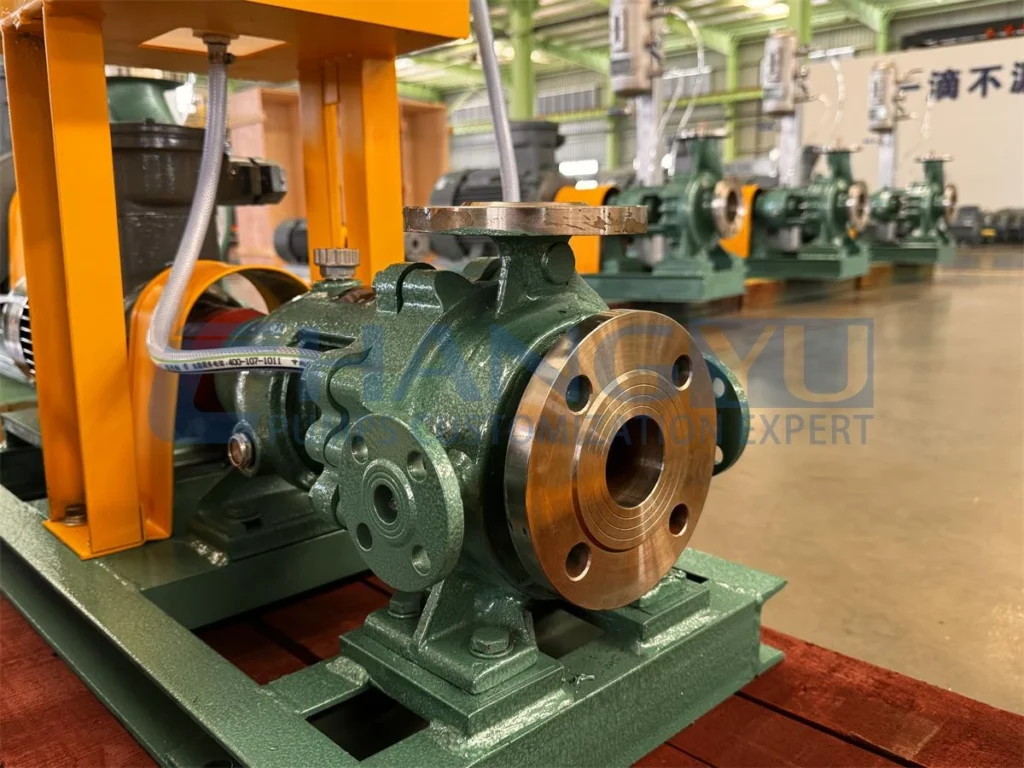
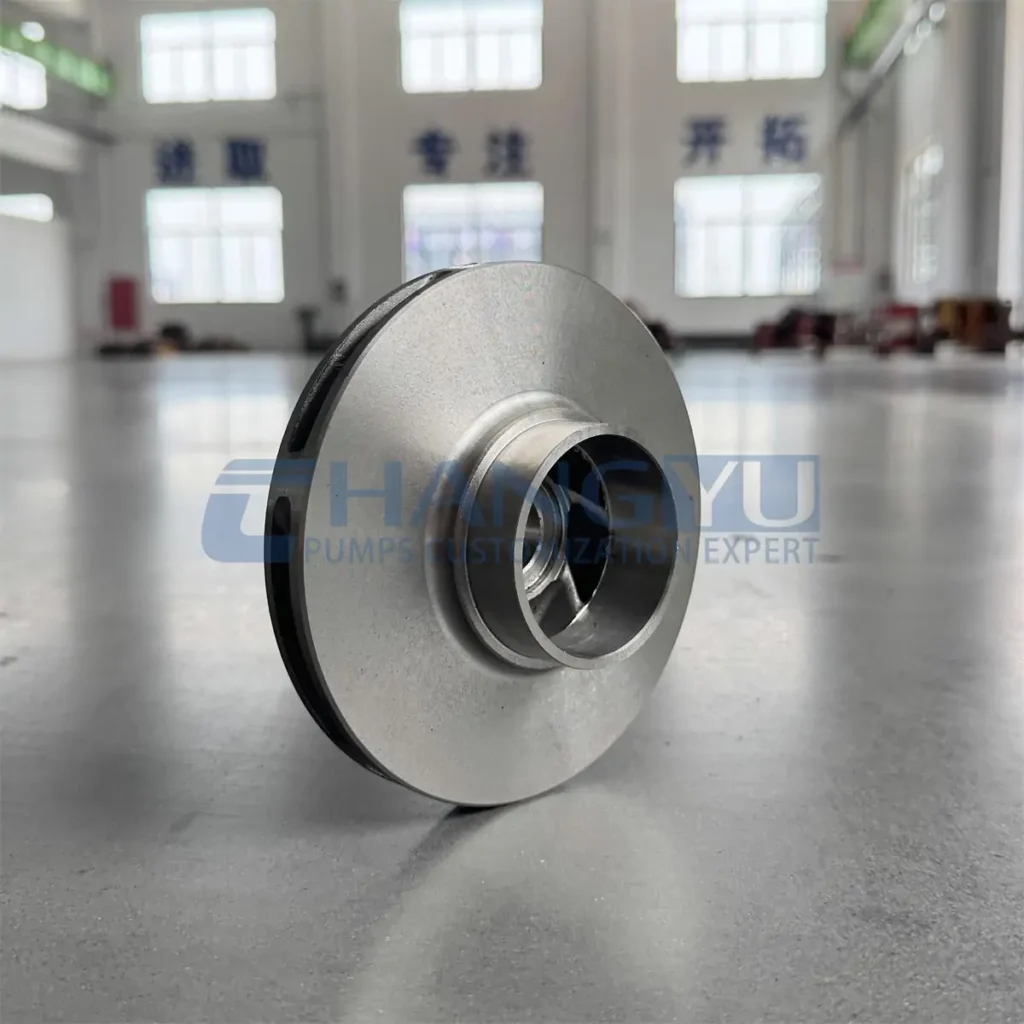
Outokumpu Thông tin vật liệu Supra giải thích nền tảng của các mác chứa molypden như 316 và 316L. Nó hỗ trợ so sánh hợp kim; nó không phê duyệt một máy bơm hoàn chỉnh cho một hỗn hợp dung môi cụ thể.
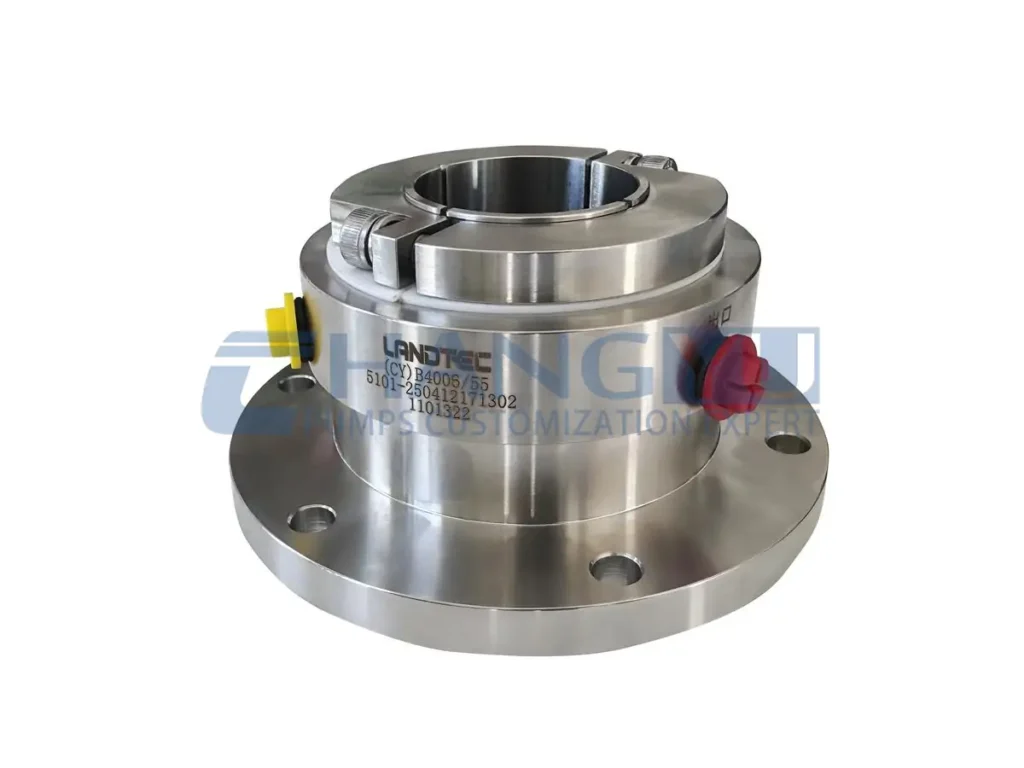
Kiểm tra mặt phớt cơ khí, vòng O, gioăng, ống lót trục và đường ống đỡ tiếp xúc ướt. Nâng cấp hợp kim sẽ không ngăn được một elastomer không tương thích bị trương hoặc mất đặc tính làm kín.
Tránh yêu cầu mơ hồ về “cao su chịu dung môi.” Chỉ định hợp chất đề xuất và để nó được đánh giá với tất cả chất lỏng và nhiệt độ liên quan. Các họ dung môi khác nhau có thể hành xử rất khác nhau với cùng một elastomer.
Yêu cầu bảng vật liệu thành phần trong báo giá. Điều này cho bộ phận mua hàng một hồ sơ rõ ràng về những gì sẽ được cung cấp và giúp đặt hàng phụ tùng trong tương lai dễ dàng hơn.
For the complete selection sequence beyond solvent-specific requirements, see our stainless steel chemical pump selection guide, including hydraulic duty, suction checks and purchase details.
Chọn phớt cơ khí cho điều kiện vận hành thực tế
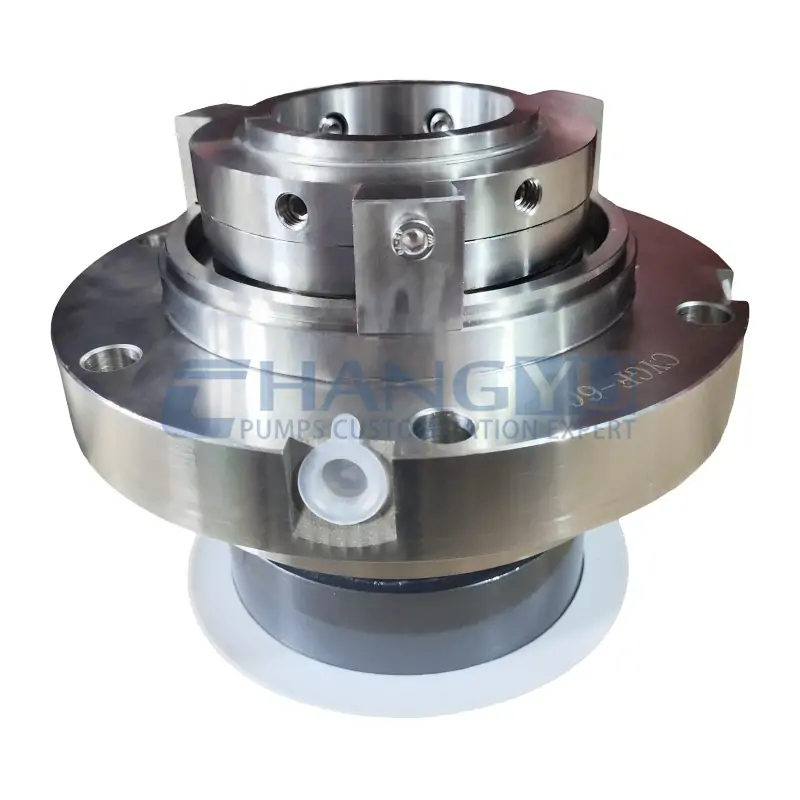
Máy bơm chuyển dung môi cần một bố trí phớt giải quyết cả tính tương thích và ngăn chứa. Áp suất, nhiệt độ, bôi trơn và hậu quả của rò rỉ đều ảnh hưởng đến việc lựa chọn.
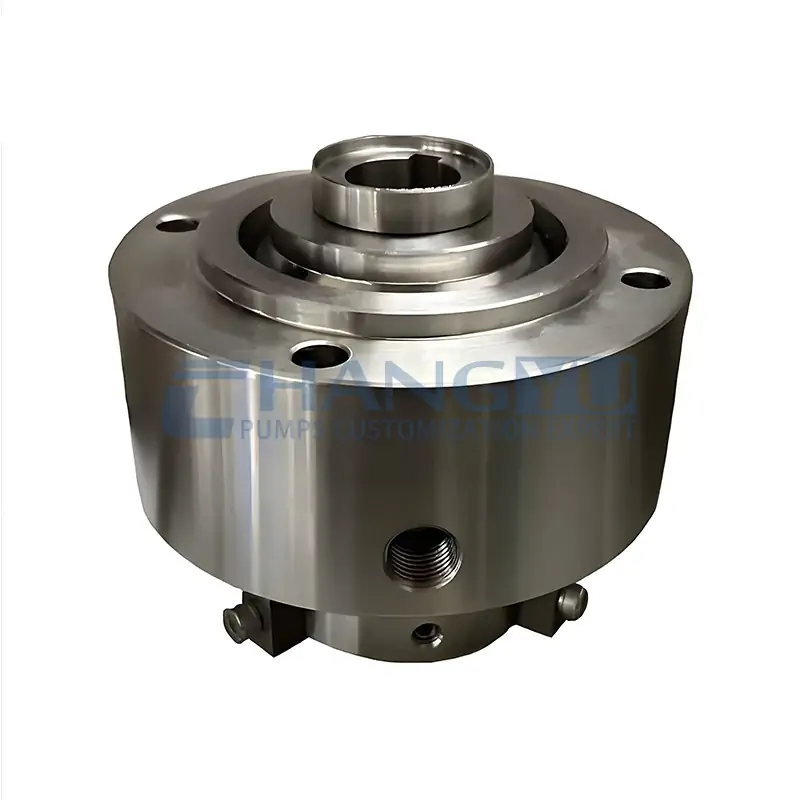
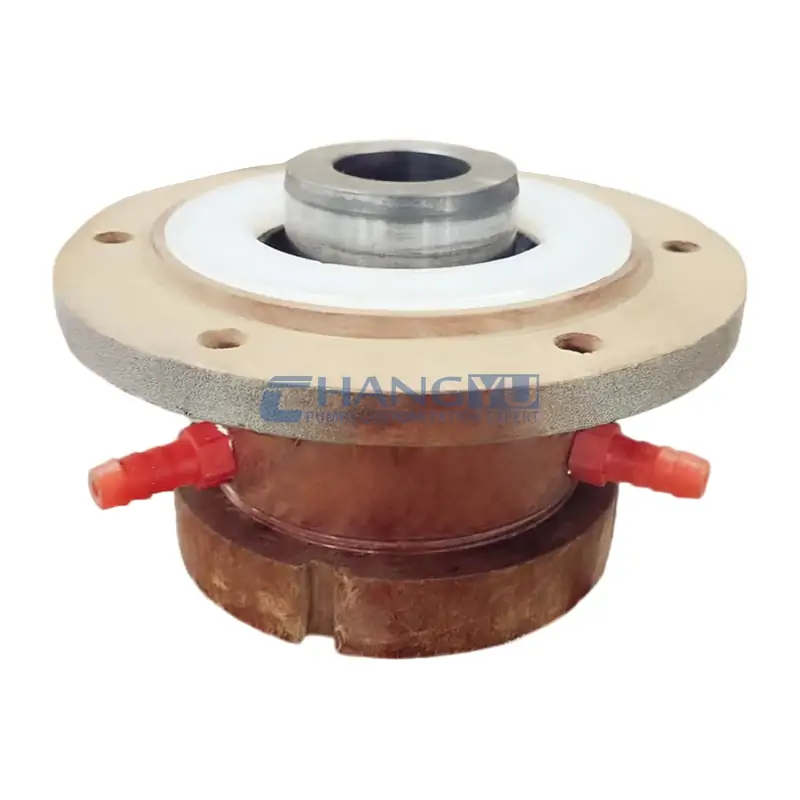
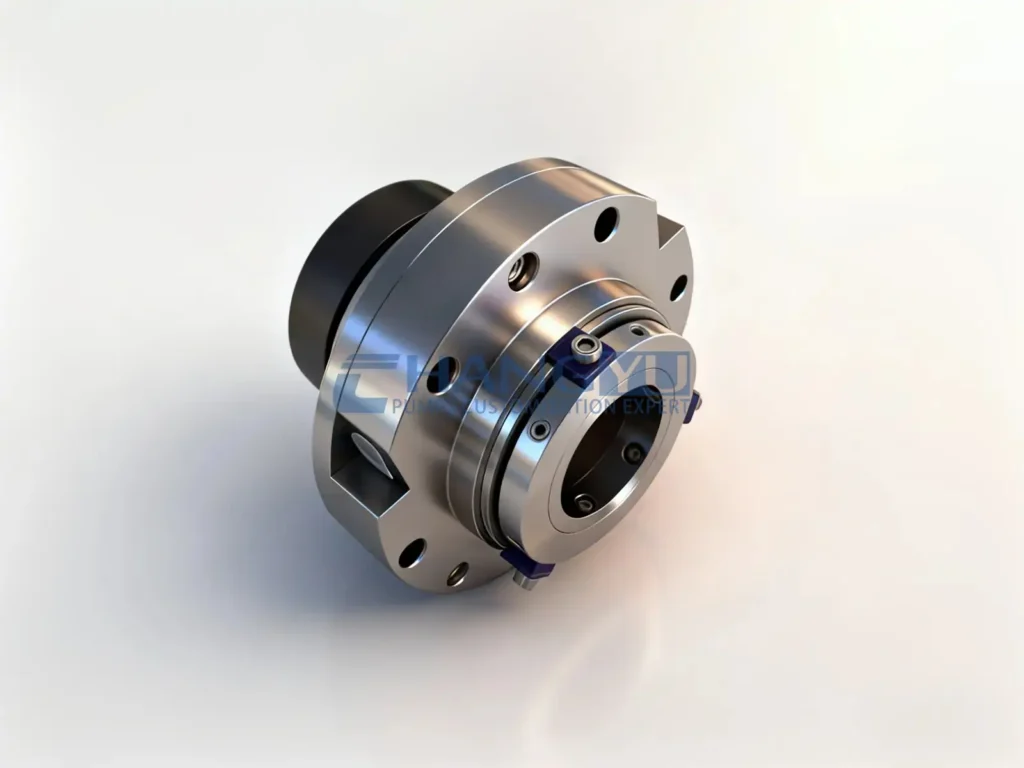
Một phớt cơ khí đơn có thể phù hợp với một nhiệm vụ khi đánh giá hỗ trợ điều đó. Phớt cơ khí kép có thể được xem xét khi cần thêm khả năng ngăn chặn hoặc môi trường phớt được kiểm soát. Nó cũng cần một bố trí hỗ trợ phù hợp.
Đối với cả hai lựa chọn, giải quyết năm câu hỏi:
- Vật liệu mặt phớt và phớt thứ cấp nào được chỉ định?
- Buồng phớt sẽ chịu áp suất và nhiệt độ nào?
- Có cần làm mát, xả rửa, hoặc chất lỏng hỗ trợ riêng không?
- Chất lỏng hỗ trợ đó có tương thích với quy trình không?
- Các điều kiện hỗ trợ sẽ được giám sát và duy trì như thế nào?
Không coi phớt kép là sự đảm bảo không rò rỉ. Xác định hiệu suất ngăn chặn cần thiết và phản ứng khi mất hỗ trợ.
Hướng dẫn bảo trì do Changyu cung cấp xác định chạy khô, làm mát kém, rung động, hạt và tắc xả rửa là các nguyên nhân có thể gây hỏng phớt. Những kiểm tra này quan trọng ngay cả khi kim loại được chọn phù hợp về mặt hóa học.
Lời khuyên thực tế: nếu thay thế một phớt bị hỏng, ghi lại thời điểm rò rỉ bắt đầu. Khởi động, cuối một lô, và thay đổi hỗn hợp dung môi chỉ ra các điều kiện khác nhau đáng để điều tra.
For the next step in specifying the support equipment, see our guide to mechanical seal flush plan selection. It compares product recirculation, cooling, external flushing and pressurised barrier systems, with the contamination limits, utility requirements and supply responsibilities to confirm in a quotation.
Phân biệt áp suất hơi với điểm chớp cháy
Yêu cầu về bơm chuyển dung môi cần cả hai đặc tính khi có liên quan, vì chúng trả lời các câu hỏi khác nhau.
Áp suất hơi ảnh hưởng đến nguy cơ chất lỏng bay hơi khi áp suất đầu vào giảm. Điểm chớp cháy liên quan đến sự hình thành hơi dễ bắt cháy trong các điều kiện thử nghiệm quy định. Một giá trị không thể thay thế giá trị kia.
Một dung môi ấm, dễ bay hơi có thể trở nên khó cấp vào bơm qua đường hút hạn chế. Mức bồn thấp hoặc bình chứa dưới chân không có thể làm vấn đề tồi tệ hơn.
Tính toán cột áp hút dương ròng khả dụng, hay NPSH khả dụng, sử dụng chất lỏng thực tế và lắp đặt. So sánh nó với yêu cầu của bơm được chọn tại lưu lượng dự định, bao gồm biên an toàn phù hợp theo ứng dụng cụ thể.The Câu hỏi thường gặp về máy bơm của Hydraulic Institute giải thích các khái niệm hút và NPSH. Sử dụng đường cong của model được chọn và đặc tính dung môi của bạn cho tính toán dự án.
Không sao chép giả định nâng hút dựa trên nước vào đặc tính kỹ thuật bơm chuyển dung môi. Một thử nghiệm lạnh thành công cũng không chứng minh rằng bơm sẽ hoạt động với chất lỏng ấm gần cuối một lô.
Thiết kế cho mức bồn thấp nhất
Bồn đầy thường cung cấp nhiều áp suất đầu vào hơn bồn gần cạn. Xem xét toàn bộ chu trình chuyển, bao gồm điểm mà bơm phải dừng.
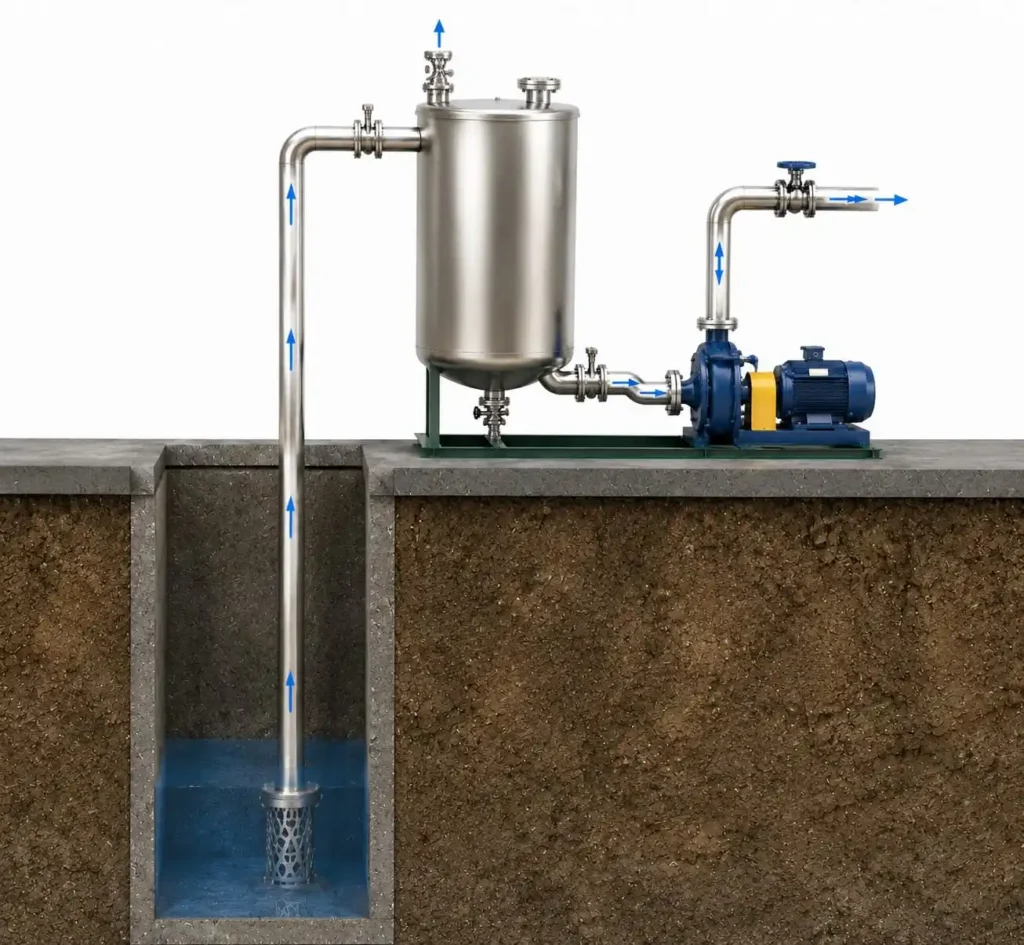
Kiểm tra đường kính và chiều dài ống hút, lưới lọc, van, túi khí, và khả năng rò khí. Cung cấp hình học đầu ra và độ ngập phù hợp cho lưu lượng dự định. Đường ống nên có hỗ trợ độc lập để không gây tải lên các kết nối bơm.
Xem xét một ví dụ chuyển lô. Bơm chạy ổn định lúc đầu, nhưng dòng chảy trở nên không ổn định khi bồn cạn. Nguyên nhân có thể bao gồm NPSH khả dụng giảm, không khí lọt vào đầu ra, hoặc lưới lọc bị tắc.
Phản ứng đúng là kiểm tra các điều kiện đó. Tùy thuộc vào phát hiện, thiết kế có thể cần vị trí bơm thấp hơn, ít tổn thất hút hơn, lưu lượng được sửa đổi, hoặc mức dừng cao hơn. Động cơ lớn hơn không phải là giải pháp chung.
Đặt mức vận hành tối thiểu và bảo vệ phù hợp. Bơm chuyển dung môi ly tâm tiêu chuẩn không nên được kỳ vọng làm cạn hoàn toàn bình chứa trong khi tiếp tục chạy khô.
Kiểm tra yêu cầu khu vực nguy hiểm cho toàn bộ lắp đặt
Khi có thể xảy ra khí quyển dễ cháy, chuyên gia tại chỗ chịu trách nhiệm phải xác định phân loại khu vực và yêu cầu thiết bị. Bao gồm các yêu cầu đó trong yêu cầu từ đầu.
Chỉ một động cơ chống nổ không thiết lập rằng lắp đặt bơm chuyển dung môi là phù hợp. Việc xem xét có thể bao gồm bơm, khớp nối, thiết bị đo, thiết bị điện, và các nguồn đánh lửa tiềm năng khác.
Chỉ định nhóm khí áp dụng, phân loại nhiệt độ, yêu cầu bảo vệ thiết bị, và thẩm quyền pháp lý. Yêu cầu tài liệu cho cấu hình được cung cấp chính xác.
Kiểm soát tĩnh điện cũng liên quan đến hệ thống chuyển. Liên kết và nối đất, khi được đánh giá yêu cầu, phải tính đến ống mềm, thùng chứa, kết nối, và phương pháp xử lý cũng như thân bơm.
Hướng dẫn của Cơ quan An toàn và Sức khỏe Vương quốc Anh DSEAR giải thích việc đánh giá các chất nguy hiểm, khu vực nguy hiểm, và rủi ro đánh lửa. Đây là tài liệu tham khảo có thẩm quyền của Vương quốc Anh; các dự án ở nơi khác phải tuân theo các yêu cầu địa phương áp dụng.
Hướng dẫn này không phải là tuyên bố chứng nhận cho sản phẩm Changyu. Dự án cần sự phù hợp được ghi nhận cho thiết bị và lắp đặt được chọn.
Chọn kích thước bơm chuyển dung môi cho nhiệm vụ thực tế
Tính lưu lượng từ thể tích và thời gian chuyển. Sau đó thiết lập tổng cột áp động từ mức bồn, áp suất bình chứa, tổn thất đường ống, bộ lọc, van, và thiết bị nhận.
Ví dụ, chuyển 10 mét khối trong 20 phút yêu cầu lưu lượng trung bình 30 mét khối mỗi giờ. Con số đó bắt đầu tính toán; nó không chọn model. Cột áp yêu cầu và điều kiện đầu vào vẫn cần được thiết lập.
Yêu cầu đường cong bơm hiển thị nhiệm vụ bình thường và phạm vi dự kiến. Bao gồm cả đầu và cuối lô, vì mức bồn thay đổi có thể dịch chuyển điểm vận hành.
Chọn động cơ nên sử dụng đặc tính chất lỏng thực tế và công suất hấp thụ trên phạm vi cho phép. Nếu độ nhớt khác biệt đáng kể so với nước, xem xét ảnh hưởng đến hiệu suất bơm và công suất.
Cũng xác định cách kiểm soát lưu lượng. Vận hành bật/tắt, tiết lưu, và tốc độ biến đổi tạo ra các điều kiện khác nhau. Tránh vận hành thường xuyên chống lại đầu xả đóng hoặc dưới lưu lượng tối thiểu cho phép của nhà sản xuất.
Đối với chất lỏng đặc, chất rắn đáng kể, hoặc định lượng lưu lượng thấp chính xác, xem xét nguyên lý bơm trước khi tiến hành với thiết kế ly tâm tiêu chuẩn.
Làm cho khởi động và bảo trì có thể lặp lại
Chuẩn bị quy trình khởi động từ hướng dẫn được cung cấp và đánh giá tại chỗ. Xác nhận chiều quay, mồi, đường dòng chảy, sẵn sàng hỗ trợ phớt, và thiết bị bảo vệ trước khi vận hành bình thường.
Ghi lại lưu lượng, áp suất, dòng điện và điều kiện hỗ trợ làm kín bình thường sau khi chạy thử nghiệm thu. Khi hiệu suất thay đổi, so sánh các giá trị đó với đường cơ sở.
Nếu bơm chuyển dung môi bắt đầu rò rỉ hoặc mất lưu lượng, hãy kiểm tra thành phần chất lỏng, mức bồn chứa, nhiệt độ, hạn chế ở đầu hút và hệ thống hỗ trợ trước khi thay thế linh kiện. Điều này giúp phân biệt chi tiết bị mài mòn với điều kiện vận hành đã thay đổi.
Bảo trì phải tuân theo quy trình cách ly, xả tháo, thông gió và kiểm soát phơi nhiễm của cơ sở. Động cơ đã dừng không có nghĩa là bơm đã rỗng hoặc không còn hơi dung môi.
Câu hỏi thường gặp
Bơm ly tâm bằng thép không gỉ có thể chuyển dung môi không?
Có, đối với chất lỏng tương thích và điều kiện vận hành phù hợp. Việc lựa chọn phải bao quát toàn bộ cụm chi tiết tiếp xúc với chất lỏng, lưu lượng và cột áp, điều kiện đầu hút, bố trí làm kín và yêu cầu tại cơ sở. Chỉ riêng kết cấu thép không gỉ không đủ để xác lập tính phù hợp cho mọi hỗn hợp.
Có phải luôn cần 316L cho bơm chuyển dung môi không?
Không. Cấp độ yêu cầu phụ thuộc vào hỗn hợp, hàm lượng nước, tạp chất, nhiệt độ và mức độ tiếp xúc khi làm sạch. Một số nhiệm vụ có thể sử dụng cấp độ khác. Xem xét đồng thời elastomer và mặt làm kín; việc nâng cấp kim loại không giải quyết được mọi vấn đề tương thích.
Động cơ chống cháy nổ có đủ cho dịch vụ dung môi dễ cháy không?
Không. Thiết bị hoàn chỉnh và lắp đặt phải đáp ứng các yêu cầu được thiết lập bởi đánh giá tại chỗ. Điều này bao gồm các rủi ro đánh lửa điện và phi điện áp dụng, kiểm soát tĩnh điện, điều kiện vận hành và tài liệu cho cấu hình được chỉ định.
Tại sao lưu lượng giảm gần cuối một mẻ?
Áp suất đầu vào khả dụng giảm khi mức bồn chứa hạ xuống. Sự xâm nhập của không khí hoặc bay hơi sau đó có thể ảnh hưởng đến hiệu suất. Kiểm tra nhiệt độ, mức tối thiểu, độ ngập, tổn thất đầu vào và điểm vận hành của bơm. Xác định điều kiện dừng trước khi bơm chạy khô.
Một bơm chuyển dung môi có thể xử lý cả chất lỏng mới và thu hồi không?
Có thể, nhưng phải đánh giá cả hai hỗn hợp. Dung môi thu hồi có thể chứa nước, hạt hoặc tạp chất hòa tan. Những thay đổi đó có thể ảnh hưởng đến ăn mòn, làm kín, độ nhớt và áp suất hơi. Xác định phạm vi thành phần cho phép trước khi coi cả hai nhiệm vụ là tương đương.
Tôi nên chọn bơm trống hay lắp đặt cố định?
Chọn dựa trên nhiệm vụ xử lý. Việc phân phối thùng chứa không thường xuyên có thể phù hợp với thiết kế dành riêng cho thùng chứa. Việc chuyển bồn chứa liên tục có thể phù hợp với lắp đặt công nghiệp cố định. Cả hai lựa chọn đều cần vật liệu tiếp xúc phù hợp, kiểm soát lưu lượng và tuân thủ các yêu cầu vận hành của địa điểm.
Thảo luận về ứng dụng chuyển dung môi của bạn
Để đánh giá bơm chuyển dung môi, hãy gửi hỗn hợp và SDS, nhiệt độ, lưu lượng, cột áp, bố trí bồn chứa và yêu cầu địa điểm qua biểu mẫu bên dưới. Bao gồm dung môi thu hồi và điều kiện làm sạch nếu có liên quan. Xem xét Thông tin sản phẩm CYH hoặc liên hệ Changyu để thảo luận về nhiệm vụ.
Email: [email protected]
TEL/WA: +86-13651913727
Về tác giả và nguồn
Được chuẩn bị bởi Jade, Changyu Pump. Bài viết này kết hợp thông tin sản phẩm và bảo trì của Changyu với các tài liệu tham khảo độc lập về thủy lực, hợp kim và an toàn nơi làm việc. Các ví dụ chỉ mang tính minh họa. Sự phù hợp của thiết bị phải được xác nhận dựa trên dung môi và lắp đặt thực tế.
- Bơm hóa chất Changyu CYH: các tùy chọn kết cấu và cấu hình.
- Bộ sưu tập bơm thép không gỉ Changyu: phạm vi sản phẩm và nhóm ứng dụng.
- Outokumpu Supra: thông tin cơ bản về hợp kim thép không gỉ.
- Câu hỏi thường gặp về bơm của Hydraulic Institute: nguyên lý thủy lực và hút.
- Hướng dẫn HSE DSEAR: đánh giá rủi ro về chất nguy hiểm và đánh lửa.