
A chemical drum pump is a portable, high-efficiency transfer pump engineered to move corrosive acids, aggressive alkalis, and volatile solvents safely out of standard 55-gallon drums, barrels, and intermediate bulk containers (IBCs). Unlike standard water utility pumps, these specialized units utilize advanced wetted materials (like PTFE, PVDF, and 316L stainless steel) to prevent rapid material degradation and toxic leaks.
For plant managers and environmental safety officers, selecting the correct drum pump for corrosive liquids is the most effective way to eliminate manual pouring, reduce hazardous vapor exposure, and prevent costly chemical spills on the factory floor. With over 20 years of dedicated fluid handling experience, engineers at Changyu Pump understand that a safe transfer line requires strict matching of the pump’s metallurgy to your exact fluid chemistry.

Why Do You Need a Specialized Chemical Drum Pump?
When transferring strong chemicals, gravity feeding or manual pouring creates extreme splashing and vapor risks. Standard pumps fail because their internal cast iron and cheap rubber seals dissolve instantly upon contact with harsh acids.
A specialized drum pump for corrosive liquids removes these hazards by using a long, chemically inert immersion tube that reaches the very bottom of the drum. This closed-loop transfer method minimizes fugitive emissions and prevents splashing.
Why it matters: Equipping your operators with the correct drum pump directly lowers your facility’s liability risk, ensures compliance with strict OSHA/EPA environmental regulations, and significantly accelerates your daily batching processes.
How to Choose the Right Chemical Drum Pump
Engineers at Changyu Pump emphasize that selecting a drum pump requires more than just knowing your desired flow rate. To prevent premature pump failure, you must rigidly evaluate these four core criteria:
1. Confirm Absolute Chemical Compatibility
This is the ultimate deciding factor. Acids, strong bases, and organic solvents attack materials completely differently.
- For dilute acids/alkalis: Polypropylene (PP) or PVDF tubes are highly cost-effective.
- For highly concentrated/fuming acids: You must specify pure PTFE or PFA.
- For flammable solvents: High-grade stainless steel paired with an explosion-proof or pneumatic (air-driven) motor is strictly required to prevent static sparks.
2. Match the Tube Length to the Container
Drum pumps are manufactured in specific lengths. A standard 55-gallon (200L) drum requires an immersion tube of approximately 39 to 40 inches (1000mm). IBC totes require 47 inches (1200mm).
Why it matters: If the tube is too short, you leave expensive chemical residue at the bottom. If it is too long, the pump will hit the bottom and starve the impeller, leading to cavitation.
3. Evaluate Dynamic Viscosity
Centrifugal-style drum pumps are incredibly fast but struggle with thick, sticky liquids like cold resins, heavy oils, or syrups. High viscosity creates massive internal friction.
Why it matters: If your liquid is thicker than 500 cps, a standard drum pump will stall. You must switch to a positive displacement or high-torque “progressive cavity” drum pump to push the heavy fluid.
4. Account for Specific Gravity (Fluid Weight)
Industrial chemicals (like 50% Caustic Soda or Sulfuric Acid) are significantly heavier than water.
Why it matters: Pumping a heavy fluid with a standard motor will instantly draw excess electrical current and burn out the stator. You must specify a heavy-duty motor designed for high-specific-gravity liquids.
Which Chemical Drum Pump Do Experts Recommend?
Rather than forcing a generic utility pump into a dangerous chemical application, Changyu Pump designs equipment specifically for harsh industrial realities.
HD Chemical Drum Pump
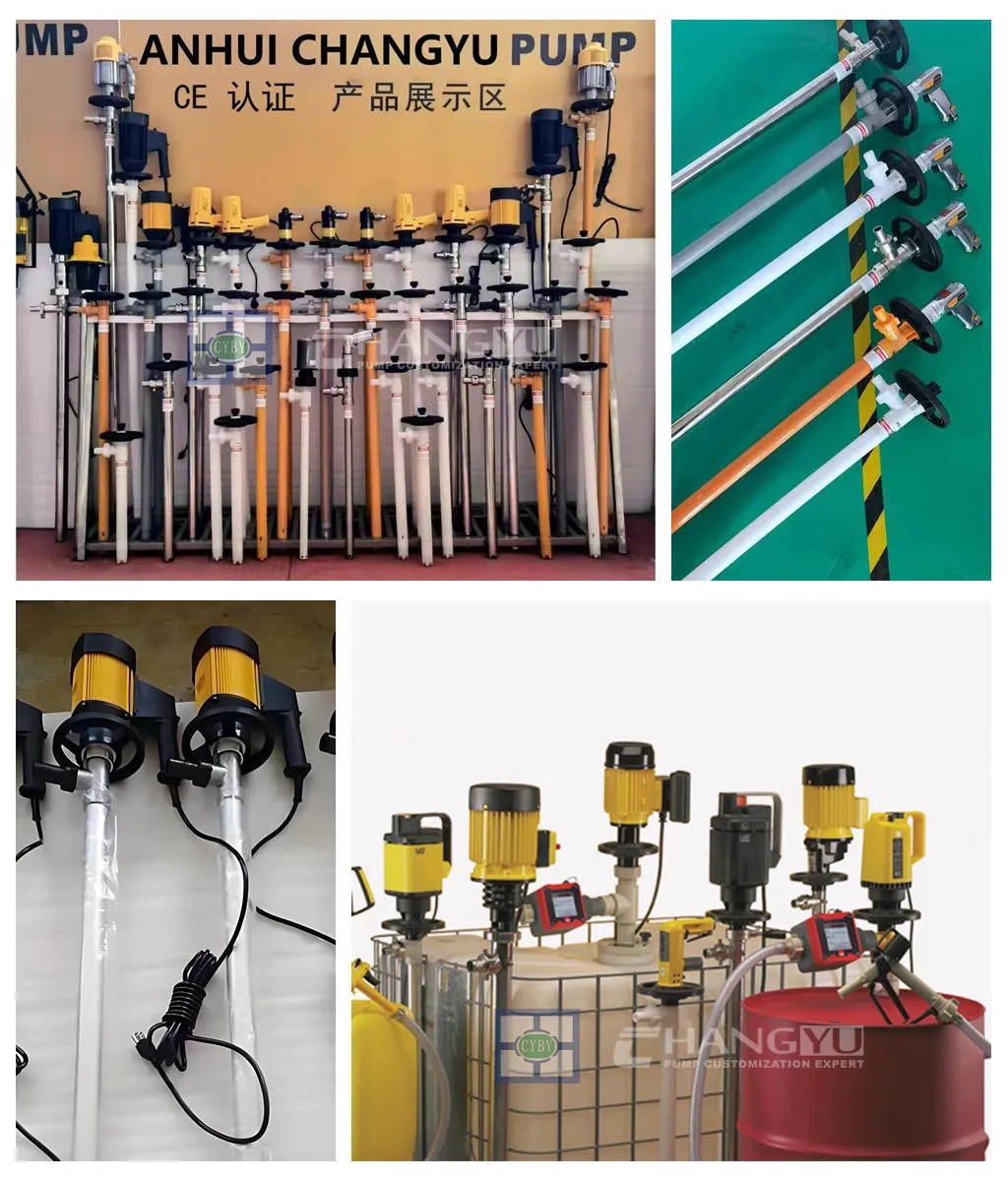
The HD Series is engineered specifically for the safe, highly controlled transfer of aggressive liquids from standard drums and IBCs. It features interchangeable pump tubes (Stainless Steel 304, 316L, PVDF, PP, Aluminum Alloy, Hastelloy, Plastic, Hastelloy) that can be instantly swapped depending on the chemical you are pumping that day. Driven by a robust, variable-speed motor, it allows operators to precisely control the flow rate—preventing dangerous overfilling of smaller day tanks.
The result: Your plant gains a highly portable, universally adaptable transfer tool that protects your workers from chemical burns while significantly speeding up daily fluid handling tasks.
Specifications of HD Chemical Drum Pump
Chemical Drum Pump Applications
The HD Chemical Drum Pump is widely used in industries handling corrosive and hazardous liquids. It is a practical choice for:
- Chemical and pharmaceutical manufacturing: Safe transfer of acids, solvents, and raw drug intermediates.
- Electroplating and surface treatment: Reliable handling of plating solutions and etchants.
- Laboratory and research: Controlled dispensing of research chemicals and test media.
- Environmental and wastewater treatment: Secure movement of treatment chemicals and waste liquids.
- Food and beverage processing: Transfer of compatible acids and cleaning solutions.
This versatility makes the HD series a dependable option for plants needing frequent, small-batch chemical handling from drums and barrels.
Case Study of Our Chemical Drum Pumps.: Eliminating Toxic Splashes in a High-Volume Electroplating Facility
The Challenge: In 2025, an industrial electroplating plant faced severe safety and efficiency issues. Operators were manually transferring highly corrosive polishing solutions and acidic etching liquids from standard 200L plastic drums into the main plating tanks using small, incompatible utility pumps. The short immersion tubes and poor motor control caused frequent splashing, leading to hazardous vapor exposure, wasted chemicals, and rapid degradation of the pump’s internal seals within weeks.
The Solution & Decision: Engineers at Changyu Pump reviewed the plant’s layout and chemical profile. We determined that a rigid, chemically inert transfer system was mandatory. We replaced their utility pumps with our HD Chemical Drum Pumps.
To match the depth of their 200L drums perfectly, we specified a 39-inch (1000mm) immersion tube made of high-grade PVDF, ensuring absolute resistance to the acidic etching liquids. We also equipped the system with a variable-speed motor and a controlled dispensing nozzle, allowing operators to precisely throttle the flow rate depending on the tank size.
The Result: The facility immediately eliminated manual splashing and chemical spills. By matching the correct PVDF wetted material to the corrosive liquid, the new HD drum pumps have run continuously without a single material failure or leak. Transfer times for a full 200L drum were reduced to under 5 minutes, significantly streamlining their daily batching process while maximizing operator safety.


How Does Changyu Pump Guarantee Transfer Safety?
When dealing with portable chemical equipment, structural integrity is paramount. Changyu Pump strictly adheres to ISO 9001 manufacturing protocols. View our Quality Inspection Process.
Every chemical drum pump tube undergoes strict dimensional and material verification before assembly. We execute rigorous dynamic run-tests on the motors to ensure stable, vibration-free operation under load. Furthermore, all wetted plastic tubes are tested to confirm they are completely free of microscopic porosity that could lead to unexpected chemical weeping.


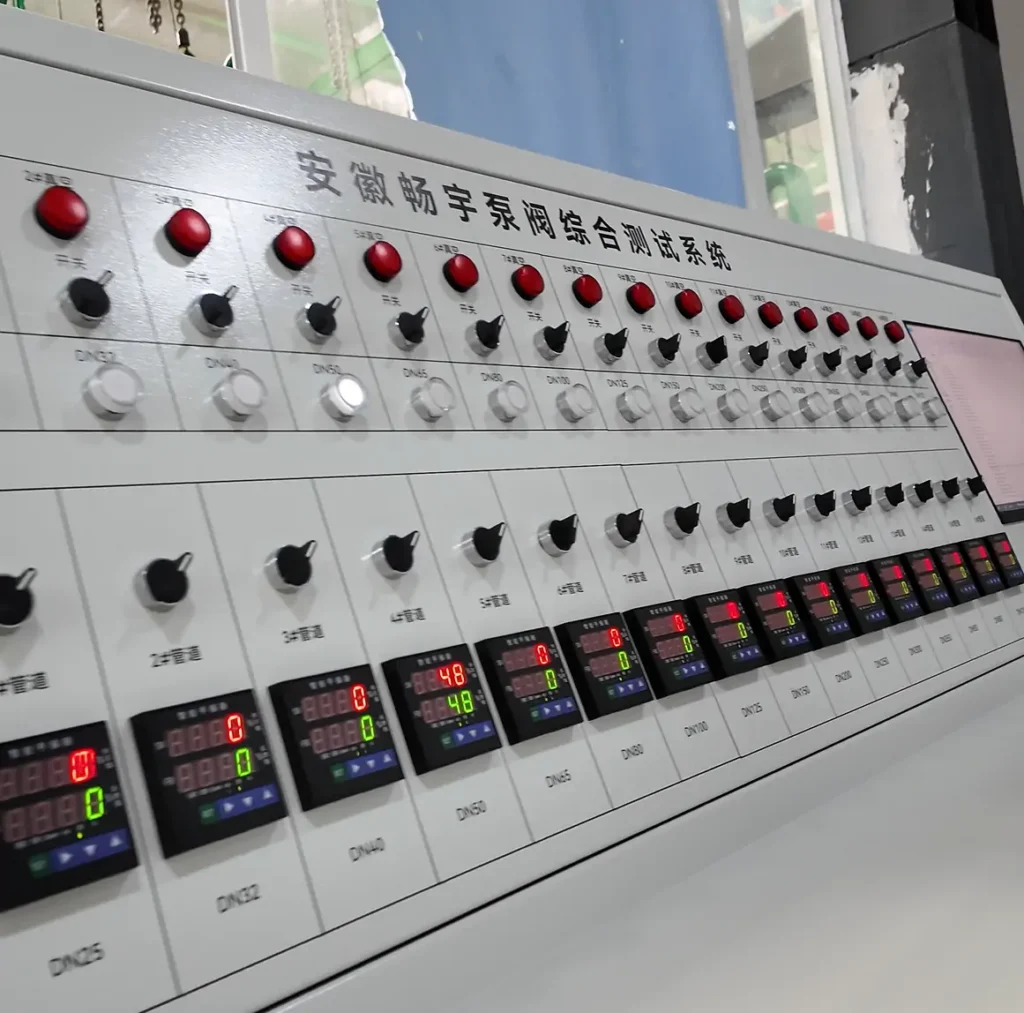
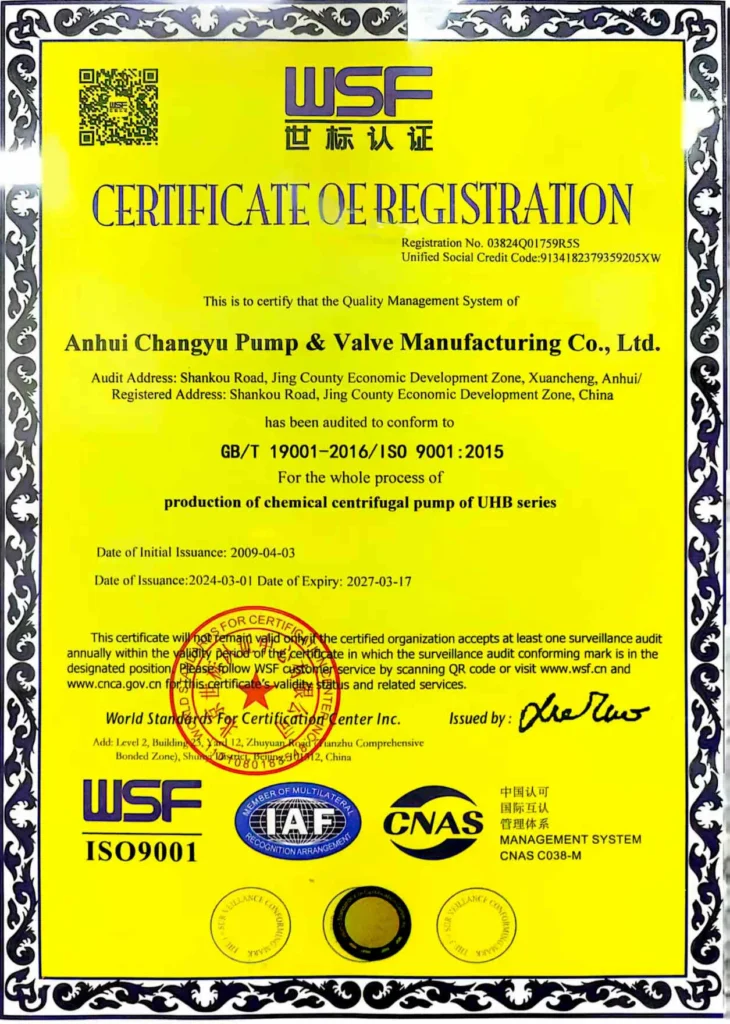
Why it matters: Your portable pump arrives perfectly balanced, fully verified for your specific chemical, and ready to be safely deployed on your factory floor the moment you unbox it.
5 Expert Tips to Avoid Costly Pumping Mistakes
To protect your investment and secure your plant, our engineering team recommends avoiding these common pitfalls:
- Never guess the material: A plastic that survives Hydrochloric acid might melt instantly in Nitric acid. Always check a verified chemical resistance chart.
- Beware of dry-running: Most drum pumps use the pumped chemical to lubricate the internal shaft bearings. If you leave the pump running in an empty drum, the bearings will melt and shatter in minutes.
- Control the discharge: Always use a proper dispensing nozzle at the end of the hose. Simply pointing an open hose into a bucket guarantees dangerous splashing.
- Ground your equipment: When pumping flammable solvents, you must actively ground the stainless steel pump tube and the receiving container to prevent static electrical explosions.
- Flush after use: If you pump liquids that crystallize (like caustic soda), always flush the pump tube with warm water before storing it. Hardened crystals will lock the shaft and destroy the motor on the next startup.
FAQs About Chemical Drum Pumps
Q1: What is the best material for a chemical drum pump?
A: It depends entirely on the fluid. Polypropylene (PP) and PVDF handle most common acids and alkalis. For highly aggressive or fuming chemicals, pure PTFE/PFA is required. For flammable solvents, you must use 316L Stainless Steel.
Q2: Can a drum pump for corrosive liquids handle thick fluids?
A: Standard centrifugal drum pumps handle water-like fluids perfectly but stall on thick liquids. If your chemical is highly viscous (like heavy resins or cold oils), you must specify a high-torque, positive displacement drum pump.
Q3: How do I know what tube length to order?
A: Measure your container. A standard 55-gallon (200-liter) drum requires a 39-inch (1000mm) pump tube. A larger IBC tote requires a 47-inch (1200mm) tube to properly reach the bottom without sucking air.
Q4: Are chemical drum pumps safe for flammable solvents?
A: Yes, but only if configured correctly. You must use a stainless steel pump tube, pair it with an explosion-proof electric motor or a pneumatic (air-driven) motor, and properly ground the entire system to prevent static sparks.
Q5: What happens if I leave the drum pump running empty?
A: Running the pump dry is highly destructive. The internal shaft bearings rely on the flowing chemical for cooling. If the drum empties and the pump runs dry, the bearings will overheat, melt, or shatter within minutes.
Q6: Can I use the same pump for acids and alkalis?
A: It is highly discouraged. Mixing incompatible chemical residues inside the pump tube can trigger violent exothermic reactions. You should either dedicate one pump per chemical family or thoroughly neutralize and flush the tube between uses.
Q7: Why does the motor on my acid drum pump keep burning out?
A: This usually happens because the acid has a high specific gravity (it is heavier than water). If you use a standard utility motor to push a heavy chemical like 50% Caustic Soda, the motor will instantly overload and burn out.
Q8: Does Changyu Pump provide OEM drum pump manufacturing?
A: Yes. With over 20 years of source-factory experience, we provide comprehensive OEM services, including custom tube lengths, specific motor voltages, proprietary branding, and specialized material configurations to match your exact industrial requirements.
Secure Your Chemical Transfer Process Today
A chemical drum pump is a critical safety asset for your facility. By rigorously matching the pump tube material to your fluid, sizing the motor for heavy specific gravities, and ensuring the correct immersion length, you instantly transform a highly hazardous manual pouring process into a rapid, zero-spill operation.
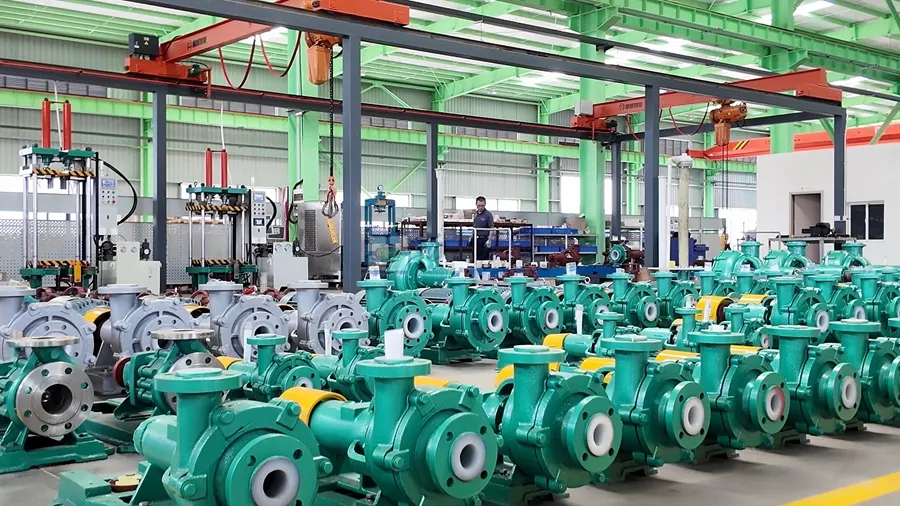
Stop relying on dangerous buckets and cheap water pumps that threaten worker safety and drain your maintenance budget. Contact Changyu Pump’s fluid engineering team today for a free chemical compatibility check, professional sizing support, and a highly competitive factory-direct quote.