
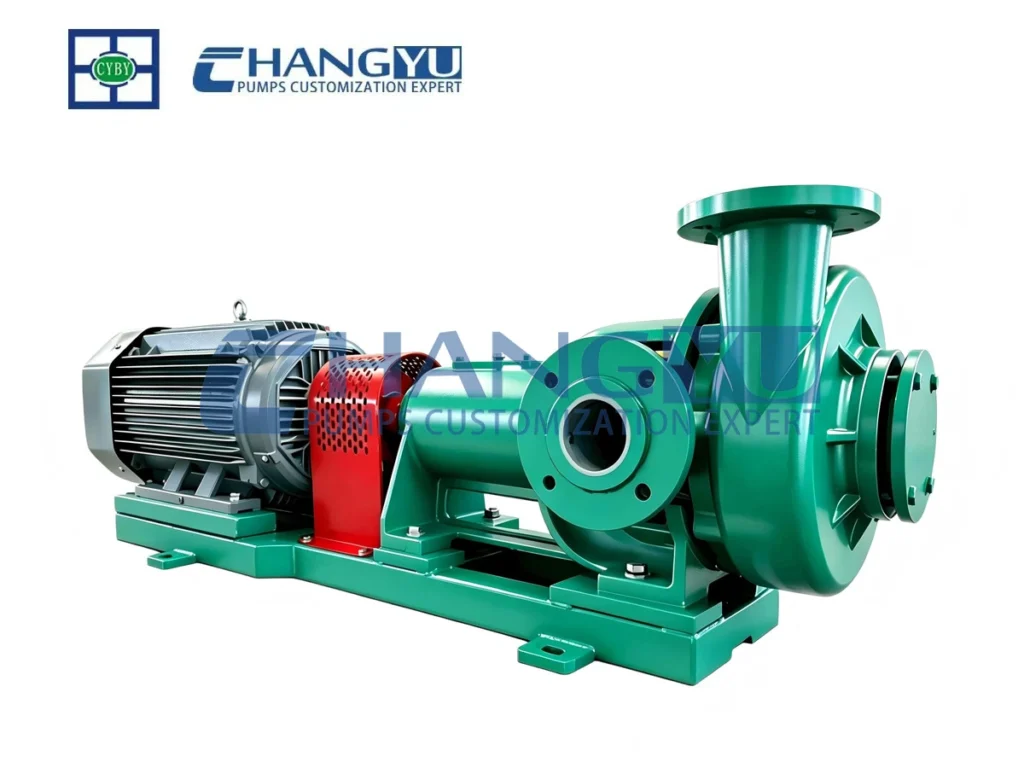
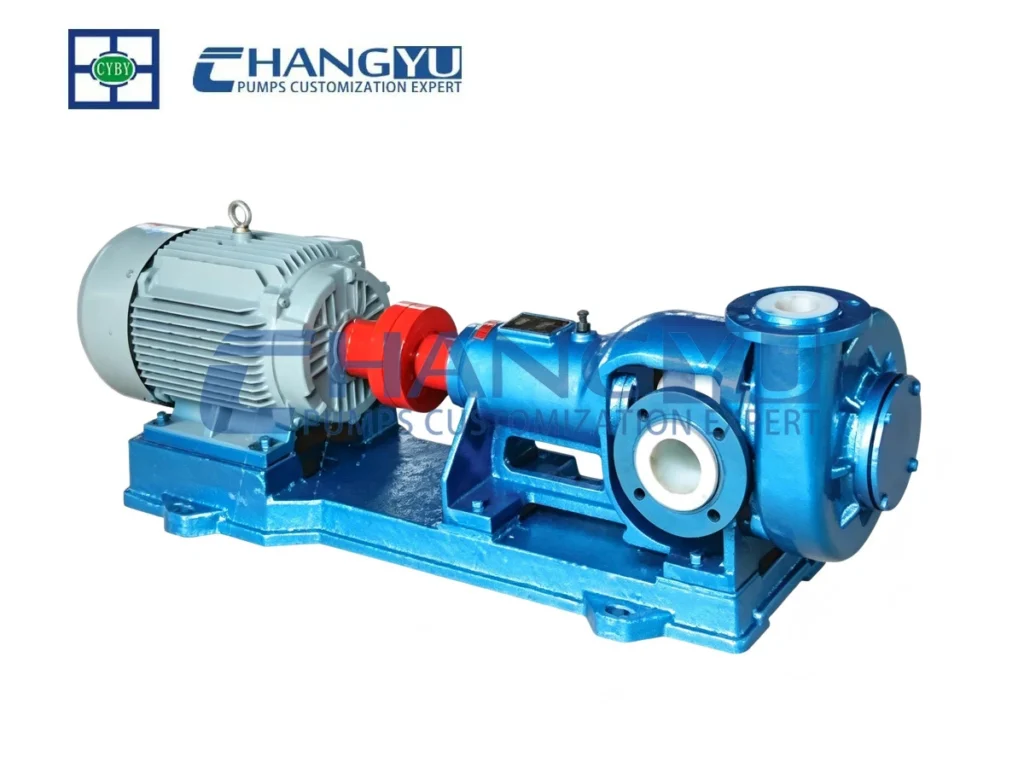
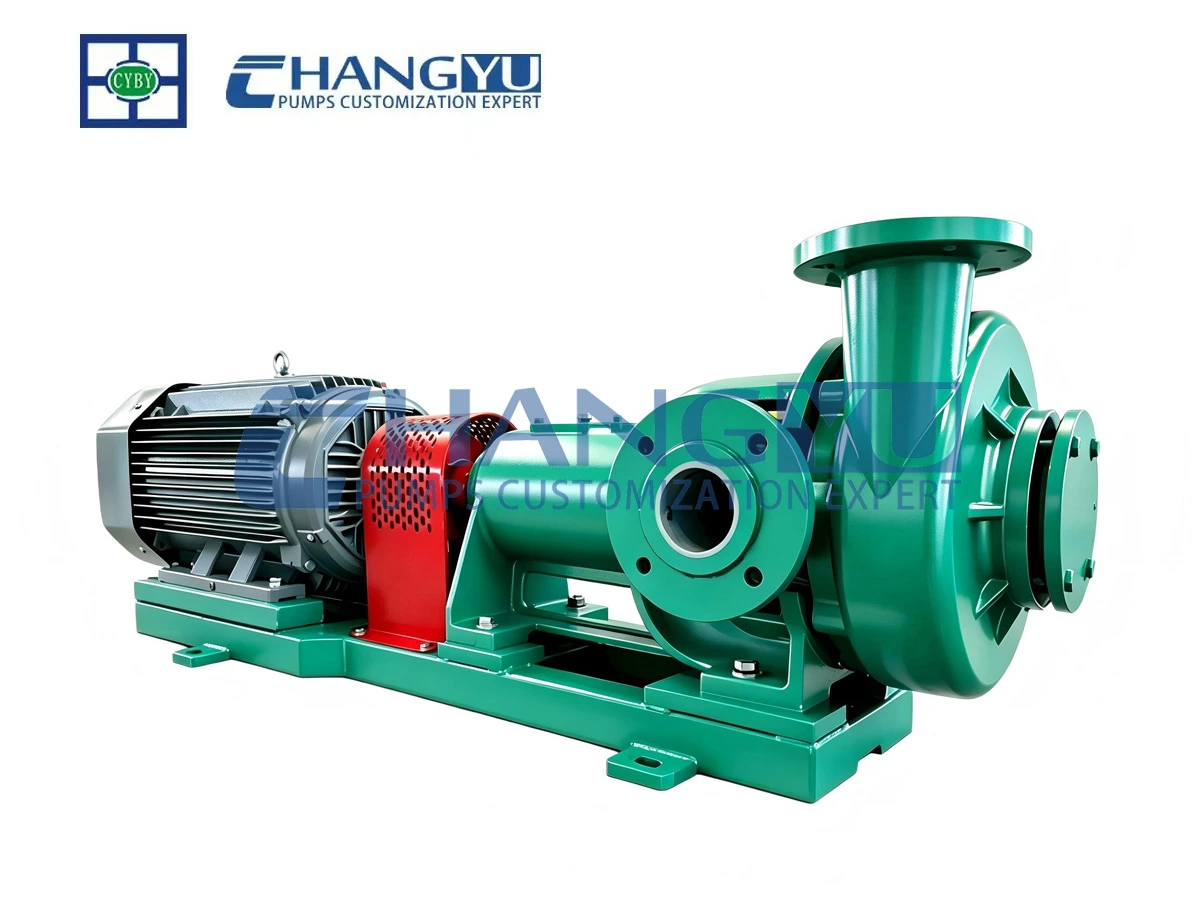
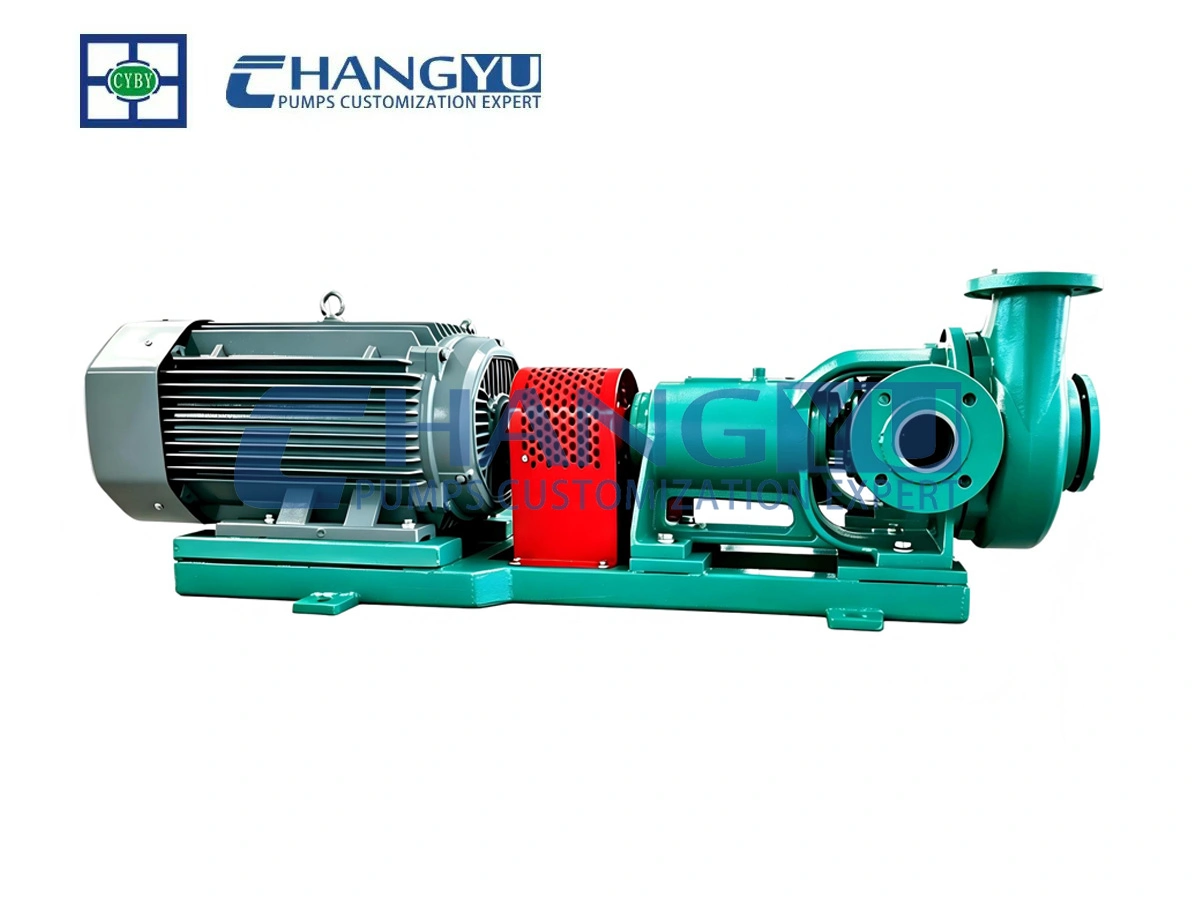
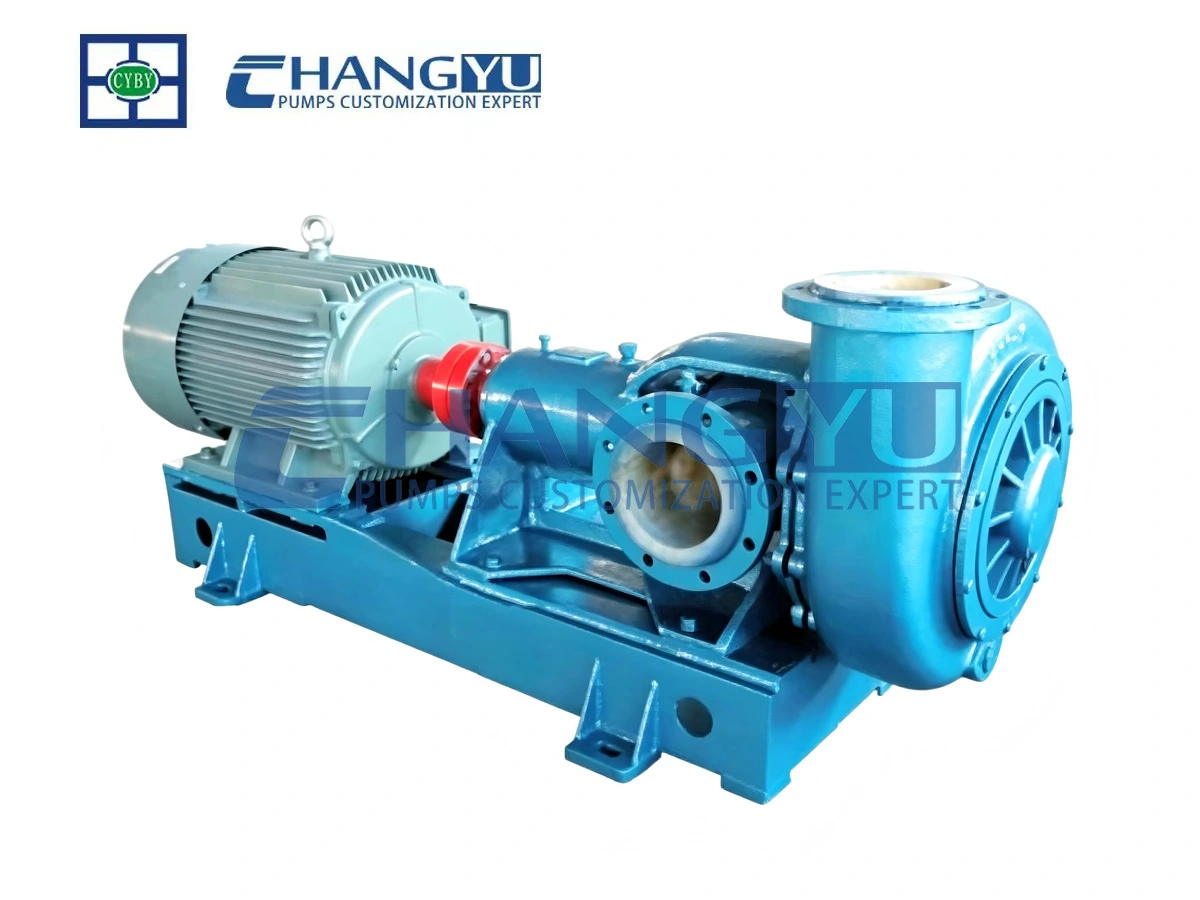
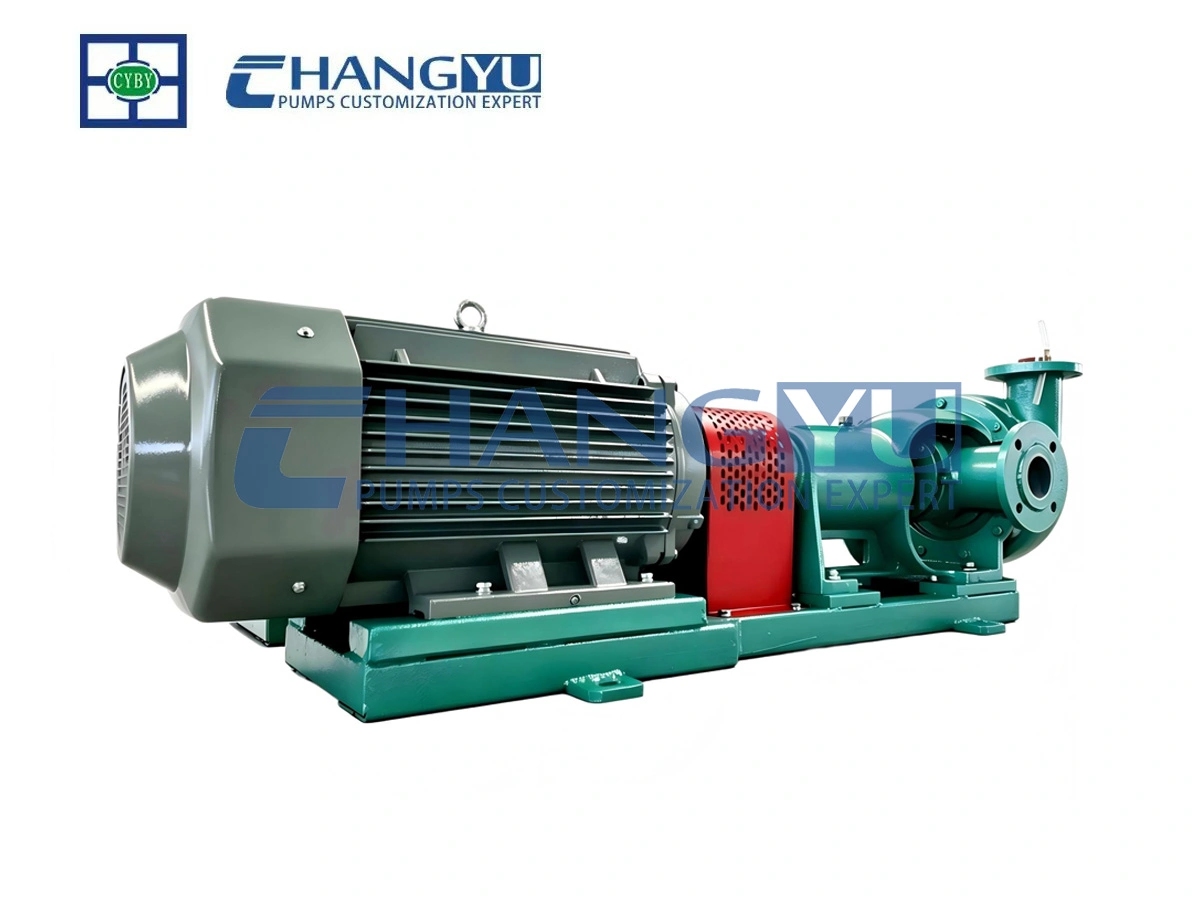
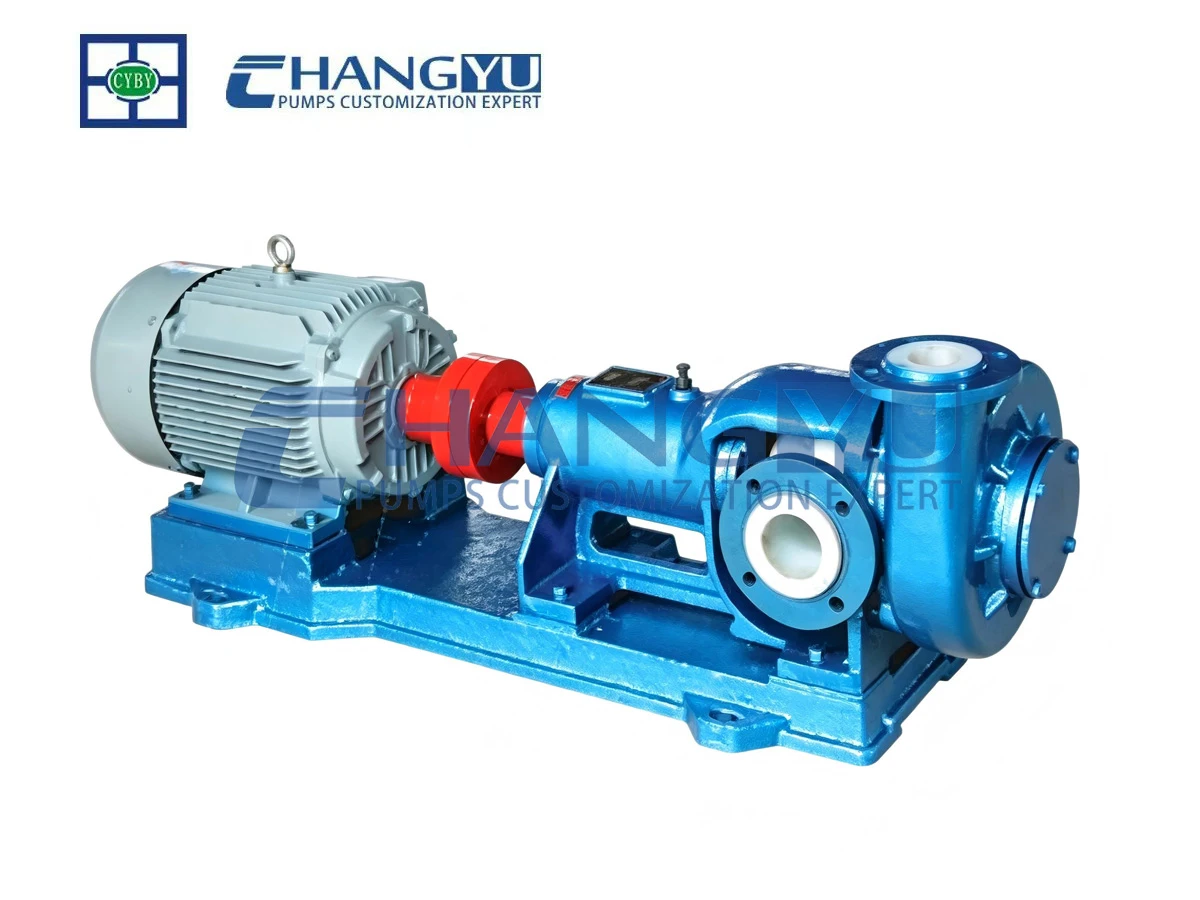
Bomba de Alimentación para Filtro Prensa para Lodos Corrosivos y Abrasivos
Una Bomba de Alimentación para Filtro Prensa transfiere lodo hacia un filtro prensa de placas y marcos o de cámara y sigue automáticamente el ciclo de trabajo cambiante: alto caudal a baja presión durante el llenado inicial de las cámaras, luego menor caudal a presión creciente a medida que se forma la torta de filtración. ChangYu suministra configuraciones centrífugas de una etapa y dos etapas para lodos de proceso corrosivos, abrasivos y con alto contenido de sólidos.
También descrita como Bomba para Filtro Prensa, Bomba de Alimentación para Filtro Prensa, Bomba para Lodos para Filtro Prensa o Bomba de Lodos para Filtro Prensa, este equipo se selecciona en función del ciclo completo de filtración, no solo de un punto de caudal y altura.
|
Rango de caudal: |
3 m³/h – 600 m³/h |
|---|---|
|
Rango de cabezas: |
10–120 m |
|
Potencia del motor: |
0,75–220 kW |
|
Velocidad: |
1450 / 2900 r/min |
|
Rango de temperatura medio: |
De -20 °C a 90 °C |
|
Materiales personalizables: |
Configuraciones con revestimiento de acero y UHMWPE o totalmente plásticas; opciones de sellado en fluoroplástico, carburo de silicio, 316L y dúplex 2205 |
Descripción General de la Bomba de Alimentación para Filtro Prensa
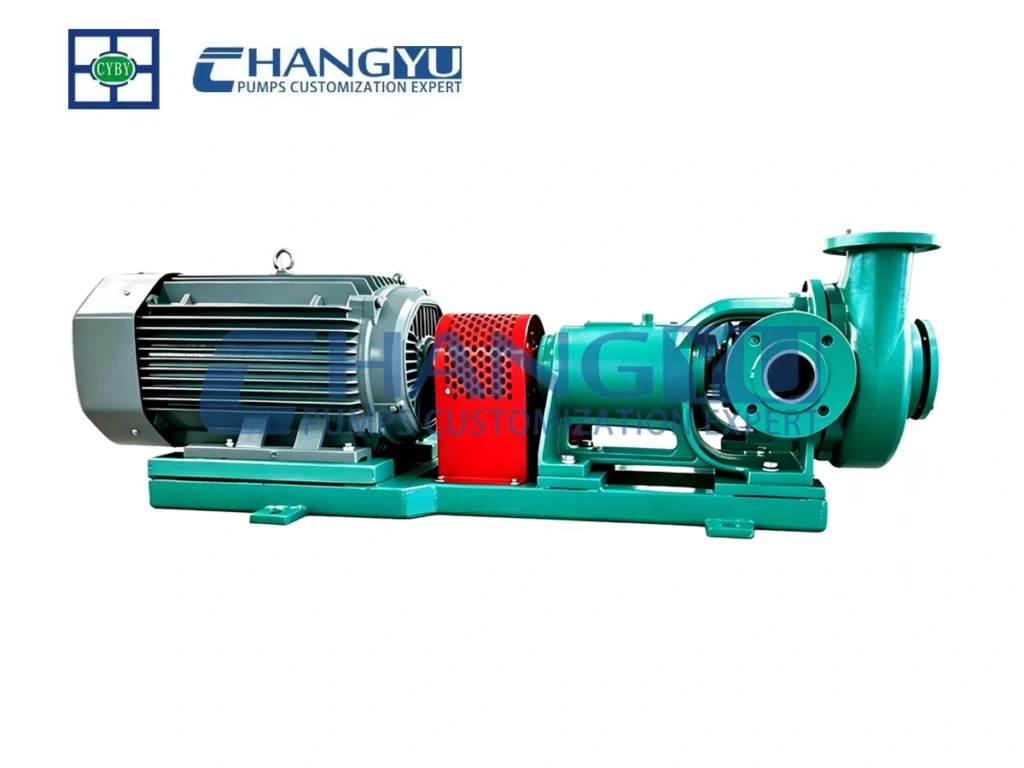
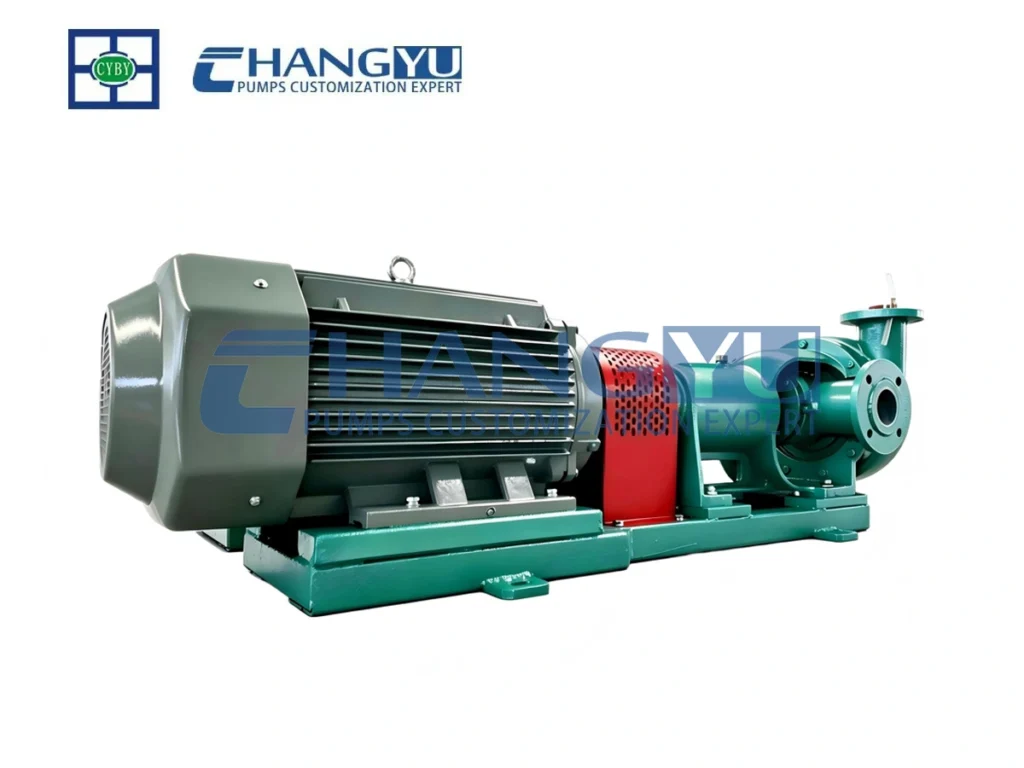
La Bomba de Alimentación para Filtro Prensa de la Serie UHFM, Resistente a la Corrosión y al Desgaste, es una bomba centrífuga especializada desarrollada para filtros prensa, equipos de filtración y aplicaciones de transferencia de lodos a alta presión. Esta serie se utiliza principalmente para manejar medios corrosivos, abrasivos y con contenido de sólidos, y es particularmente adecuada para aplicaciones de filtro prensa que requieren mayor presión de alimentación y operación estable durante todo el ciclo de filtración.
La Serie UHFM presenta un diseño estructural de succión trasera. Para abordar problemas comunes de las bombas convencionales resistentes a la corrosión y al desgaste, como el desgaste de componentes y las fugas de medio durante la operación, realizamos mejoras específicas en la carcasa de la bomba, los componentes húmedos y las piezas de desgaste. El diseño de succión trasera proporciona una disposición práctica entre la entrada de la bomba y el área de mantenimiento trasero, a la vez que facilita la inspección de la bomba y el reemplazo de las piezas de desgaste.
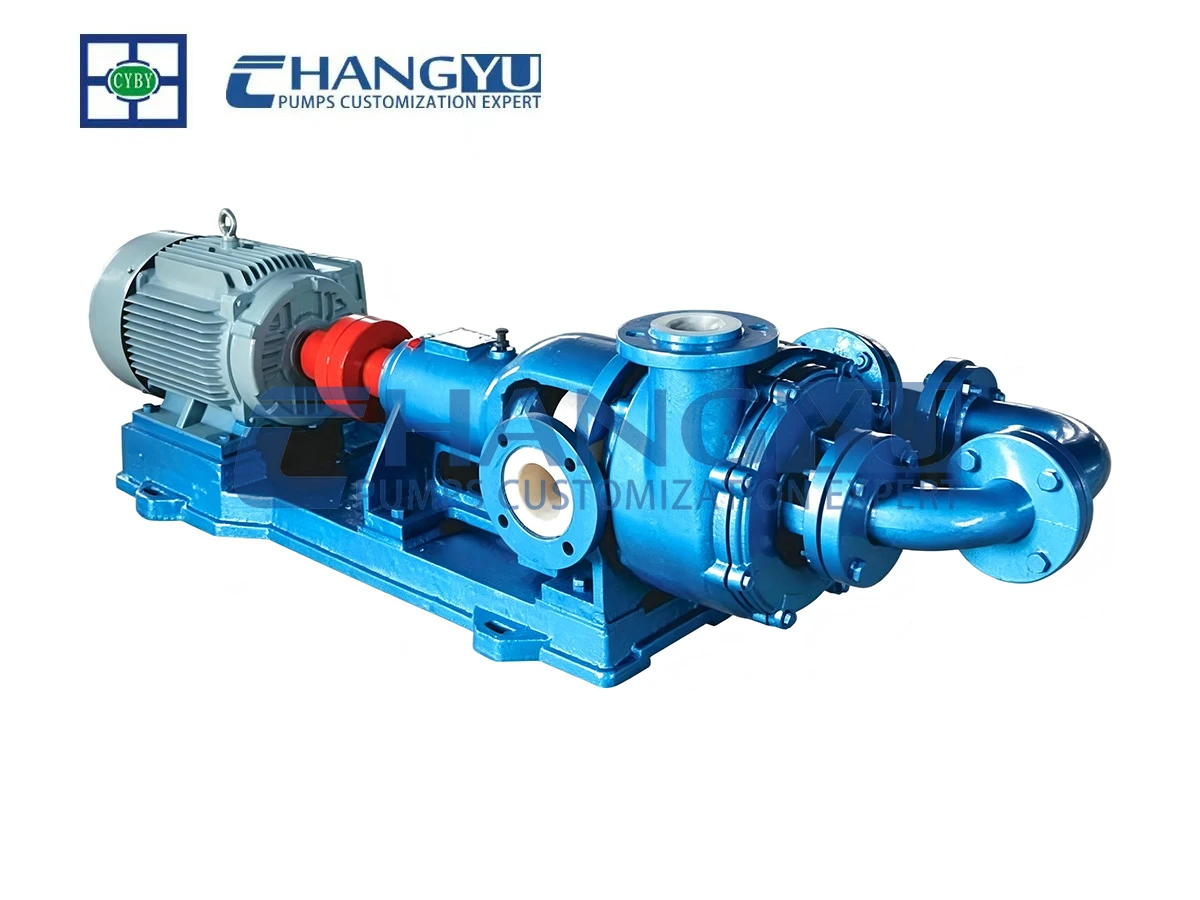
Según los requisitos del proceso, la Bomba para Filtro Prensa de la Serie UHFM está disponible en configuraciones de una etapa y dos etapas. La bomba de una etapa es adecuada para transferencia a presión convencional y aplicaciones que requieren un caudal relativamente alto. La bomba de dos etapas incrementa la presión progresivamente mediante dos impulsores, lo que la hace más adecuada para filtración a alta presión y transferencia de lodos a alta presión.
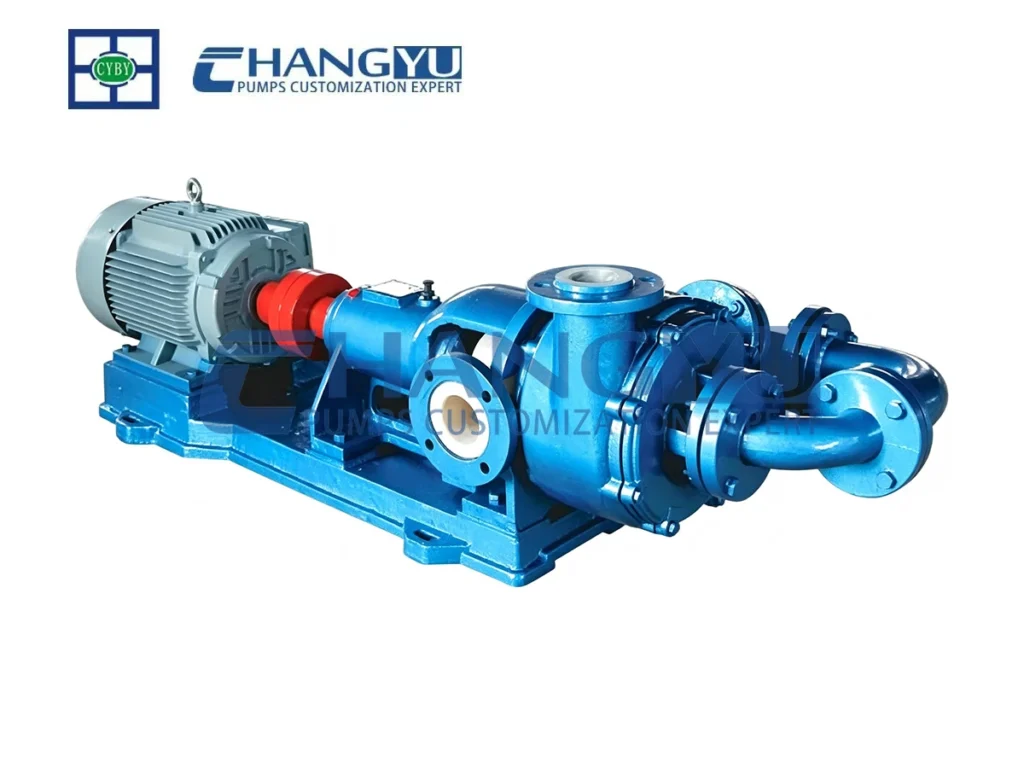 Bomba de alimentación de filtros prensa
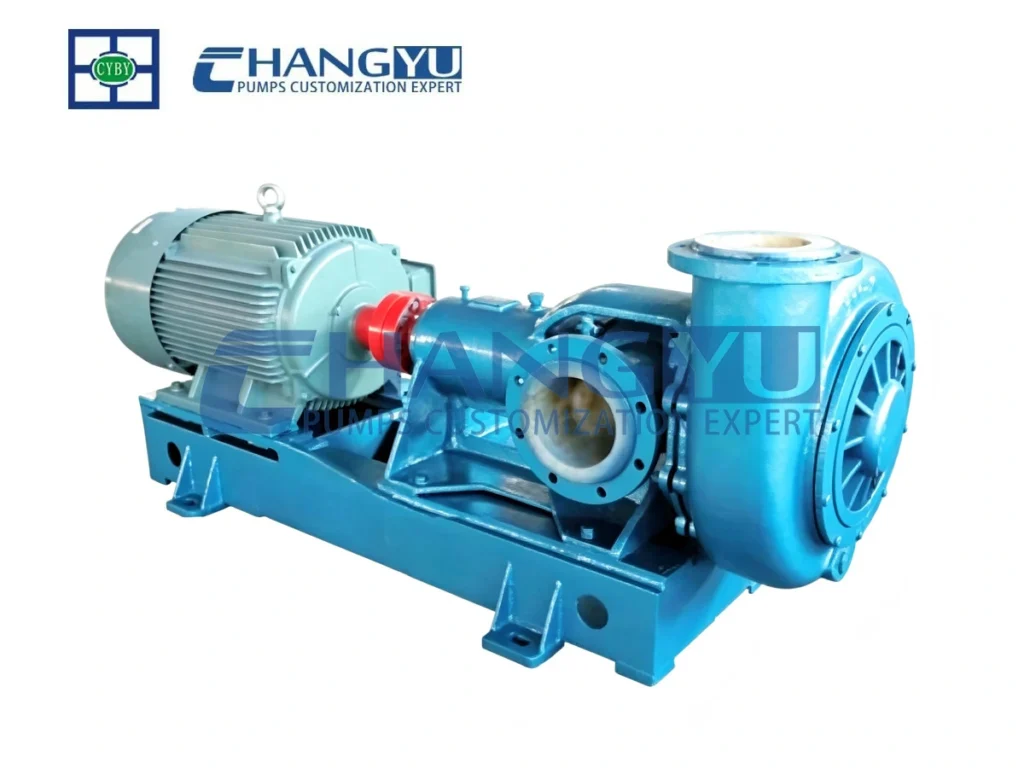
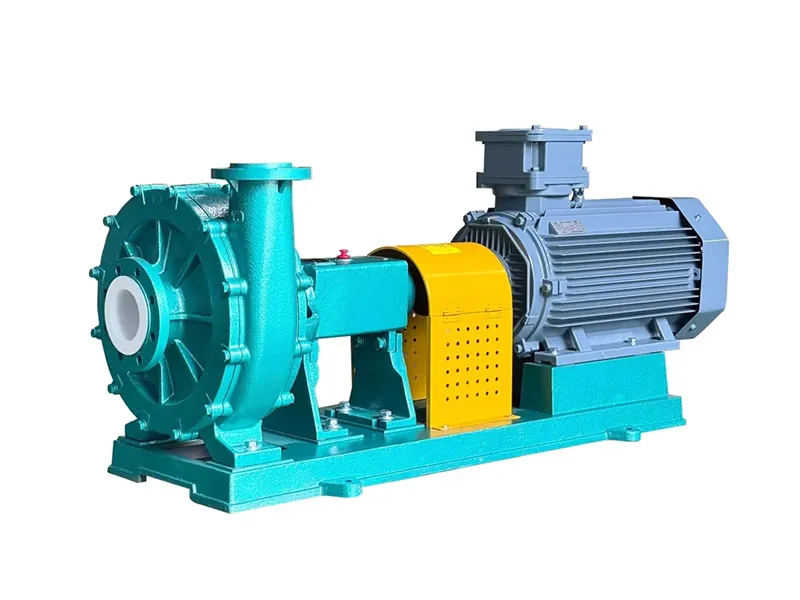 Bomba resistente a la corrosión UHB tipo UHMWPE
Los materiales y la configuración estructural de la Serie UHFM se pueden seleccionar según la corrosividad, abrasividad, contenido de sólidos, temperatura y presión de operación del medio. Esto permite que la bomba cumpla con los requisitos de transferencia continua bajo diferentes condiciones operativas industriales. Como Bomba de Alimentación para Filtro Prensa dedicada, también se puede configurar como Bomba para Lodos para sistemas de Filtro Prensa que manejan lodos de proceso corrosivos o abrasivos.
La Changyu Serie UHB también es una bomba centrífuga resistente a la corrosión y al desgaste diseñada para transferir medios corrosivos, abrasivos y con contenido de sólidos. Es ampliamente aplicable al procesamiento químico, procesamiento de minerales, tratamiento de aguas residuales, transferencia de ácidos y álcalis, circulación de lodos y otras aplicaciones industriales que requieren resistencia confiable a la corrosión y al desgaste. Se pueden seleccionar diferentes configuraciones de materiales y estructurales según las características del medio y las condiciones operativas reales.
En comparación con la Serie UHB, la Serie UHFM se desarrolló más específicamente como Bomba para Lodos para Filtro Prensa. La Serie UHB generalmente se selecciona para transferencia continua de proceso, circulación y servicios convencionales de manejo de lodos, mientras que la Serie UHFM pone mayor énfasis en los requisitos cambiantes de presión, las condiciones de alimentación a alta presión y las necesidades de mantenimiento de los sistemas de filtro prensa. Para la transferencia convencional de lodos corrosivos o abrasivos, la Serie UHB ofrece una solución práctica y versátil. Para la alimentación de filtro prensa u otras aplicaciones que requieren mayor presión de descarga, una estructura más especializada u opciones de presión de una y dos etapas, la Serie UHFM es generalmente la opción más adecuada. La selección final de la bomba debe confirmarse según el caudal requerido, la presión de descarga, las propiedades del lodo, el contenido de sólidos, la temperatura y la composición química.
La alimentación del filtro prensa es un proceso de carga variable. Al comienzo de un ciclo, las cámaras vacías aceptan lodo rápidamente y la resistencia del sistema es baja. A medida que los sólidos se acumulan en la tela filtrante, la resistencia aumenta, la presión de descarga requerida sube y el caudal cae naturalmente. La bomba seleccionada debe operar de manera estable en ambos extremos de esta curva, limitando las fugas, el desgaste excesivo, la cavitación y el desperdicio de energía.
A continuación se presentan los parámetros comunes para las bombas de filtro prensa.
| Configuración | Diseño centrífugo de una etapa UHFM-I o de dos etapas UHFM-II |
|---|---|
| Tamaño de entrada típico | DN50–DN250 |
| Rango de caudal típico | Aproximadamente 3–600 m³/h |
| Rango de altura típico | Aproximadamente 10–120 m |
| Velocidad típica | 1450 / 2900 r/min, con alternativas específicas según el modelo |
| Materiales en contacto con el líquido | UHMWPE, fluoroplástico, poliuretano, acero inoxidable resistente a la corrosión o aleaciones especiales seleccionadas |
| Medios manejados | Lodo corrosivo, suspensión abrasiva, lodo químico y lodo de proceso con sólidos finos |
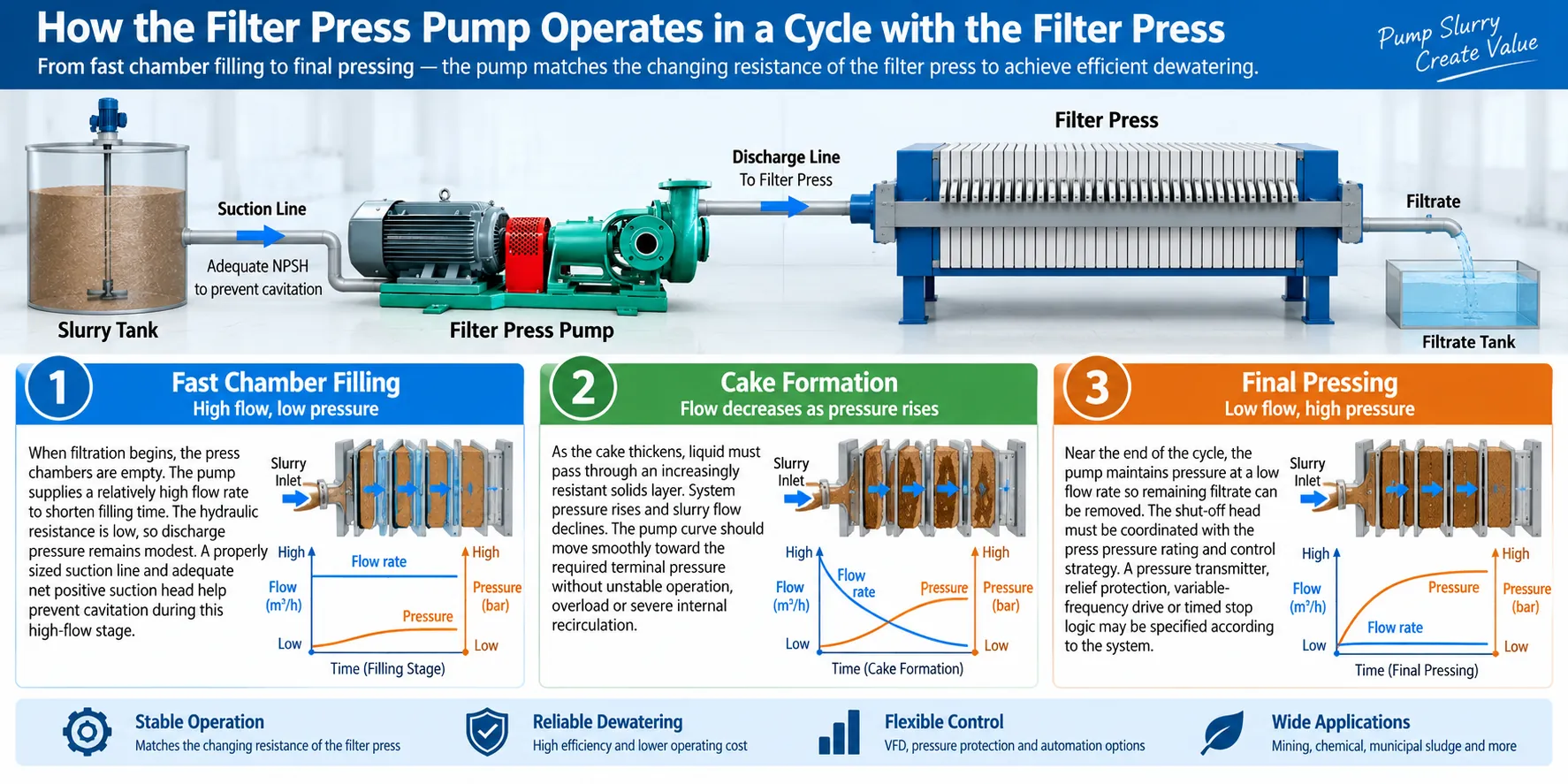
Cómo opera la bomba de filtro prensa en un ciclo con el filtro prensa
Paso 1. Llenado rápido de cámaras: alto caudal, baja presión
Cuando comienza la filtración, las cámaras de la prensa están vacías. La bomba suministra un caudal relativamente alto para acortar el tiempo de llenado. La resistencia hidráulica es baja, por lo que la presión de descarga se mantiene moderada. Una línea de succión correctamente dimensionada y una altura neta positiva de succión adecuada ayudan a prevenir la cavitación durante esta etapa de alto caudal.
Paso 2. Formación de la torta: el caudal disminuye a medida que la presión aumenta
A medida que la torta se espesa, el líquido debe pasar a través de una capa de sólidos con resistencia cada vez mayor. La presión del sistema aumenta y el caudal de lodo disminuye. La curva de la bomba debe desplazarse suavemente hacia la presión terminal requerida sin operación inestable, sobrecarga o recirculación interna severa.
Paso 3. Prensado final: bajo caudal, alta presión
Cerca del final del ciclo, la bomba mantiene la presión a un caudal bajo para que el filtrado restante pueda ser eliminado. La altura de cierre debe coordinarse con la presión nominal de la prensa y la estrategia de control. Se puede especificar un transmisor de presión, protección contra sobrepresión, variador de frecuencia o lógica de parada temporizada según el sistema.
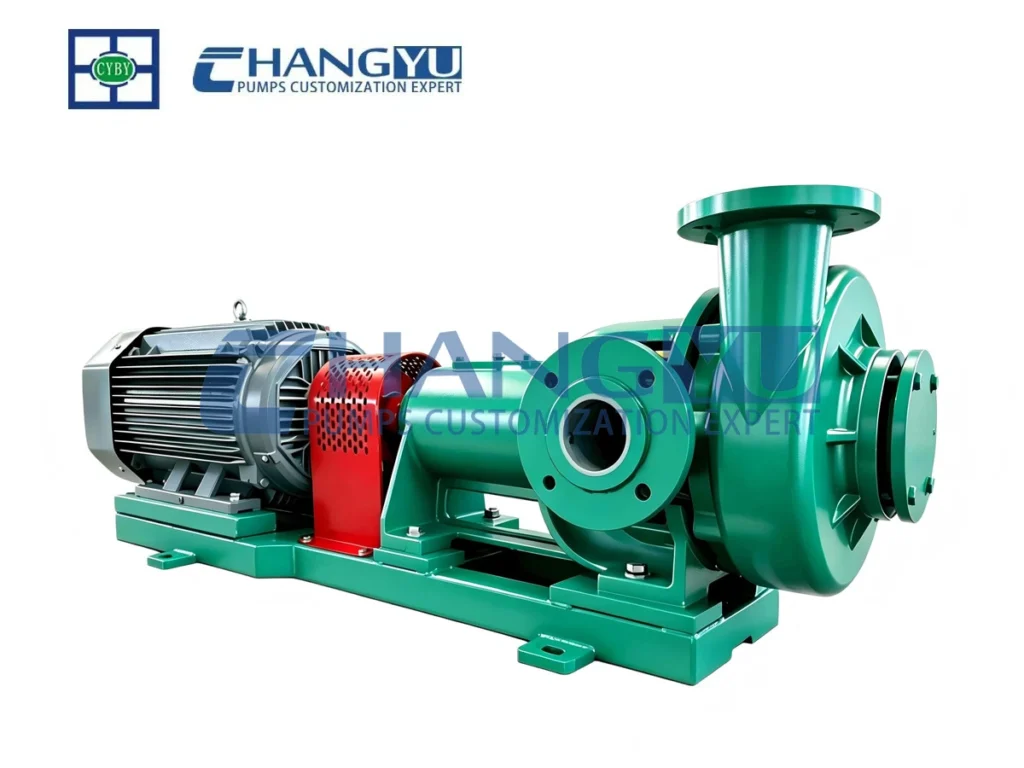 UHFM-I una etapa
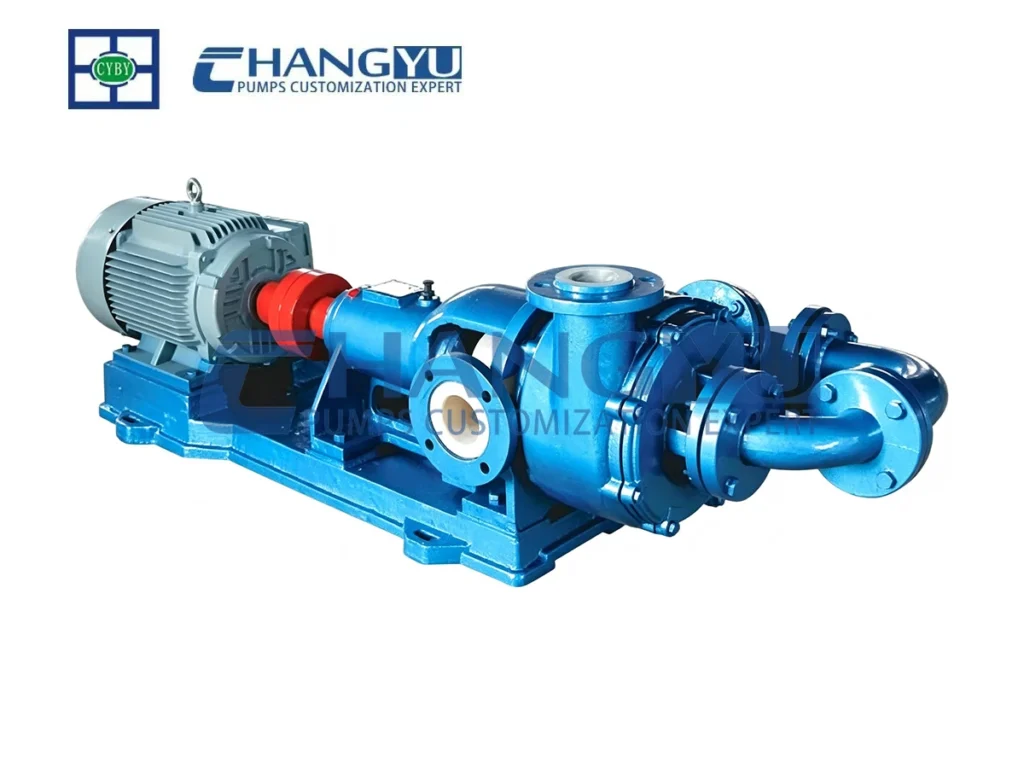 UHFM-II dos etapas
Opciones de una y dos etapas
| Opción | Más adecuado para | Notas de selección |
|---|---|---|
| UHFM-I una etapa | Presión terminal moderada, tuberías más cortas y alimentación general de prensa filtro | Trayectoria hidráulica y mantenimiento más simples; se selecciona cuando un impulsor puede cubrir el caudal de llenado y la presión final. |
| UHFM-II dos etapas | Mayor demanda de presión, tortas densas, tuberías largas o circuitos de mayor resistencia | La capacidad de presión en dos etapas ayuda a mantener una alimentación estable al final del ciclo sin seleccionar una bomba de una etapa sobredimensionada. |
Para una prensa existente, ChangYu revisa el volumen de la cámara, el tiempo de filtración, la presión máxima admisible y las pérdidas reales en las tuberías antes de recomendar una configuración. Para un sistema nuevo, la bomba y la filosofía de control pueden adaptarse a la curva de llenado del proveedor de la prensa.
Correo electrónico: [email protected]
TEL/WA: +86-13651913727
Componentes de una bomba de alimentación de prensa filtro
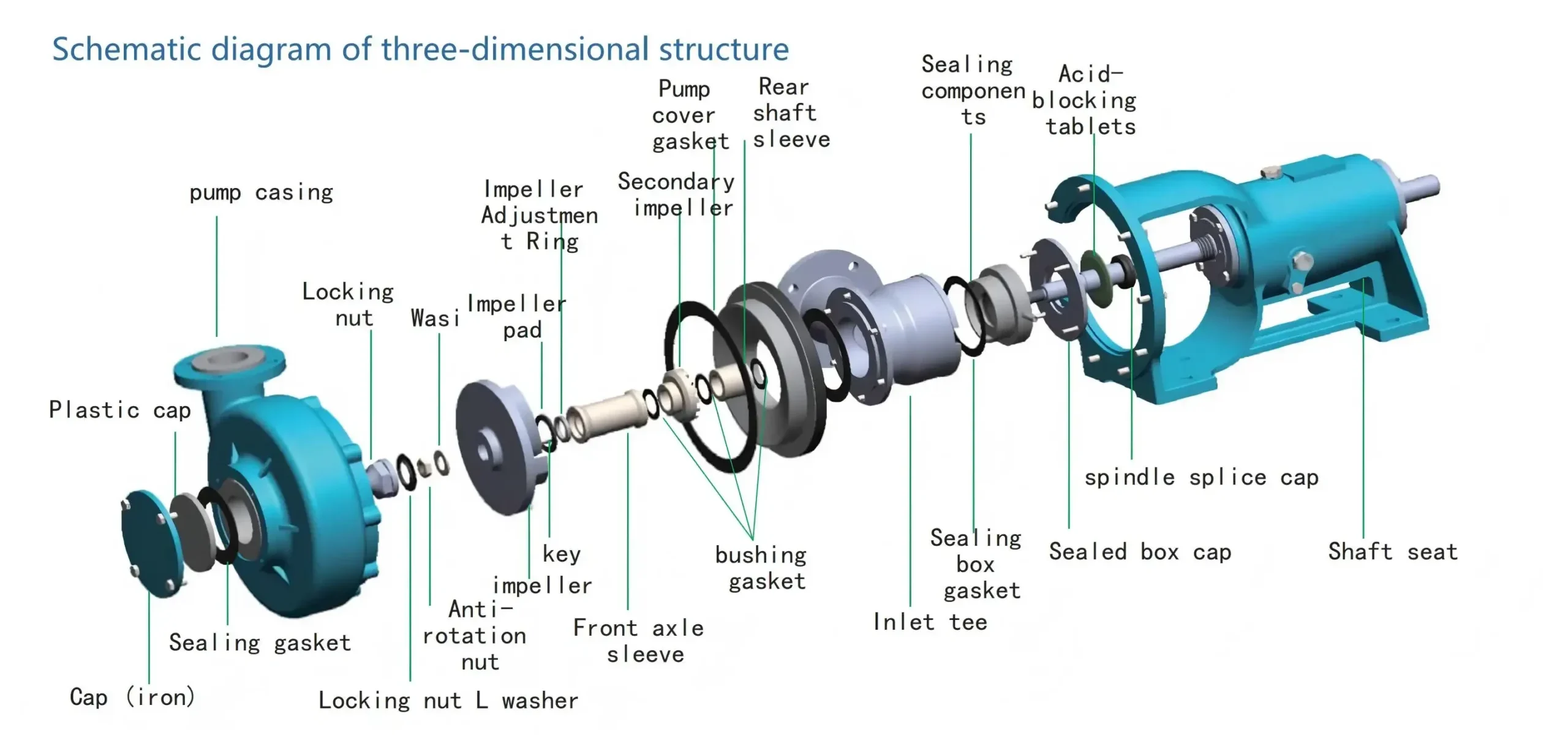
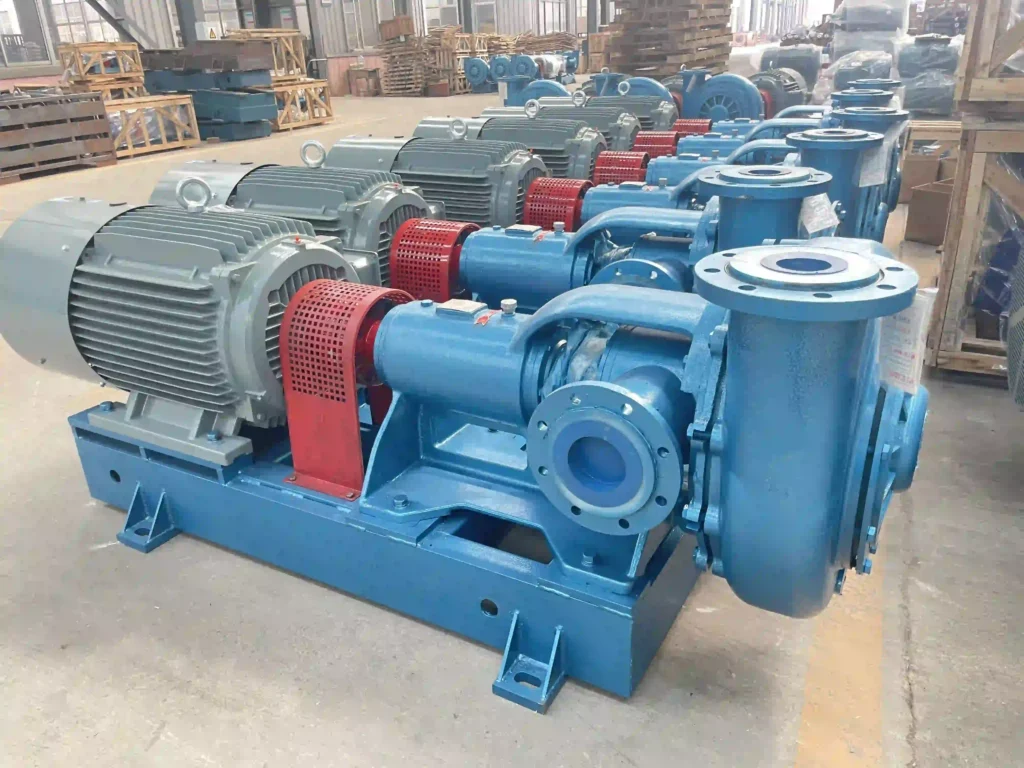
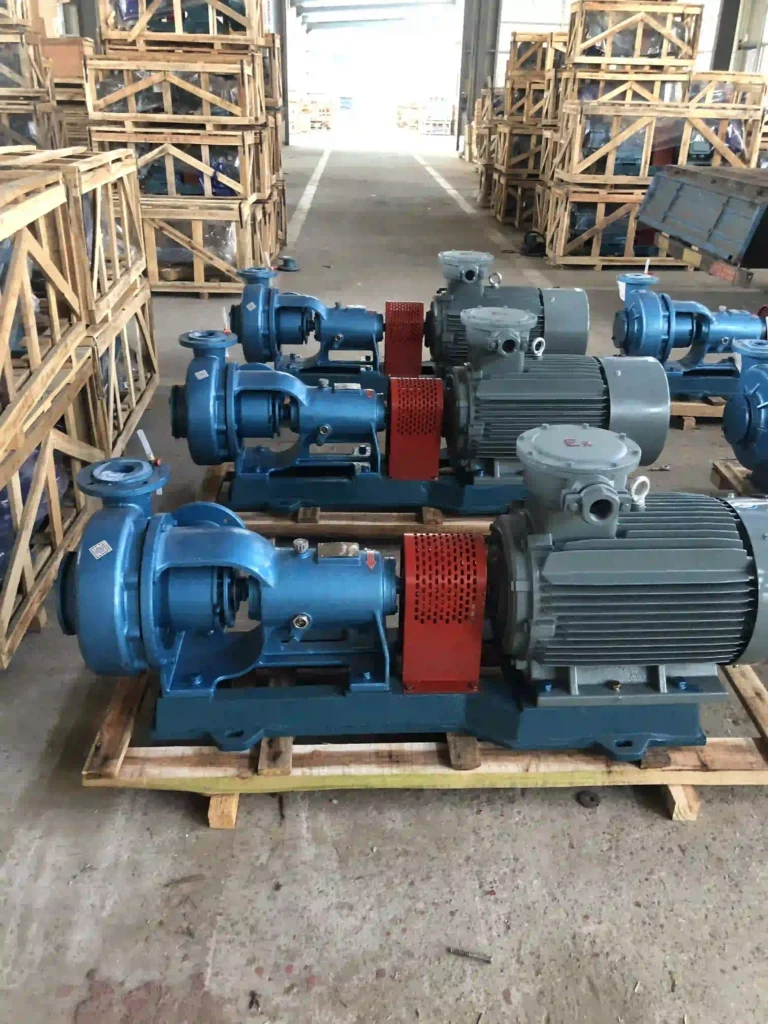
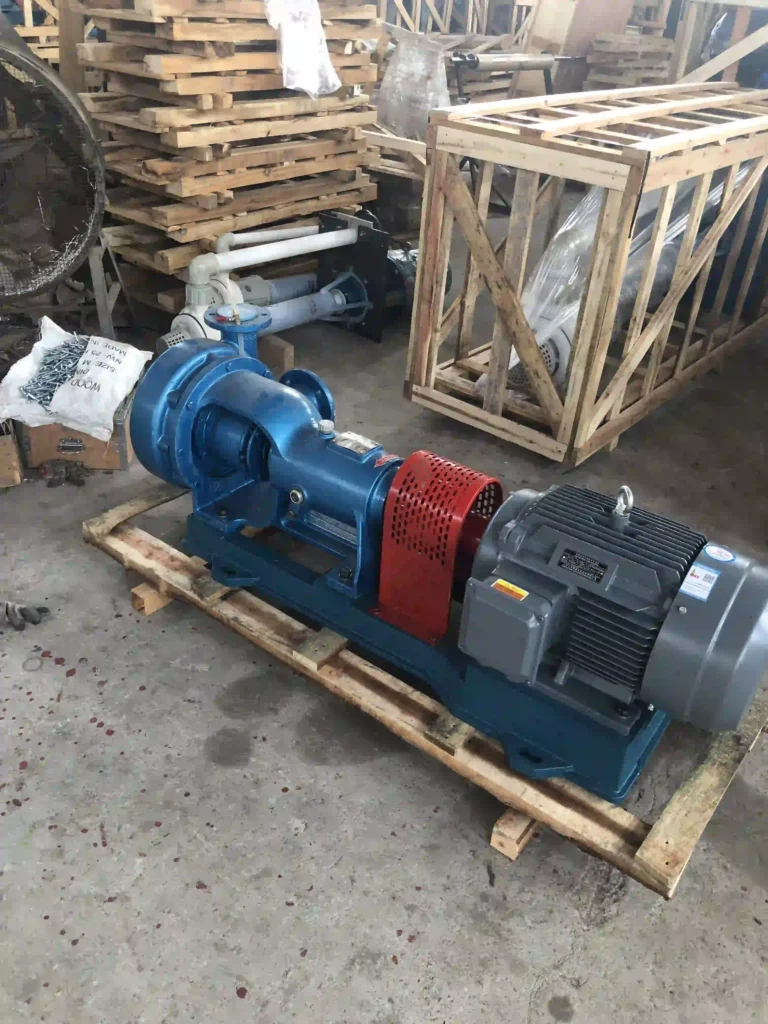
Una bomba de alimentación de prensa filtro consta de componentes hidráulicos, de sellado, de transmisión y de soporte diseñados para lodos corrosivos, abrasivos y con contenido de sólidos.
- Carcasa de la bomba: Forms the main flow passage and directs the slurry toward the outlet.
- Pump Cover and Gaskets: Close the casing, prevent leakage, and provide access to internal wearing parts.
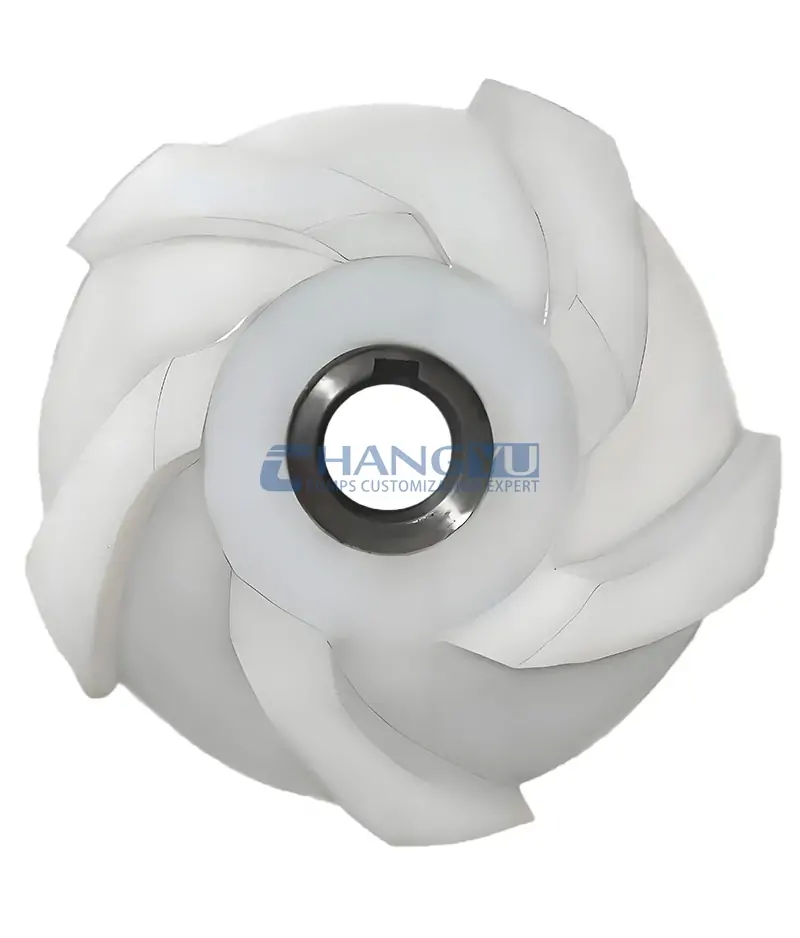
- Primary Impeller: Generates the flow and pressure required to feed slurry into the filter press.
- Secondary Impeller: Used in two-stage models to increase pressure progressively for high-pressure filtration.
- Impeller Adjustment Components: Rings, pads, nuts, washers, and keys maintain the correct impeller position and internal clearance.
- Eje de la bomba: Transfers power from the motor to the impeller assembly.
- Front and Rear Shaft Sleeves: Protect the shaft from slurry contact and reduce wear on the main shaft.
- Intermediate Flow Passage: Guides slurry through the pump or between the two impeller stages.
- Sealing Assembly: Includes the seal chamber, sealing elements, bushings, cover, and gaskets to control shaft leakage.
- Acid Deflector: Prevents leaked or splashed corrosive liquid from reaching the drive-side components.
- Caja del cojinete: Supports the shaft, maintains alignment, and ensures stable operation under changing pressure.
- Fasteners and Protective Components: Secure the internal parts and make inspection and replacement of wearing parts easier.
Materials and single-stage or two-stage configurations can be selected according to the required flow, pressure, corrosion resistance, abrasion resistance, solids content, and operating temperature.
Materials for Corrosive and Abrasive Slurry
A reliable Slurry Pump for Filter Press requires both chemical compatibility and resistance to particle wear. Material selection depends on chemical composition, concentration, temperature, solids percentage, particle size and shape, density, viscosity and the possibility of crystallization.
| Material | Typical use | Important considerations |
|---|---|---|
| UHMWPE | Acidic or alkaline chemical slurries with abrasive fine solids | Combines corrosion resistance with strong abrasion resistance; temperature and chemical concentration must be checked. |
| Fluoroplástico | Highly corrosive chemicals requiring broad chemical compatibility | Exact resin and allowable temperature depend on the medium and pump design. |
| Poliuretano | Abrasive duties where chemical compatibility is suitable | Often selected for wear performance; verify solvent, temperature and hydrolysis resistance. |
| Acero inoxidable | Compatible process slurries requiring metal construction | Grade selection must account for chlorides, acids, pitting and crevice corrosion. |
| Special alloy | Severe combinations of corrosion, temperature and pressure | Specified case by case after a detailed media analysis. |
See our guía de selección de materiales para bombas químicas for the factors that should be verified before choosing wetted parts. A material name alone is not a performance guarantee; compatibility must be confirmed at the actual concentration and temperature.
Features of a Filter Press Feed Pump
Wide slurry passages
Hydraulic passages are selected to reduce local blockage and excessive velocity when handling fine solids.
Pressure-capable construction
Pump stages and casing design are selected for the increasing late-cycle resistance of a filter press.
Maintainable layout
Accessible wear parts and practical disassembly help reduce downtime between filtration campaigns.
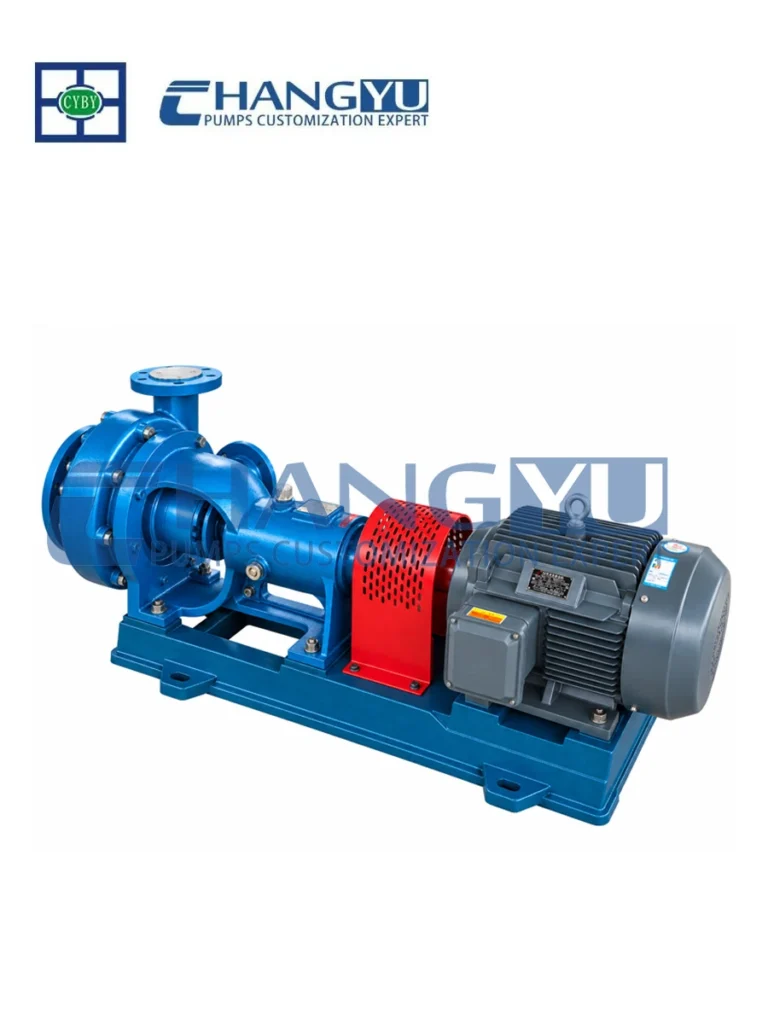
Wear- and corrosion-resistant wet end
Casing, impeller and replaceable wearing components are matched to the slurry chemistry and abrasiveness.
Seal options
HJ cartridge mechanical seal, K-type dynamic seal, or other confirmed seal configurations can be selected according to slurry properties and operating conditions.
System controls
Variable-frequency control, pressure feedback and protection logic can be integrated to support repeatable filtration cycles.
Filter Press Feed Pump Applications
Como fabricante experimentado de bombas industriales, Bomba Changyu provides customized Filter Press Feed Pump solutions for solid-liquid separation and high-pressure slurry feeding applications.
- A filter press does not operate at one fixed duty point. During initial chamber filling, the pump normally delivers a higher flow at lower pressure. As the filter cake develops, flow decreases while the required feeding pressure increases. The pump must therefore be selected for the complete filtration cycle.
- Filter press slurry may combine abrasive particles, corrosive chemicals, suspended solids, and relatively high specific gravity. An incorrectly selected pump can suffer from rapid wear, leakage, insufficient final pressure, or unstable feeding.
- Based on UHFM product development experience dating back to 2004, Changyu Pump offers single-stage and two-stage Filter Press Feeding Pump configurations. Single-stage pumps are used for conventional-pressure duties, while two-stage models progressively increase pressure for more demanding filtration conditions.
- Pump selection is based on the actual slurry composition, solids concentration, particle size, specific gravity, pH, temperature, required flow, final feeding pressure, pipeline resistance, and filter press capacity. Wetted materials and sealing arrangements are selected according to the combined corrosion and abrasion conditions.
Filter Press Feed Pump Applications by Industry
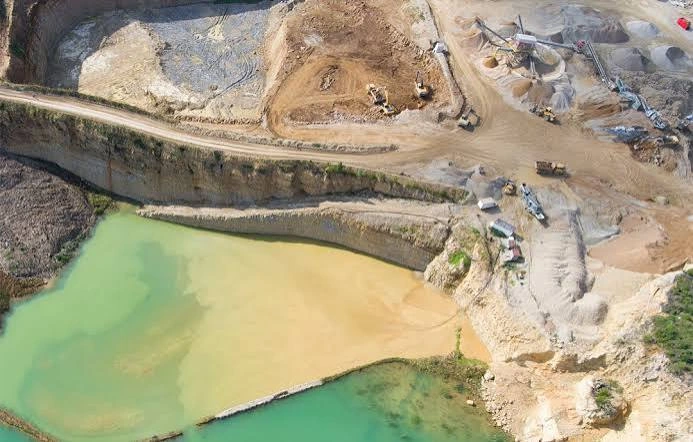 Mine tailings
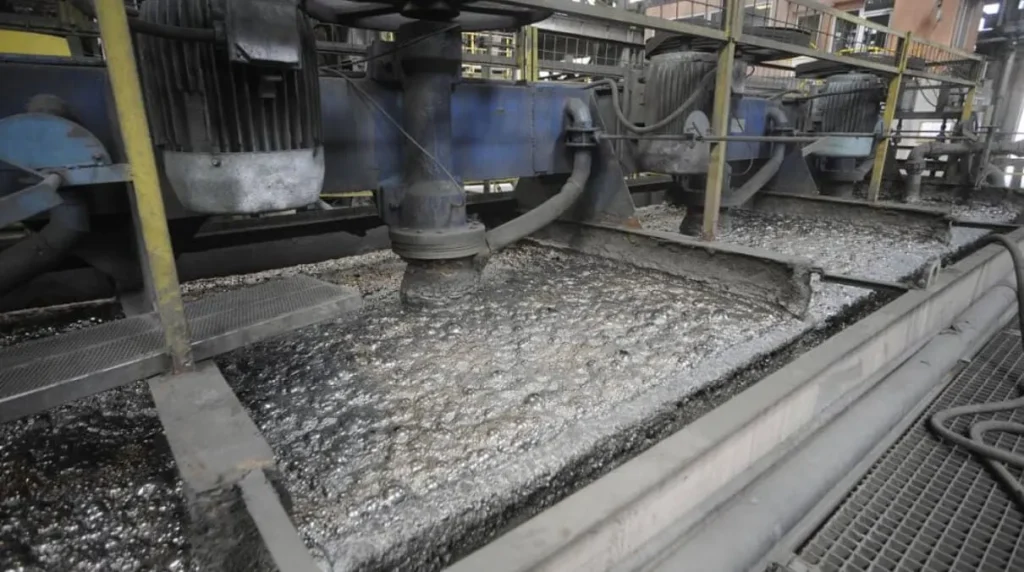 Lead-zinc-slurry
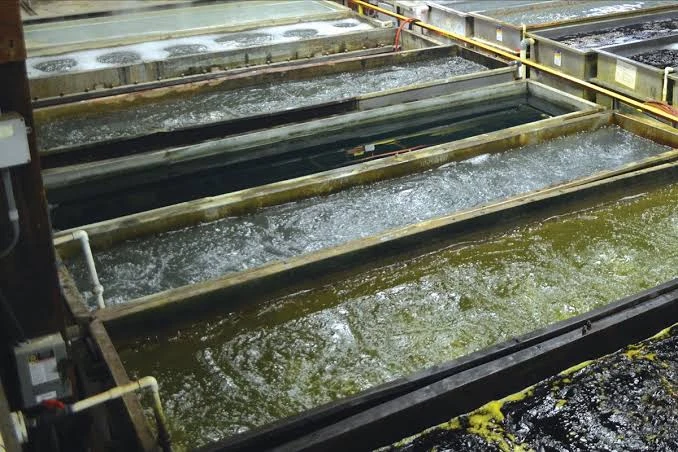 Electroplating sludge
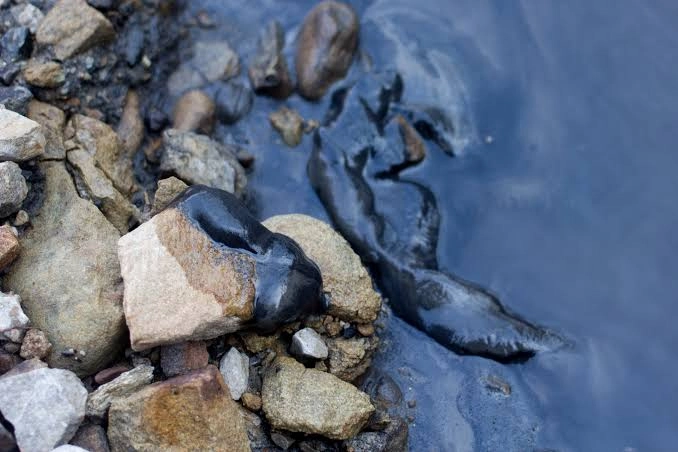 Coal slurry
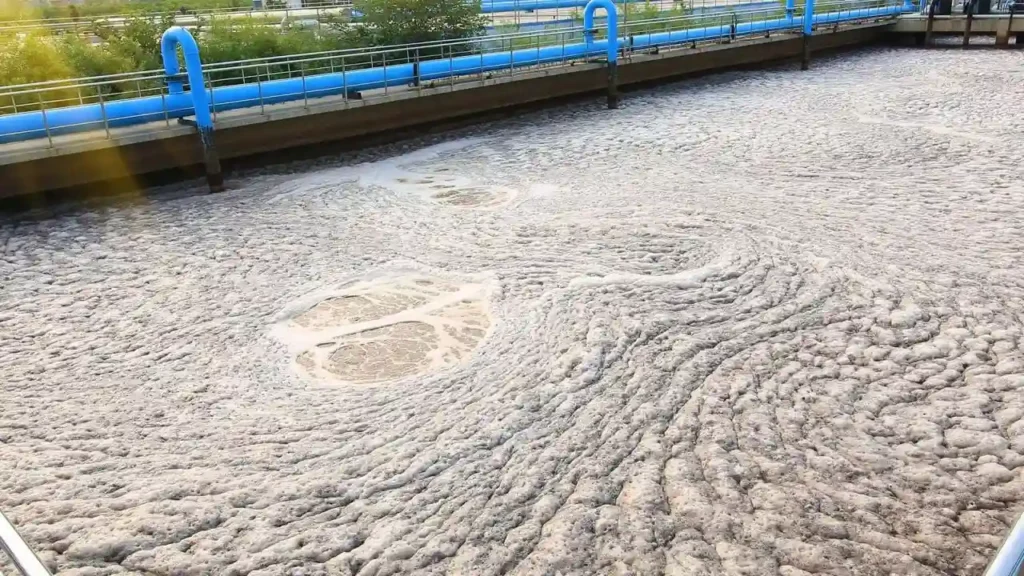 Lodos químicos
 Lodo de masa negra
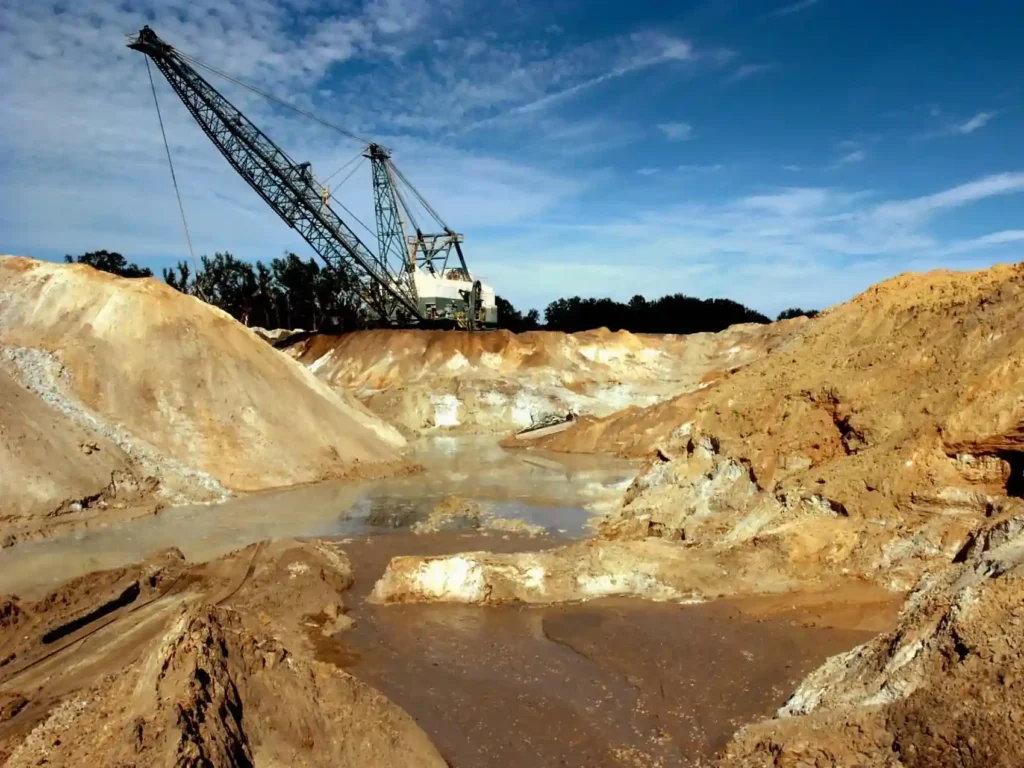 Suspensión de fosfato
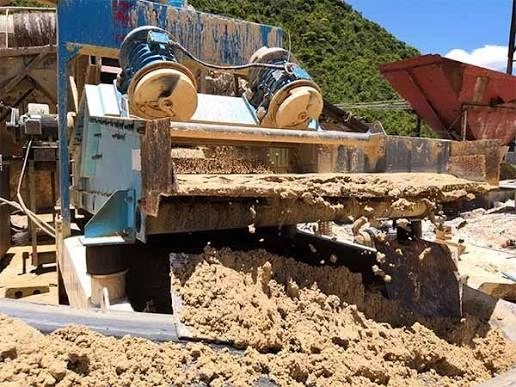 washing slurry
| Industria | Typical Filter Press Challenges | Changyu Pump Approach | Medios habituales |
|---|---|---|---|
| Minería y procesamiento de minerales | Severe abrasion, mineral particles, high specific gravity, and increasing filtration resistance | Wear-resistant Filter Press Slurry Pump configuration selected according to particle size, solids concentration, and required final pressure | Mine tailings, flotation tailings, mineral concentrate slurry |
| Preparación del carbón | Abrasive coal particles, settling solids, and changing flow and pressure during cake formation | UHMWPE-lined slurry pump configuration for coal slurry feeding, subject to actual particle size and slurry concentration | Coal slurry, flotation tailings, coal-washing sludge |
| Procesamiento químico | Corrosion and abrasion occurring at the same time, with material compatibility dependent on concentration and temperature | UHMWPE, fluoroplastic, stainless steel, or other suitable wetted materials selected from the actual chemical composition | Acidic slurry, alkaline slurry, salt-containing slurry, chemical process residues |
| Hydrometallurgy & Metal Processing | Acidic liquid combined with abrasive ore or metal-containing solids | Corrosion- and wear-resistant Slurry Pump for Filter Press systems, with single-stage or two-stage configuration selected by pressure | Lead-zinc slurry, leaching residue, metal-containing slurry |
| Phosphate & Fertilizer Processing | Corrosive process liquid, suspended mineral solids, and possible crystal abrasion | Material and seal configuration selected according to acid concentration, temperature, solids, and crystallization conditions | Phosphate slurry, phosphoric acid slurry, gypsum-containing slurry |
| Tratamiento de aguas residuales industriales | Variable solids content, corrosive contaminants, and unstable sludge characteristics | Filter press pump selected after confirming solids, fibers, viscosity, particle size, and required dewatering pressure | Chemical sludge, treatment sludge, lime slurry, process wastewater |
| Galvanoplastia y tratamiento de superficies | Acidic or alkaline wastewater containing heavy-metal solids | Corrosion-resistant wetted components selected according to pH, chemical composition, and sludge concentration | Electroplating sludge, metal-containing wastewater, neutralization sludge |
| Titanium Dioxide Processing | Acidic slurry, abrasive titanium-bearing particles, and filtration-stage pressure changes | Corrosion- and wear-resistant pump configuration for washing, filtration feeding, and related slurry transfer | Titanium-bearing slurry, metatitanic acid slurry, acidic process sludge |
| Reciclaje de Baterías de Litio | Acid leaching liquids combined with fine, abrasive battery-material particles | Pump materials and sealing system selected according to acid type, temperature, particle characteristics, and feed pressure | Black mass slurry, leaching residue, washing slurry, metal-recovery sludge |
Read the lead-zinc filter press pump case study for a practical application of a UHMWPE slurry pump in a smelting filtration system. You can also explore ChangYu’s broader range of bombas centrífugas para lodos.
If your industry is not listed above, contact us with your slurry composition, solids concentration, particle size, specific gravity, temperature, required flow, and final feeding pressure. Changyu Pump will evaluate whether the UHFM Filter Press Feed Pump is suitable for your operating conditions.
Need a quick answer or a tailored quotation? Please also provide the filter press model, chamber volume, filtration cycle, pipeline length, and installation height for more accurate pump selection.
Correo electrónico: [email protected]
TEL/WA: +86-13651913727
Filter Press Feed Pump Specifications
The following parameters cover the standard performance range of the Changyu UHFM Filter Press Feed Pump. Actual performance depends on the selected model, slurry properties, operating pressure, and material configuration.
| Key Parameter | Standard Range |
|---|---|
| Caudal | 3–600 m³/h |
| Cabeza | 10–120 m |
| Presión de trabajo | Up to 1.4 MPa |
| Potencia del motor | 0,75–220 kW |
| Pump Speed | 1450 / 2900 rpm |
| Temperatura media | De -20 °C a 90 °C |
| Recommended Solids Content | Below 30% |
| Diámetro de entrada | 50–250 mm |
| Standard Wetted Material | Acero revestido de UHMWPE |
| Available Configurations | Plastic-lined and all-plastic options |
UHFM Filter Press Pump Model Overview
| Serie | Estructura | Rango de presión | Uso recomendado |
|---|---|---|---|
| UHFM-I Low-Pressure Series | De una sola etapa | Below 0.5 MPa | Conventional filter press feeding and larger-flow applications |
| UHFM-I High-Pressure Series | De una sola etapa | 0.5–0.8 MPa | Medium-pressure filtration and corrosive or abrasive slurry feeding |
| UHFM-II Low-Pressure Series | Two-stage | 0.8–1.0 MPa | Filter presses requiring progressively increased feeding pressure |
| UHFM-II High-Pressure Series | Two-stage | 1.0–1.4 MPa | High-pressure filtration and demanding slurry transfer conditions |
The tables above show only the main performance range and series differences. Individual UHFM Filter Press Feeding Pump models have different flow, head, motor power, inlet size, and operating limits.
Download the Complete Pump Catalogue
For detailed model specifications, performance curves, dimensions, structural drawings, material options, and installation information, please download the complete UHFM Filter Press Feed Pump catalogue.
Information Needed for Pump Selection
- Filter press data: press type, chamber volume, plate size, number of chambers and maximum allowable feed pressure.
- Cycle requirements: target filling time, total filtration time, starting flow and required terminal pressure.
- Slurry chemistry: components, concentration, pH and possible changes between batches.
- Solids data: weight or volume percentage, particle-size distribution, hardness, shape and settling tendency.
- Physical properties: operating temperature, density and viscosity.
- Installation data: suction level, pipe diameter and length, fittings, elevation, tank conditions and available power supply.
- Operating preferences: seal standard, speed control, instrumentation, flushing plan, motor protection and required materials or certificates.
ChangYu uses this information to calculate the system curve, check suction conditions and recommend a pump that can cover the complete press cycle. This avoids choosing a Filter Press Feeding Pump from a single nominal duty point that may not represent actual operation.
Póngase en contacto con Changyu Pump for model selection and a customized quotation. Our engineers will help you match the pump, motor, wetted materials, and sealing configuration to your actual filter press operating cycle.
Is This the Right Pump for Your Filter Press?
If your current pump fills the press quickly but cannot build enough pressure, or reaches pressure but takes too long to fill the chambers, the problem is usually not simply “insufficient power.” A filter press asks the pump to do two very different jobs in one cycle. The right pump must deliver volume first and pressure later, while the slurry is becoming harder to move.
- This pump is a strong fit when the liquid contains fine solids and the pressure rises gradually during filtration.
- It is especially useful when the slurry is corrosive, abrasive or both, so ordinary cast-iron water pumps wear or corrode too quickly.
- It can be selected for new filter presses or used to replace a pump that suffers from slow feeding, frequent seal leakage, unstable pressure or short wet-end life.
- It is not selected by motor power alone. The filter area, chamber volume, slurry properties, pipe losses and final pressure all matter.
A practical rule: tell us what happens throughout the whole filtration cycle, not only the pressure shown on the gauge at the end. That information is far more useful for choosing a reliable Filter Press Pump.
What ChangYu Looks at Before Recommending a Pump
ChangYu has spent 21 years working with corrosive fluid and slurry transfer. In filter press projects, our engineers do not start by matching a model number. We first ask how the slurry behaves, how the press fills and where the existing system is losing time or wearing out parts. This experience matters because two slurries with the same pH can have completely different wear, settling and sealing behavior.
- We check the real filtration curve. Empty-chamber flow, pressure-rise time, final pressure and total cycle time reveal whether the system needs a single-stage pump, a two-stage pump or speed control.
- We separate corrosion from abrasion. Chemical compatibility protects the material from attack; wear resistance protects it from particles. A material must handle both.
- We ask what the solids actually look like. Fine crystals, soft sludge, sharp mineral particles and fibrous material do not move through a pump in the same way.
- We review the suction side. A pump cannot feed a press reliably if slurry settles in an undersized suction pipe or if the available suction head is too low.
- We match the seal to the slurry. The best seal arrangement depends on particle size, crystallization, allowable leakage, available flush water and maintenance habits.
- We check the press limit. Pump shut-off pressure, control setpoint and relief protection must stay within the filter press and piping pressure ratings.
This engineering approach is also used in ChangYu’s UHMWPE slurry pump project for a lead-zinc smelting filter press system. The case gives buyers a real ChangYu reference instead of a generic product claim.
Filter Press Feed Pump vs Other Pump Types
There is no single pump technology that is best for every filter press. The useful question is: which design gives the required cycle time, pressure, material life and maintenance cost for your slurry?
| Tipo de bomba | Where it works well | What to watch |
|---|---|---|
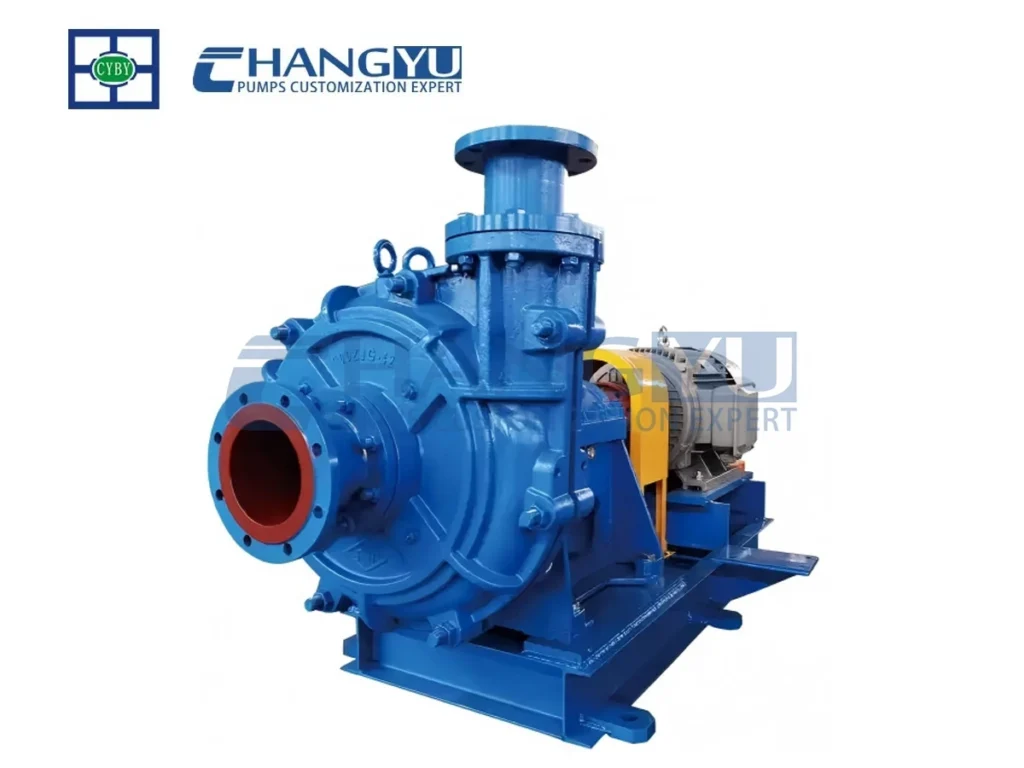
| ChangYu UHFM centrifugal Filter Press Feed Pump | Medium to high flow, progressively rising pressure, corrosive or abrasive fine-particle slurry; single-stage and two-stage options | Must be selected across the full cycle; avoid prolonged operation at an unsuitable very-low-flow point. |
| Bomba de diafragma neumática | Lower flow, simple pressure limiting, intermittent operation and some difficult slurries | Compressed-air consumption, pulsation, noise and membrane maintenance can increase operating cost. |
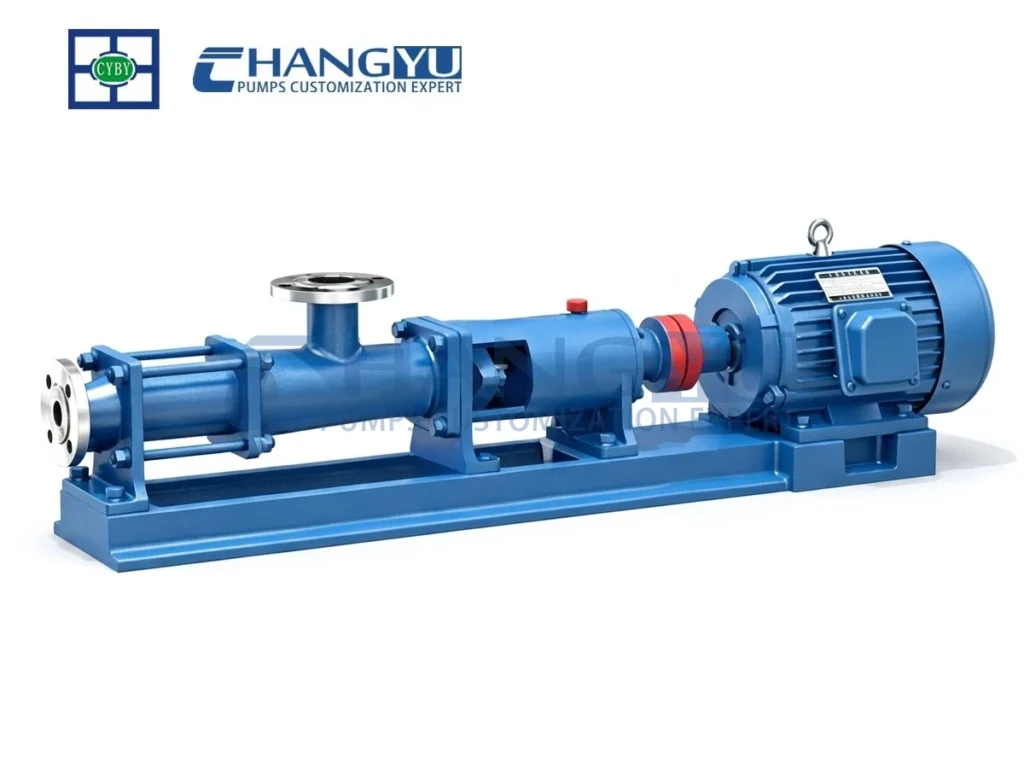
| Bomba de tornillo | Viscous and shear-sensitive feed requiring smooth positive displacement | Stator wear, dry-running sensitivity and abrasive solids can raise spare-parts cost. |
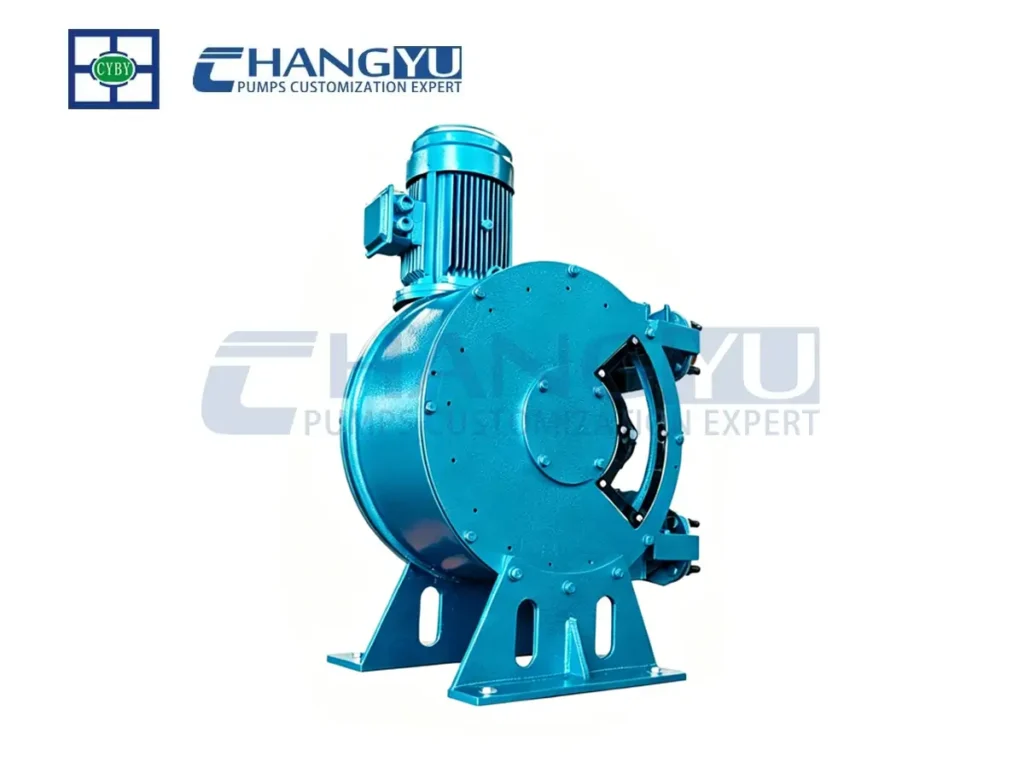
| Hose or peristaltic pump | Very abrasive or difficult slurry at controlled flow, with the medium contained inside the hose | Hose life, pulsation, heat generation and capacity limits must be considered. |
| Standard water centrifugal pump | Clean, low-viscosity liquid at a stable operating point | Usually a poor match for corrosive abrasive slurry and a rapidly changing filter press system curve. |
If your process needs higher solids tolerance or a different pumping principle, ChangYu can compare alternatives instead of forcing one model into every project. The goal is a stable filtration cycle, not simply selling the largest motor.
Operation and Maintenance Tips
Most premature failures are connected to the system, not a mysterious defect inside the pump. A few practical habits can greatly extend service life.
- Do not run the pump dry. Loss of liquid can damage seal faces and overheat non-metallic wet-end materials.
- Do not leave settling or crystallizing slurry inside the pump after shutdown. Flush with a compatible liquid when the process requires it.
- Track motor current and cycle time. A gradual increase may indicate cake behavior changes, pipe blockage, higher slurry density or internal wear.
- Inspect seals for small leaks before they become large leaks. Correct flush pressure and clean seal support lines are important.
- Listen for gravel-like noise or sudden vibration, which can indicate cavitation, air entry, blockage or a damaged impeller.
- Keep a record of slurry composition and replacement-part life. ChangYu can use this history to improve the next material or hydraulic selection.
Common Problems and What They Usually Mean
| Síntoma | Likely causes to check | Practical next step |
|---|---|---|
| Press fills too slowly | Low pump speed, blocked suction, excessive pipe loss, worn impeller or pump selected only for final pressure | Measure actual start-of-cycle flow and motor current; inspect suction and compare with the selected curve. |
| Final pressure cannot be reached | Insufficient head, bypass leakage, worn wet end, air entry or press leakage | Check pump shut-off capability, valve positions and whether the pressure loss is in the pump, pipe or press. |
| Seal leaks repeatedly | Dry running, solids at seal faces, crystallization, shaft movement, pipe strain or unsuitable seal arrangement | Review the failure surface and operating sequence before simply installing the same seal again. |
| High vibration or noise | Cavitation, air entrainment, solids buildup, misalignment, bearing damage or operation far from the suitable range | Check suction conditions, alignment and operating point immediately. |
| Wet-end life is short | Wrong material, sharp particles, excessive speed, local blockage or operation at very low flow | Provide worn-part photos and slurry data so corrosion and abrasion patterns can be separated. |
| Motor overloads during filling | Starting flow is higher than expected, slurry density increased or impeller diameter/speed is too high | Record current against pressure and verify the complete pump curve and motor margin. |
What You Receive from ChangYu
A useful quotation should help you make a decision, not just show a price. After receiving enough operating data, ChangYu can provide a recommended model and configuration, expected duty range, wetted material proposal, seal option, motor information and the operating points that should be checked during commissioning. Custom documentation and inspection requirements can be discussed before order confirmation.
- Application review based on the complete filter press cycle
- Single-stage or two-stage hydraulic recommendation
- Material selection for both corrosion and particle wear
- Seal and auxiliary-system suggestions
- Motor and variable-frequency-drive coordination
- Installation, startup and maintenance guidance
- Spare-parts recommendation based on the expected wear pattern
When contacting us, you do not need to have every answer ready. Start with the press model, required pressure, slurry name and approximate solids content. Our team can guide you through the remaining questions in plain language.
Correo electrónico: [email protected]
TEL/WA: +86-13651913727
Preguntas frecuentes
¿Qué es una bomba de alimentación para filtro prensa?
Una bomba de alimentación de filtro prensa mueve la suspensión desde un tanque de alimentación hacia un filtro prensa. Debe proporcionar un alto caudal inicial para un llenado rápido y una presión progresivamente mayor a menor caudal a medida que se forma la torta de filtración.
¿Por qué no puedo seleccionar la bomba utilizando solo la presión máxima?
La bomba opera a lo largo de un ciclo, no en un punto fijo. Seleccionar solo por presión máxima puede producir llenado lento, baja eficiencia o funcionamiento inestable. El caudal inicial, la presión al final del ciclo, las pérdidas en la tubería y las propiedades de la suspensión deben evaluarse en conjunto.
¿Cuándo se debe utilizar una bomba de dos etapas?
Se considera un diseño de dos etapas cuando la prensa de filtro necesita una presión terminal más alta que la que puede proporcionar una bomba de una sola etapa adecuada, especialmente con tortas densas, líneas de descarga largas o circuitos de filtración de alta resistencia.
¿Puede la bomba manejar lodos corrosivos?
Sí, siempre que el material humedecido, el sello y el diseño hidráulico sean compatibles con la composición química real, la temperatura, el tamaño de partícula y el contenido de sólidos. UHMWPE, fluoroplástico, poliuretano, acero inoxidable y aleaciones seleccionadas están disponibles para diferentes condiciones.
Can a variable-frequency drive improve operation?
A variable-frequency drive can regulate filling flow, reduce hydraulic shock and coordinate pump output with pressure feedback. The final control logic should include the filter press rating, motor limits and minimum stable pump speed.
What data should I send for a quotation?
Send the slurry composition, pH, temperature, density, viscosity, solids content and particle size, plus press chamber volume, target filling time, terminal pressure, suction conditions, piping layout, power supply and preferred materials.
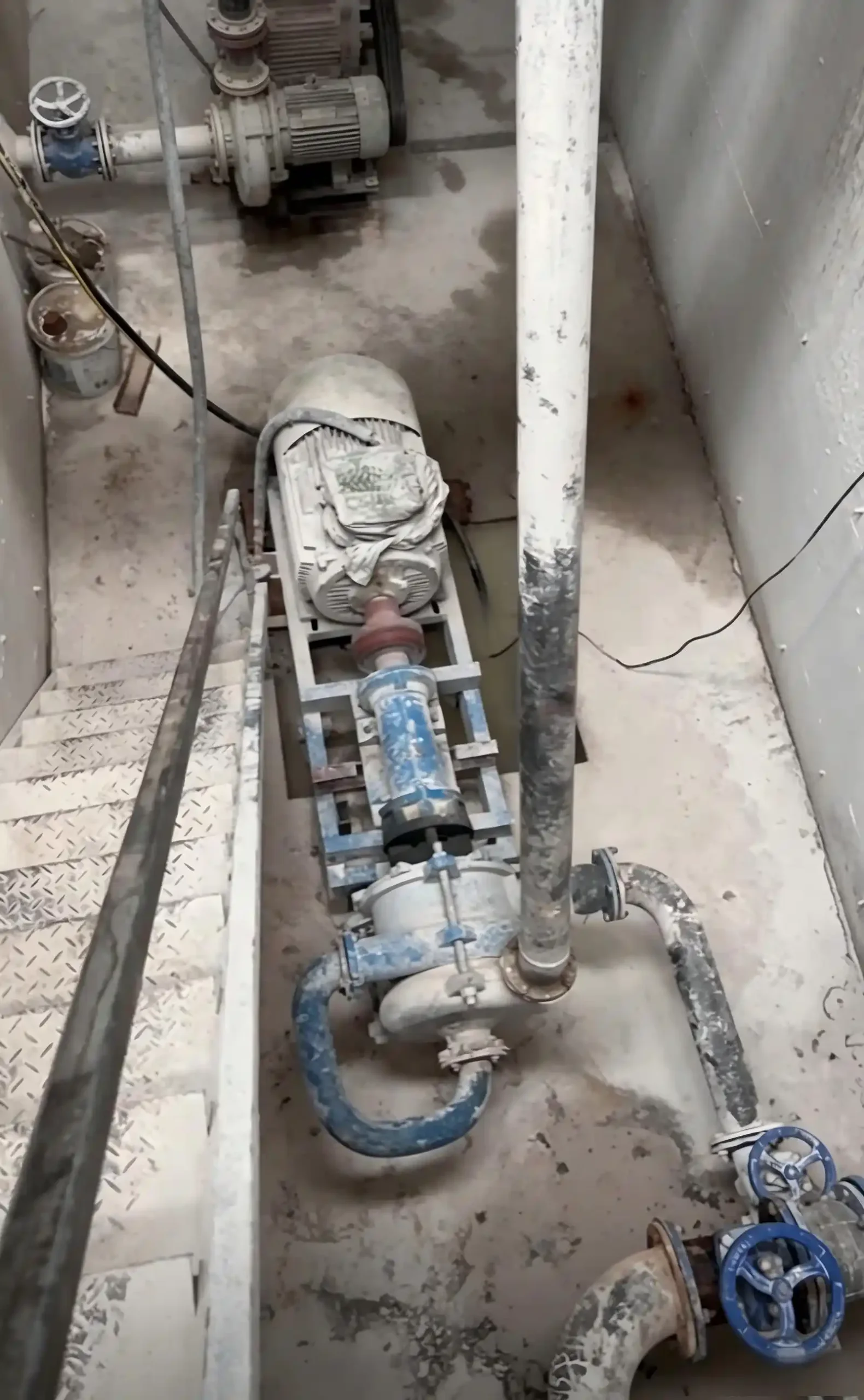
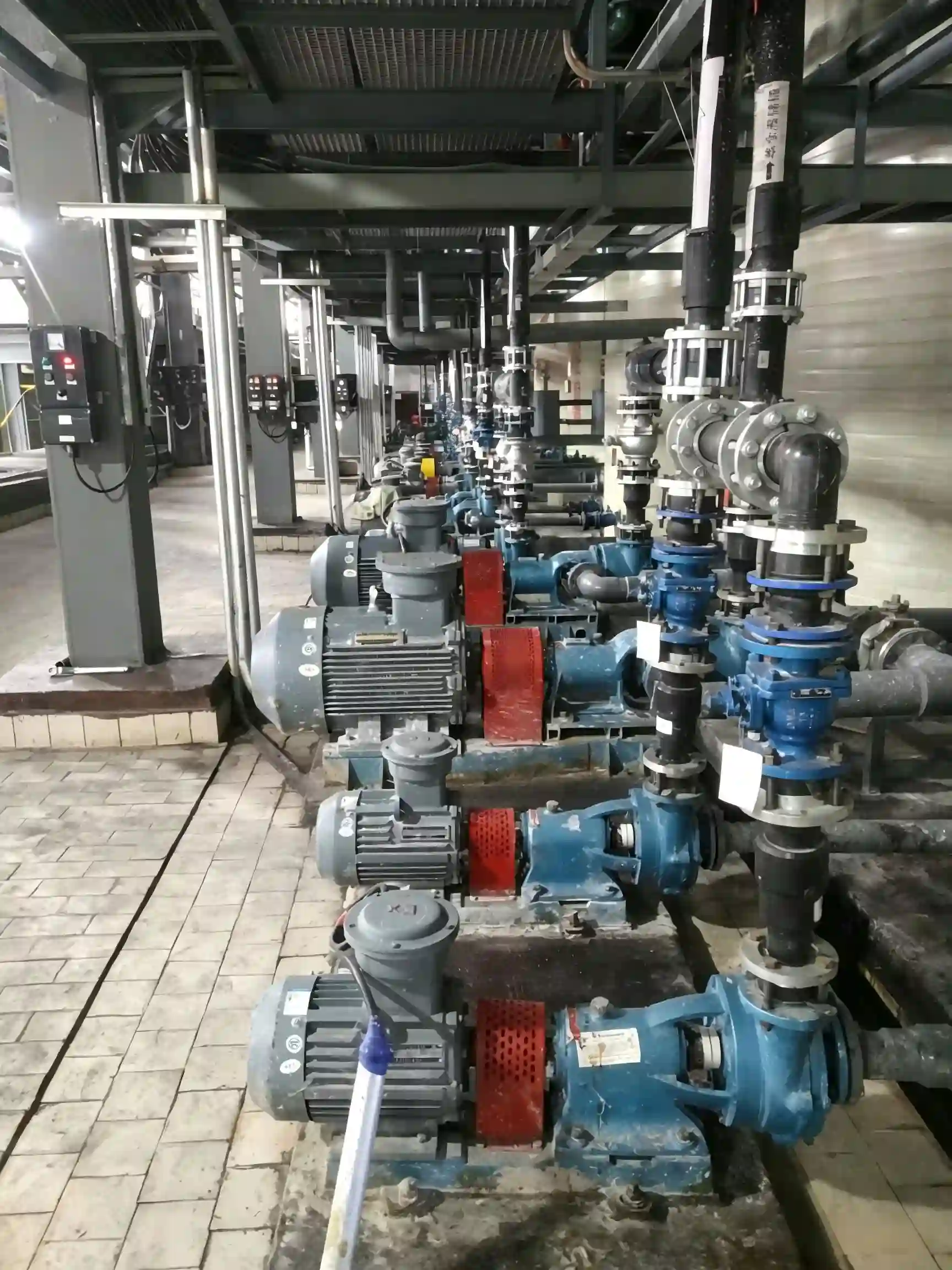
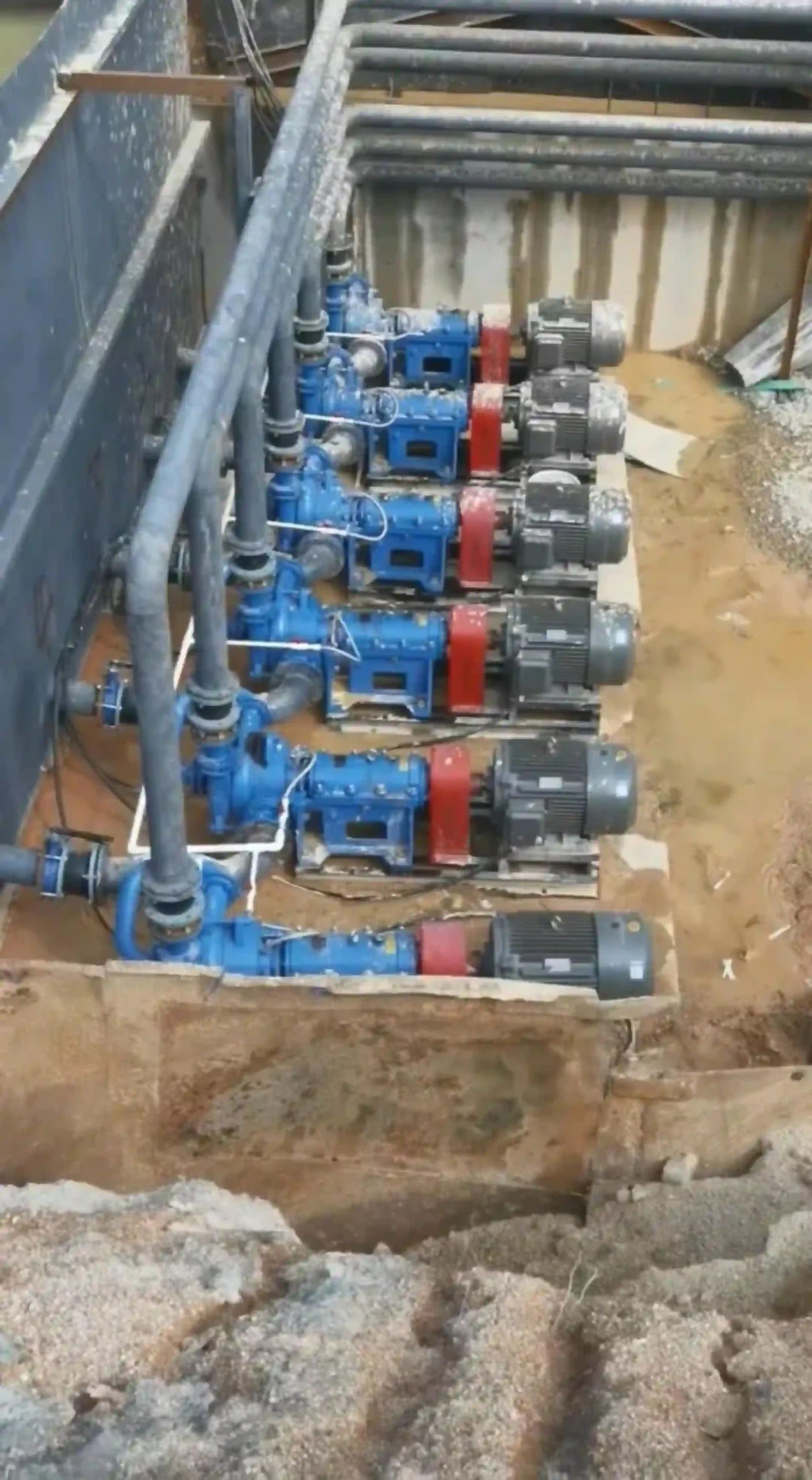
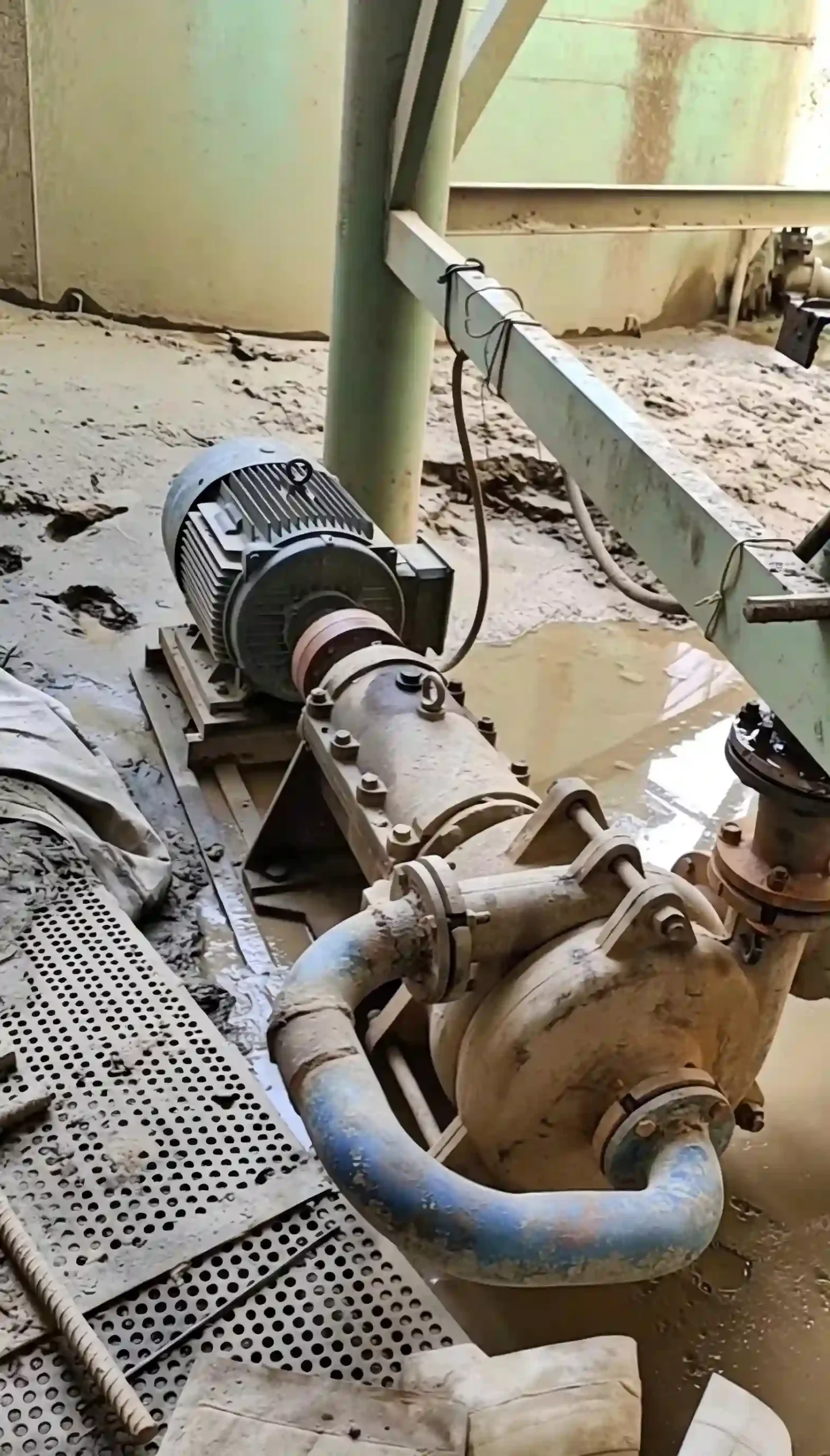
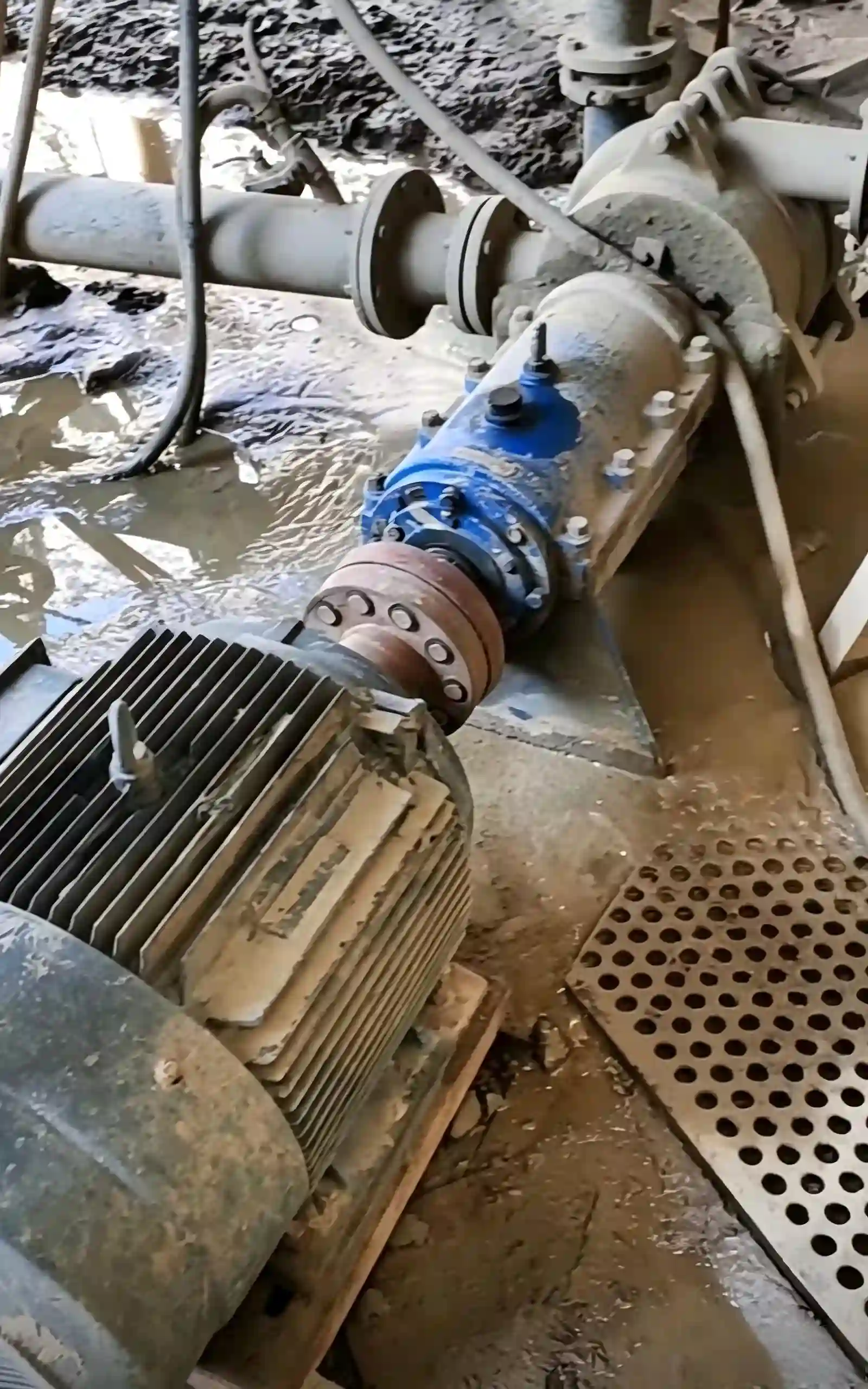
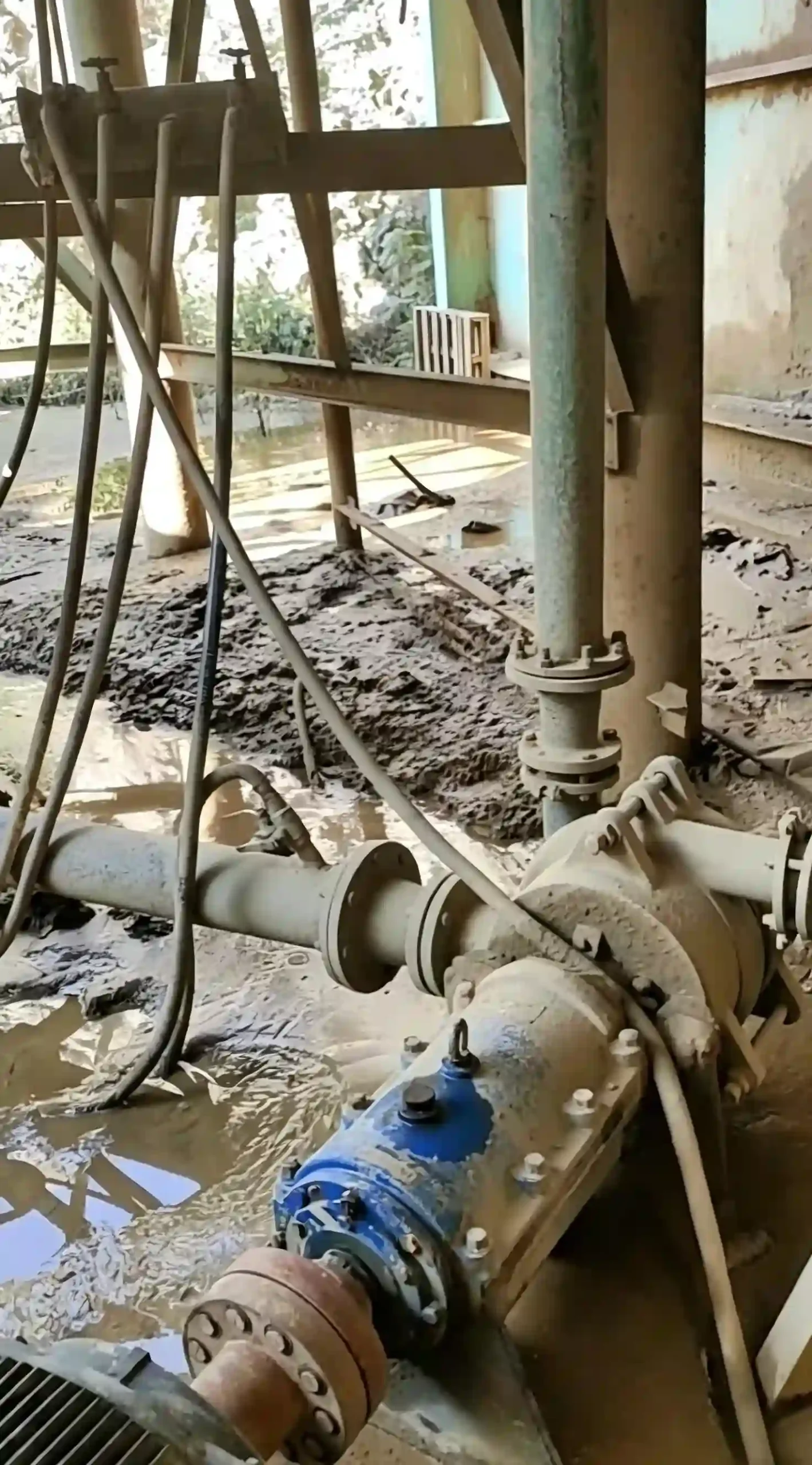
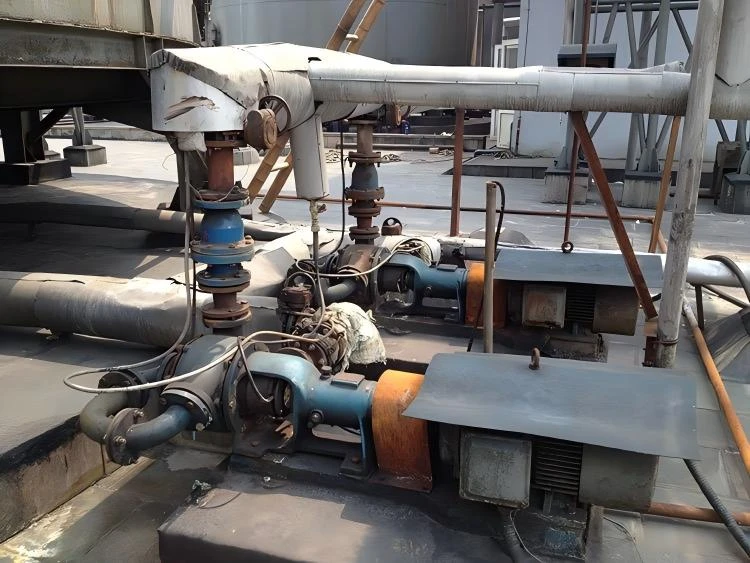
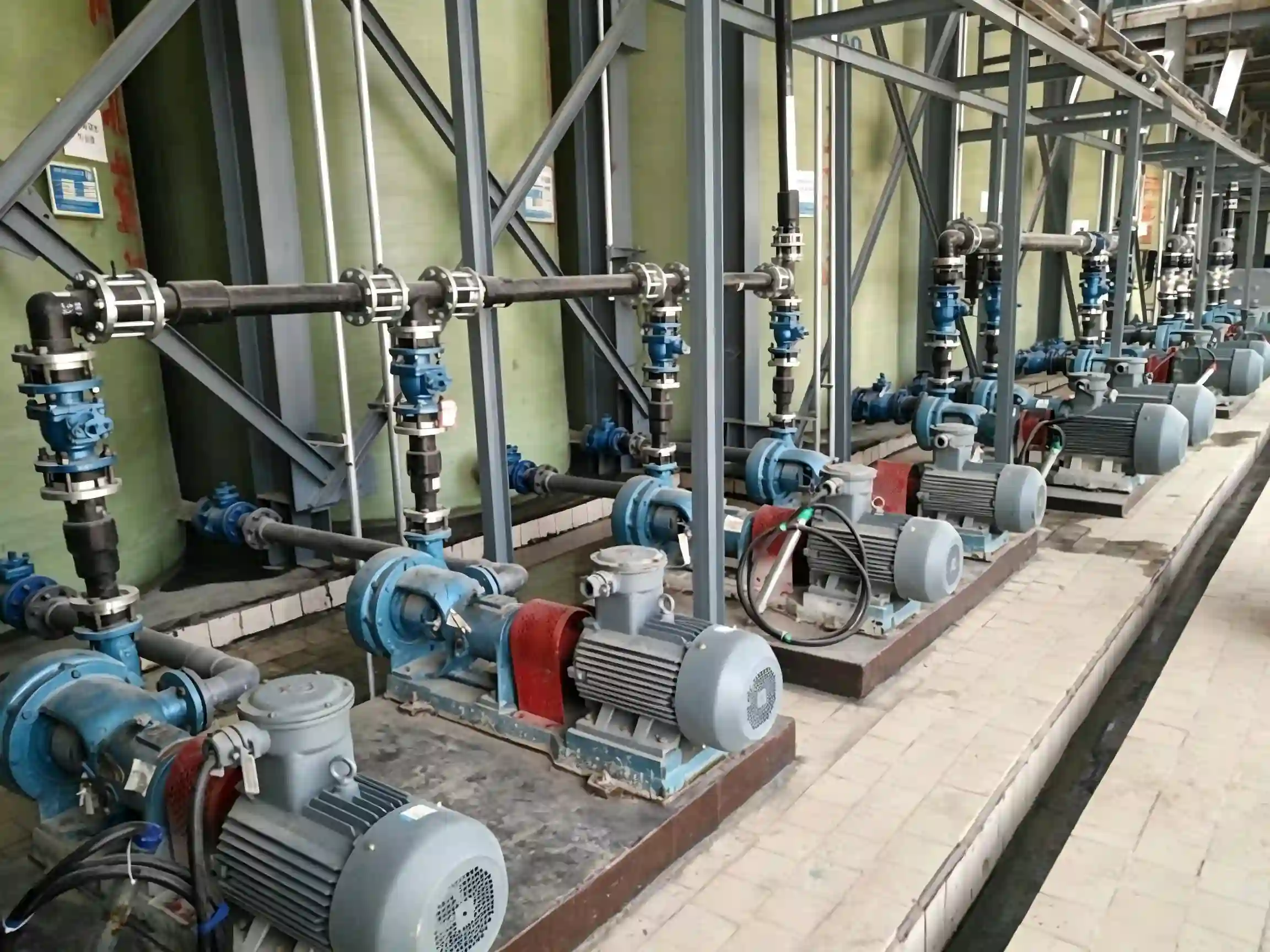
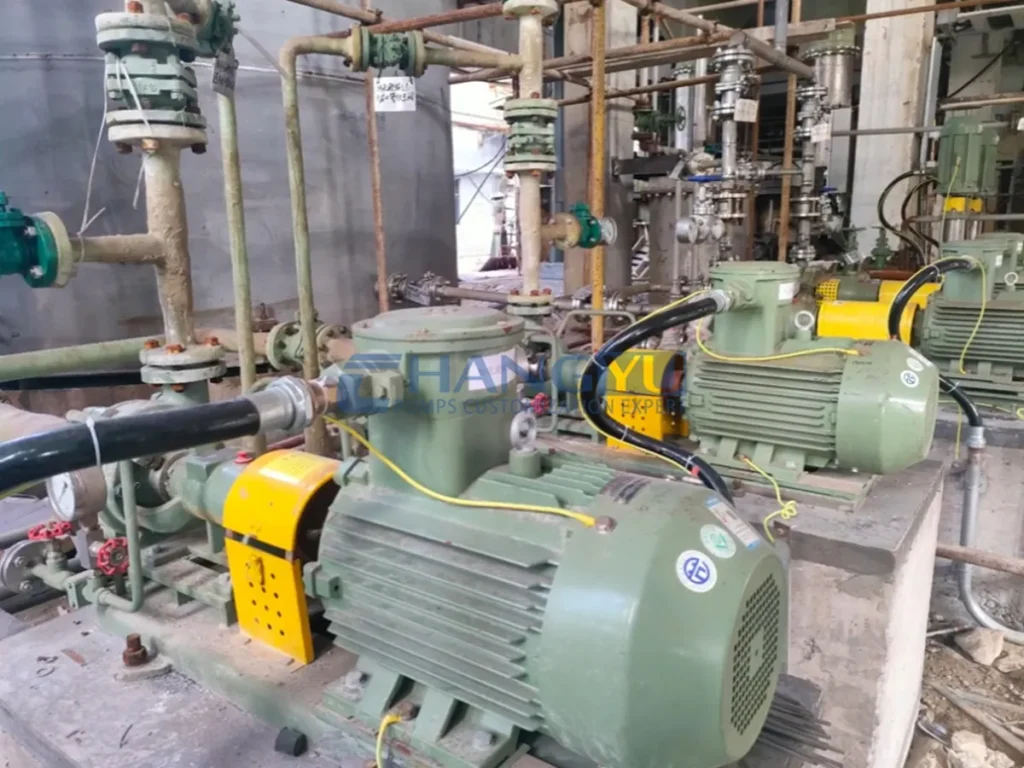
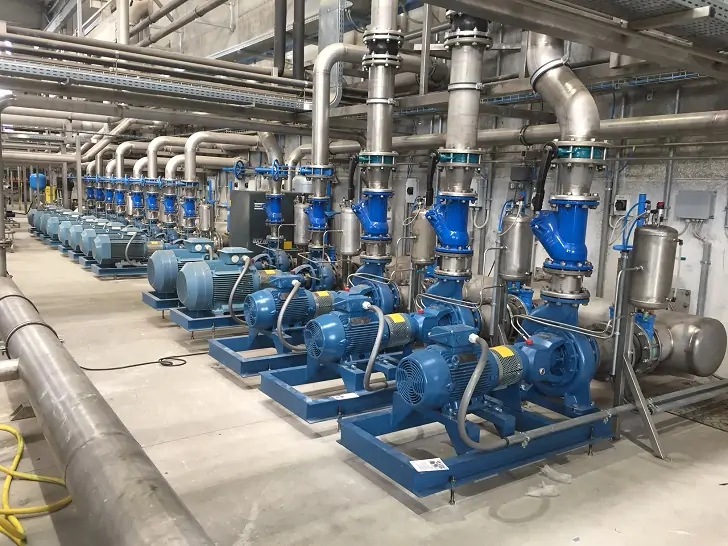
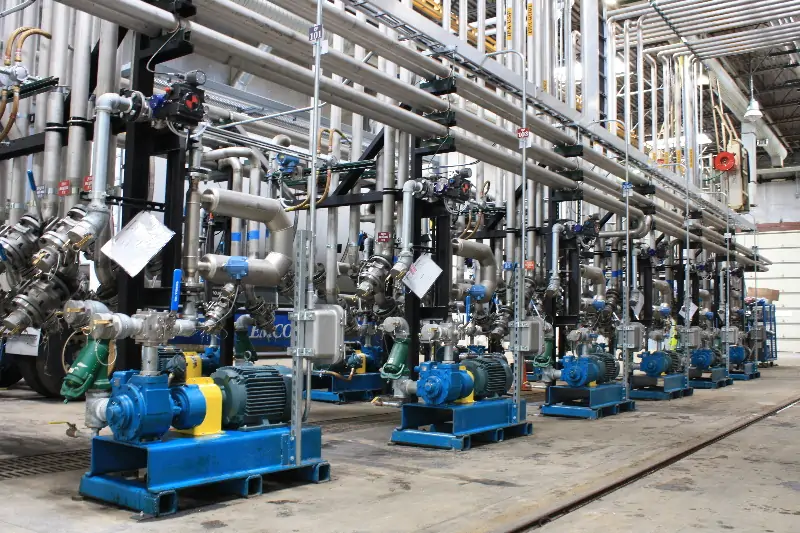
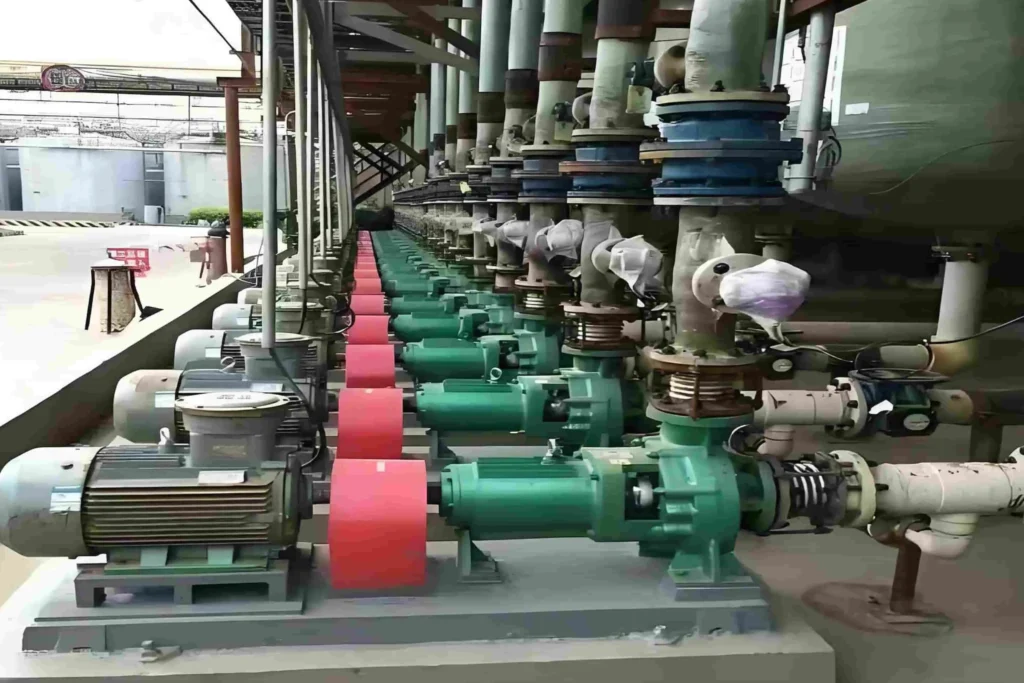
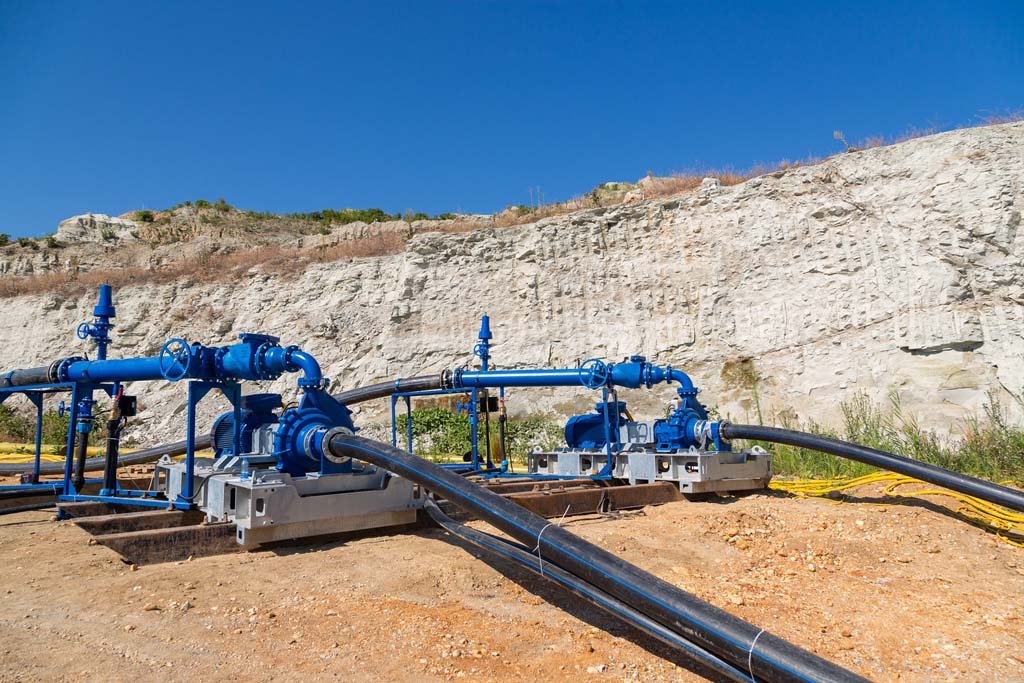
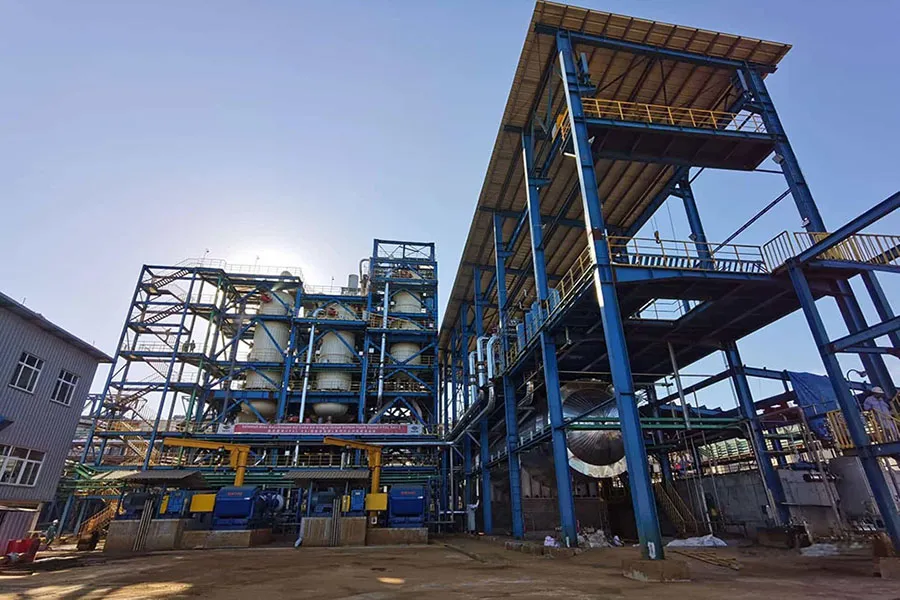
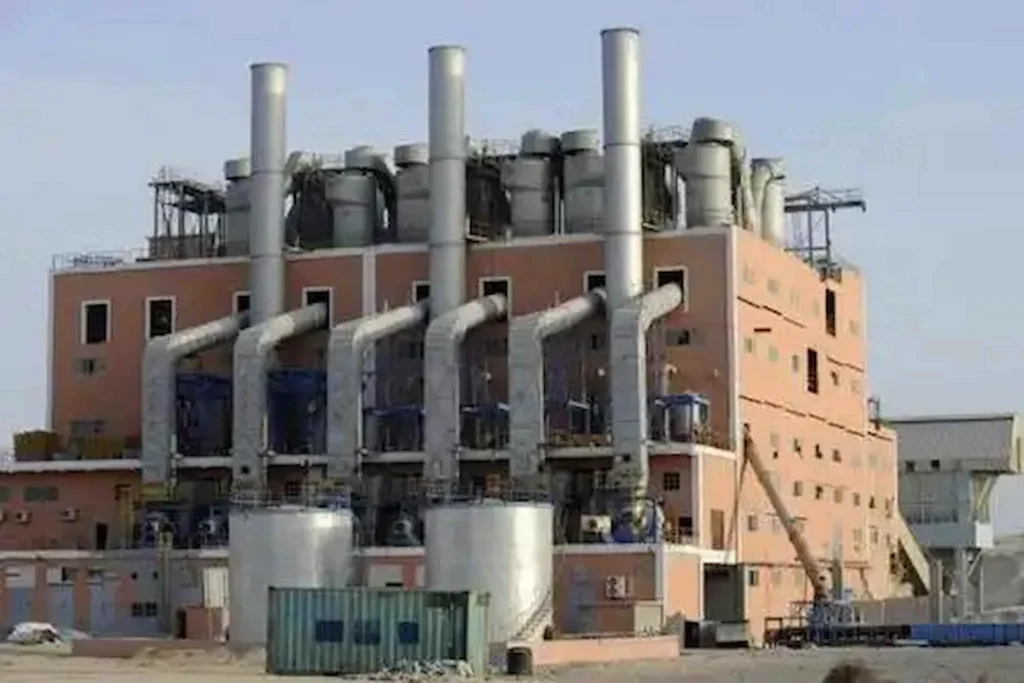
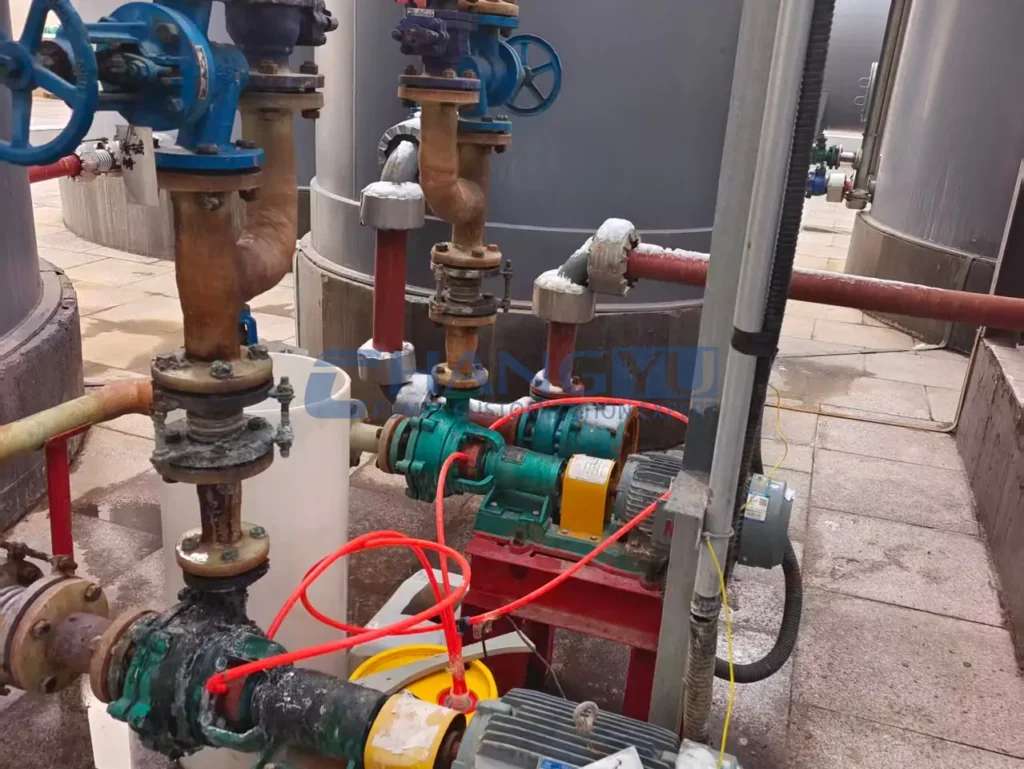
Filter Press Feed Pump in Operation
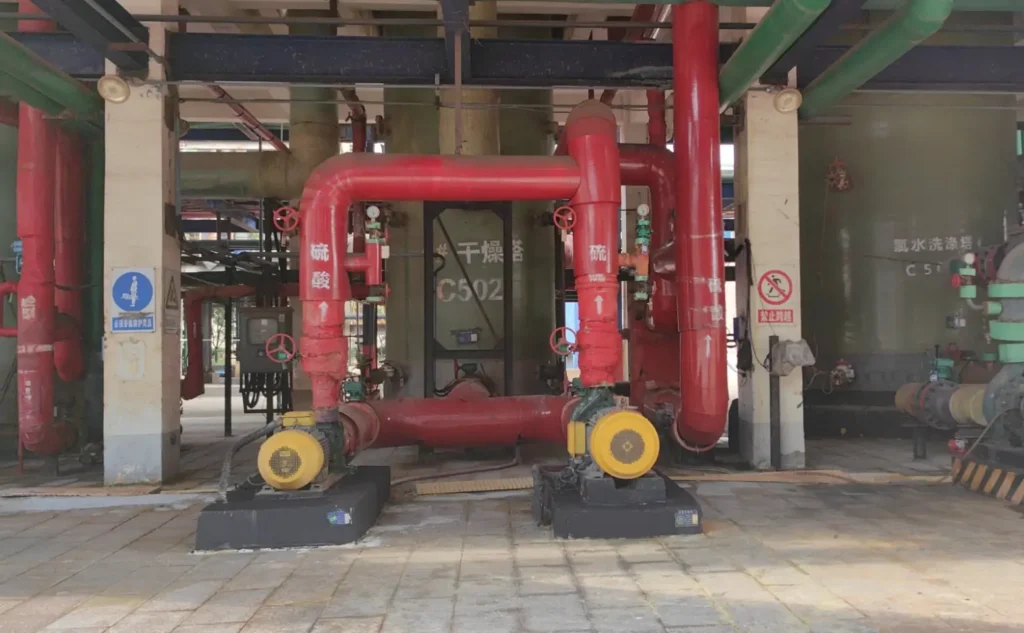
This section is reserved for nine on-site operating photos showing ChangYu filter press feed pumps in actual filtration and slurry-handling systems. Final pump configurations vary according to slurry composition, solids concentration, required feed pressure, filter press capacity, and site layout.
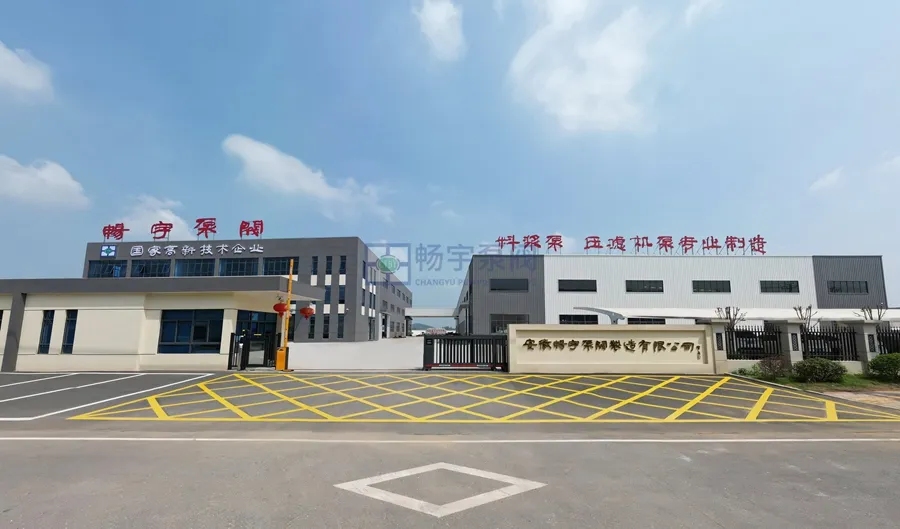
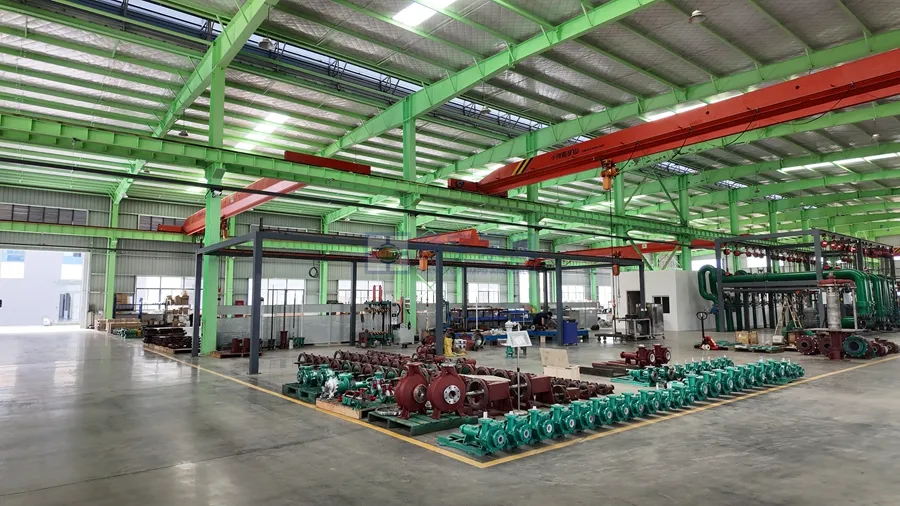
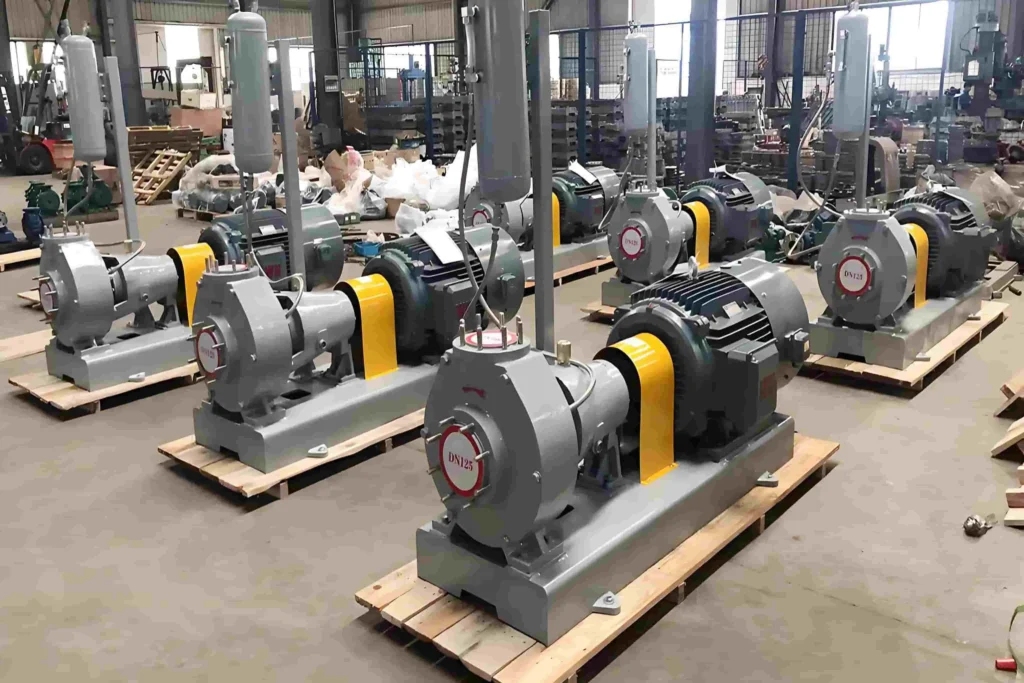
Exposición de fábrica




Blogs relacionados
Proyectos

Solicite un presupuesto gratuito
Por favor, rellene los datos del líquido que va a bombear, incluyendo el caudal, la altura, la gravedad específica y la temperatura, para que podamos recomendarle la bomba más adecuada y ofrecerle un presupuesto preciso.