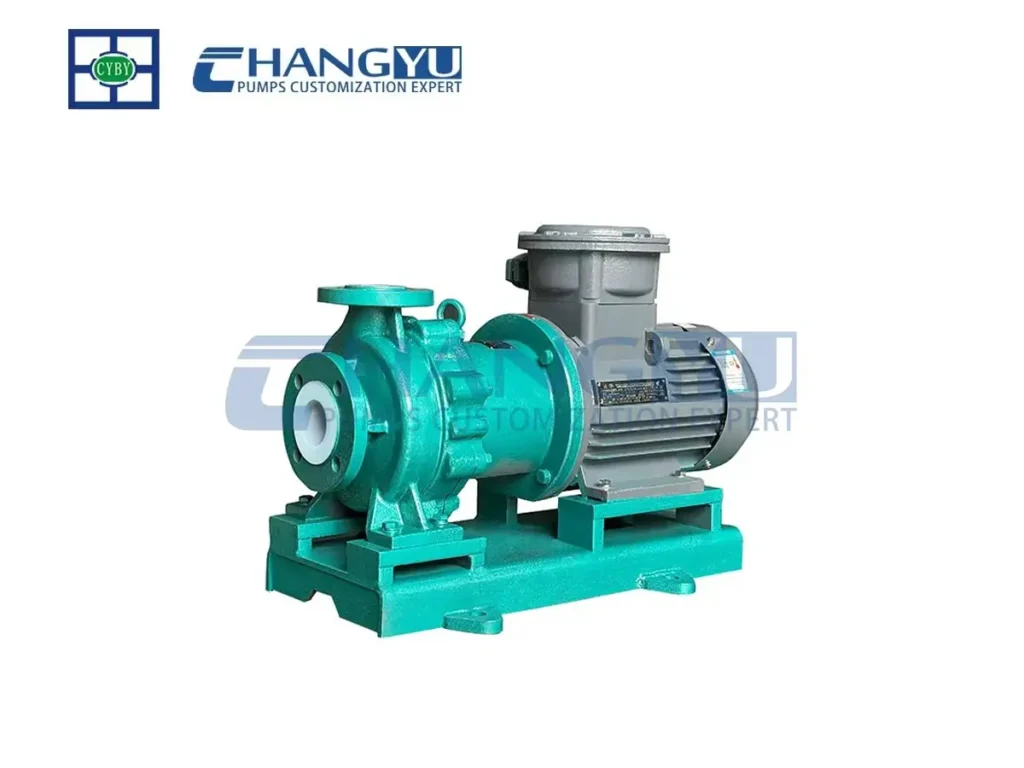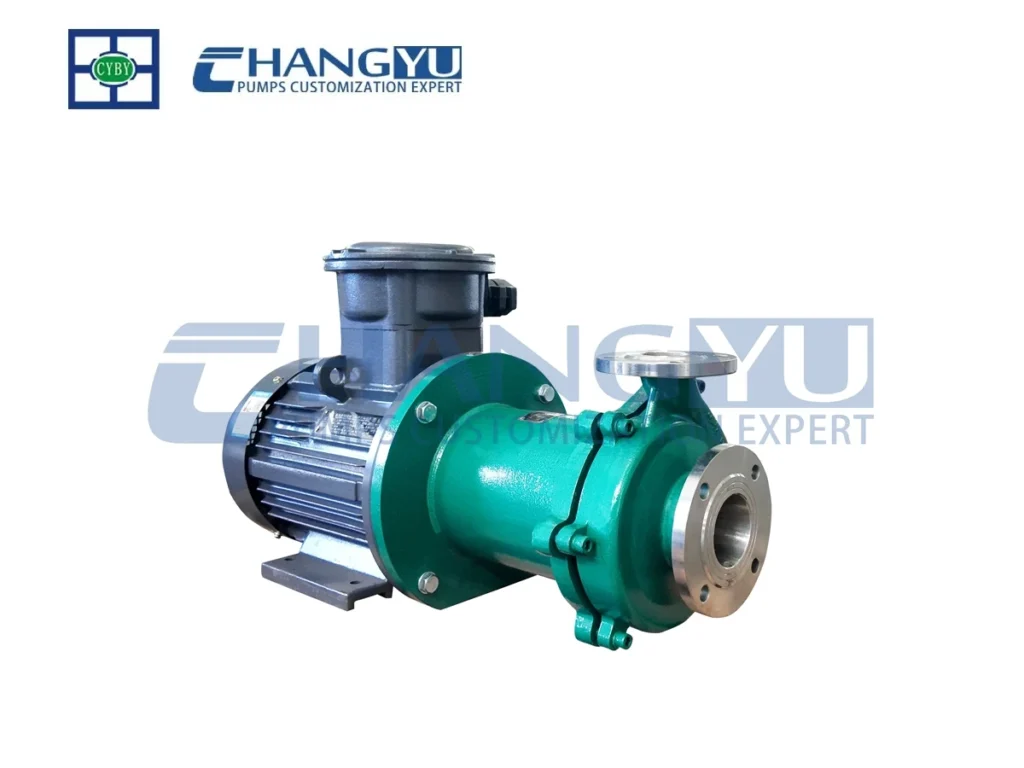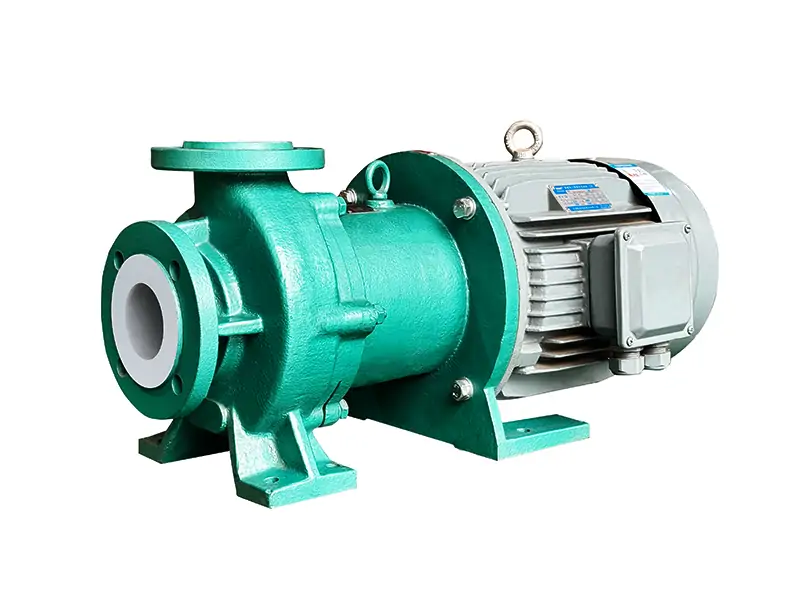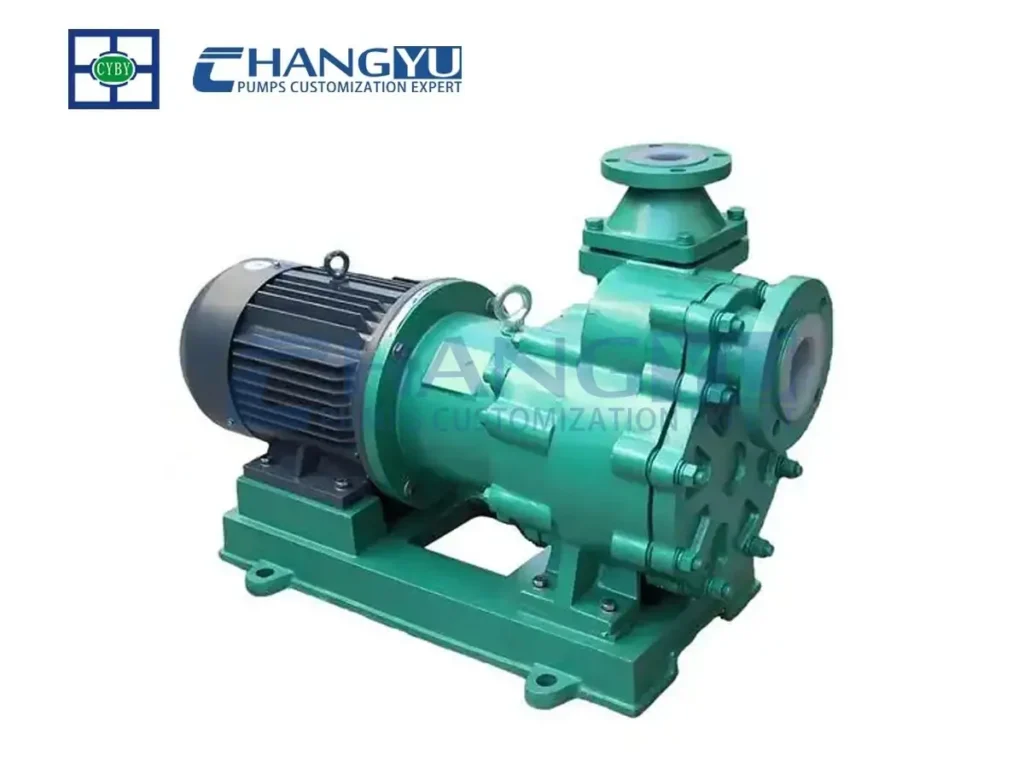
Problema de falha do rolamento deslizante da bomba de acionamento magnético
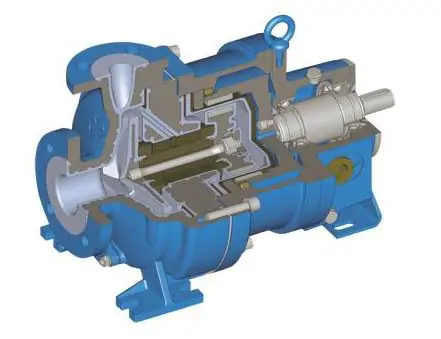
De acordo com o princípio de funcionamento e as caraterísticas estruturais de bomba de acionamento magnéticos, os danos frequentes na chumaceira de deslizamento estão normalmente relacionados com as seguintes causas de falha da bomba de acionamento magnético: impurezas que entram na folga da chumaceira, lubrificação insuficiente causada pela interrupção do fluido e cavitação causada pela vaporização do meio.
Por conseguinte, é necessário analisar sistematicamente as causas dos danos nas chumaceiras de deslizamento, tendo em conta as condições do processo, os métodos de instalação da bomba e as práticas de funcionamento.
Abaixo, tomamos como exemplos falhas de cristalização e bombas acionadas magneticamente para o transporte de isopentano para analisar as causas e soluções de falhas de bombas de acionamento magnético.
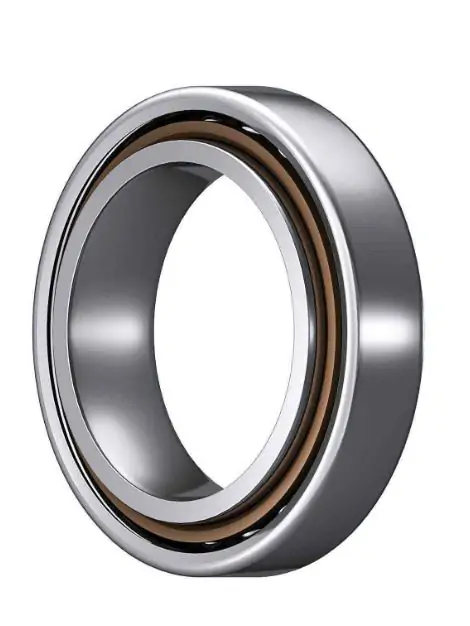
Análise das causas de falha de rolamentos deslizantes
Análise das causas de falha das chumaceiras de deslizamento das bombas de acionamento magnético que transportam meios ácidos e alcalinos
Eliminação dos factores convencionais de funcionamento e instalação
Após a inspeção, foram confirmadas as seguintes condições:
- Os níveis de líquido dos tanques de armazenamento de ácido e álcali estavam todos dentro dos limites superiores dos requisitos do processo, e não ocorreu nenhuma condição de funcionamento a seco.
- Não foram encontrados detritos ou bloqueios no filtro de entrada da bomba, eliminando a possibilidade de impurezas como uma das causas de falha da bomba de acionamento magnético.
- O alinhamento da bomba cumpriu os requisitos técnicos e não foram encontrados danos nos rolamentos causados por vibração excessiva.
Análise da causa direta de uma falha de rolamento
Após a desmontagem e inspeção da bomba de acionamento magnético, foram encontradas substâncias cristalinas óbvias no interior da câmara da bomba. Foi determinado que cristalização foi a principal causa de avaria da bomba de acionamento magnético que levou a danos nos rolamentos deslizantes.
Análise das causas de cristalização
Causa 1: Temperatura de funcionamento da bomba próxima do ponto de cristalização do meio
- Ponto de cristalização da soda cáustica 32%: 5.4°C.
- Ponto de cristalização do ácido sulfúrico concentrado 98%: 0,1°C.
O projeto original apenas instalava sistemas de aquecimento no interior da casa das bombas de ácidos e álcalis. Devido à necessidade de purga com azoto das tubagens de ácidos e álcalis e aos requisitos de segurança para uma boa ventilação, as janelas da sala de bombas não podiam ser totalmente fechadas. Como resultado, a temperatura de funcionamento da bomba esteve próxima do ponto de cristalização do meio durante longos períodos, levando à cristalização, que se tornou uma das causas comuns de falha da bomba de acionamento magnético.
Causa 2: Purga de nitrogénio a baixa temperatura a longo prazo
Na conceção do processo, as condutas de ácido e alcalino são purgadas com azoto durante muito tempo. O azoto a baixa temperatura reduz ainda mais a temperatura média e intensifica a cristalização. Os sólidos cristalizados entopem os rolamentos deslizantes, causando eventualmente danos nos rolamentos.
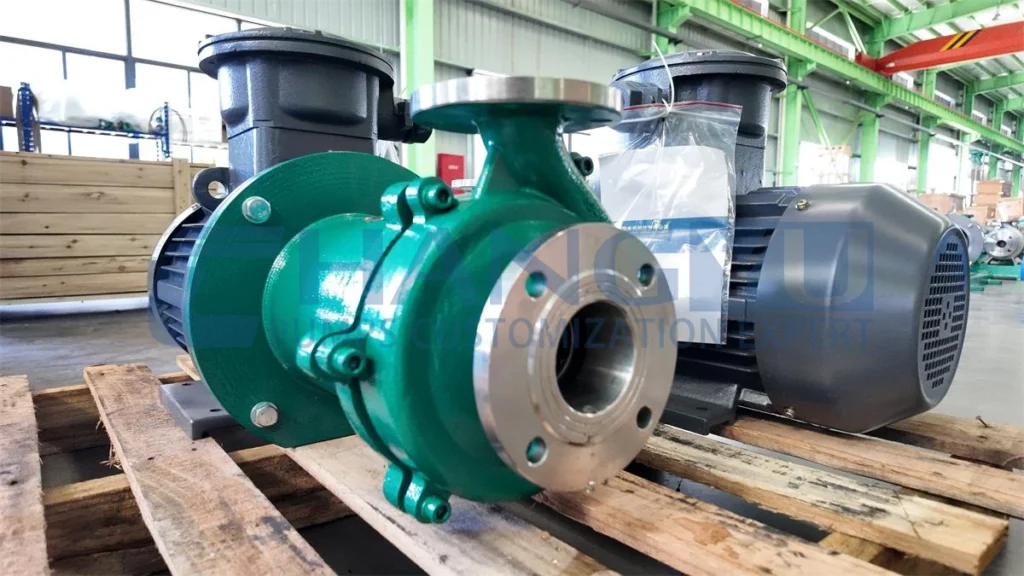
Análise das causas de falha da chumaceira deslizante de bombas de acionamento magnético que transportam isopentano
- Eliminação de impurezas e problemas de instalação.
- A inspeção do filtro de entrada da bomba não revelou quaisquer detritos ou bloqueios.
- A inspeção do alinhamento da bomba mostrou que todos os indicadores estavam normais.
- Estas inspecções excluíram as impurezas e as causas de falha da bomba de acionamento magnético relacionadas com a vibração.
Análise da causa principal da falha do rolamento
Durante a inspeção da operação de descarga, foram detectadas as seguintes condições:
- Nível de líquido baixo no camião cisterna.
- Flutuações graves do manómetro de saída da bomba na fase final da descarga.
- Interrupção óbvia do fluxo de líquido.
Os rolamentos deslizantes das bombas de acionamento magnético dependem do meio de transporte para a lubrificação. Uma vez que a descarga de isopentano adopta um método de descarga de auto-pressão, o meio torna-se insuficiente na fase posterior de descarga, causando a interrupção do fluxo e a má lubrificação dos rolamentos deslizantes. Esta é uma causa típica de falha da bomba de acionamento magnético quando transporta isopentano, levando a danos nos rolamentos.
Soluções para falhas de rolamentos deslizantes
Medidas de melhoria de processos e equipamentos
- Instalar de forma independente mangueiras de rastreio de calor para bombas de acionamento magnético ácidas e alcalinas para aumentar a temperatura interna do meio e evitar causas de falha da bomba de acionamento magnético relacionadas com a cristalização.
- Limpe regularmente o filtro de entrada da bomba para evitar que substâncias cristalizadas ou impurezas entrem na câmara da bomba.
Medidas de otimização da operação do processo
- Do ponto de vista da operação de produção, encurtar a duração da purga de azoto a baixa temperatura para reduzir a cristalização de meios ácidos e alcalinos.
- Durante a descarga de isopentano, evite esvaziar completamente o tanque e mantenha um certo nível de líquido para garantir a lubrificação adequada dos rolamentos deslizantes e reduzir as causas de falha da bomba de acionamento magnético.
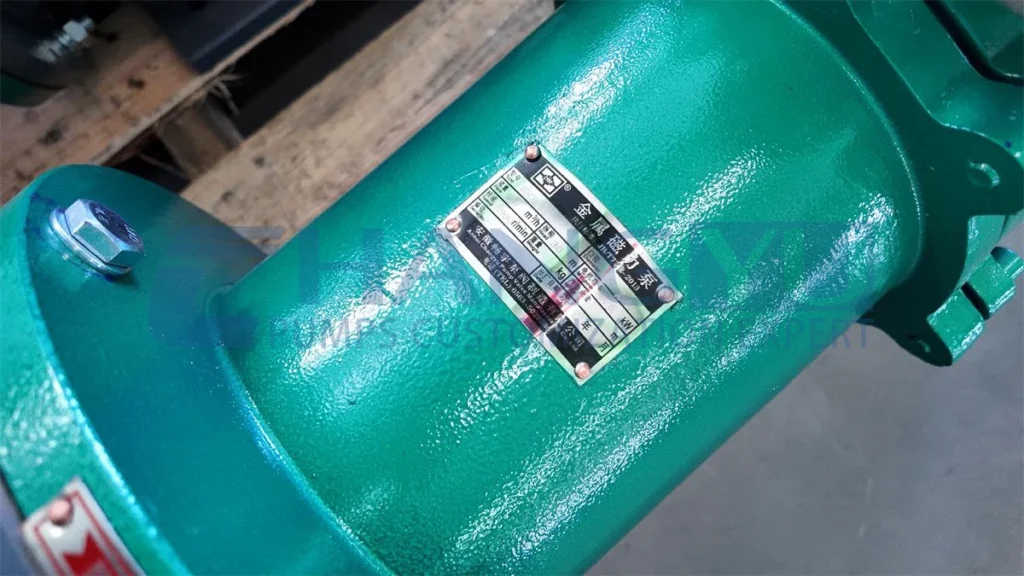
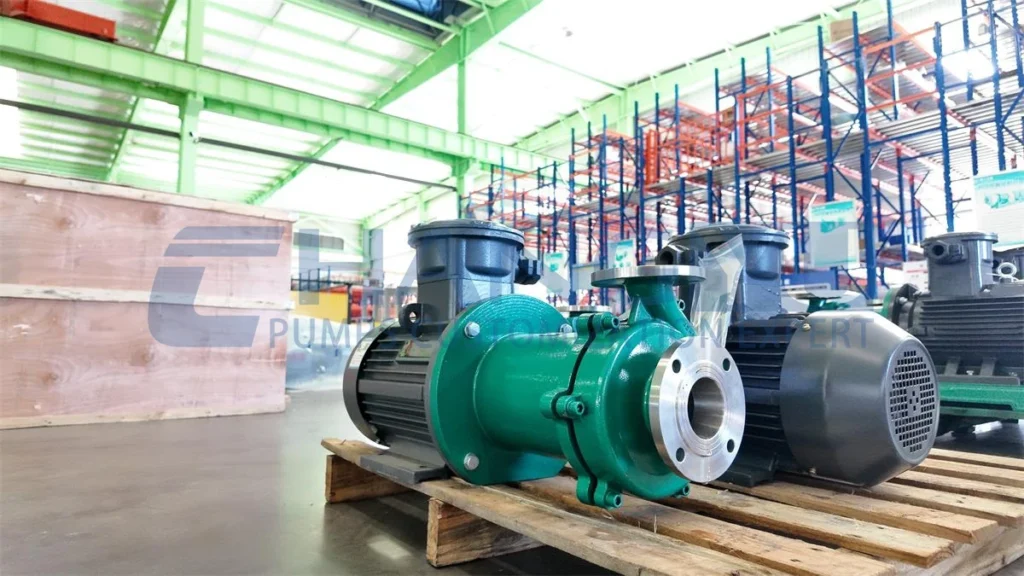
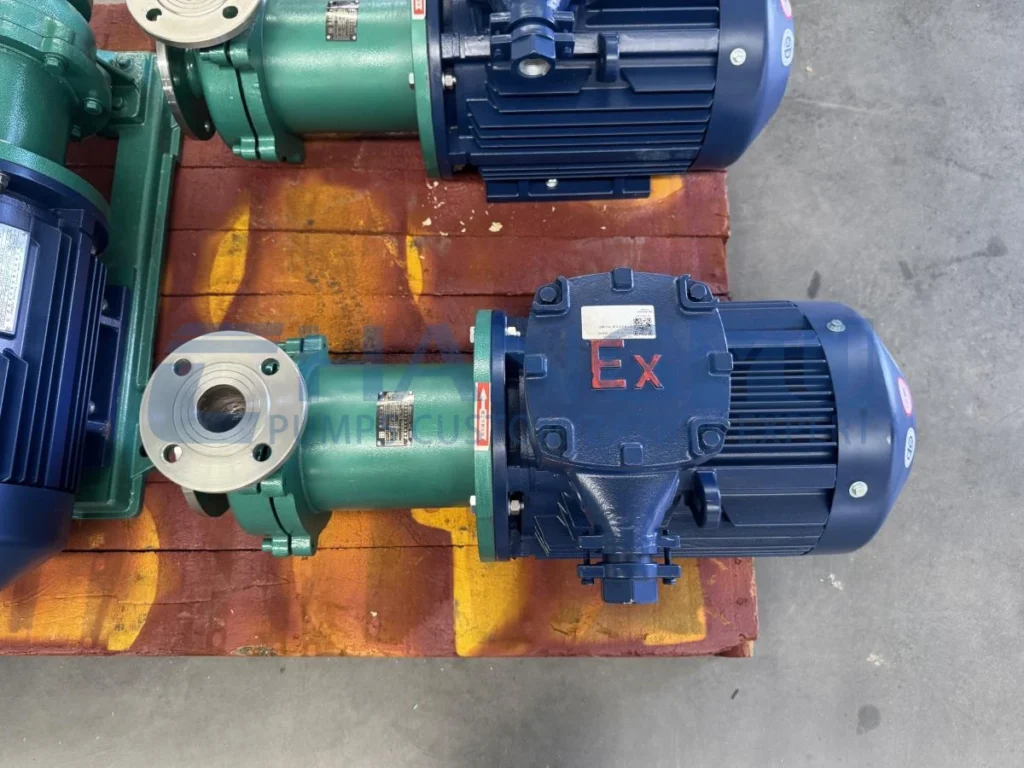
Requisitos de funcionamento e arranque da bomba de acionamento magnético
Requisitos de inspeção antes do arranque
- Antes do arranque, o veio da bomba deve rodar suavemente com a mão. Se for encontrada alguma resistência, a causa deve ser identificada e eliminada imediatamente. O arranque forçado é estritamente proibido.
- Quando a posição de instalação da bomba está abaixo do nível do líquido, a válvula de sucção deve ser aberta antes do arranque para encher completamente a câmara da bomba com líquido.
- Quando a posição de instalação da bomba estiver acima do nível do líquido, a bomba deve ser escorvada ou deve ser aplicado vácuo de escape antes do arranque. O funcionamento a seco é estritamente proibido.
Requisitos de arranque e funcionamento
- Feche a válvula de saída durante o arranque e faça funcionar o motor para confirmar que o sentido de rotação corresponde à seta no corpo da bomba. A rotação inversa é estritamente proibida.
- Após o arranque, abra lentamente a válvula de saída para permitir que a bomba entre gradualmente em condições normais de funcionamento.
- Quando a válvula de saída está fechada, o funcionamento contínuo da bomba não deve exceder 1 minuto.
Condição de funcionamento anormal Requisitos de manuseamento
- Se o caudal e a altura manométrica da bomba não atingirem os valores nominais à medida que a velocidade do motor aumenta, a bomba deve ser parada imediatamente.
- Reprepare e esgote a bomba para garantir que o corpo da bomba e a tubagem de aspiração estão completamente cheios de líquido antes de voltar a arrancar.
- Só quando o motor atinge a velocidade nominal e o caudal e a altura manométrica da bomba entram na gama de funcionamento prevista é que se pode considerar que a bomba está a funcionar normalmente.





Conclusão
A análise acima utiliza um caso de transporte de isopentano para explicar sistematicamente as causas e soluções das falhas da bomba de acionamento magnético.
Se tiver questões técnicas ou planos de aquisição de novas bombas, é bem-vindo a contactar-nos. A nossa equipa de profissionais pode ajudá-lo a resolver qualquer problema relacionado com a bombagem.
Correio eletrónico: [email protected]
Telefone: +86-13651913727