Pumps for the Chlor Alkali Industry
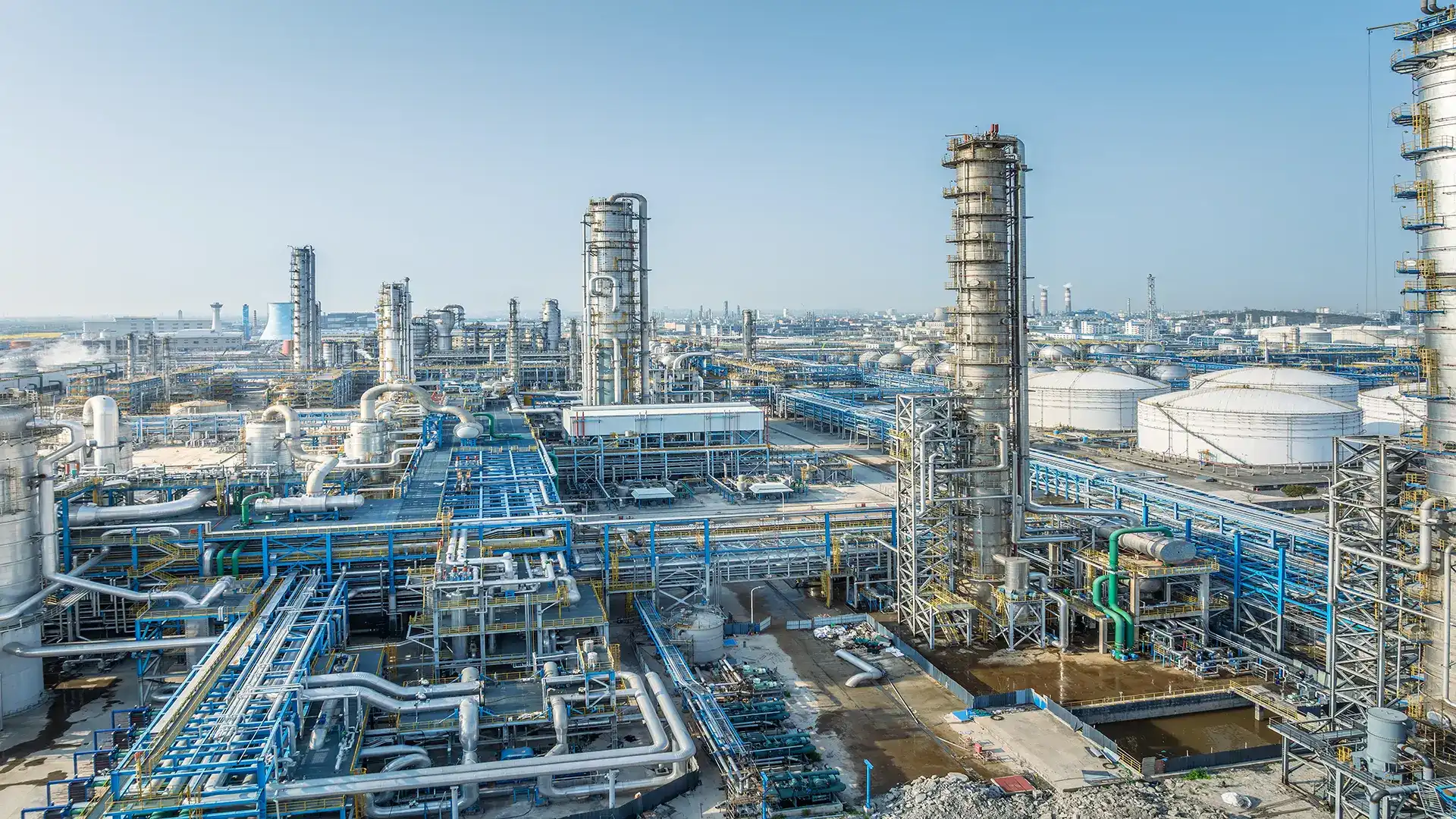
The chlor alkali industry uses electrolysis to produce chlorine, caustic soda, and hydrogen from purified brine. Pumping systems are involved throughout brine preparation, chemical treatment, product processing, and wastewater handling. Depending on the process, pumps may handle chloride-rich brine, hydrochloric acid, caustic soda, sodium hypochlorite, chlorinated liquids, and corrosive wastewater.
These applications require careful consideration of chemical compatibility, temperature, concentration, solids content, leakage control, flow rate, and head. Changyu provides corrosion-resistant pump solutions for different chlor alkali process duties, with pump configuration and wetted materials selected according to the actual operating conditions.
Chlor Alkali Industry Pumping Applications
Different sections of a chlor alkali plant handle very different fluids. Saturated brine containing salt mud, circulating electrolyte, high-temperature caustic soda with salt crystals, sodium hypochlorite, and hydrochloric acid all place different demands on the pump.
For this reason, Changyu selects pumps according to the actual process duty, not simply according to the chemical name. Solids content, temperature, chloride concentration, crystallization, leakage requirements, and the installation position of the pump all affect the final selection.
Changyu’s chlor alkali pump solutions cover key process sections including:
Brine Purification / Electrolysis / Caustic Soda Evaporation and Concentration / Chlorine Gas and Hypochlorite Handling / Hydrochloric Acid Synthesis
Brine Purification
Application:
Brine purification is one of the first stages of pumping in chlor alkali production. Saturated brine may contain a certain amount of salt mud and other suspended impurities before and during purification. The pump therefore needs to cope with both corrosion and particle wear rather than treating the liquid as a clean chemical solution.
For brine containing suspended salt mud, the UHB Series corrosion-resistant slurry pump is a suitable option. The UHB series can handle corrosive slurry with solids content of less than 45%, making it more appropriate for this type of mixed liquid-solid service than a conventional clean-liquid chemical pump.
Recommended Pumps
Main selection factors:
- Wear resistance
- Saturated brine concentration
- Salt mud and suspended solids
- Solids content
- Flow rate and head
- Chloride corrosion
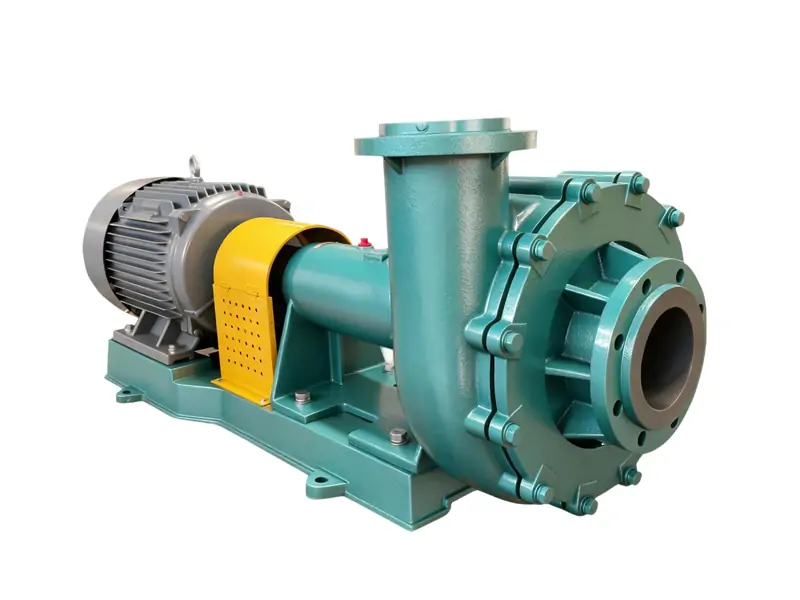
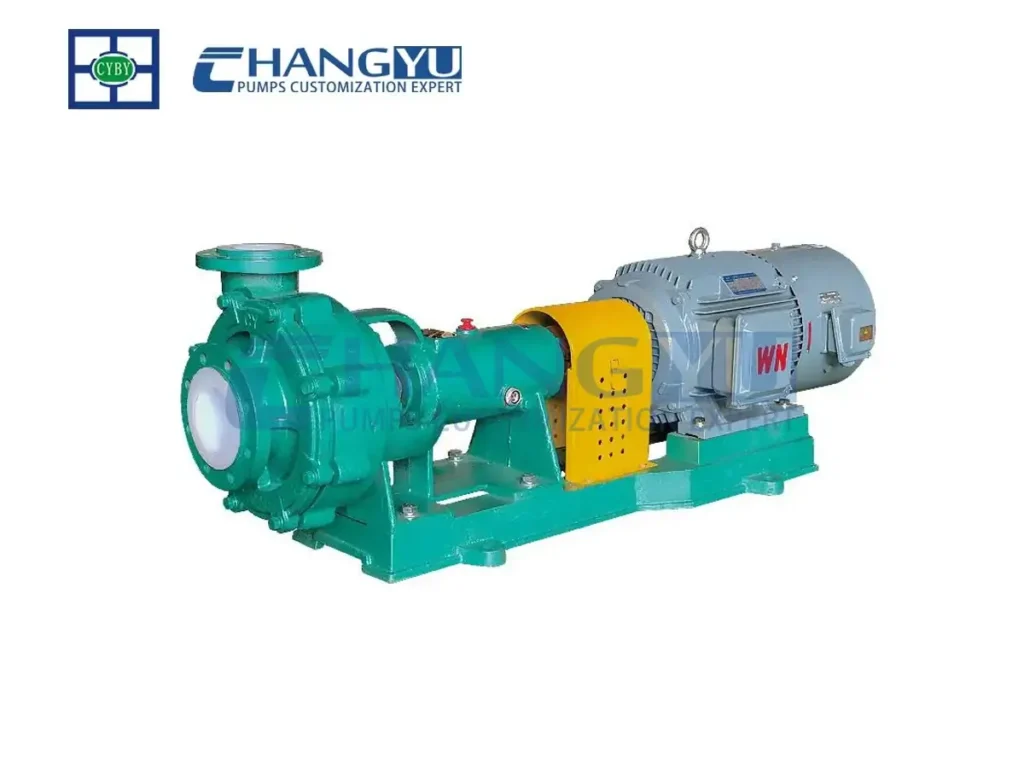
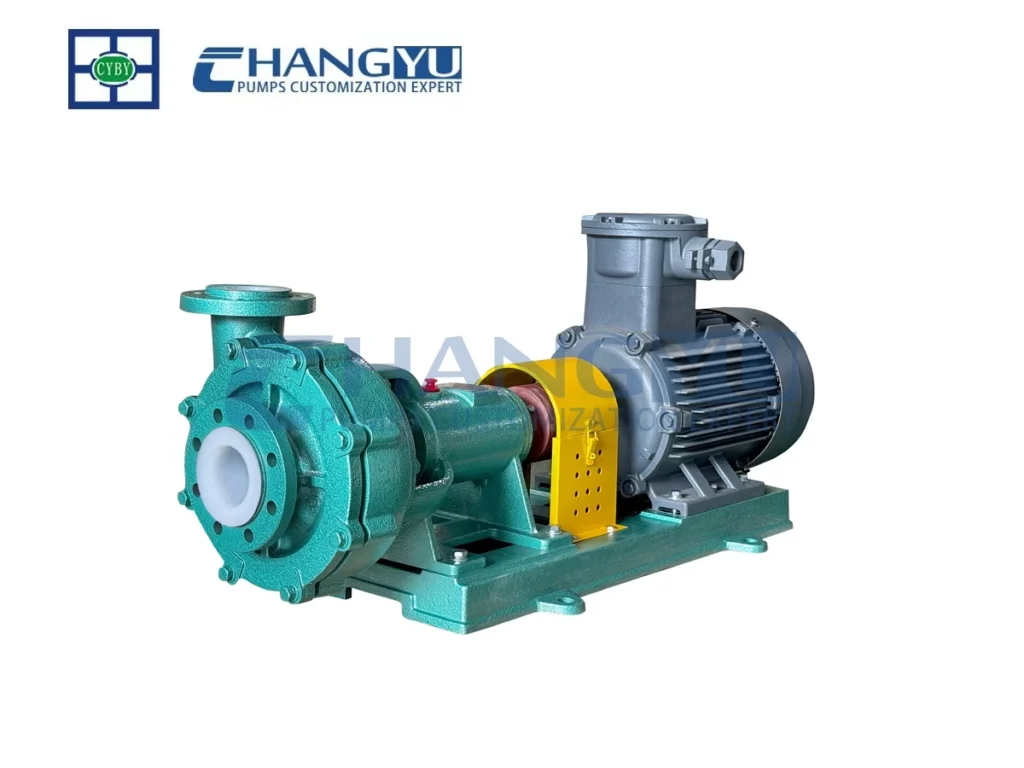
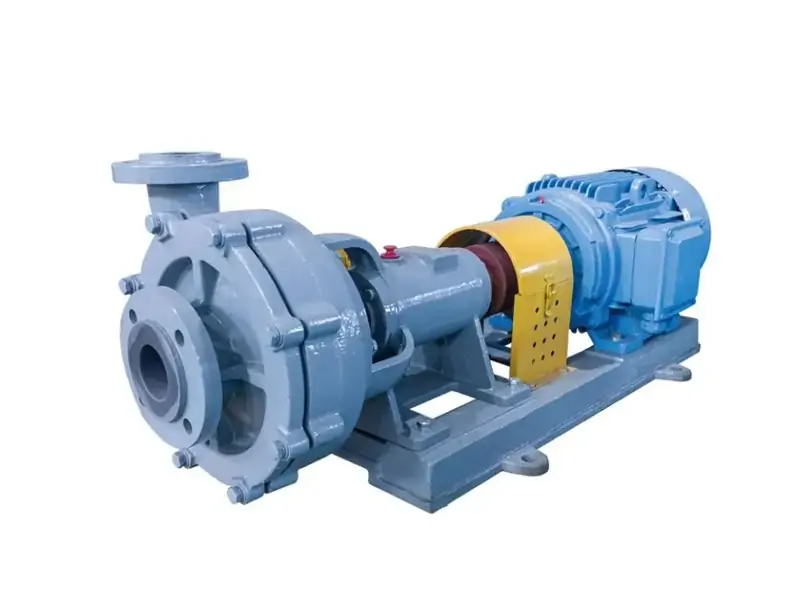
UHB Series Industrial Slurry Pumps
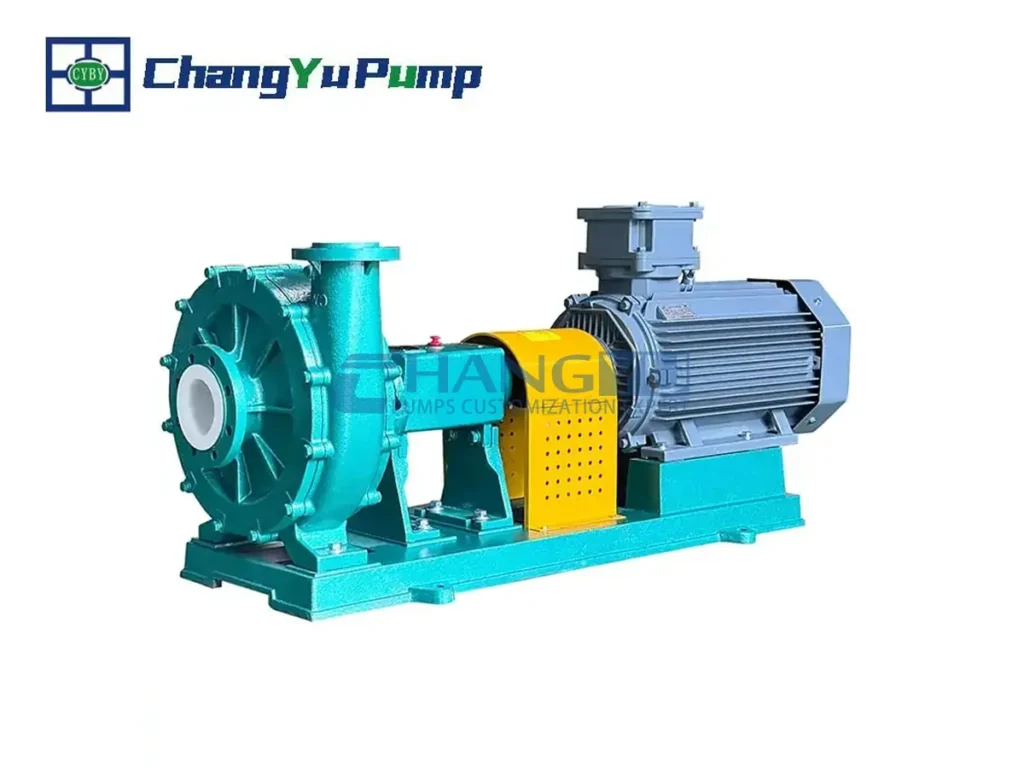
UHB Series UHMWPE Corrosion Resistant Pump
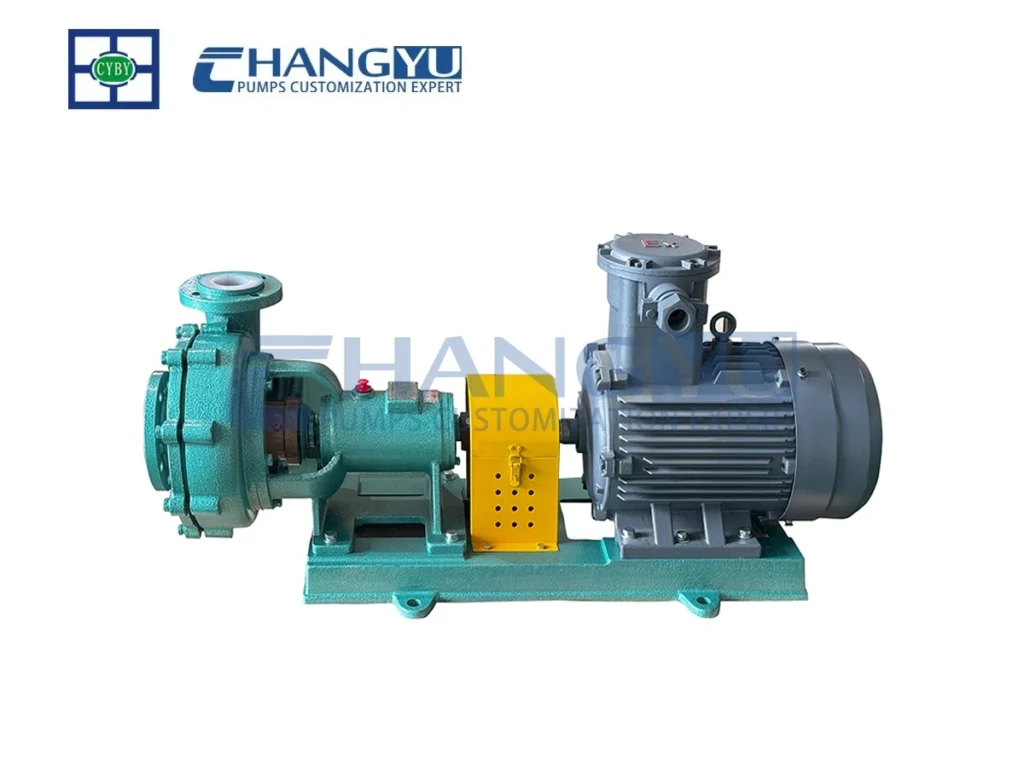
UHB Series Abrasive Slurry Pump
Electrolysis
Application:
The electrolysis section handles anolyte and catholyte containing chloride ions and, depending on the process location, free chlorine. Leakage control becomes particularly important when transferring aggressive electrolyte.
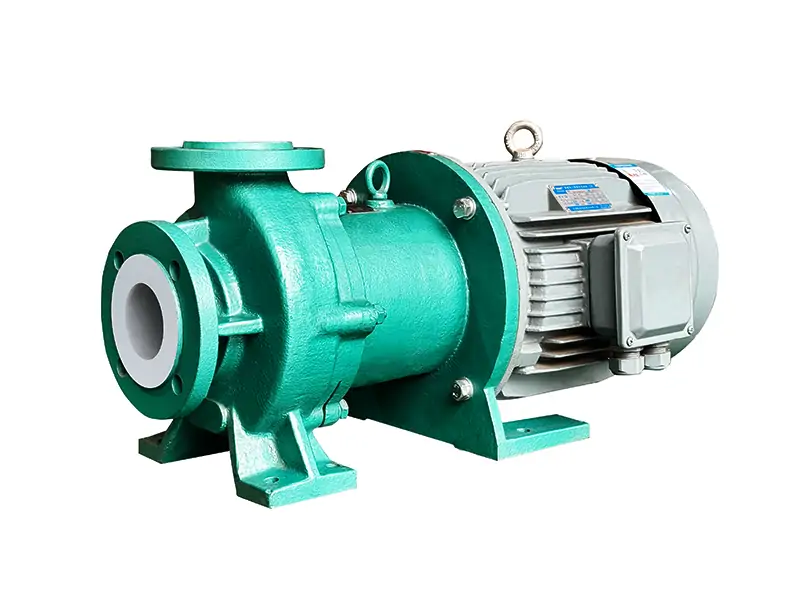
For these duties, a magnetic-drive pump can be considered where zero-leakage or reduced leakage is required. The final pump selection should be based on the electrolyte composition, temperature, flow, head, and material compatibility.
Recommended Pumps:
Main selection factors:
- Chloride concentration
- Free chlorine content
- Temperature
- Leakage requirements
- Flow rate and head
- Wetted material compatibility
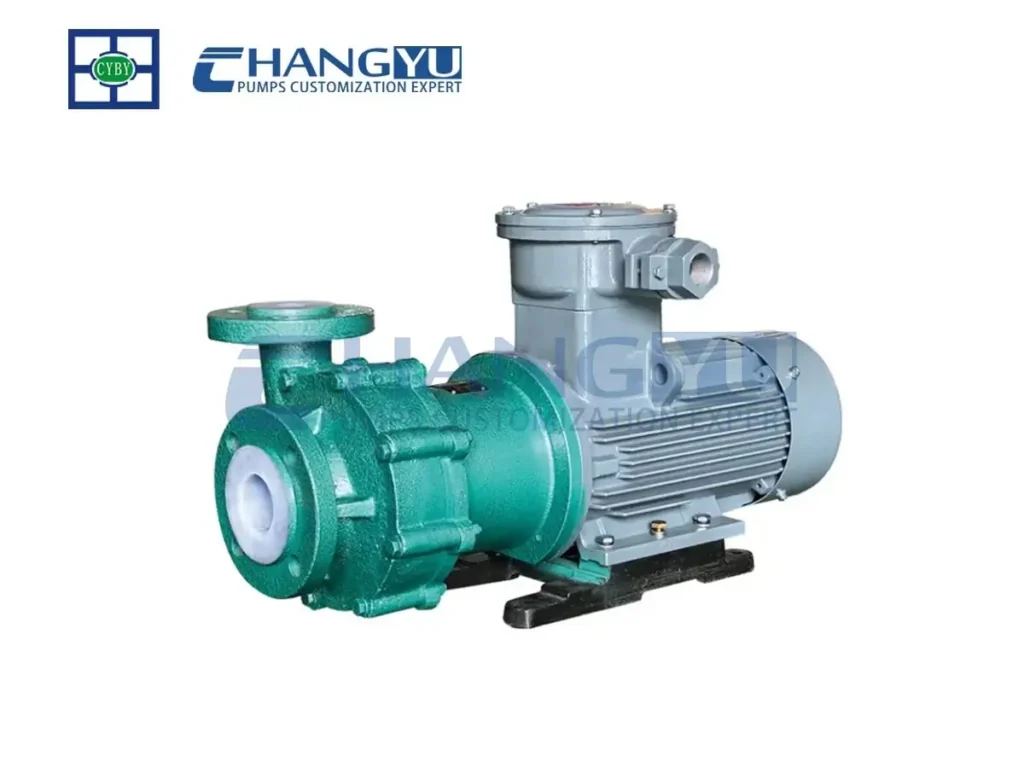
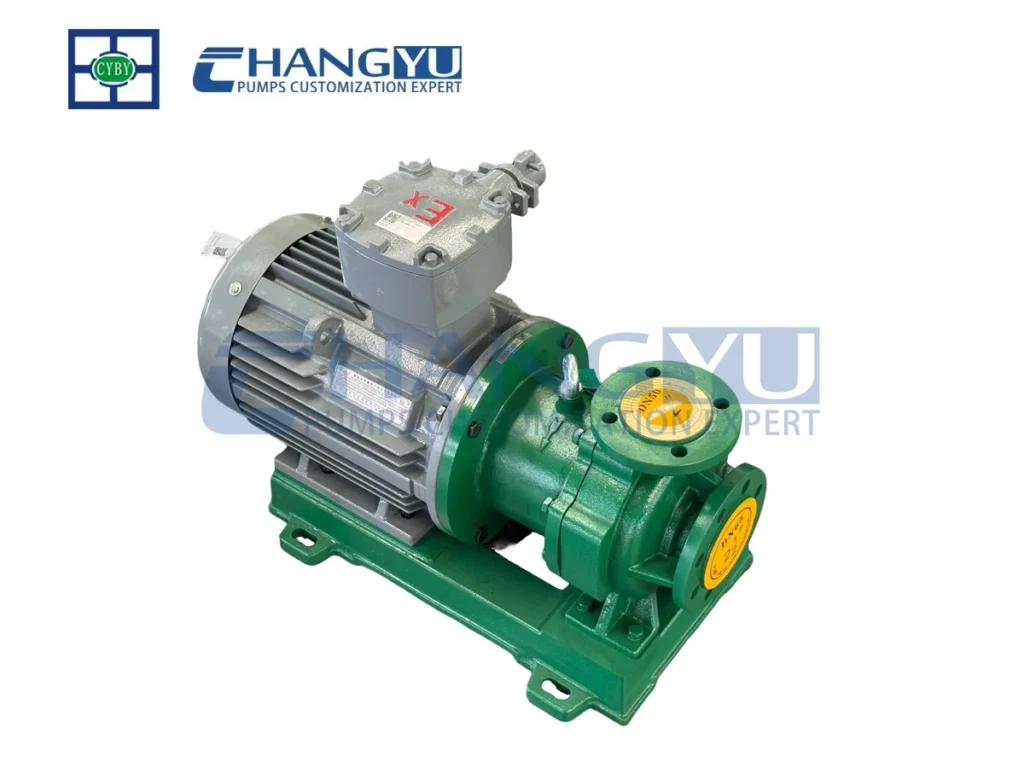
CYQ Series sulfuric acid transfer pump
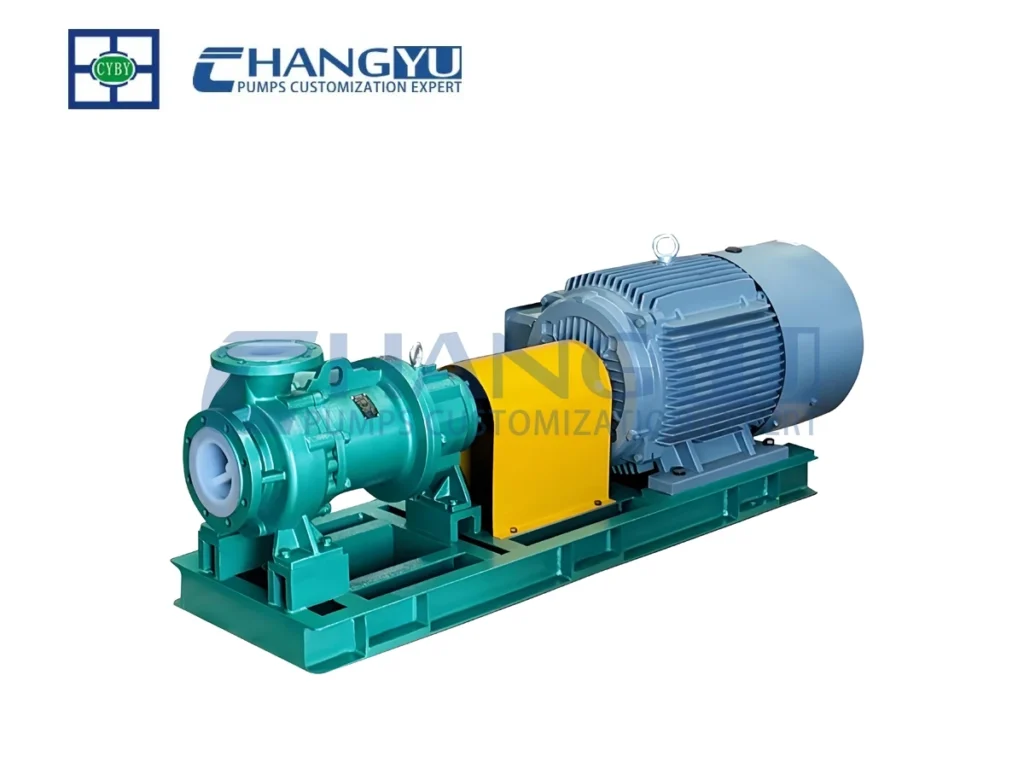
Magnetic Drive Chemical Pump | CYQ PTFE Lined Acid Transfer Pump
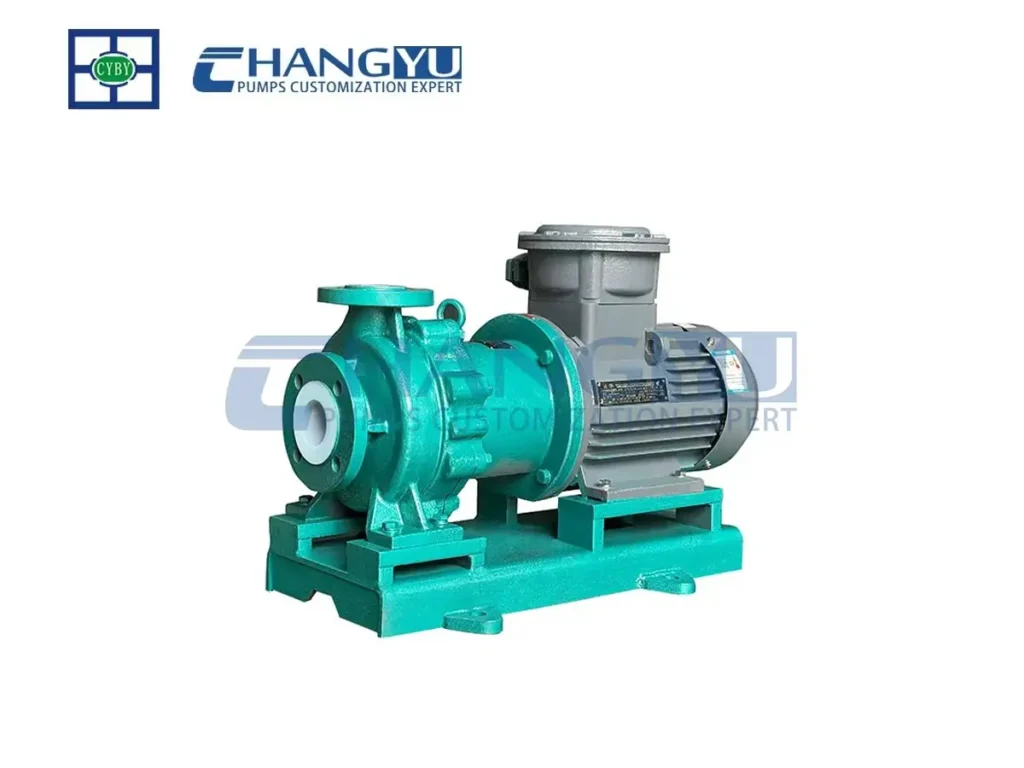
Magnetic Drive Centrifugal Pump – CYQ Series
Caustic Soda Evaporation and Concentration
Application:
The caustic soda concentration section presents a different pumping challenge. The liquid can be hot and may contain NaCl crystals, so the pump must withstand both elevated temperature and potential crystallization or solids-related wear.
For high-temperature caustic soda circulation, Changyu recommends the CYG Series High Temperature Chemical Pump, with a working temperature of up to 150°C according to the pump configuration.
This application is different from ordinary caustic soda transfer. The pump is selected not only for NaOH compatibility, but also for the temperature and salt-crystal conditions in the circulation system.
Recommended Pumps:
Main selection factors:
- NaOH concentration
- Operating temperature
- NaCl crystal content
- Circulation flow
- Required head
- Material compatibility
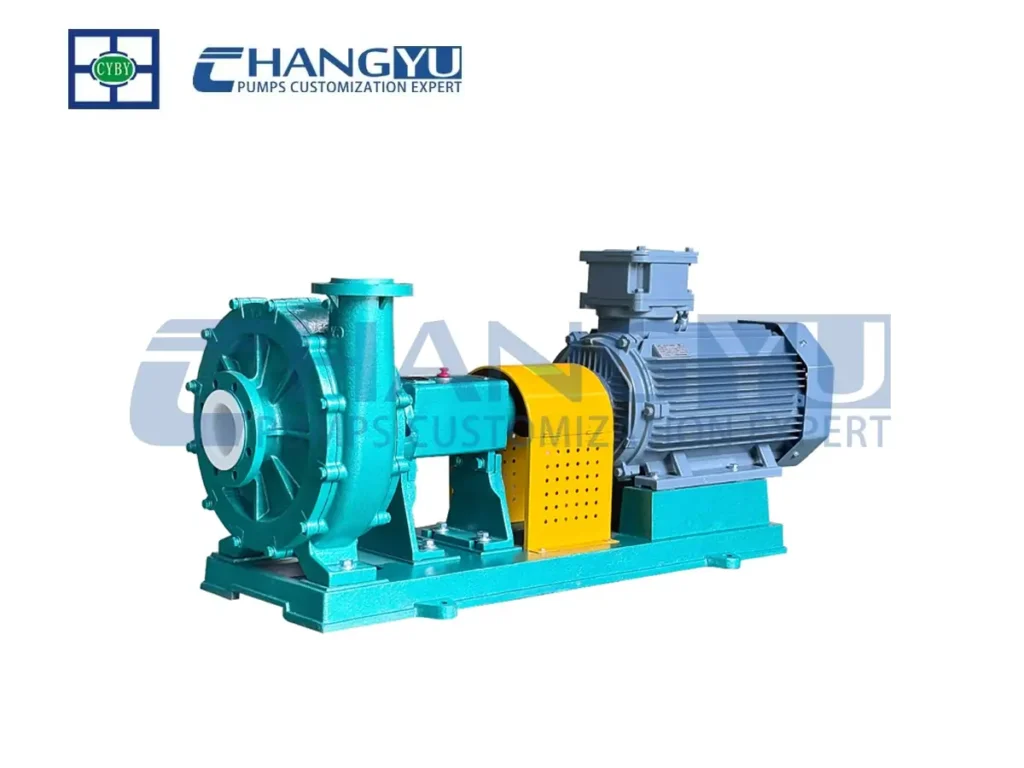
CYG Series High Temperature Chemical Pump
Chlorine Gas and Hypochlorite Handling
Application:
Chlorine handling involves conditions that differ from ordinary liquid chemical transfer. Wet chlorine and sodium hypochlorite require materials with good resistance to chlorine-containing and oxidizing media.
For sodium hypochlorite liquid handling, the FYH Series fluoroplastic submerged pump can be considered.
Recommended Pumps:
Main selection factors:
- Wet chlorine or hypochlorite concentration
- Oxidizing conditions
- Temperature
- Installation depth
- Corrosion resistance
- Gas-liquid conditions
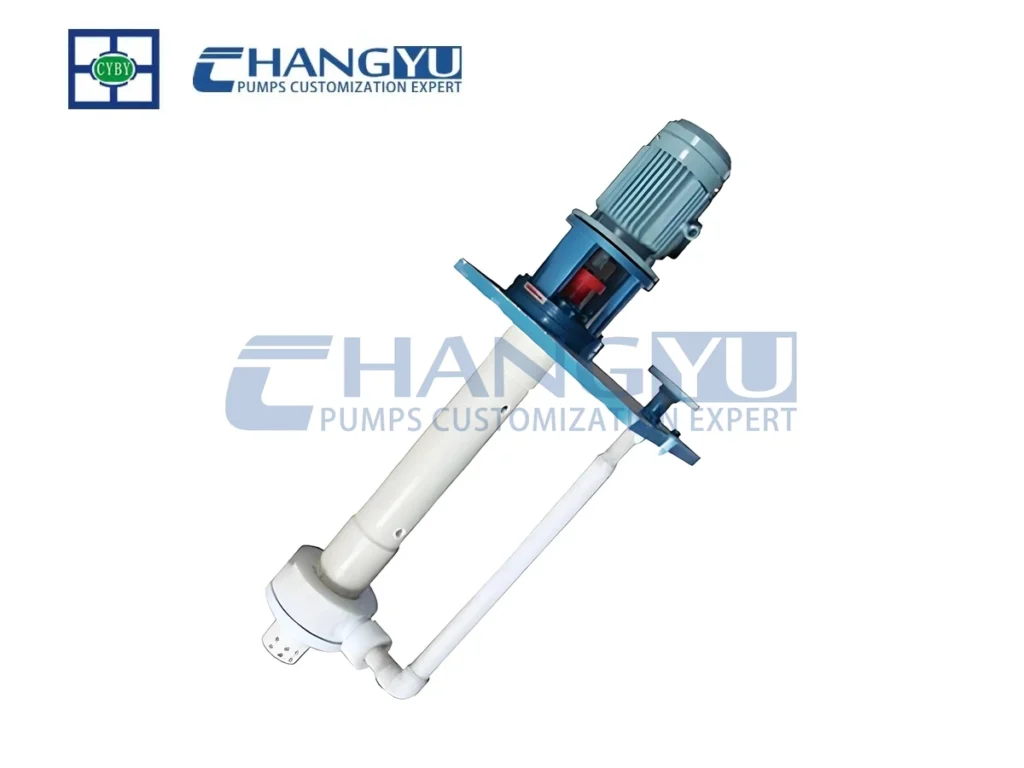
FYH Series Fluoroplastic Semi-submersible Pump: High-Efficiency Corrosion Resistant Chemical Pump
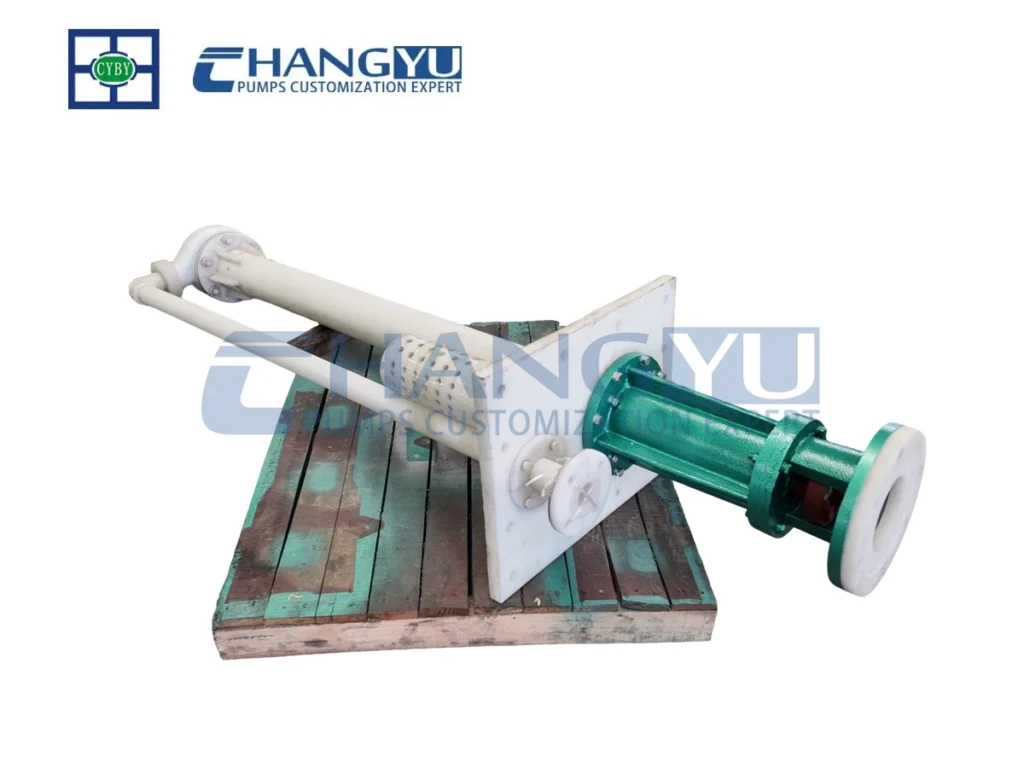
FYH Series Chemical Resistant Submersible Pump
Hydrochloric Acid Synthesis
Application:
Hydrochloric acid synthesis and handling require pumps that can withstand hydrochloric acid and associated chloride-rich conditions. Conventional metal pump materials may not provide sufficient corrosion resistance for these duties.
For hydrochloric acid transfer, a fluoroplastic-lined centrifugal pump is a suitable configuration where the process requires high corrosion resistance.
Recommended Pumps:
Main selection factors:
- Hydrochloric acid concentration
- Temperature
- Flow rate
- Head
- Corrosion resistance
- Lining and seal compatibility
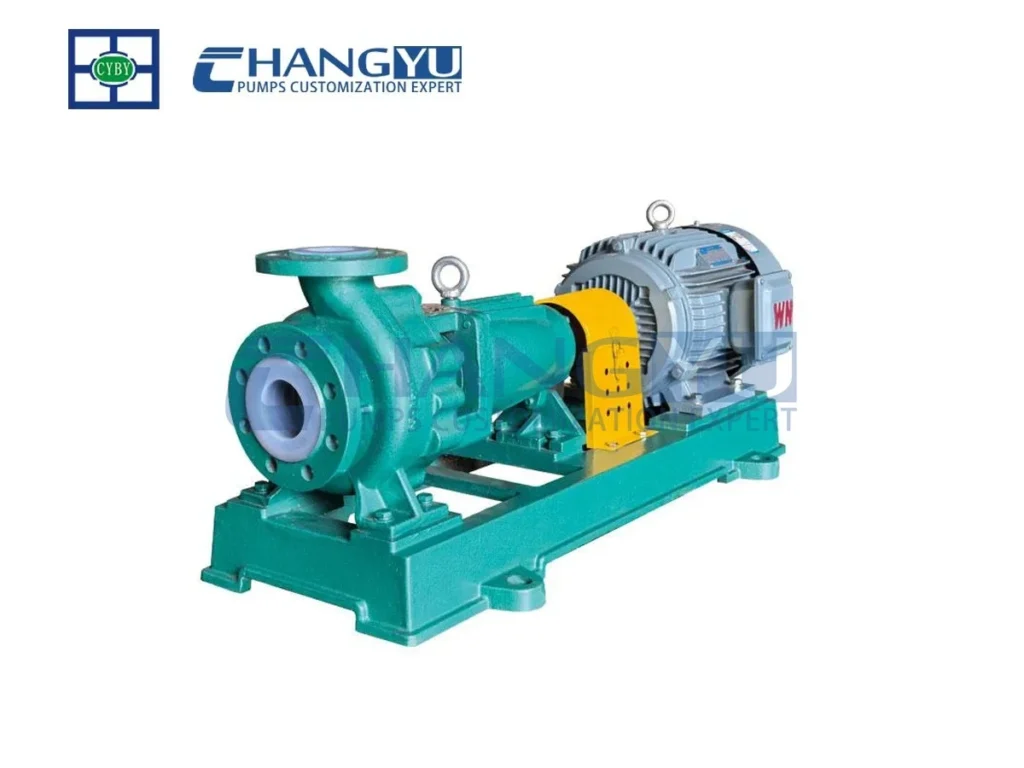
CYF Series Fluoroplastic Centrifugal Pump
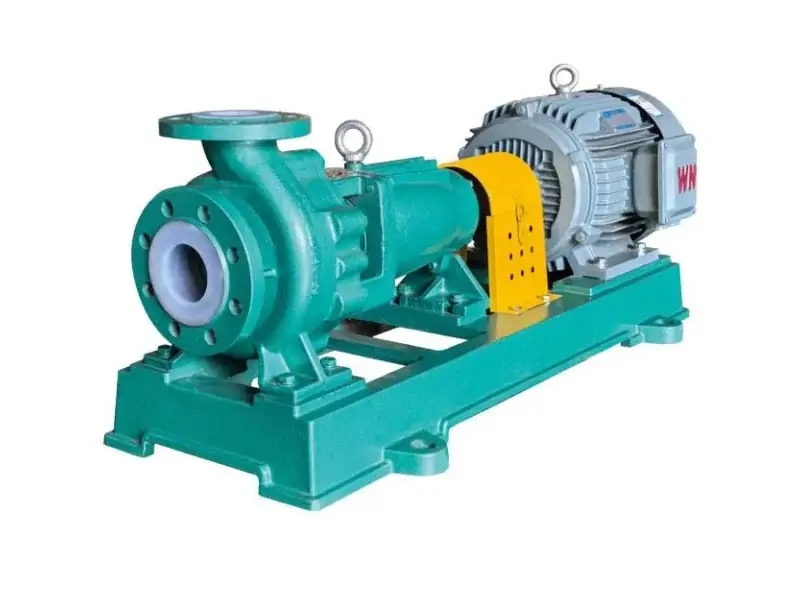
CYF Series Hydrochloric Acid Centrifugal Transfer Pump

CYF Series Acid Transfer Chemical Centrifugal Pump
How to Select a Pump for the Chlor Alkali Industry
The chemical name alone is not enough to determine the correct pump. Two pumps handling the same chemical can have completely different requirements when concentration, temperature, solids content, or installation conditions change.
- The concentration of brine, NaOH, HCl, or sodium hypochlorite affects material compatibility and should be confirmed before selecting the pump.
- Temperature is particularly important for concentrated caustic soda and evaporation processes. Higher operating temperatures can change material performance and pump operating conditions.
- Salt mud and NaCl crystals introduce a wear component that does not exist in clean chemical liquid transfer. Pump construction and hydraulic design should therefore be considered together with corrosion resistance. For aggressive electrolyte and other hazardous chemical liquids, leakage control can influence the pump configuration. Magnetic drive pumps can be considered where this requirement is significant.
- Some applications require a submerged pump rather than a conventional horizontal centrifugal configuration. Sodium hypochlorite handling is one example where installation conditions can affect the appropriate pump design.
- The required flow rate and head determine the hydraulic performance needed from the pump.
These parameters should be confirmed together with the chemical and temperature conditions before final selection.
Pump Selection by Chlor Alkali Process
| Chlor Alkali Process | Pumped Medium | Main Pumping Challenge | Recommended Pump |
|---|---|---|---|
| Brine Purification | Saturated brine + salt mud | Corrosion + suspended solids + wear | UHB Series |
| Electrolysis | Anolyte/catholyte | Chloride + free chlorine + leakage control | Magnetic Drive Pump / CYQ Series |
| Caustic Soda Evaporation | Hot concentrated NaOH + NaCl crystals | High temperature + crystallization | CYG Series |
| Chlorine & Hypochlorite Handling | Wet chlorine/sodium hypochlorite | Oxidation + chloride corrosion | FYH Series |
| Hydrochloric Acid Synthesis | Hydrochloric acid / HCl | Strong chemical corrosion | Fluoroplastic-Lined Pump / CYF Series |
Note: The pump should be selected according to the actual process conditions rather than assigning the same pump type to every chlor alkali application.
If you’re not sure how to choose, please contact our team, and we’ll get back to you within 24 hours.
FAQ
Contact Us
Flexible, Efficient, and Fully Customized Pumping Solutions.
Looking for the perfect pumping solution for your specific needs? Our expert team provides customized centrifugal pump solutions tailored to your fluids, operating conditions, and project requirements. Get a personalized consultation and quote today!
Send Your Inquiry Now
Recommended Chlor Alkali Industry Pumps
Below are selected pump models for chlor alkali production and related chemical transfer duties. Each pump is suited to different process conditions, such as corrosive brine containing solids, high-temperature caustic soda, sodium hypochlorite, electrolyte, and hydrochloric acid. The final pump selection depends on the medium, concentration, temperature, solids content, flow rate, head, installation conditions, and leakage requirements. If you are not sure which pump is suitable for your process, contact us now.