Boiler Feed Pump Calculation: Flow, Head, NPSH and Power (Worked Example)
A worked guide to boiler feed pump flow, head, power and NPSH calculations, with pump selection considerations.

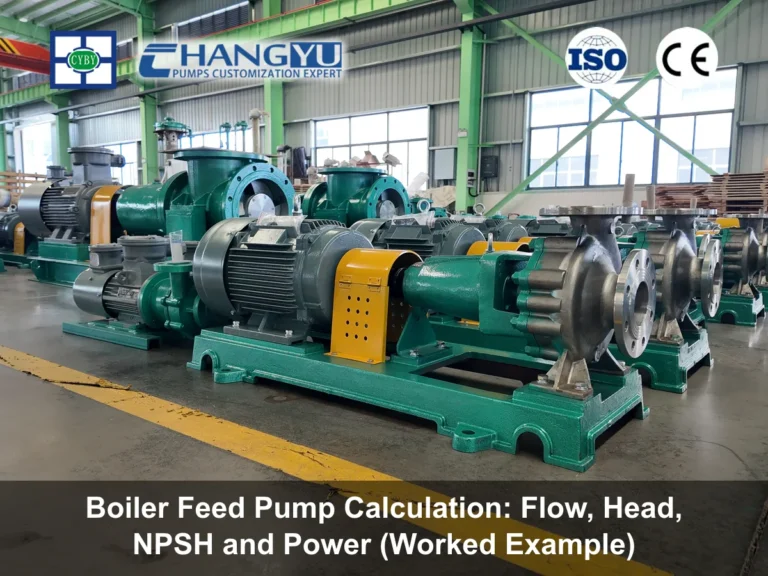
A worked guide to boiler feed pump flow, head, power and NPSH calculations, with pump selection considerations.
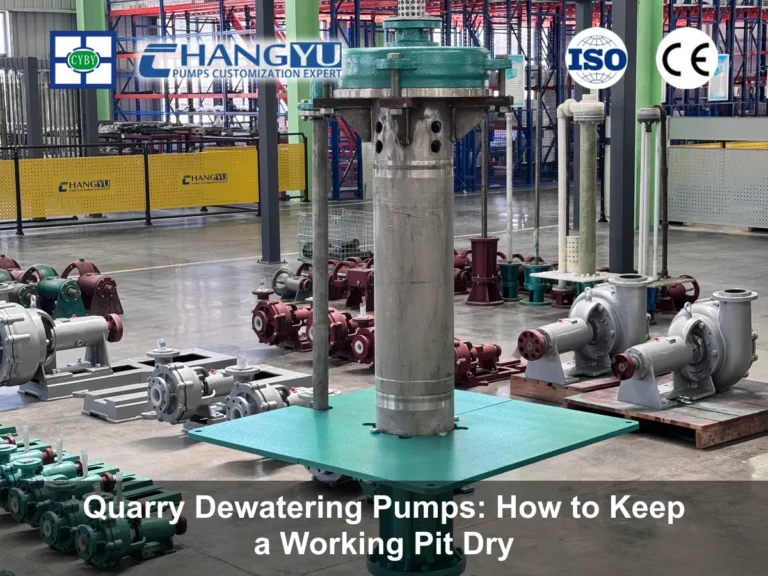
A practical guide to quarry dewatering pumps, covering sump design, flow and head, pump selection, abrasive water and storm response.

A practical guide to selecting metallurgy slurry pumps for smelter slag, scale and metal oxide: materials, temperature limits, sizing and maintenance.

Compare dry-mounted inline, submersible and vertical immersed sump arrangements. Check flow, head, priming, NPSH and materials with Chuangyu Pump.

Our boiler feed water pump selection checklist covers duty flow, head, hot-water NPSH, materials, seals and controls. Review your duty with Chuangyu Pump.

Specify an aqueous ammonia pump using concentration, temperature, compatible materials, seal options and NPSH. Review your transfer duty with Chuangyu Pump.
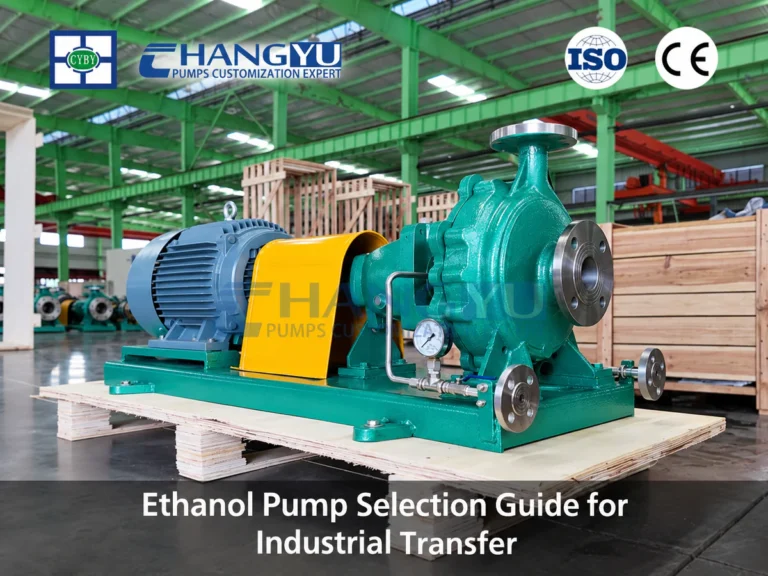
Select an ethanol pump for industrial transfer by checking liquid composition, seal compatibility, suction conditions and hazardous area requirements. Compare pump options and prepare your duty data for Changyu Pump engineers.
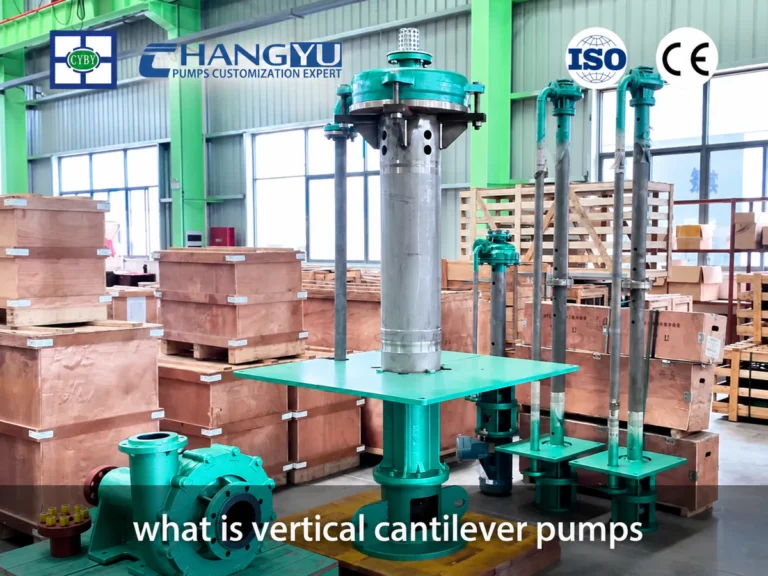
Understand how vertical cantilever pumps work, where they fit and what limits their selection. Compare vertical pump designs, explore Changyupump immersed pump options and review PDF resources before discussing your application.
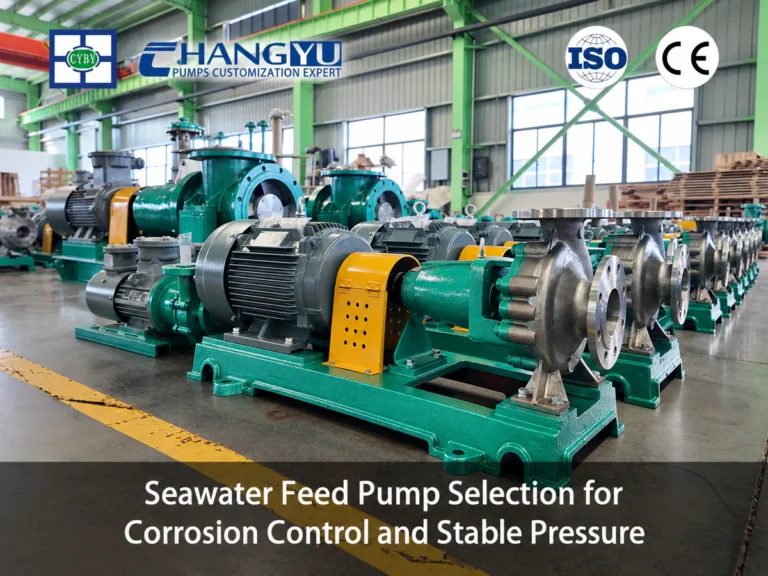
How can you select a seawater feed pump to address corrosion, insufficient supply pressure and inlet cavitation risks? We start with system position, flow and head, and wetted materials to distinguish seawater supply from high-pressure feed upstream of SWRO membranes. We explain the conditions for comparing changyupump CYH, CQZ and CYC, and provide PDF resources and a checklist of quotation parameters.
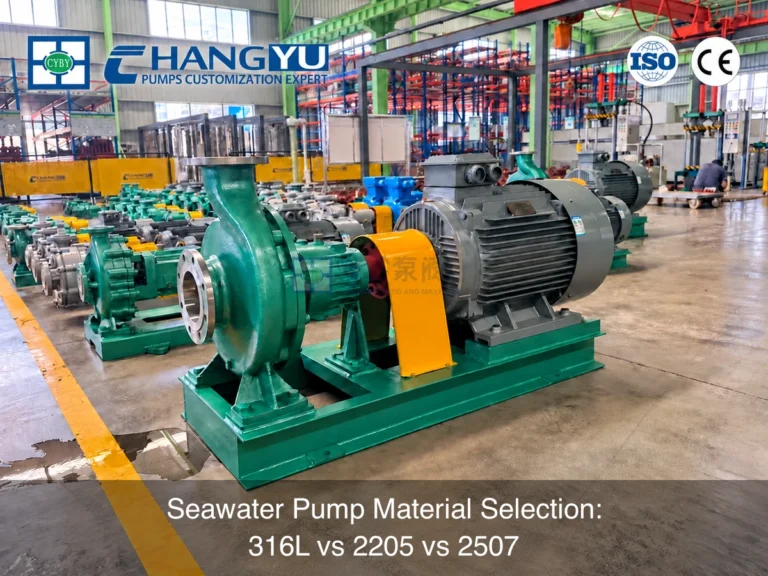
Recurring corrosion or uncertain alloy choices can make seawater pumping costly. We compare 316L, 2205 and 2507, explain the operating conditions that change the decision, and connect material selection to CYH, CQZ and CYC pump configurations.
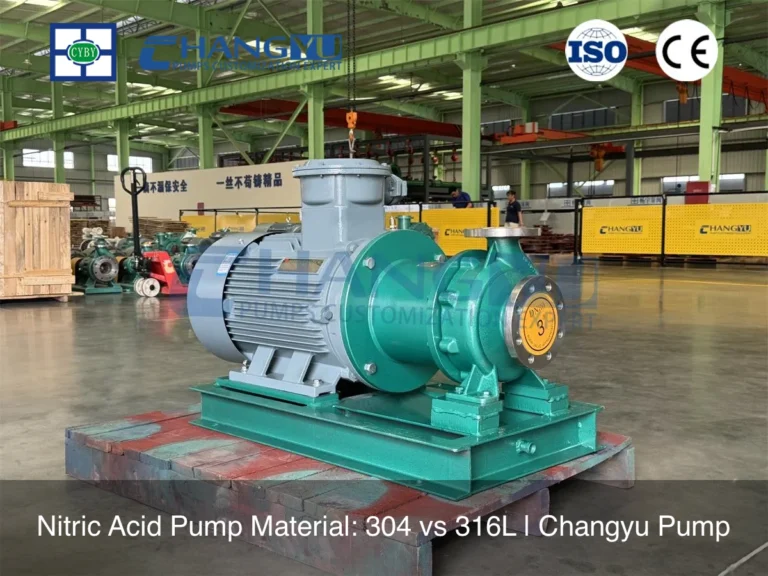
Unsure whether 304 or 316L suits your nitric acid service? The wrong material can lead to corrosion, leaks and unplanned downtime. Explore how concentration, temperature and impurities affect nitric acid pump material selection, and compare Changyu metal pumps for your process.
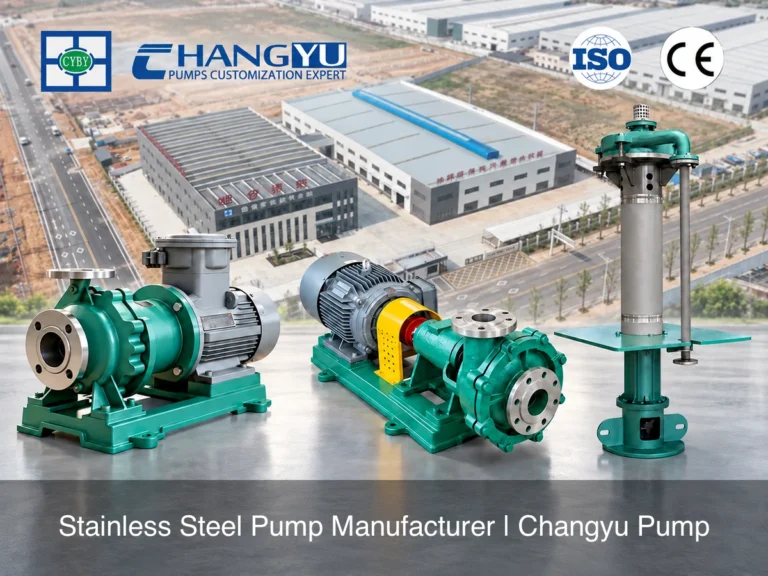
Corrosion, leakage and abrasive solids call for more than a material change. Compare Changyu pump series, key specifications and selection conditions, then review our manufacturing, inspection and global supply support before submitting your duty.
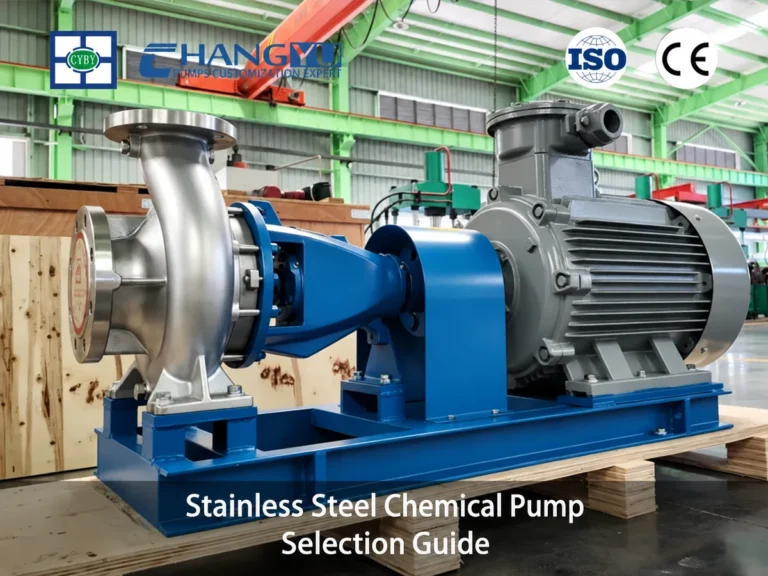
Our stainless steel chemical pump selection guide connects liquid properties, wetted materials, sealing, performance curves and inlet conditions. Use Changyu series comparisons and published projects to prepare a clearer specification for your process.
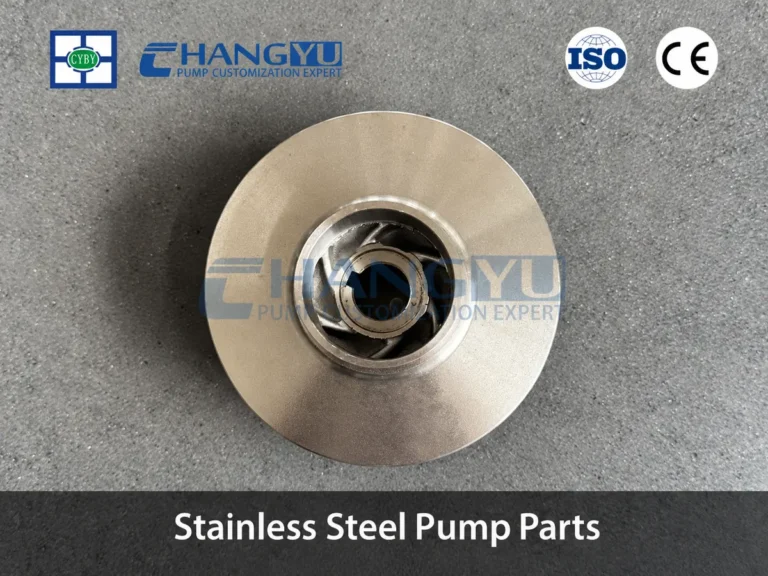
We explain stainless steel pump parts by function and liquid contact, including impellers, shafts, mechanical seals and magnetic-drive components. Learn which drawings, materials and operating details help identify a suitable replacement without assuming universal interchangeability.
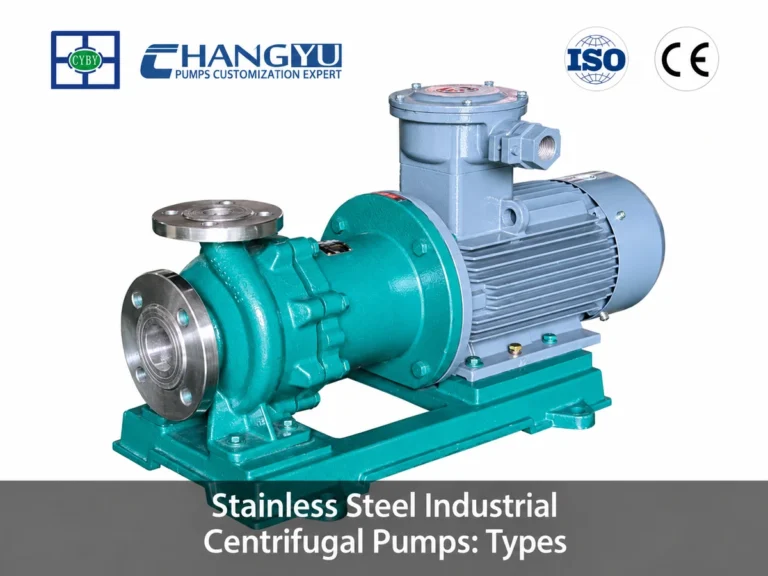
Our guide to stainless steel industrial centrifugal pumps explains how mechanically sealed, magnetic-drive, self-priming, vertical immersed and slurry configurations differ. Compare Changyu series, installation needs and published applications before narrowing your choice.
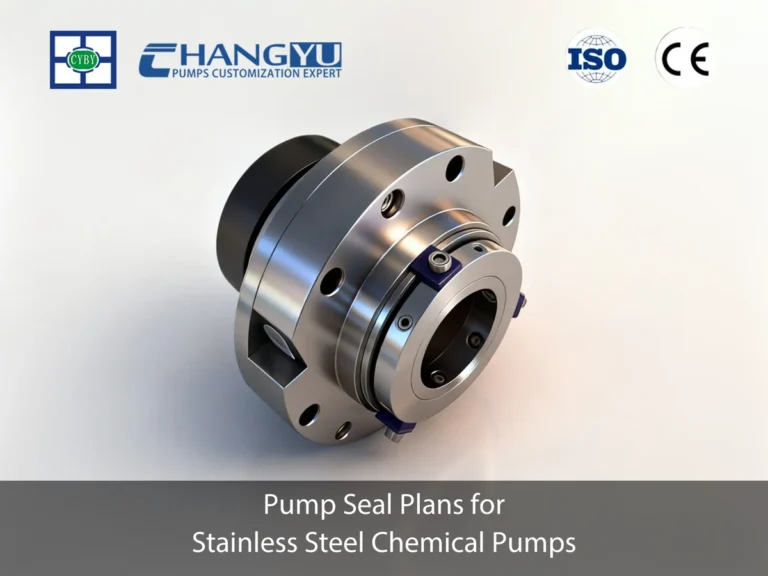
Choose pump seal plans for stainless steel chemical pumps. Compare flow paths, check material compatibility and prepare a clearer supplier enquiry.
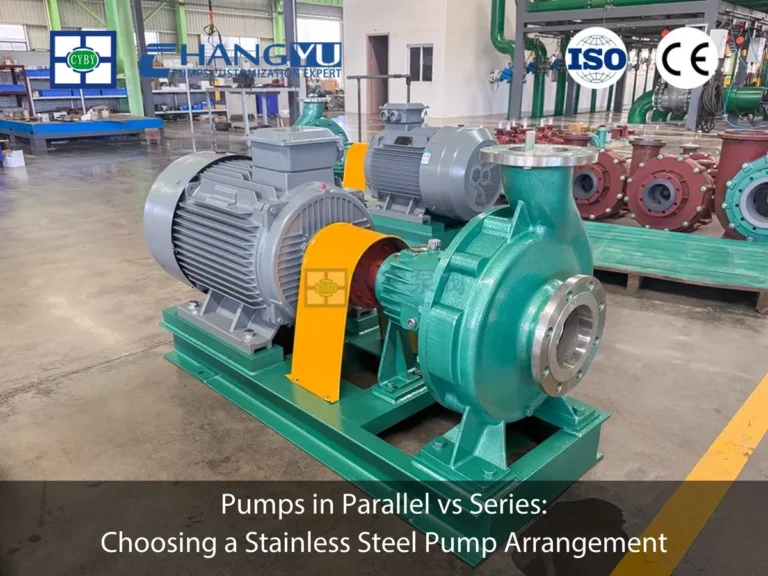
Choosing pumps in parallel vs series? Compare pipe resistance, inlet pressure and one-pump shutdown, with worked examples and a two-pump quotation checklist.
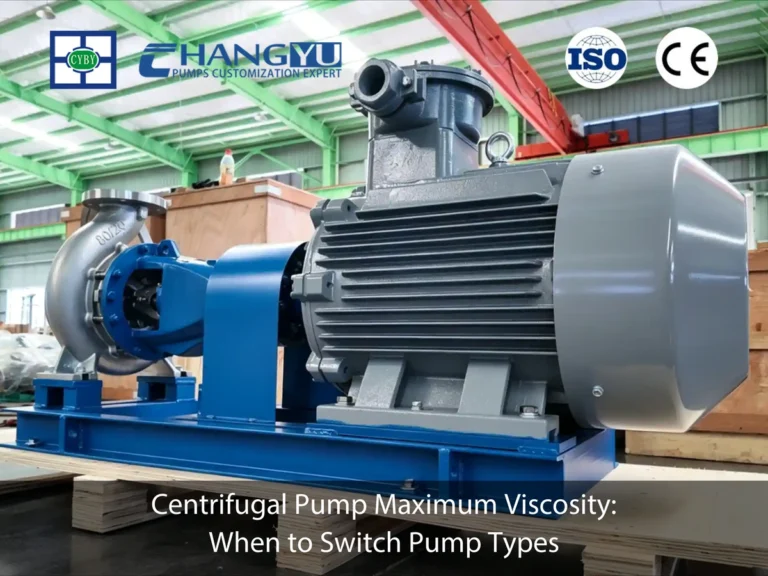
Centrifugal pump maximum viscosity has no fixed limit. Compare corrected performance, startup and suction conditions before keeping or replacing your pump.
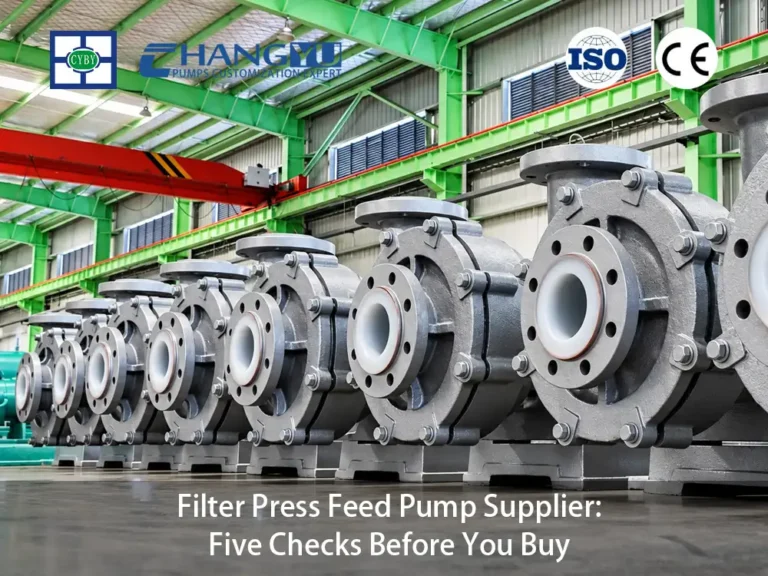
Use five engineering and quotation checks to compare filter press feed pump suppliers. Request full-cycle performance, material and seal details, suction requirements, and verifiable case evidence.
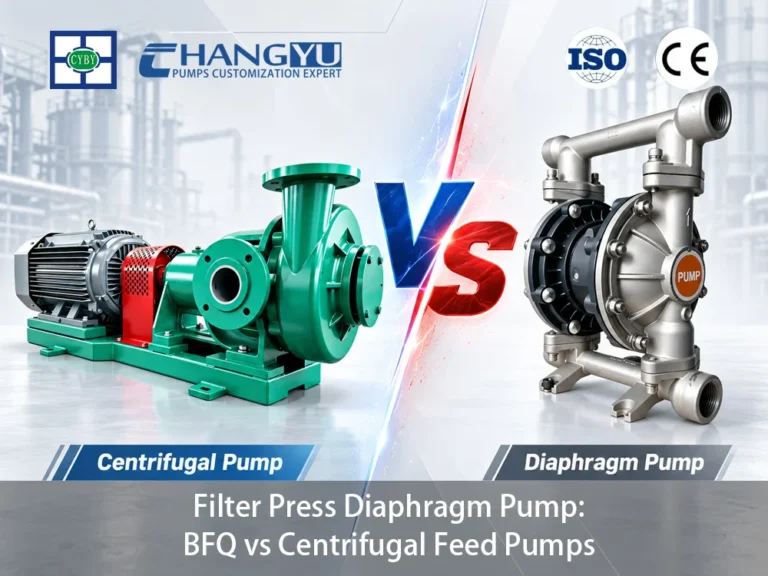
Compare the BFQ air-operated double-diaphragm pump with UHFM-HJ and UHB centrifugal pumps using the same filter press cycle, slurry, pressure, and available air supply.
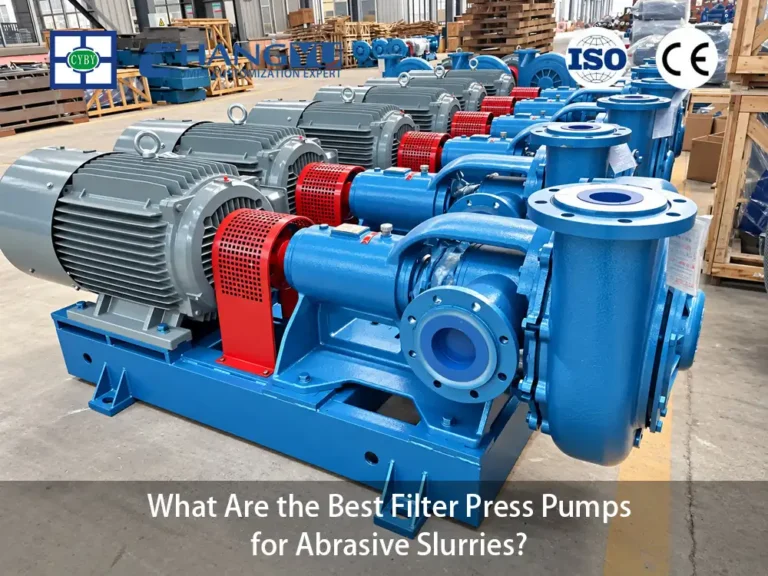
Compare four pump types for abrasive filter press slurry. Learn how particle wear, the filling cycle, final pressure, and suction conditions affect selection of UHB, UHFM-HJ, and alternatives.
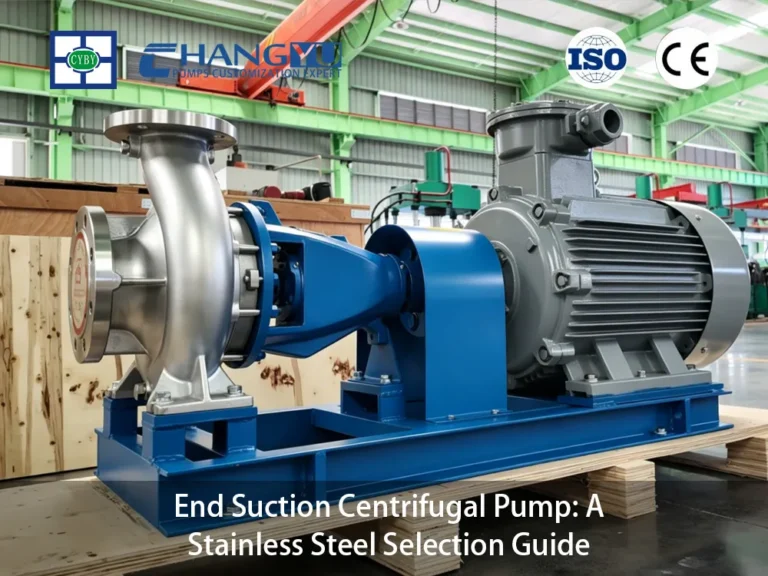
Selecting a stainless steel end suction pump involves more than matching pipe size and motor power. Learn how to compare layouts, define flow and head, check suction conditions, and match materials and seals. Includes a practical quotation checklist and answers to common selection questions.
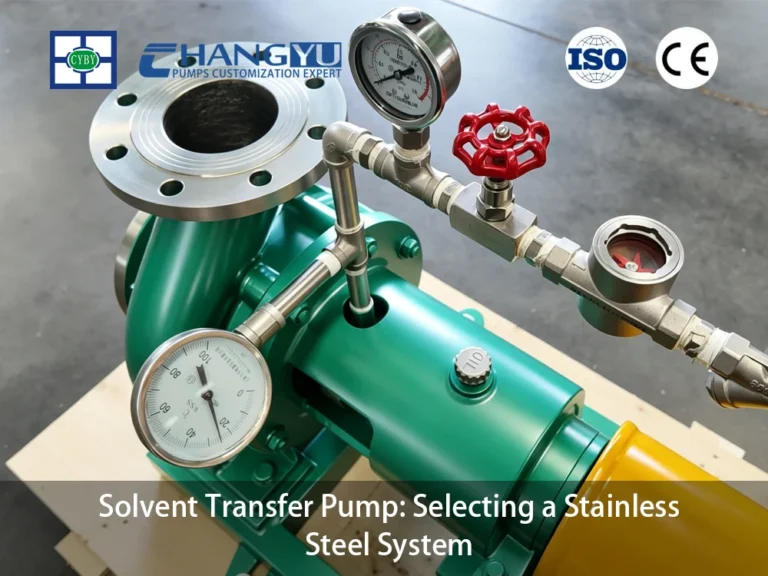
Specify a stainless steel pump for industrial solvent transfer with a clearer view of compatibility, mechanical seals, suction conditions and site requirements. Learn why the complete solvent blend and lowest tank level matter, and what to include in a useful pump enquiry.
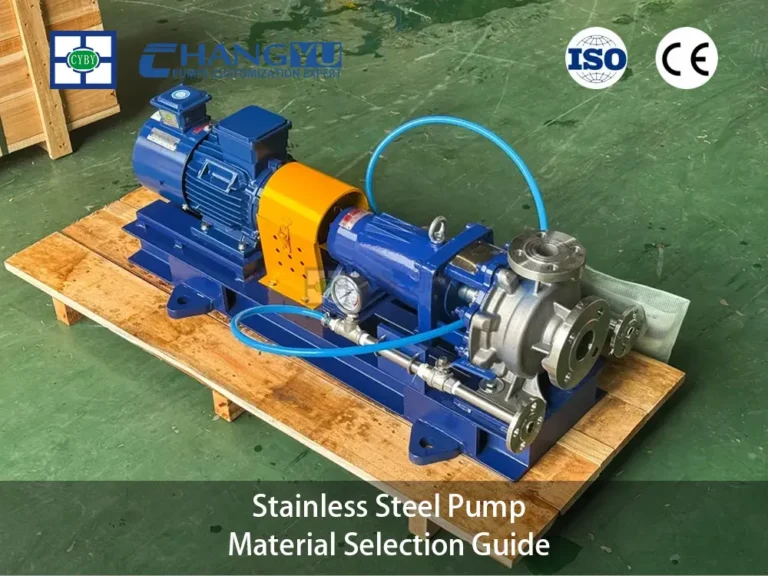
Choose stainless steel pump materials around the actual liquid and operating conditions. This guide compares 304/304L, 316/316L, 317L, 904L, 2205 and 2507, explains what to check across the wetted assembly, and helps turn a material shortlist into a clear pump purchase specification.
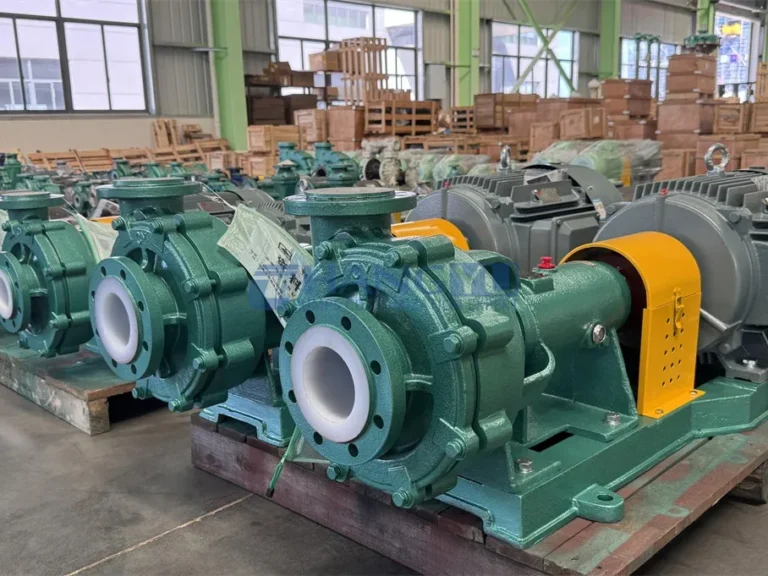
This guide explains how to select the right corrosive liquid pump for industrial applications. It introduces common pump types such as fluoroplastic pumps, UHMWPE pumps, stainless steel pumps, and magnetic drive pumps, and explains their materials, advantages, and typical applications in chemical processing, mining, and wastewater treatment systems.
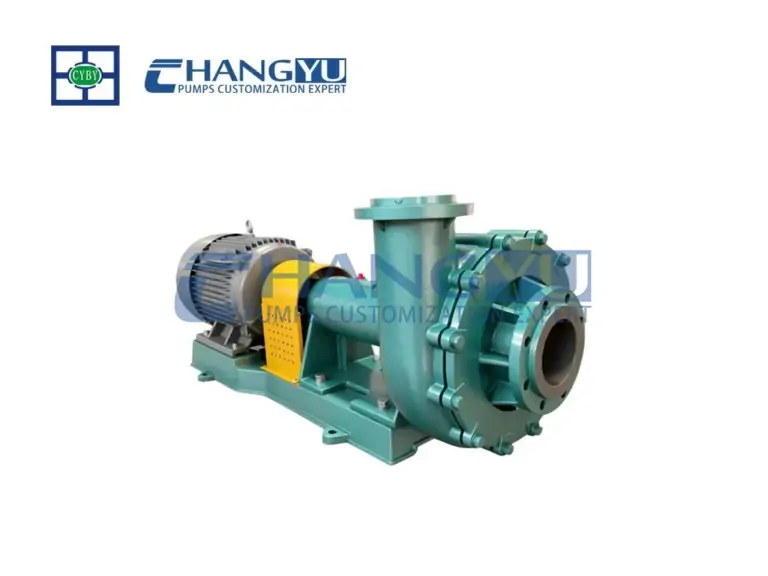
Acid resistant pumps are used to transport corrosive liquids in chemical and industrial processes. This guide explains their types, materials, applications, and key factors for selecting the right pump.

This guide explains the key differences between a PTFE lined pump and a stainless steel pump, including corrosion resistance, operating conditions, maintenance cost, and industrial applications to help engineers choose the right chemical pump.
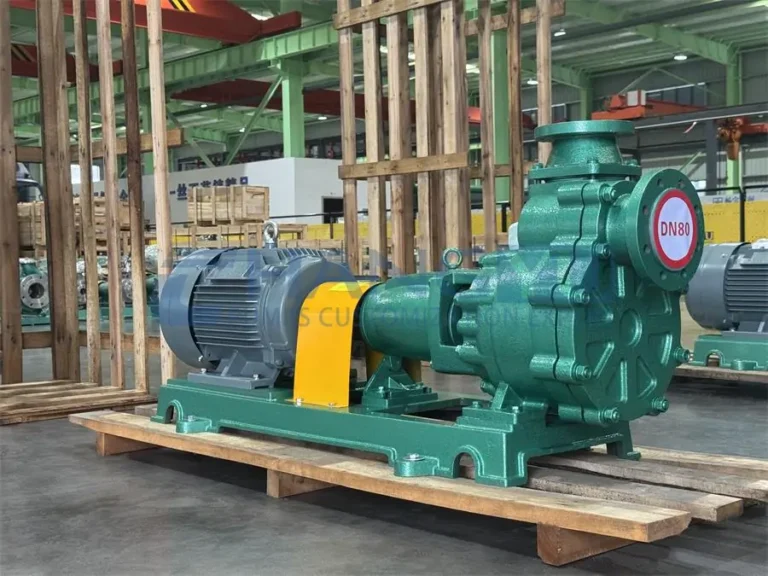
This article explains the differences between Self Priming Chemical Pump and chemical centrifugal pumps, covering working principle, structure, start-up method, and suitable applications, helping engineers and procurement teams select the right chemical pump.
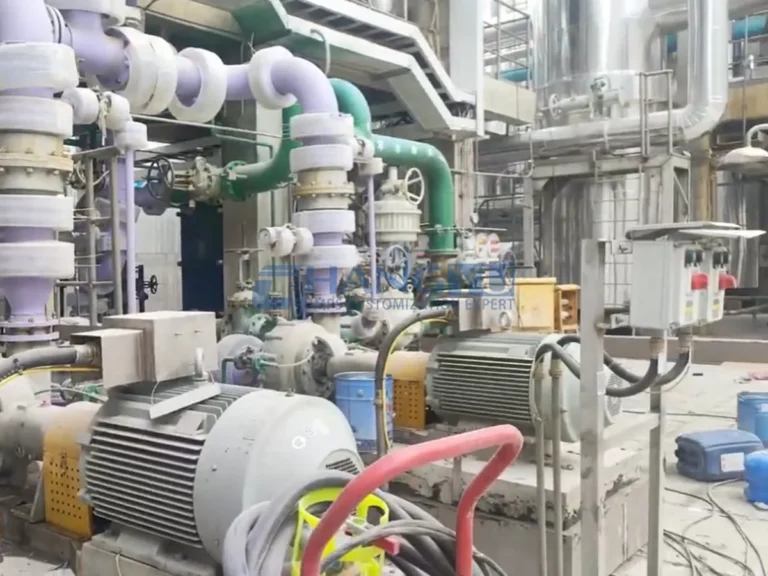
A sulfuric acid pump is designed to safely transport highly corrosive liquids such as sulfuric acid. This guide explains pump types, materials, applications, and key selection factors.
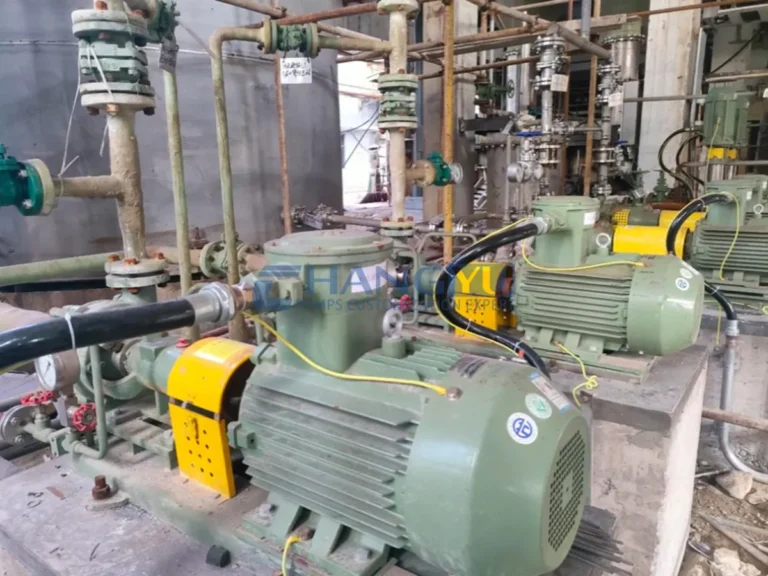
This guide explains how to choose the right chemical process pump for chemical processing industries. Learn about pump types, corrosion-resistant materials, and key selection factors.

This guide explains the key differences between Horizontal Centrifugal Pumps vs Vertical Centrifugal Pumps, including structural design, installation methods, suction capability, maintenance requirements, and application scenarios to help engineers choose the right pump for industrial systems.
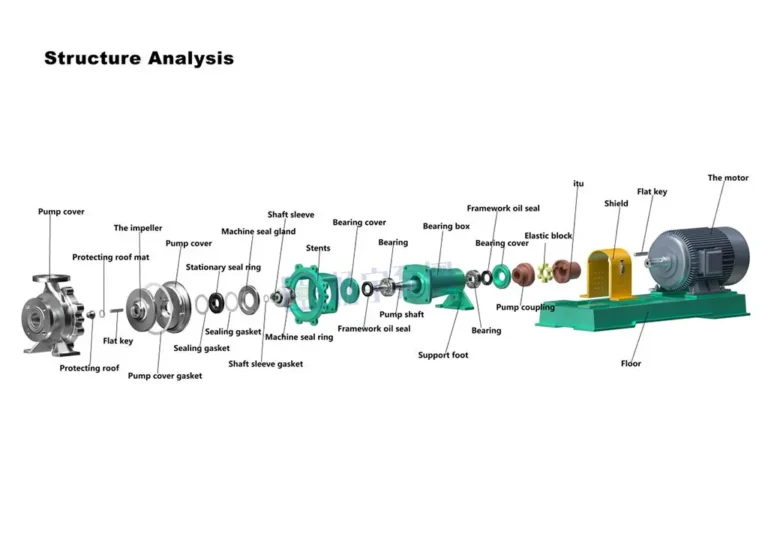
This guide explains centrifugal pump parts and working principle, covering impeller types, pump casing design, shaft structure, sealing systems, and energy conversion process.
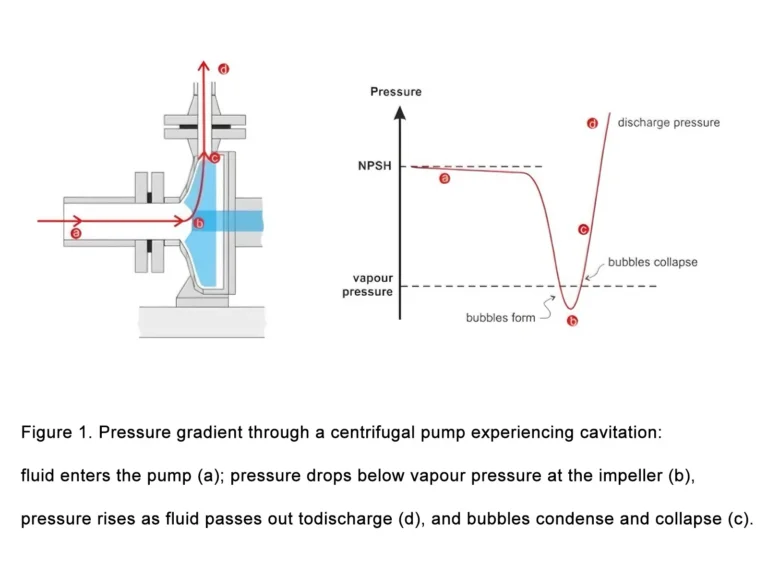
A technical guide explaining how cavitation occurs in centrifugal pump, its process, warning signs, and how to avoid damage.
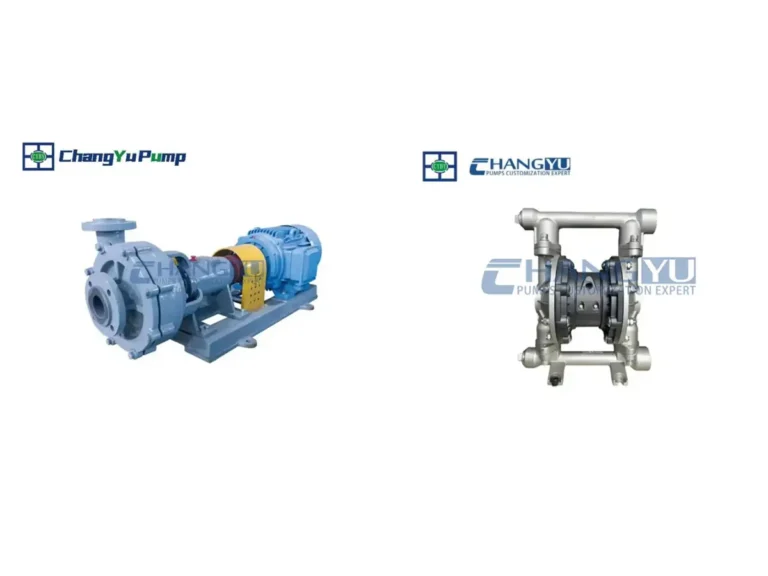
Centrifugal or Positive Displacement Pump? Changyu Pump helps you choose the right pump for your industrial and high-viscosity fluids.
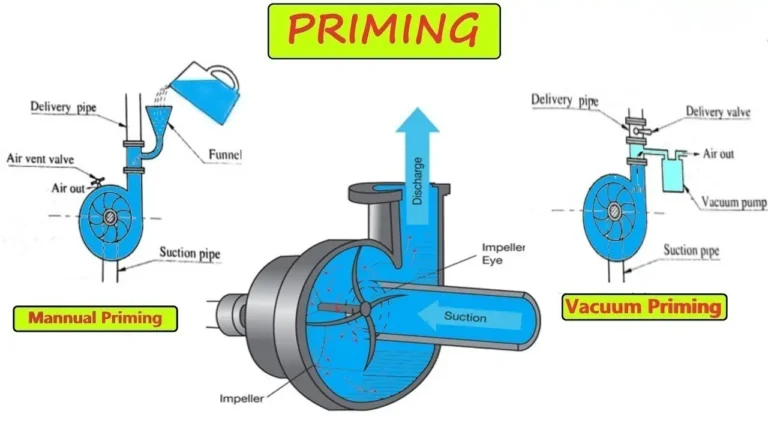
How to prime a centrifugal pump? Changyu Pump explains centrifugal pump priming methods to remove air and improve pump startup performance.
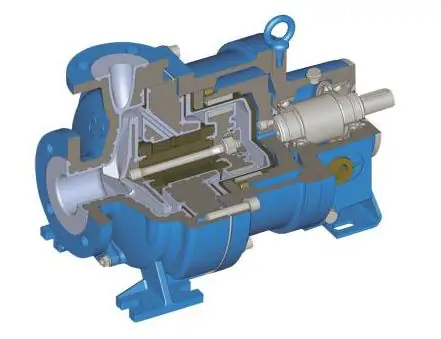
This article analyzes magnetic drive pump failure causes based on sliding bearing damage cases involving acid, alkali, and isopentane applications.
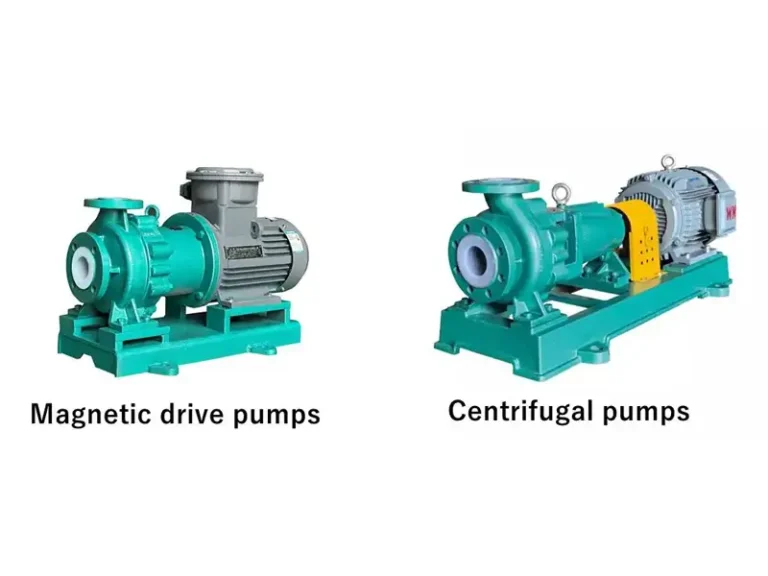
This article compares magnetic drive pumps and centrifugal pumps from an engineering perspective, focusing on working principles, structural differences, sealing methods, applications, and maintenance considerations. Based on practical operating conditions, it explains where each pump type is typically applied and what factors engineers and procurement teams should consider when selecting the appropriate solution.
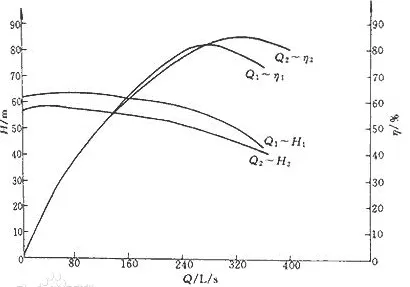
Centrifugal pump efficiency is crucial for energy savings, operational performance, and equipment longevity. This article shows how to calculate efficiency by measuring flow rate, head, and shaft power, and explains the impact of hydraulic, mechanical, and volumetric losses. Practical guidance helps identify efficiency issues, optimize pump performance, and reduce maintenance costs in industrial and civil applications.

This article explains the calculation method of industrial pump shaft power, clarifies the relationship between hydraulic power, shaft power, and motor power, and provides practical considerations for motor selection in chemical process applications. It is intended for engineers and procurement professionals involved in pump selection and system design.

This guide covers chemical and slurry pump material selection, focusing on UHMW-PE, FEP, and PFA wetted parts to ensure optimal corrosion resistance, wear resistance, and stable operation under various media conditions.
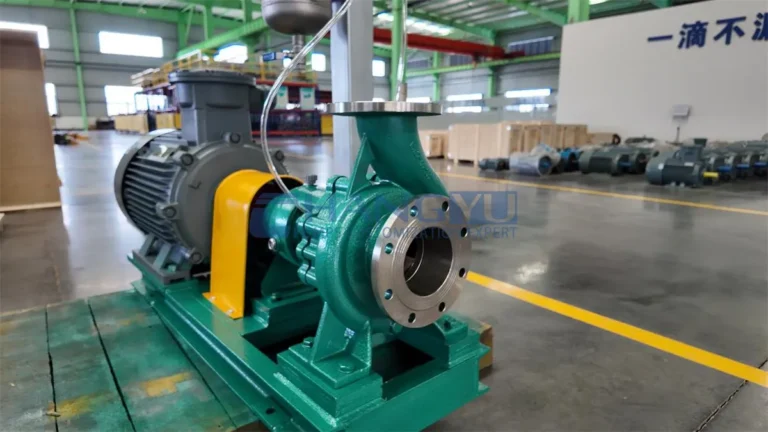
Learn rated power, shaft power, suction head and discharge head of industrial centrifugal pumps, and how to select corrosion and wear resistant pumps for up to 40% solids.
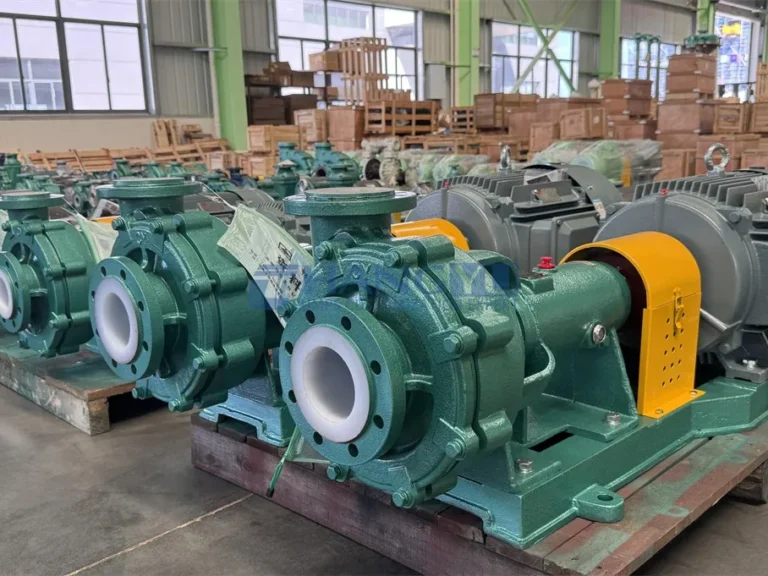
Discover what a slurry pump is used for, key applications in mining, metallurgy, and chemical industries, and how to choose the right slurry pump. Contact our engineers for a customized solution.
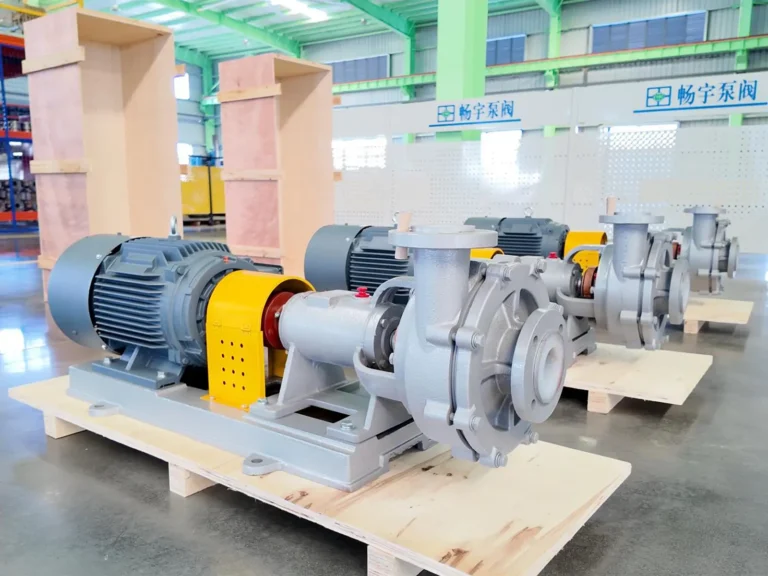
How Does a Slurry Pump Work Learn the real working process, key parts, and pro tips to pick a high performance slurry pump. Expert guide from Changyu Pump.

In industrial production, horizontal centrifugal pumps are used for liquid transfer. They serve as core equipment in…

Magnetic drive pumps (commonly referred to as magnetic pumps) are sealed pumps that transmit power through magnetic…
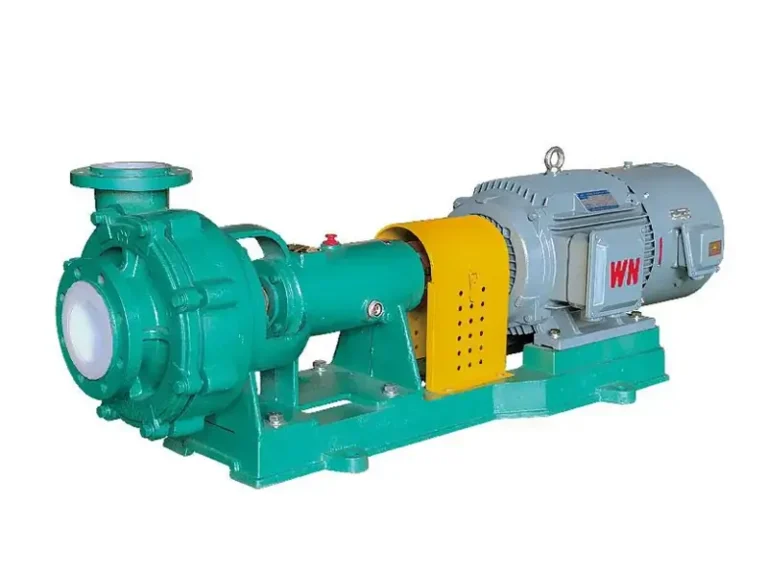
Centrifugal pumps are among the most common fluid transfer devices in industrial production. They operate by generating…

Magnetic drive pumps (MDP) are primarily used for transporting corrosive chemicals. Unlike conventional centrifugal pumps (which often…
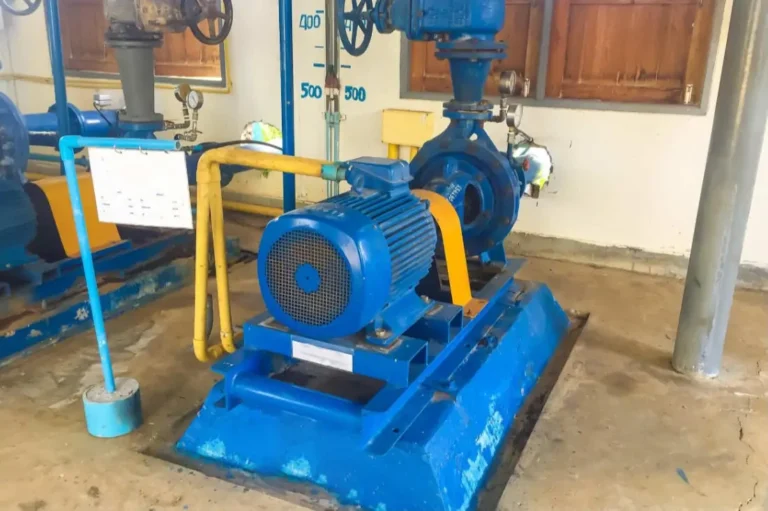
Introduction: The Industrial Value of Slurry Pumps Slurry pumps serve as core conveying equipment in industries such…
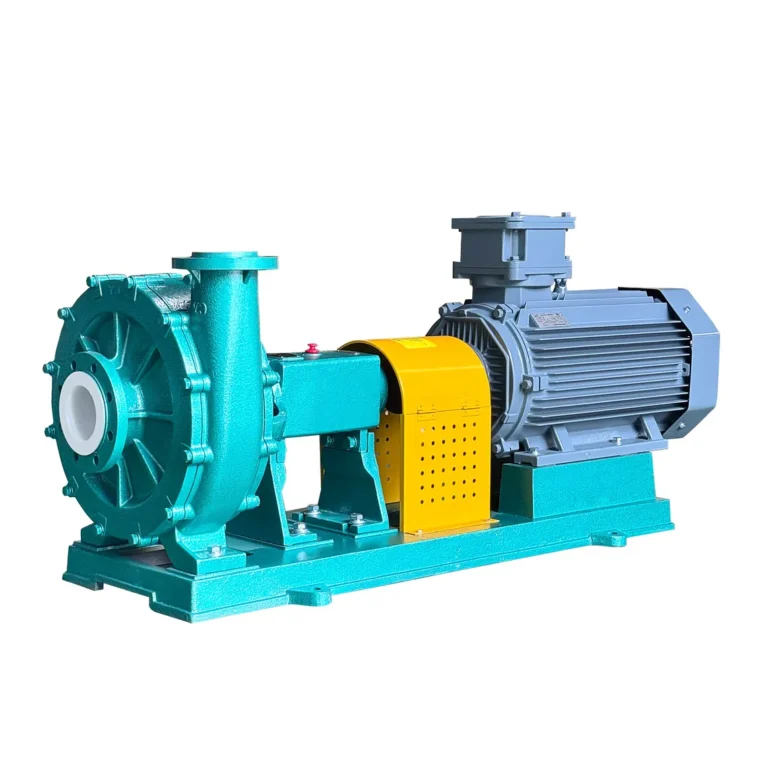
Caustic soda (sodium hydroxide) is an important raw material in the chemical industry, but its strong corrosiveness…
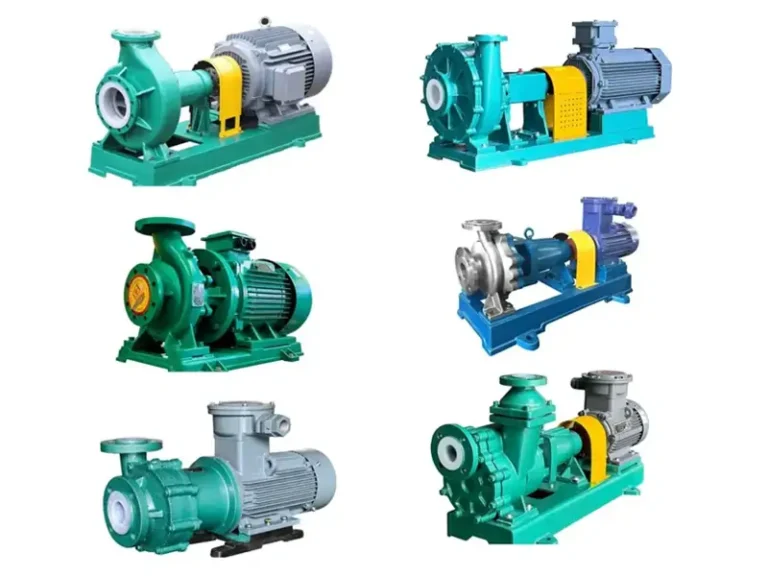
Acid-resistant pumps are widely used in chemical production processes, typically for conveying acidic and alkaline liquids, with…
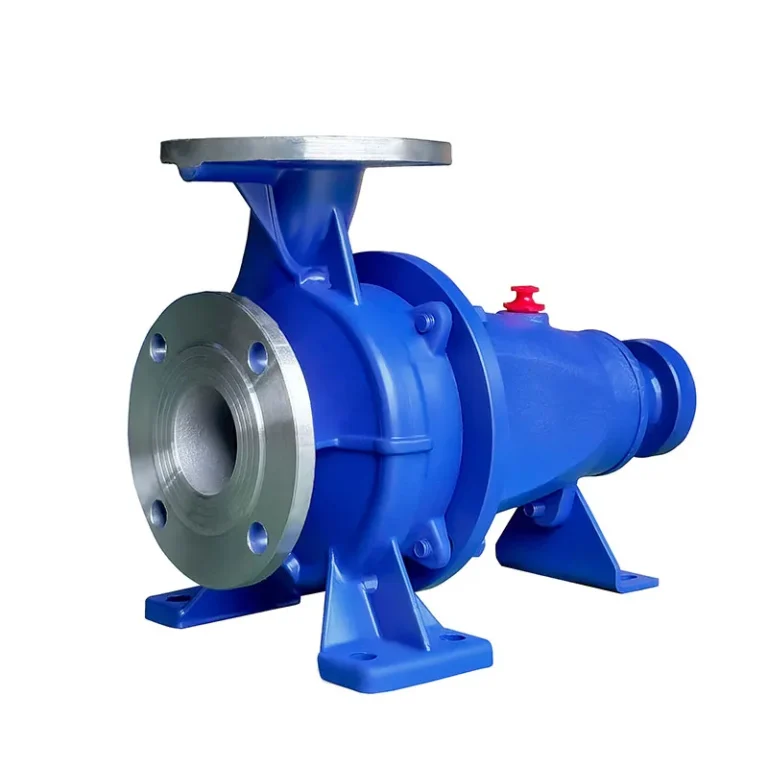
Stainless steel magnetic pumps are known for being leak-free. They are efficient and environmentally safe. These pumps…

Magnetic pumps play an important role in industrial production. To ensure their stable and efficient operation, daily maintenance…
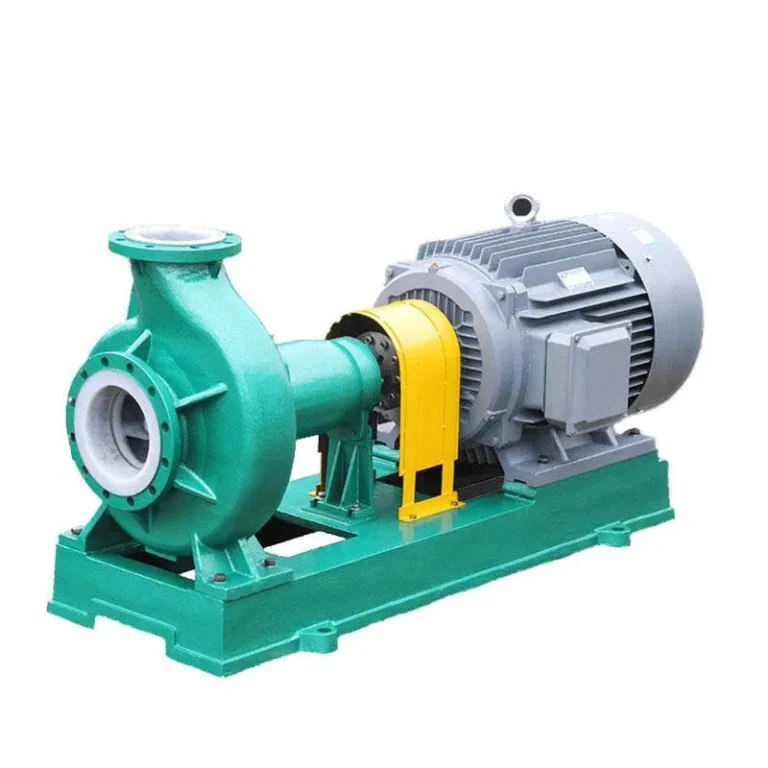
Centrifugal pumps are fluid transfer equipment widely used in industrial, agricultural, and municipal applications. Their primary function…

Lubrication: During the operation of a slurry pump, the possible intrusion of the conveyed medium, water, and other…
The following is the first part of the daily operation and maintenance of slurry pumps: tart-up and shutdown:…
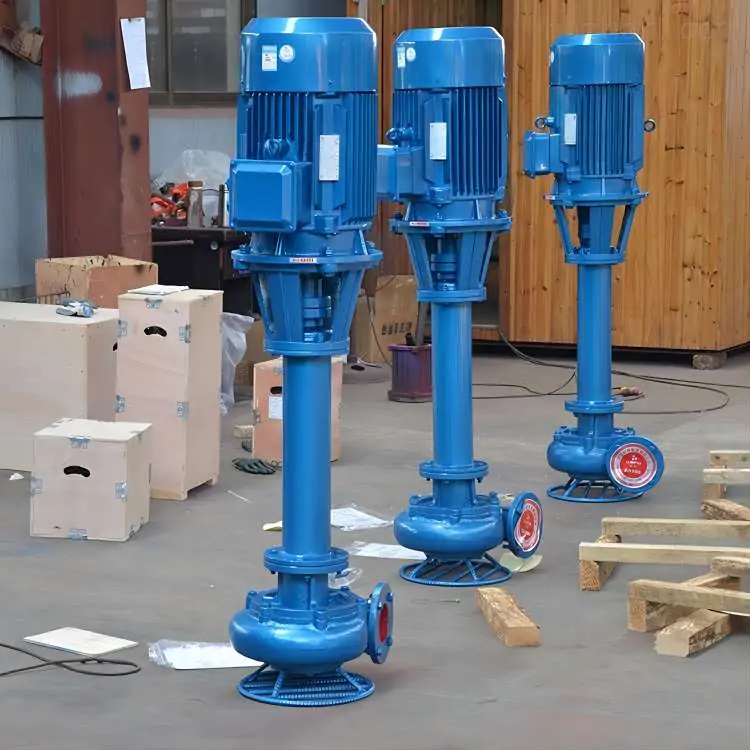
In industrial pump applications, both sludge pumps and slurry pumps are commonly used for handling fluids that contain solids….
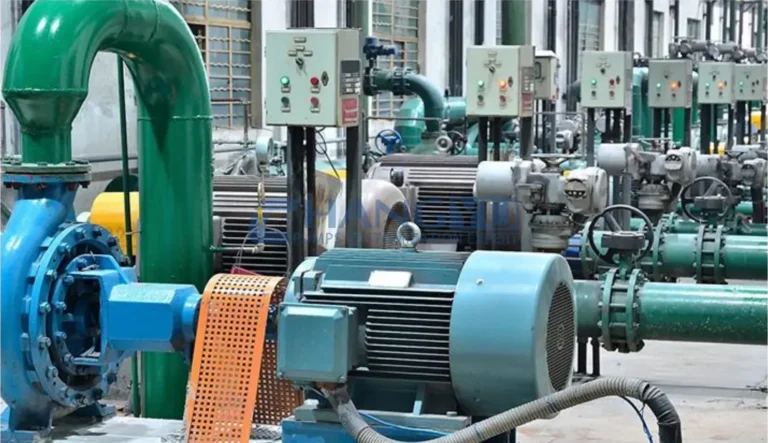
This article explains common slurry pump problems, their causes, and practical solutions to improve efficiency, reduce downtime, and extend pump service life.

Slurry pumps are primarily equipment designed to handle liquids containing solid particles. Read the article to quickly understand their working principles and selection techniques.

What is centrifugal pump? Learn its working principle, main parts, types, industrial applications, advantages, and how to choose the right model.